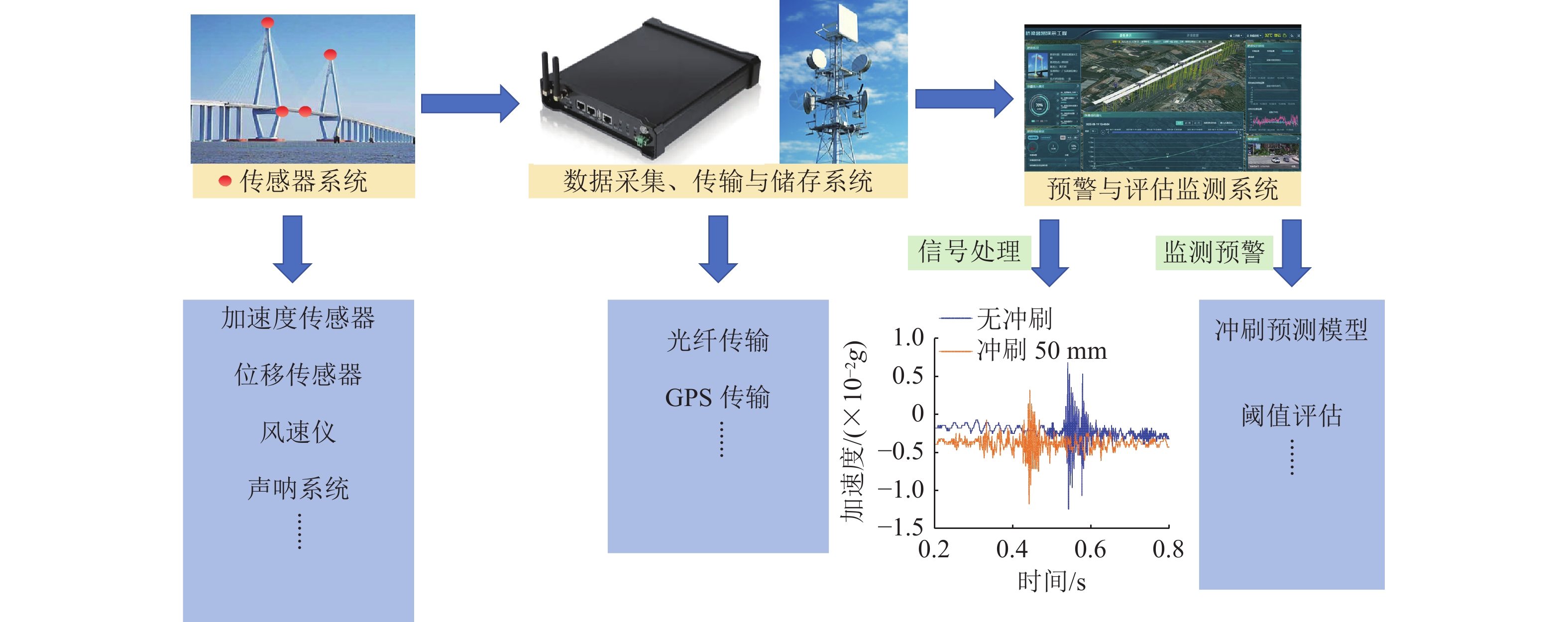
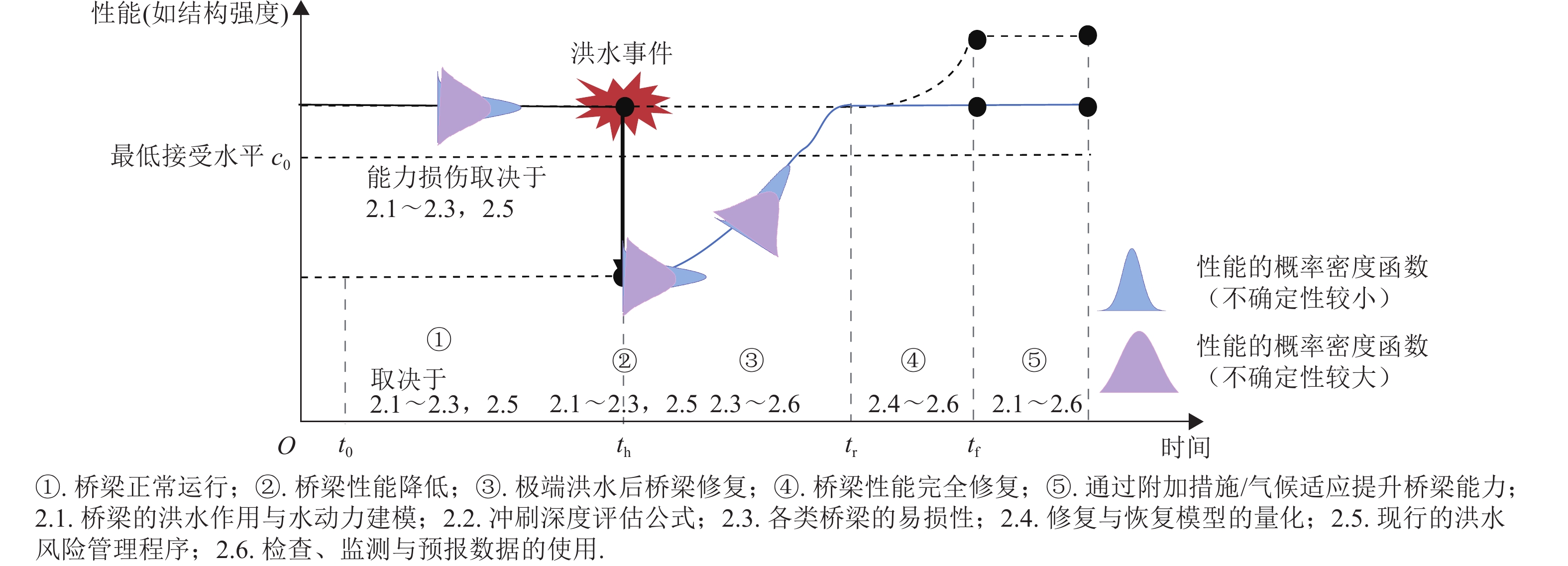
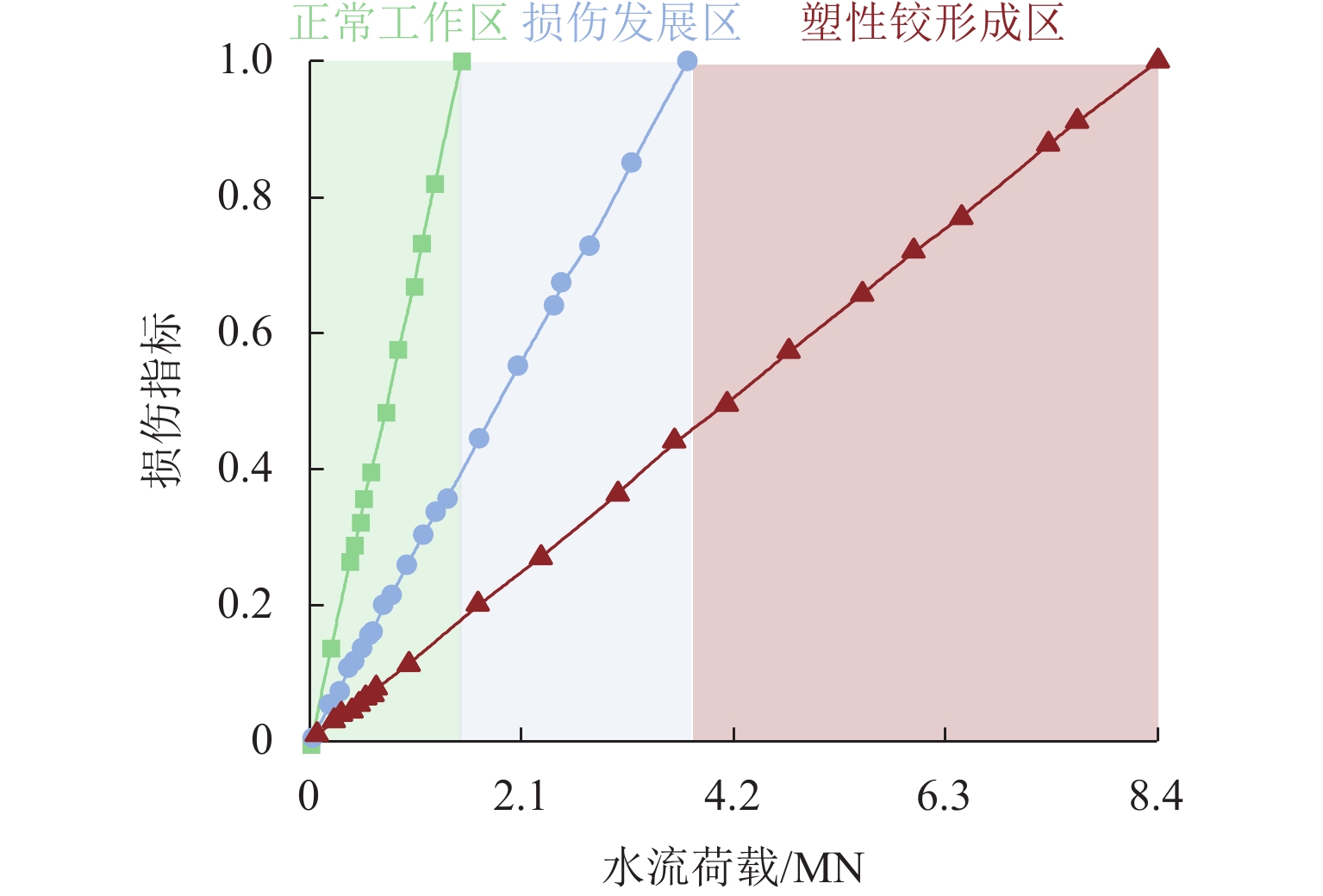
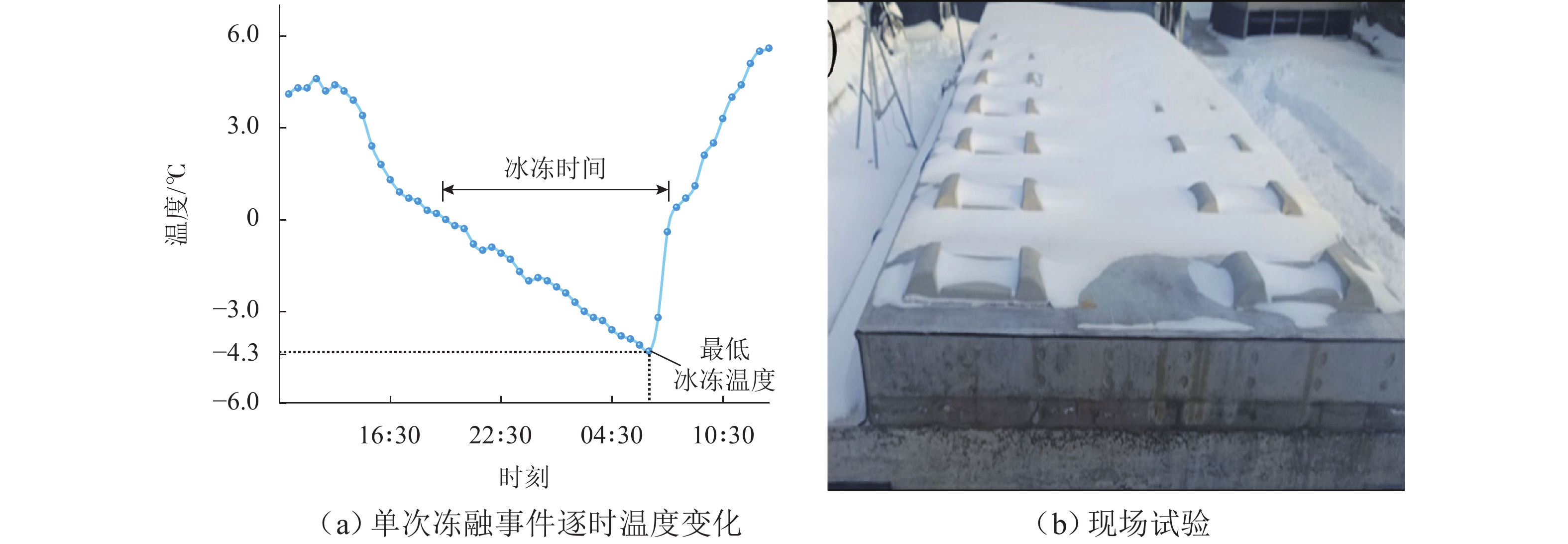
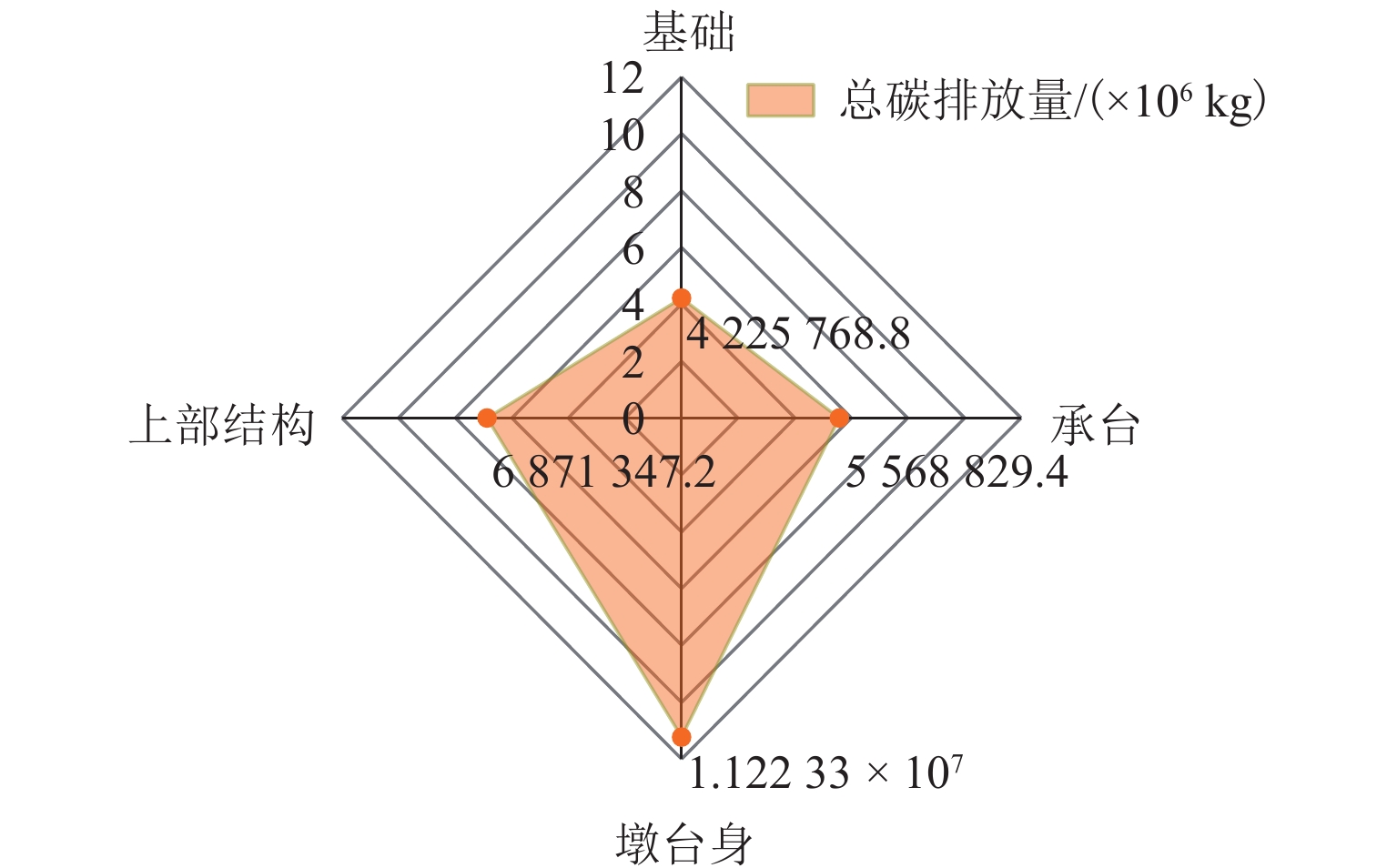
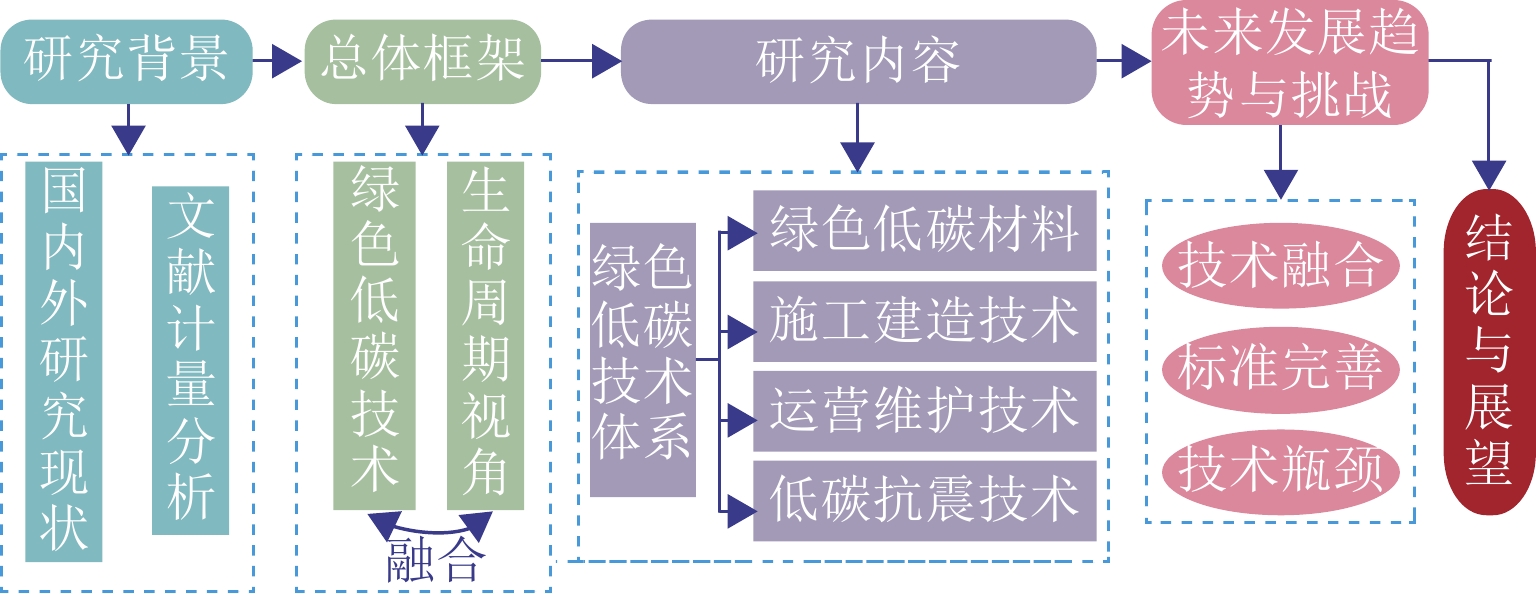
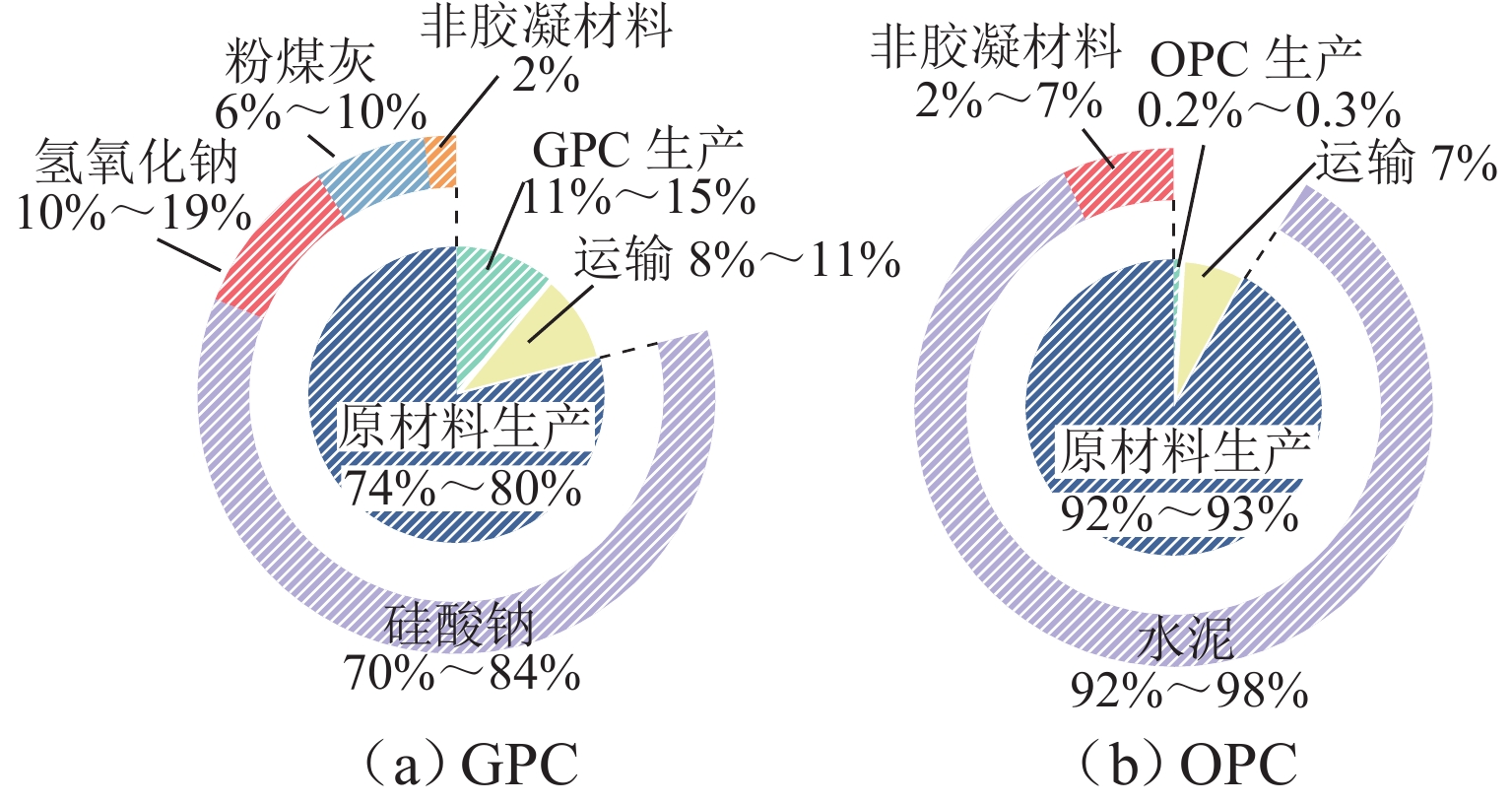
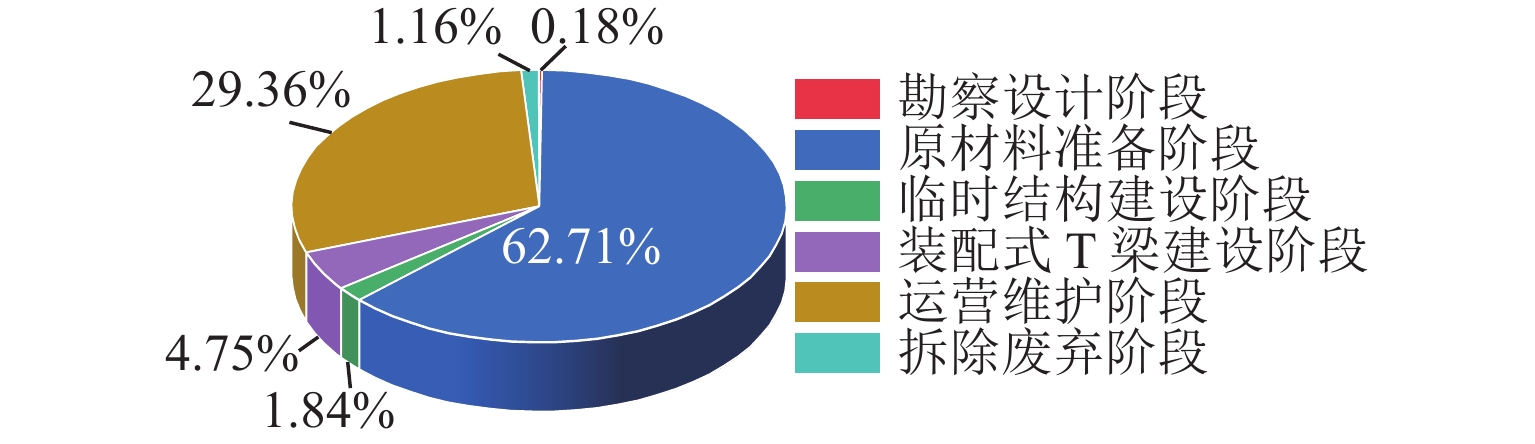
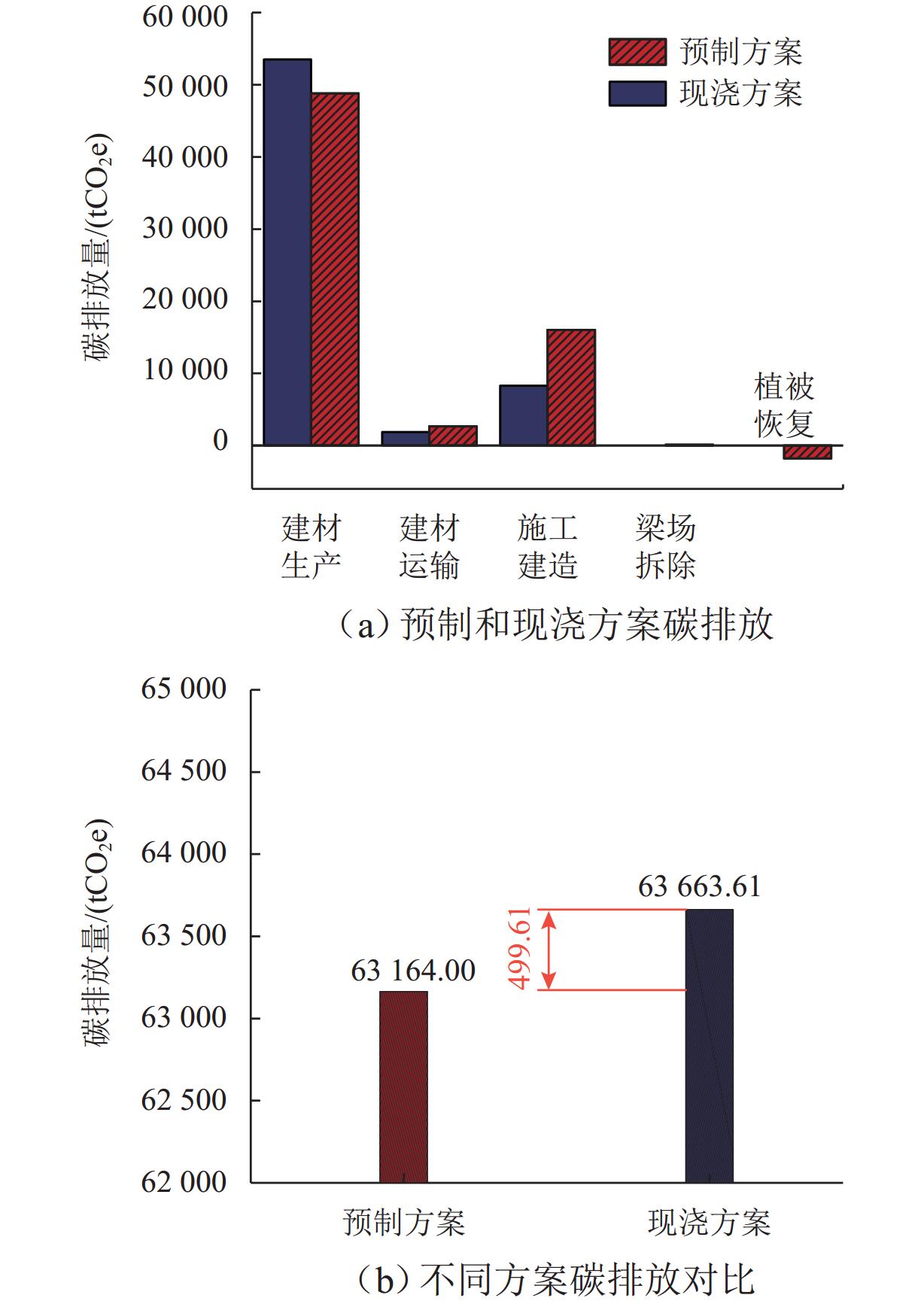
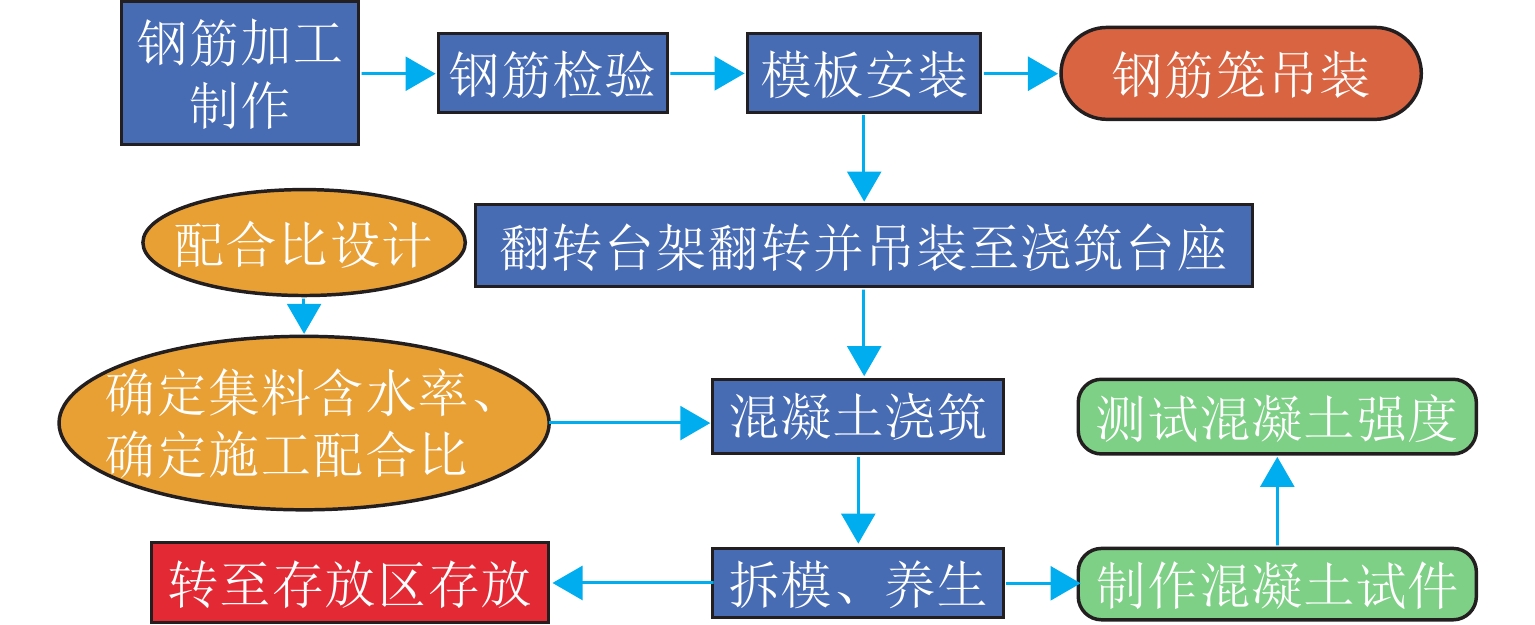
Under the impetus of global climate governance and China’s carbon peaking and carbon neutrality goals, bridge engineering serves as a vital component of transportation infrastructure. Its green and low-carbon transformation is of great significance for reducing carbon emissions in the transportation sector and promoting sustainable development. The research progress, technical systems, and engineering applications of green and low-carbon technologies in bridge engineering were systematically reviewed. It covered the full life cycle of bridges, ranging from material, design, construction, operation, and maintenance to demolition, aiming to achieve coordinated emission reduction in the five aforementioned stages. The roles in reducing carbon emissions in the full life cycle, enhancing durability, and optimizing seismic performance in a coordinated manner were reviewed. On the material side, low-clinker/high-blended cementitious materials, recycled aggregates, and circular steel were used to reduce embodied carbon and enhance durability. On the design side, the coordinated optimization of life cycle cost and environmental impact was adopted to achieve carbon control decisions. On the construction side, direct emission reduction was achieved through prefabricated construction, efficient construction equipment, and optimized transportation, as well as organization. On the operation and maintenance side, building information modeling (BIM)/Internet of Things/artificial intelligence were utilized for condition perception and predictive maintenance to improve energy efficiency and reduce unnecessary maintenance activities. At the end of the life cycle, retirement-friendly design, hierarchical dismantling, as well as refined sorting, recycling, and remanufacturing technologies were employed to achieve the closed loop of material and final disposal reduction. Currently, there are still key issues such as the imperfection of multi-objective coordinated design methods, the lack of unified carbon emission evaluation standards and data systems, and the insufficient coordinated optimization of low-carbon and seismic performance. In the future, efforts should be made to strengthen the application of digital twin and intelligent optimization technologies, promote the research and development of low-carbon new materials, improve the green construction and intelligent operation and maintenance systems, and establish a material recycling and closed-loop management mechanism. The theory of coordinated design for low-carbon and seismic resilience should also be deepened to achieve the sustainable development goals of “safety, durability, low carbon, and resilience” in bridge engineering.


 Advance Search
 Email alert
 RSS
RSS [Abstract]
 [FullText HTML]
 PDF 8131KB
 Supplements
 [Cited By]