• ISSN 0258-2724
  • CN 51-1277/U
  • EI Compendex
  • Scopus
  • Indexed by Core Journals of China, Chinese S&T Journal Citation Reports
  • Chinese S&T Journal Citation Reports
  • Chinese Science Citation Database

Current Issue

2026 Vol. 61, No. 5

Display Method:
Review on Energy Transmission and System Protection for Traction Power Supply of High-Speed Trains
WU Guangning, YANG Chenguang, CAO Ye, GUO Yujun, XIAO Song, XIE Jie, ZHANG Huazhi, GAO Guoqiang
2026, 61(5): 1431-1453. doi: 10.3969/j.issn.0258-2724.20260232
Abstract:

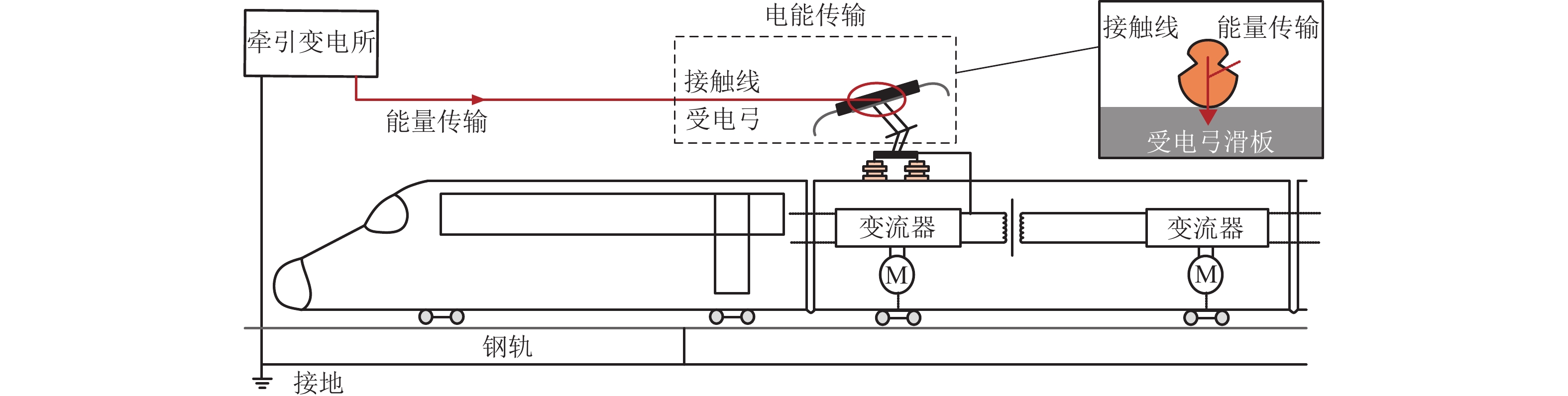
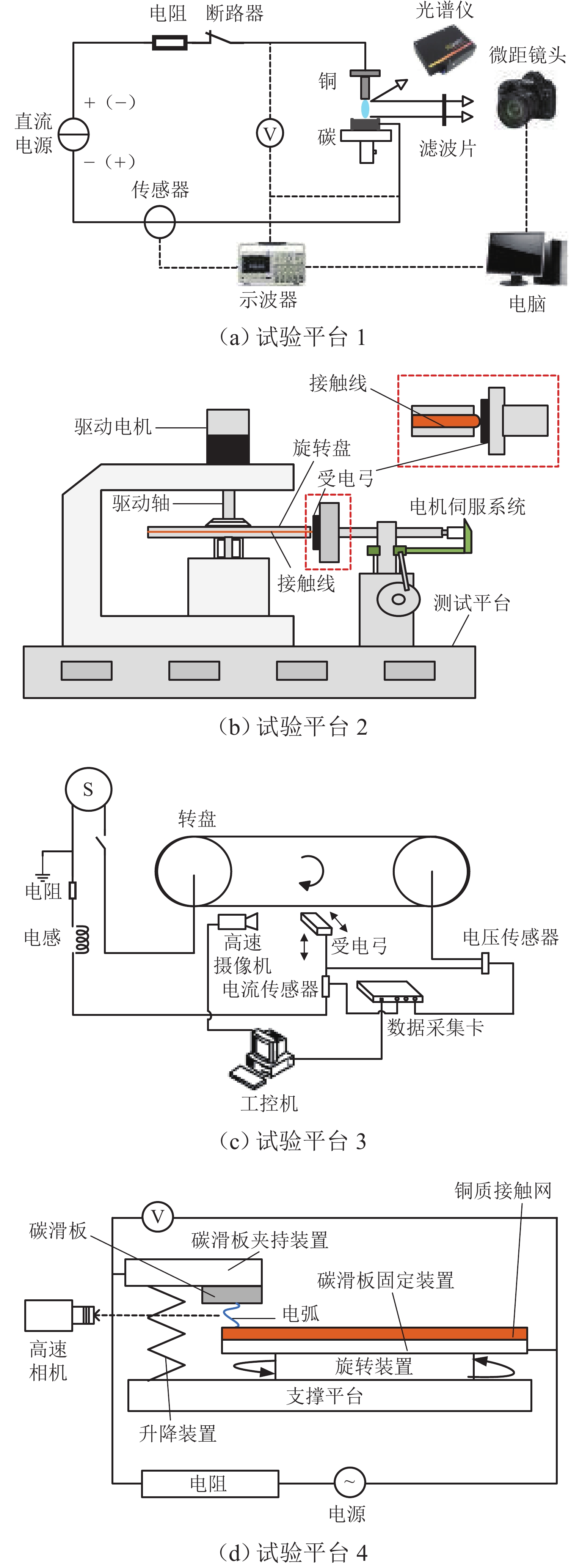
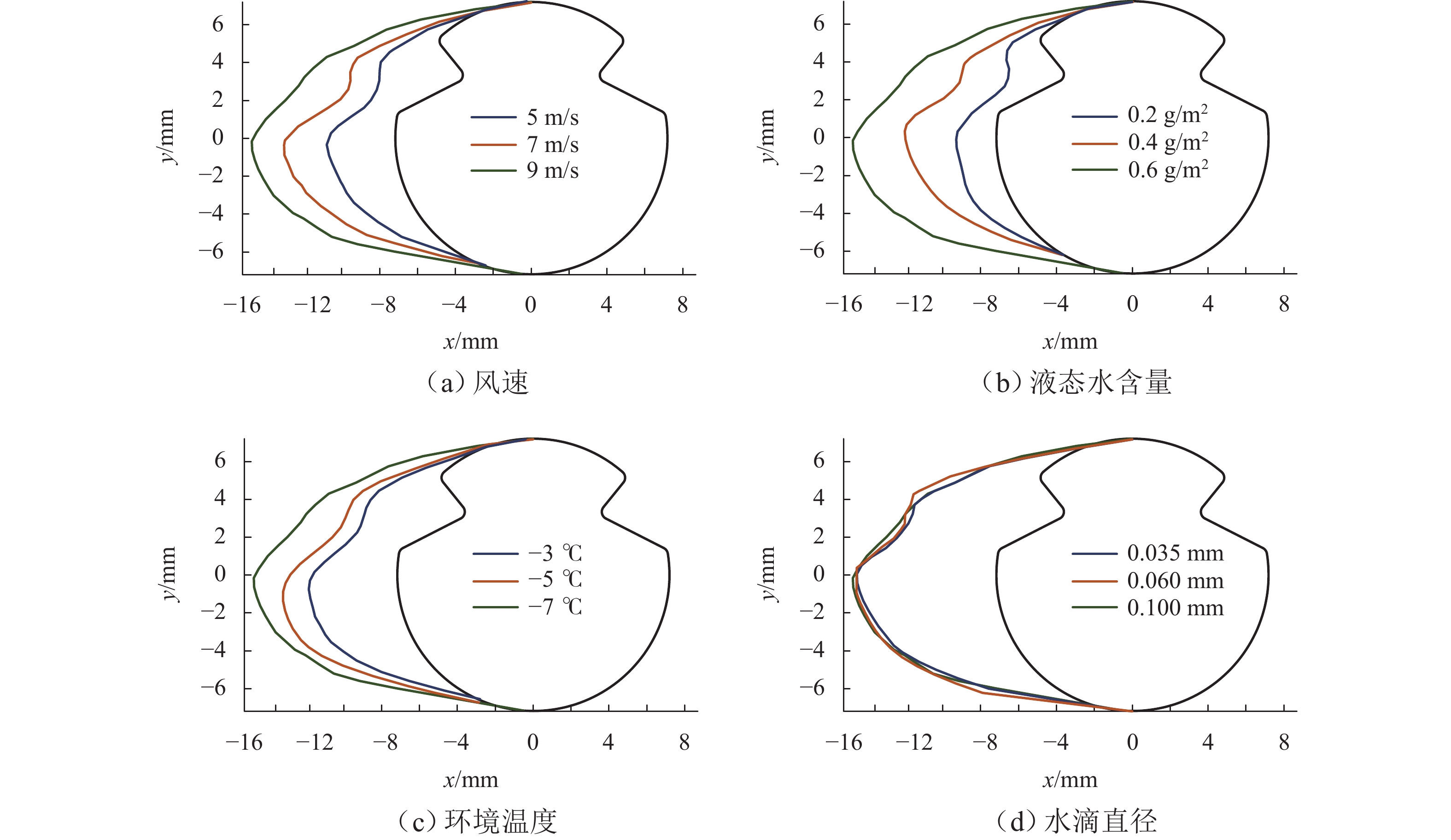
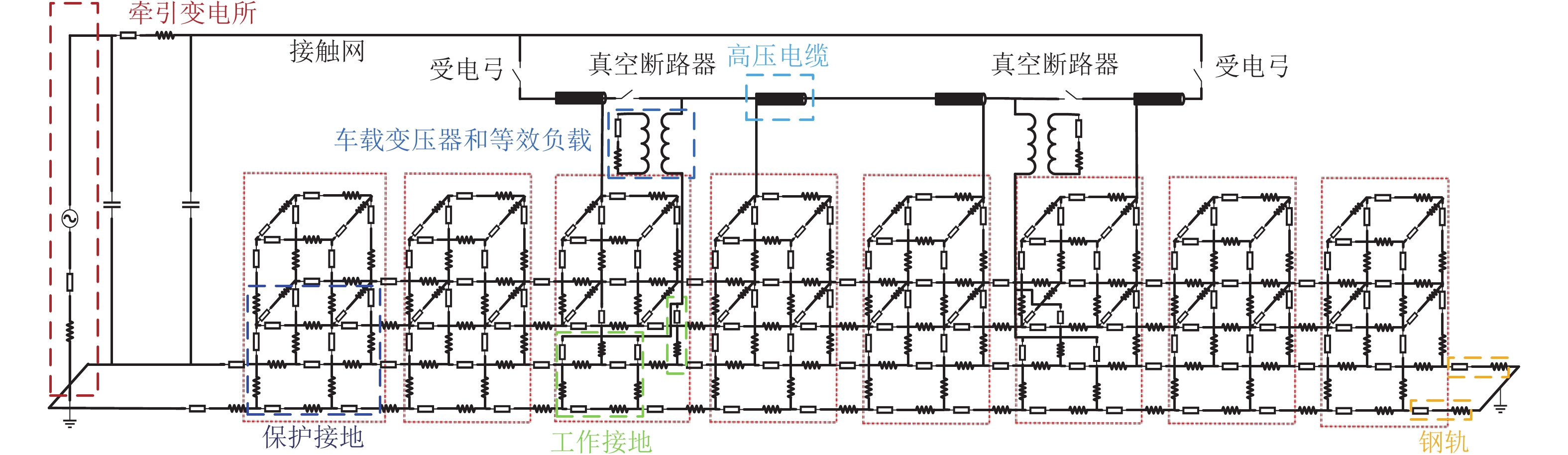
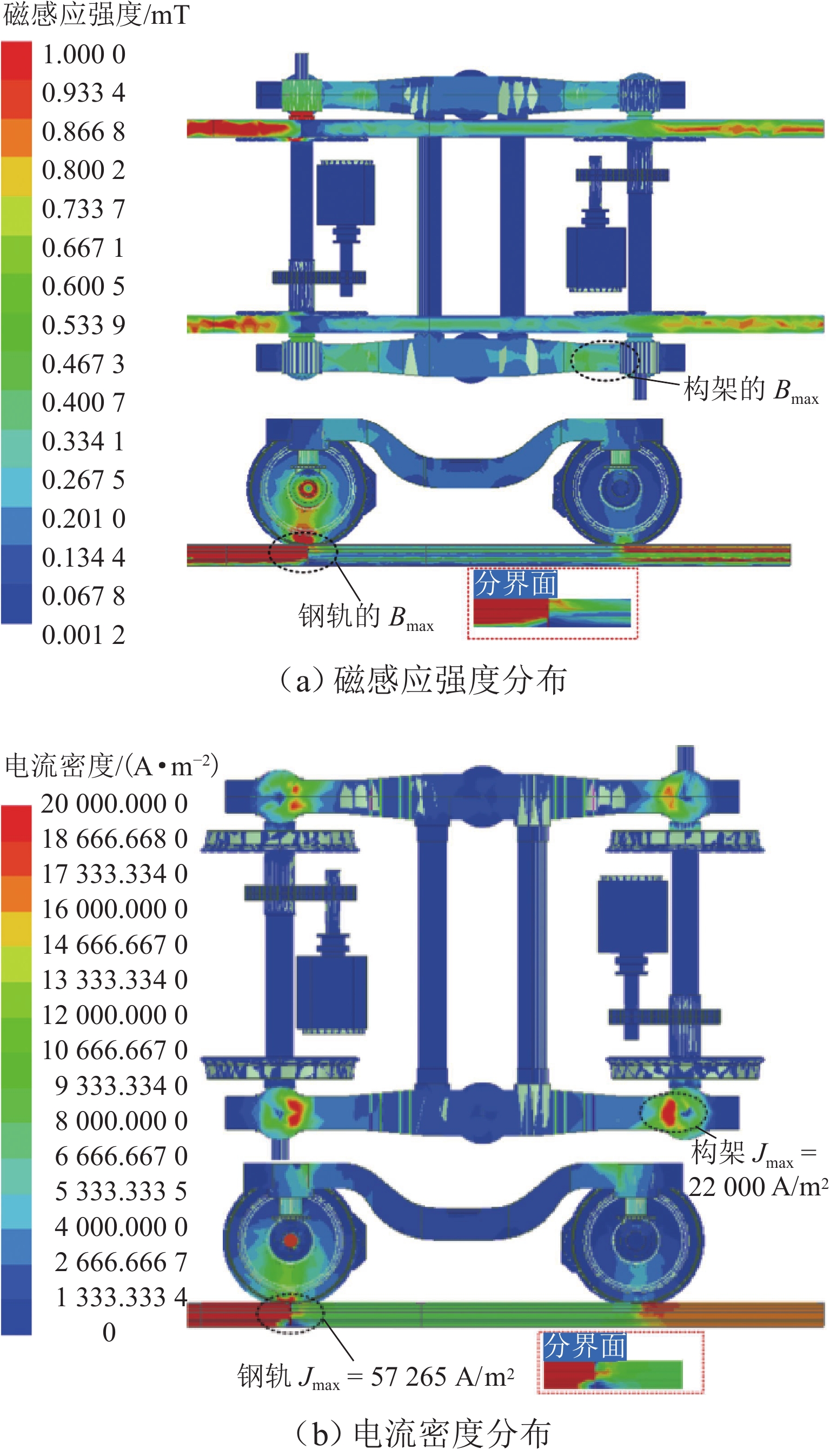
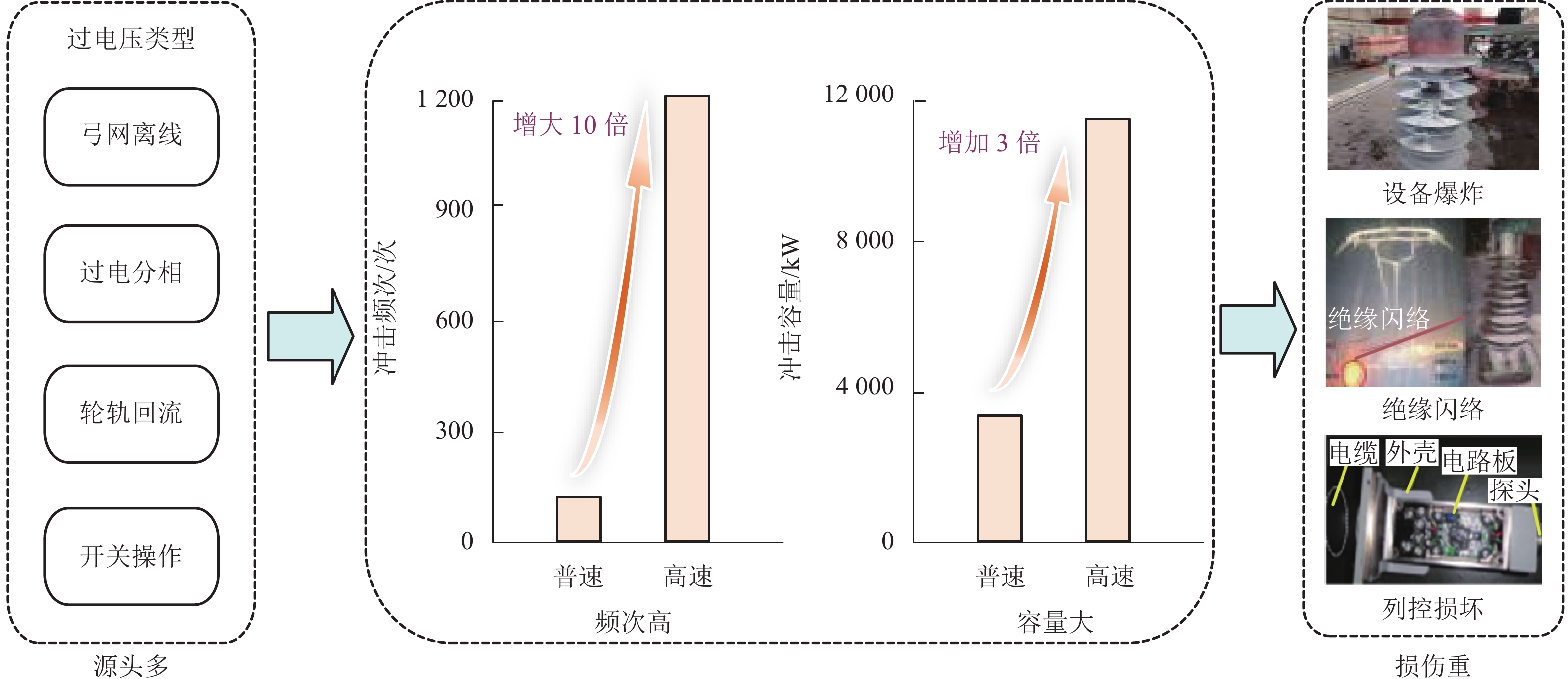
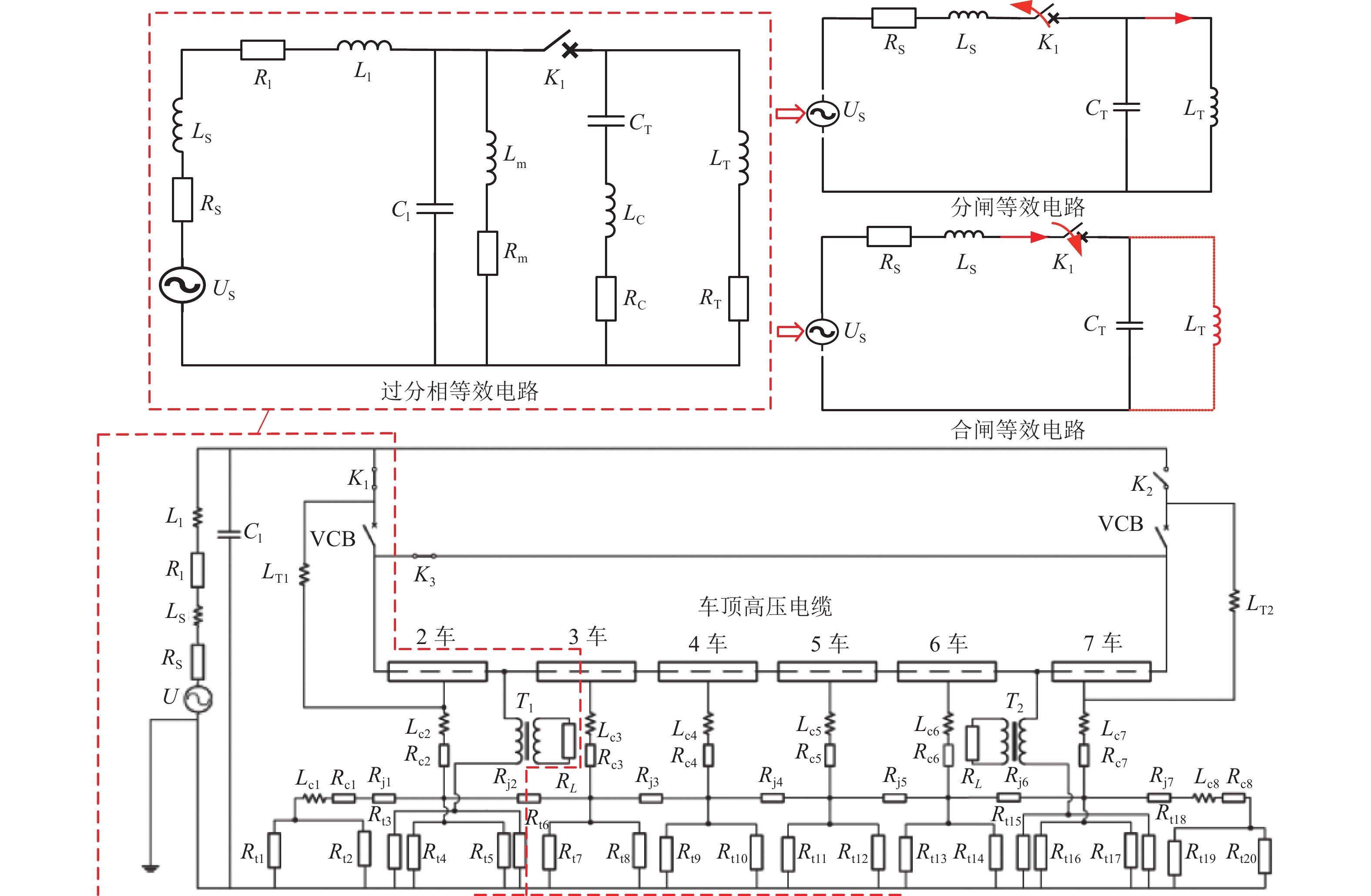
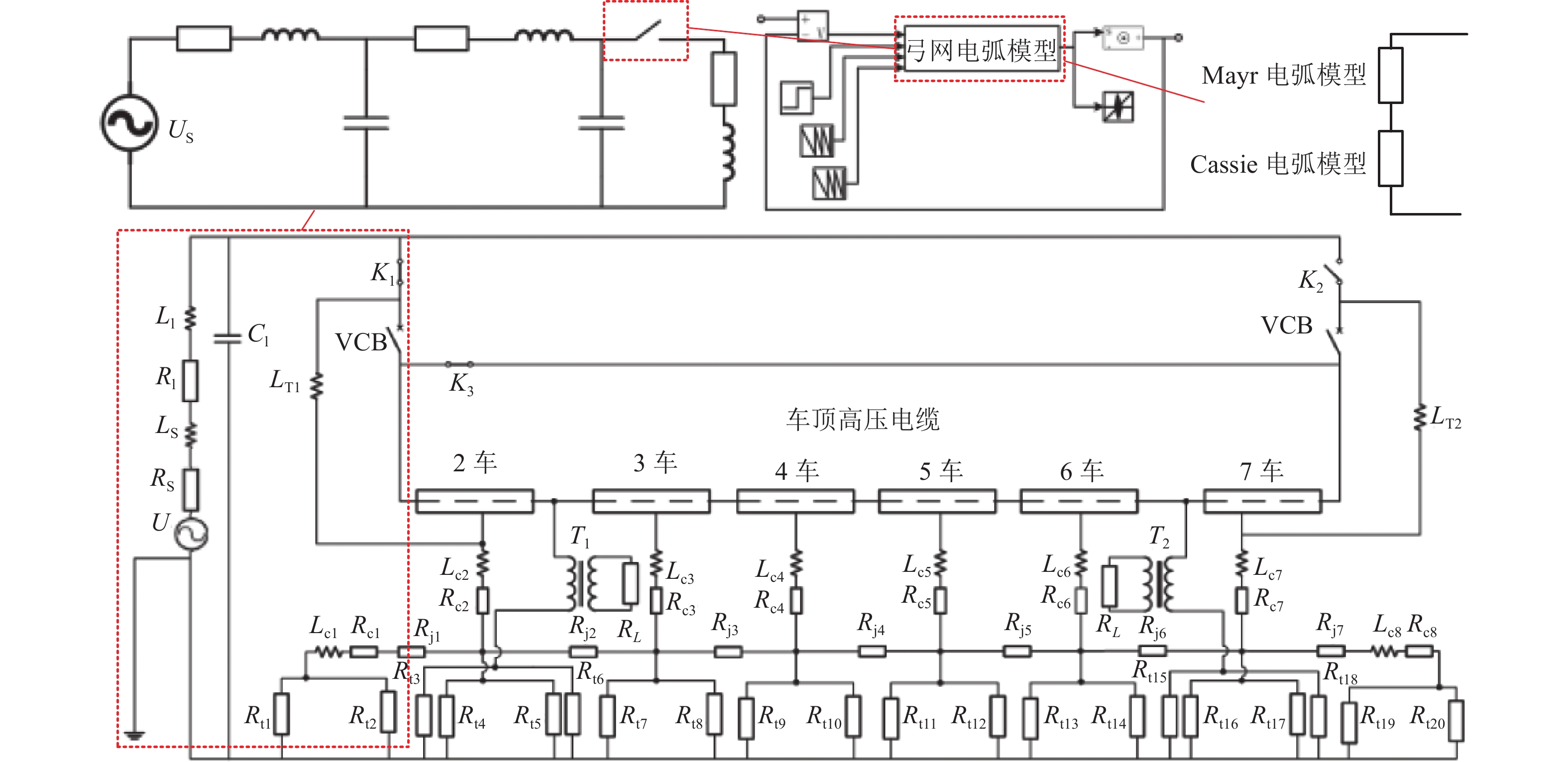
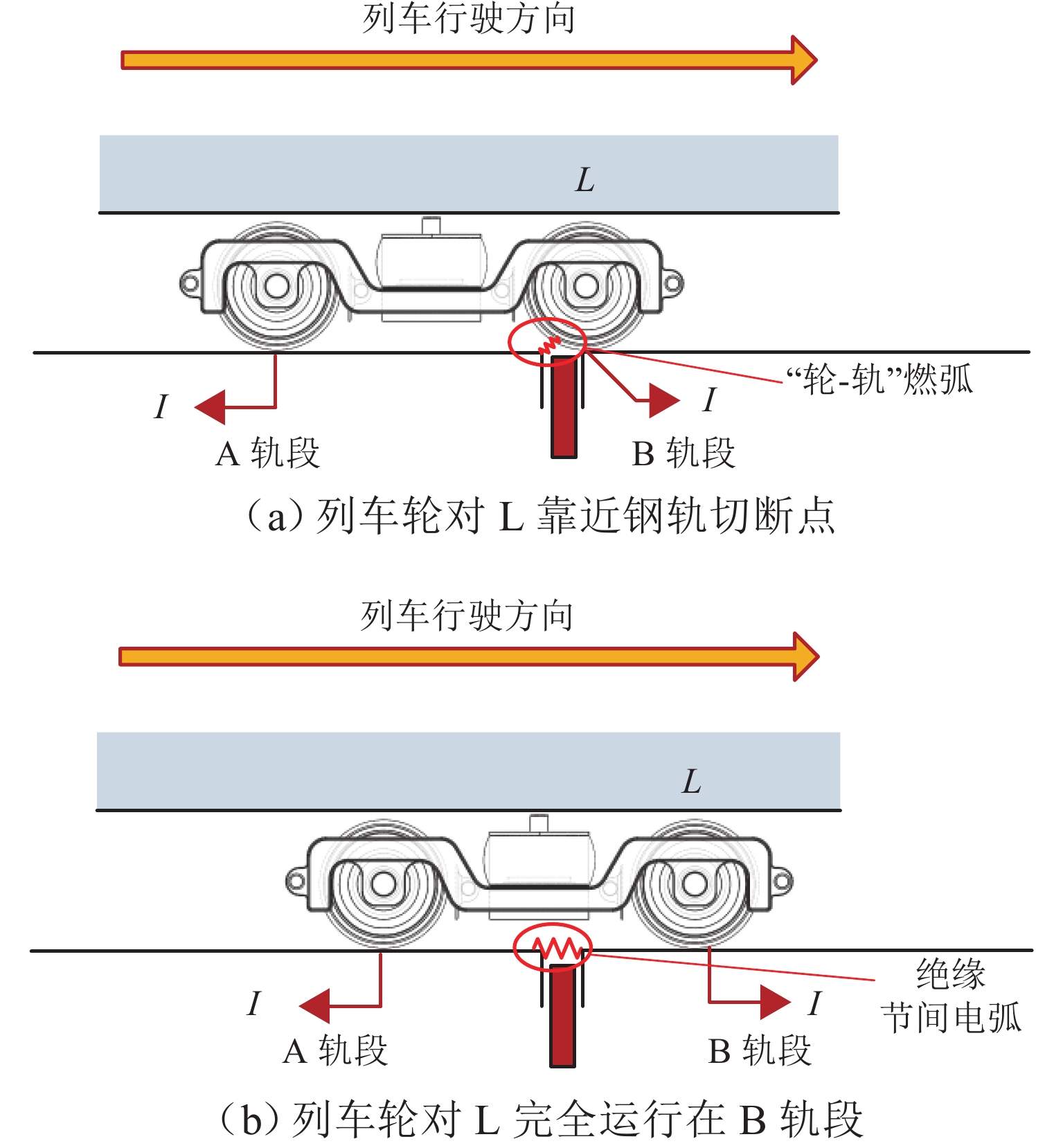
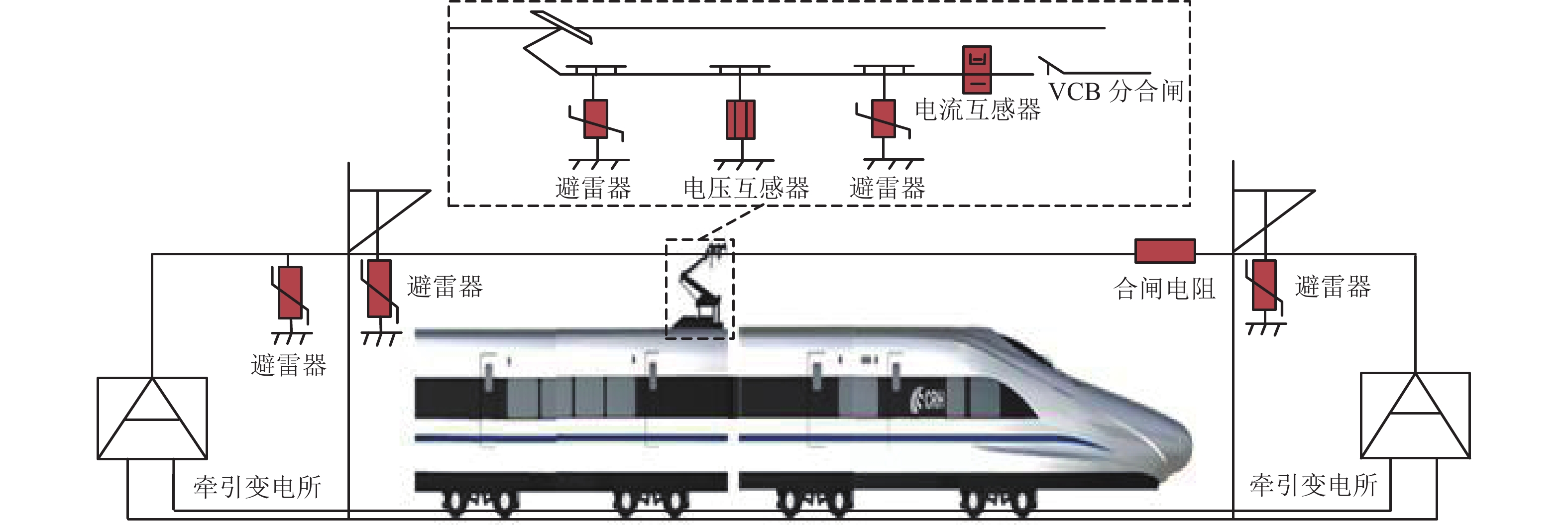
The traction power supply system is the core of energy supply for high-speed railway, and its energy transmission and protection technologies are directly related to train operational safety and service performance. The research progress of energy transmission and system protection for traction power supply of high-speed railway was reviewed systematically from three perspectives: pantograph-catenary current collection, ground return current, and overvoltage protection. In terms of pantograph-catenary current collection, the characteristics and evolution mechanisms of the pantograph-catenary arc were analyzed, the effects of complex environments on pantograph-catenary arc behavior and pantograph carbon contact strip ablation were discussed, and prevention methods such as pantograph-catenary structural optimization and contact interface regulation were summarized. Regarding ground return current, the circuit coupling and electromagnetic induction coupling mechanisms of the “train-rail” ground return current were elaborated. The electrical erosion hazards of ground current on bearings and rails were analyzed, and optimization and suppression strategies for ground current and ground potential were summarized. In terms of overvoltage protection, the generation mechanisms of switching overvoltage, pantograph-catenary arcing overvoltage, wheel-rail rolling arcing overvoltage, and lightning overvoltage were reviewed, the effects of overvoltage on primary- and secondary-side equipment of traction transformers and on-board sensors were analyzed, and suppression methods for different types of overvoltage as well as protective measures for equipment terminals were summarized. Finally, the shortcomings of current research were summarized, and it was proposed that future research should focus on source‑side suppression of pantograph-catenary arcs, simulation‑based optimization of grounding systems, and multi‑level coordinated protection against overvoltage. Combined with digital twin and intelligent monitoring technologies, the safety and reliability of energy transmission for traction power supply can be improved.

Optimized Dispatch of Electricity-Hydrogen Integrated Energy System Considering Chinese Certified Emission Reduction, Green Certificate, and Green Electricity Trading
LI Qi, WANG Zequn, PU Yuchen, MEN Weijie, CHEN Weirong
2026, 61(5): 1454-1469. doi: 10.3969/j.issn.0258-2724.20260051
Abstract:
Objective

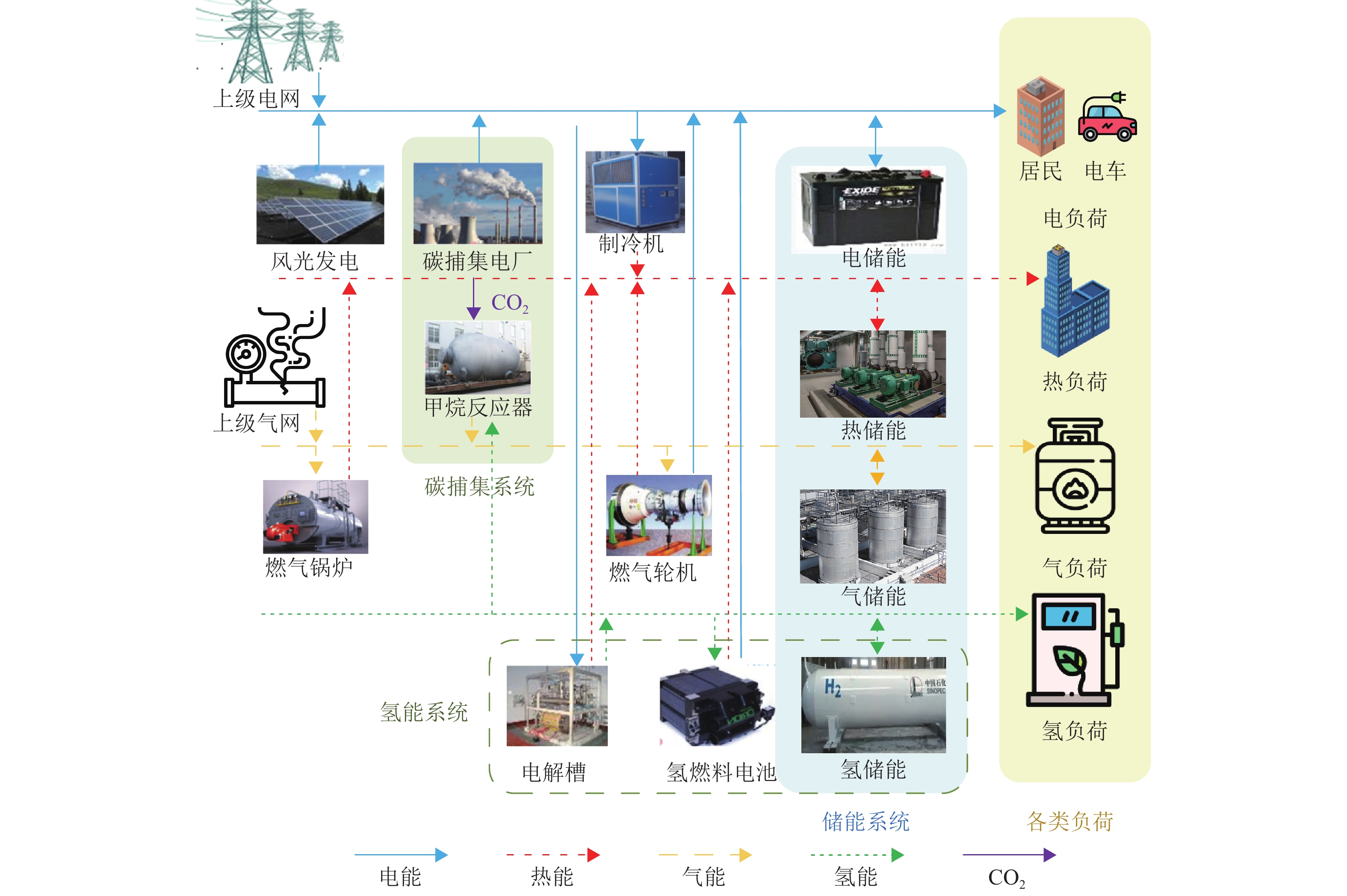
Under the carbon peaking and carbon neutrality goals, integrated energy systems (IESs) cut regional carbon emissions through multi-energy complementarity and cascaded utilization, yet their combined economic and emission reduction benefits stay unclear when several electricity-carbon market mechanisms operate jointly. Existing models often treat carbon capture and power-to-gas (P2G) as independent modules and overlook the bridging role of hydrogen, so the synergistic mitigation potential of electricity-carbon-hydrogen coupling stays underused. Moreover, most carbon-trading studies count only direct operational emissions and thus misjudge the real reduction under full-life-cycle accounting. The green certificate (GC), green electricity (GE), and Chinese certified emission reduction (CCER) mechanisms have mostly been studied independently, and their interaction in IES dispatch has seldom been examined. The objective was to quantify and coordinate the economic and low-carbon performance of an electricity-hydrogen IES that participates simultaneously in the CCER, GC, and GE markets under life-cycle carbon accounting.

Method

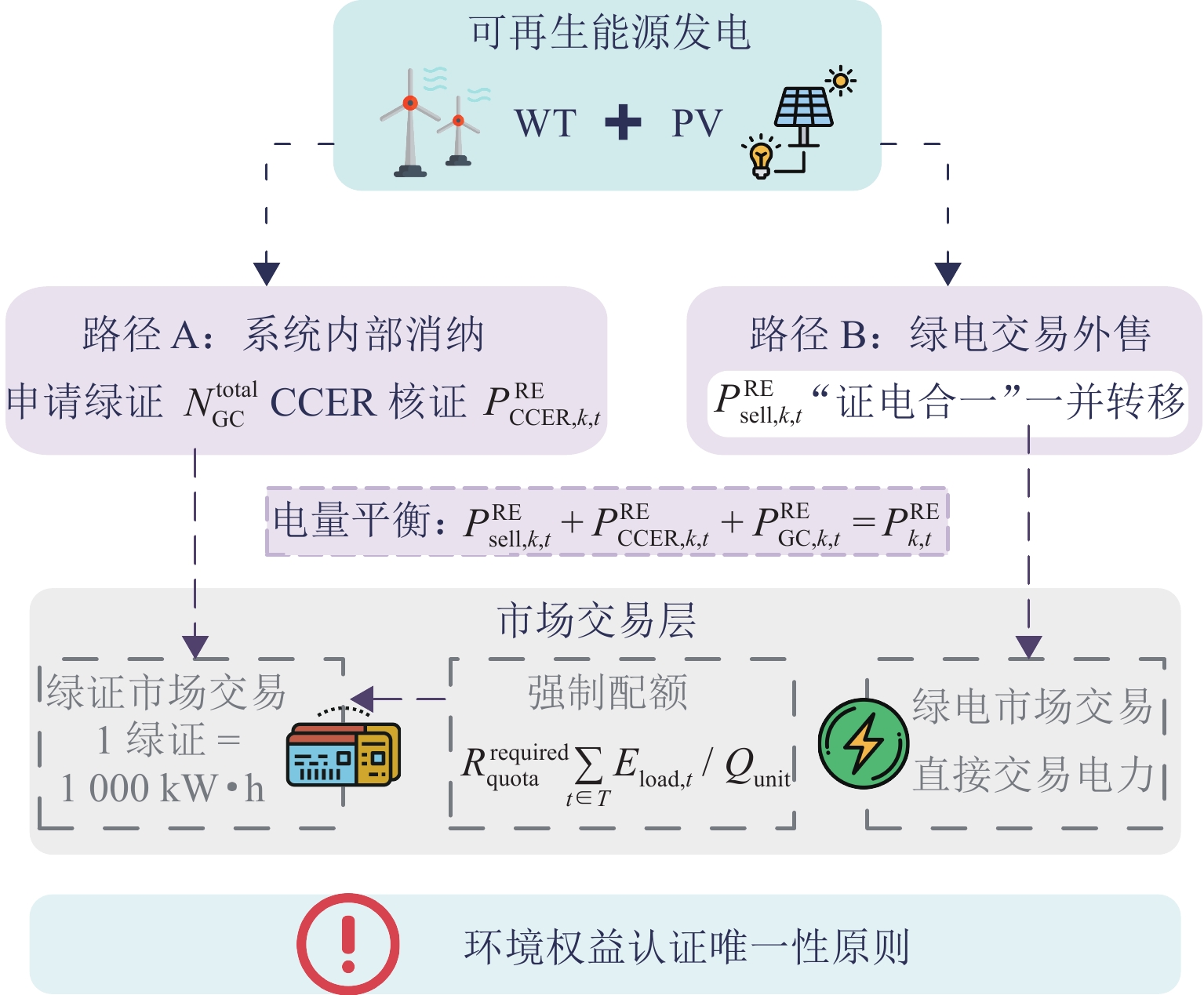
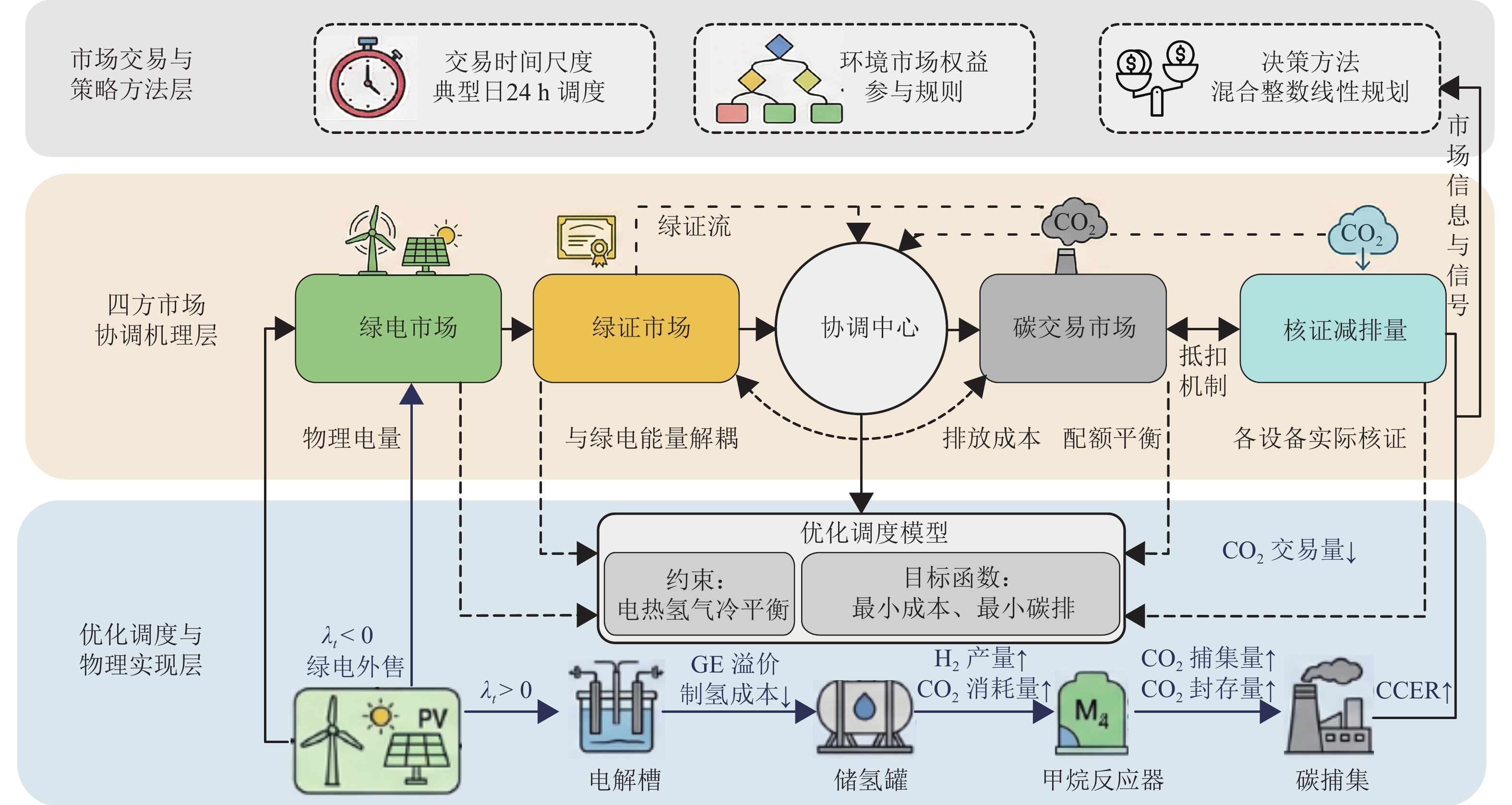
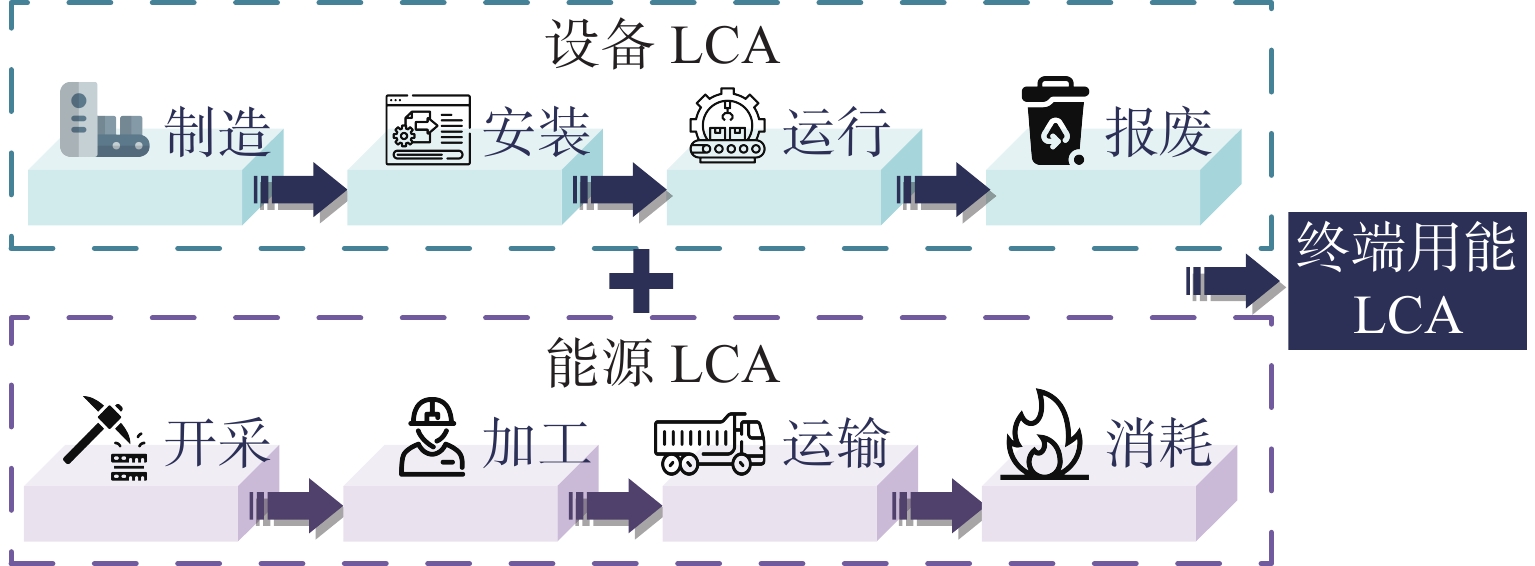
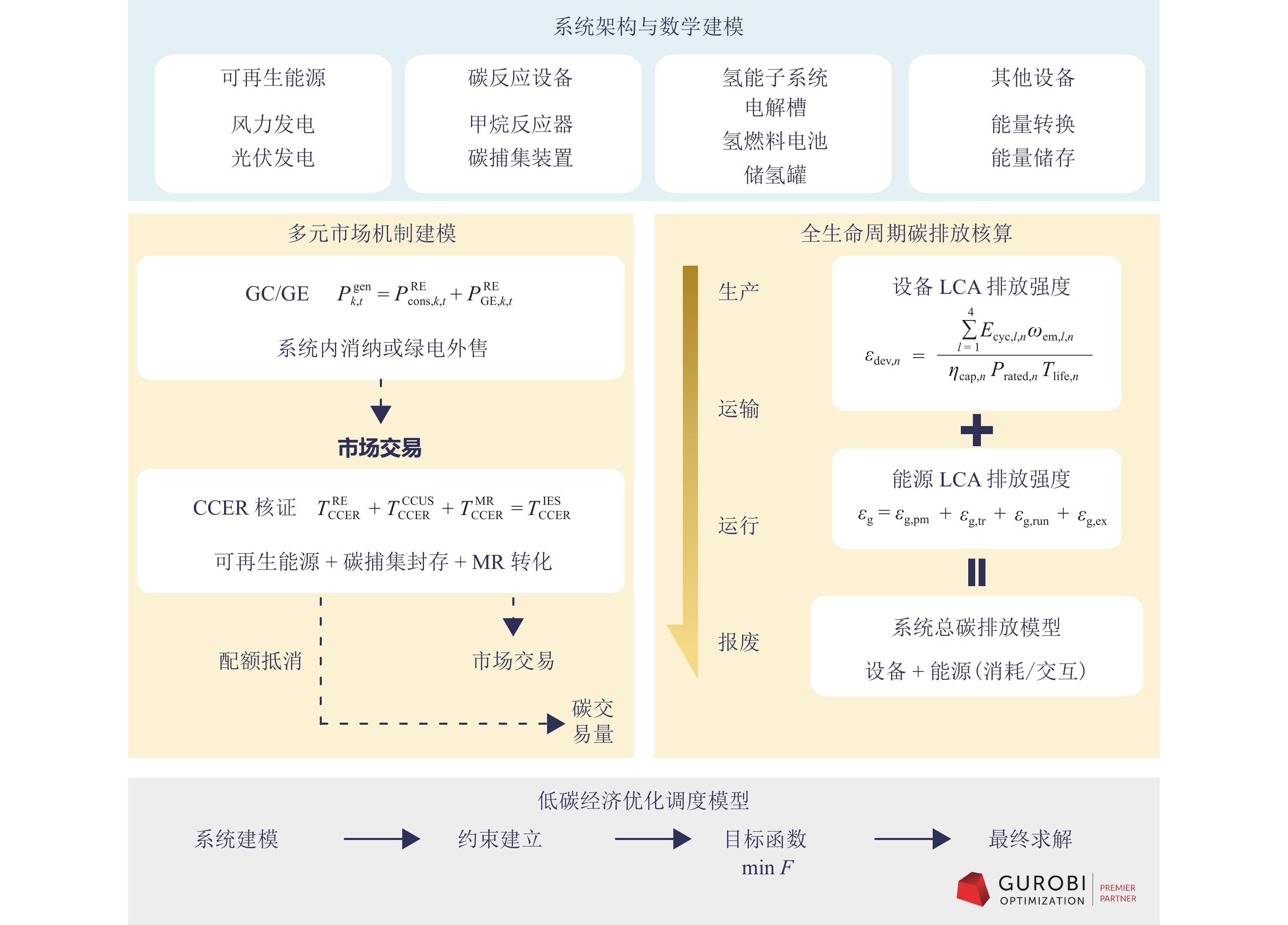
An electricity-hydrogen IES architecture was established, and mathematical models were built for the wind turbine (WT), the photovoltaic array (PV), the methane reactor (MR), the carbon capture, utilization and storage (CCUS) unit, the electrolyzer (EL), the hydrogen fuel cell (HFC), the hydrogen storage tank (HST), and other energy-conversion and energy-storage devices. Electricity-carbon-hydrogen coupling was achieved through water electrolysis and CO2 methanation, which formed a carbon capture, hydrogen conversion, and gas utilization cycle. The actual certified emission reduction was quantified from internally consumed renewable generation, directly stored CO2, and CO2 converted in the methane reactor. Under the principle of unique environmental rights certification, a synergistic trading method was formulated for the CCER, GC, and GE markets, and a price-coupling coefficient was introduced to merge the three market signals into a single marginal criterion for renewable allocation. A life-cycle-assessment (LCA) carbon-accounting model was developed for equipment production, transportation and construction, operation, commissioning, and decommissioning, in which a carbon-intensity-per-unit-electricity (CIUE) index was defined to unify device-level emissions. A tiered carbon-trading cost was embedded, and a dispatch model that minimizes the total cost, namely annualized investment, operation and maintenance, energy purchase, carbon, GC-trading, and CCER costs, was constructed. The mixed-integer linear programming model was solved by the GUROBI solver through YALMIP in MATLAB. A typical-day case of an industrial park in southwest China supplied the inputs, with measured wind speed, solar irradiance, and ambient temperature, and five scenarios were compared: a conventional IES; the same system with a hydrogen subsystem; the hydrogen system further combined with GC and GE, with CCER, and with all three mechanisms together.

Result

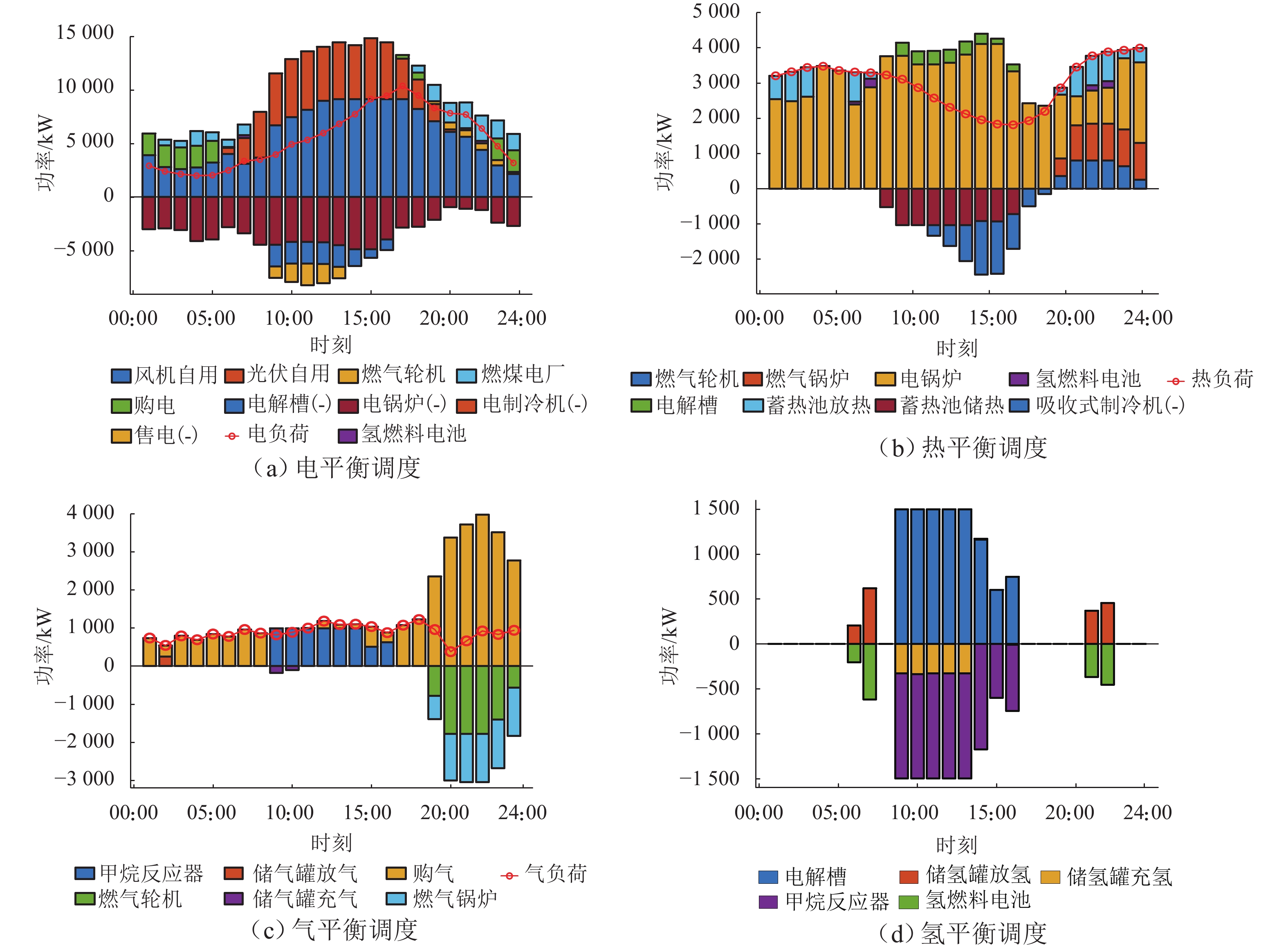
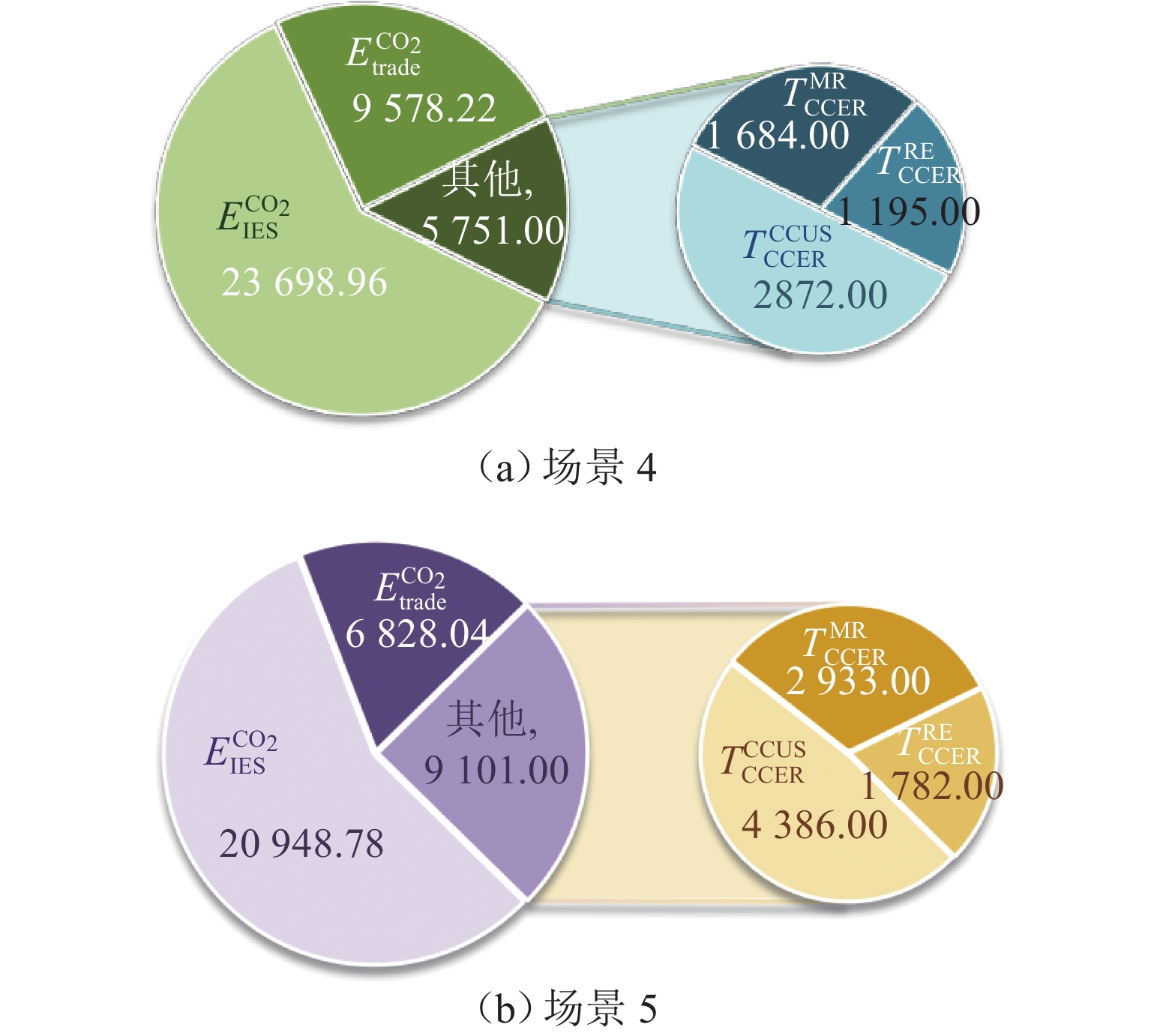
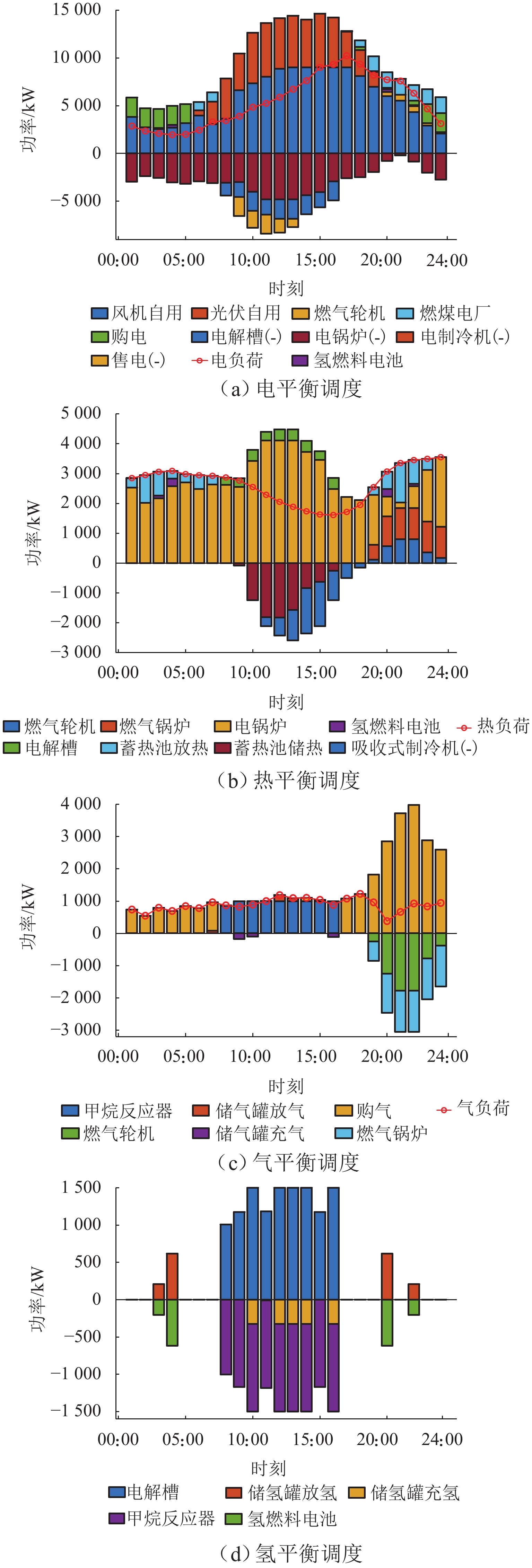
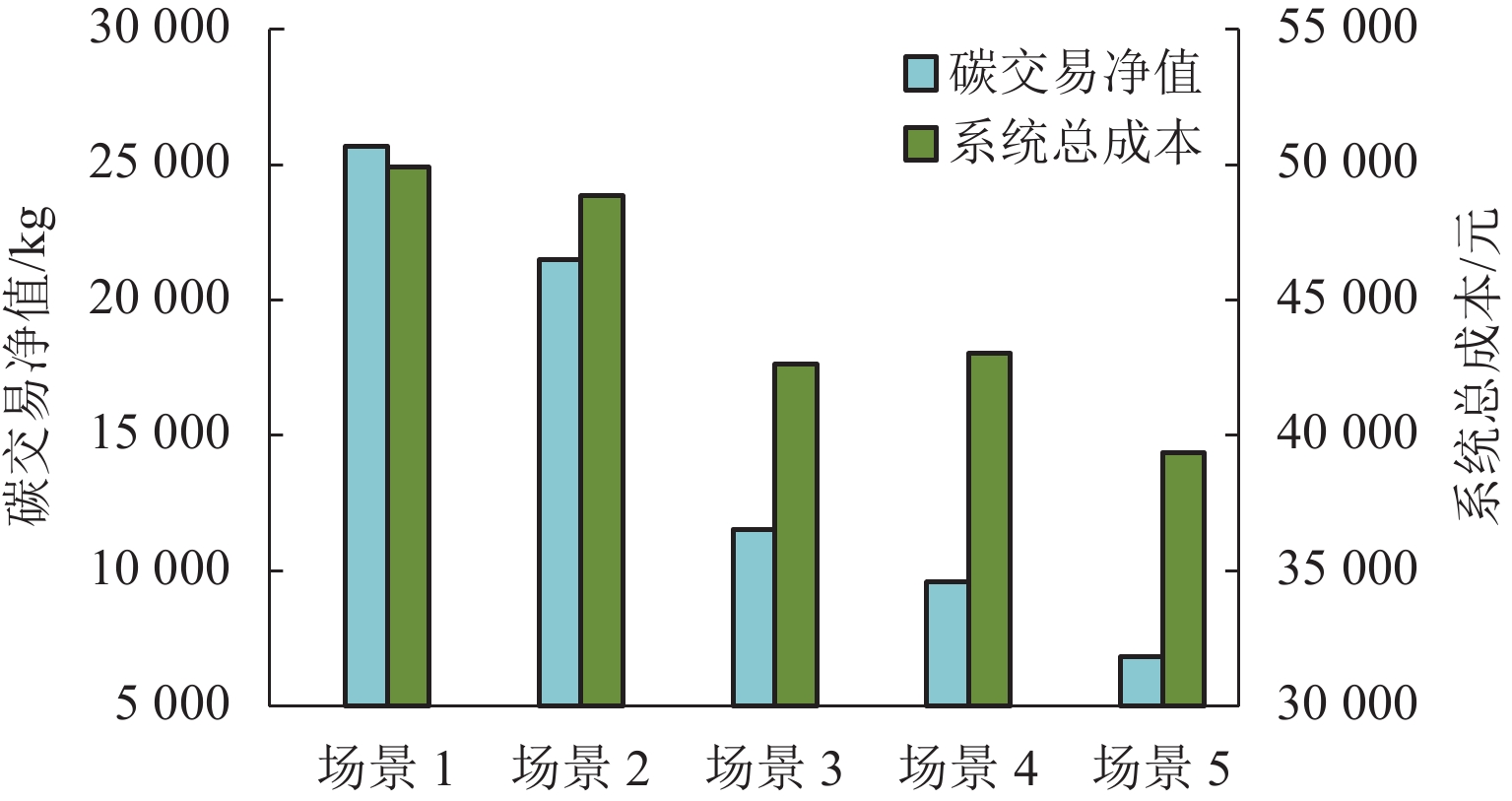
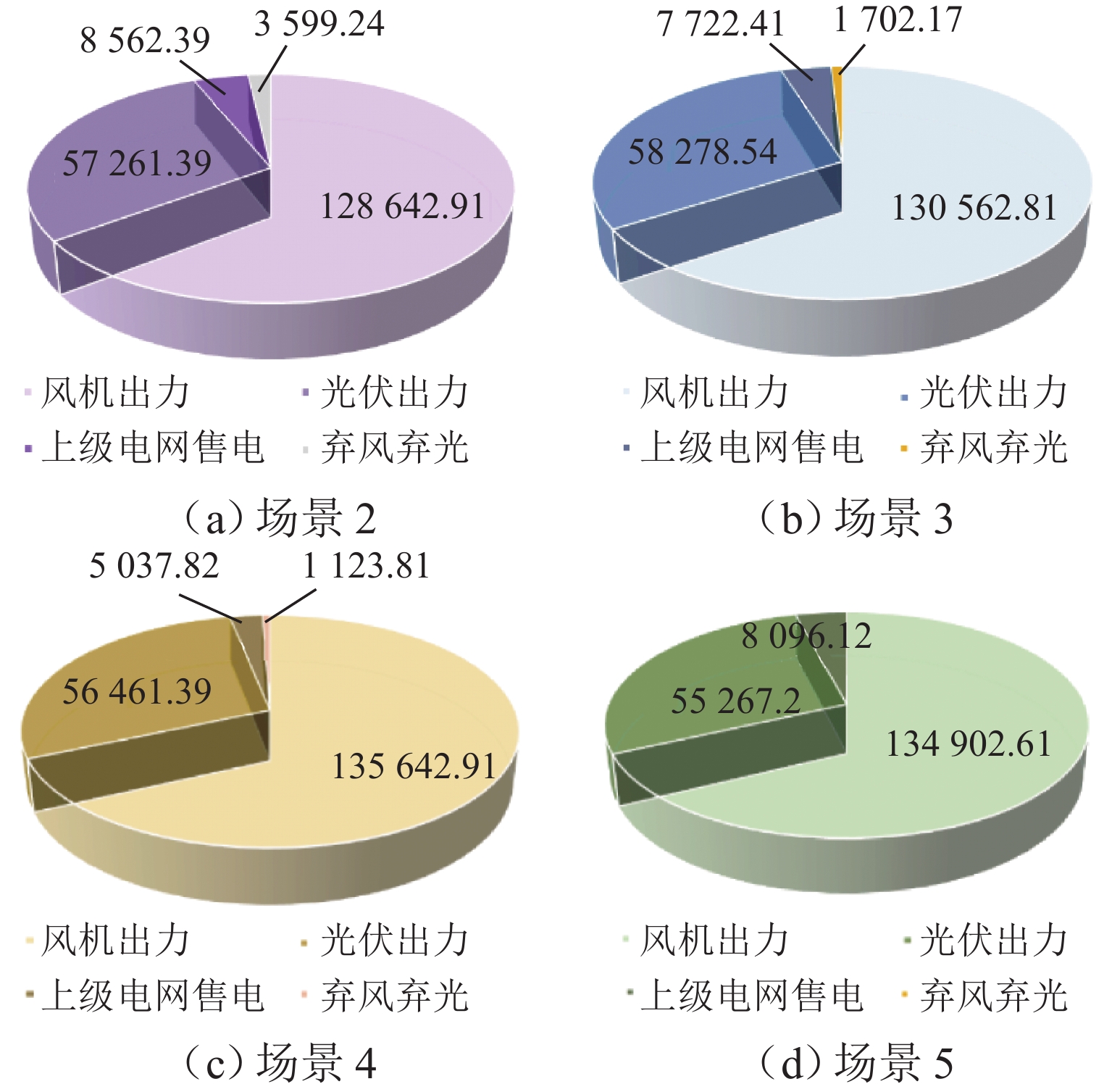
The hydrogen subsystem builds an electricity-hydrogen-methane path that consumes captured CO2; relative to the conventional system, it lowers total carbon emissions by 10.53%, carbon trading cost by 16.32%, and gas-purchase cost by 3.74%, raises operation and maintenance cost by 43.63%, and reduces total cost by 2.14%. Under the GC and GE mechanism, the value of self-consumed renewable power, including certificate revenue plus avoided purchase and lower carbon-trading cost, exceeds the revenue from electricity sales, so on-site sales fall by 37.89%, with renewable curtailment of 1 702.17 kW•h; the carbon-capture rate stays at 75.32%, as end-of-pipe capture receives little direct incentive. The CCER mechanism shifts the strategy from source-side cleaning to coordinated source-and-end abatement, cuts carbon-trading cost by 51.15%, raises the capture rate to 79.40%, and lowers curtailment to 1 123.81 kW•h. The combination of all three mechanisms yields the lowest total cost, 39 375.96 yuan, 19.38% below the baseline scenario; stronger hydrogen-production economics push the methane reactor and the capture unit to high-intensity operation, raise the capture rate to 83.91% and captured CO2 to 38 354.28 kg, hold the net traded carbon to 6 828.04 kg despite the largest CO2 generation of 45 708.78 kg, and achieve zero renewable curtailment. The three mechanisms couple through the renewable-allocation constraint rather than act as independent additive incentives.

Conclusion

The hydrogen subsystem links carbon capture with gas supply and turns captured CO2 into a usable carbon source, so the electricity-carbon-hydrogen coupling improves both economy and emissions over a conventional IES. The CCER, GC, and GE mechanisms act on dispatch through a shared renewable-allocation constraint and produce synergistic amplification rather than a linear sum of separate incentives. Coordinated participation in the three markets achieves the joint optimization of cost reduction, emission mitigation, and renewable accommodation and provides a reference for the planning and operation of IESs in industrial parks.


Direct Digital Space Vector Modulation Technology for Current Source Inverters
QIAO Hui, HUA Zexi, MIAO Yiru
2026, 61(5): 1470-1478. doi: 10.3969/j.issn.0258-2724.20260063
Abstract:

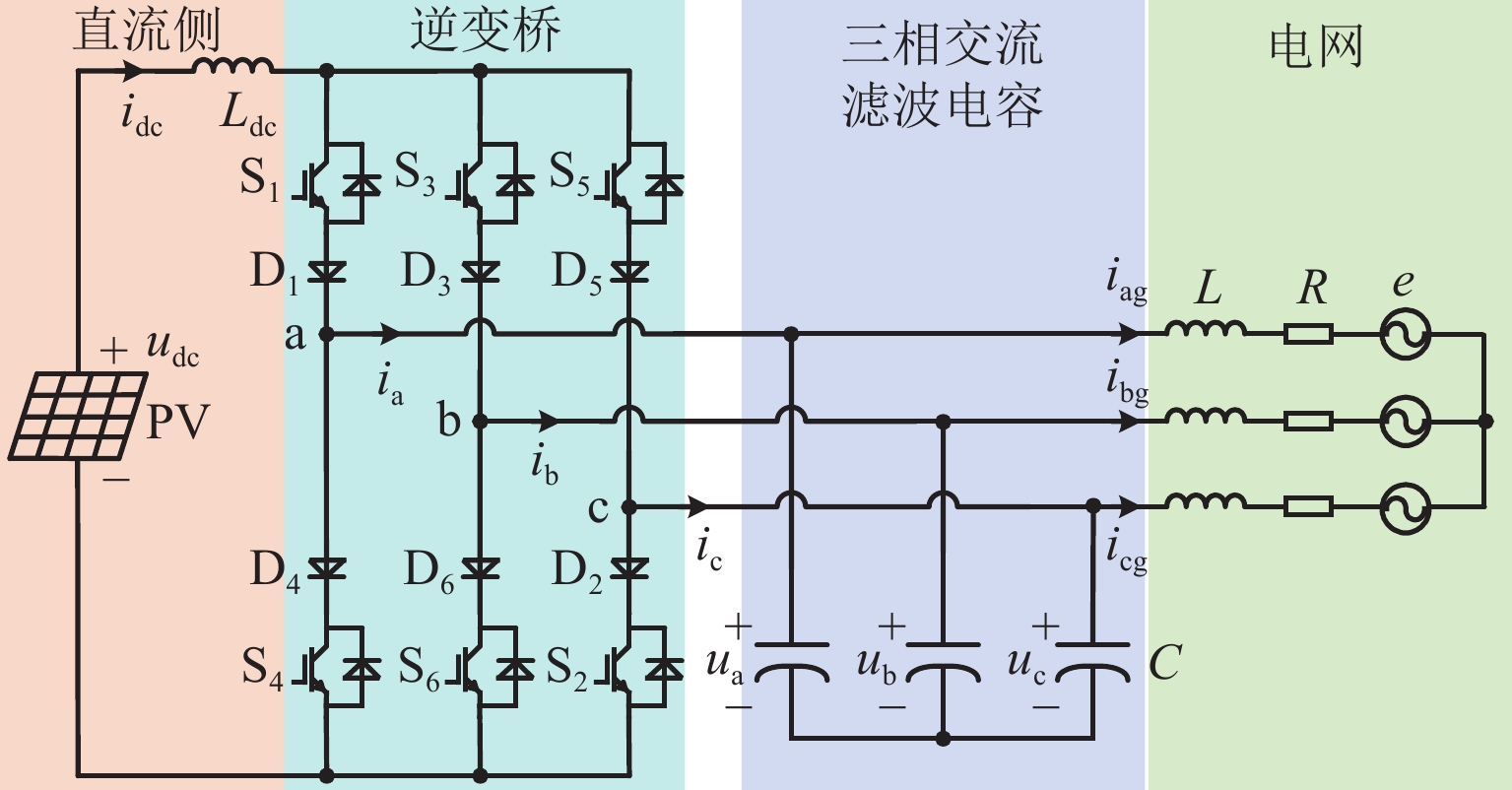
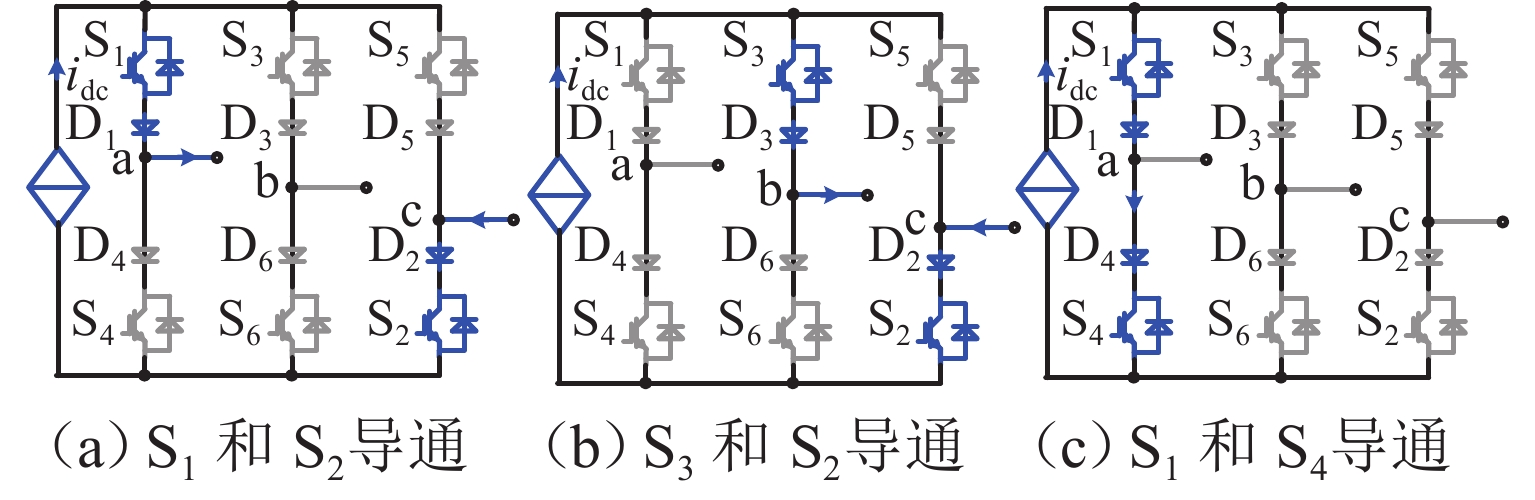
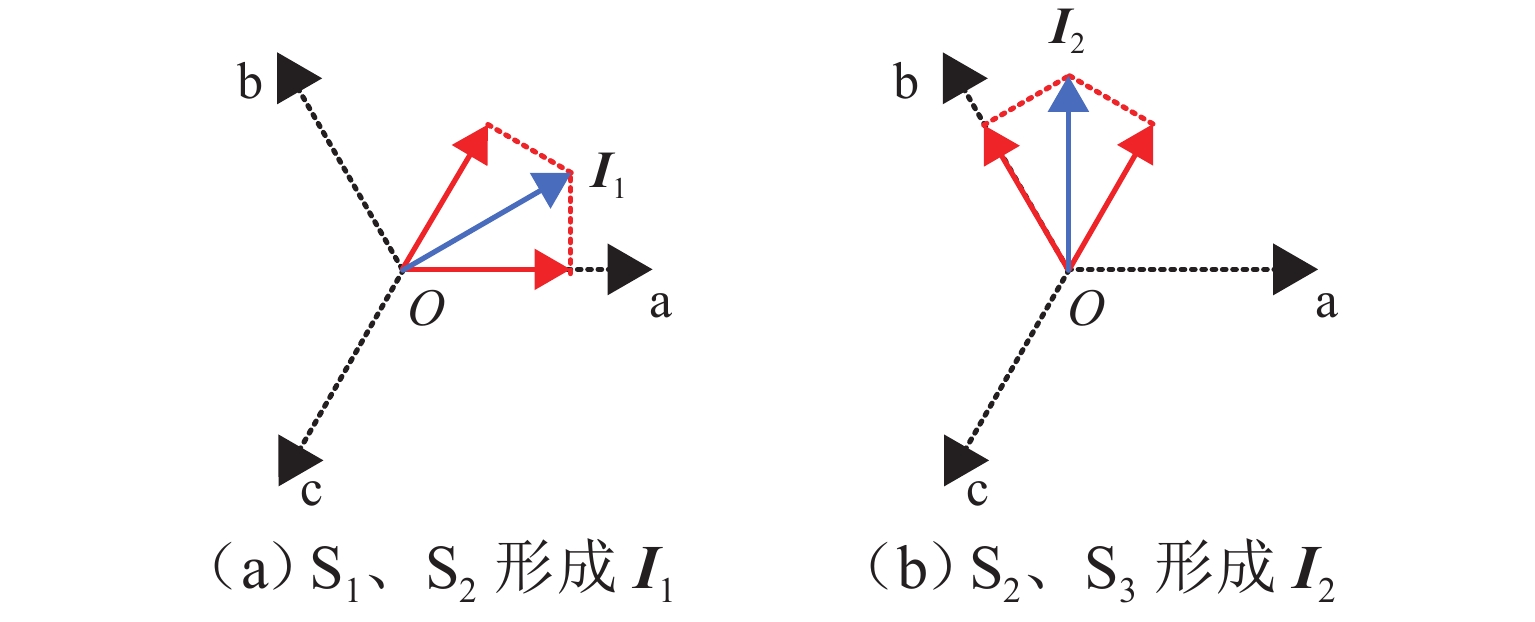
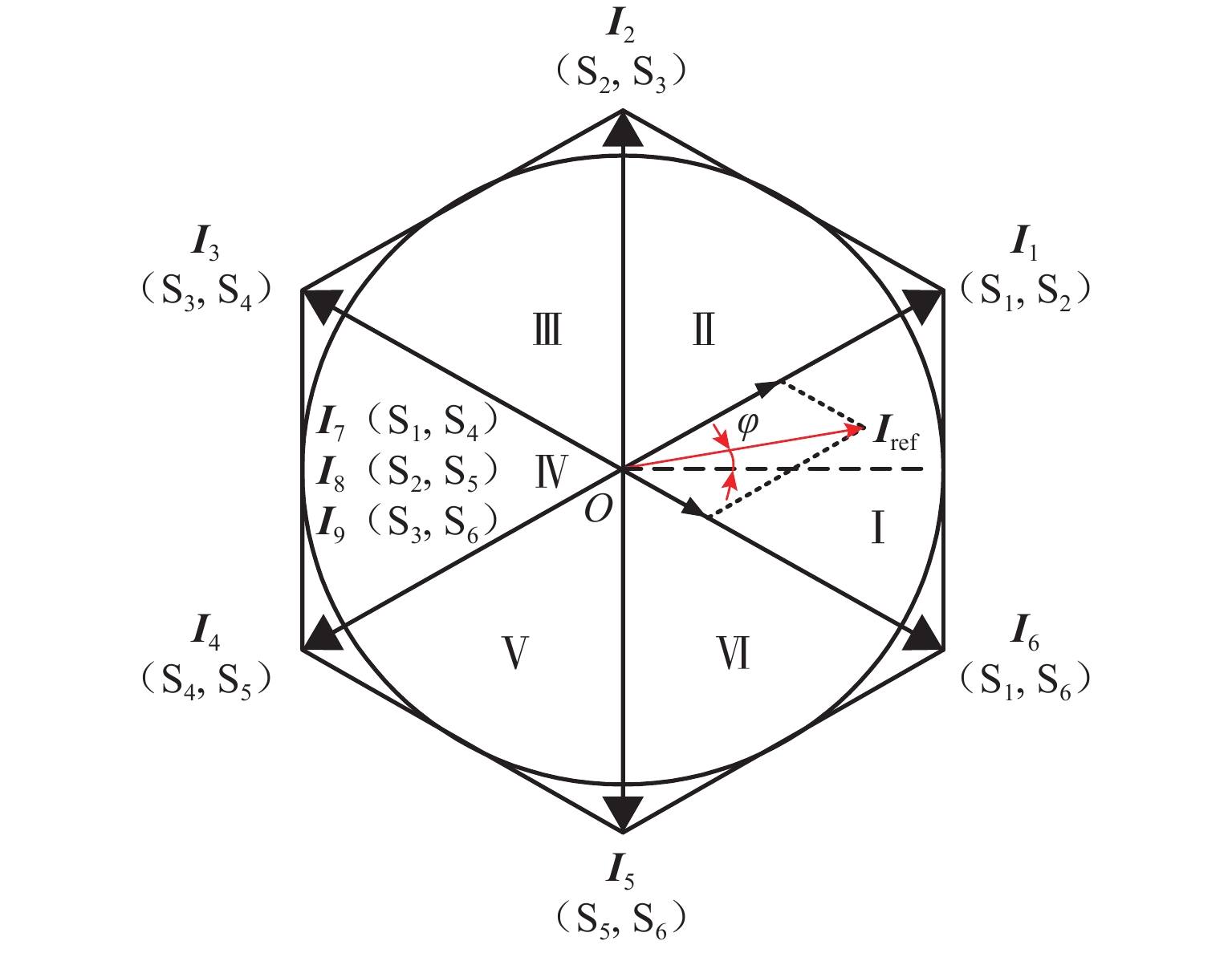
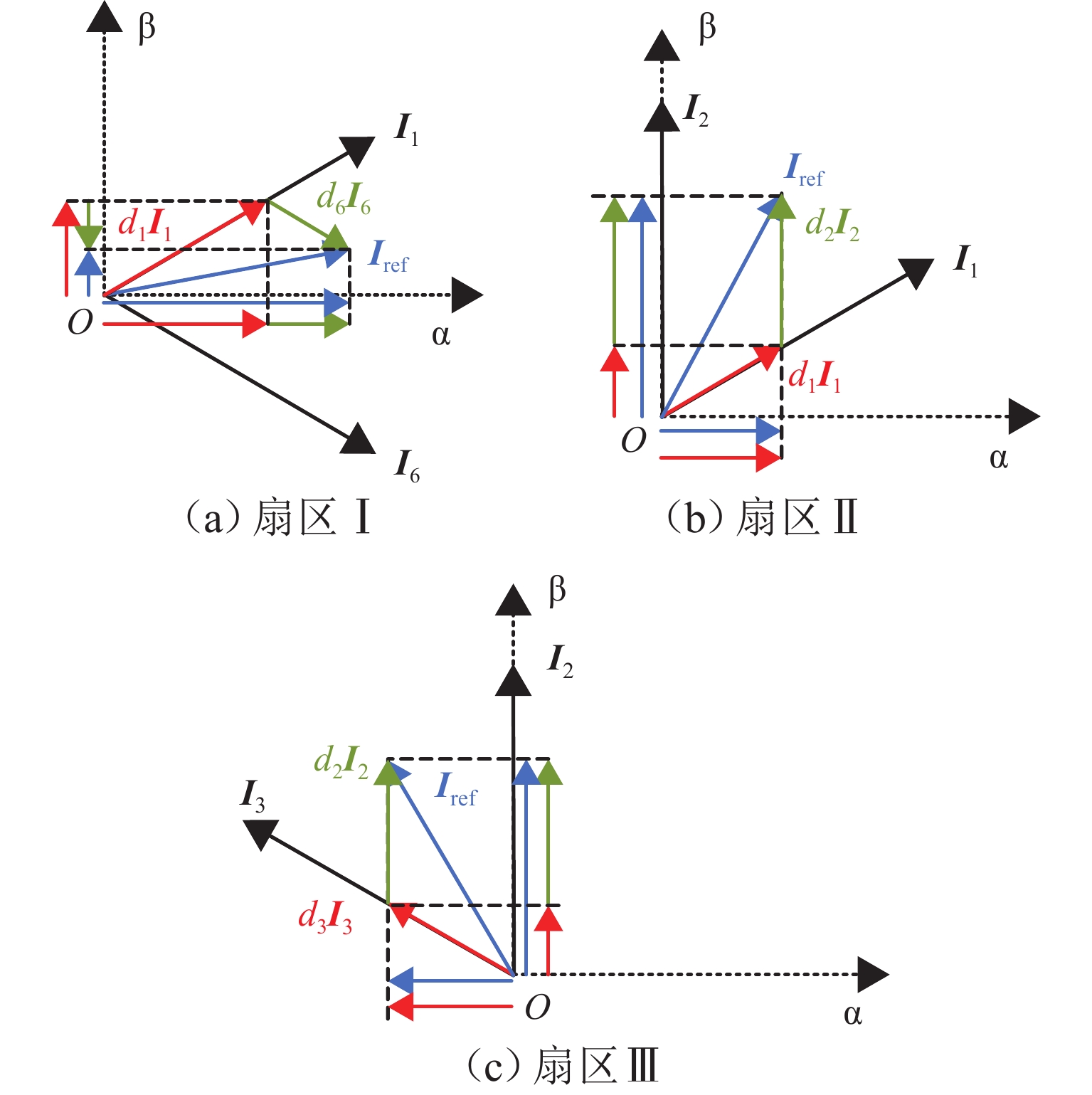
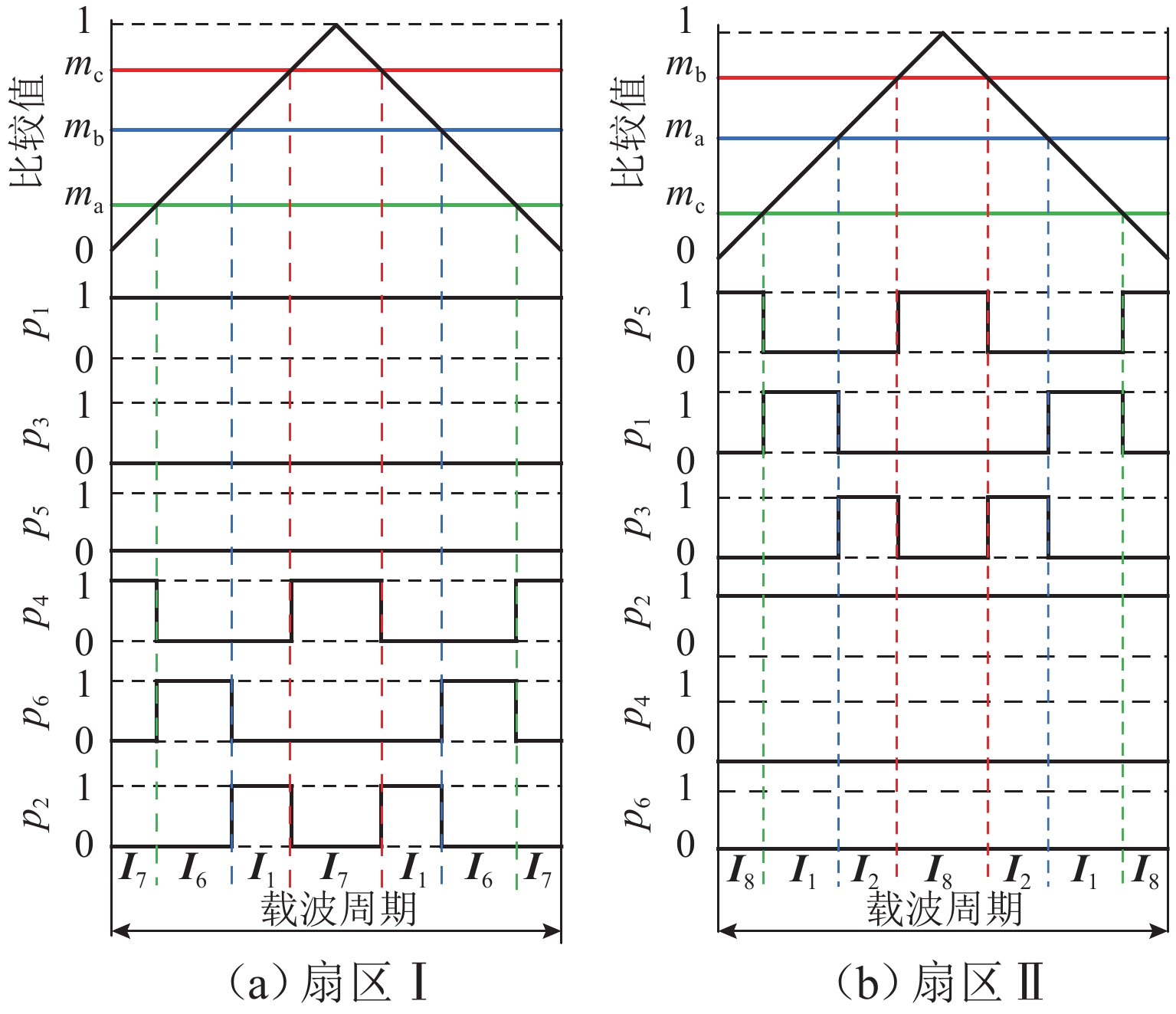
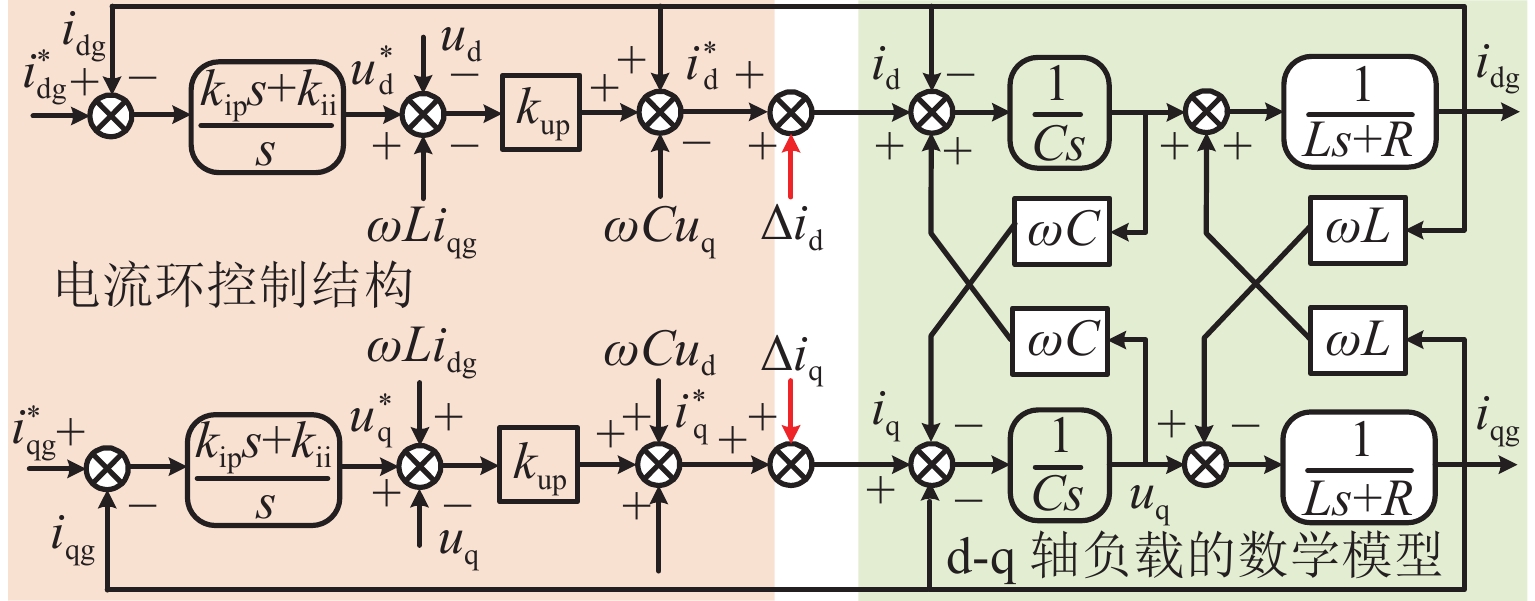
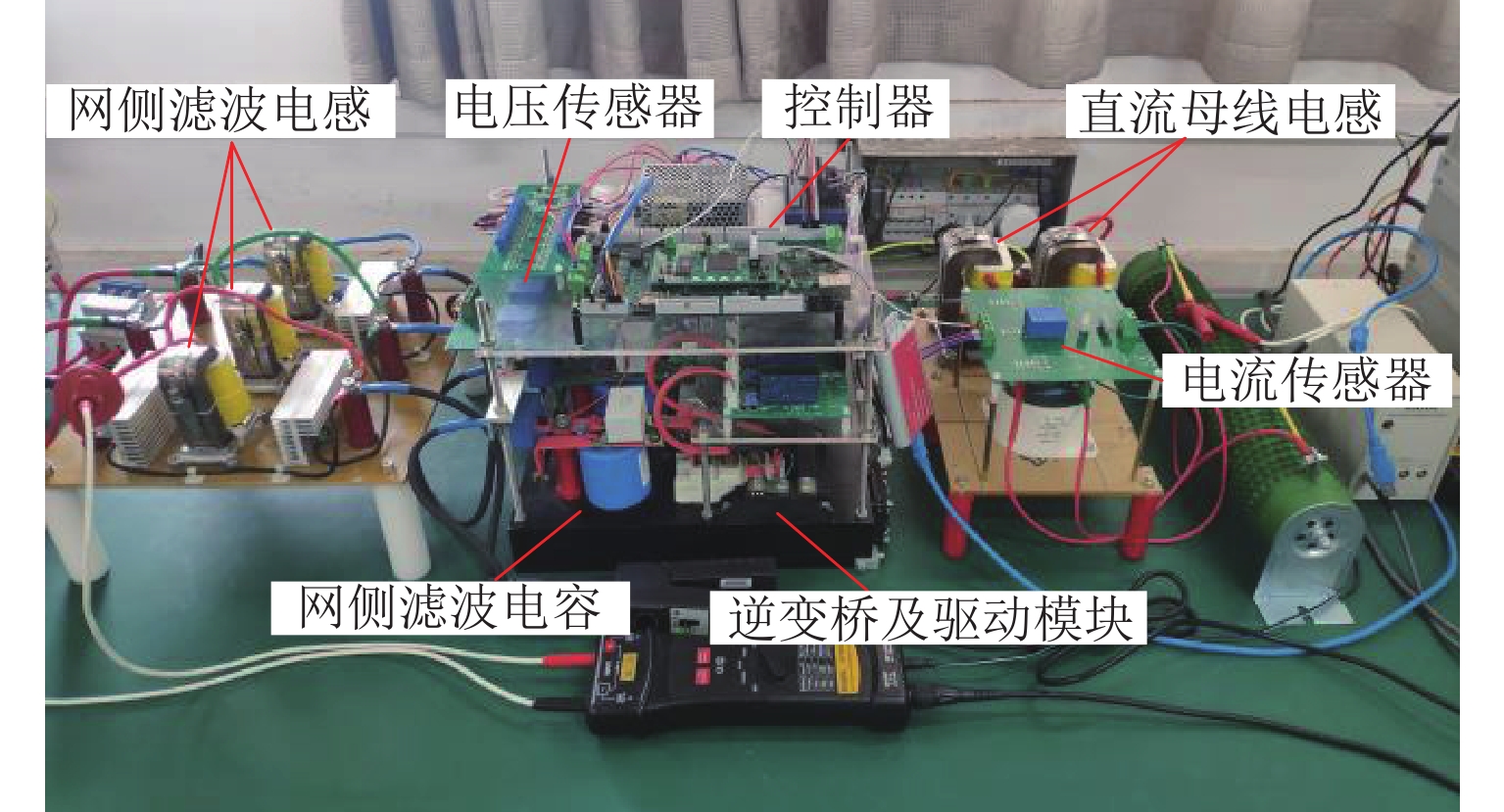
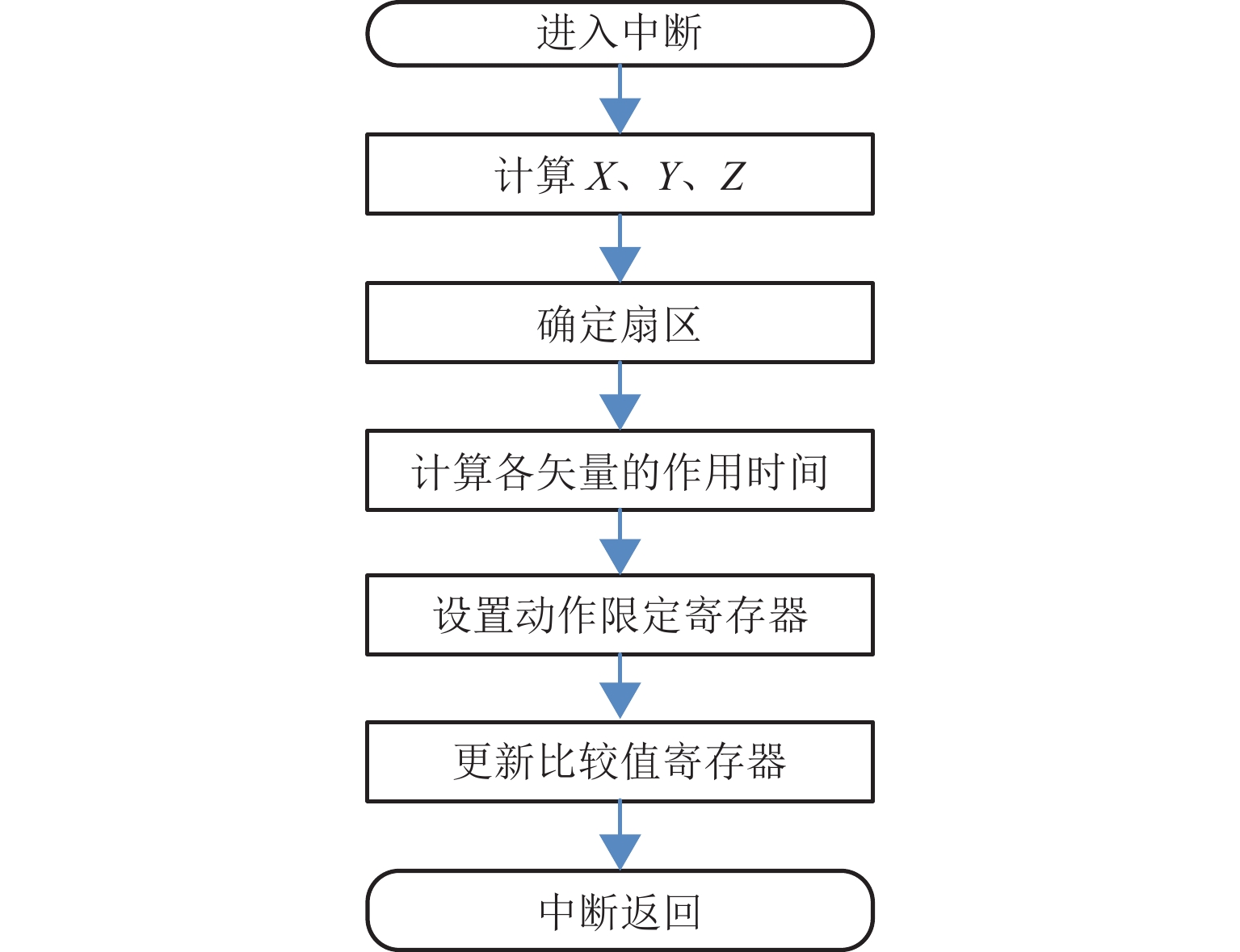
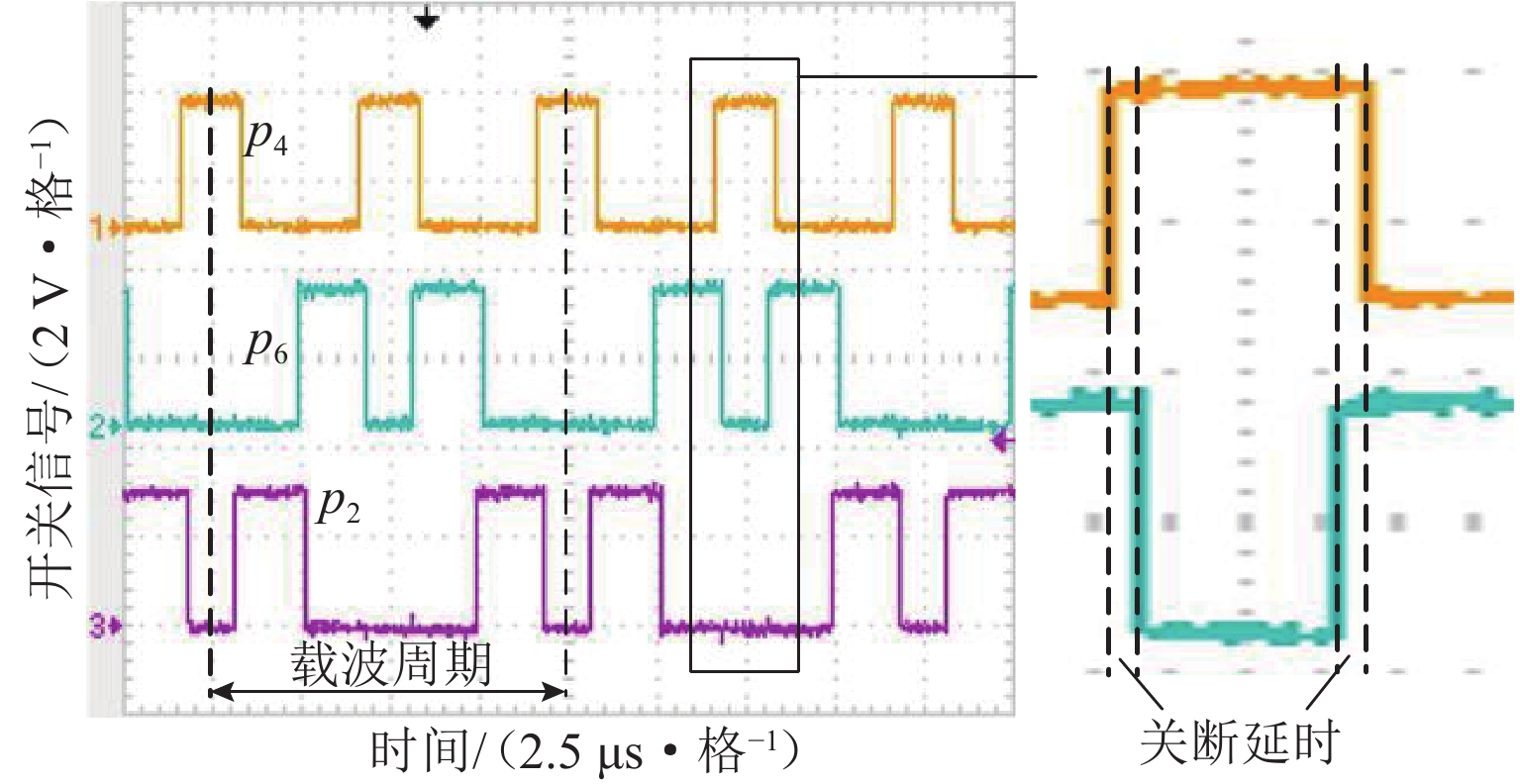
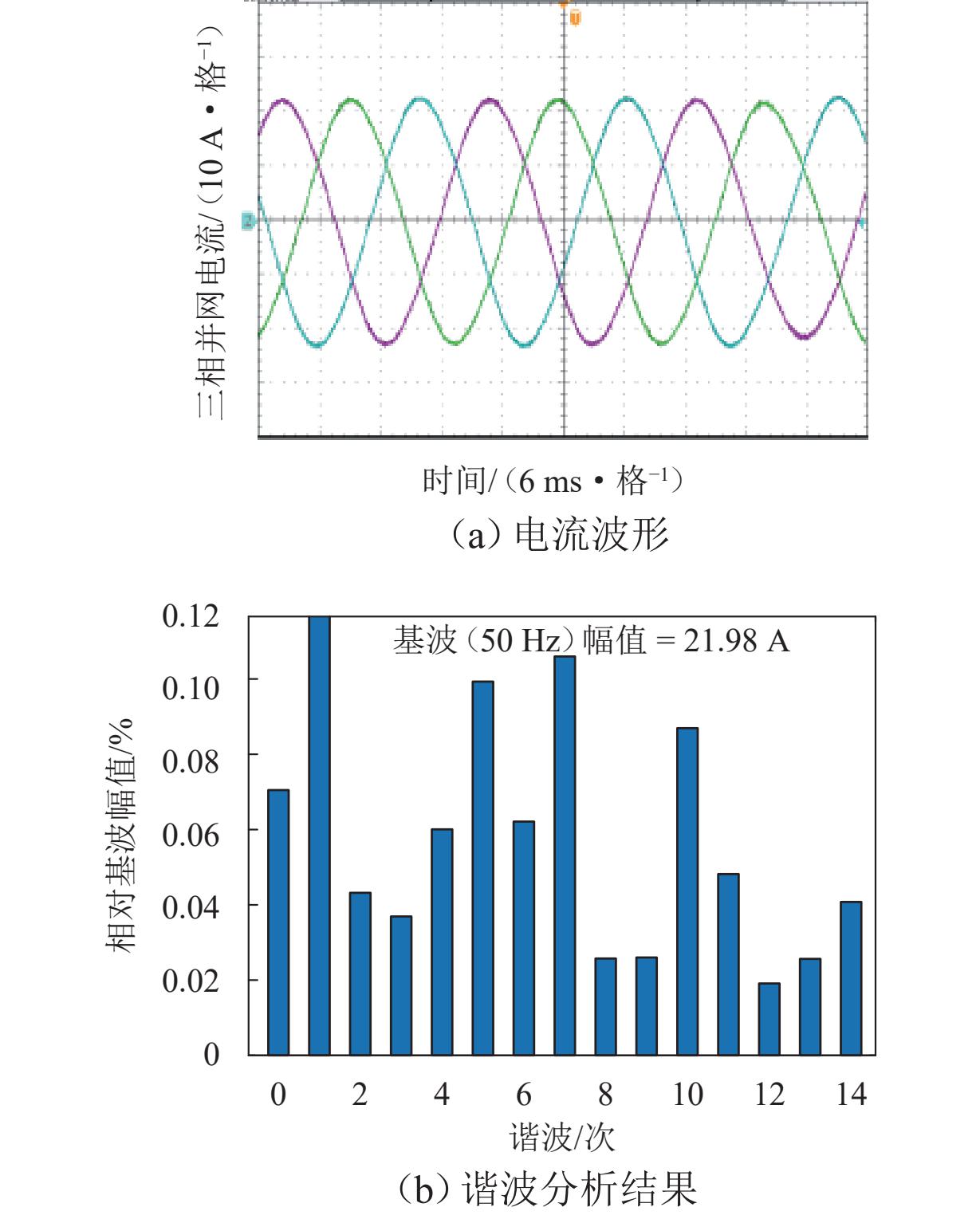
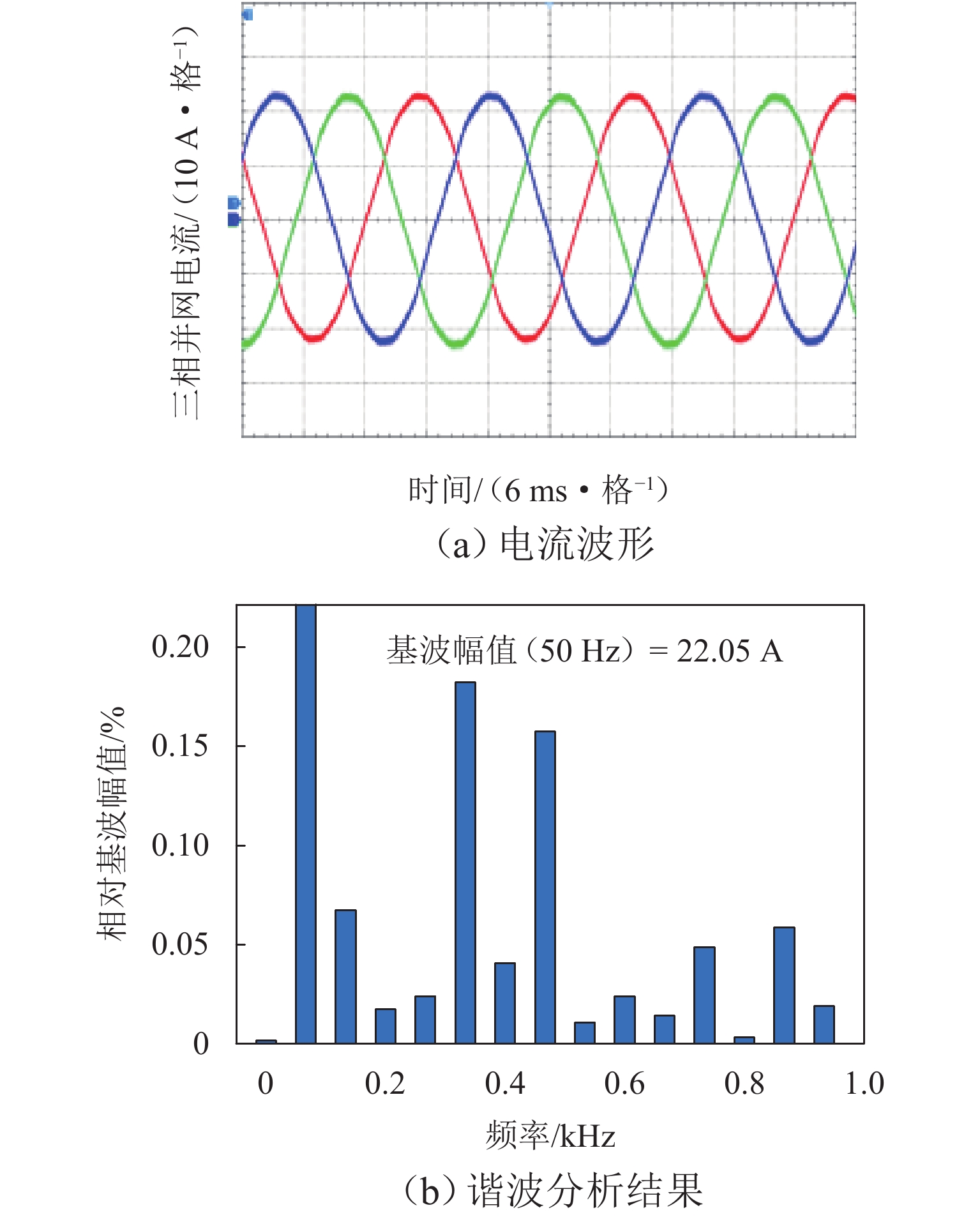
To address the problems in the space vector pulse width modulation (SVPWM) of current source inverter (CSI) that switching signals cannot be directly generated through the comparison between digital modulation signals and carrier signals, and that the required additional hardware logic conversion circuits cause reliability degradation and signal delay, a direct digital implementation method of SVPWM for CSI was proposed. Firstly, the spatial distribution of basic vectors formed by all switching states was analyzed, and a sector determination method for the reference current vector was provided. Taking the first three sectors as an example, the calculation method for the duty cycle of adjacent vectors was derived; the expressions for vector selection and duty cycle calculation in all sectors were summarized, and the duty cycle in the over-modulation region was corrected. Then, the vector action sequence within a carrier cycle was mapped into switching action signals, and the configuration methods of action qualifier registers and compare value registers of the digital signal processor (DSP) under different sectors were summarized. Finally, the loop structure of the control system was designed, the proposed method was verified on a 3 kW experimental platform, and its steady-state performance was compared with that of the scheme adopting hardware logic conversion circuits. The experimental results indicate that the proposed method enables the DSP to output correct switching signal waveforms; the total harmonic distortion (THD) of current is only 0.99%, and the 5th and 7th harmonic contents are 0.100% and 0.105%, respectively. The current THD of the scheme adopting hardware logic conversion circuits is 1.46%, and the 5th and 7th harmonic contents are 0.180% and 0.160%, respectively. The proposed direct digital implementation method of SVPWM is correct and feasible, and it has superior steady-state performance due to the avoidance of signal transmission delay.

Performance Optimization for Intelligent Reflecting Surface and Wireless Power Transfer-Aided Unmanned Aerial Vehicle Edge Computing Network
CHENG Kaijun, FANG Xuming, XU Wentao
2026, 61(5): 1479-1491, 1510. doi: 10.3969/j.issn.0258-2724.20250286
Abstract:

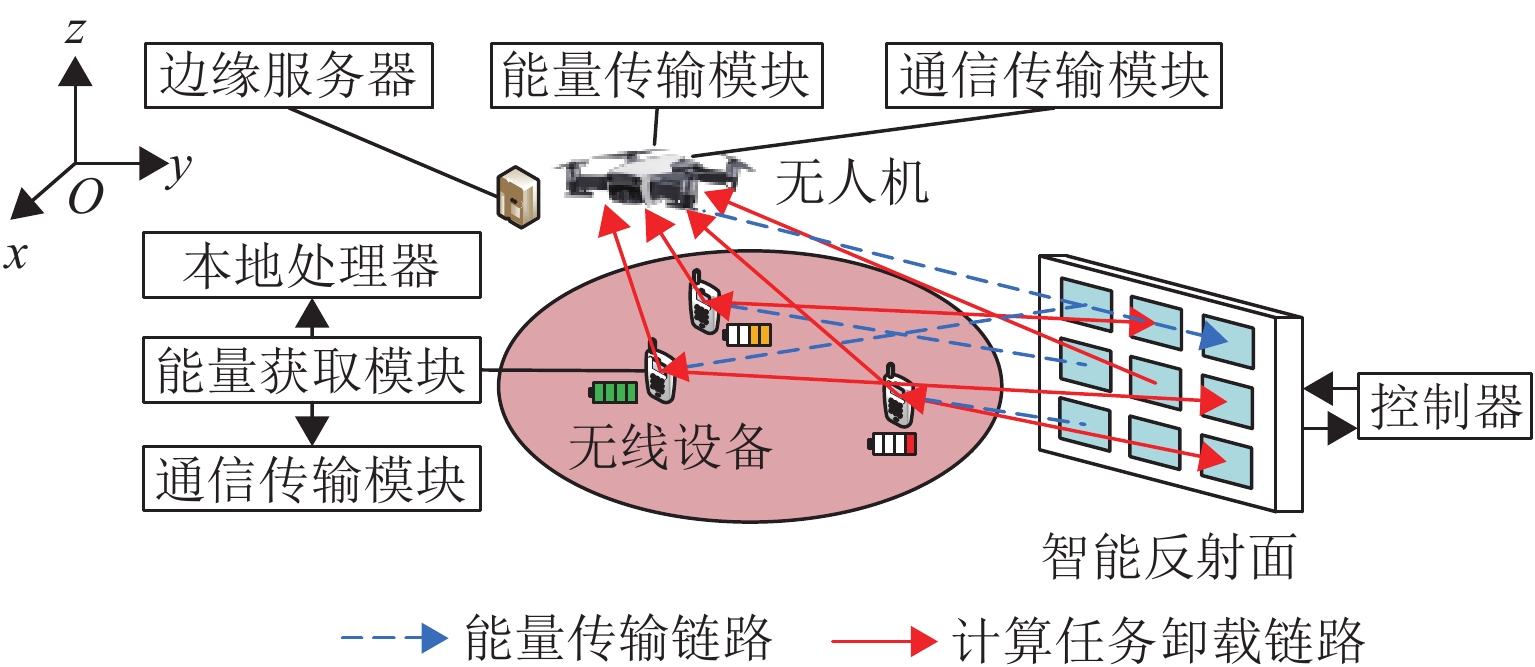
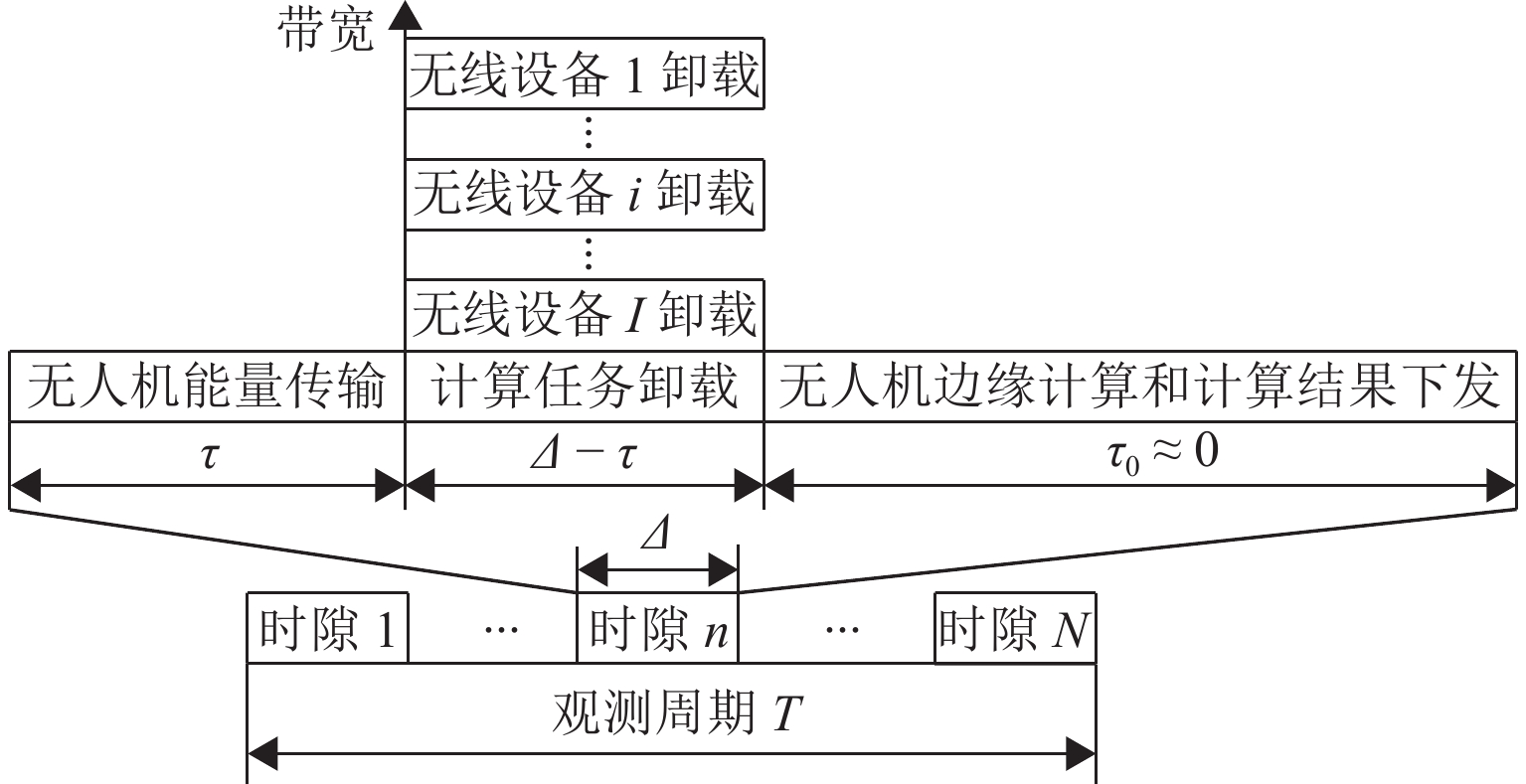
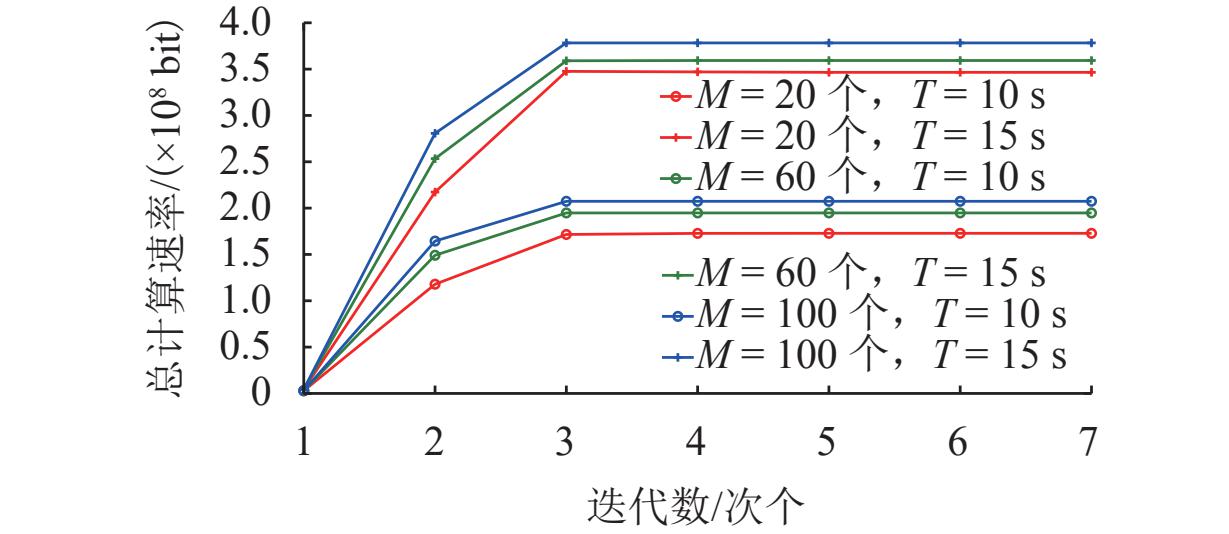
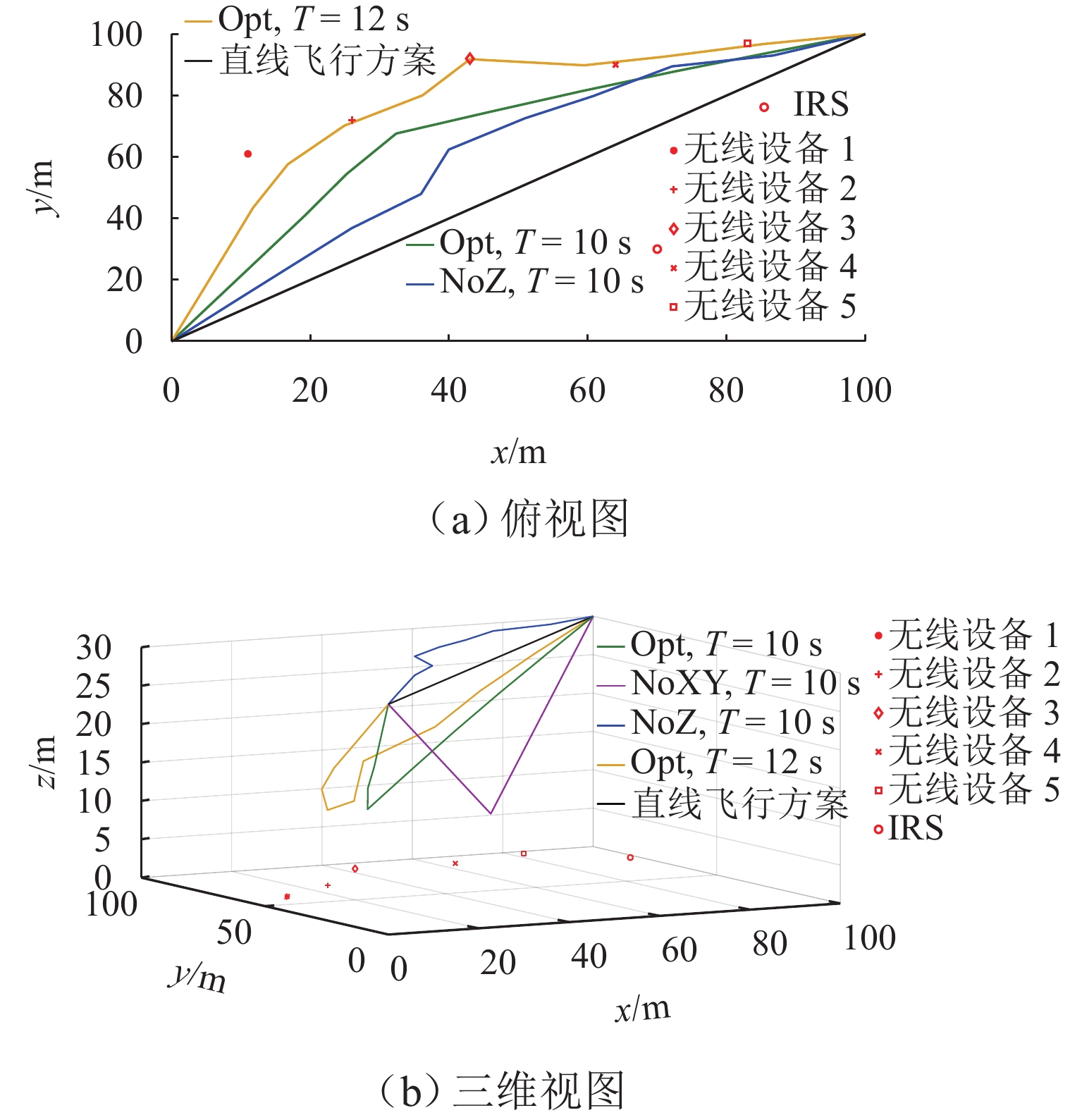
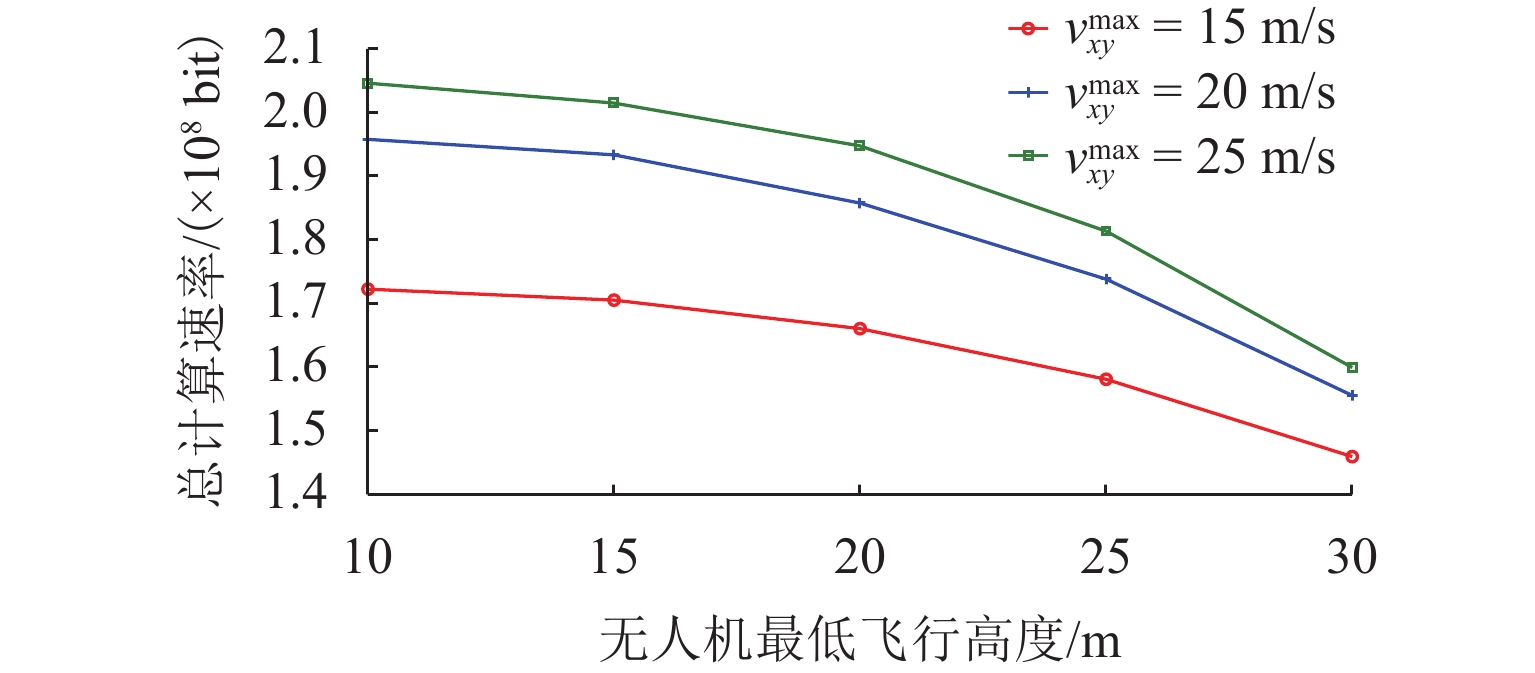
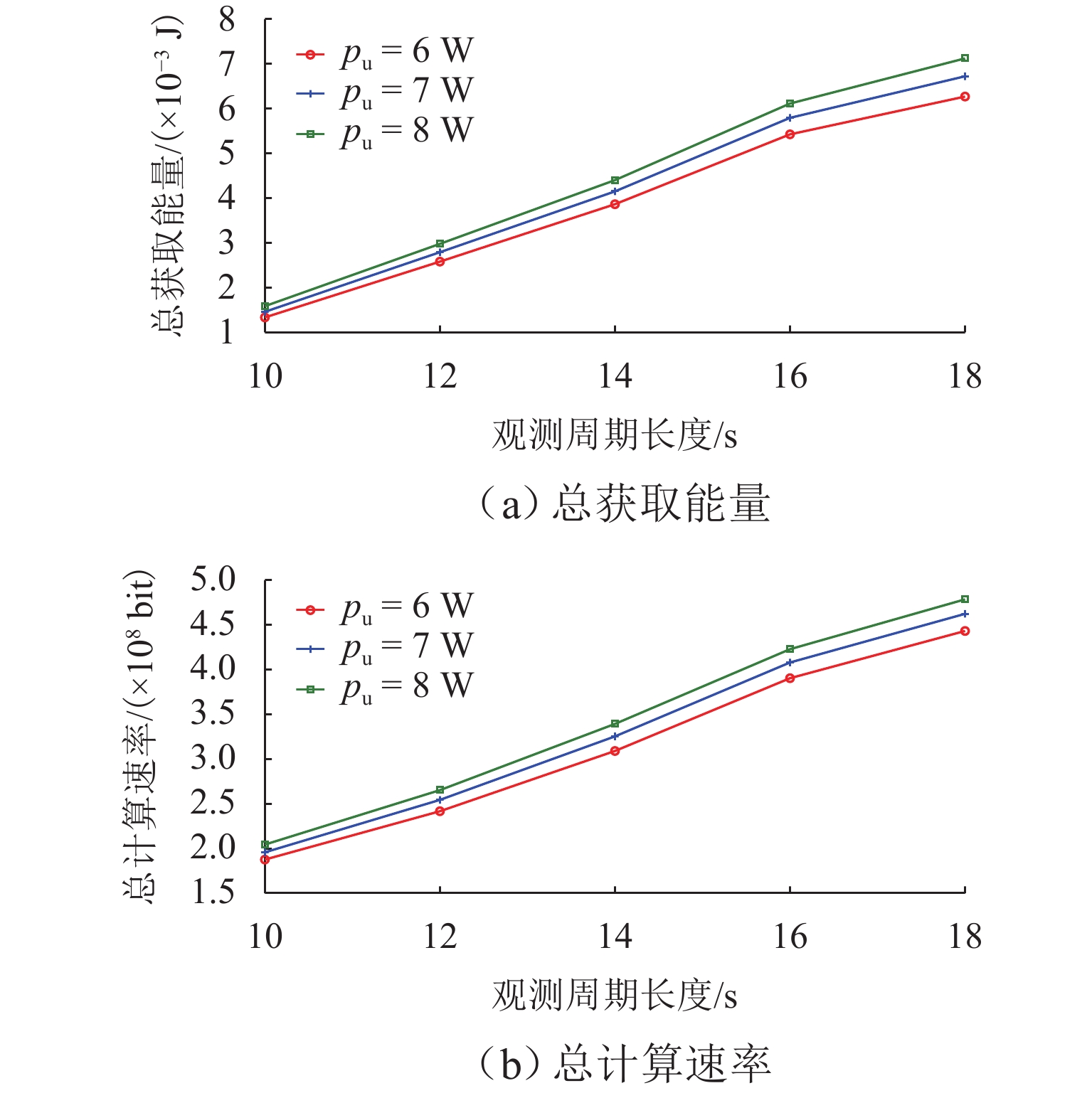
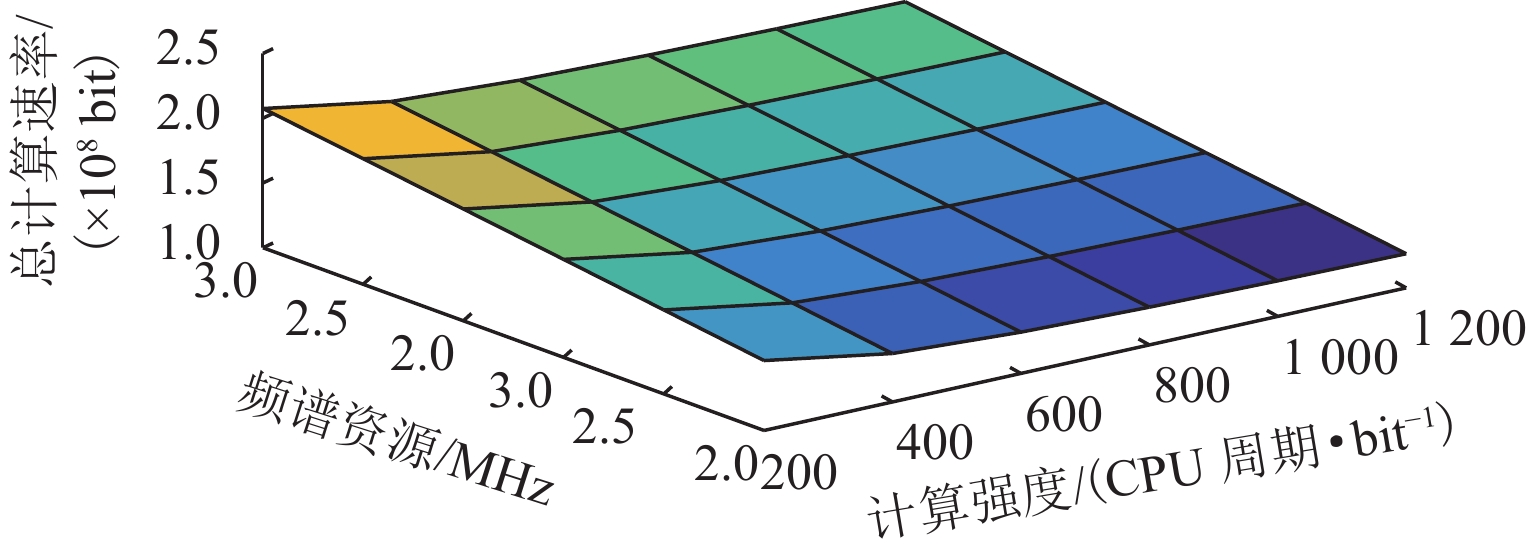
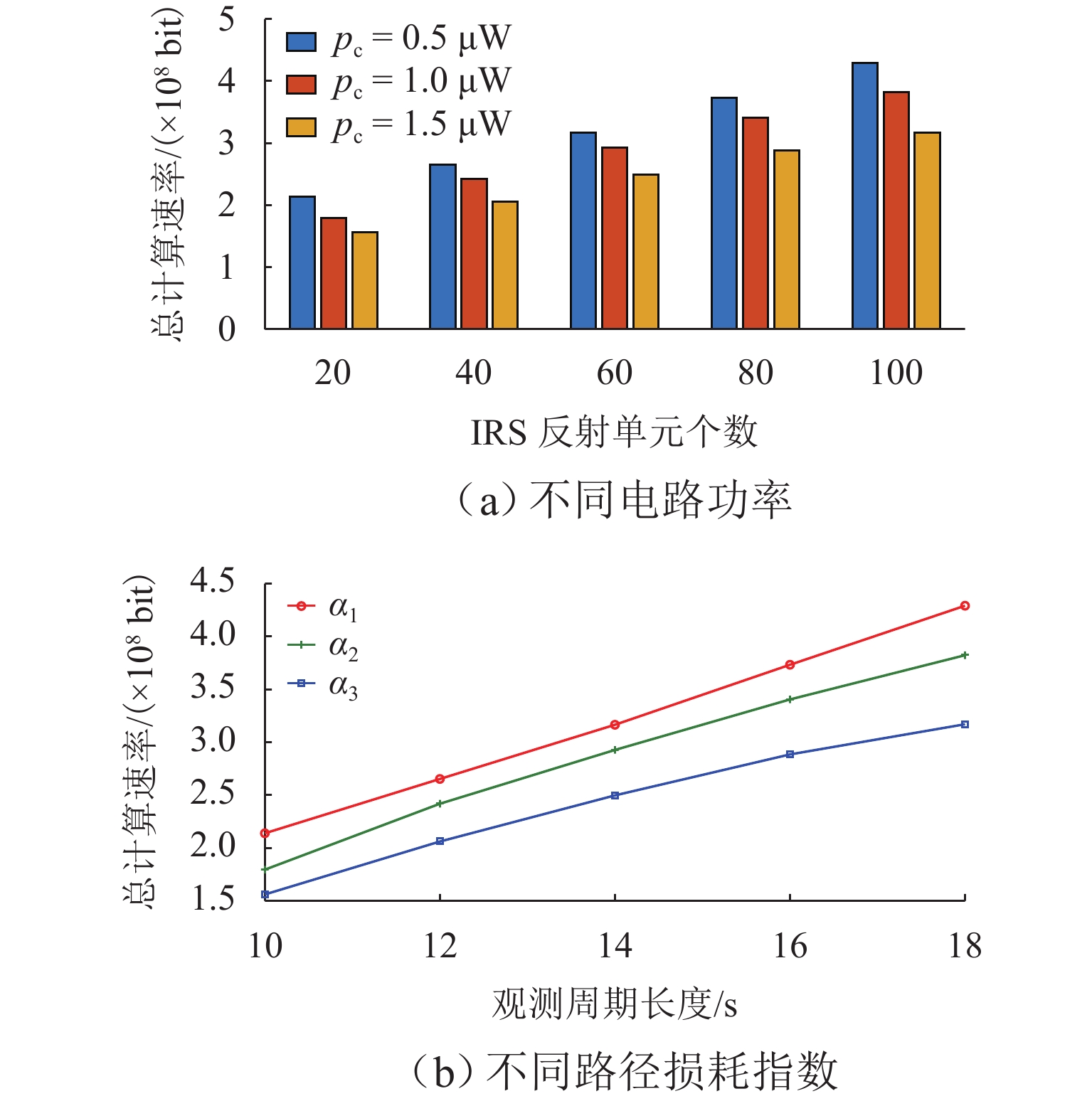
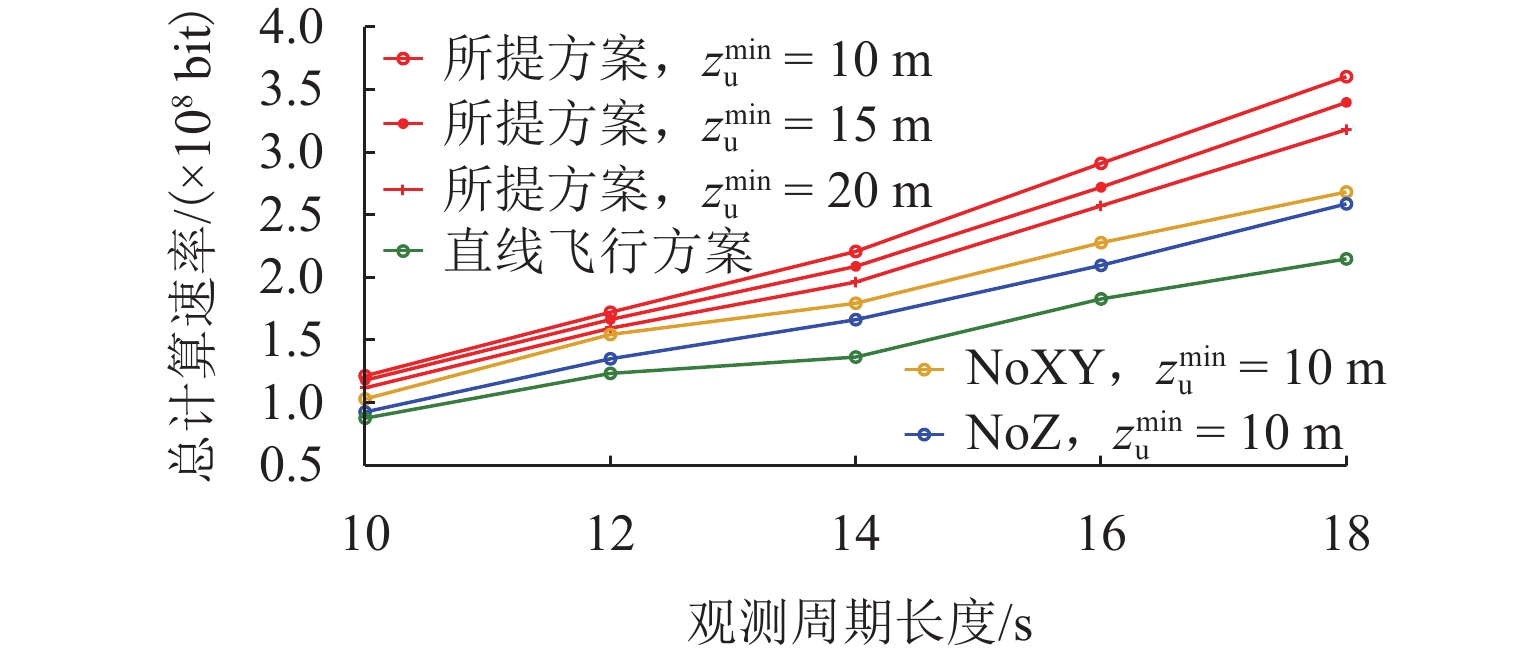
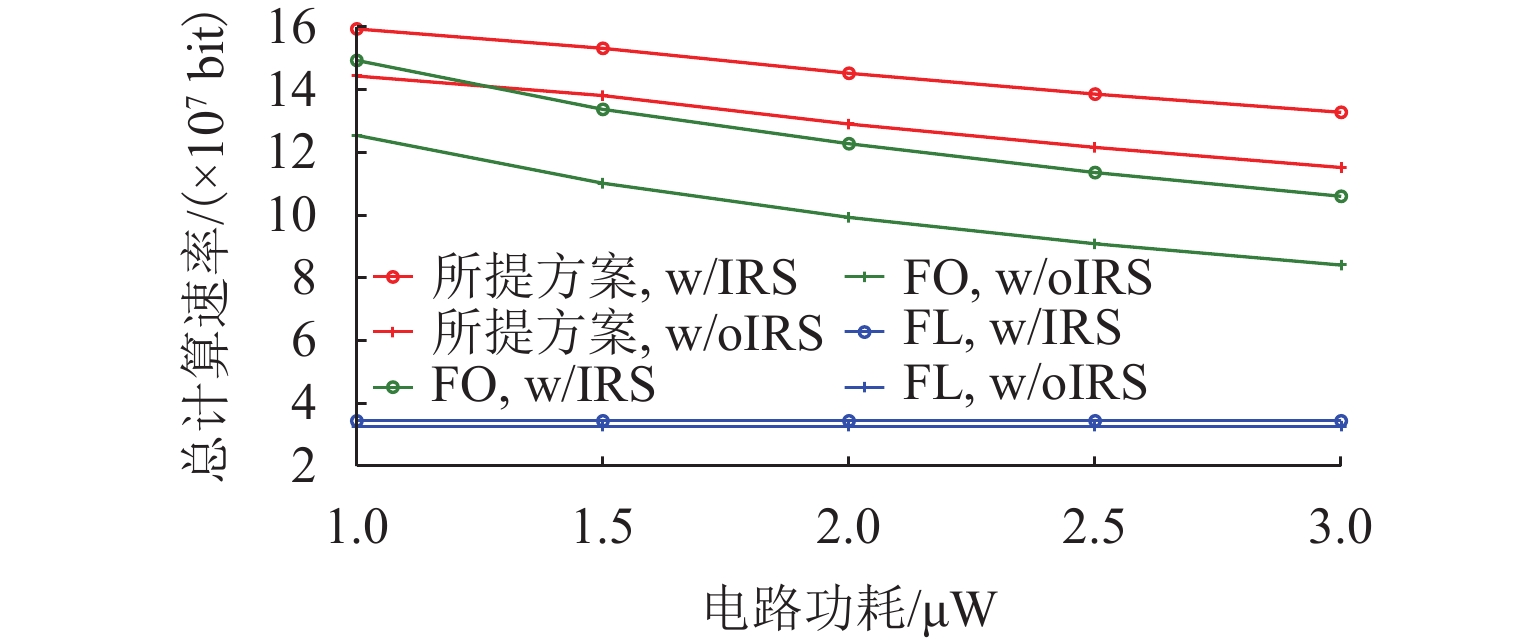
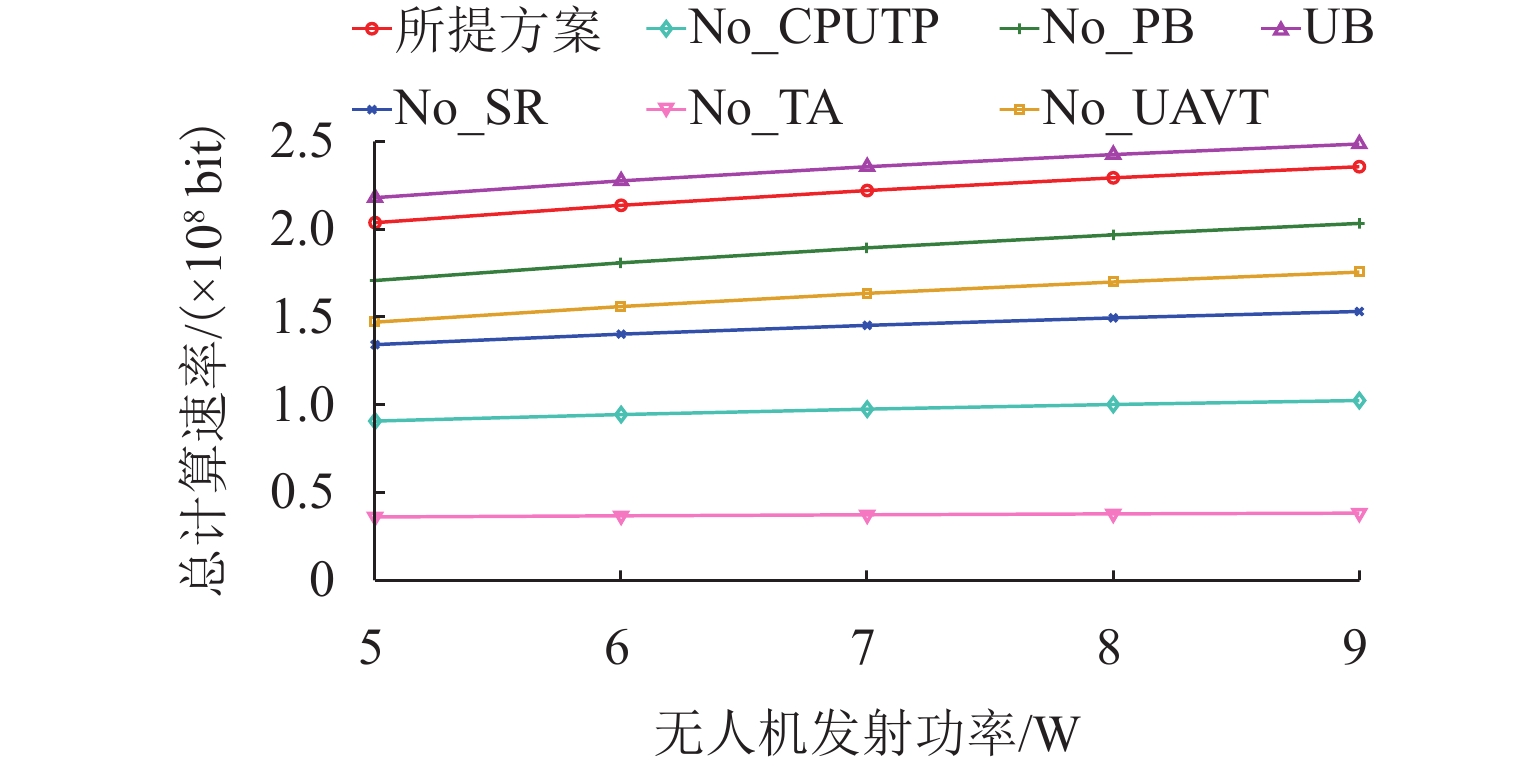
To address the issues of degraded communication quality, reduced task offloading performance, and constrained computational efficiency in unmanned aerial vehicle (UAV) edge computing networks caused by poor communication conditions and limited wireless device energy when terrestrial wireless infrastructure fails, supported by intelligent reflecting surface (IRS) and wireless power transfer (WPT) technologies, UAV edge computing networks were studied, and corresponding optimization schemes were proposed. On the one hand, by adopting IRS technology, the communication quality of wireless links was optimized through real-time adjustment of the reflected signal phase to direct signals toward the target, thereby improving the task offloading capability. On the other hand, WPT technology was used to supply temporary energy to wireless devices, providing power support for them to execute computation tasks. Under this network, through an iterative optimization method, the spectrum resources, CPU frequencies and transmitting power of wireless devices, time allocation between WPT and task offloading, IRS coefficients, and UAV flying trajectory were analyzed and derived, and the network’s computation rate was optimized. The simulation results verify that the proposed scheme effectively improves the overall computing performance of the network. In terms of computation rate, the proposed scheme outperforms various UAV flying schemes by at least 34.3%, various task processing mechanisms by at least 15.3%, and different optimization schemes by at least 15.9%. The above results demonstrate that the proposed scheme can significantly improve the edge computing performance in UAV scenarios and can provide an efficient and reliable solution for wireless device energy supply and collaborative computation task processing in UAV edge computing network.

Cloud Removal Method for Multi-Temporal Remote Sensing Image Based on Factor Group Sparsity Regularization
SUN Biao, HAN Xun, YANG Shijun, ZHENG Yubang, LI Hengchao
2026, 61(5): 1492-1501. doi: 10.3969/j.issn.0258-2724.20240444
Abstract:

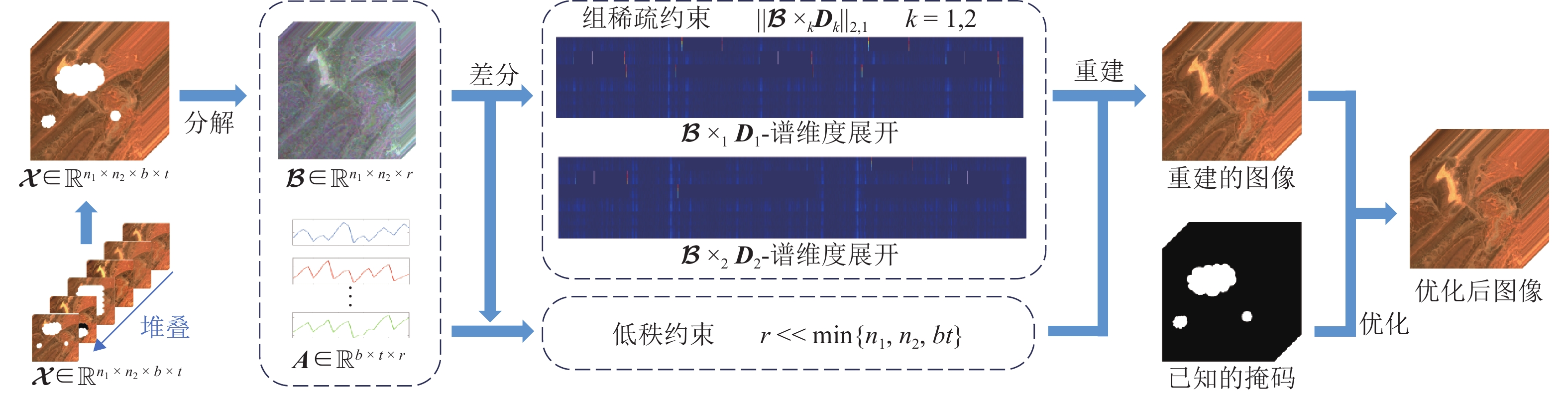
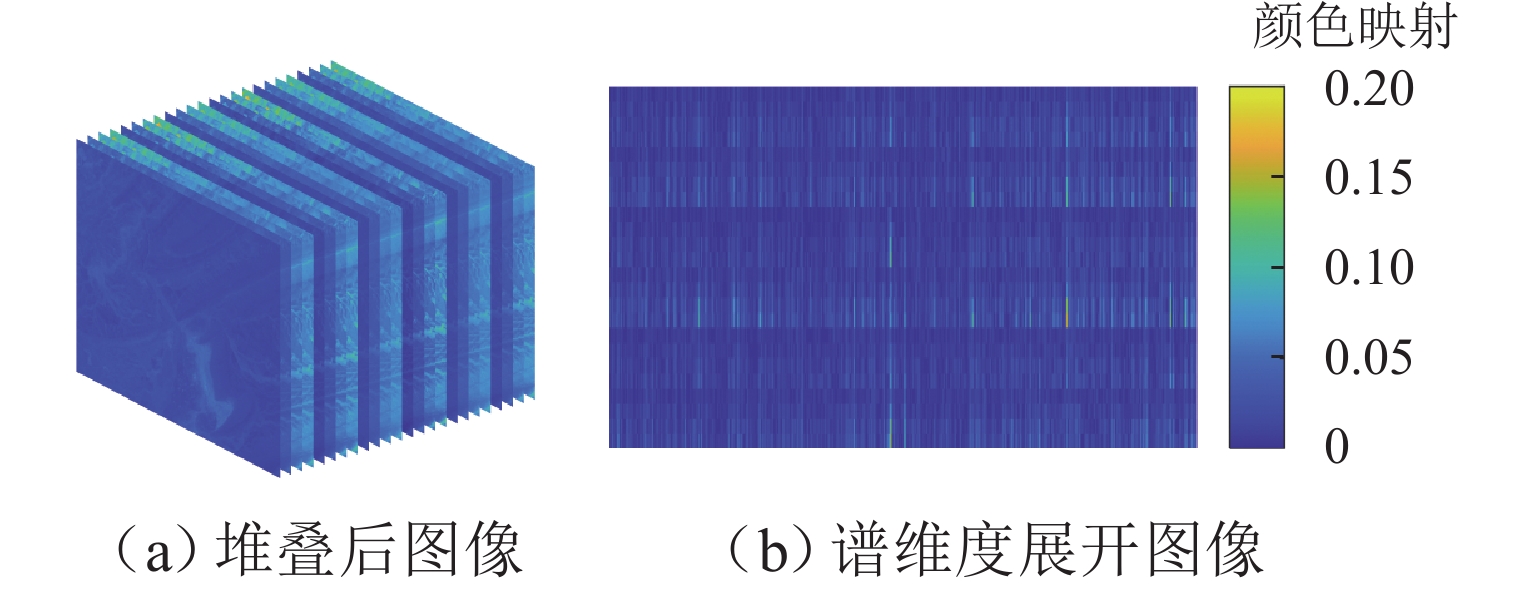
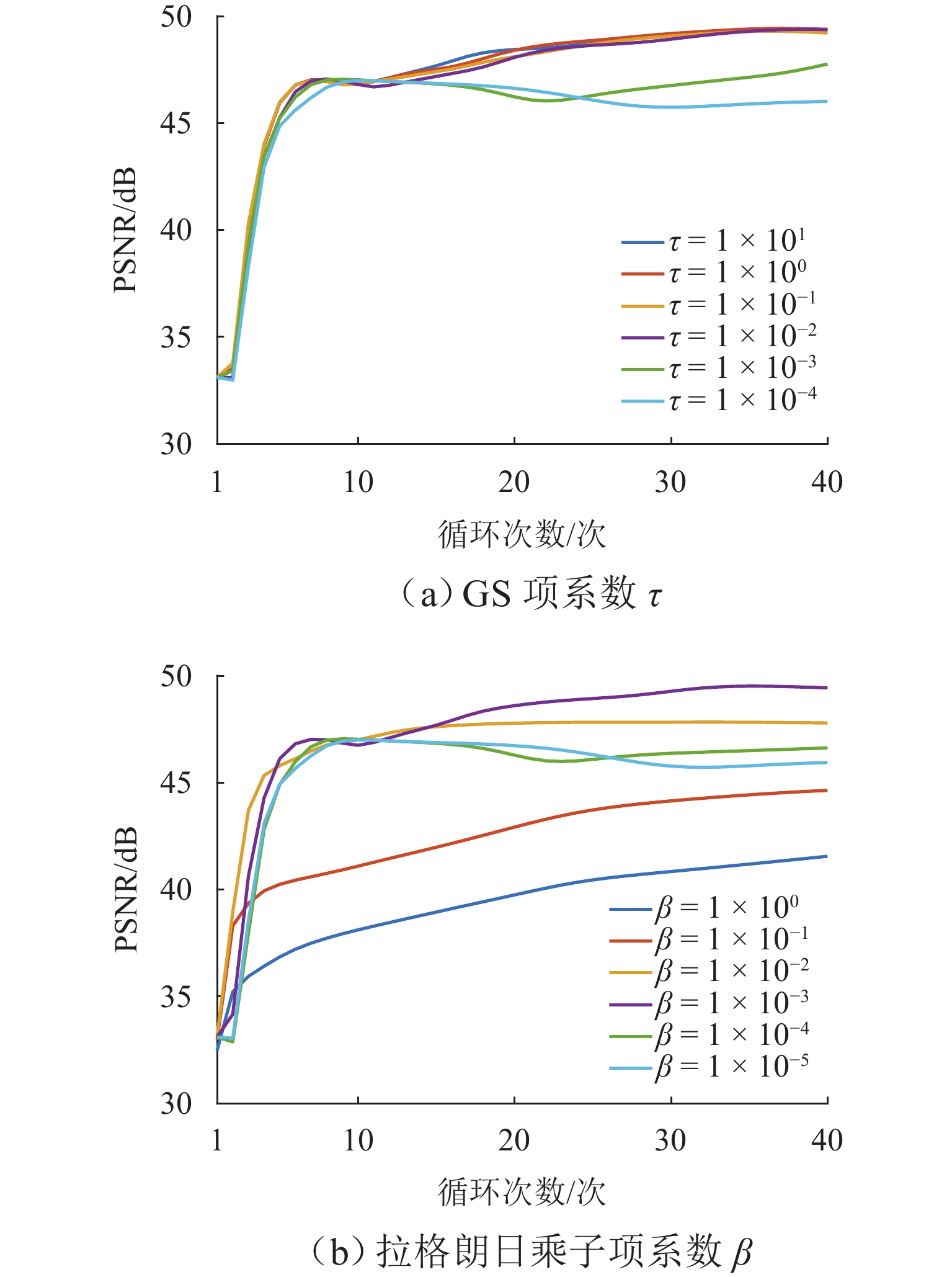
Cloudy weather causes cloud coverage and information loss in multi-temporal remote sensing image (MTRSI), affecting the subsequent application performance. In recent years, cloud removal methods based on low-rank matrix/tensor decomposition and sparse regularization have ignored the consistency features across different bands and different temporal dimensions of image. To this end, under the framework of low-rank matrix decomposition, a novel MTRSI cloud removal model based on factor group sparsity regularization was proposed. Specifically, global spatiotemporal correlations of clean image were characterized by the model using low-rank matrix decomposition; by imposing group sparsity regularization on the factors corresponding to multi-dimensional data, the consistency of spatially smooth regions across bands and time was accurately captured and constrained. Furthermore, a proximal alternating minimization algorithm embedded with the alternating direction method of multipliers was designed to decompose the original optimization problem into two sub-problems, namely low-rank constraint and sparse regularization term optimization, which were updated alternately and iteratively, thereby achieving an efficient solution to the original problem. In simulation experiments, compared with the suboptimal method, the average peak signal-to-noise ratio of the proposed cloud removal method increases by 18.01%; the average spectral angle mapper decreases by 43.01%; the average structural similarity increases by 4.1 × 10⁻³; the average correlation coefficient increases by 2.3 × 10⁻³; and the required running time decreases by 78.43%. Meanwhile, better cloud removal results are also achieved in real-scene experiments.

Comparison of Causes of Rail Corrugation in Sections with and Without Rail Gaps in Small Radius Curves of Mountainous Metro
CUI Xiaolu, GE Yacun, XU Guanbao, ZHANG Hongwei, LI Xiang, ZHAO Xiaobo, ZHANG Fugui
2026, 61(5): 1502-1510. doi: 10.3969/j.issn.0258-2724.20240376
Abstract:

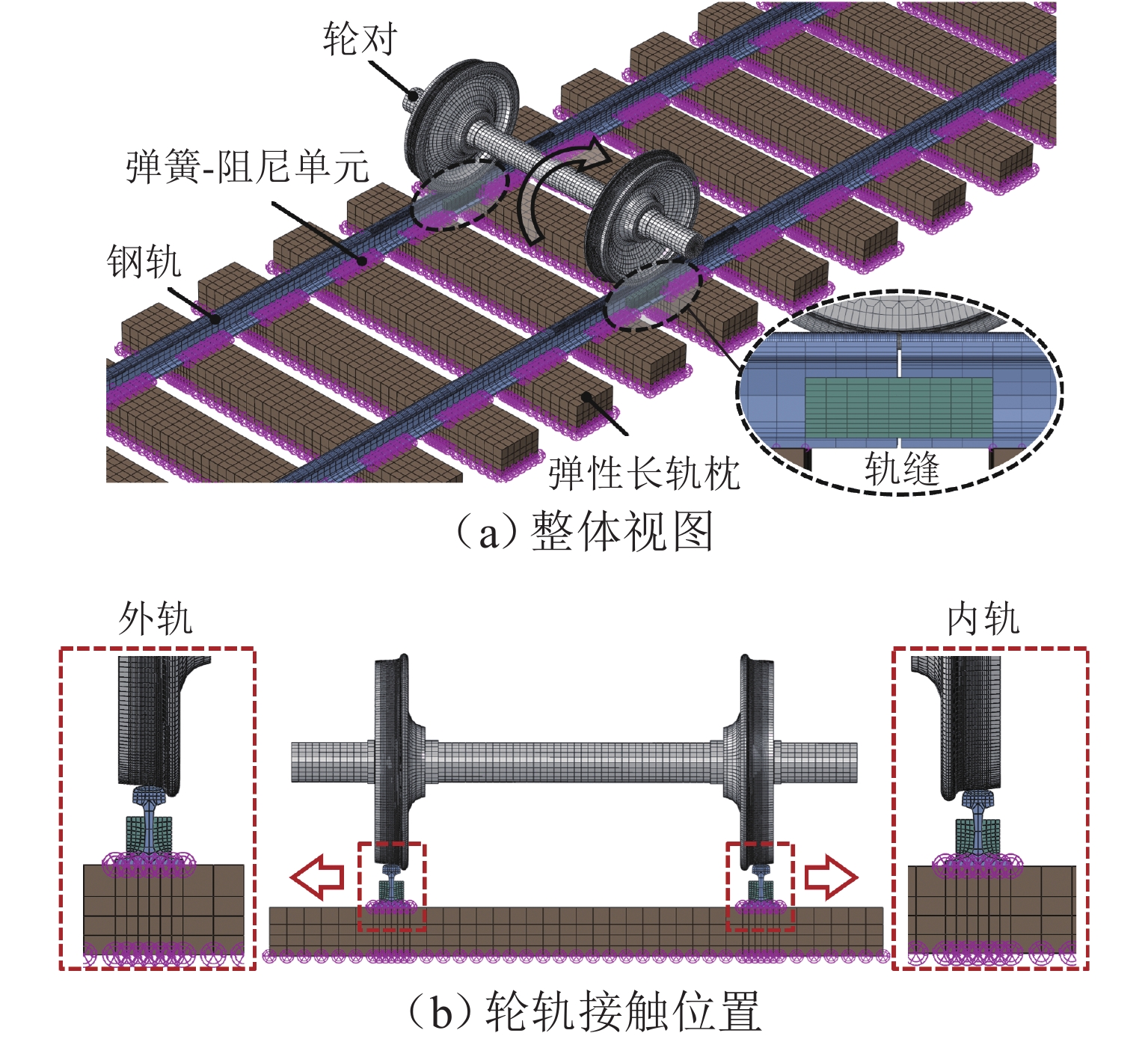
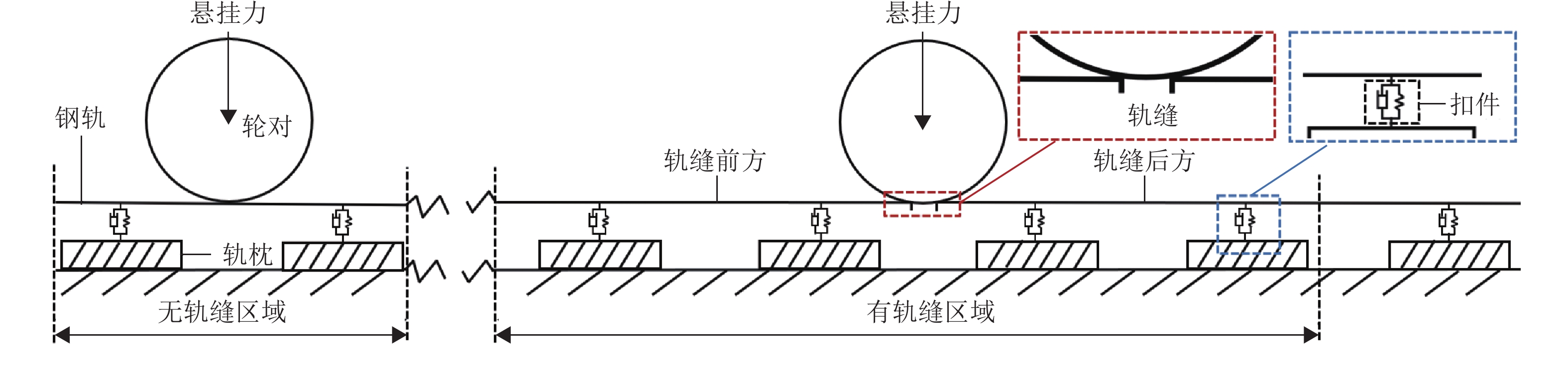
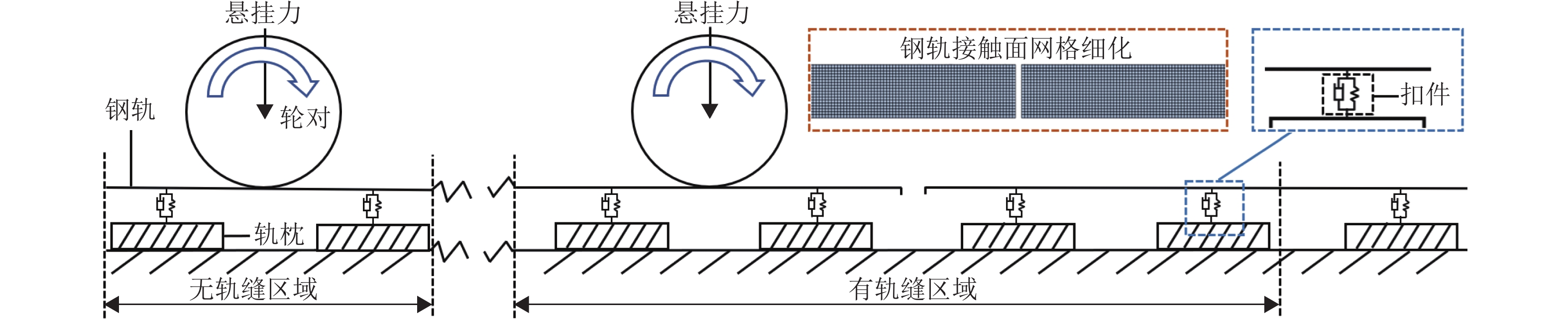
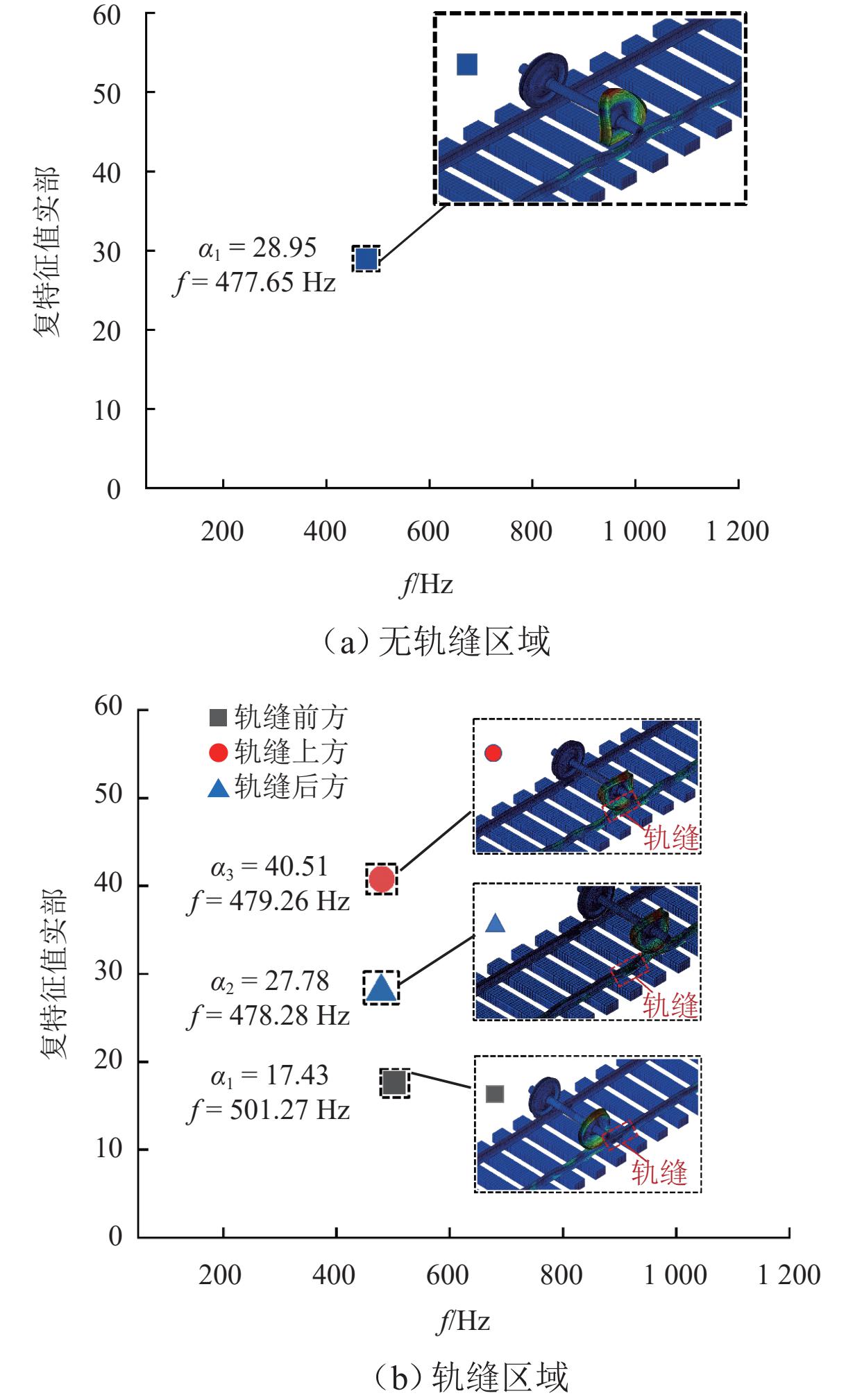
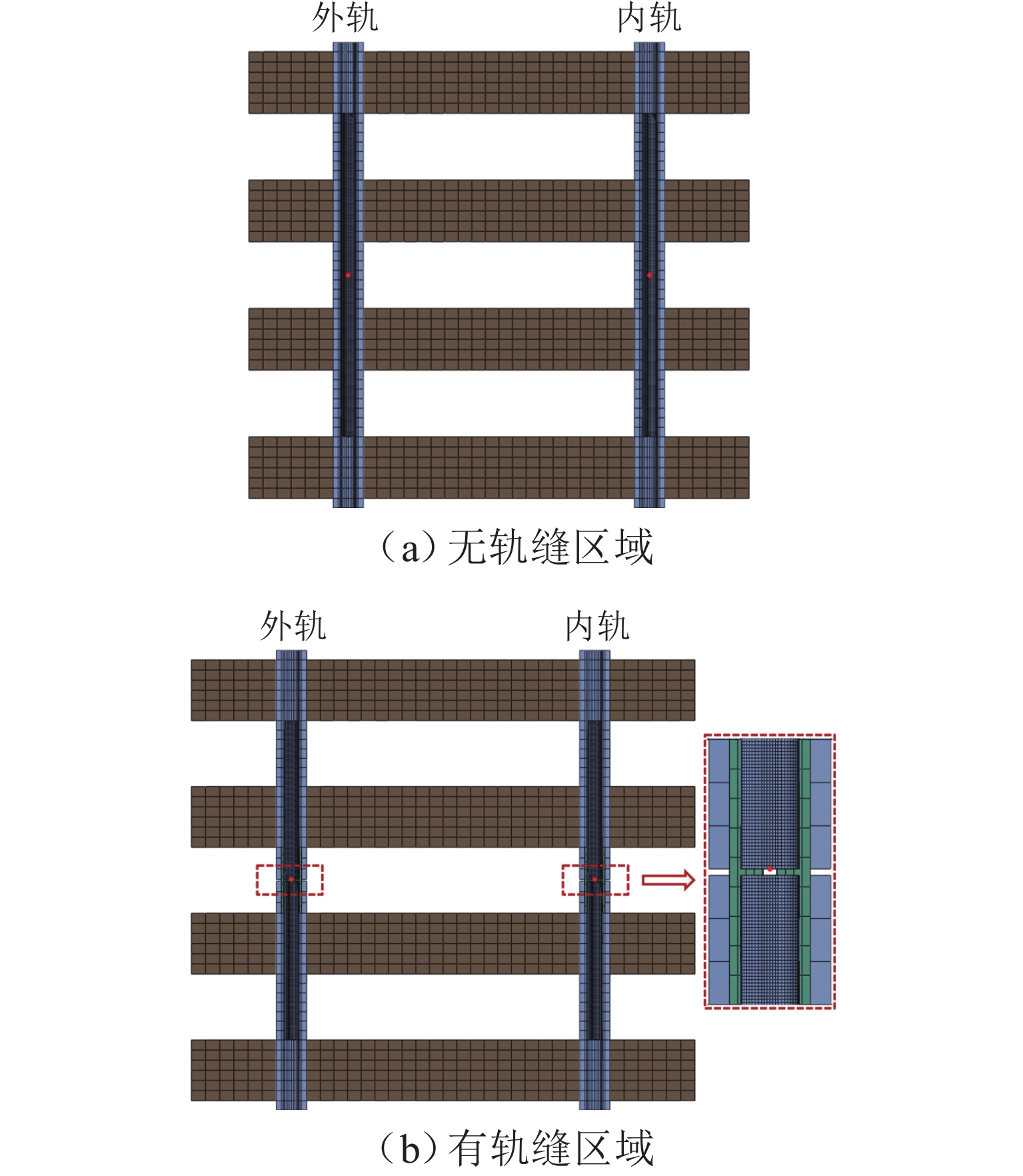
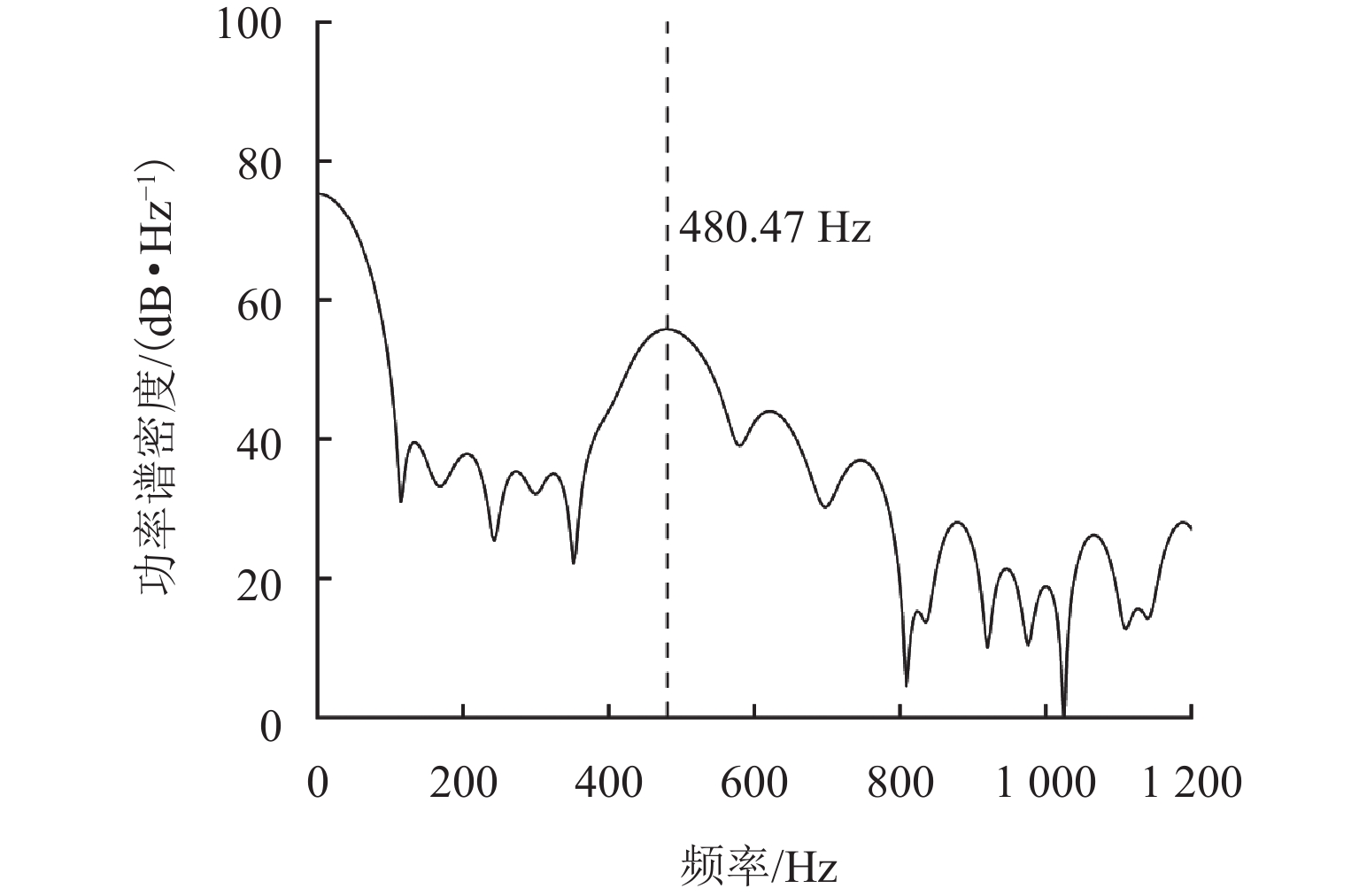
To address the two types of rail corrugation in small radius curves of the Chongqing metro (short-wavelength corrugation on inner rails in the sections without rail gaps, and long and short-wavelength corrugation on inner rails in the sections with rail gaps), the comparative study on the causes of two types of rail corrugation was conducted based on the theory of wheel-rail frictional coupling vibration. The finite element models of the wheel-rail systems in the section with and without rail gaps in small radius curves were established, and their stabilities were investigated using the complex eigenvalue analysis method. Then, the dynamic response of the wheel-rail system under the effects of rail gap and rail corrugation irregularities was investigated using the transient dynamic analysis method. The results have shown that the wheel-rail system exhibits frictional self-excited vibration in both sections with and without rail gaps on small-radius curves, with main frequencies of 479.26 Hz and 477.65 Hz, respectively, which can induce short-wavelength corrugation from 30 to 40 mm. Rail surface irregularities increase the dynamic response of the wheel-rail system. The induced feedback vibration has a main frequency of 112.79 Hz, thus inducing long-wavelength corrugation from 150 to 160 mm. The feedback vibration induced by short-wavelength corrugation irregularities only serves to increase the depth of the short-wavelength corrugation itself and does not induce corrugation with a new wavelength.

Cutter Load Characteristics and Effect of Cutter Profile in Multi-Cutter Rock-Breaking Condition
ZHANG Mengqi, GUO Jing, MO Jiliang
2026, 61(5): 1511-1522. doi: 10.3969/j.issn.0258-2724.20240303
Abstract:

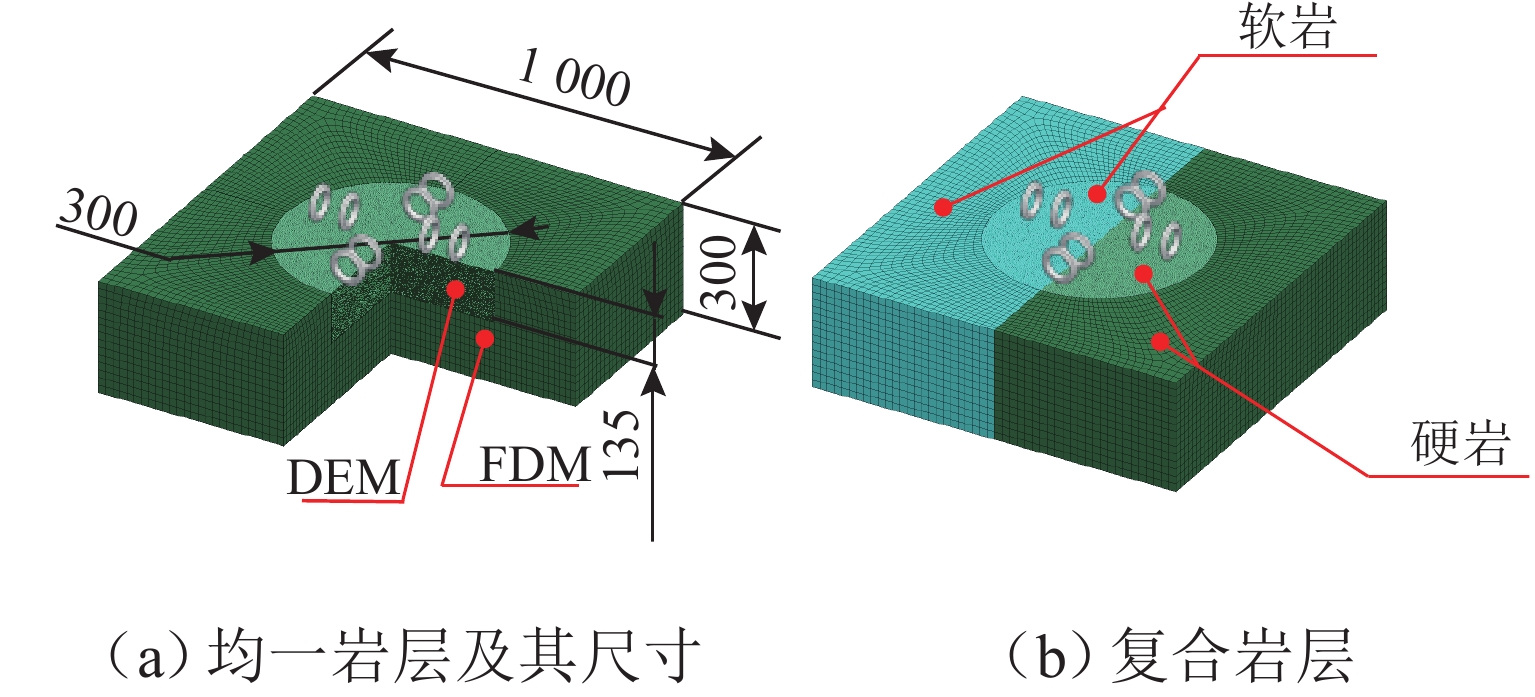
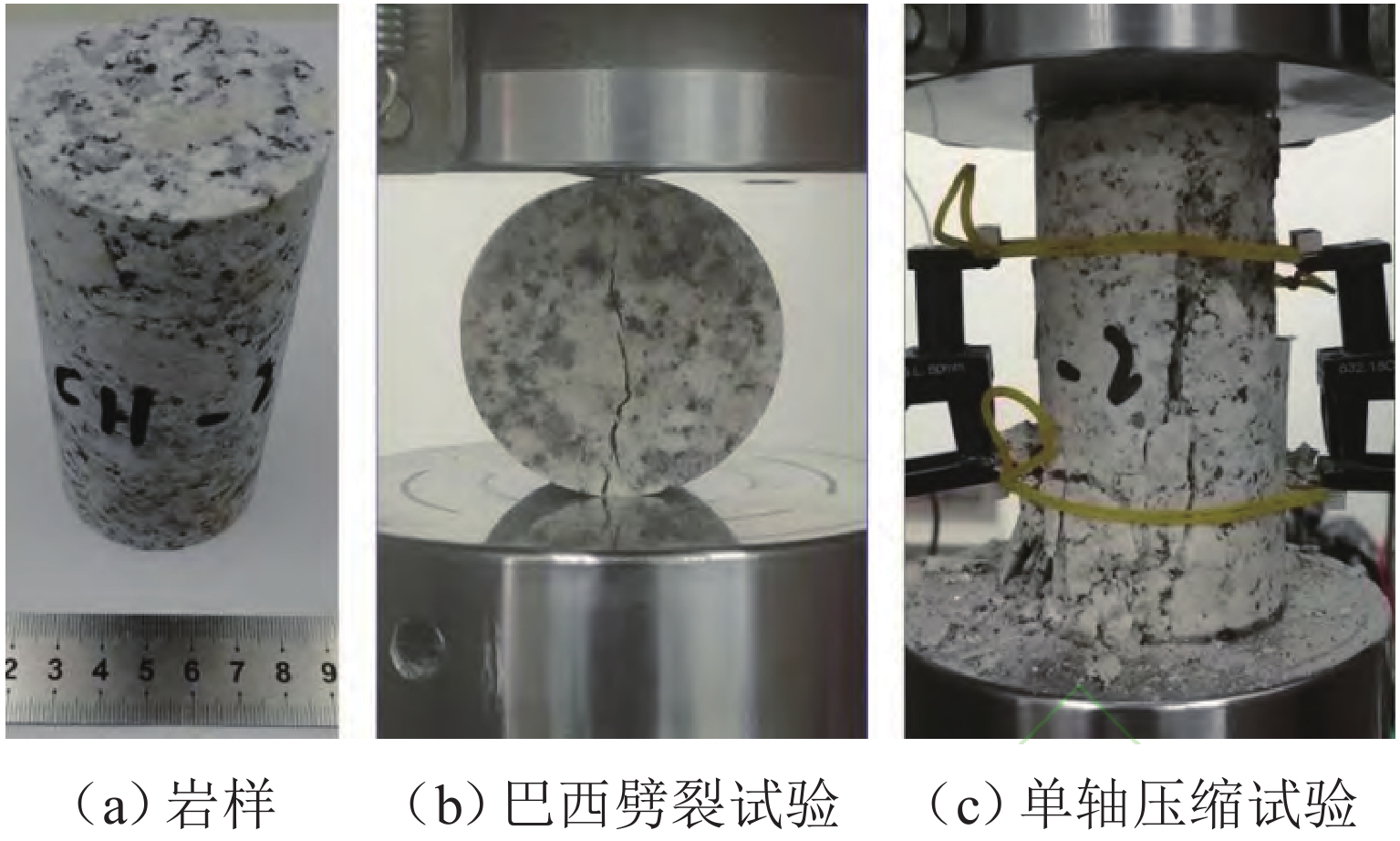
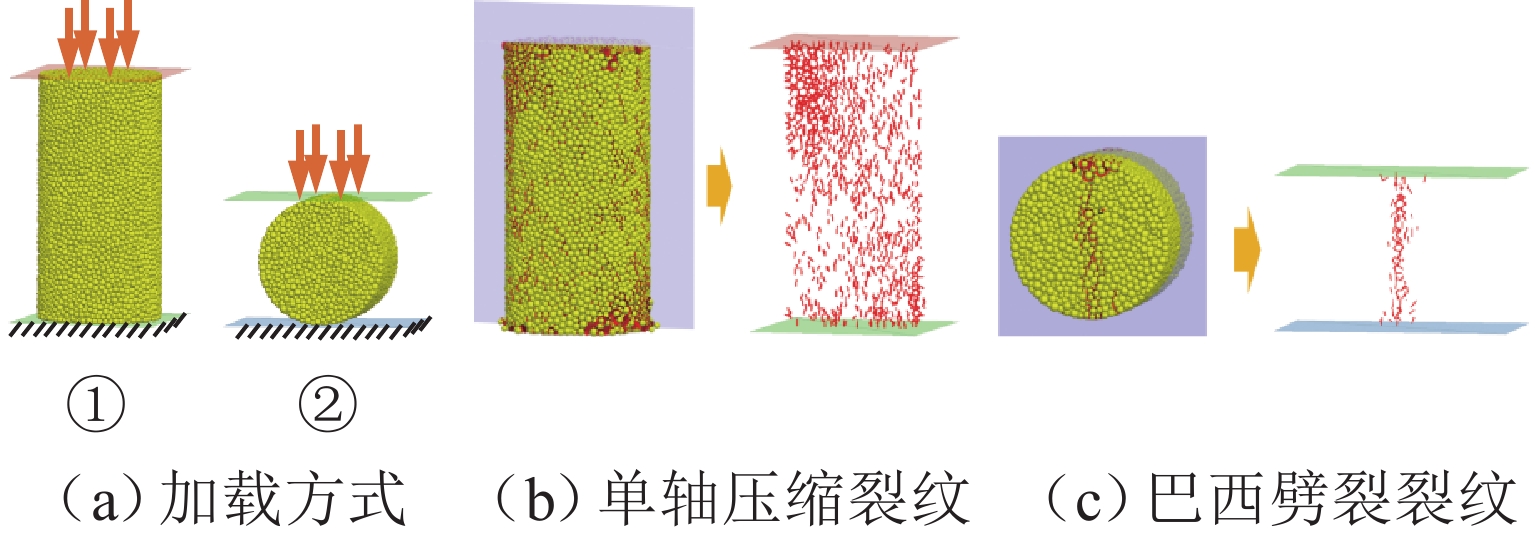
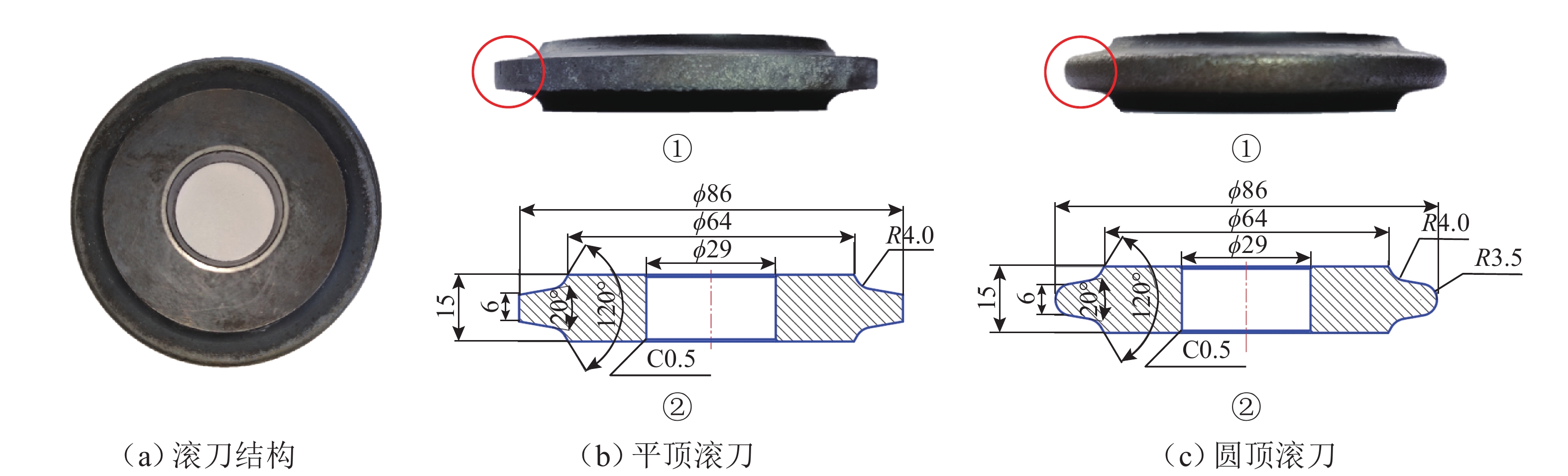
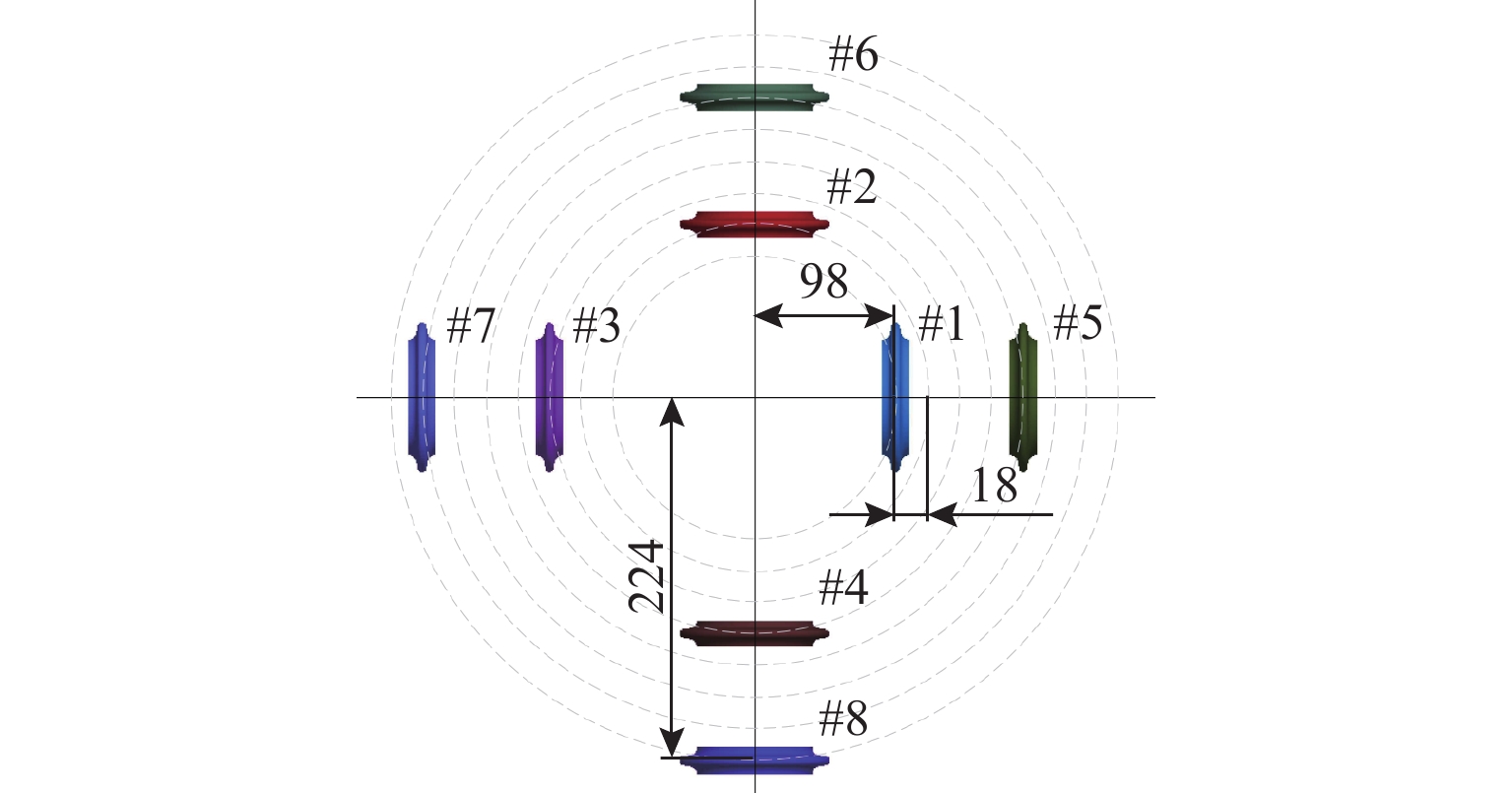
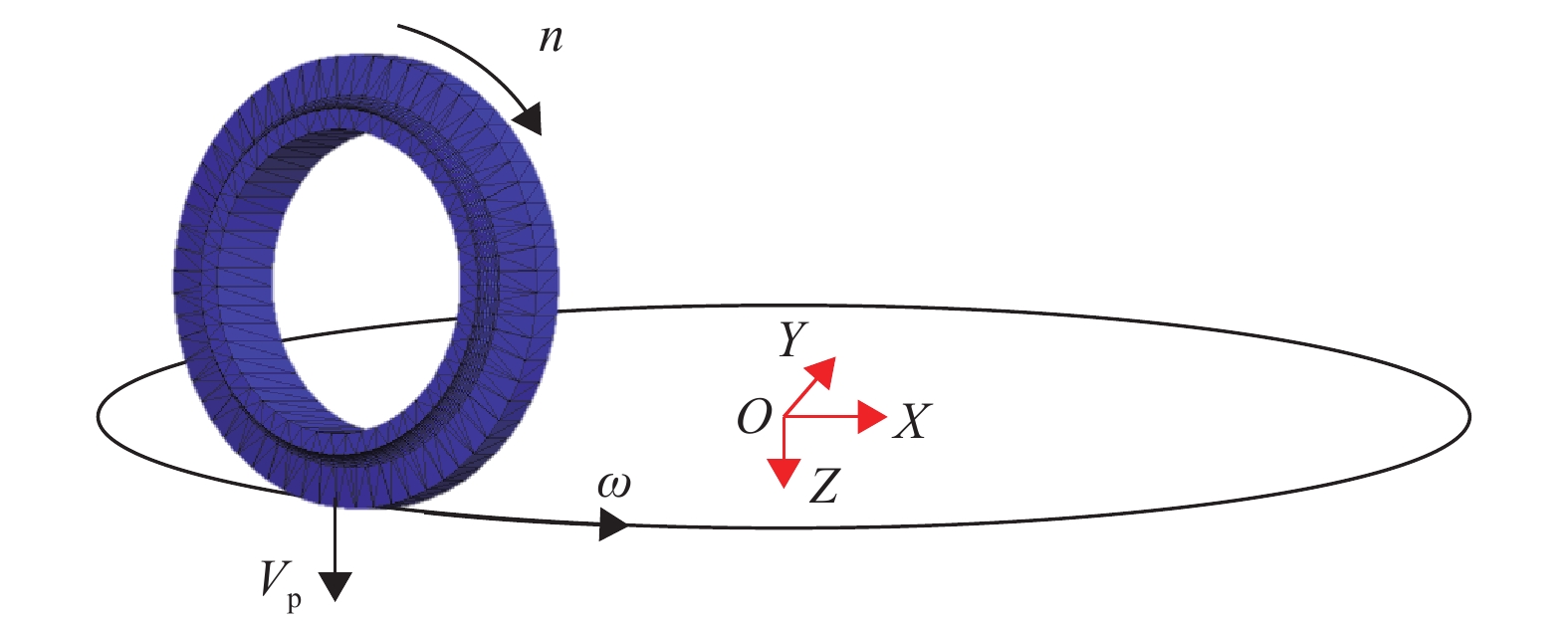
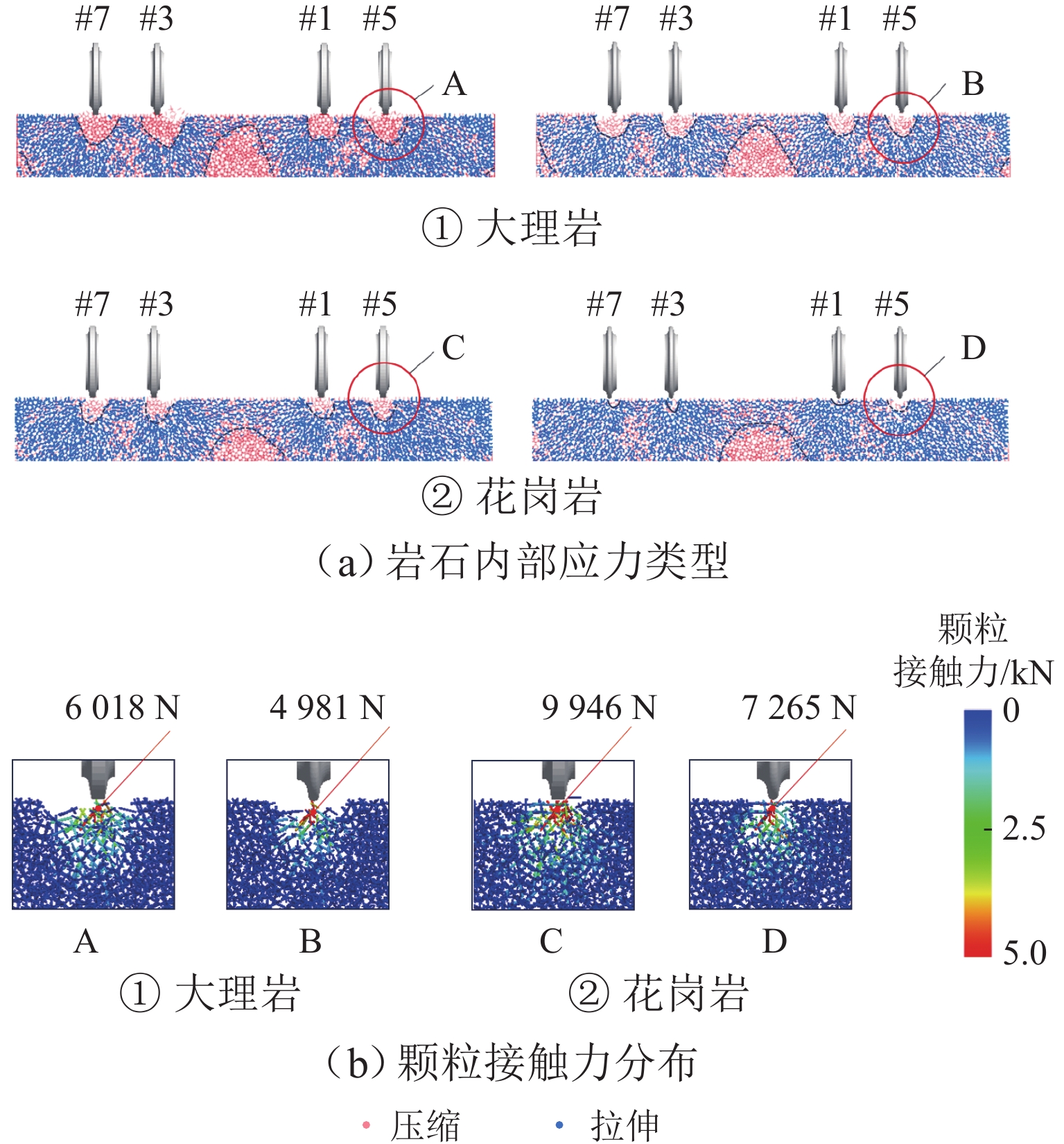
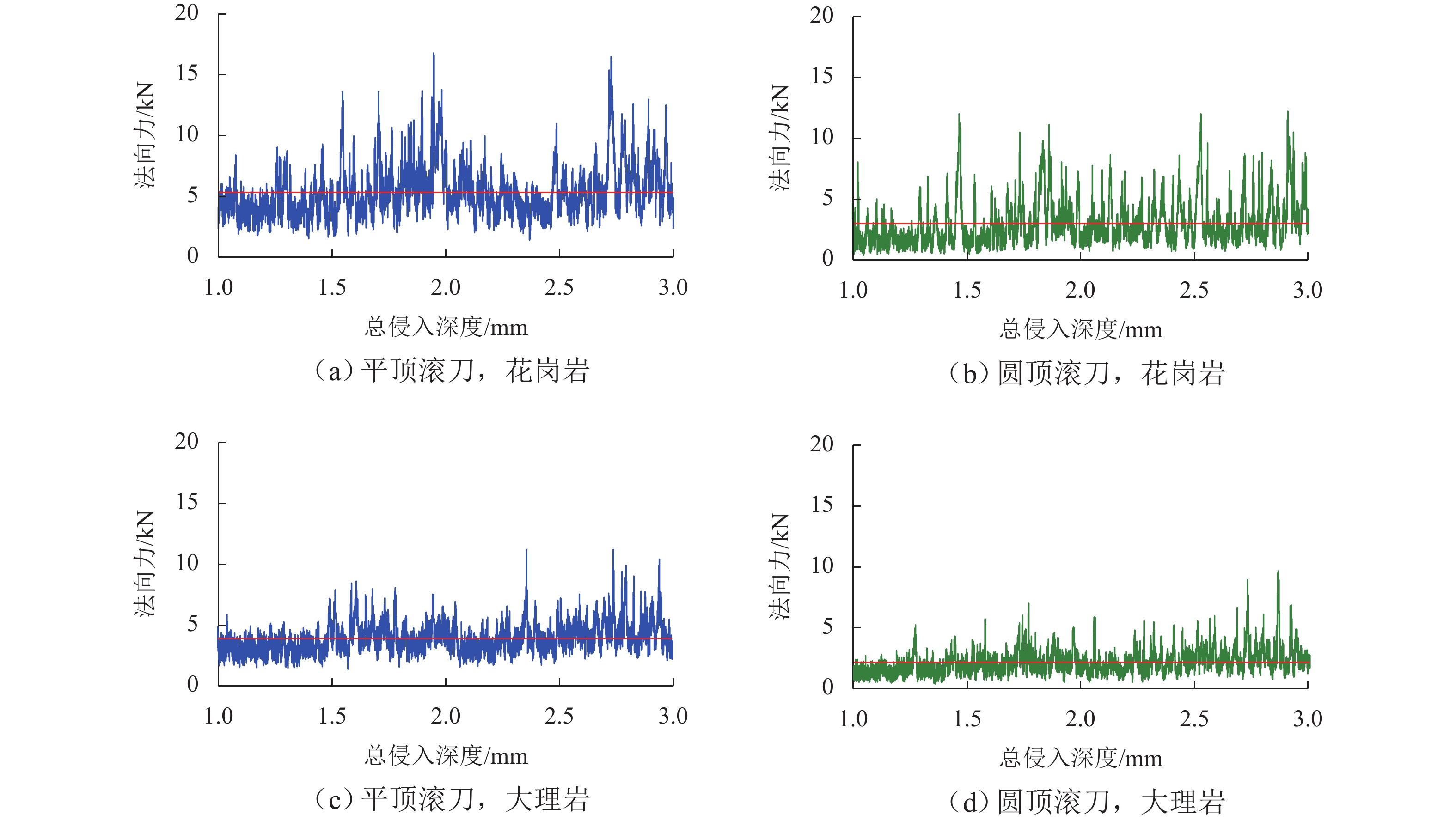
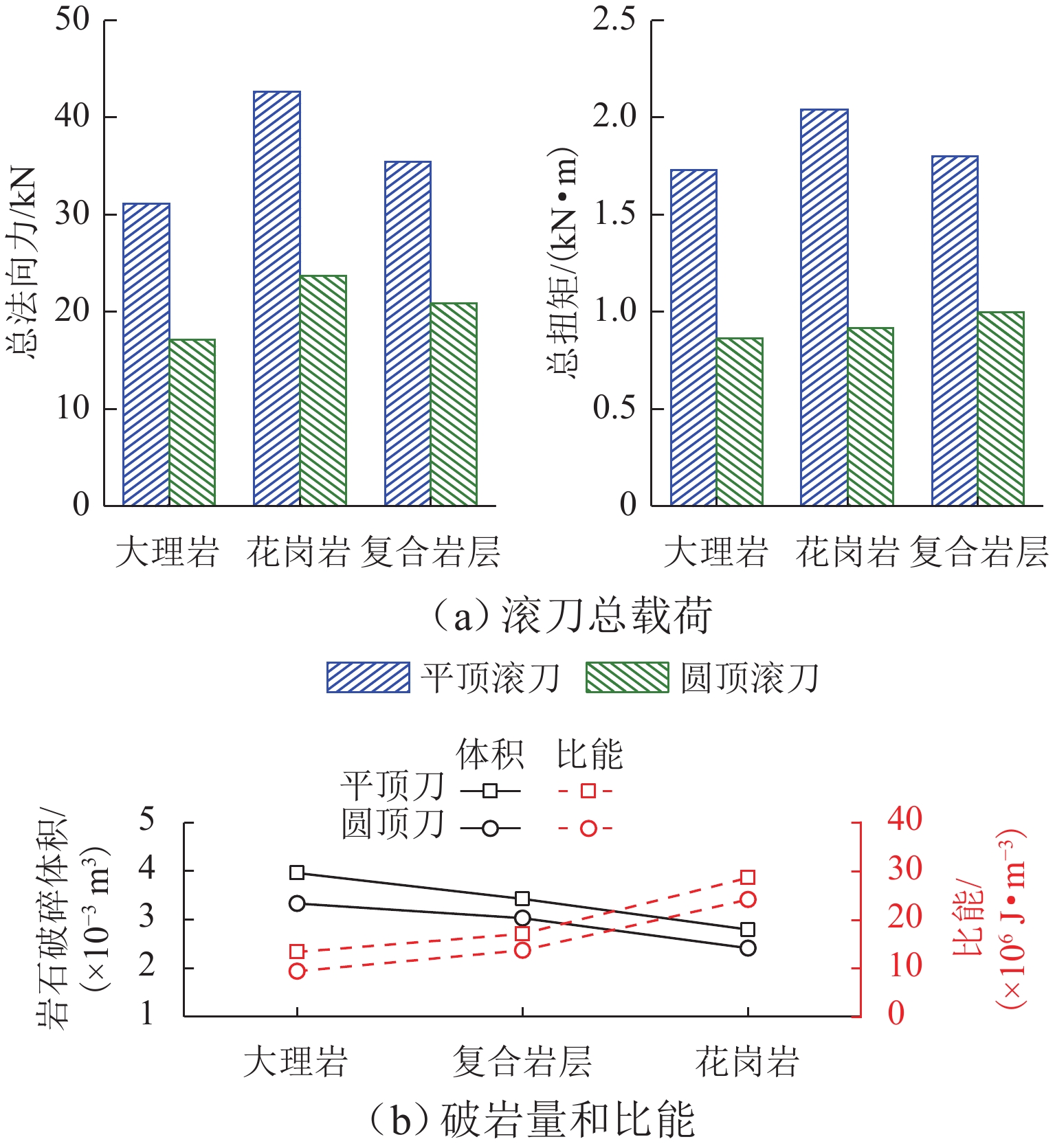
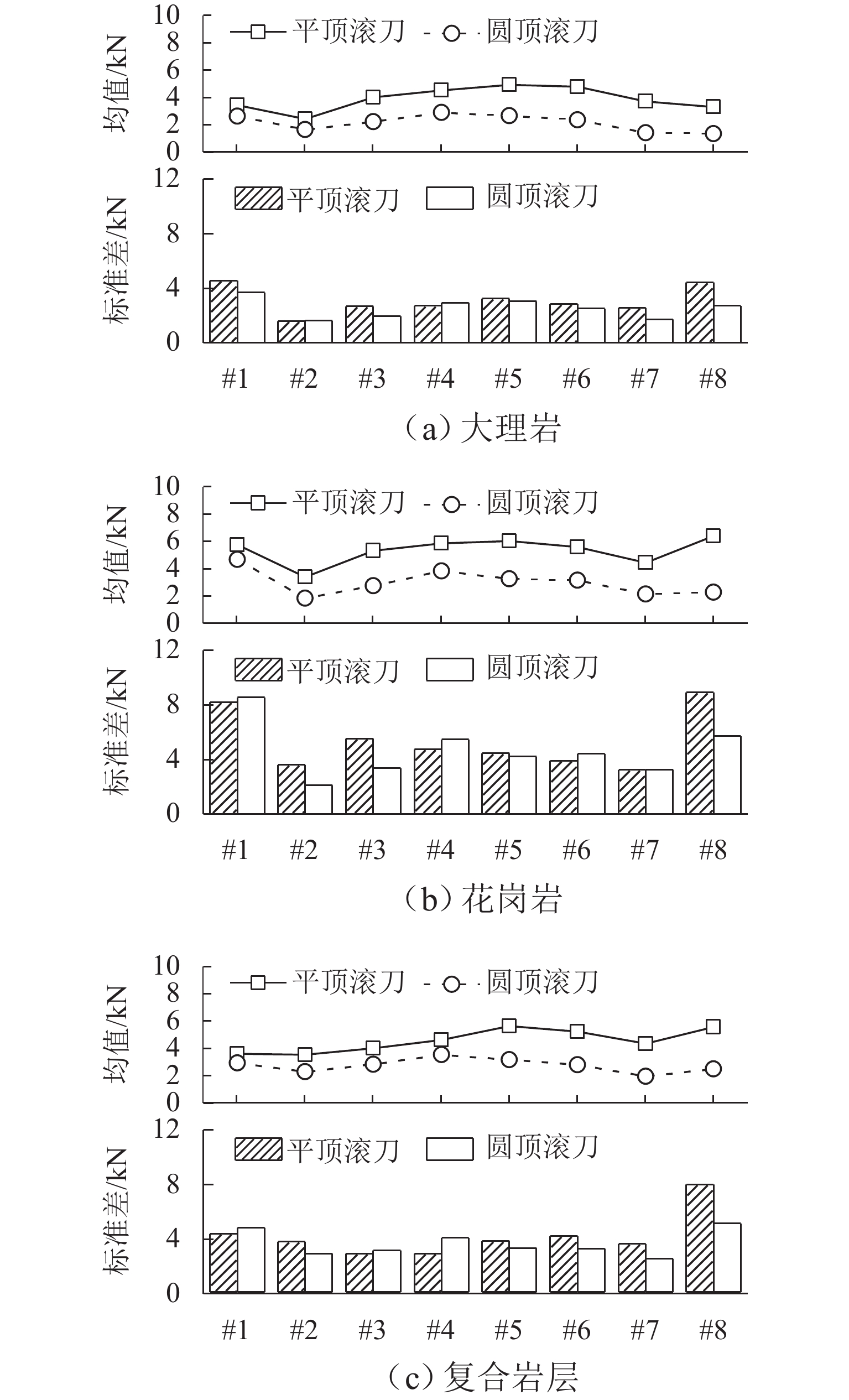
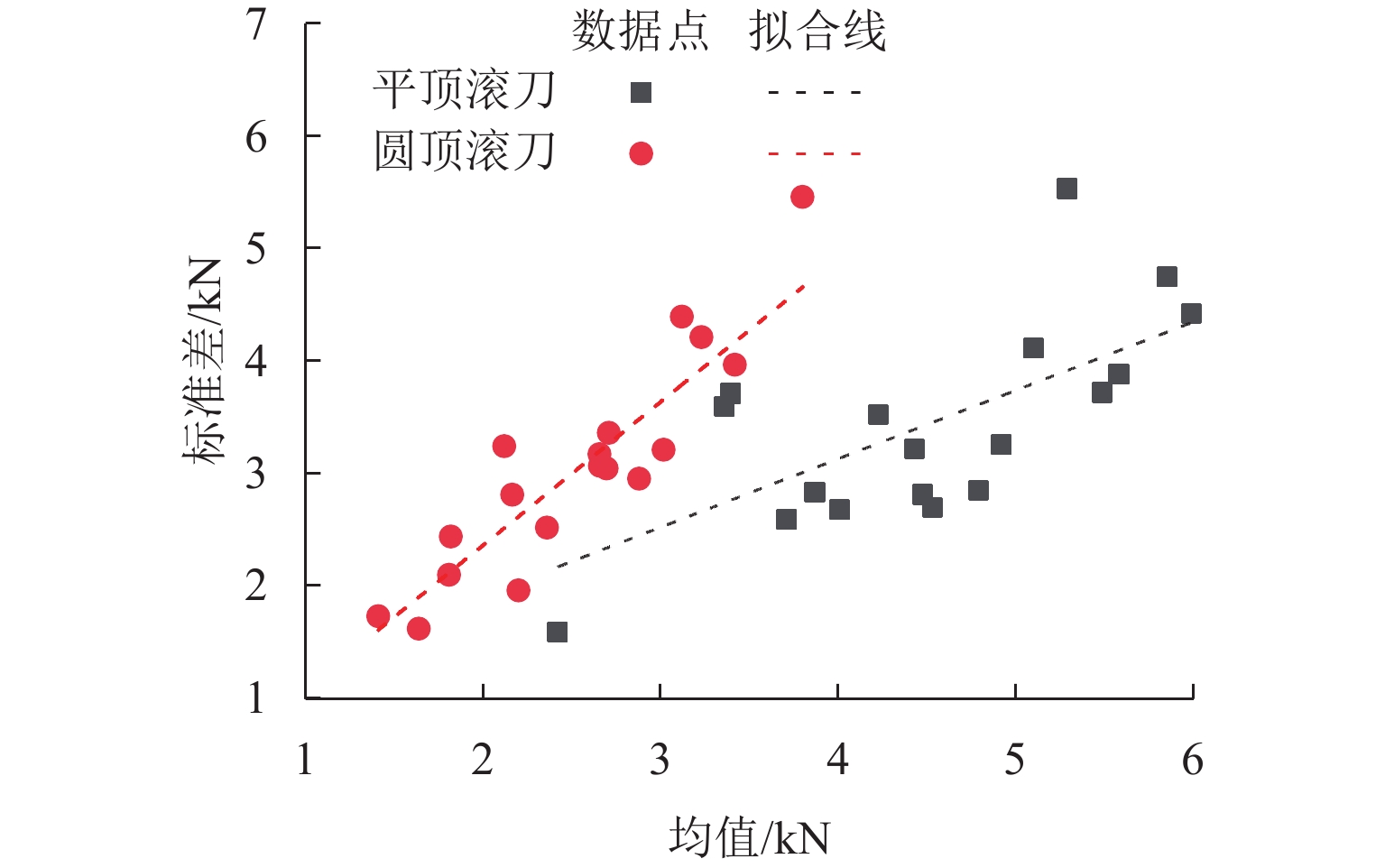
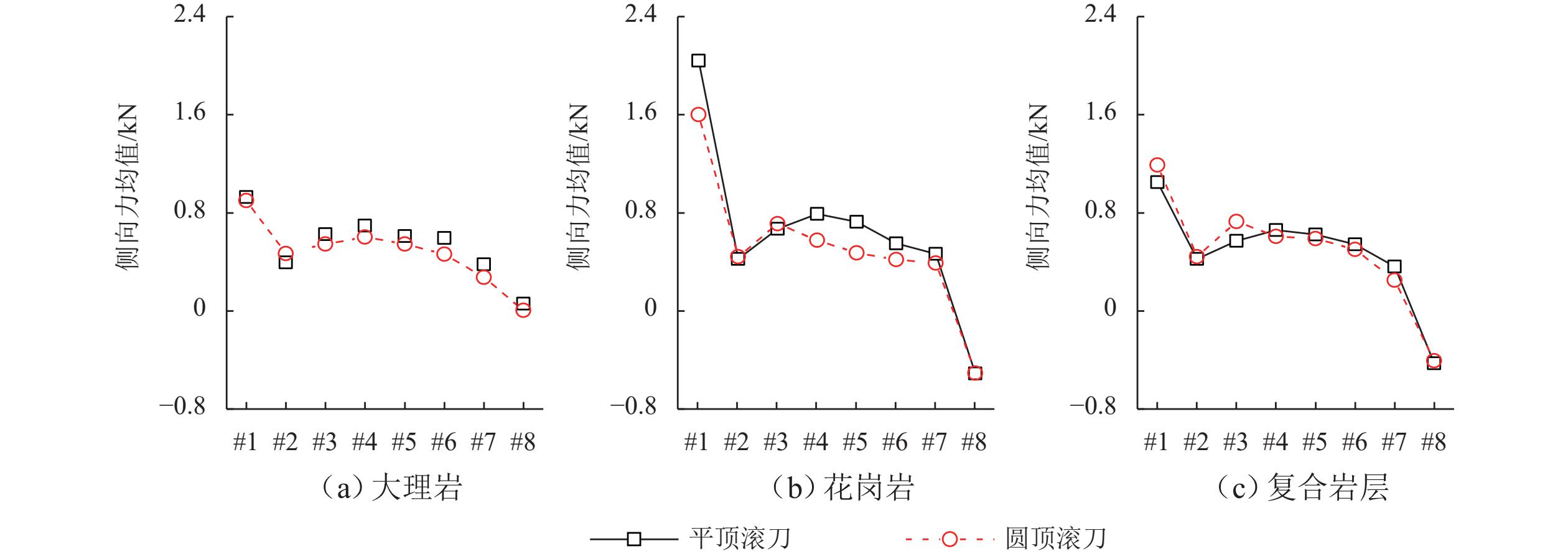
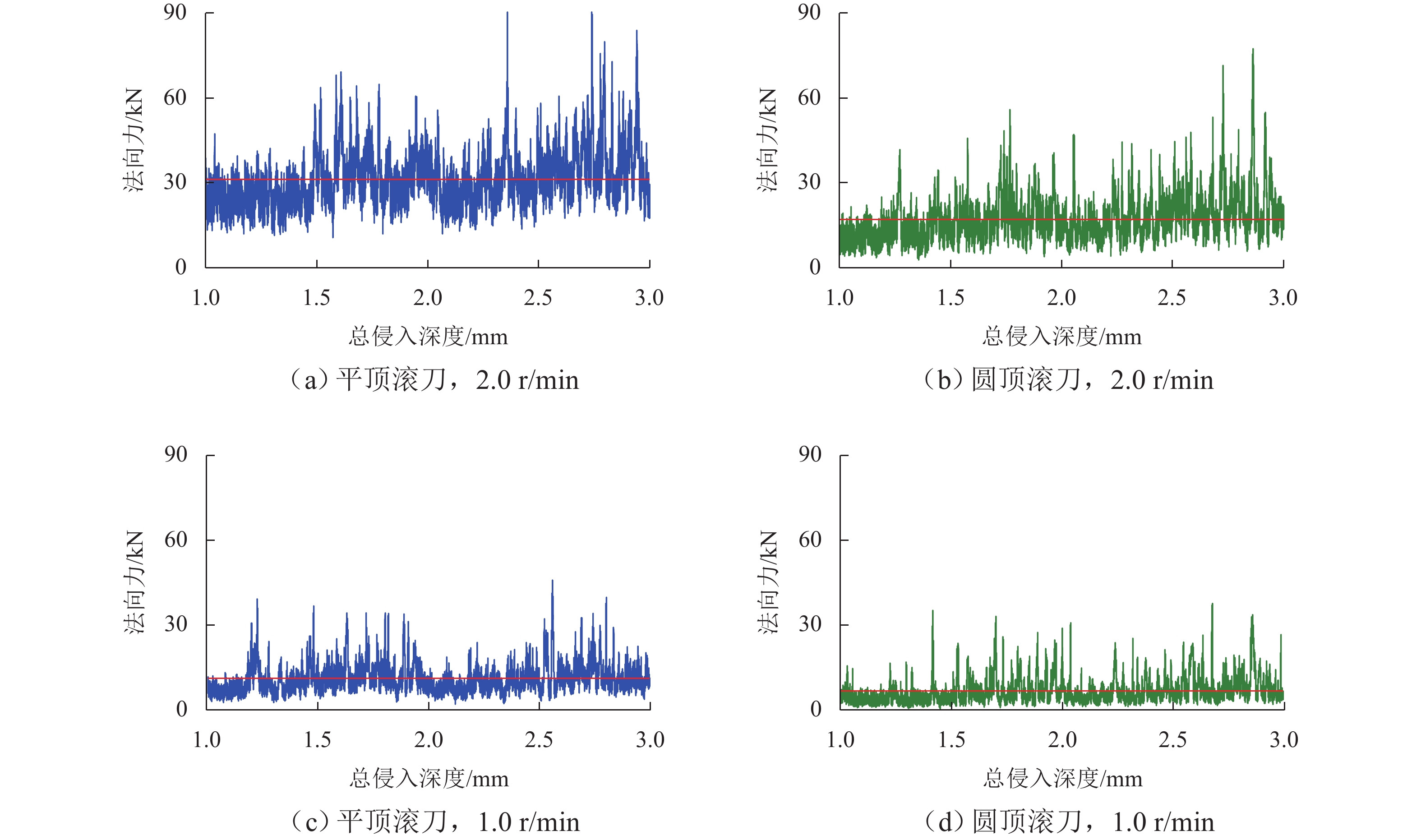
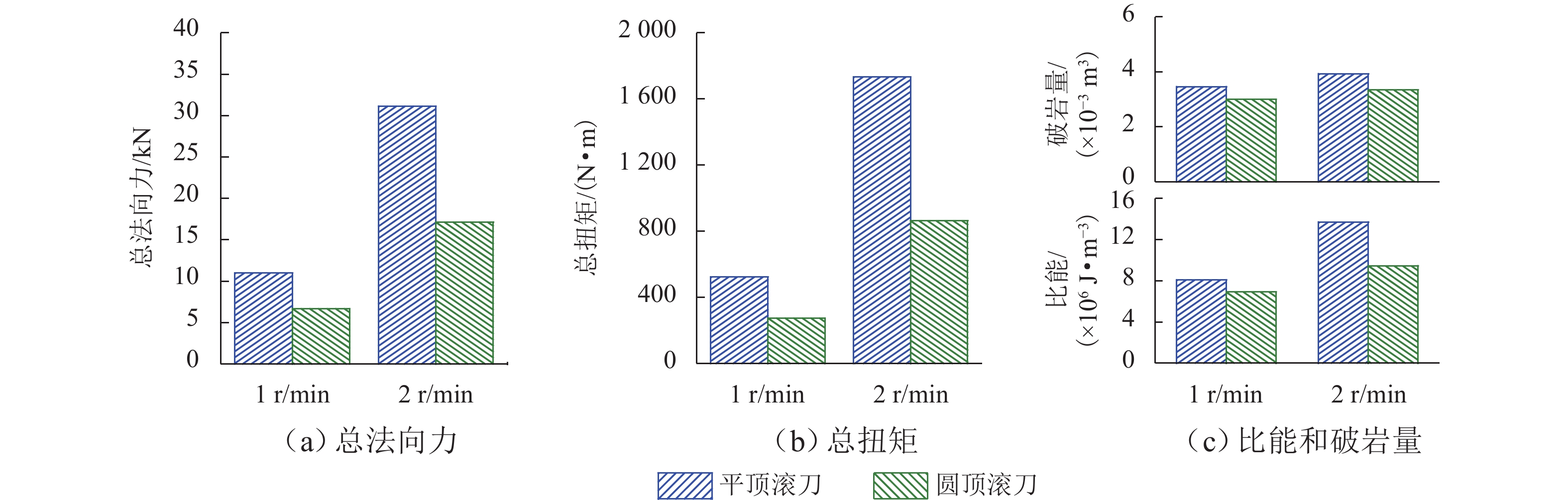
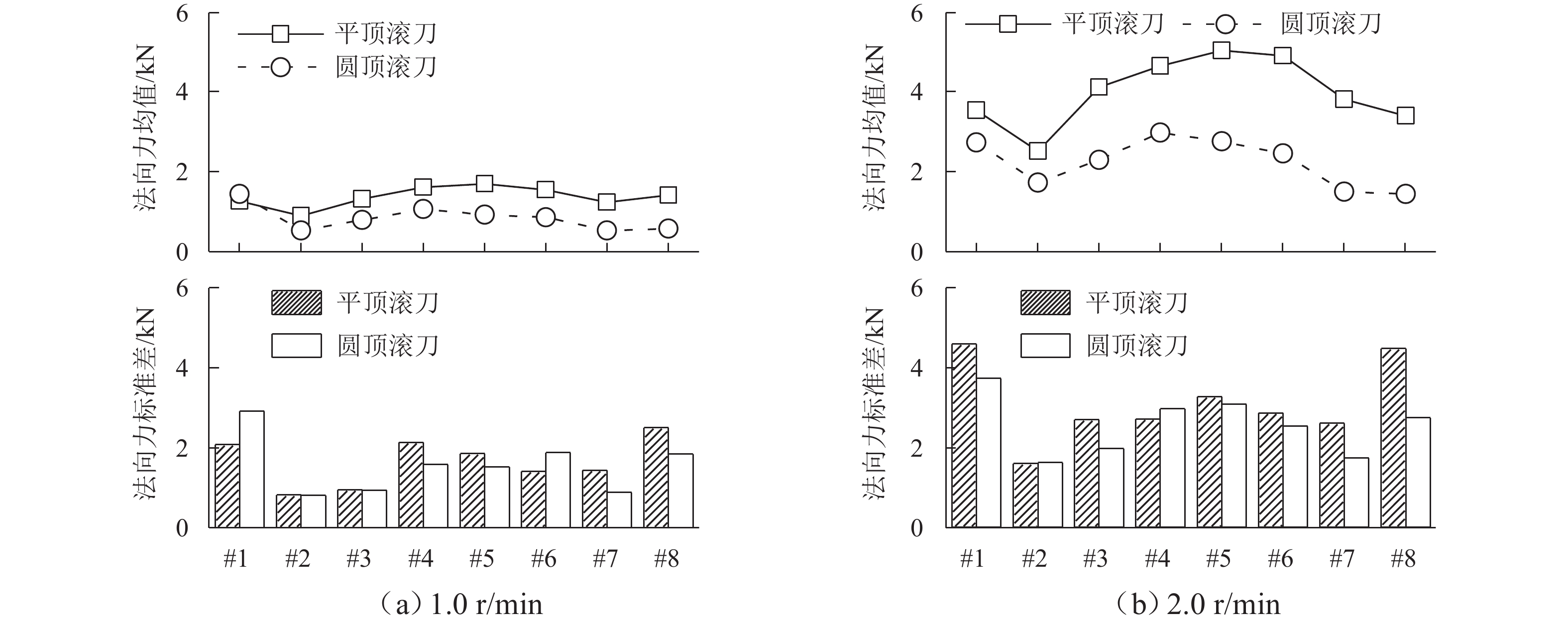
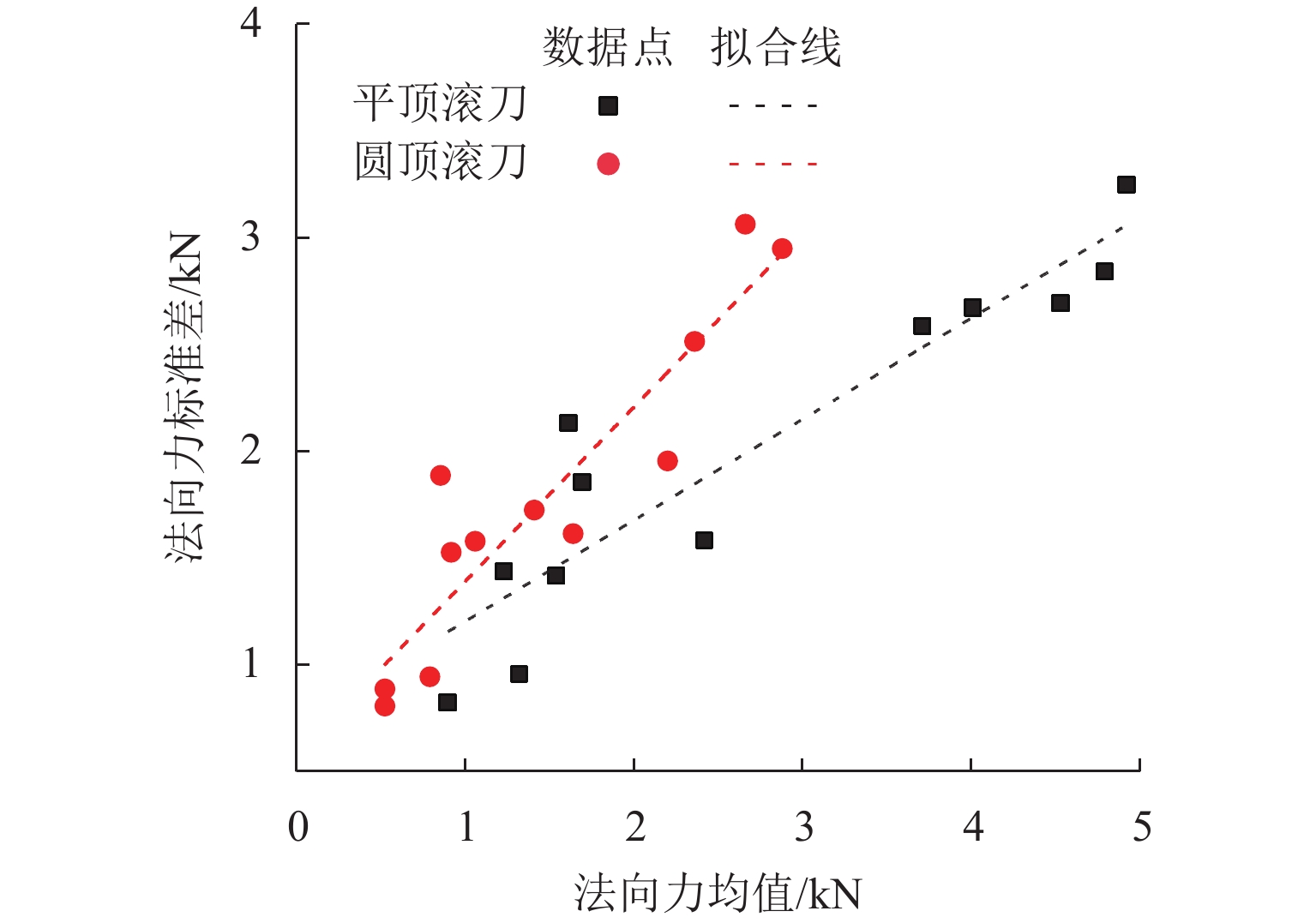
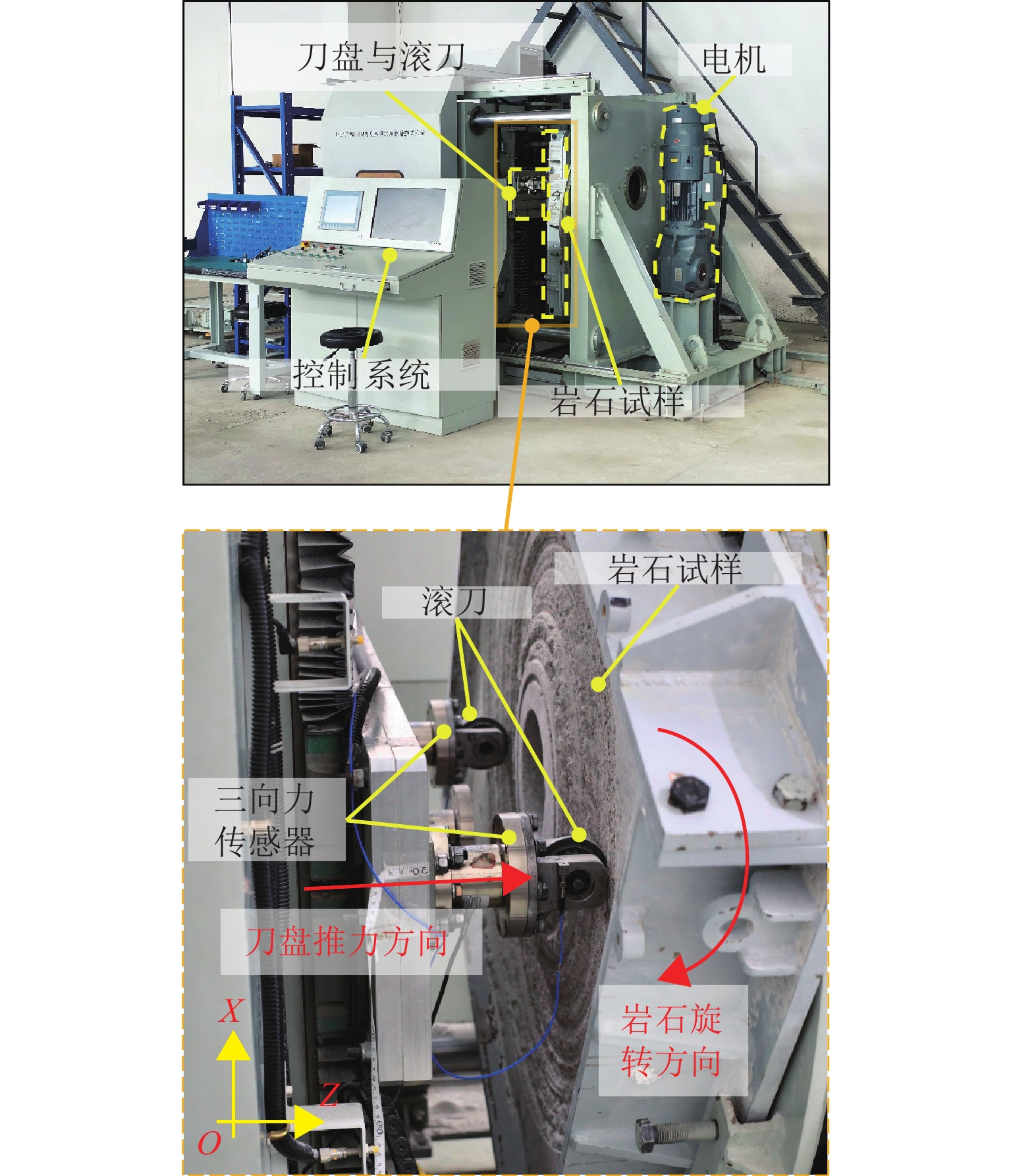
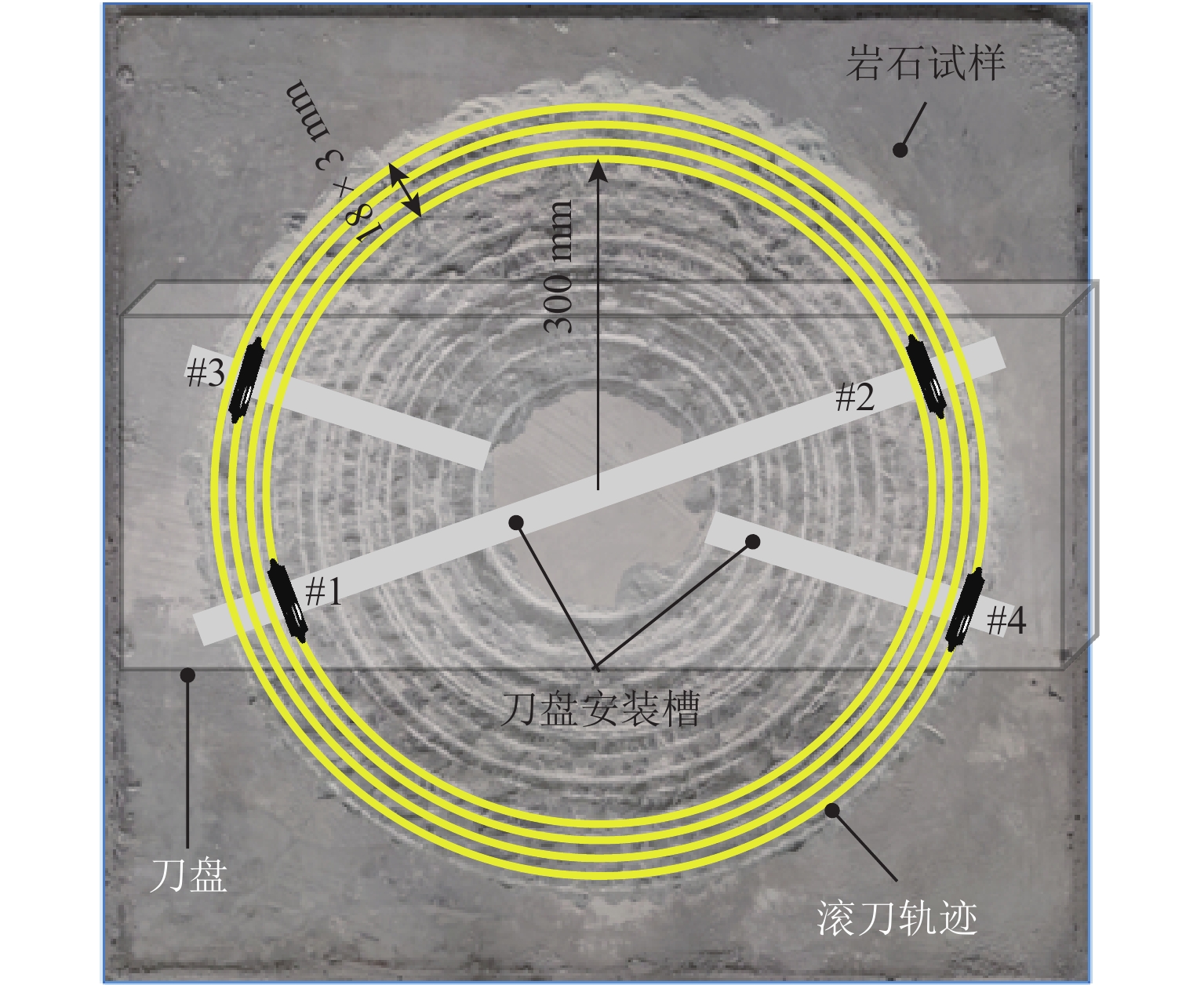
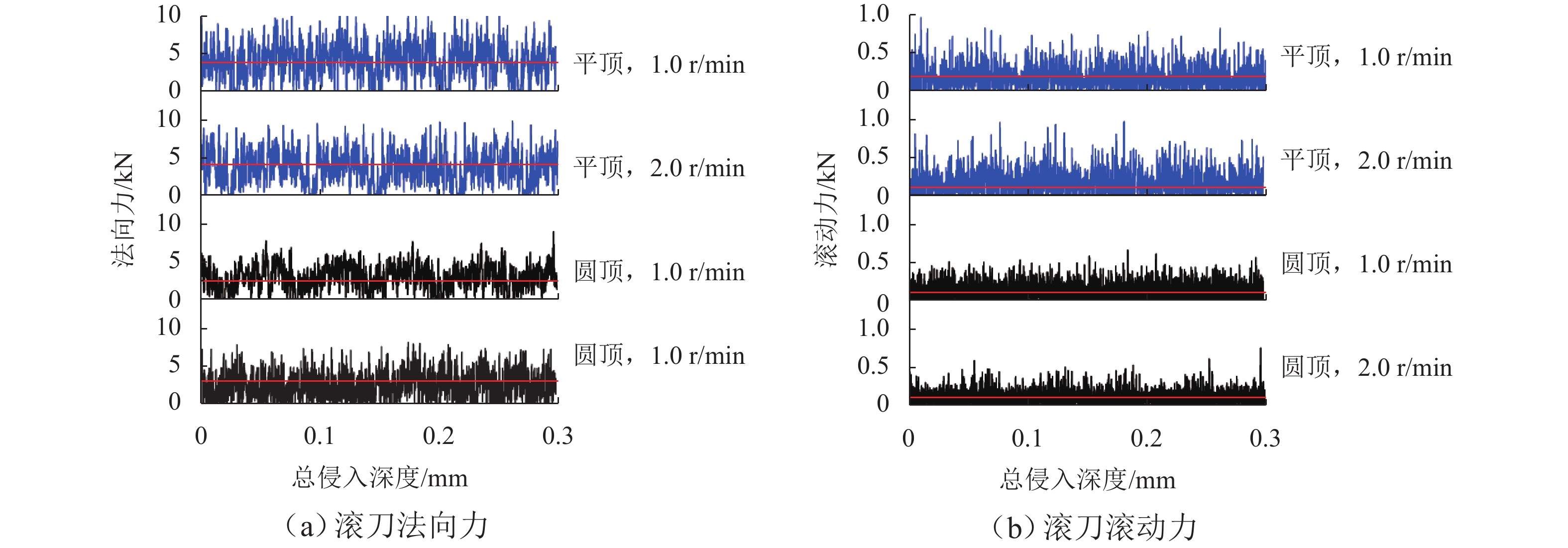
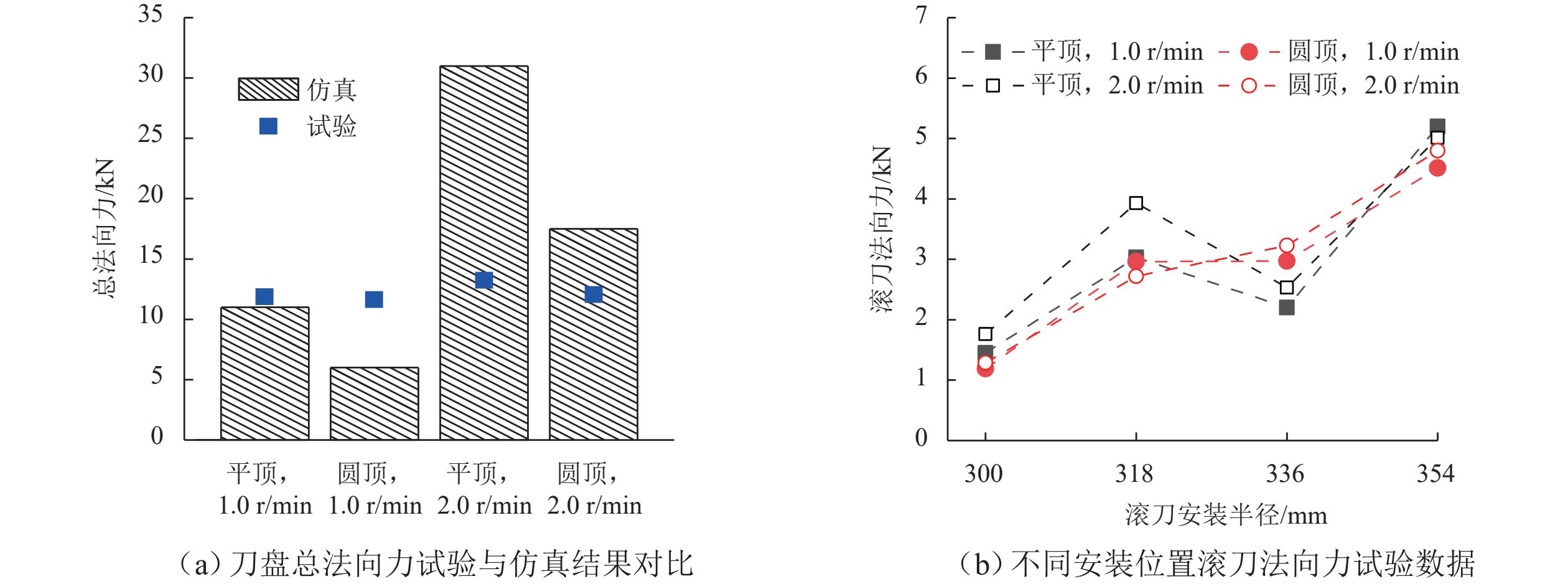
To ensure the safe and efficient operation of full-face tunnel boring machine (TBM) in complex terrains, it is essential to clarify the load characteristics of cutters in the multi-cutter collaborative rock-breaking condition and to analyze the performance of cutter profiles in different geological strata. Therefore, a numerical discrete element model based on the particle-flow method for the multi-cutter collaborative rock-breaking condition was established. The load characteristics of flat-tipped and circle-tipped cutters under varying rock strength and rotational speeds of cutterheads were investigated. Additionally, multi-cutter rock-breaking experiments were conducted to verify the accuracy of the numerical analysis results. The findings indicate that under a given penetration depth, the circle-tipped cutter exhibits a normal total thrust that is 23%−50% lower than that of the flat-tipped cutter, along with a reduction in rock-breaking volume and specific energy by 10%−20%. The load of cutters at different installation radii varies. The innermost and outermost cutters only collaborate in rock breaking with adjacent single-sided cutters, so the cutting force is approximately 30% higher than that of the adjacent cutter. Consequently, the mean and the standard deviation of cutting forces show a “W”-shaped distribution, with higher values at both ends and lower values in the middle as the installation radius increases. The mean and standard deviation of the normal forces for both cutter profiles are positively correlated. However, at the same level of normal thrust, the flat-tipped cutter exhibits a 37%−50% lower standard deviation of normal force, which means the circle-tipped cutter may lead to more severe vibrations. Additionally, the cutting forces for both types of cutters increase with an elevation in the rotational speed of the cutterhead. The flat-tipped cutter exhibits greater sensitivity to variations in the rotational speed.

Elastic Wave Control of Rail Structure Based on Inertial Amplification Mechanism
GUO Wenjie, ZHAI Yuliu, LUO Wenjun, ZHANG Pengfei, HONG Xian
2026, 61(5): 1523-1531. doi: 10.3969/j.issn.0258-2724.20240262
Abstract:

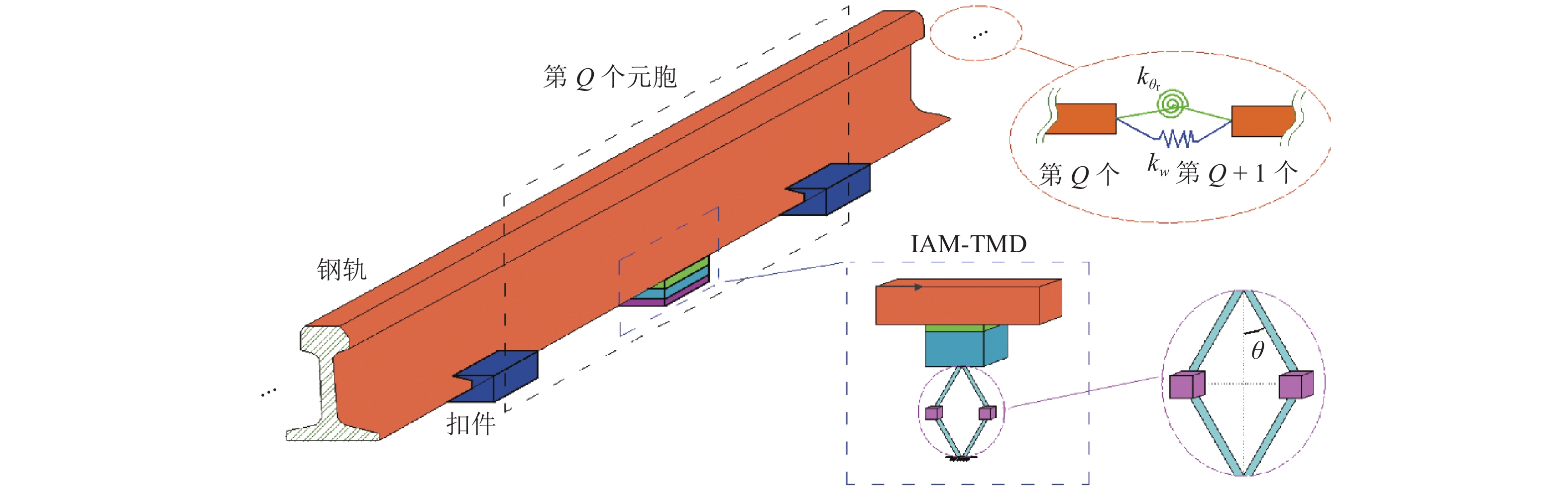
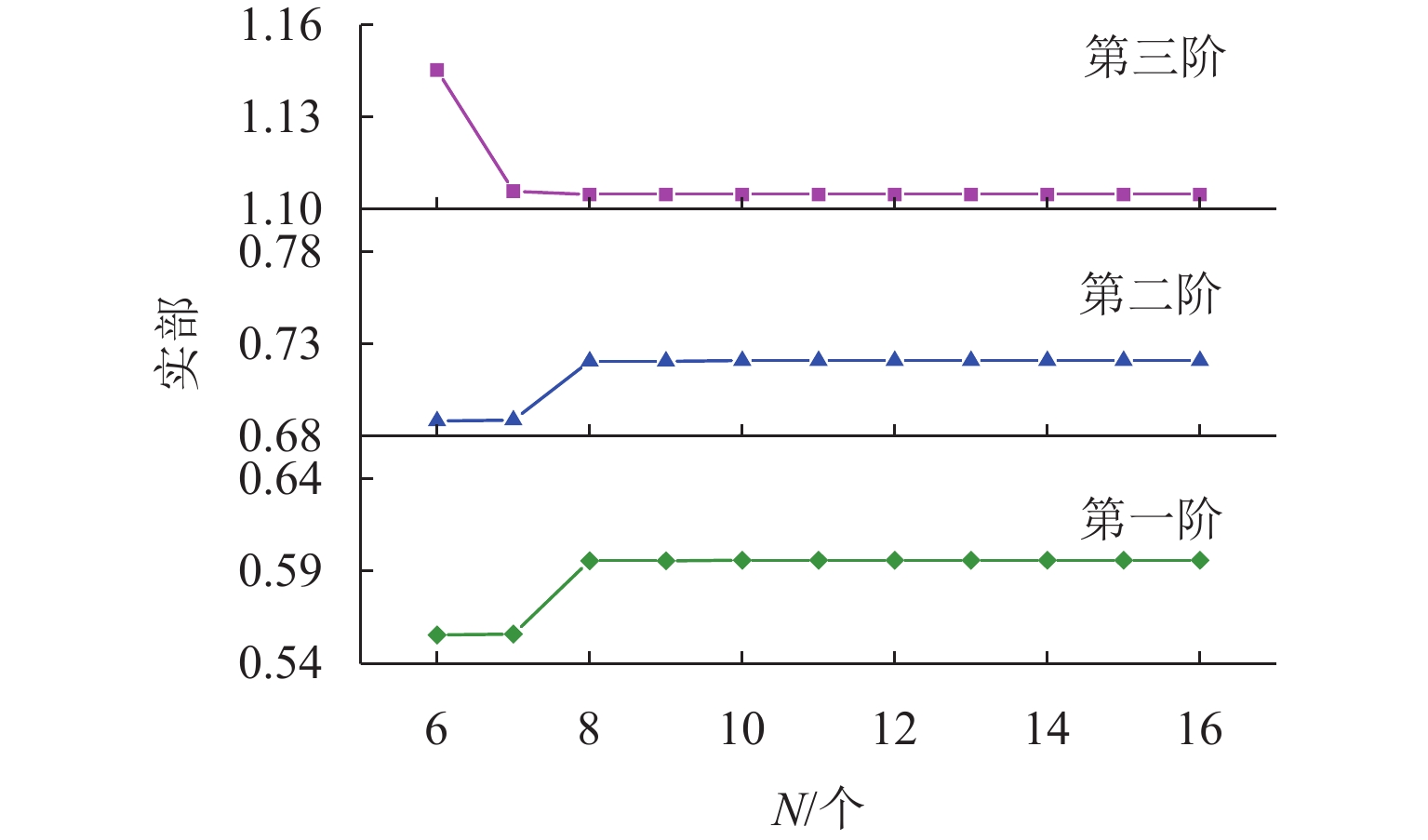
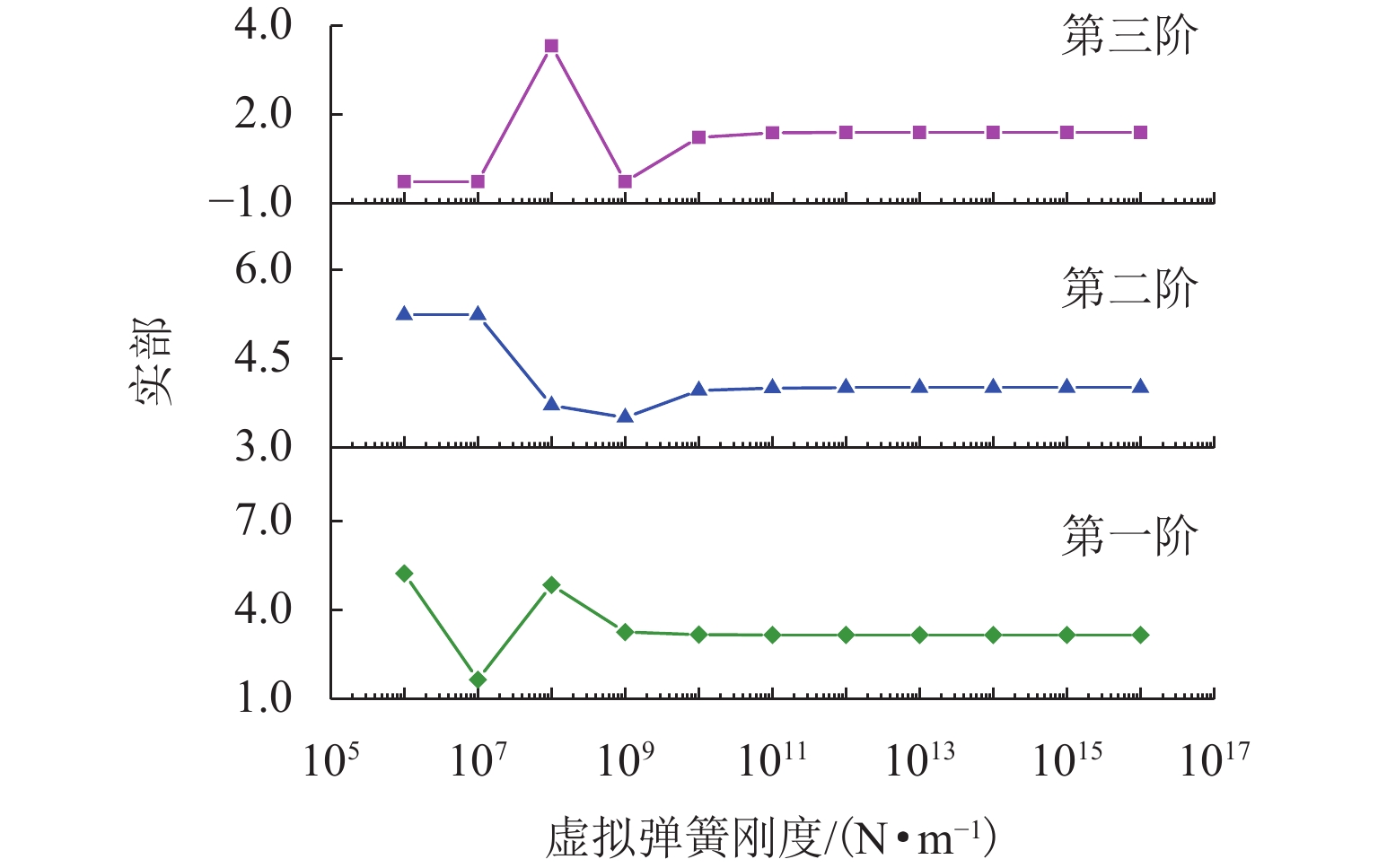
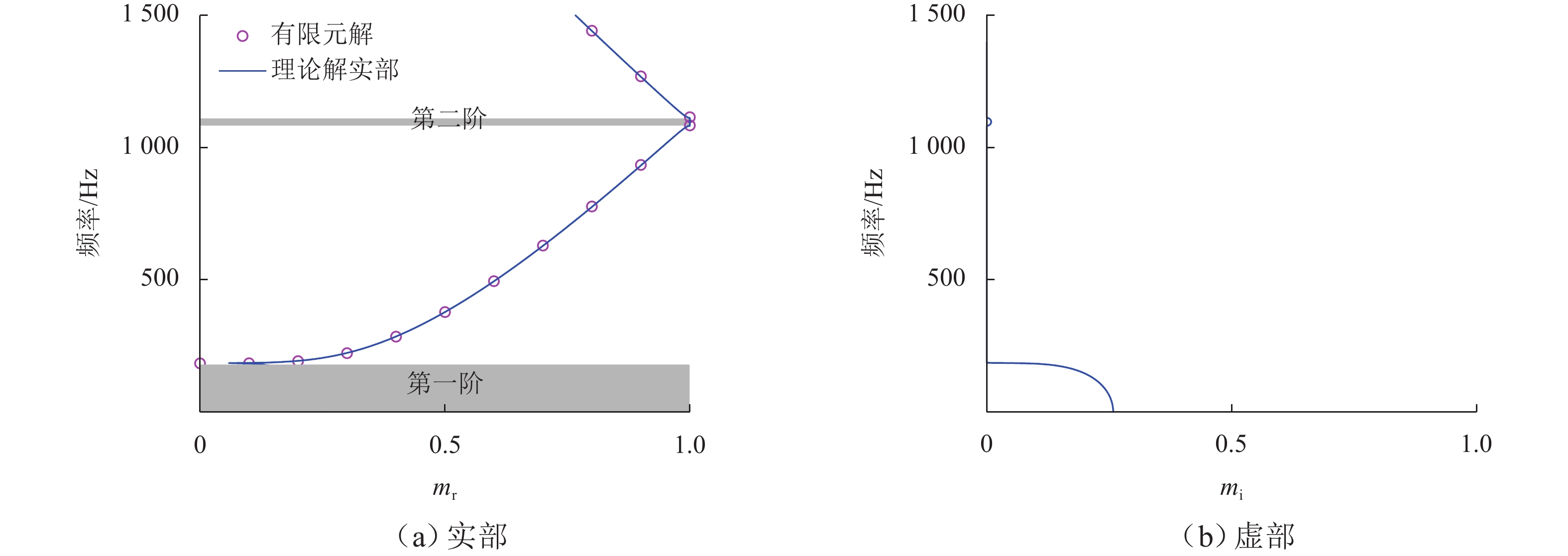
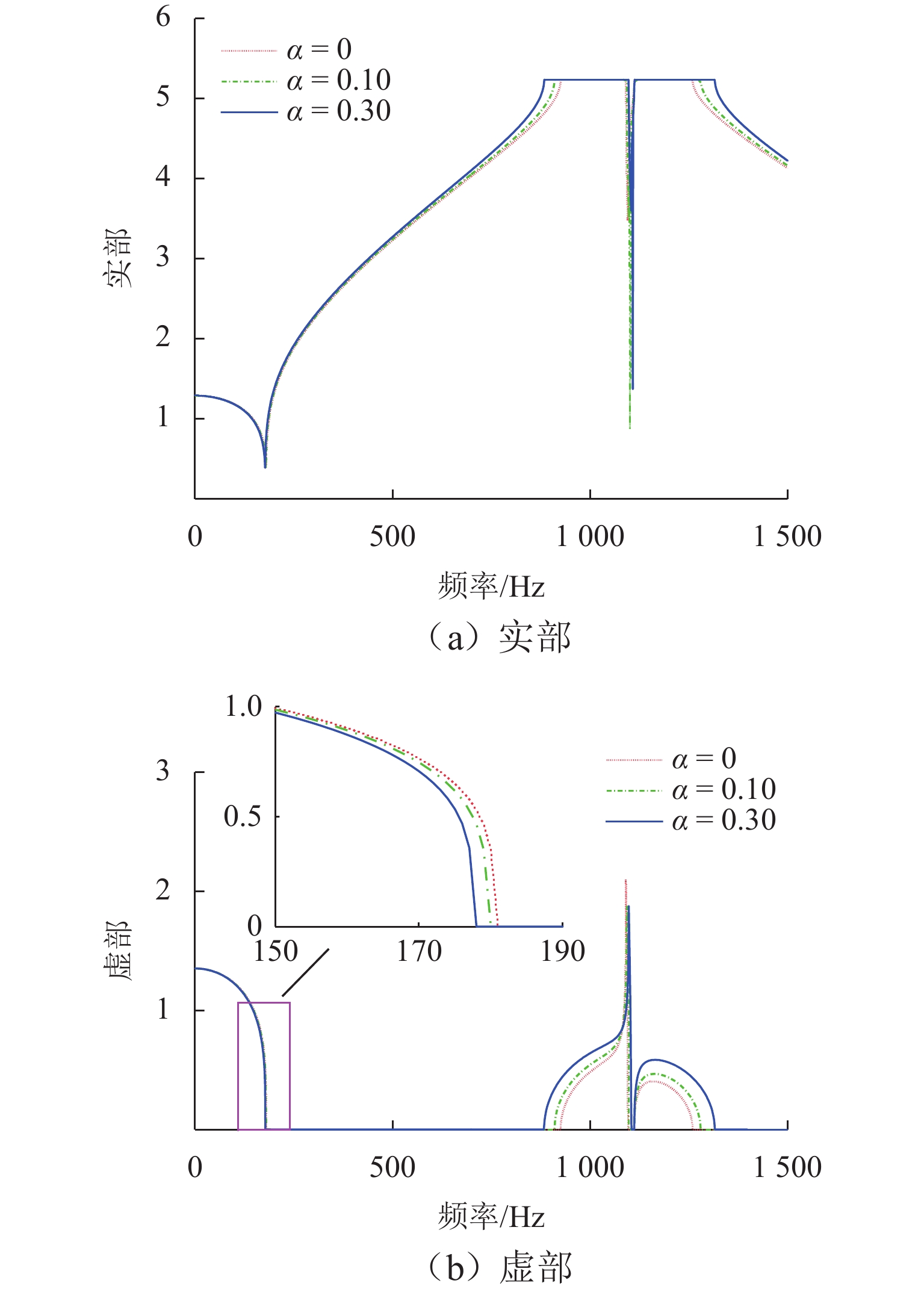
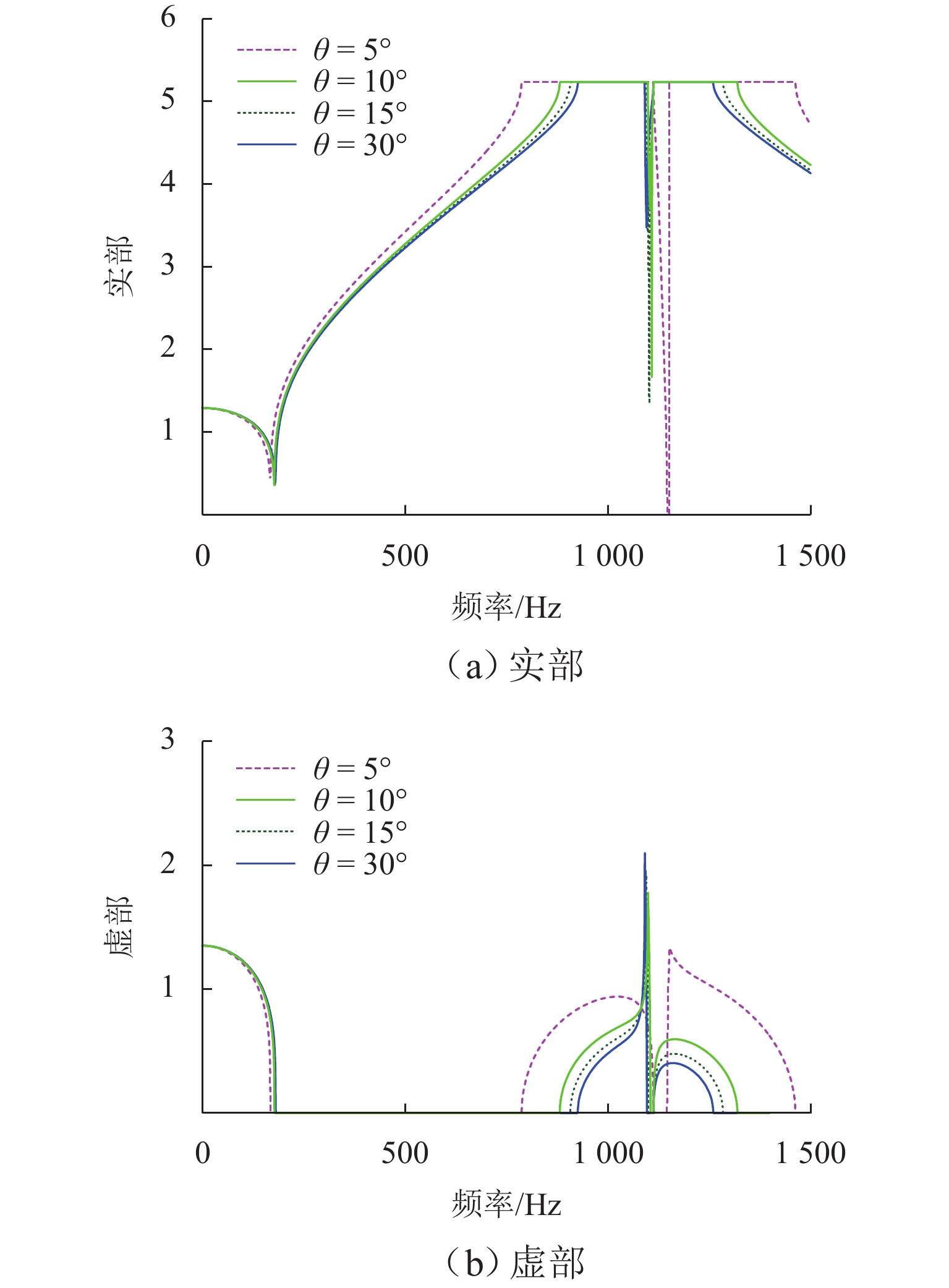
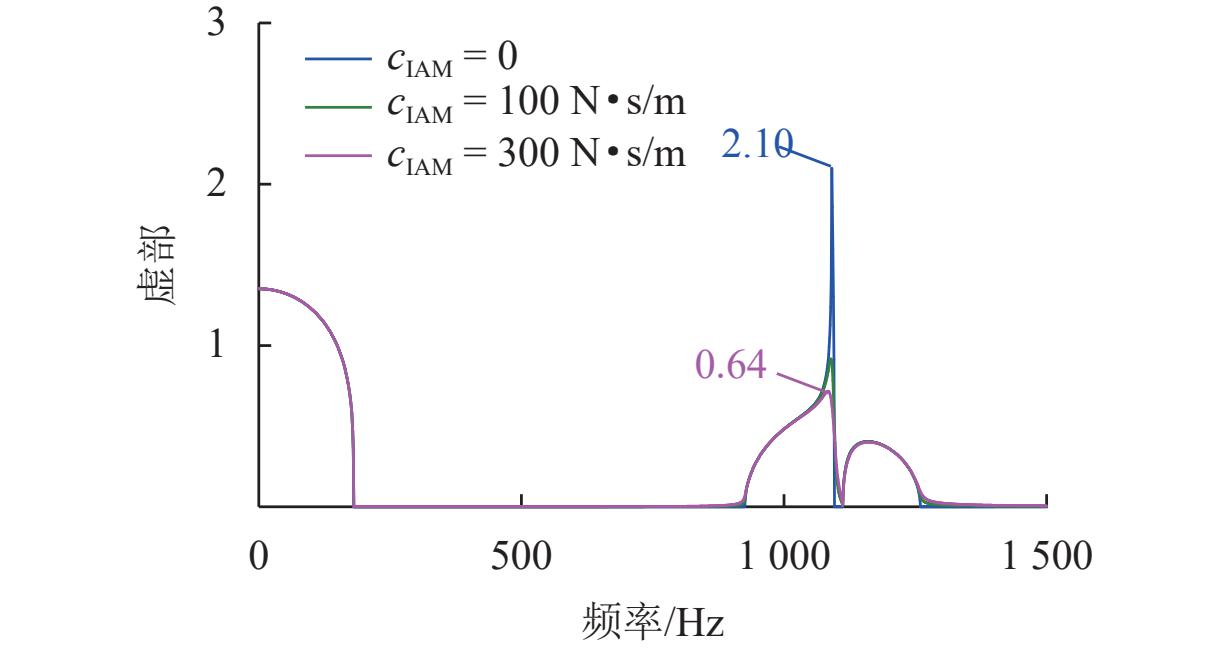
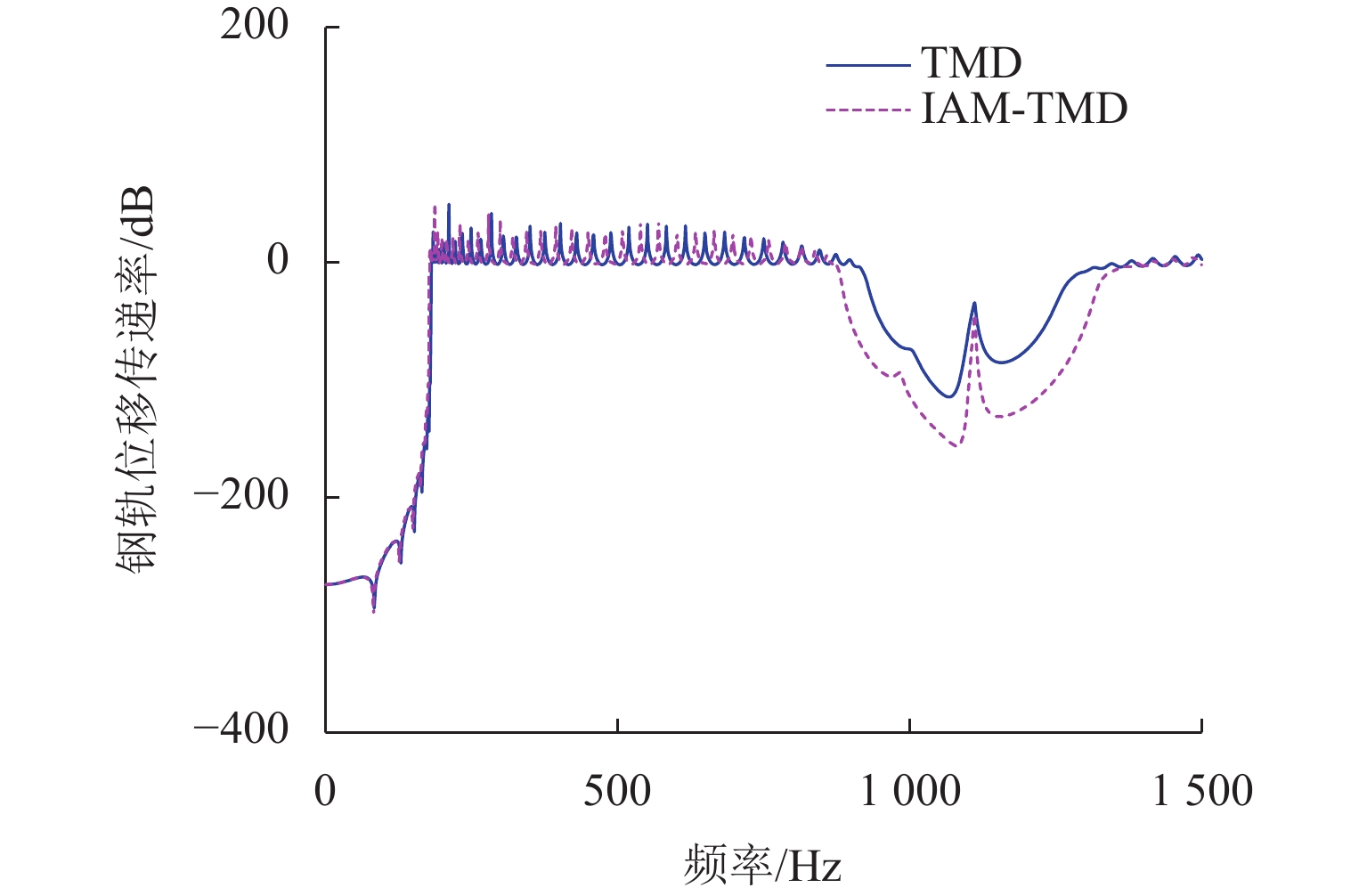
The problem of vibration and noise caused by train operation is increasingly prominent, and it is difficult for traditional tuned mass damper (TMD) to achieve lightweight and broadband vibration reduction for rail. In view of this, inertial amplification mechanism (IAM) was introduced to achieve greater effective working quality of TMD by using inerter, so as to enhance the suppression of rail structure vibration. A new method for solving the complex band characteristics was proposed by using the energy method and the virtual spring method, based on which the complex band analysis model of the rail structure configured with IAM-TMD was established, and the accuracy of the model was validated through comparison with finite element method (FEM) results. On this basis, the influence mechanism of IAM on the vibration reduction effect of traditional rail TMD was investigated by taking the complex band characteristics as the evaluation index, and the modulation effects of IAM mass ratio, lever angle, and damping coefficient on the propagation of vibration wave in the rail structure were analyzed. The results show that the imaginary part of the complex band can describe the attenuation process of wave propagation inside the bandgap well. After the application of the IAM with α = 0.05 and θ = 10°, the original Bragg bandgap under TMD is widened from 925−1260 Hz to 881−1320 Hz, and the imaginary part of the complex band is increased, which implies that the attenuation capability of TMD is enhanced. The vibration reduction effect of IAM-TMD is proportional to the mass ratio and damping coefficient, and inversely proportional to the lever angle. The complex band characteristics are utilized to analyze the IAM, and the research results can provide a new idea for rail vibration reduction.

Hopf Bifurcation Characteristic Analysis of Straddle-Type Monorail Vehicle Bogie Based on Spatial Perturbations
ZHOU Junchao, HUANG Shangwu, HU Guangzhong, JIANG Wei
2026, 61(5): 1532-1542. doi: 10.3969/j.issn.0258-2724.20240241
Abstract:

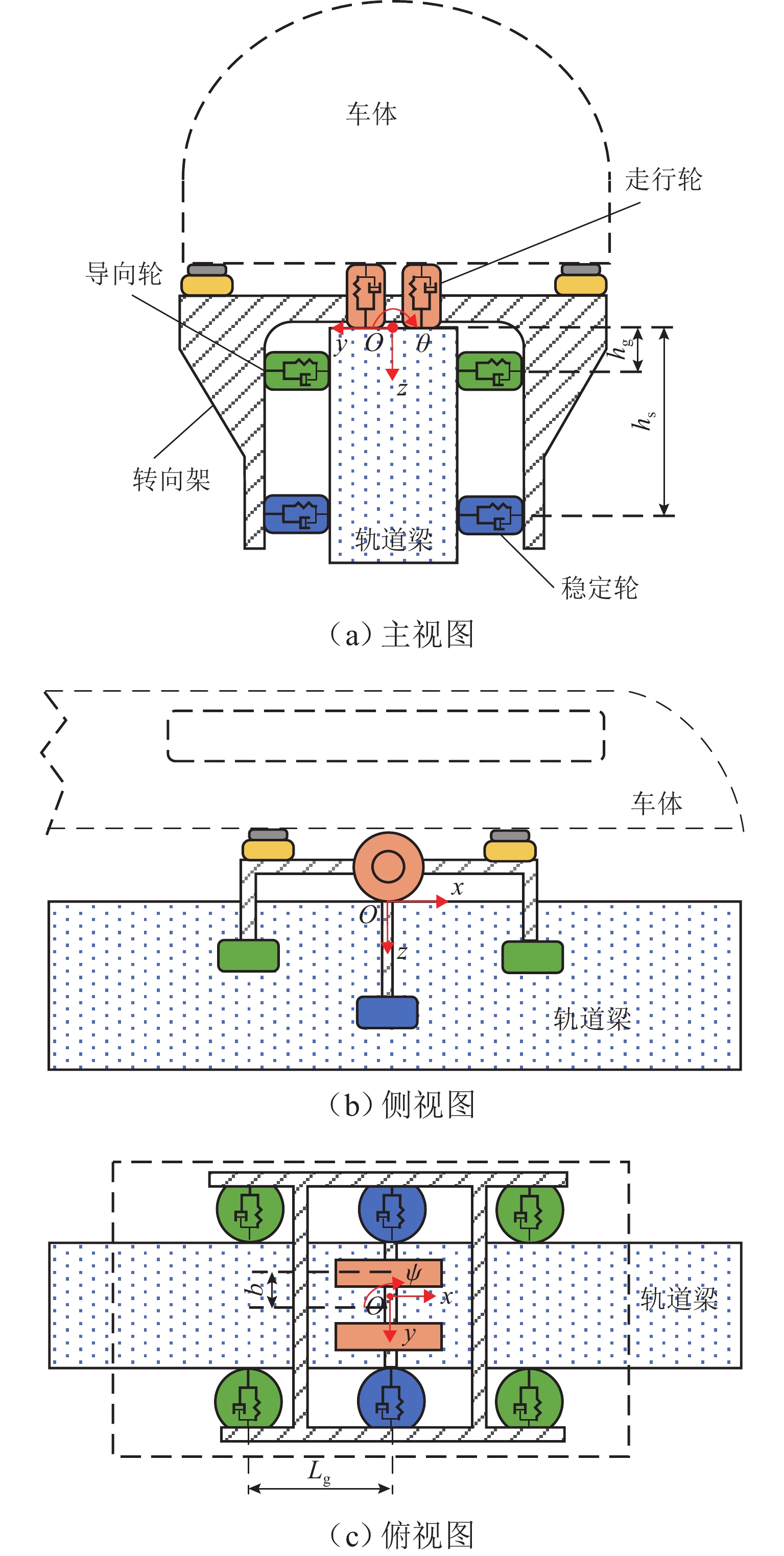
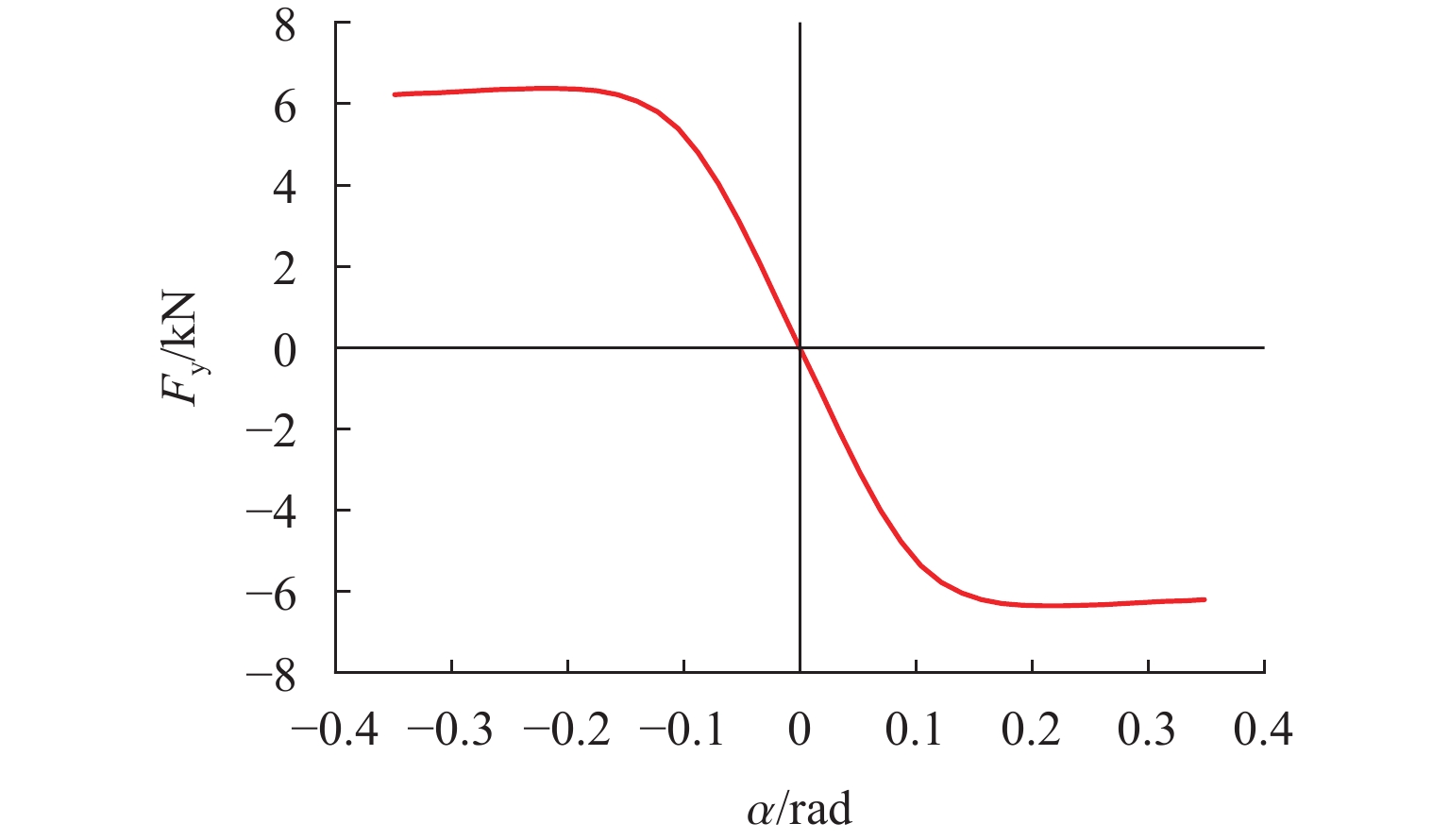
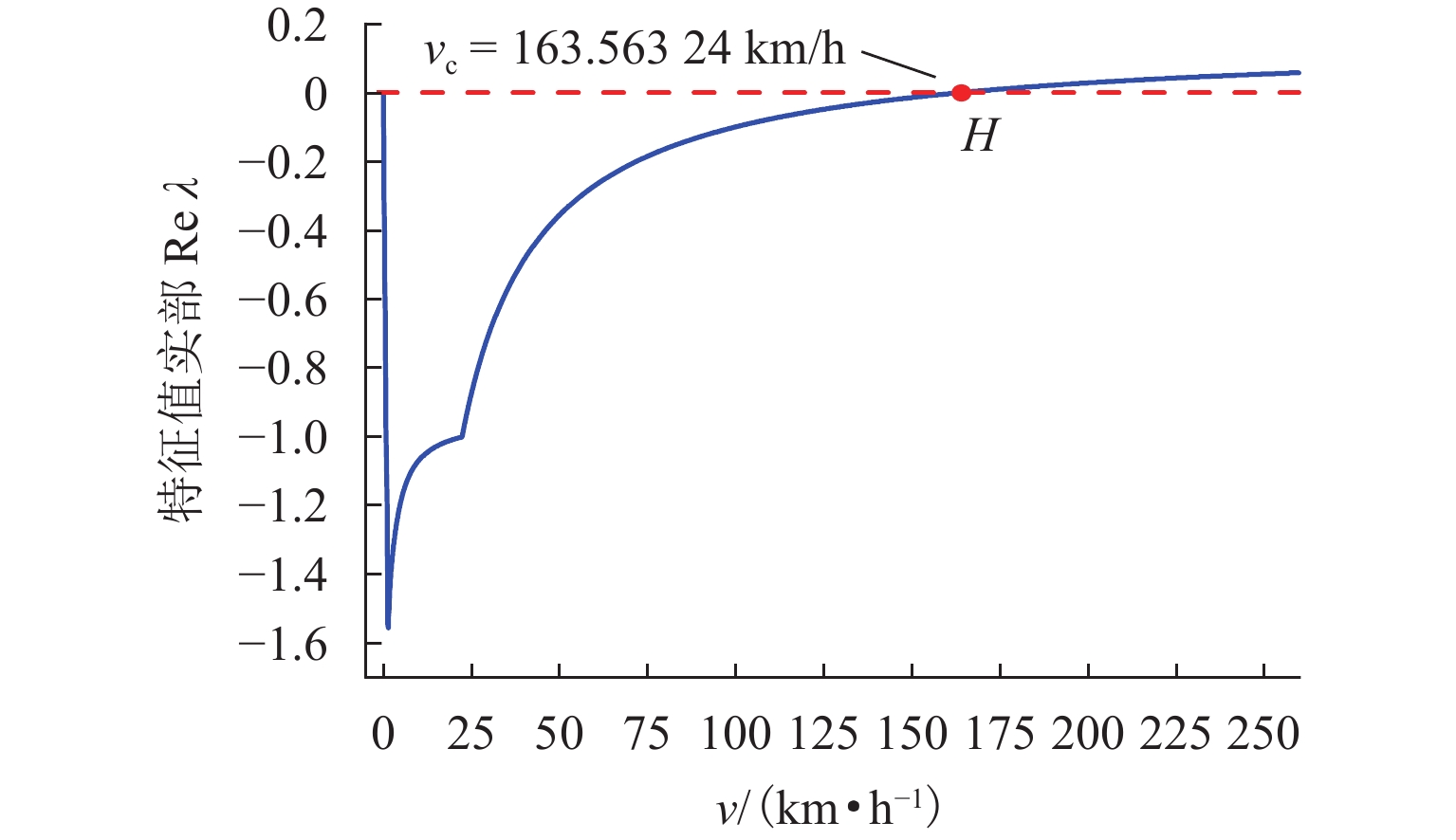
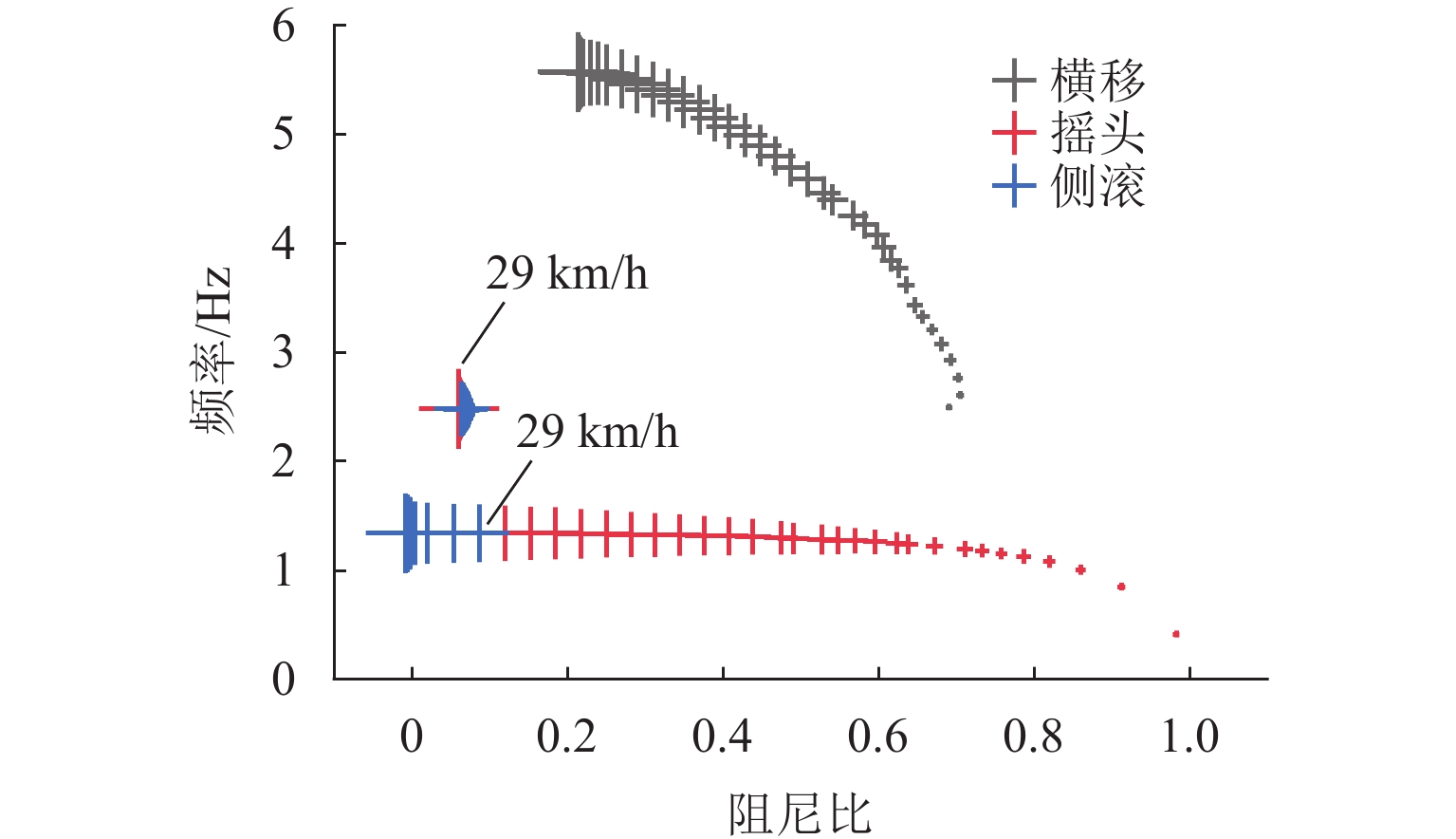
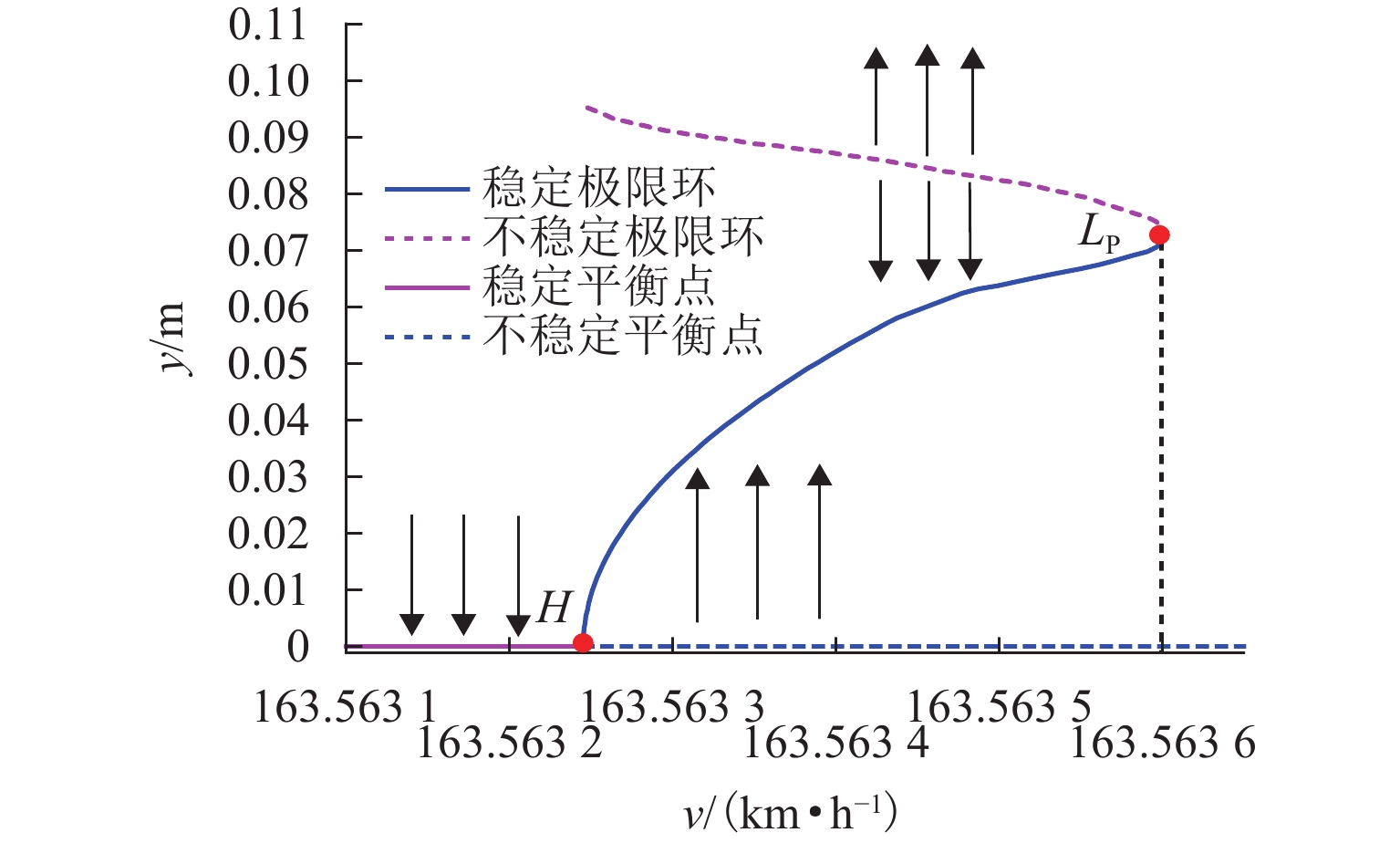
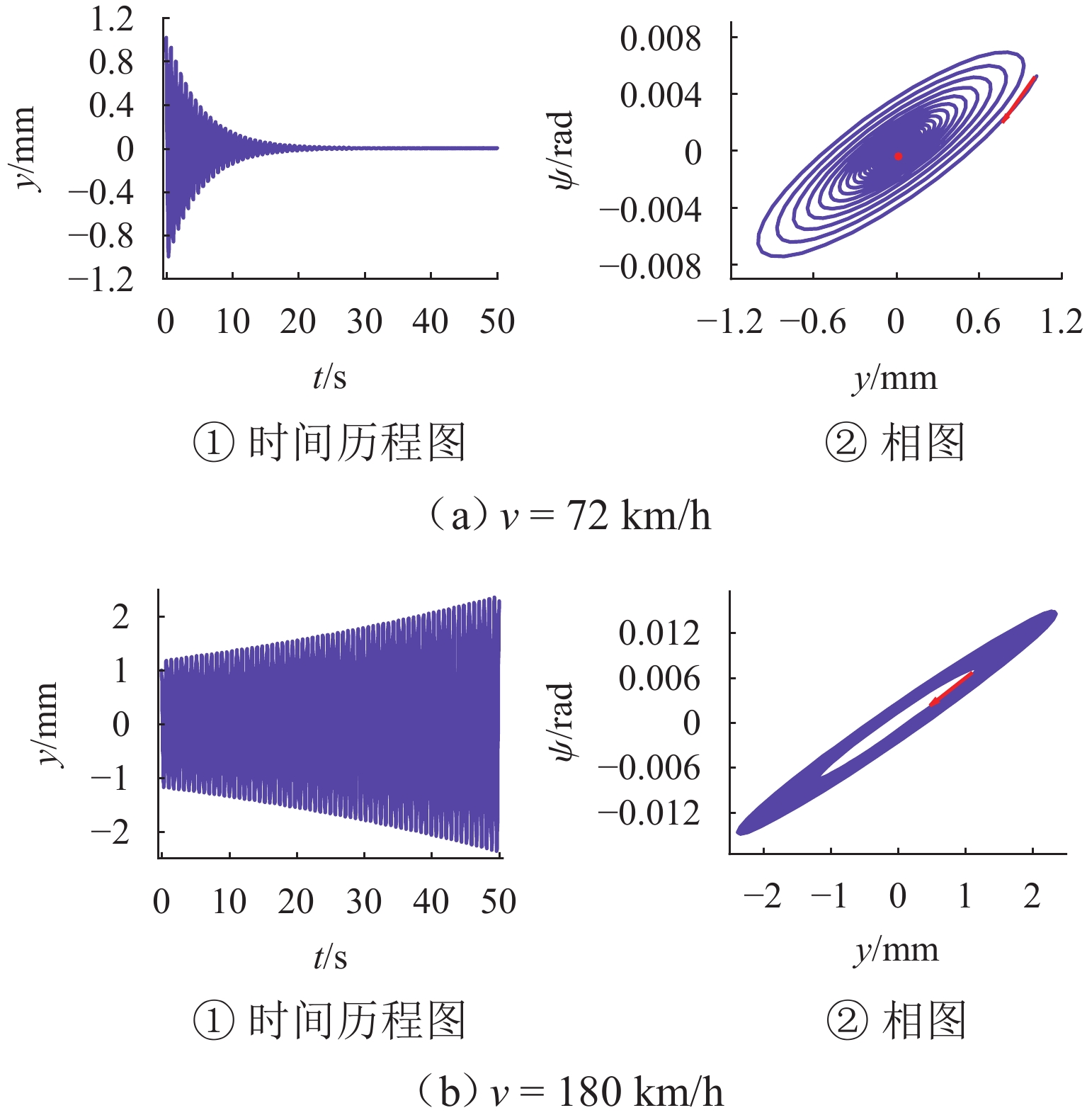
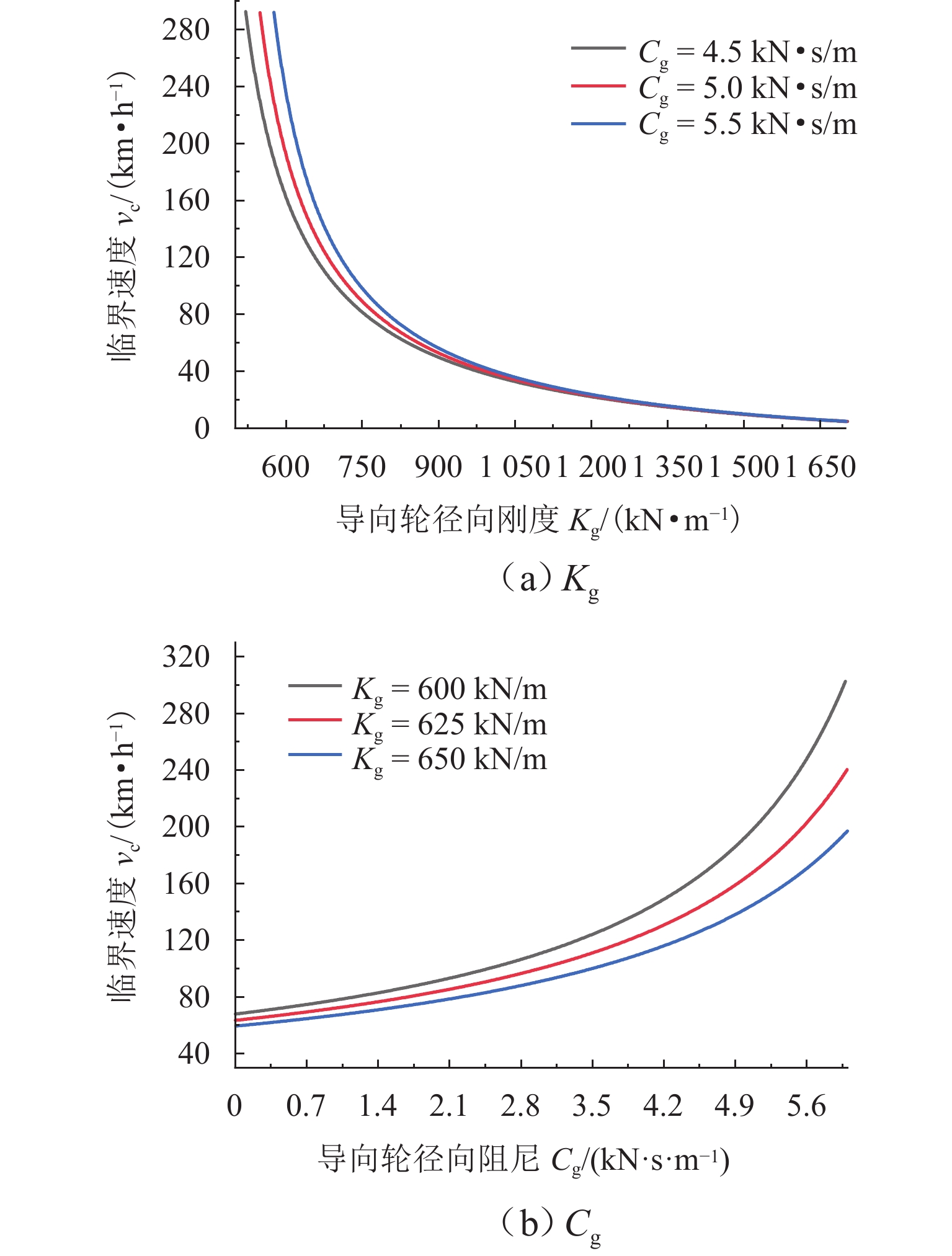
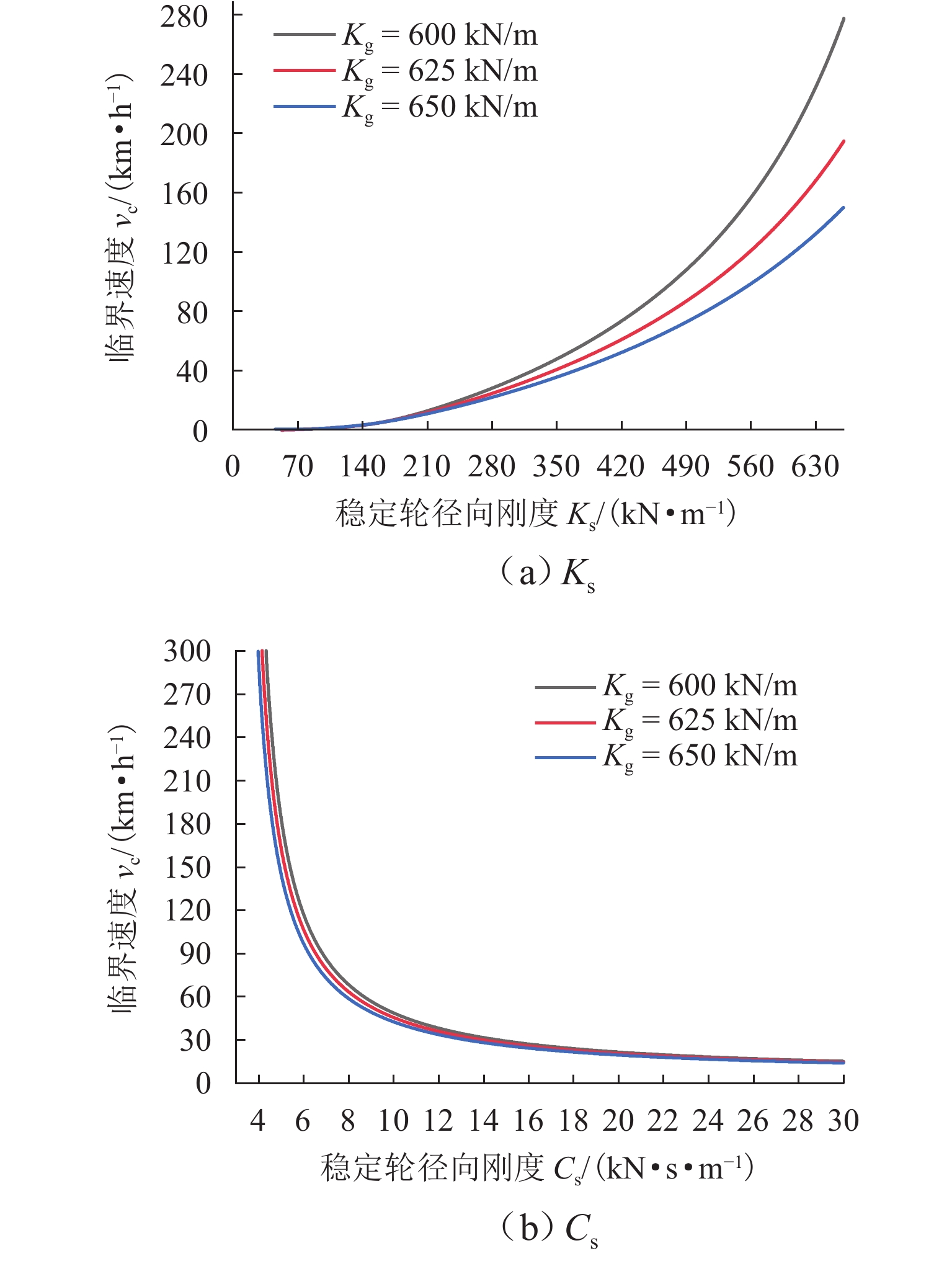
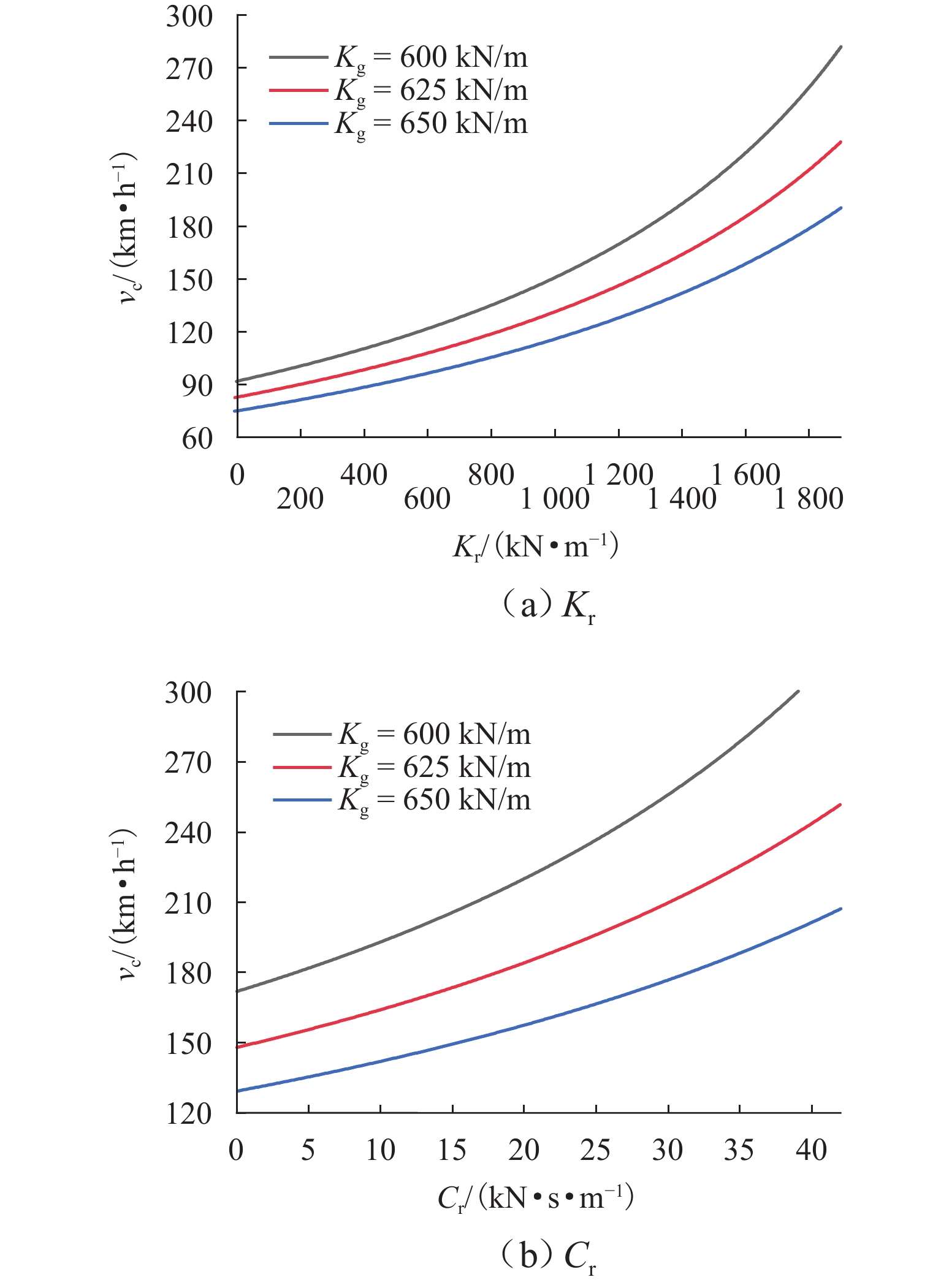
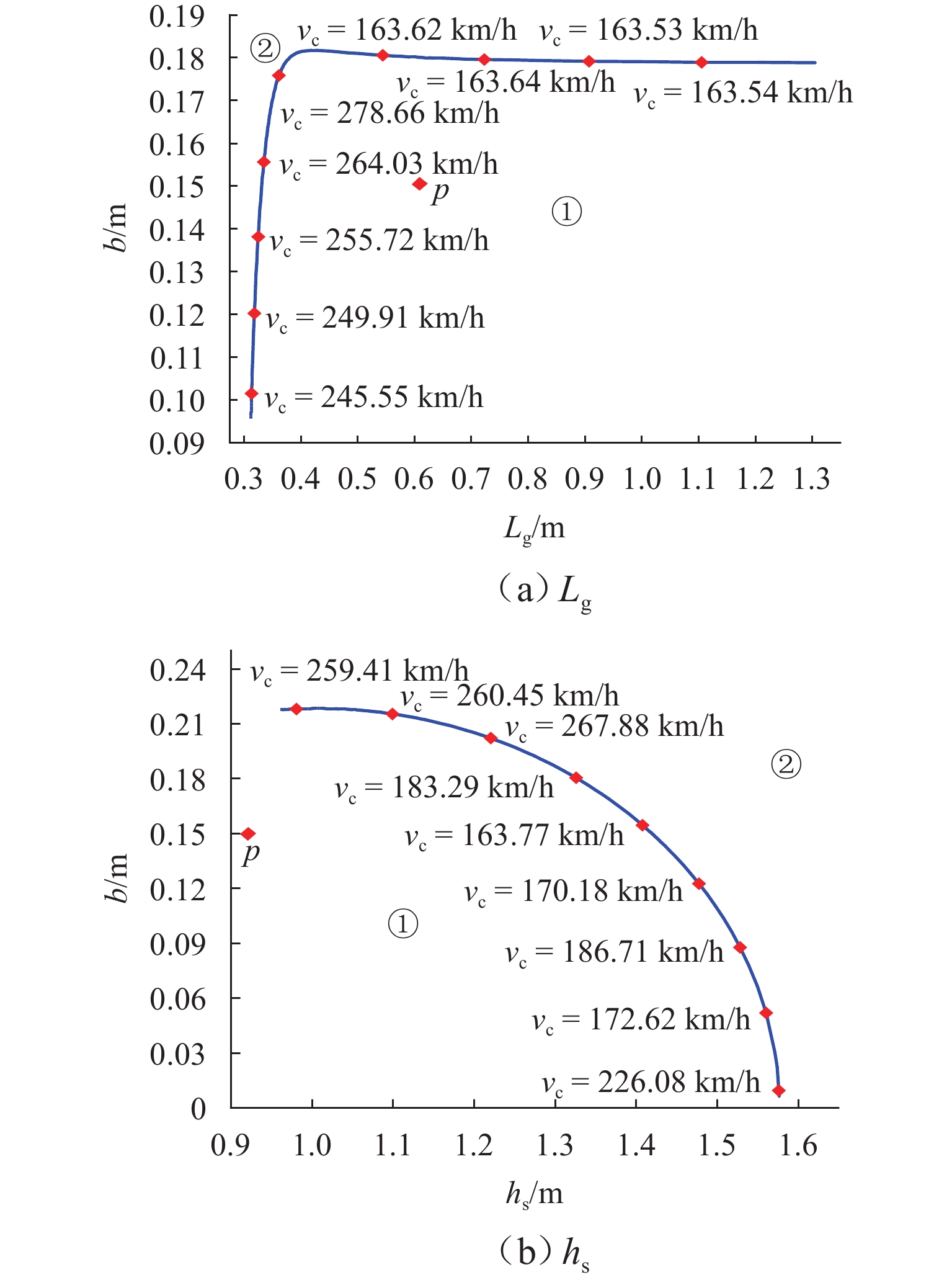
To investigate the stability of the bogie in a straddle-type monorail vehicle, the Hopf bifurcation characteristics of the straddle-type monorail vehicle bogie system were analyzed based on the spatial perturbations of the mechanical properties under the wheel-rail contact relationship. Firstly, a three-degree-of-freedom nonlinear dynamic model of the vehicle bogie, incorporating spatial perturbations, was established. Secondly, the Hurwitz stability criterion was employed to solve for the critical speed of the bogie system, and the type of Hopf bifurcation was identified via the center manifold stability index. The theoretical results were further validated numerically using the MATCONT toolbox. Finally, the influence of different spatial perturbation conditions on the stability of the bogie system was discussed. The research results show that at a motion state of low speeds, the bogie primarily exhibits rolling motion with a frequency of 2.4 Hz; at a motion state of medium and high speeds, the motion is dominated by coupled yawing and rolling, with frequencies ranging from 1.3 Hz to 2.4 Hz. When the speed reaches 163.563 24 km/h, the system undergoes a supercritical Hopf bifurcation, resulting in the emergence of a stable limit cycle; at a speed of 163.563 60 km/h, a saddle-node bifurcation occurs, leading to an unstable limit cycle. Under spatial perturbations, the critical speed of the bogie decreases with increasing radial stiffness of the guiding wheel and radial damping of the stabilizing wheel but increases with greater radial damping of the guiding wheel, radial stiffness of the stabilizing wheel, as well as the radial stiffness and damping of the running wheel. Moreover, changes in the structural parameters of the bogie can induce transitions between supercritical and subcritical Hopf bifurcations. To avoid subcritical Hopf bifurcations that may cause abrupt changes in the system’s motion state, the structural parameters of the bogie should be carefully designed.

Transient Respons Analysis of Wheel-Rail Contact and Impact in Welded Joint Area of High-Speed Turnouts
GAO Yuan, LIAO Tao, WANG Shuguo, SI Daolin
2026, 61(5): 1543-1551, 1581. doi: 10.3969/j.issn.0258-2724.20240446
Abstract:
Objective

The rail welding joint is a critical component in ensuring the safety and stability of the vehicle on continuously welded rails in high-speed railways, which can decrease the dynamic response between wheel and rail. However, the significant impact loads, varying operation conditions, and diverse types of defects remain key factors limiting its service life, As a result, welding joints are considered vulnerable areas in high-speed railway lines and pose significant challenges in maintenance and repair work. Therefore, the transient response of wheel-rail contact and impact in the welded joint area of high-speed turnouts is studied, and corresponding limits for weld irregularity are proposed.

Method

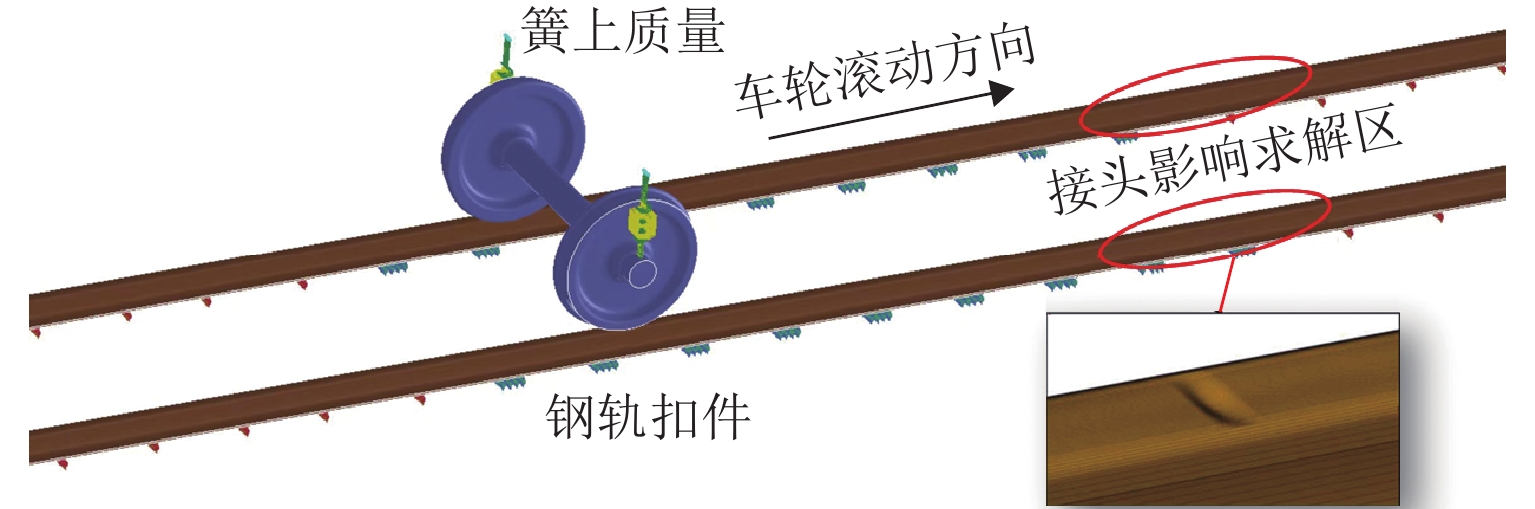
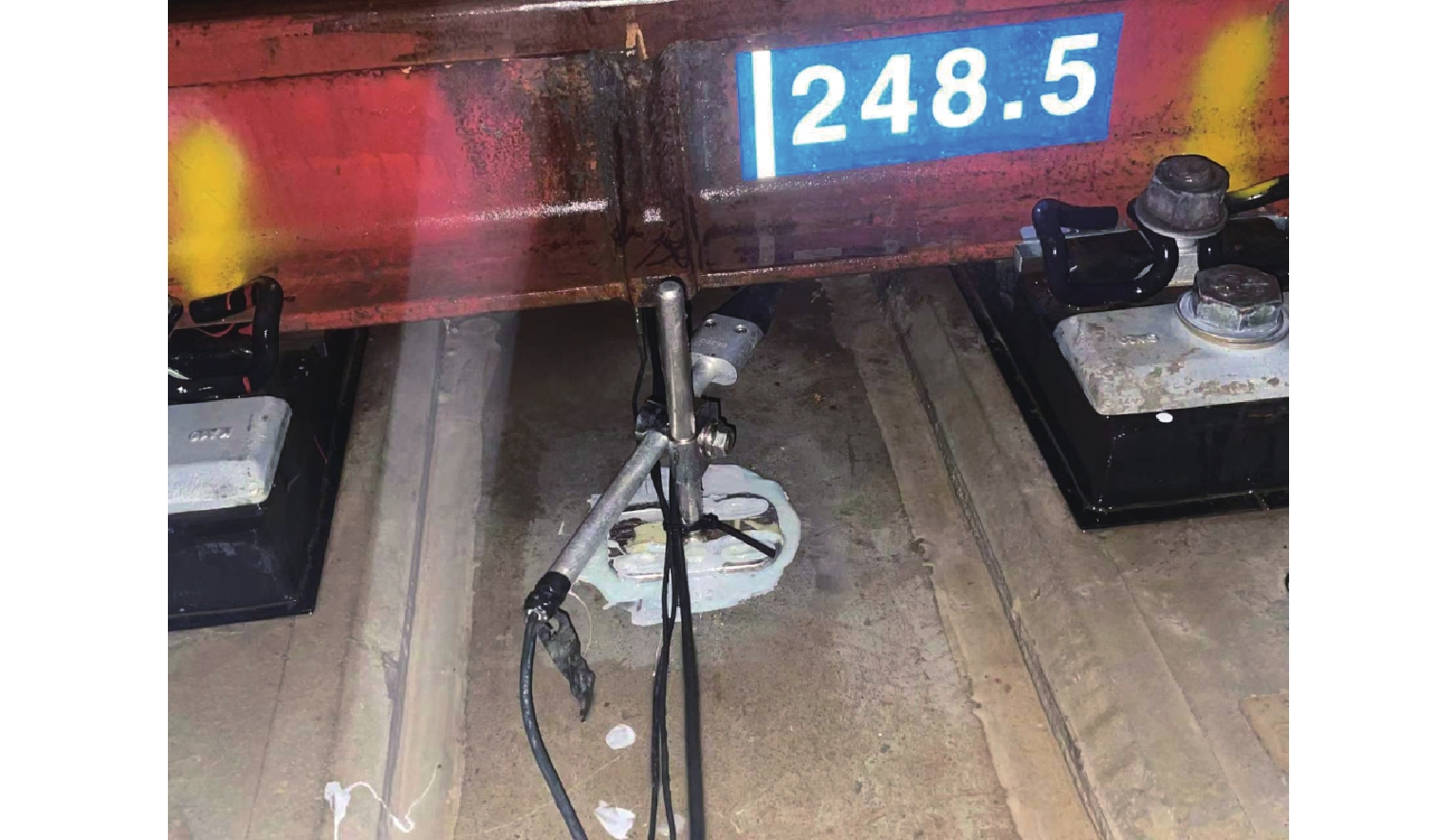
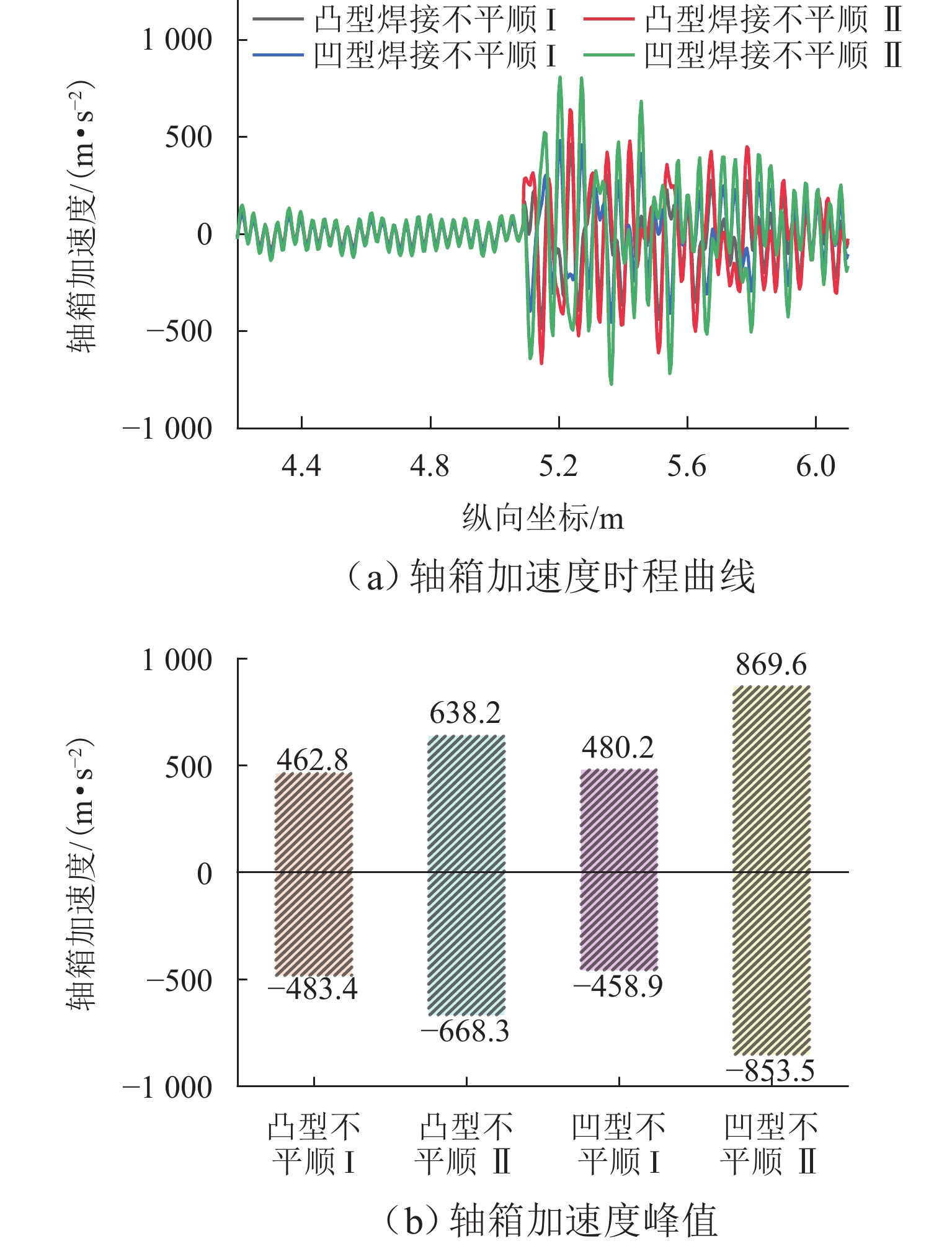
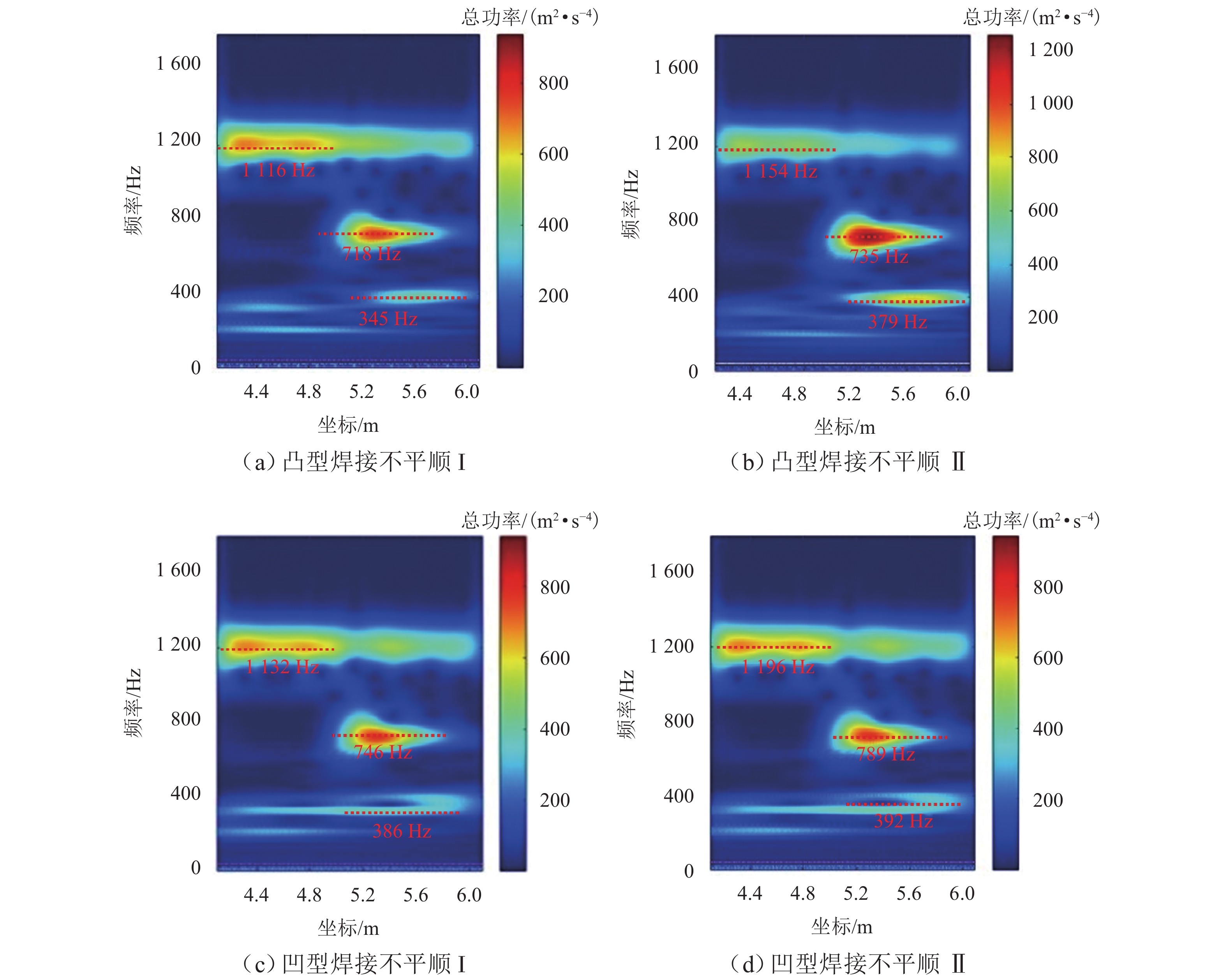
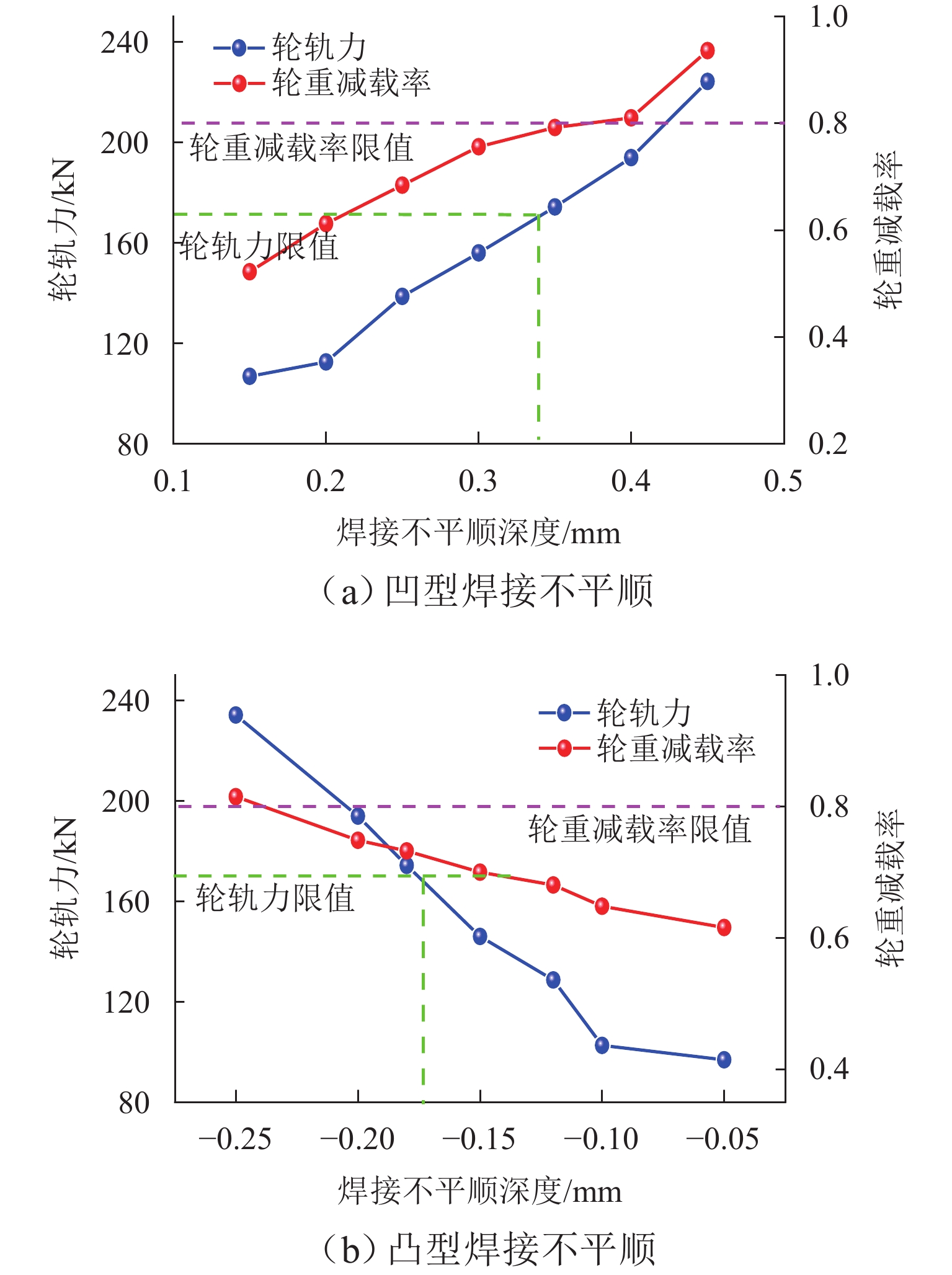
In order to recognize the wheel-rail impact behavior in the welded joint area and propose the irregularity limits, the distribution laws of geometric irregularities in welded joints, the wheel-rail impact mechanism, and its influencing factors were first reviewed. Meanwhile, two main types of welded joints and their geometrical characteristics were generalized, and the prospects of subsequent research were elucidated in view of the necessity of joint maintenance and repair work. Based on the joint irregularities under different wavelengths and amplitudes, a transient wheel-rail rolling contact model considering the actual joint geometry and nonlinear material constitutive was established to investigate the wheel-rail dynamic responses and impact during the passage of a vehicles through the joint. The model was solved using an implicit-explicit algorithm, and measures were implemented to mitigate boundary wave reflections. The simulation results were verified by field tests. By using this transient model, the axle box acceleration in the time domain was analyzed. By applying the wavelet transform, the time-domain signals were converted into frequency-domain results, revealing the high-frequency vibration energy peak of the axle box acceleration during impact. By combining critical parameters specified in high-speed railway maintenance regulations such as the wheel load reduction rate and wheel-rail force, the weld limits for high-speed railways were determined based on the dynamic simulation results. The proposed weld limits for high-speed railways are intended to support research on rolling contact fatigue and wear of welded joints and provide valuable references for the maintenance or damage detection of welded joints.

Result

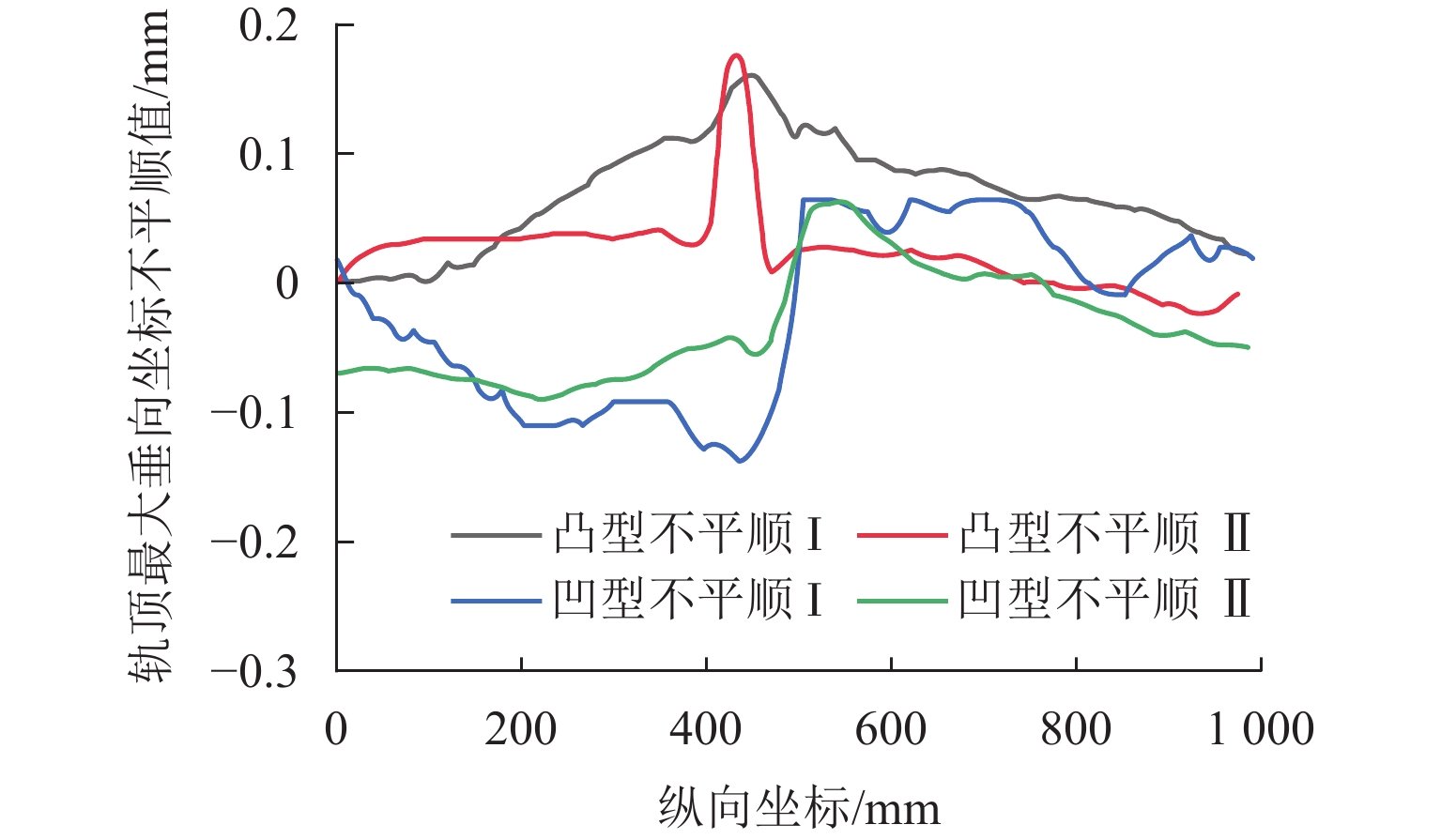
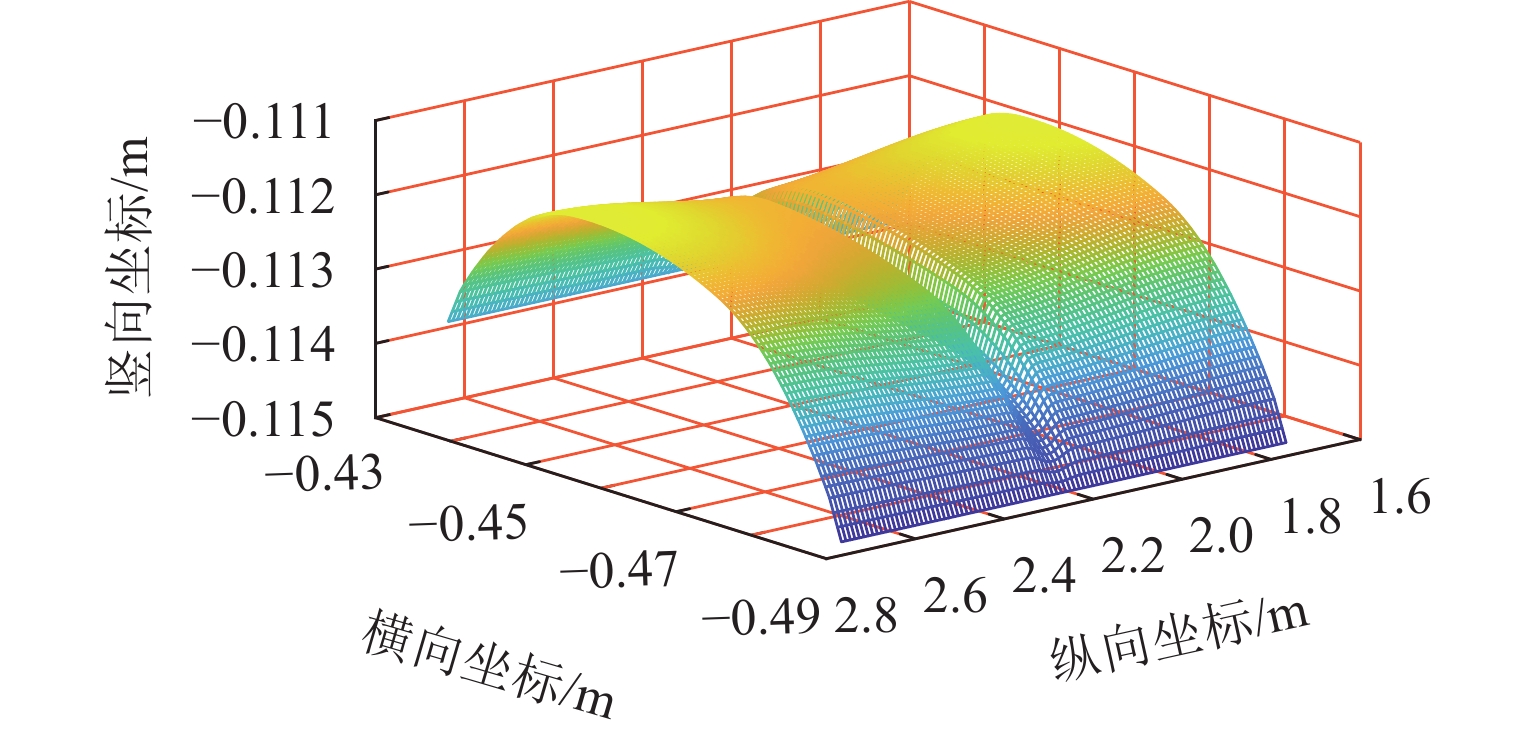
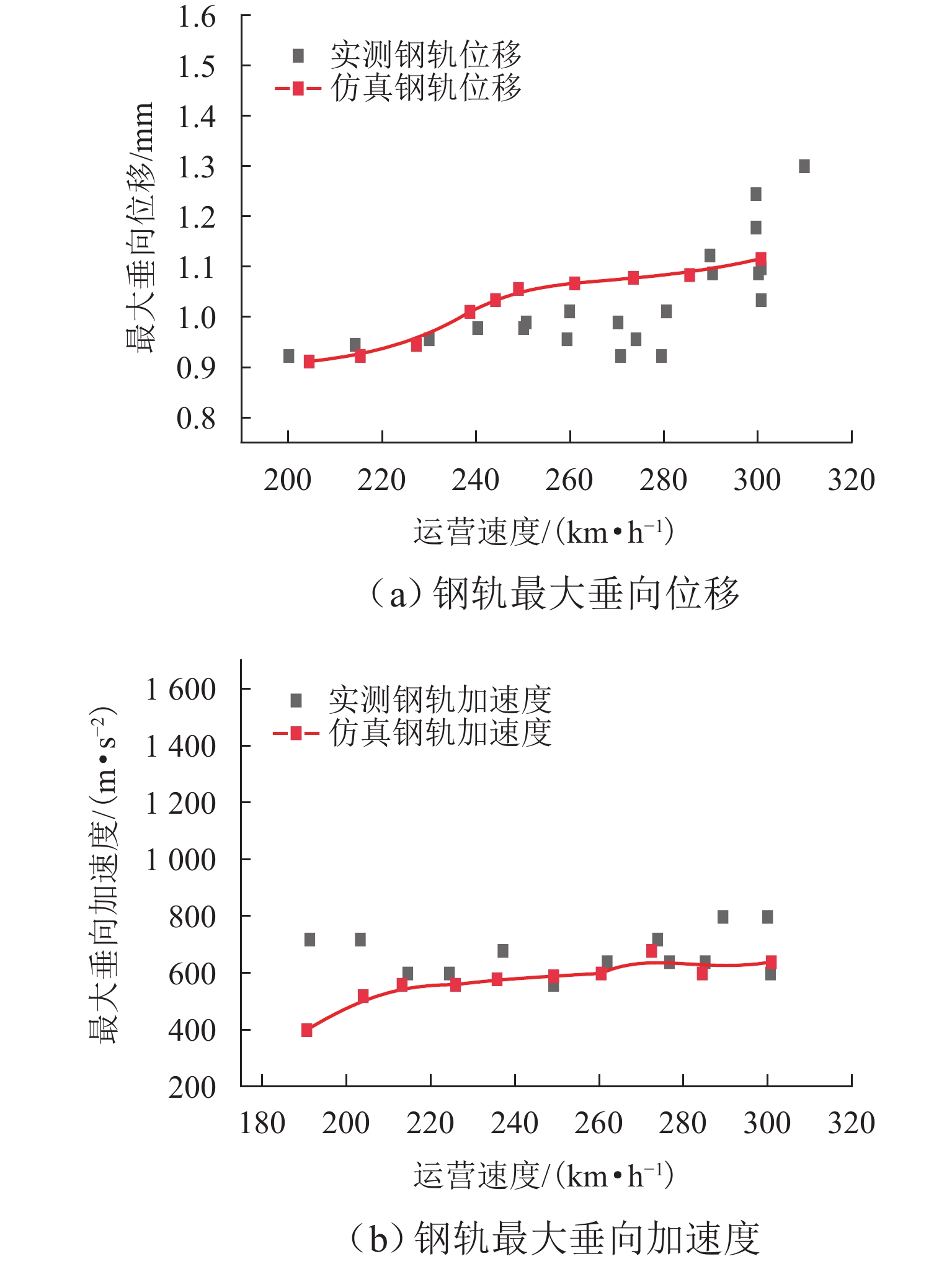
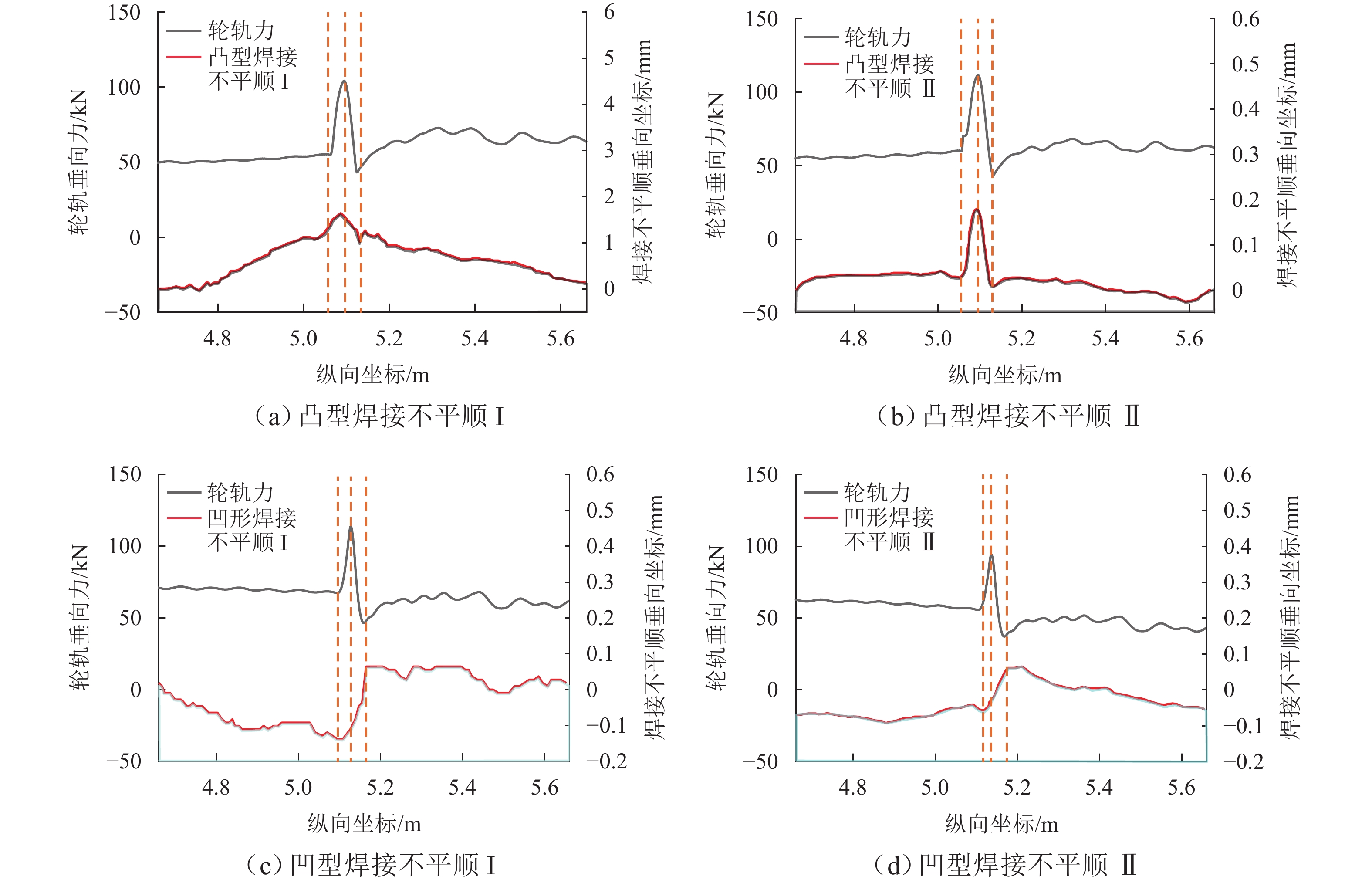
Within the 1-meter-long influence zone of the welded joint, two primary types of irregularities are present: convex and concave irregularities. Convex irregularities are geometrically characterized as either a single-peak protrusion or a gentler convex profile. These are typically caused by the inward displacement of the base metal during welding, combined with insufficient post-weld grinding. The concave welding irregularity is mainly caused by two reasons. One is that there may be a low joint or excessive grinding during the welding process; the other is that during the long-term service process, due to the tensile strength and fatigue performance of the joint material being less than that of the base metal, the concave welding irregularity phenomenon occurs. Consequently, the geometric irregularity at the joint is a critical factor influencing the wheel-rail dynamic response.In this paper, a three-dimensional explicit finite element dynamic model of the rail’s welded joint in the high-speed turnout area was established, incorporating actual geometric irregularities measured in the field. The three-dimensional model considered four typical joint geometric irregularity profiles. Subsequently, an explicit integration algorithm was employed in the wheel-rail finite element model to simulate the wheel-rail impact contact process as a train passes at high speed over different welded joints. During the transition from static to dynamic motion of the wheelset, the sudden change in the wheel-rail state will excite wheel-rail disturbances. To mitigate this, approximately 1.2 m of ordinary section rail was set in front of the weld as a dynamic relaxation area to slowly consume energy and ensure that the wheel is in a stable state when entering the welded joint. To further reduce the influence of the rail boundary wave on the stress of the wheel-rail material, stiffness and damping elements were set at the rail end and rail bottom to reduce the influence of the boundary reflection wave.The model was verified by comparing simulation and field test results of wheel-rail dynamic responses. The maximum vertical displacements and accelerations in the simulation were close to the measured values. For wheel-rail contact forces, convex and concave welding irregularities caused significant impacts. The maximum wheel-rail forces were within limits. The dynamic responses were related to the geometric characteristics of the irregularities. The analysis of wheel-rail high-frequency responses using axle box acceleration showed three main resonance energy peaks in the time-frequency diagram. The vibration energy amplitude was affected by the joint’s geometric irregularity, while the frequency distribution was primarily determined by the physical properties of the wheel. By analyzing how different depths of convex and concave irregularities affect wheel-rail dynamics, safety limits for convex and concave weld irregularities were determined as 0.174 mm and 0.340 mm, respectively.

Conclusion

The three-dimensional explicit finite element model accurately captures the dynamic wheel-rail impact forces induced by welding irregularities. The results demonstrate that the peak impact force is governed primarily by the geometric gradient of the irregularity, while its depth (wave depth) significantly influences the overall dynamic response. The proposed limits for welding irregularities provide a critical theoretical foundation for ensuring the operational safety and stability of high-speed railways. Furthermore, these limits can directly inform maintenance protocols and guide the damage detection processes for rail welds.

Prediction of Fretting Damage and Fatigue of Spline Pair Between Cylinder and Shaft of Piston Pump
CHEN Ding, CHEN Tianxing, YE Shaogan, MIAO Kefei, ZHAO Shoujun, LIU Huixiang
2026, 61(5): 1552-1560. doi: 10.3969/j.issn.0258-2724.20240162
Abstract:

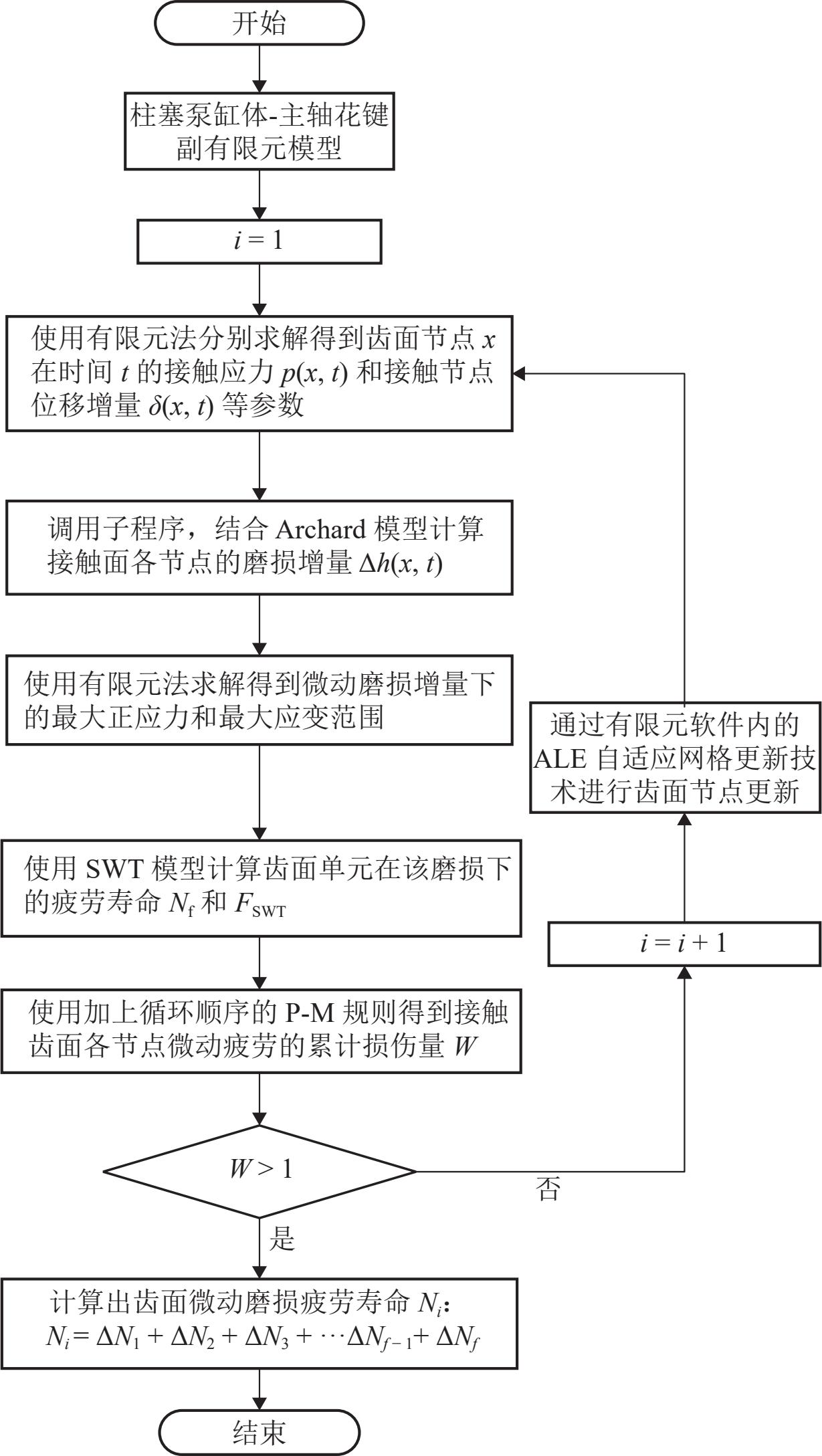
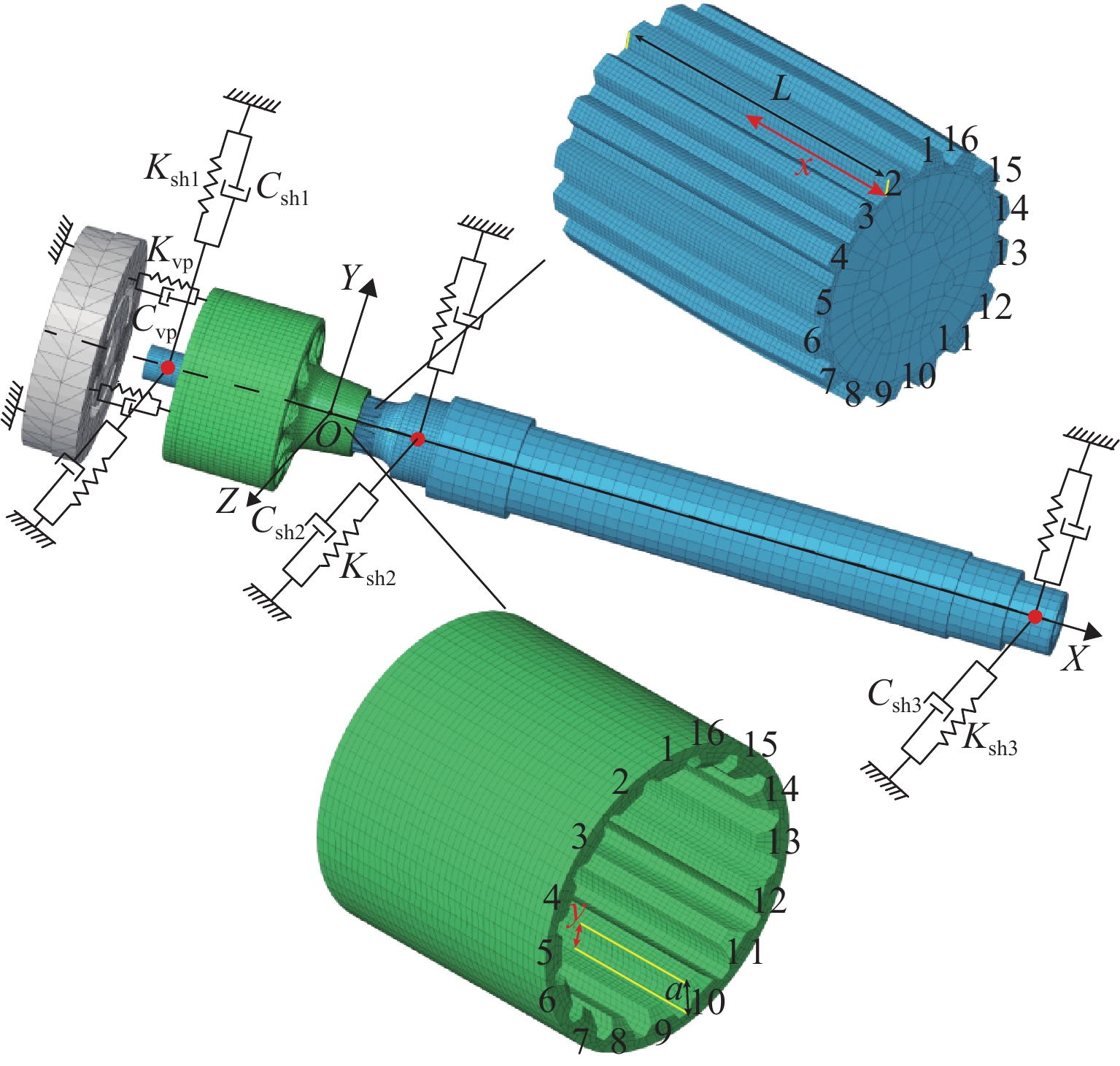
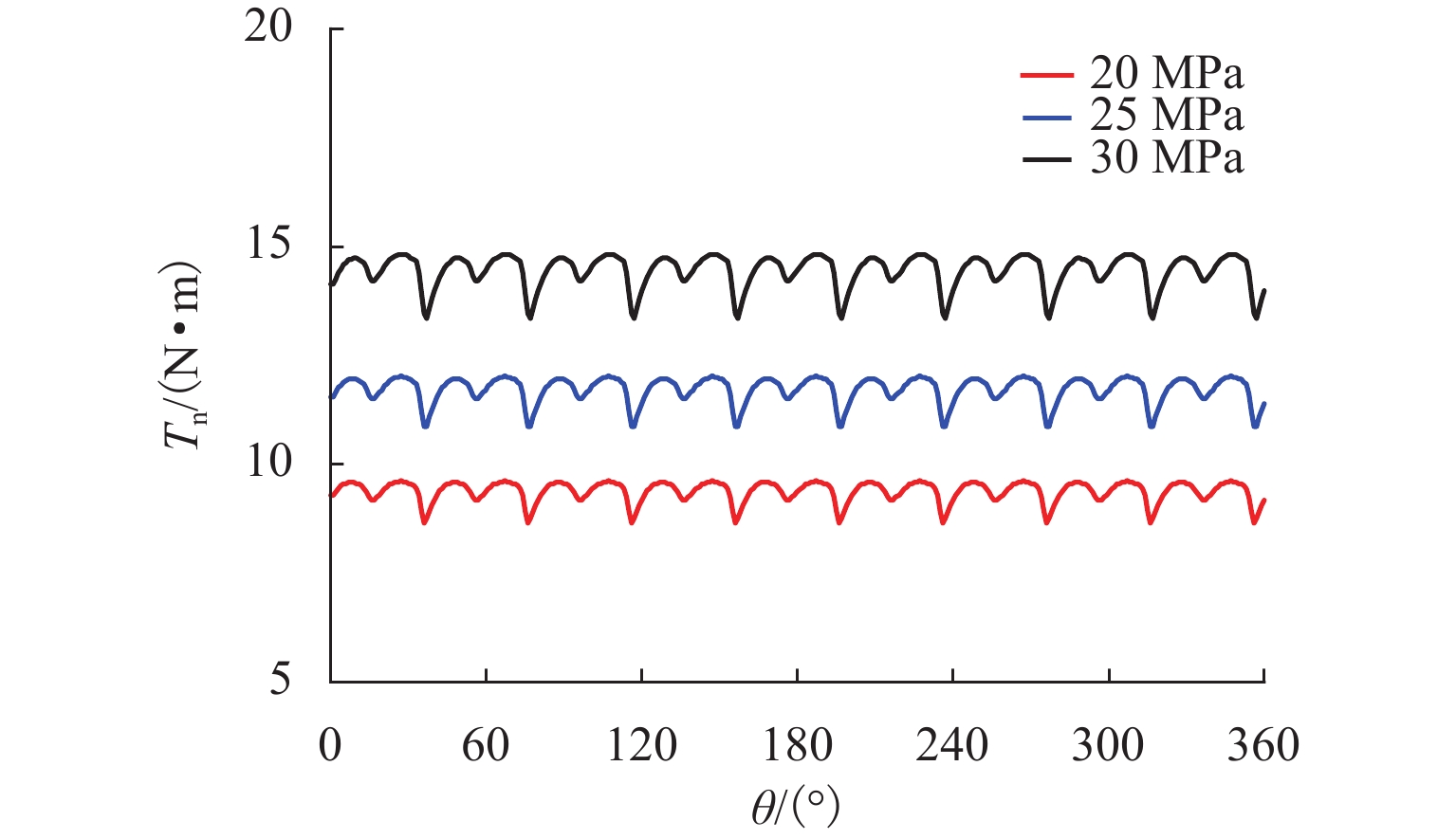
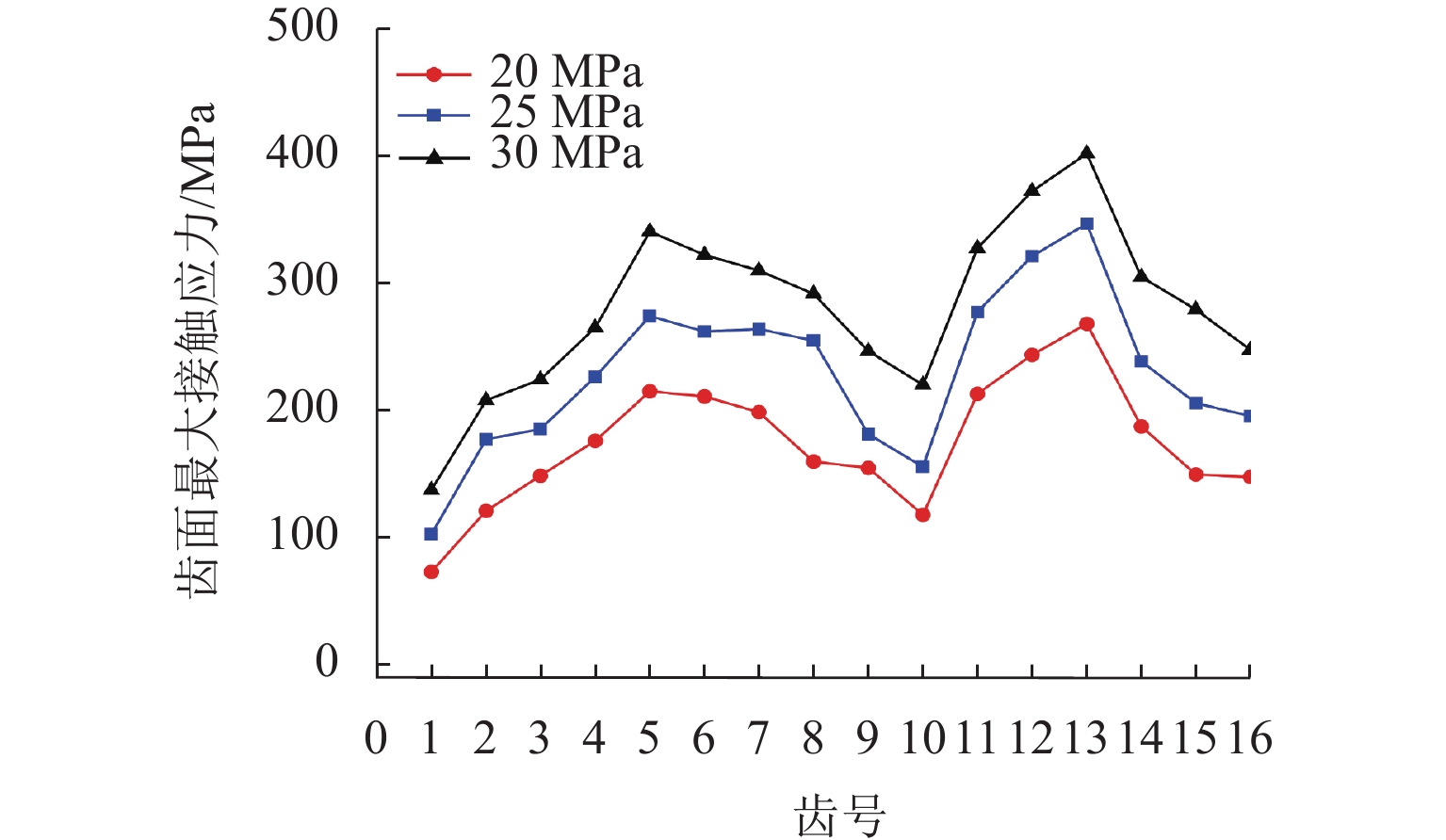
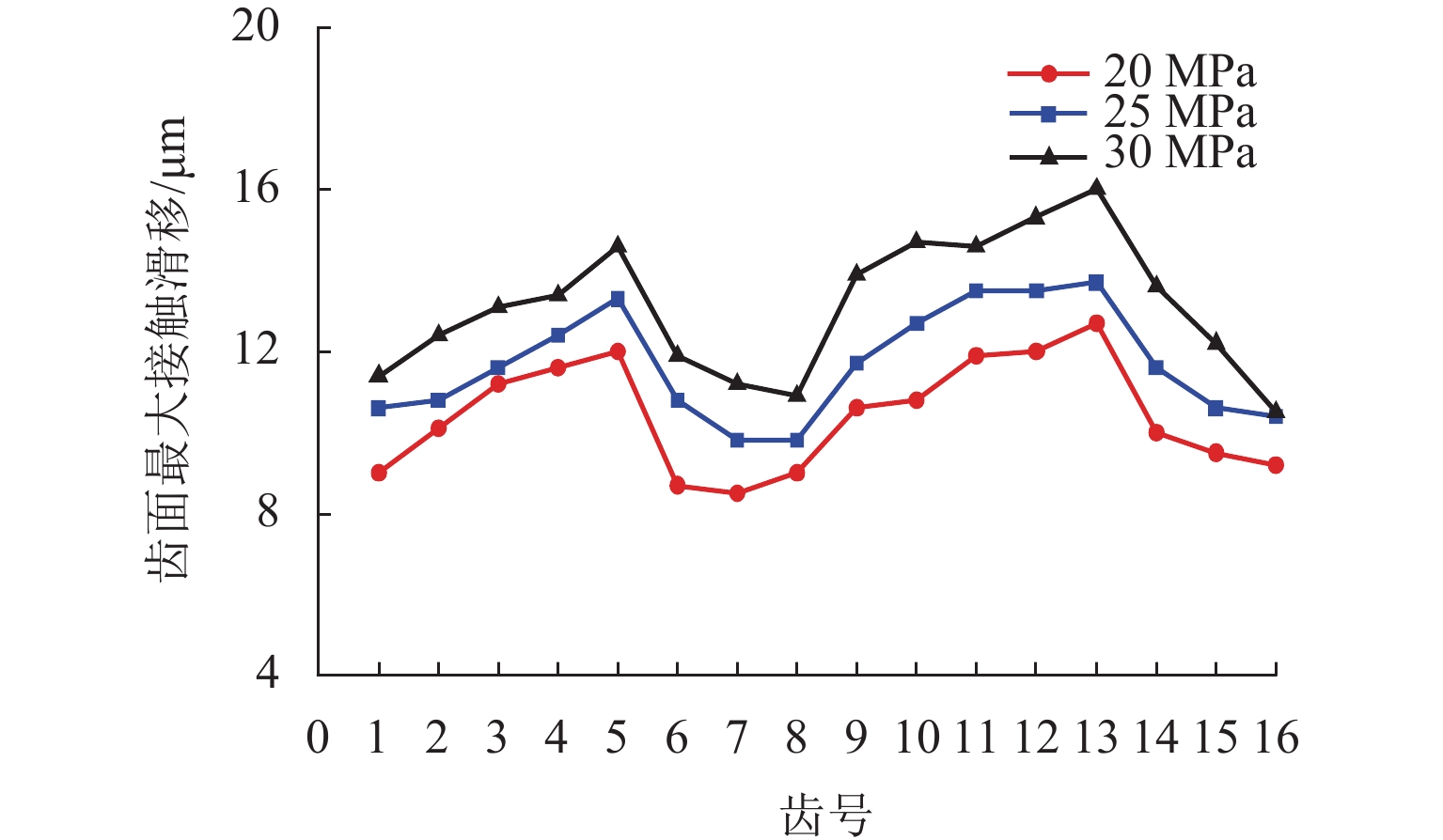
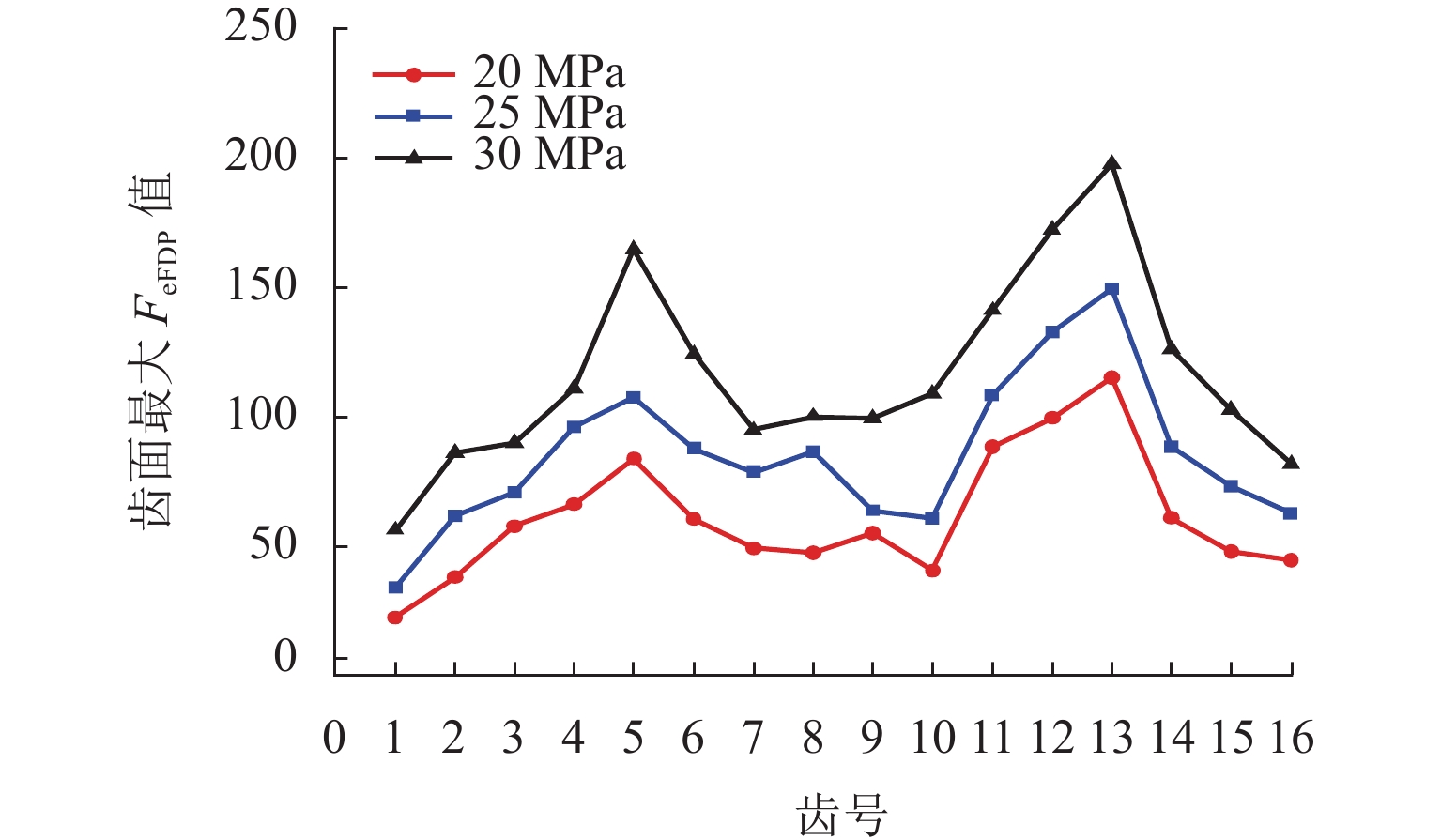
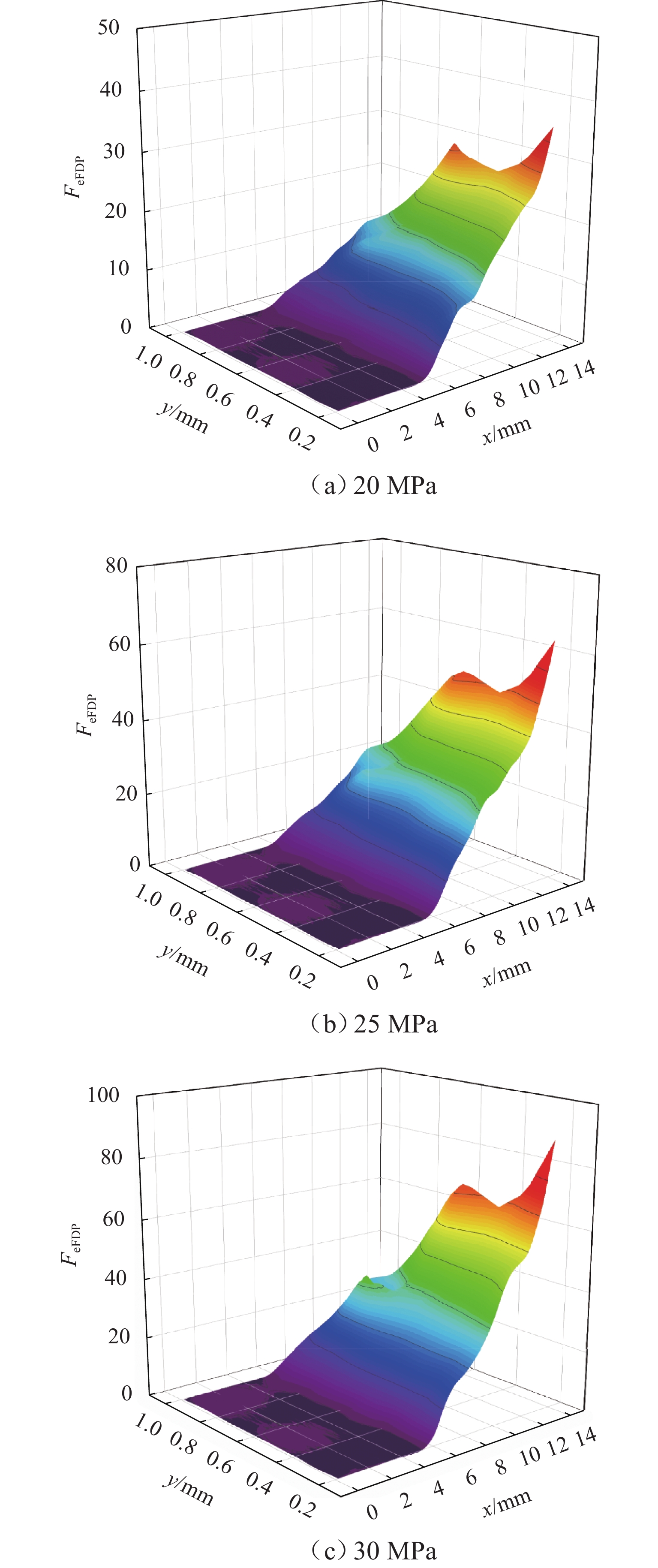
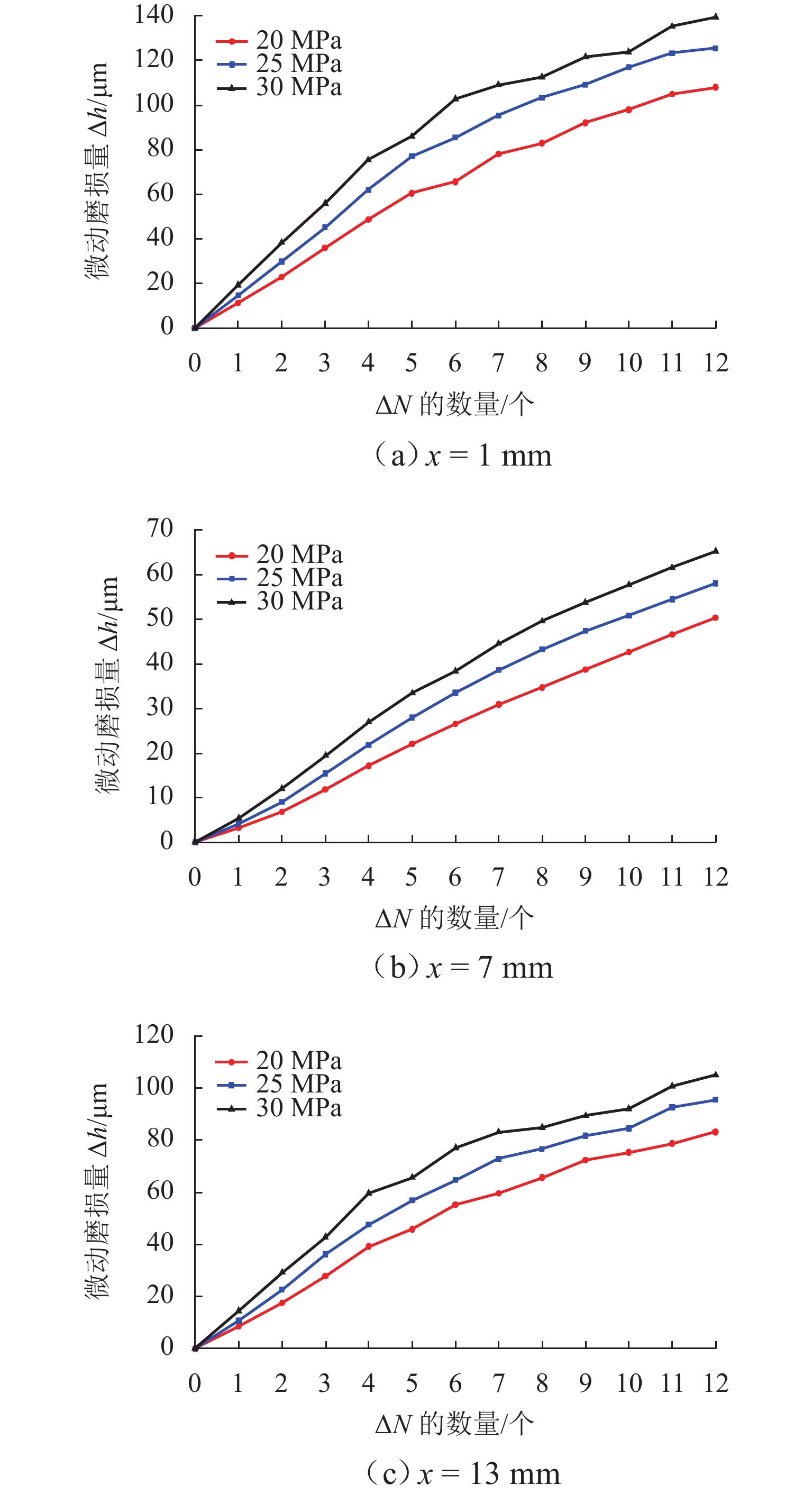
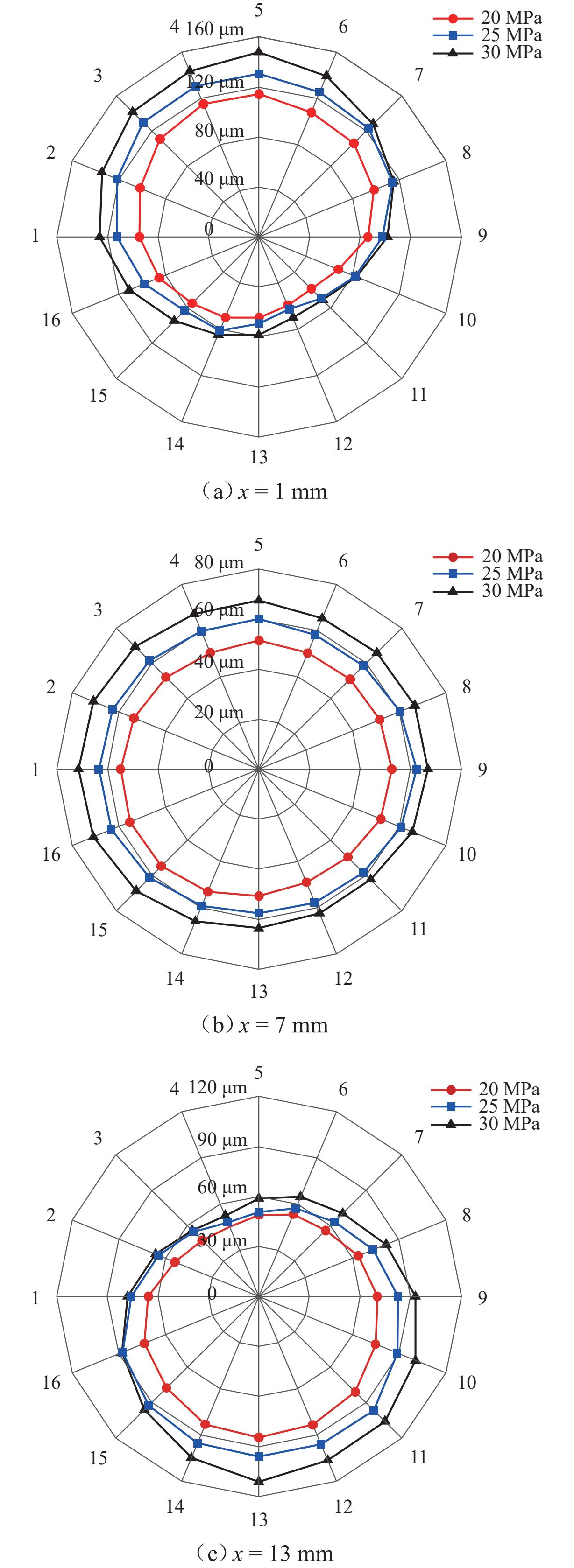
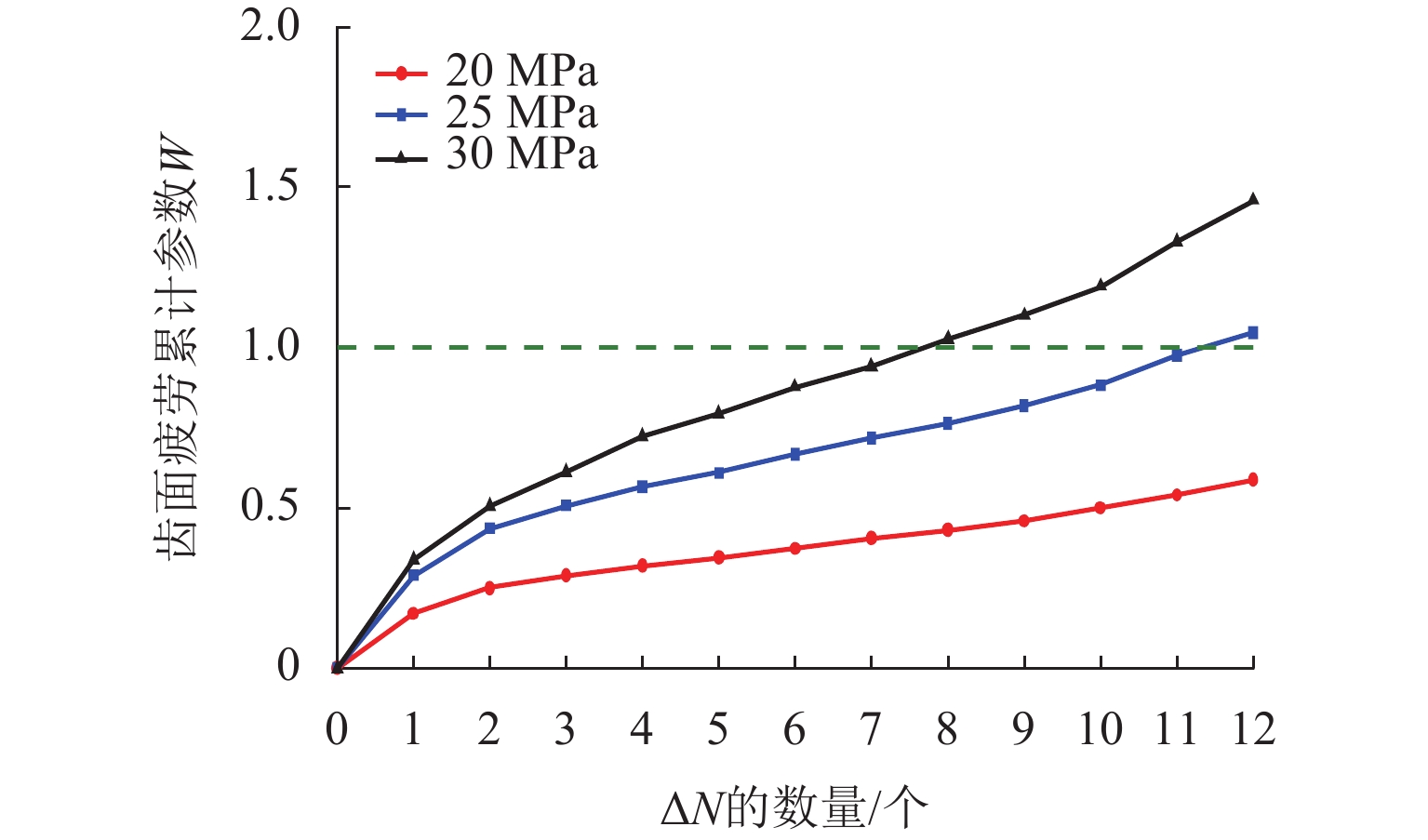
During the operation of a piston pump, the contact behavior of the spline pair between the cylinder and the shaft aggravates the tooth surface wear of the spline and reduces its operational reliability. To predict the service life of the shaft spline, the Archard model and the SWT model were combined to analyze the fretting damage and fatigue life of the spline pair under different outlet pressures of the piston pump. First, a finite element model for fretting damage of the spline pair between the cylinder and the shaft of an axial piston pump was established using the finite element method. Second, based on the established finite element model, the distribution of Ruiz fretting damage parameters on the tooth surfaces of the piston pump under different outlet pressure conditions was analyzed, and the fretting wear increments of the spline tooth surfaces were predicted. Finally, combined with the Palmgren-Miner (P-M) rule and the response under cyclic fatigue loading, the predicted tooth surface fatigue life of the axial piston pump was obtained. The results show that the maximum Ruiz damage parameter of the piston pump spline tooth surface is mainly concentrated at the ends of the spline tooth surface. The damage at both ends of the spline is more severe, while the damage in the middle region is relatively slight, and the wear at the front and rear ends of the spline is 114% and 62% higher than that in the middle region, respectively. An increase in the outlet pressure of the piston pump intensifies tooth surface wear and significantly reduces the service life of the spline pair, and the fatigue life at an outlet pressure of 30 MPa is reduced by 60% compared with that at 20 MPa. The results provide guidance for the operational reliability and subsequent optimization analysis of piston pump splines.

Temperature Prediction of Key Chips in Nuclear Power Instrumentation and Control System Based on Machine Learning
WANG Fanyu, WANG Dongwei, DENG Qiang, ZHAO Yang, YAN Hao, CHEN Qi
2026, 61(5): 1561-1571. doi: 10.3969/j.issn.0258-2724.20240332
Abstract:

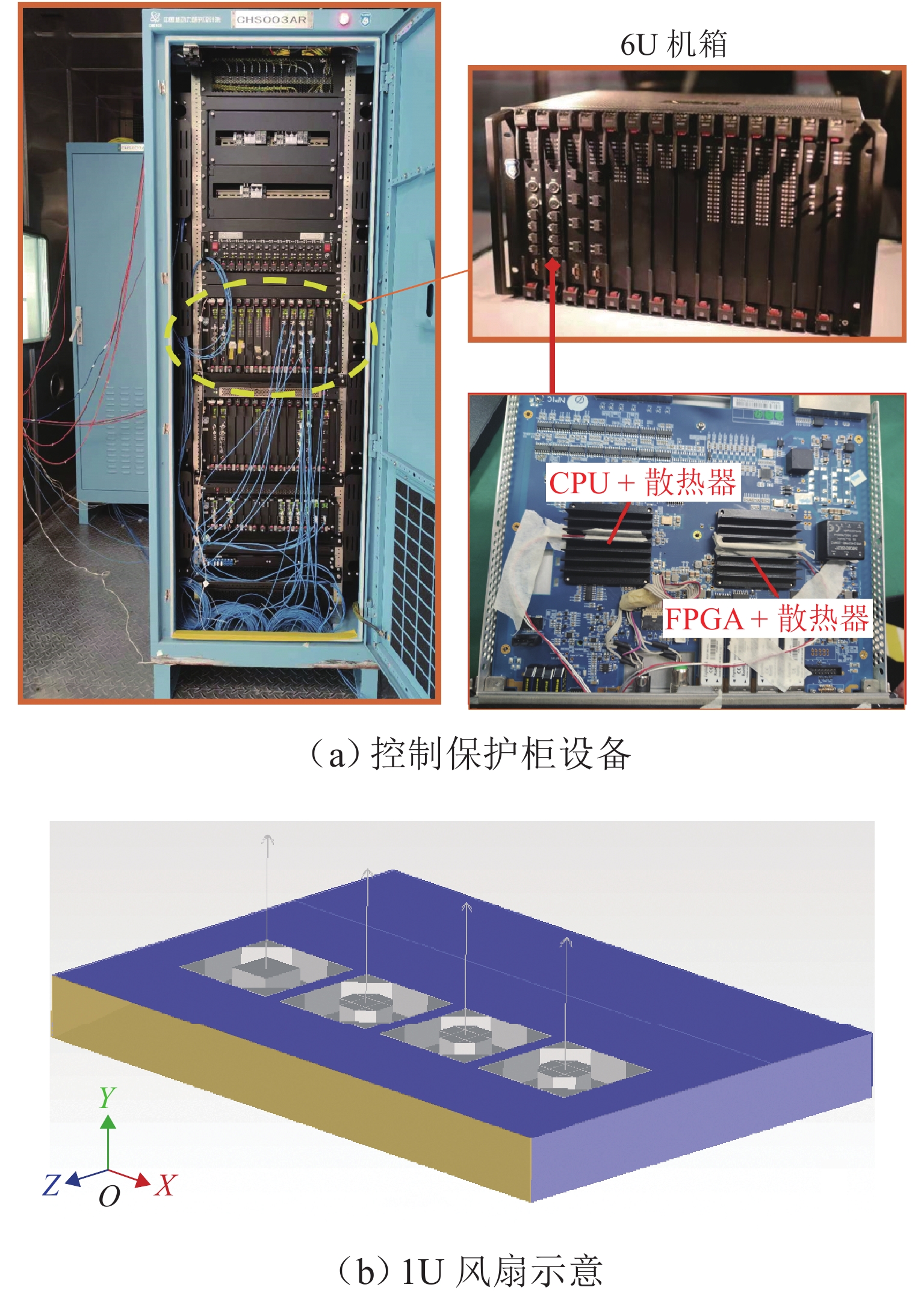
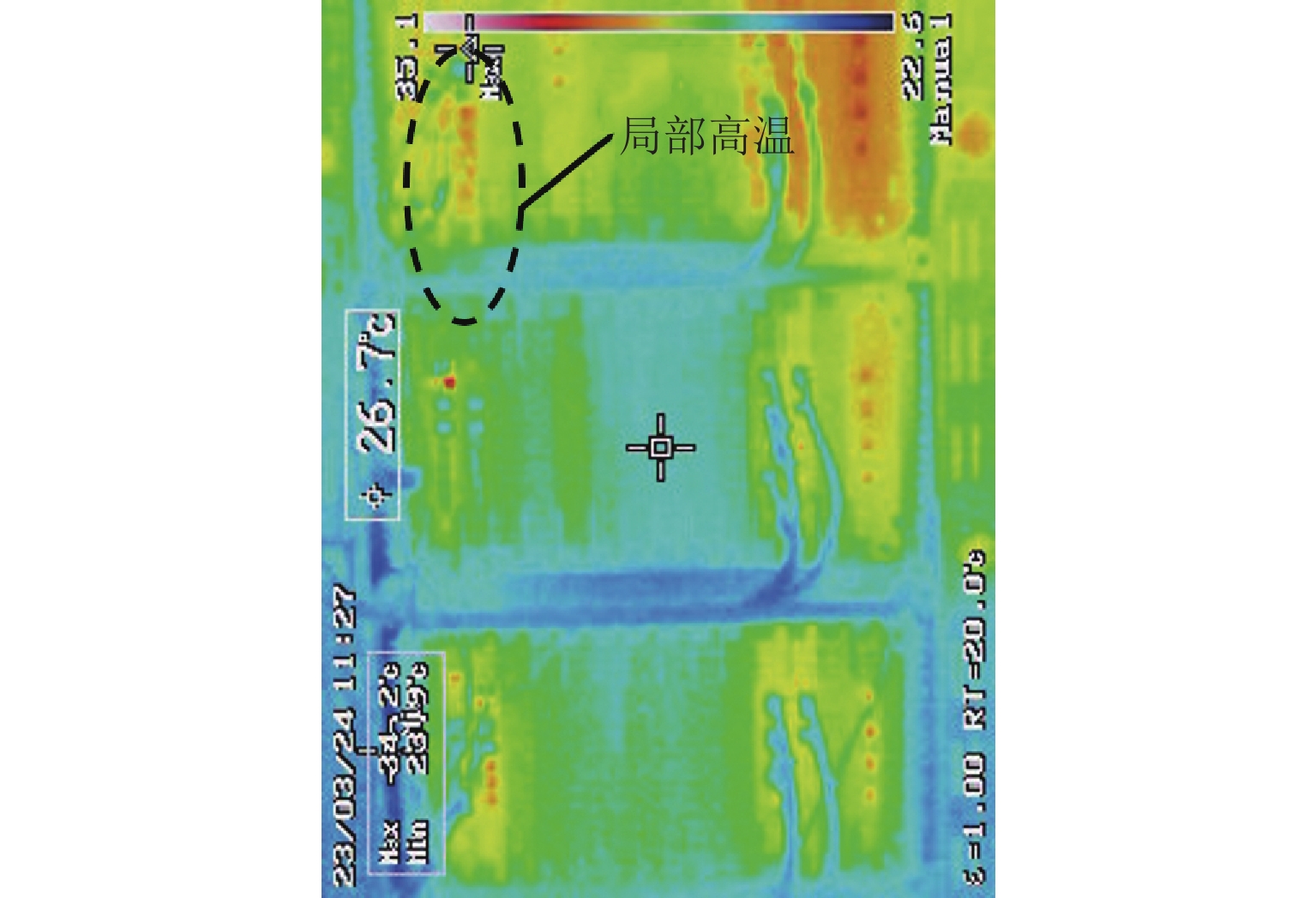
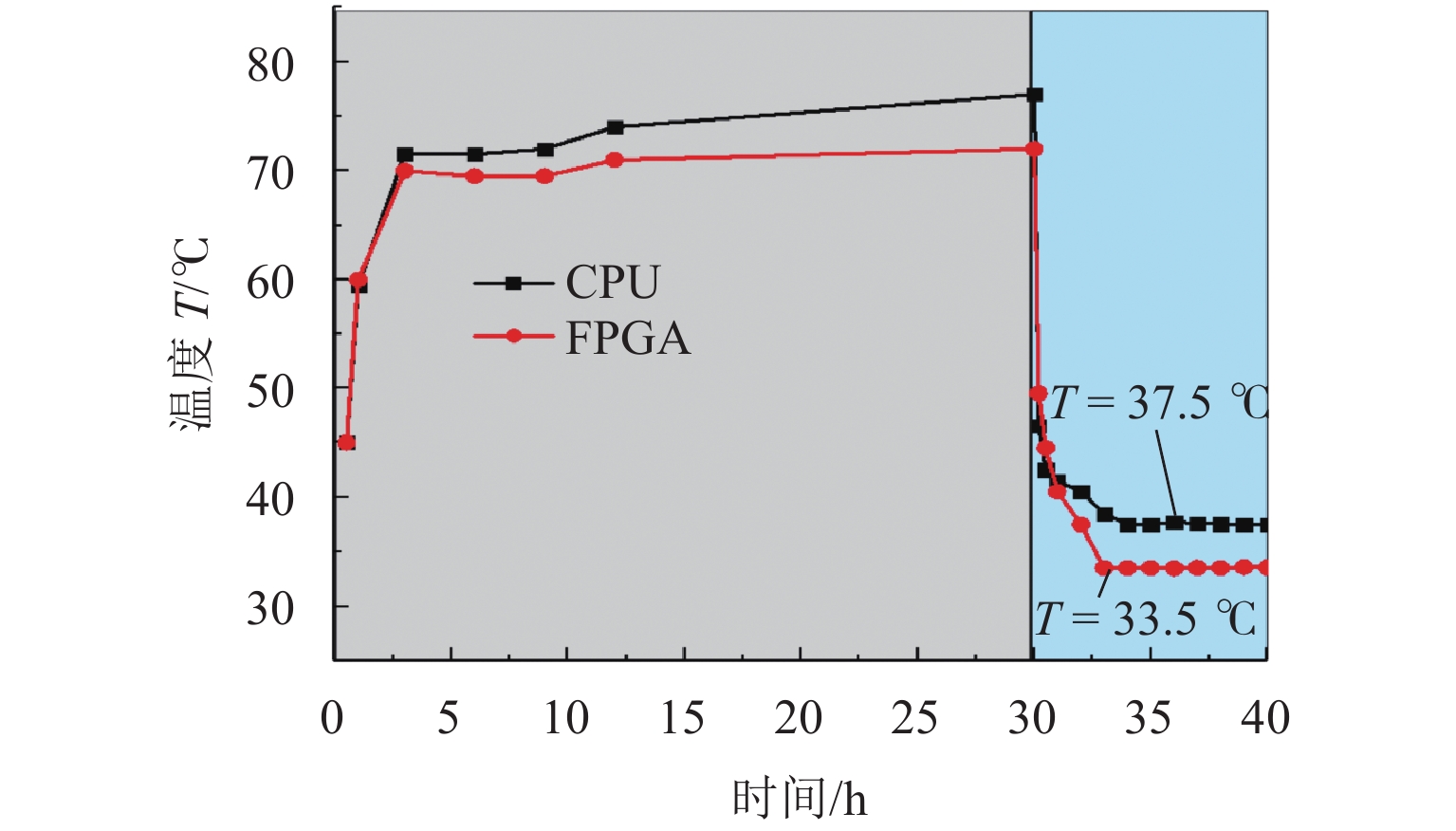
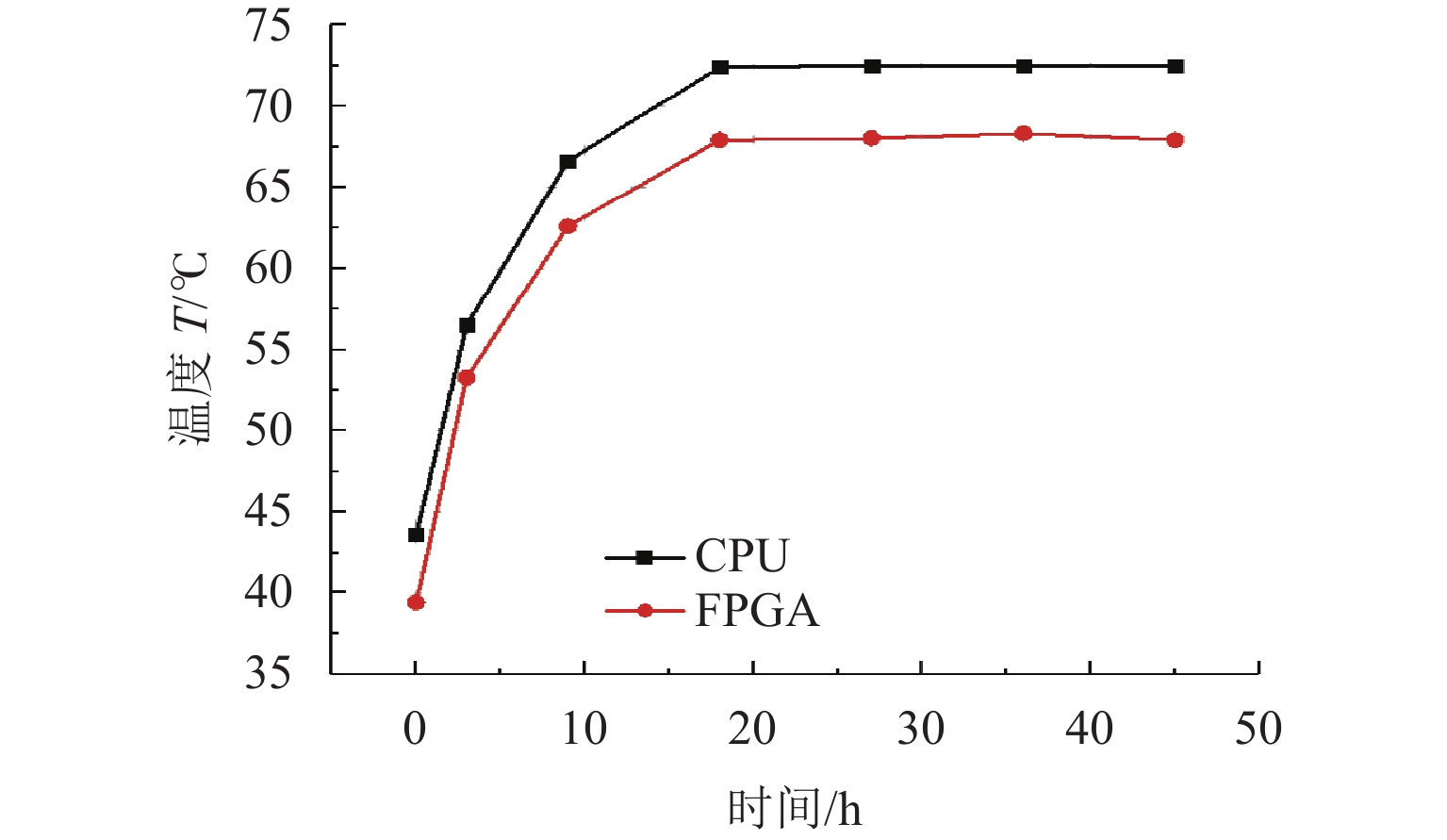
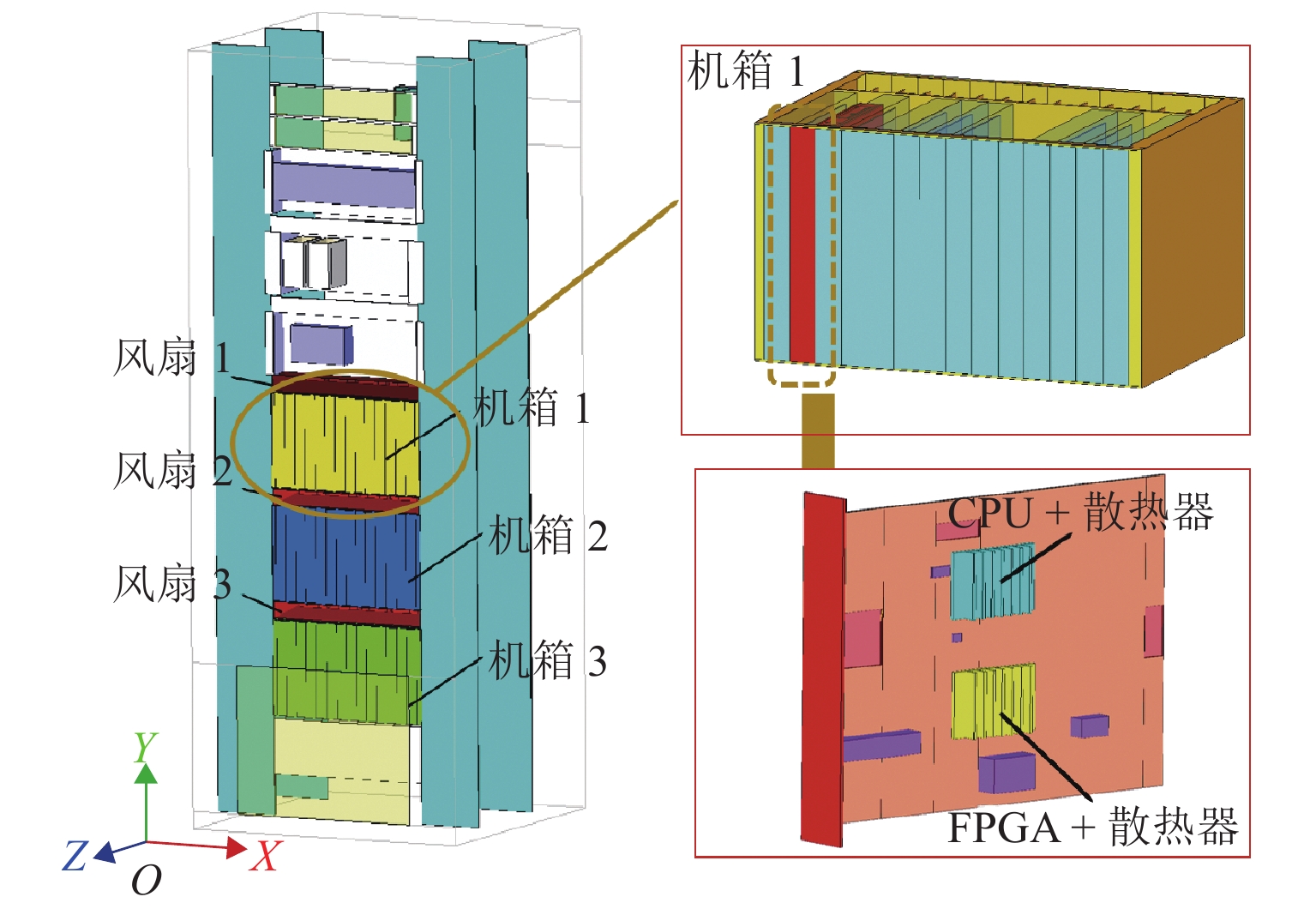
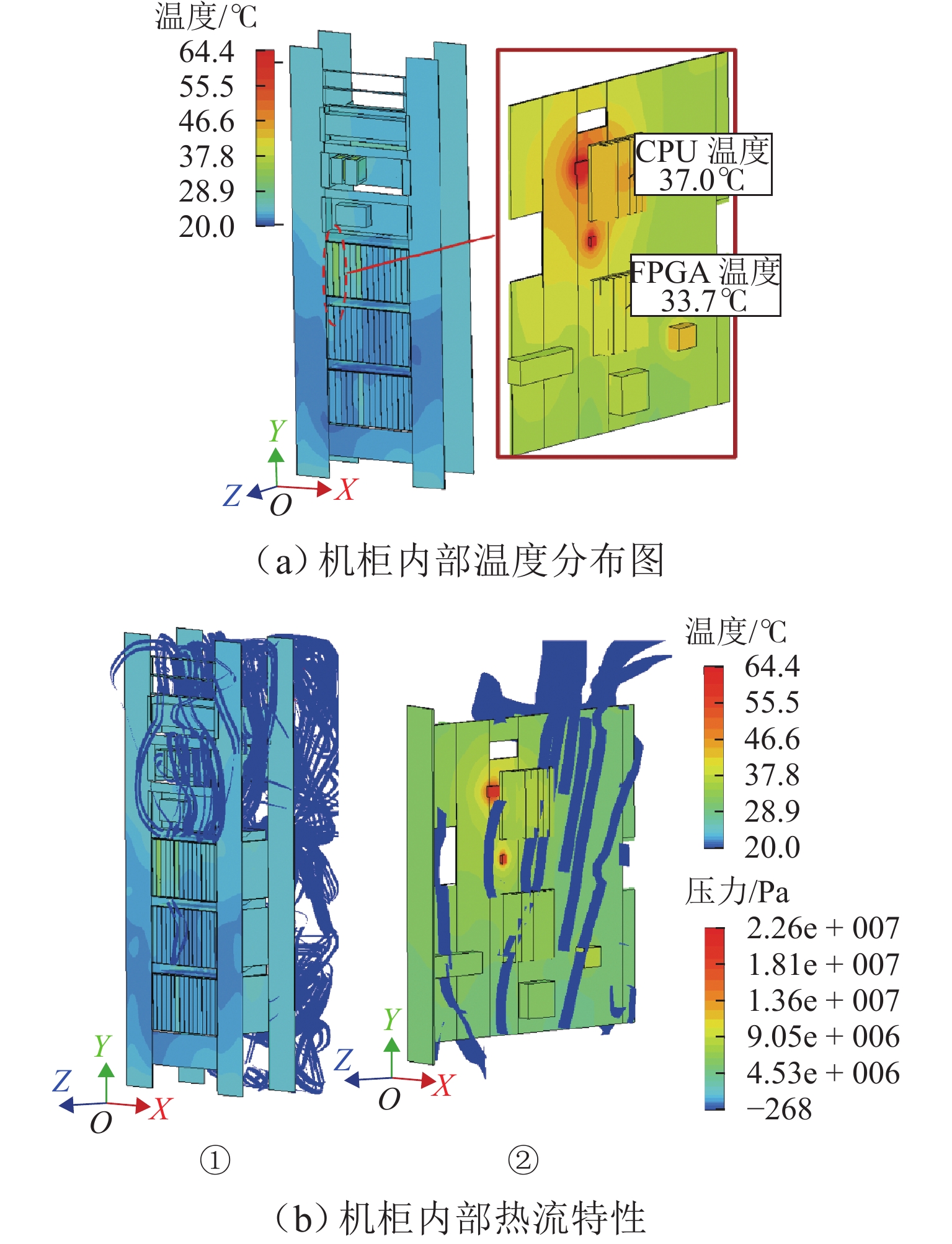
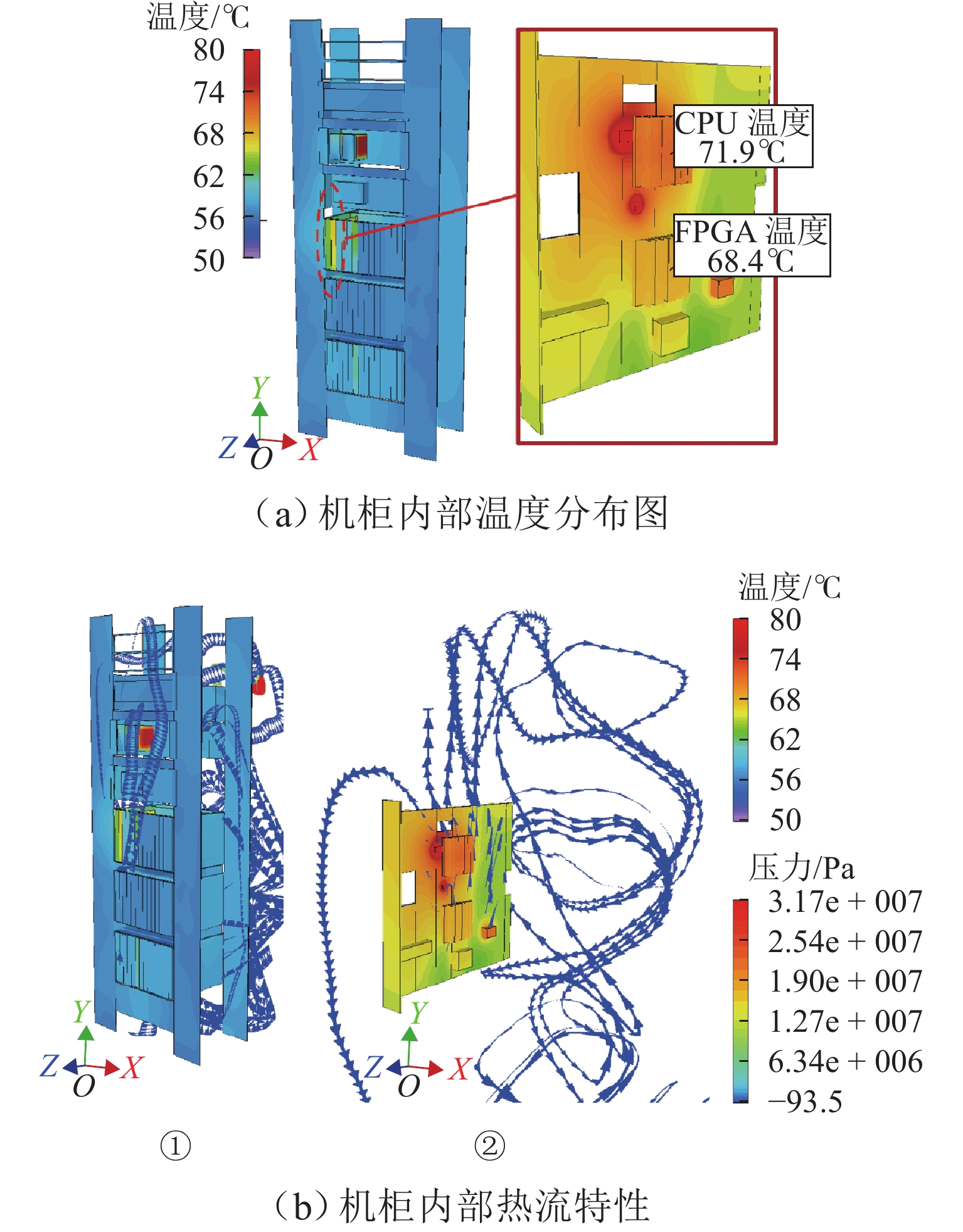
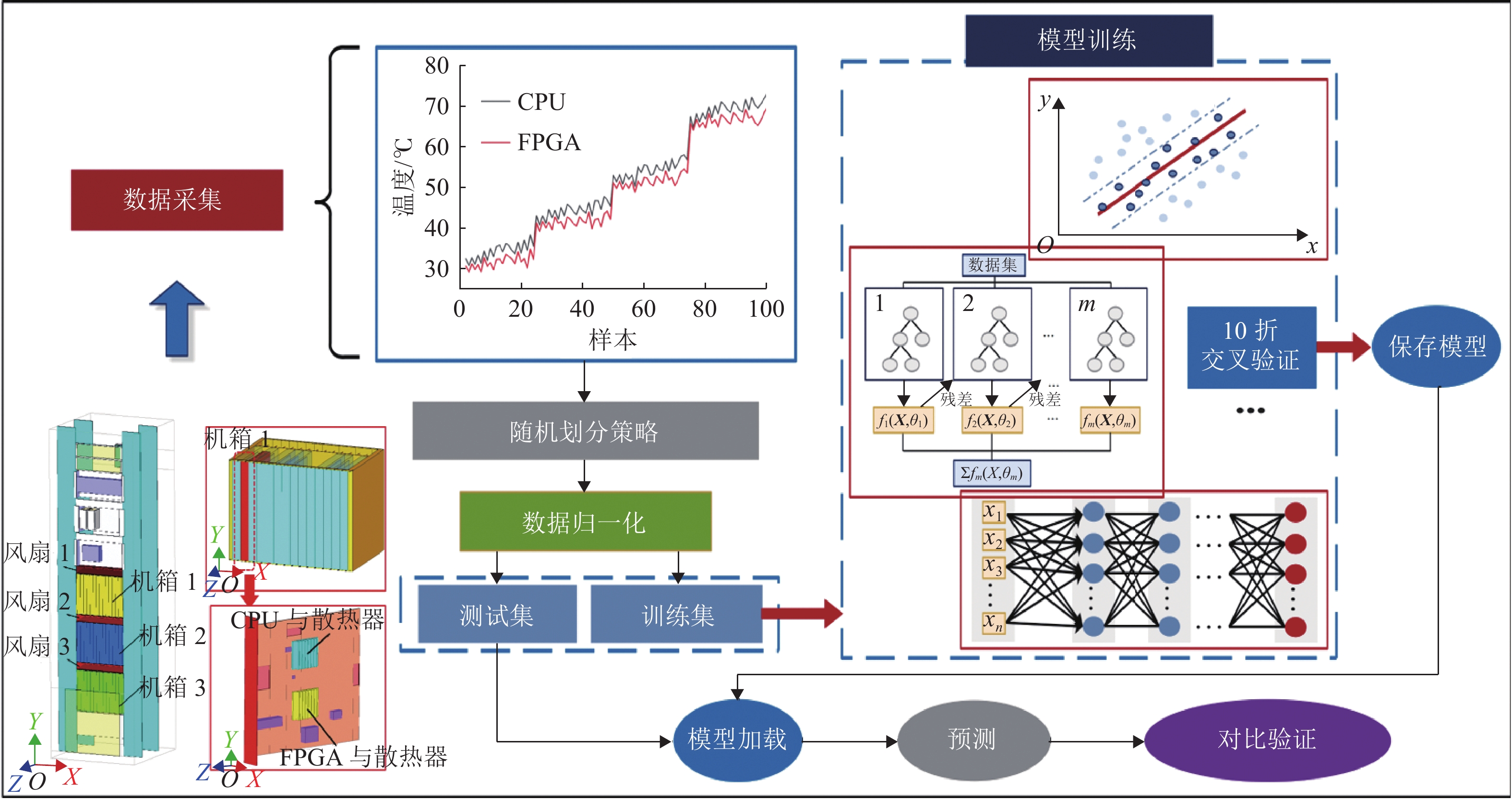
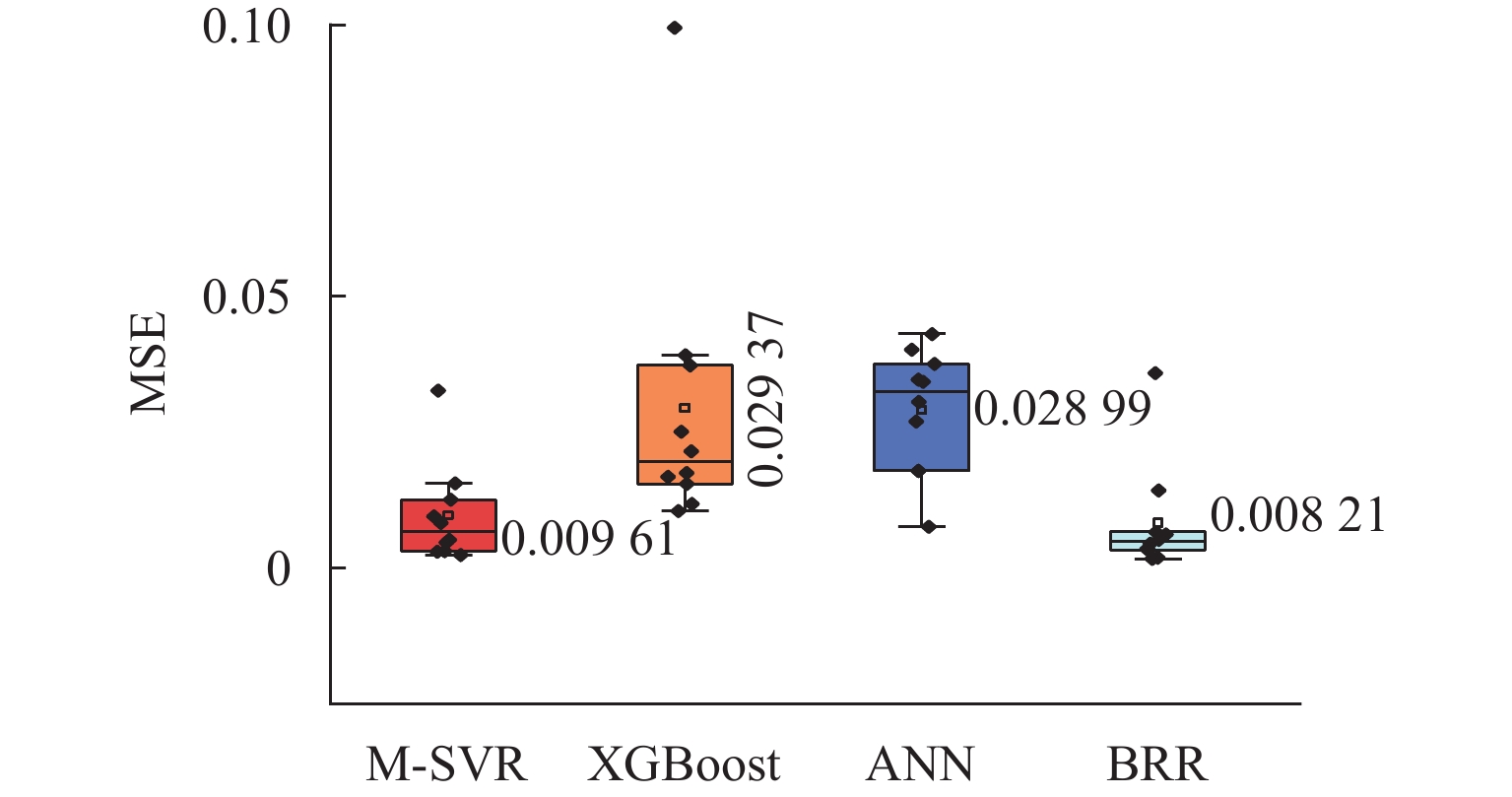
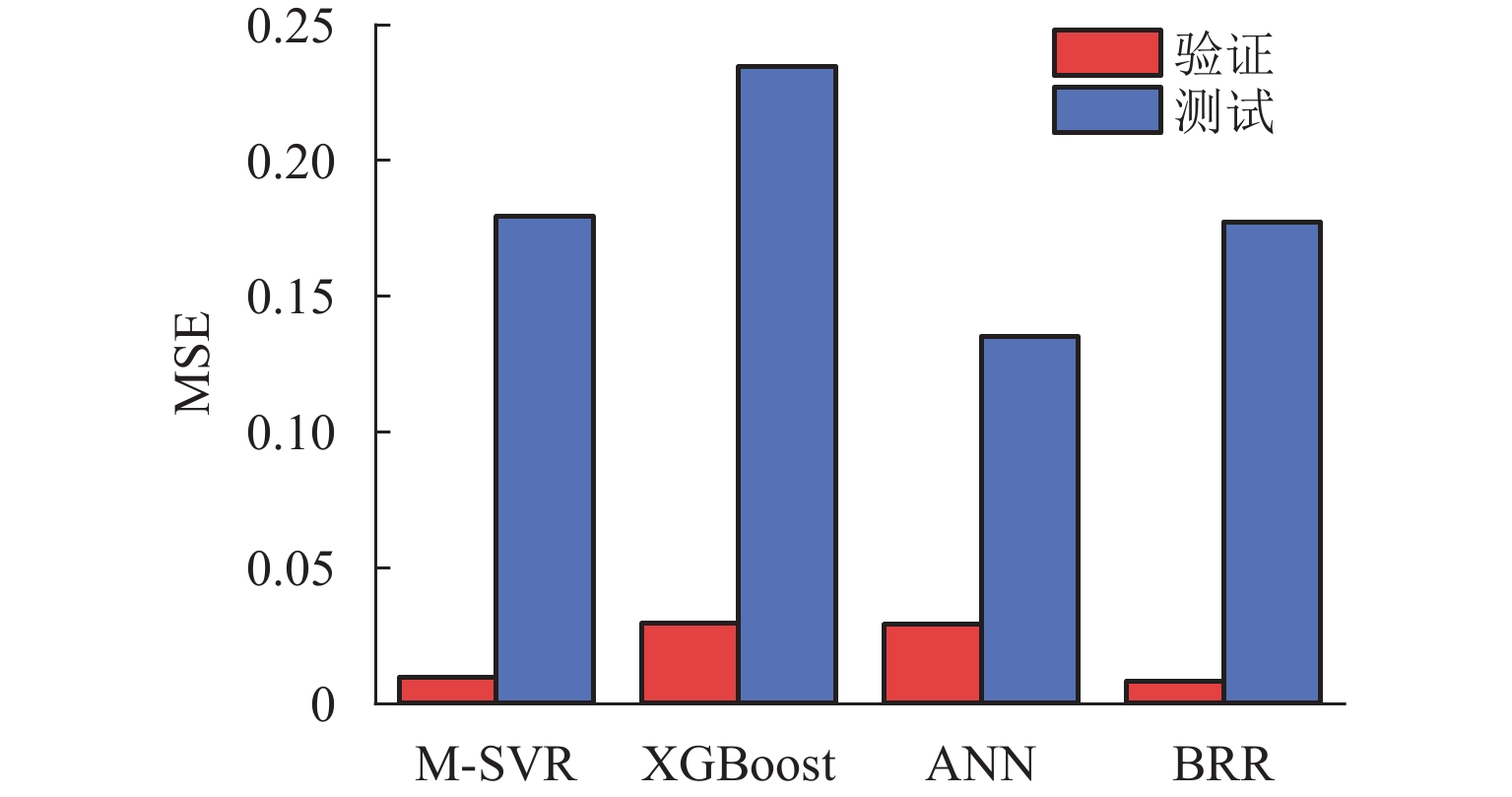
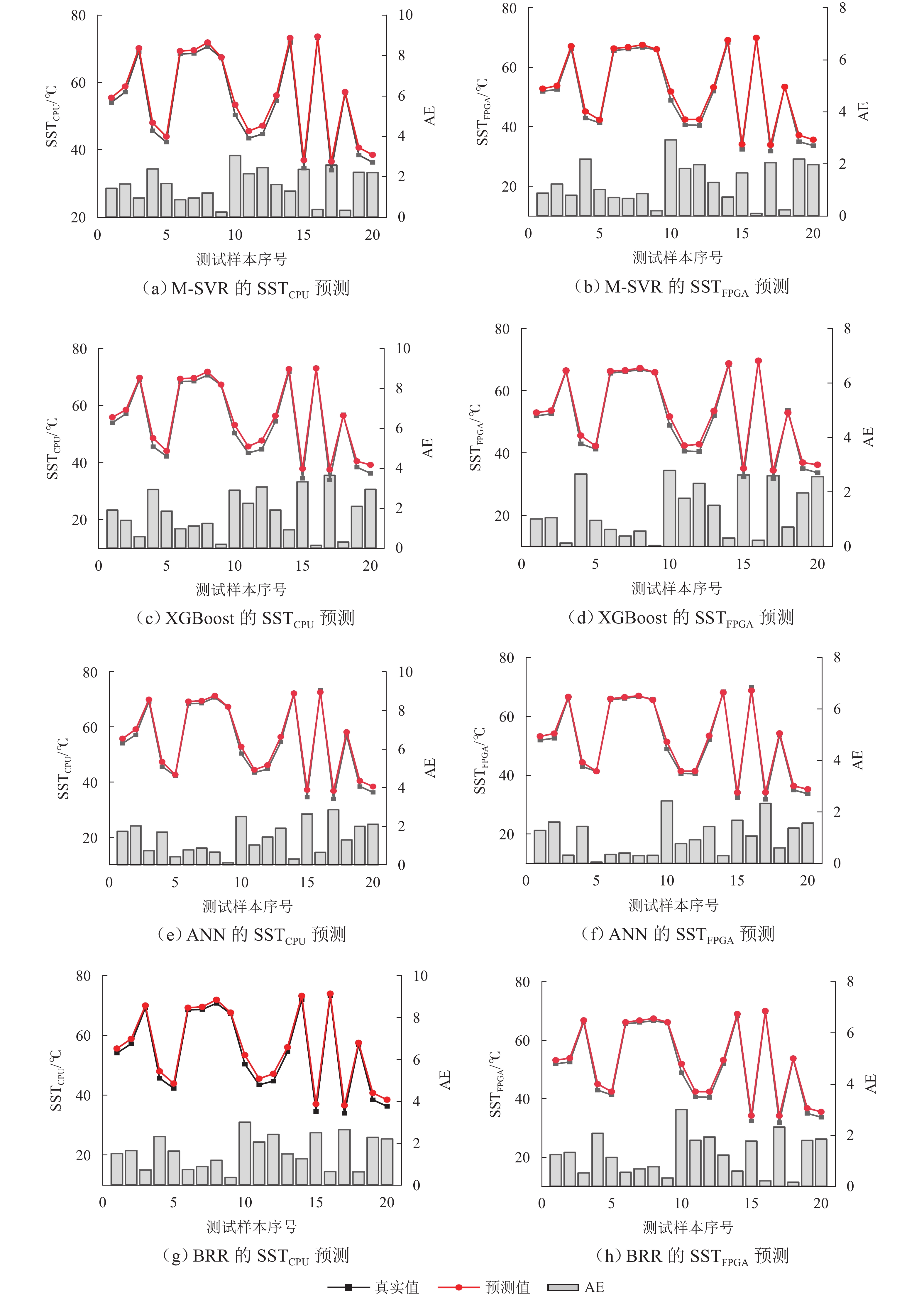
To investigate the thermal characteristics inside the control and protection cabinet of nuclear safety-class instrumentation and control systems and the variation patterns of the steady-state temperature (SST) of key chips (CPU and field programmable gate array (FPGA)), experimental studies were conducted on the cabinet under different ambient temperatures. The finite element method was employed to simulate the experimental process, and the accuracy of the numerical model was validated by comparing the experimental results. Furthermore, the SST values of CPU and FPGA under 100 sets of random working conditions were calculated by the finite element model, and the SST values of CPU and FPGA under different working conditions were learned and predicted using four algorithms of multi-output support vector regression (M-SVR), extreme gradient boosting (XGBoost), artificial neural network (ANN), and Bayesian ridge regression (BRR). Results show that when the ambient temperature is 20 ℃, the SST of CPU and FPGA is 37.5 ℃ and 33.5 ℃, respectively. When the ambient temperature is 55 ℃, the SST of the CPU and FPGA rises to 72 ℃ and 68 ℃, respectively. Finite element analysis can well simulate the test phenomenon, and the calculated chip SSTs are in good agreement with the experimental results. All the four algorithm models can be used to predict chip SST, among which the ANN algorithm exhibits the best prediction performance on the test set. It has a mean squared error (MSE) less than 0.15% and an R2 value greater than 0.99 and exhibits the strongest generalization ability. In contrast, although the other three models show good prediction performance for samples with high SSTs, the prediction error for samples with low SSTs is large, especially for the XGBoost model, whose prediction error is as high as 3.65 ℃. The research provides a new method for SST prediction of chips in nuclear safety-class control systems.

Experimental Study on Temperature Distribution of Wheel Tread Under Continuous Braking on Super-Long Large Ramp
ZHOU Gaowei, GAO Fei, DUAN Junjun
2026, 61(5): 1572-1581. doi: 10.3969/j.issn.0258-2724.20240238
Abstract:

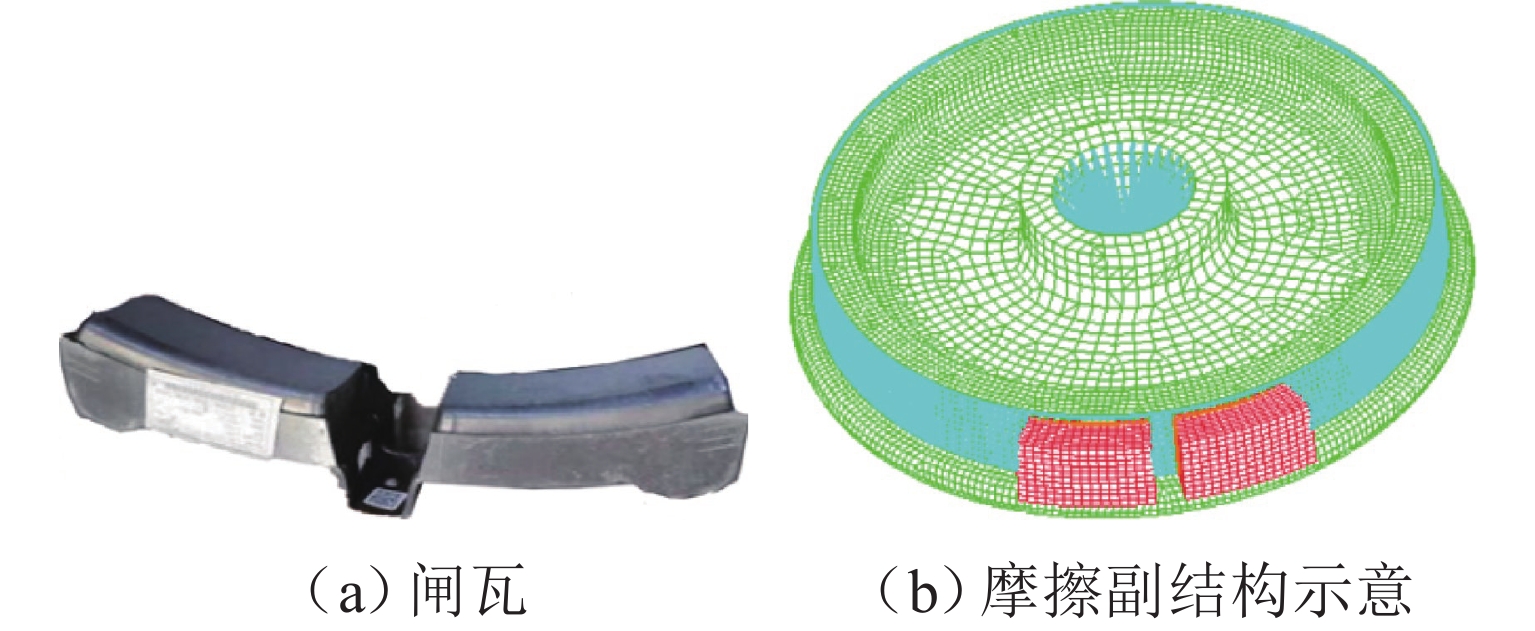
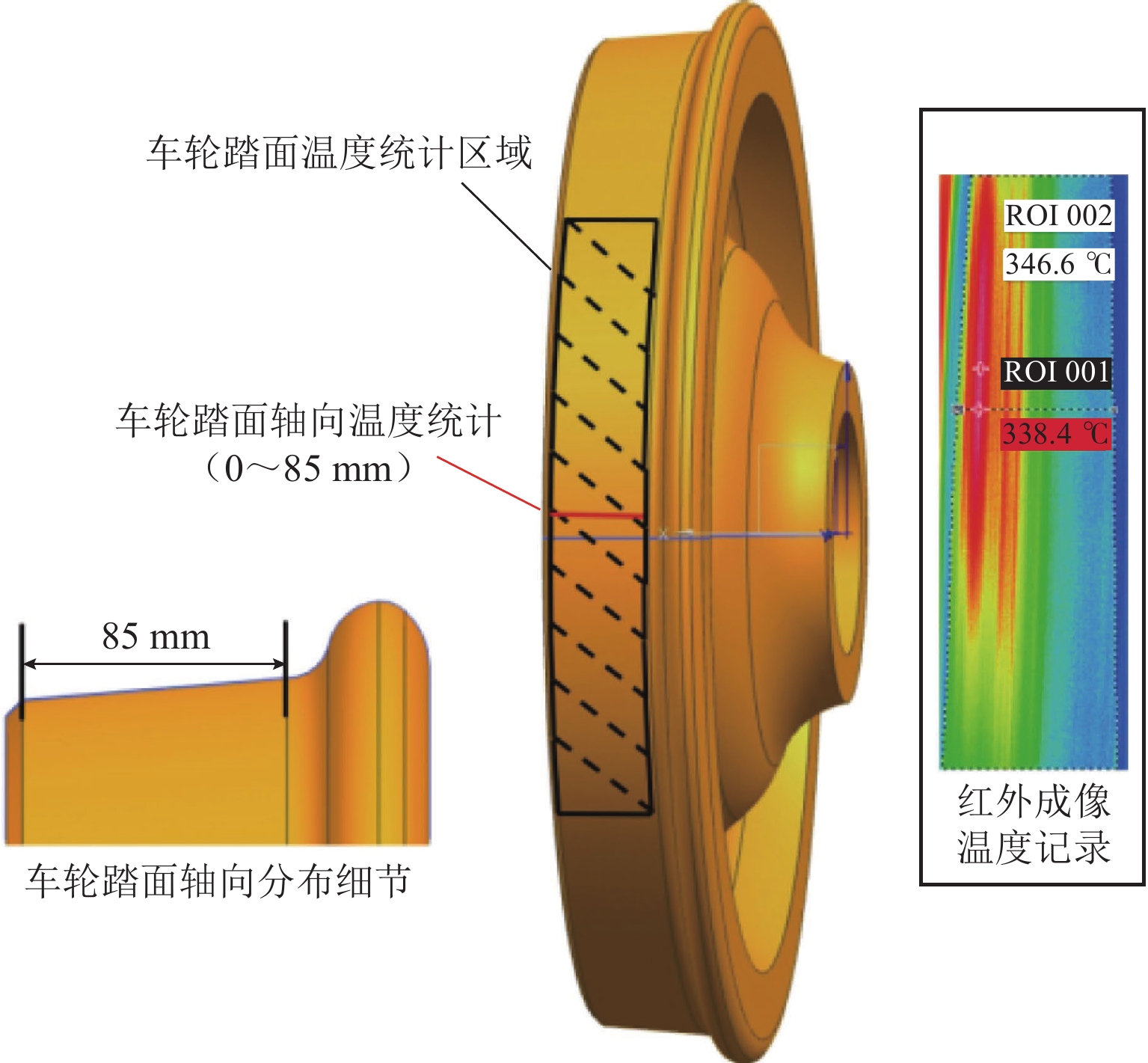
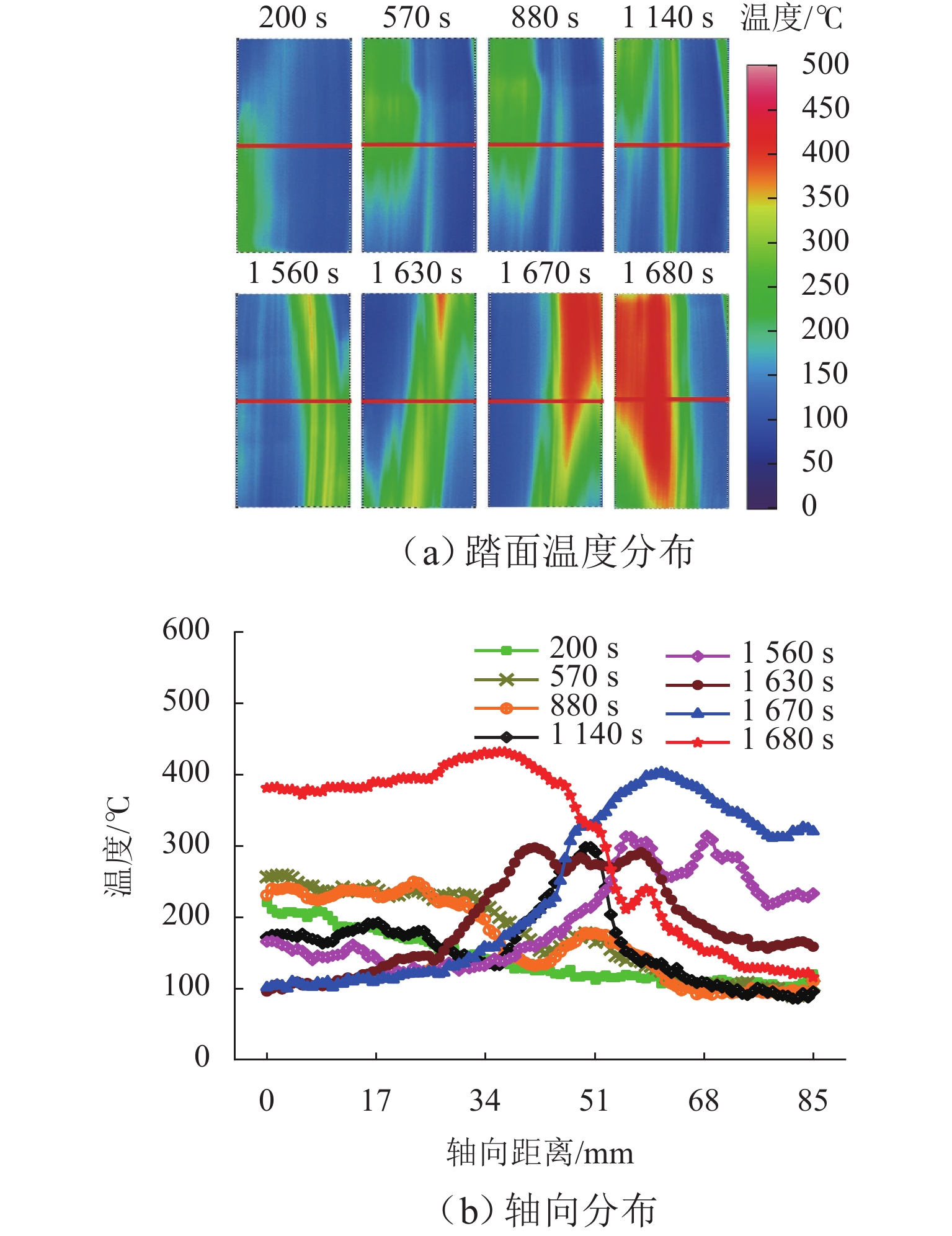
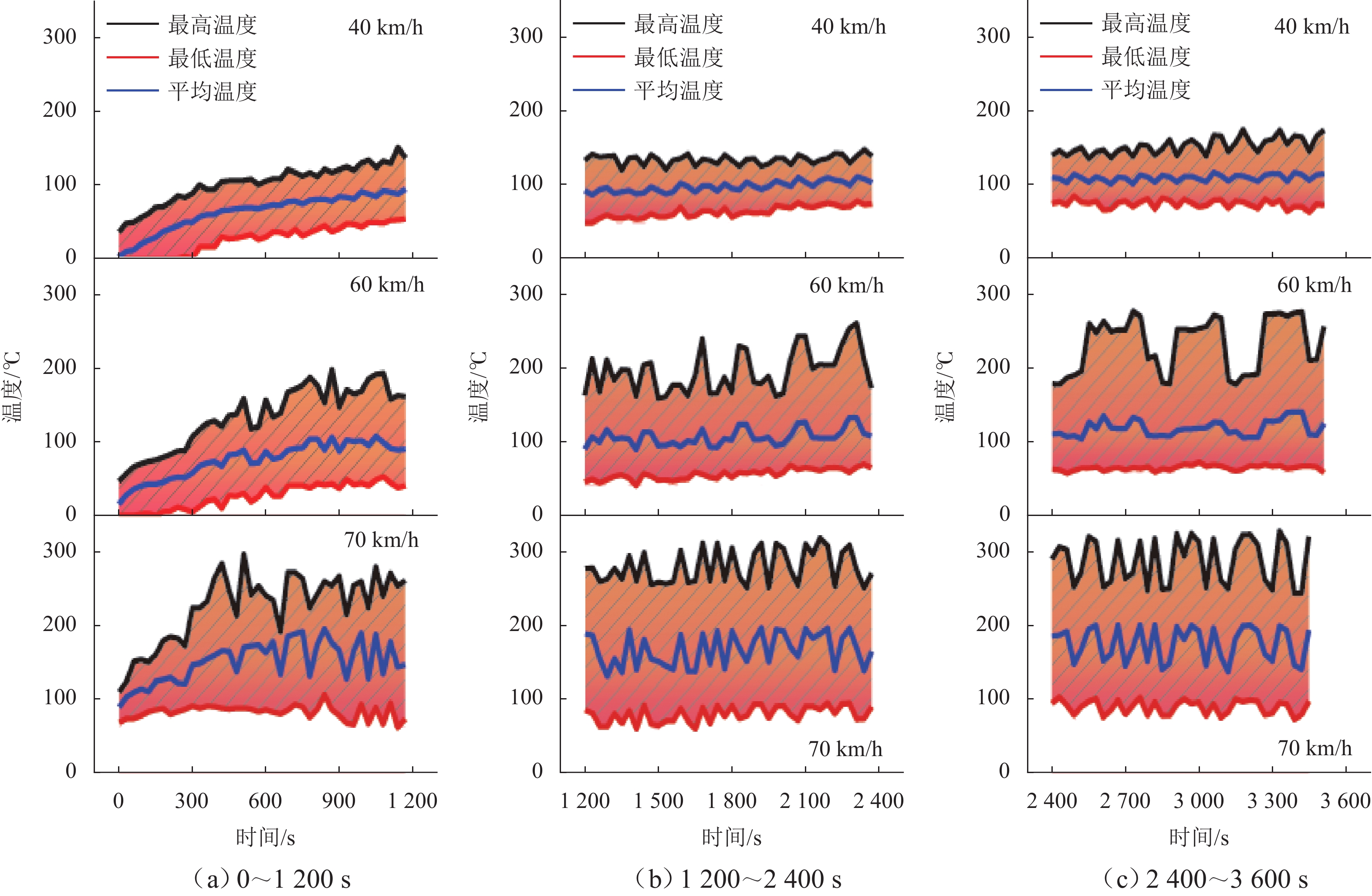
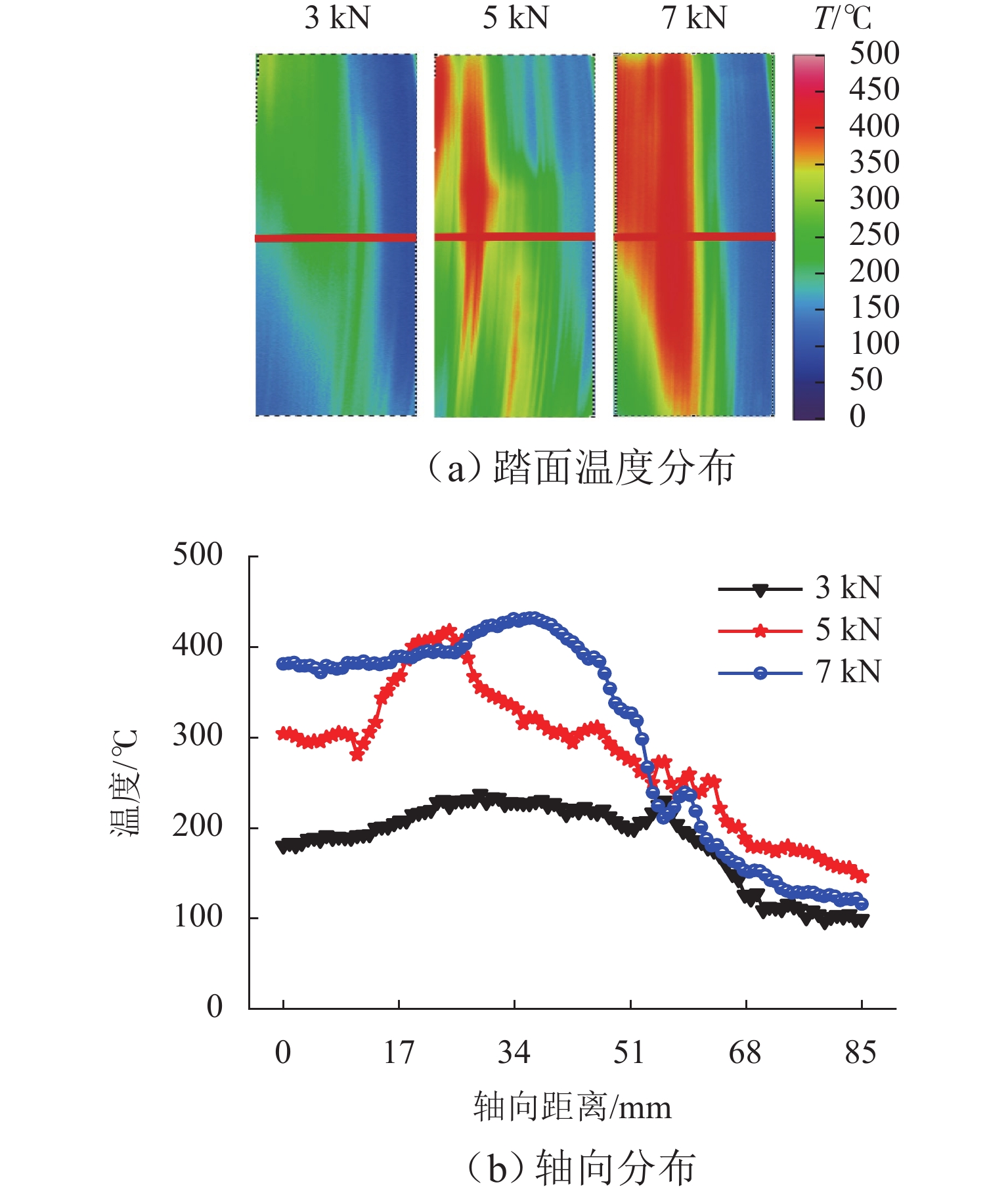
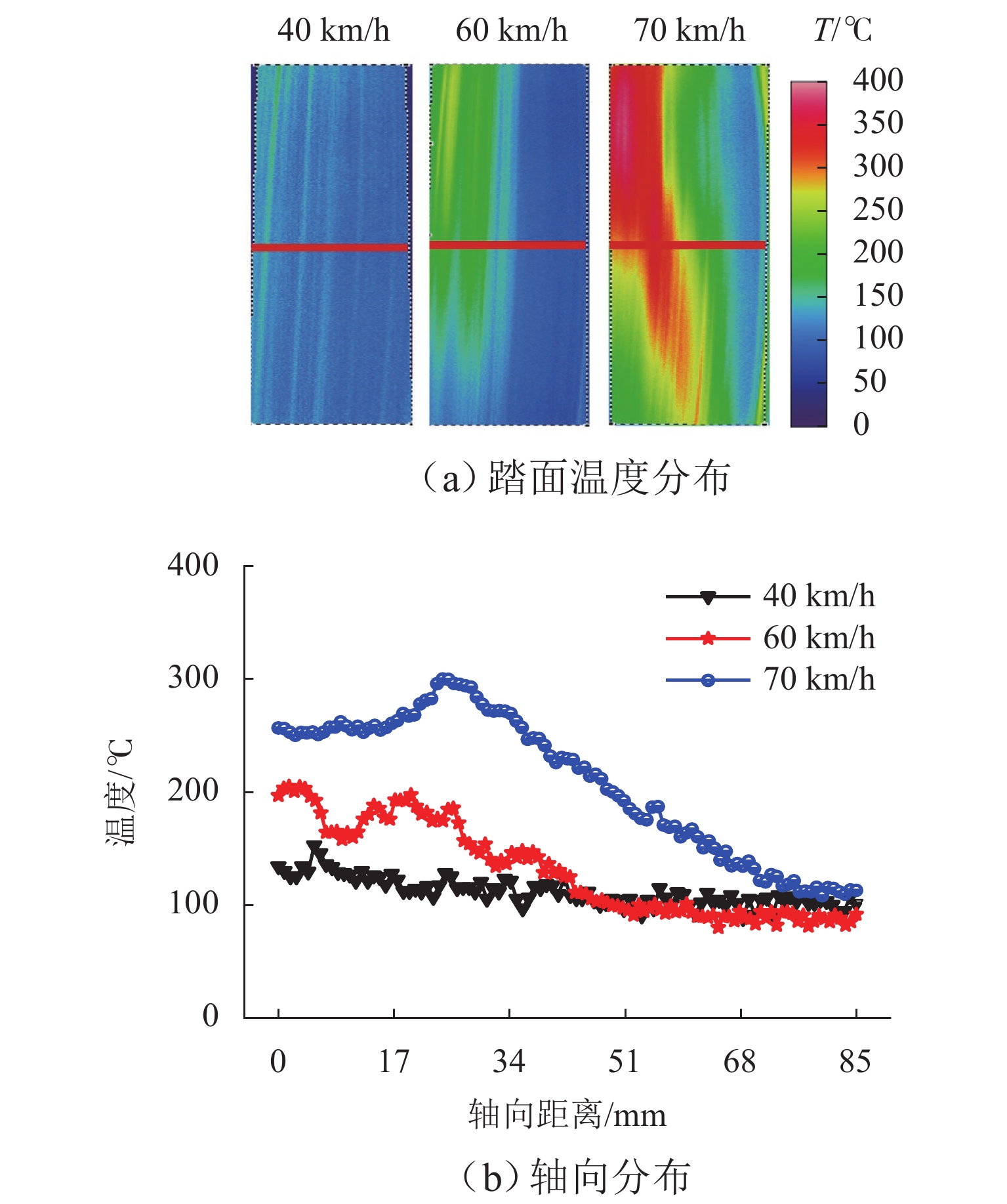
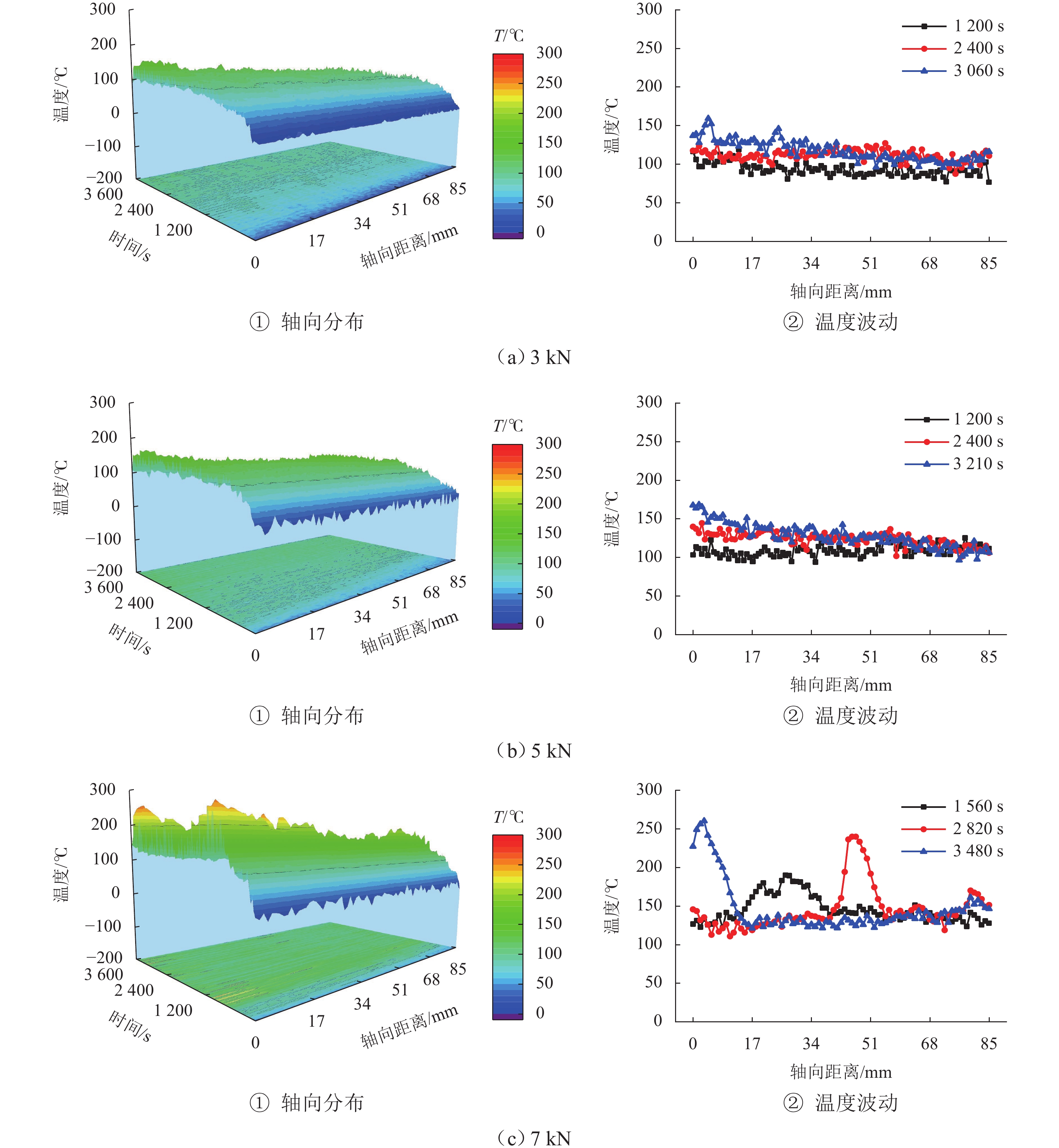
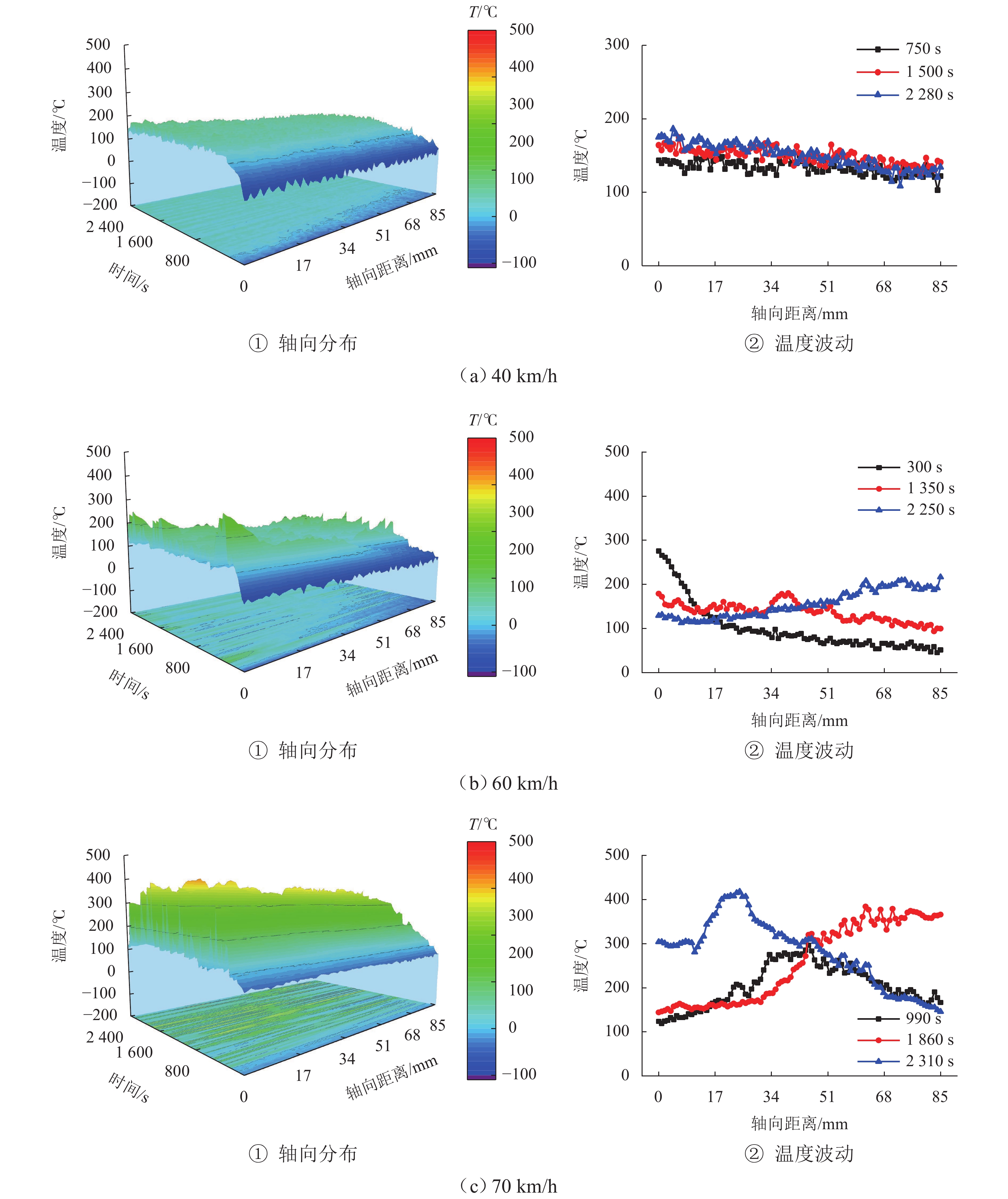
To investigate the effects of continuous braking conditions on the maximum temperature and temperature difference of wheel tread and clarify thermal load characteristics of the wheel, continuous braking tests on the super-long large ramp were conducted on a 1∶1 brake test bench, with the friction pair of brake shoe and wheel tread taken as the research object. The distribution pattern of tread temperature during braking was analyzed by changing three key parameters: braking pressure, speed, and duration. Results demonstrate that when the braking speed increases from 40 km/h to 70 km/h, the maximum temperature during the three braking phases (0–1 200 s, 1 200–2 400 s, and 2 400–3 600 s) increases by 97%, 118%, and 86%, respectively, and the maximum temperature difference rises by 113%, 150%, and 128%, respectively. The increase in braking speed exerts a greater influence on temperature difference during the first two stages, which is attributable to the lower temperature of the initial friction surface and the wear-resistant properties of brake shoe contact areas that constrain expansion of contact areas. At a braking speed of 70 km/h, when the braking pressure increases from 3 kN to 7 kN, the maximum tread temperature increases from 321 ℃ to 436 ℃, representing a 36% increase. The increase in the braking pressure enhances the friction power and amplifies the effect of local contact on the friction temperature, which further exacerbates the uneven distribution of tread temperature. Under the braking pressure of 3 kN, augmentation of speed from 40 km/h to 70 km/h increases the maximum tread temperature from 176 ℃ to 328 ℃, representing an 86% increase. Increasing the braking speed can boost braking energy and increase braking power, which significantly expands the high-temperature regions. This study can provide a reference for analyzing the tread braking performance and developing operational strategies of rolling stock under super-long large ramps.

Axle-Box Bearing Fault Diagnosis of Railway Vehicle Based on Enhanced Time-Varying Morphological Filtering
WANG Shengbo, JIANG Xiaomo, CHEN Bingyan, CHENG Yao, MEI Guiming
2026, 61(5): 1582-1591. doi: 10.3969/j.issn.0258-2724.20240297
Abstract:

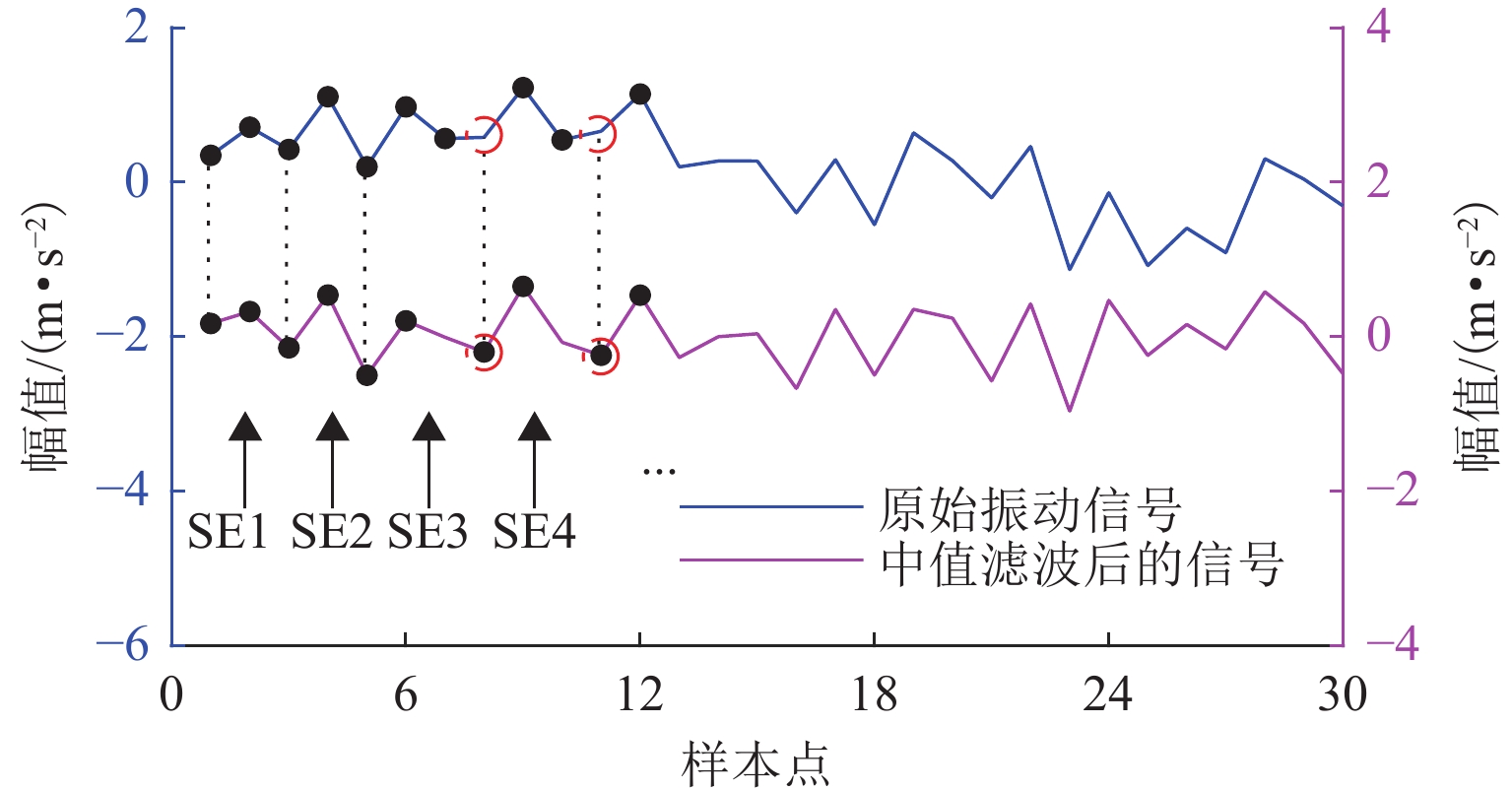
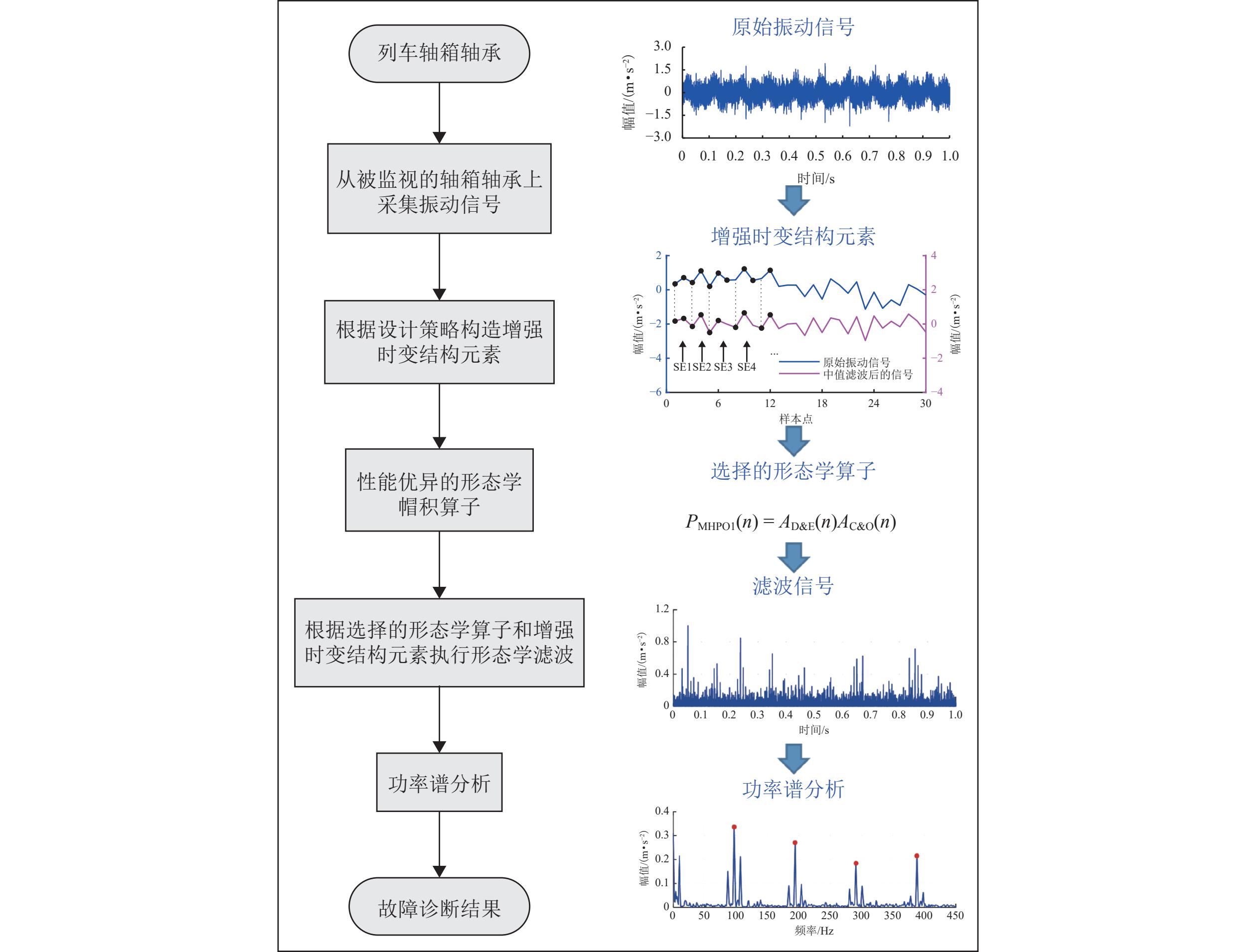
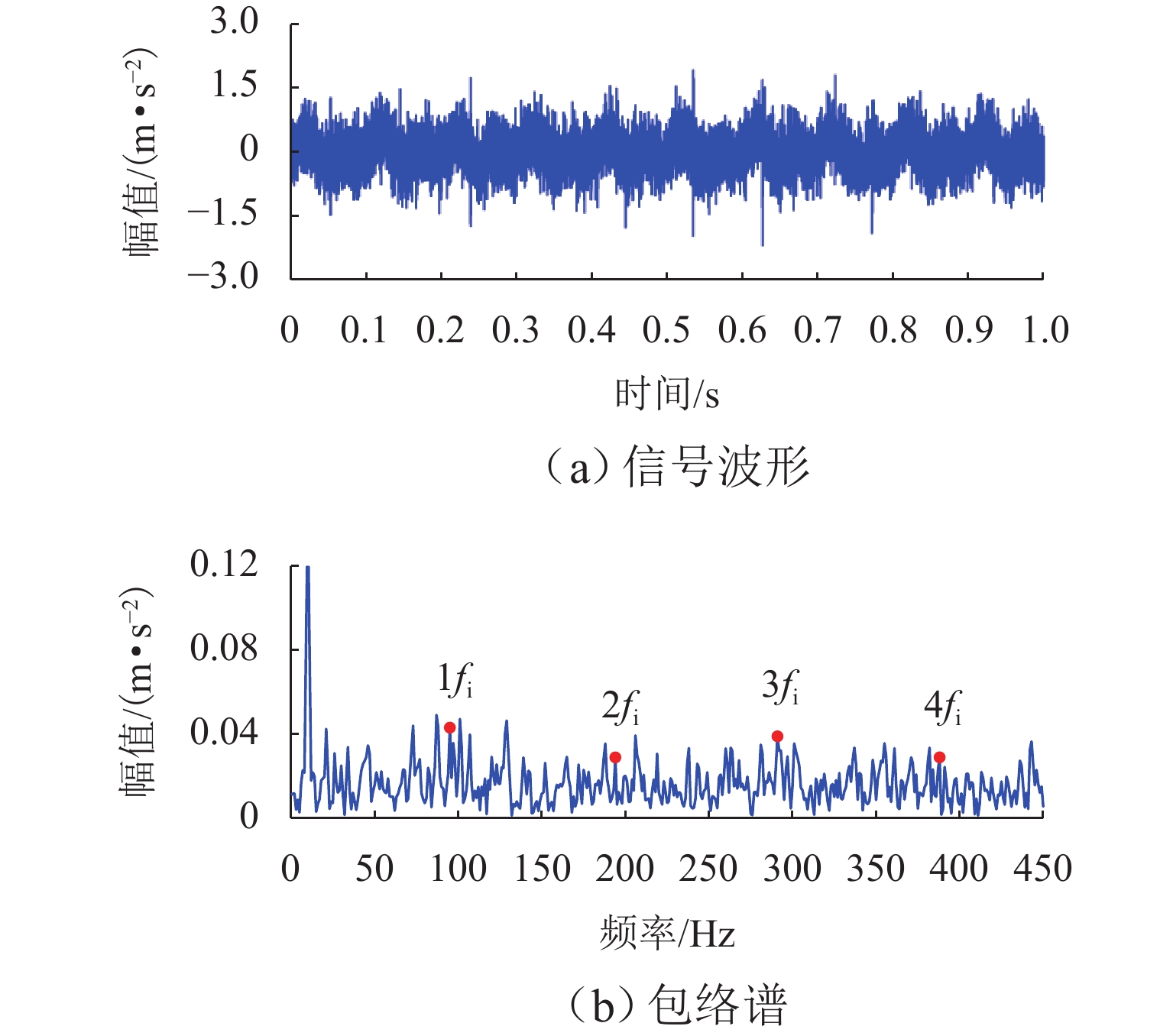
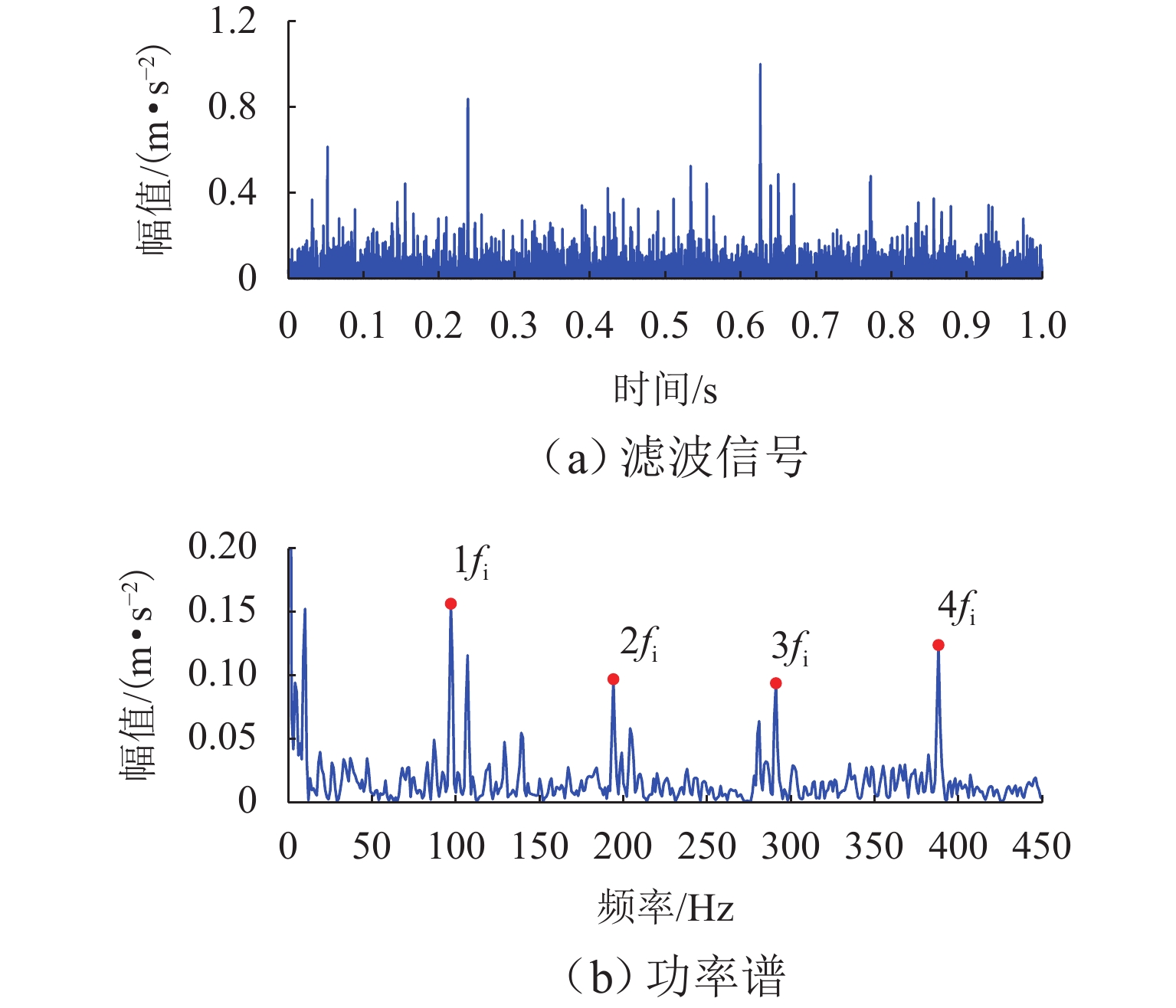
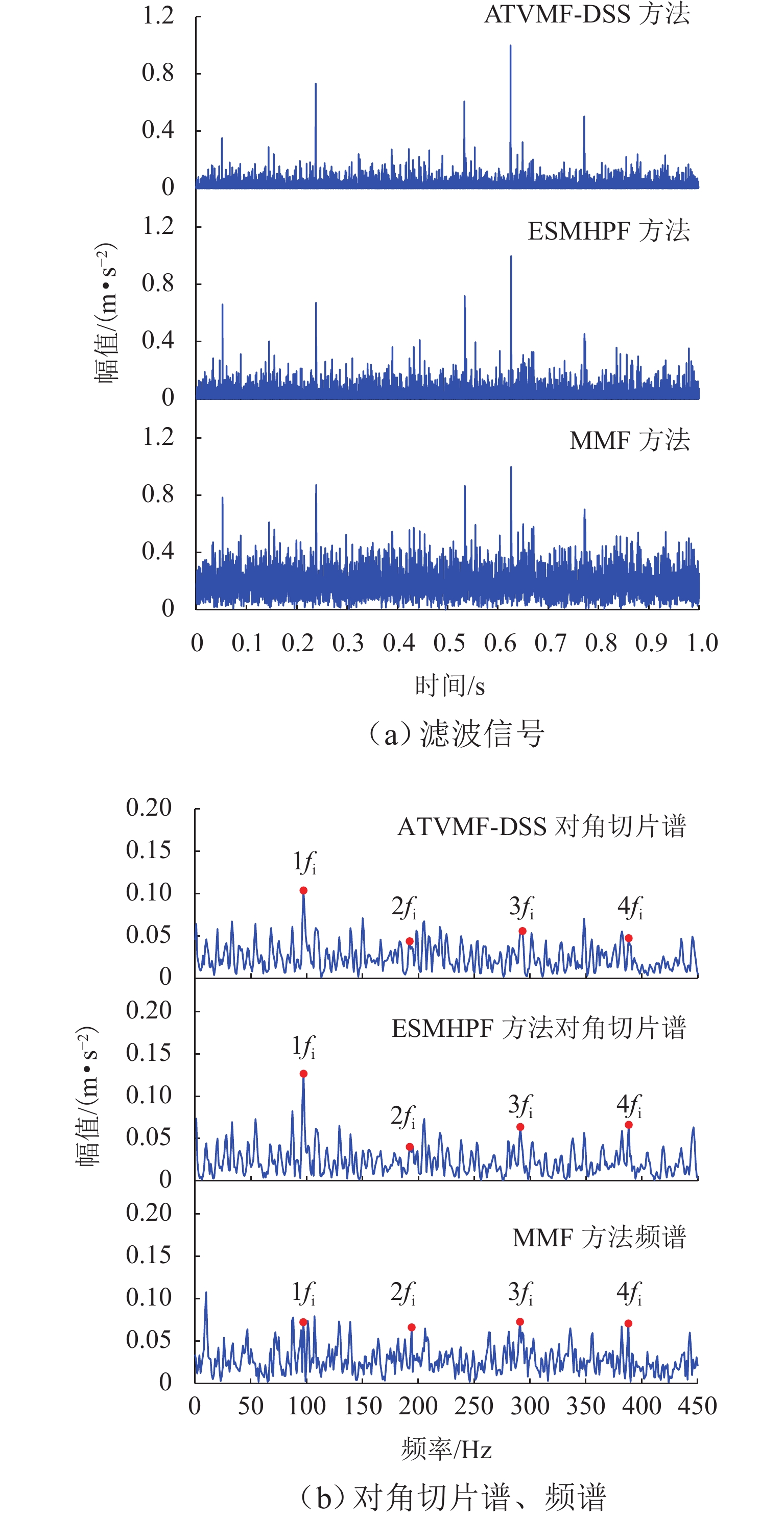
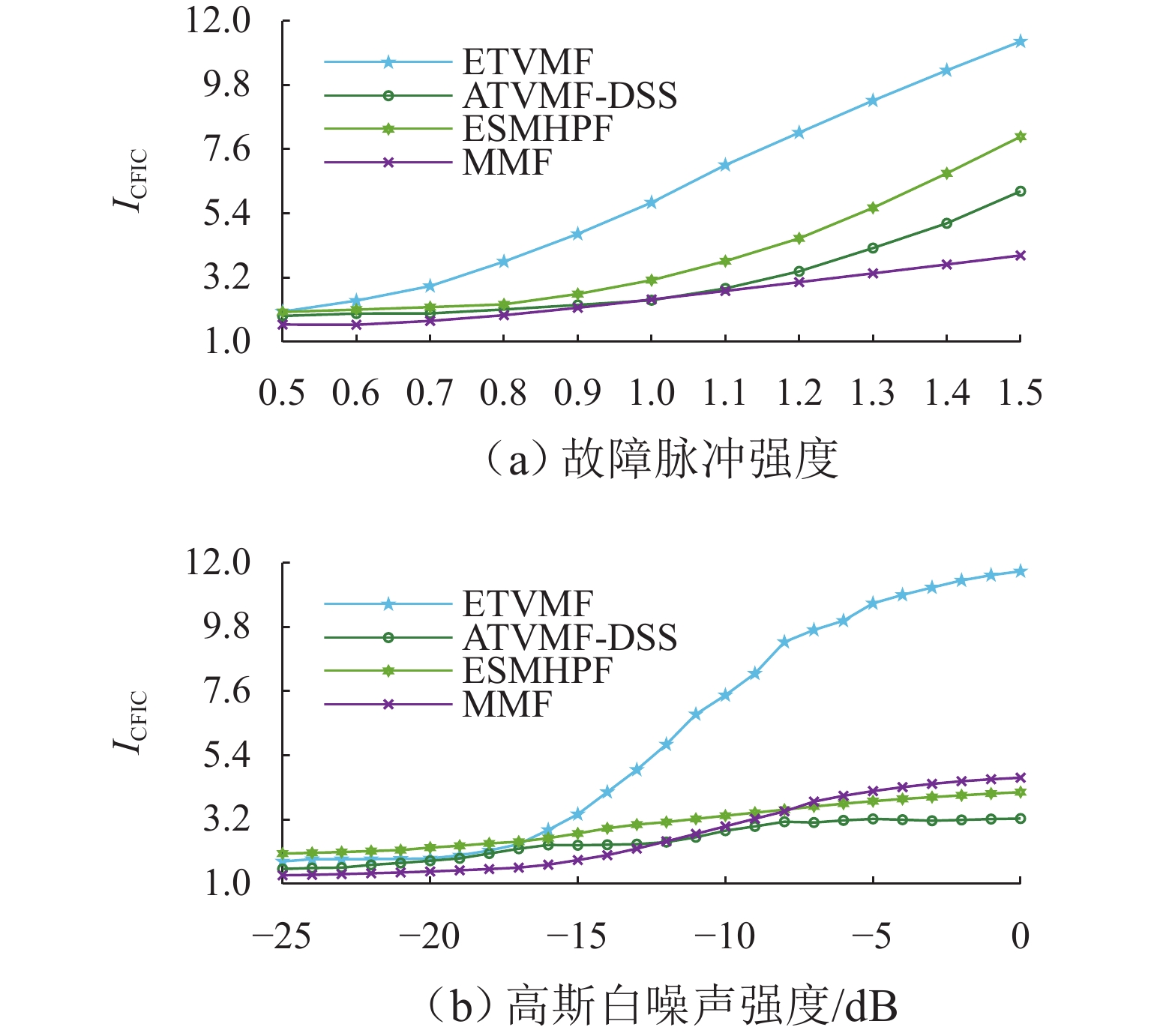
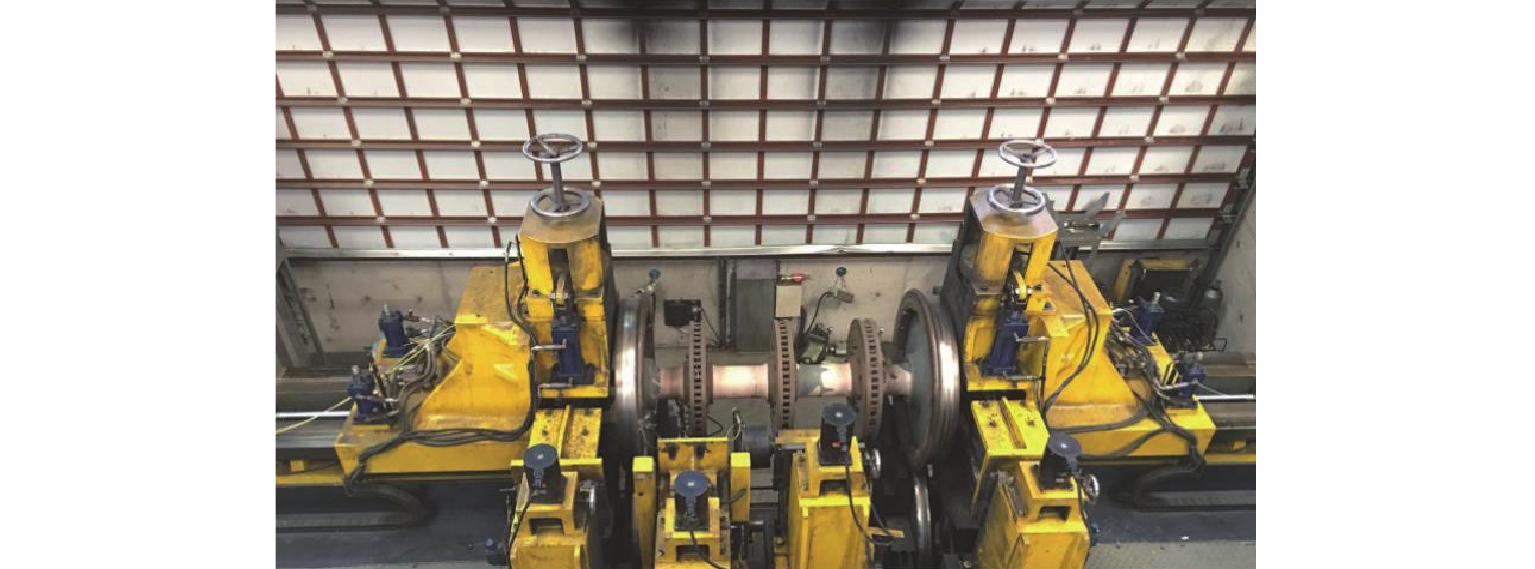
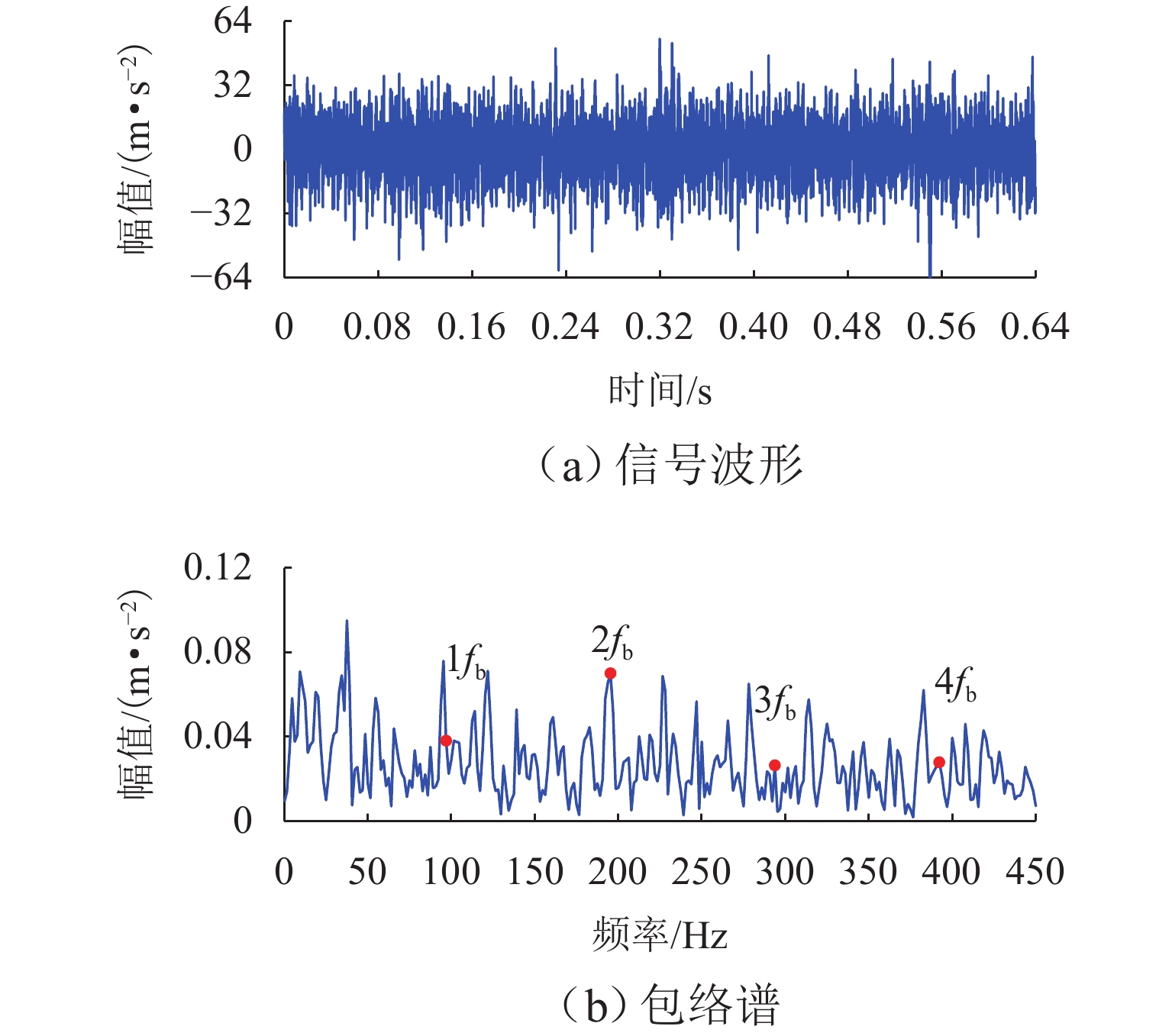
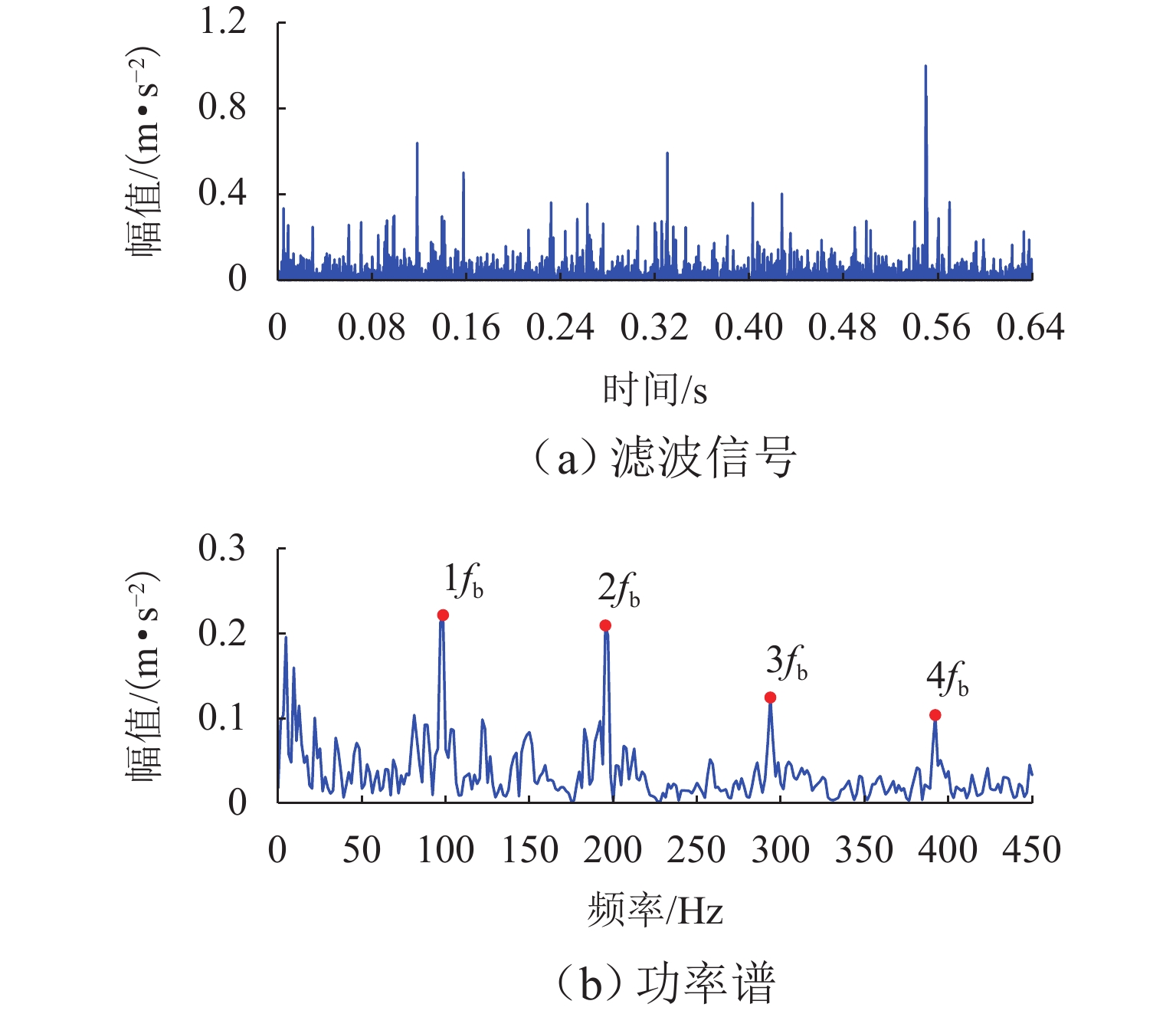
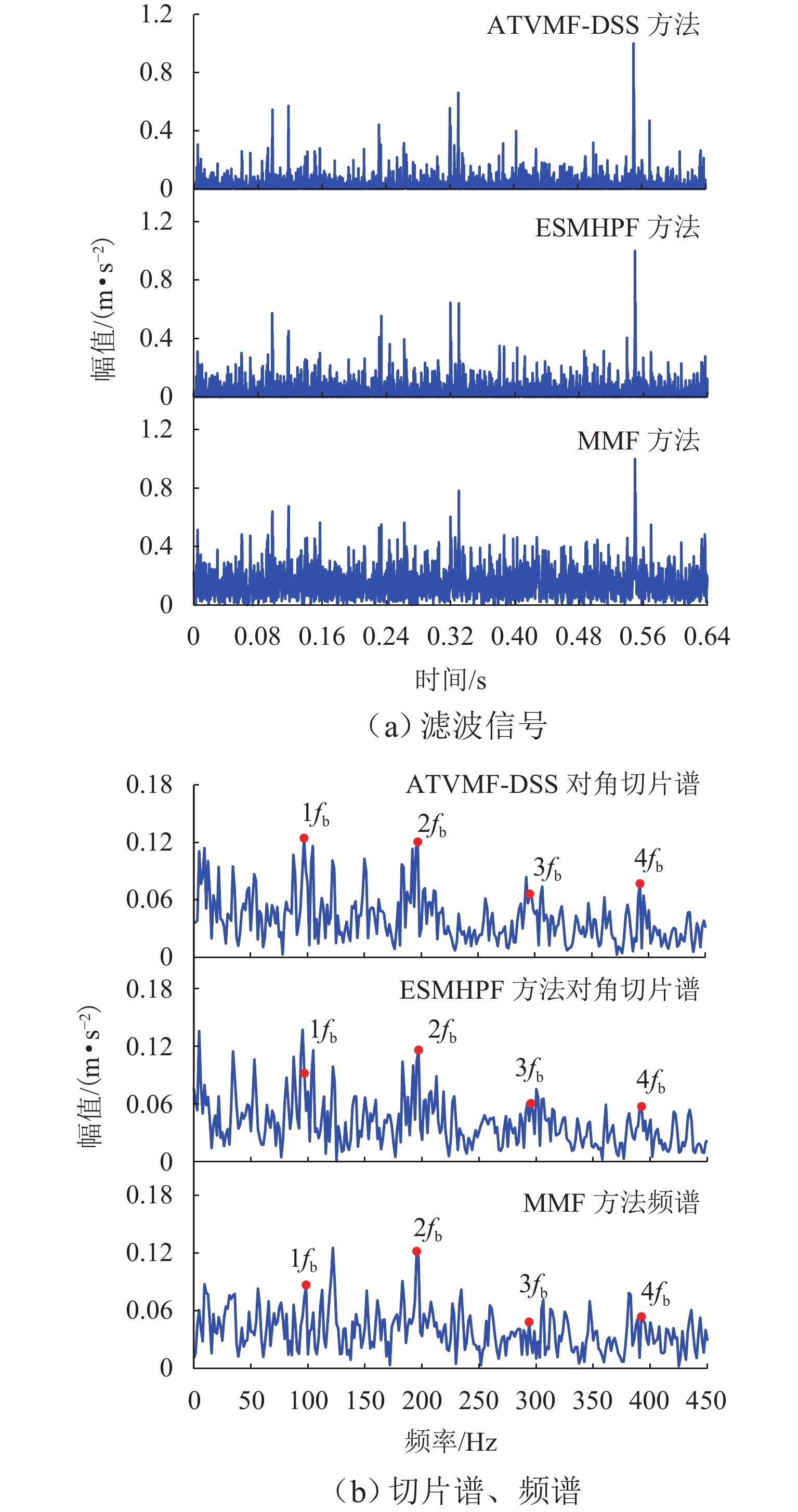
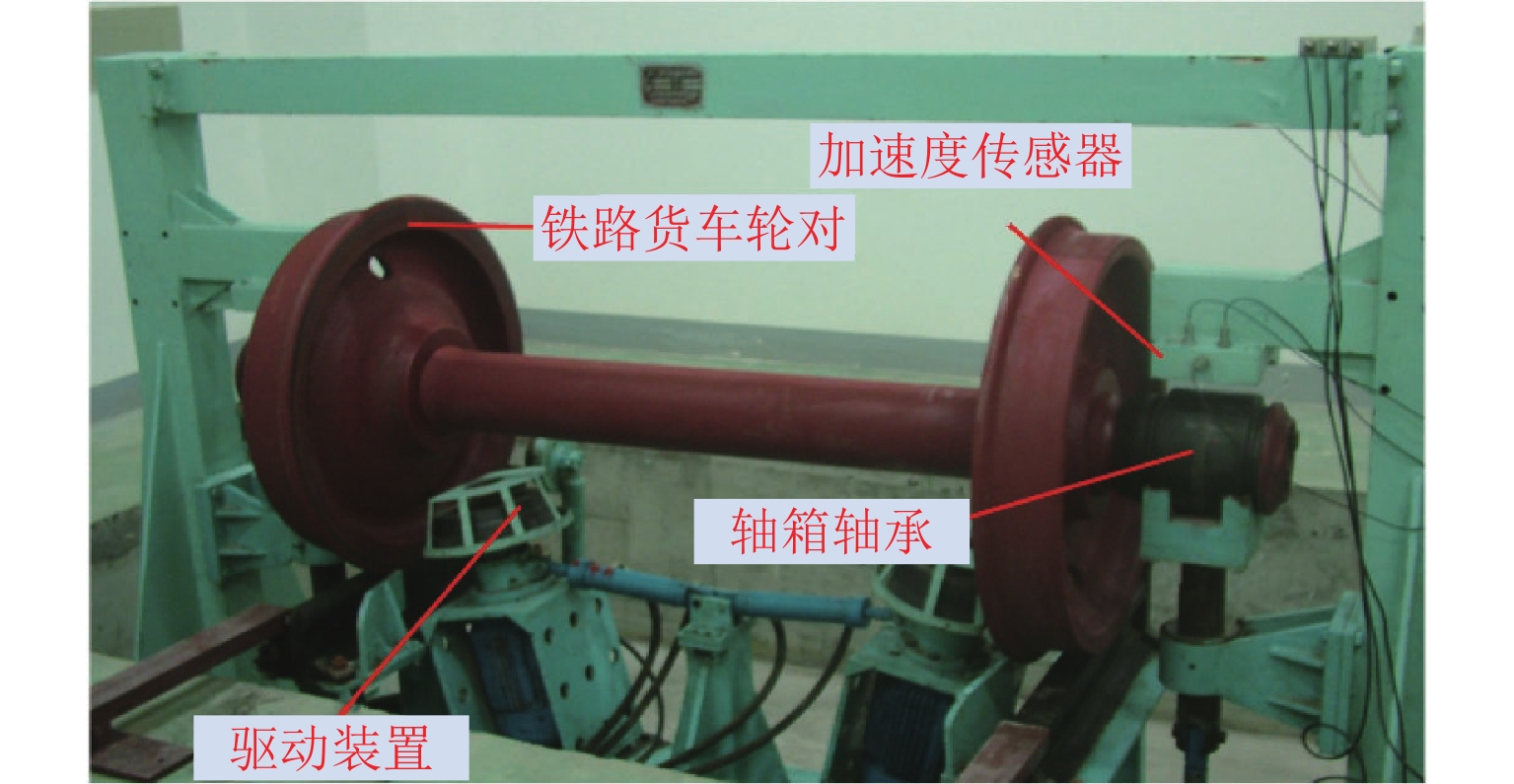
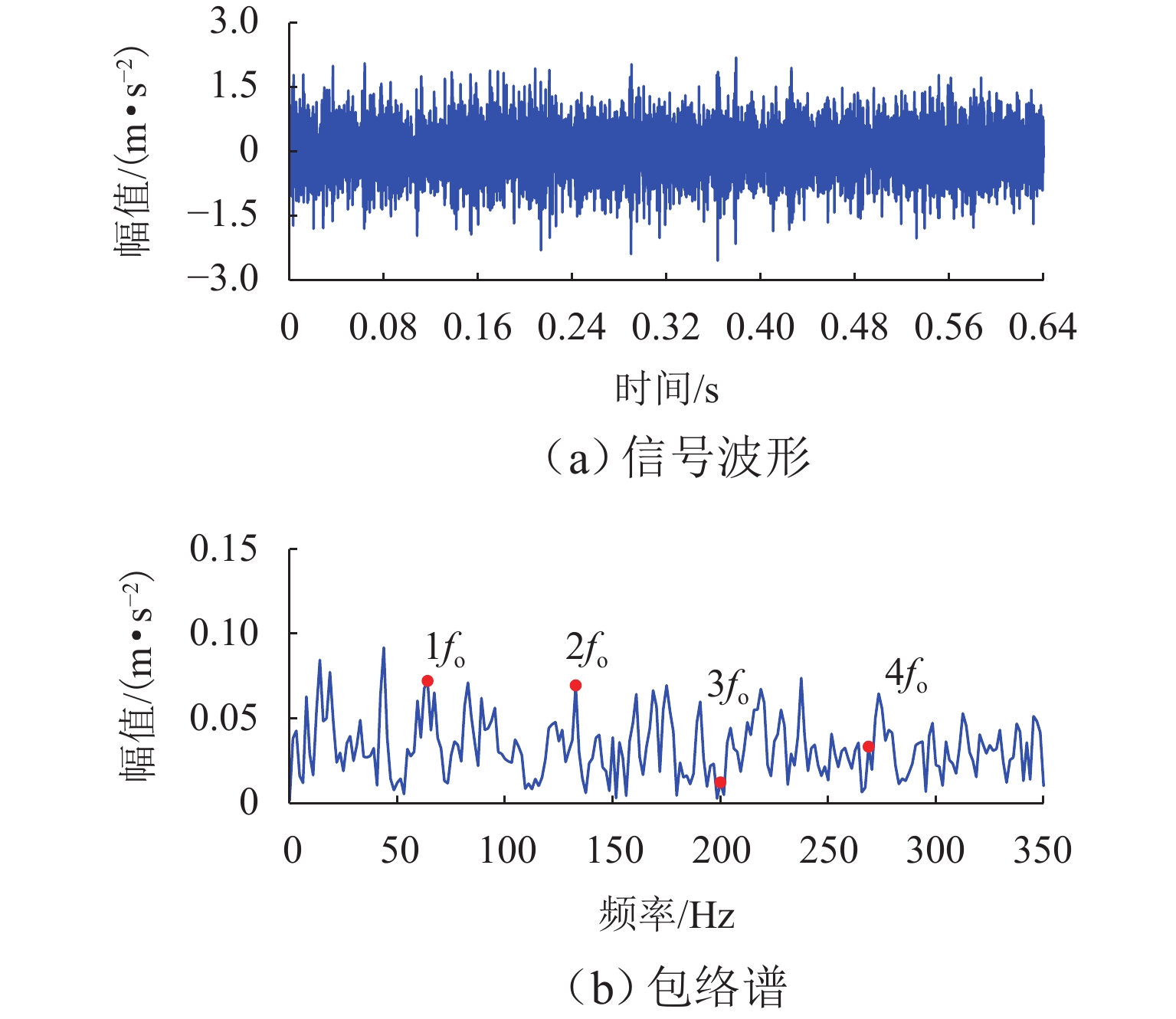
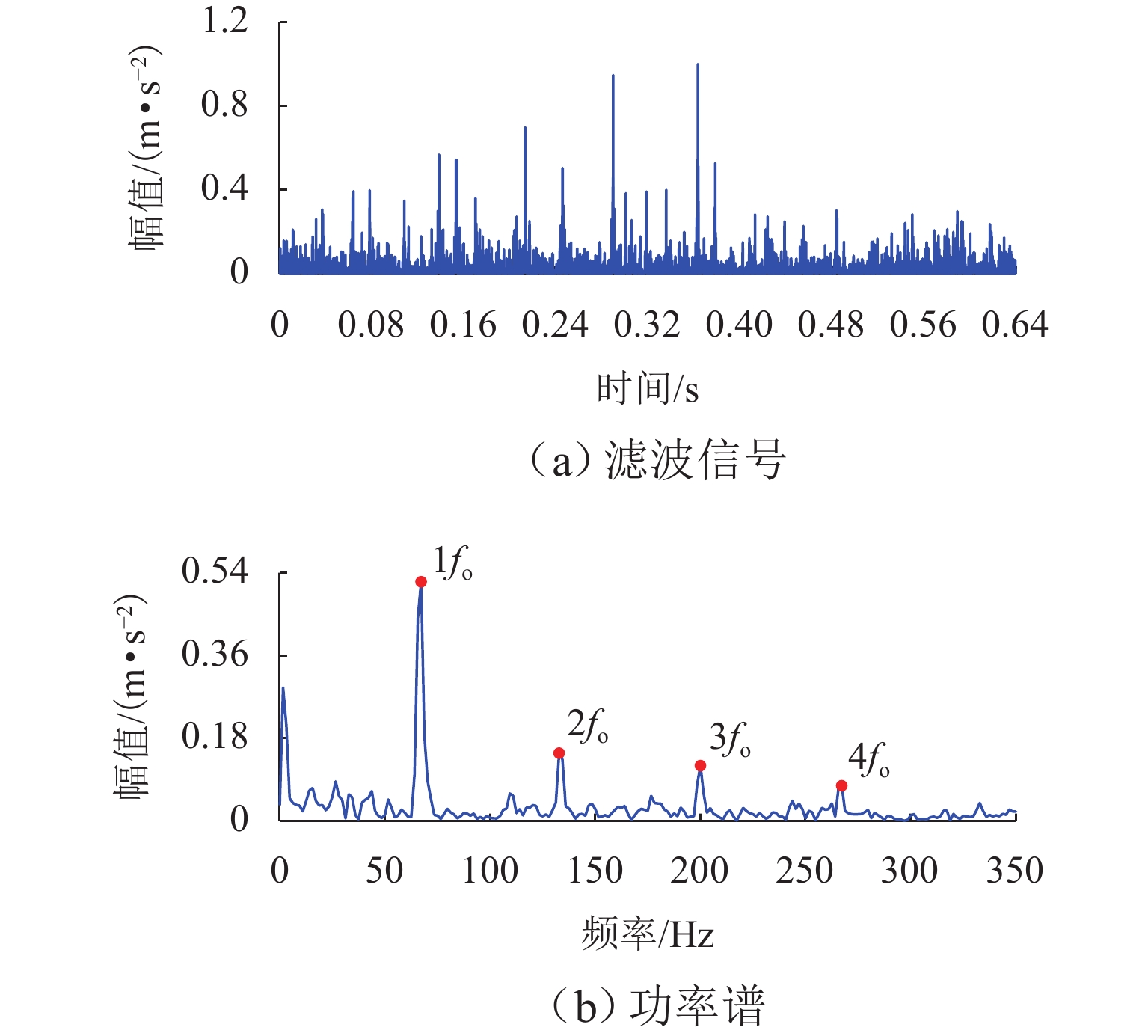
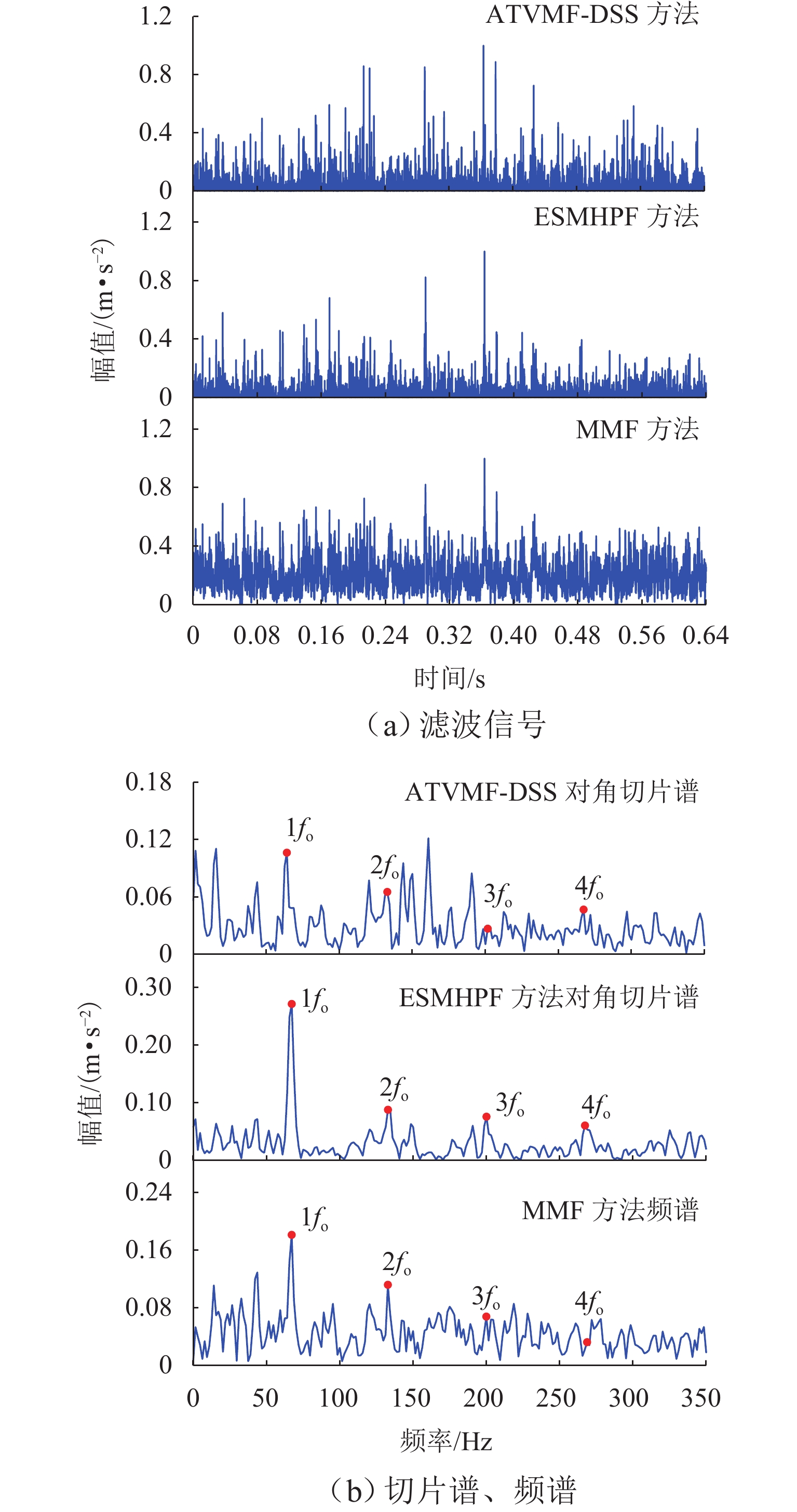
Morphological filtering (MF) is an effective method for bearing fault diagnosis with the capacity of recovering transient impulse features from noisy vibration signals, in which the choice of shape and length of structural element has an important impact on MF performance. To solve this problem, an enhanced time-varying structural element (ETVSE) based on median filtering was proposed to more accurately match and extract periodic transient features hidden in noisy signals. Moreover, the power spectrum (i.e., the frequency spectrum of autocorrelation signal) was applied to the filtered signal to further enhance fault-related components and eliminate broadband noise pollution. Finally, a bearing fault diagnosis method called enhanced time-varying morphological filtering (ETVMF) was developed, which combined the advantages of ETVSE and power spectrum. The analysis results of simulated data and measured data of two railway axle-box bearing test rigs show that, compared with the compared method, ETVMF demonstrates superior fault feature extraction performance and can accurately identify bearing inner race, outer race, and rolling element faults under complex noise interference, while obtaining higher performance quantification index and lower calculation cost.

Adaptive Mesh Refinement and Continuum Surface Force Method for Complex Two-Phase Flows
LUO Shuangshuang, YANG Yiren, SUN Jianwei, CHEN Hao
2026, 61(5): 1592-1600, 1609. doi: 10.3969/j.issn.0258-2724.20240263
Abstract:

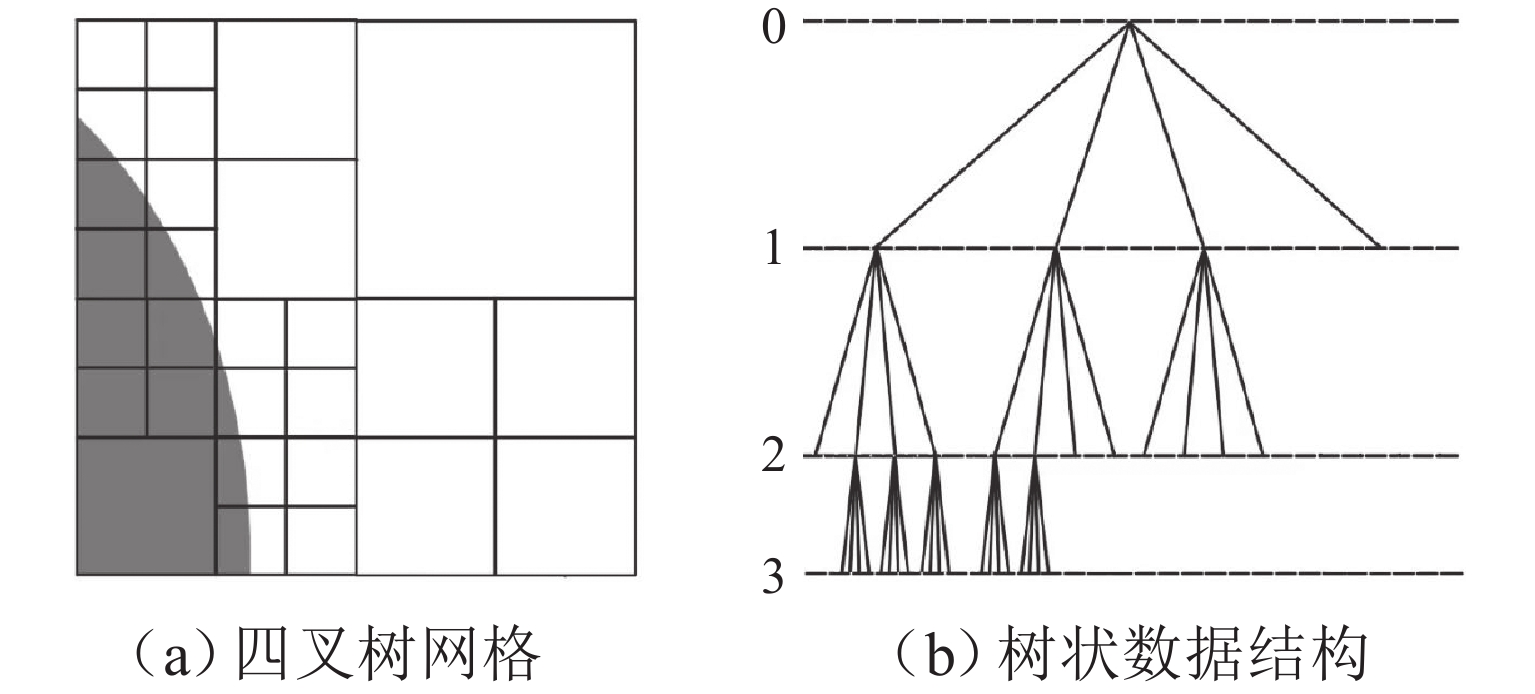
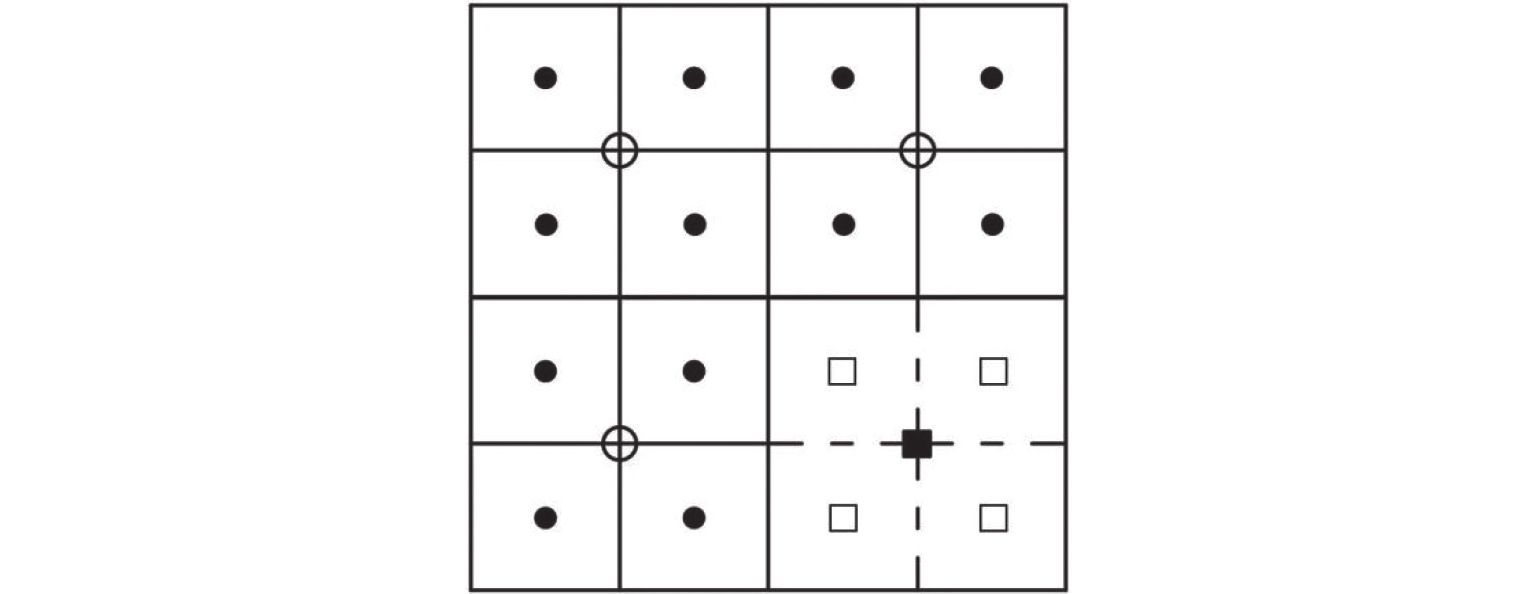
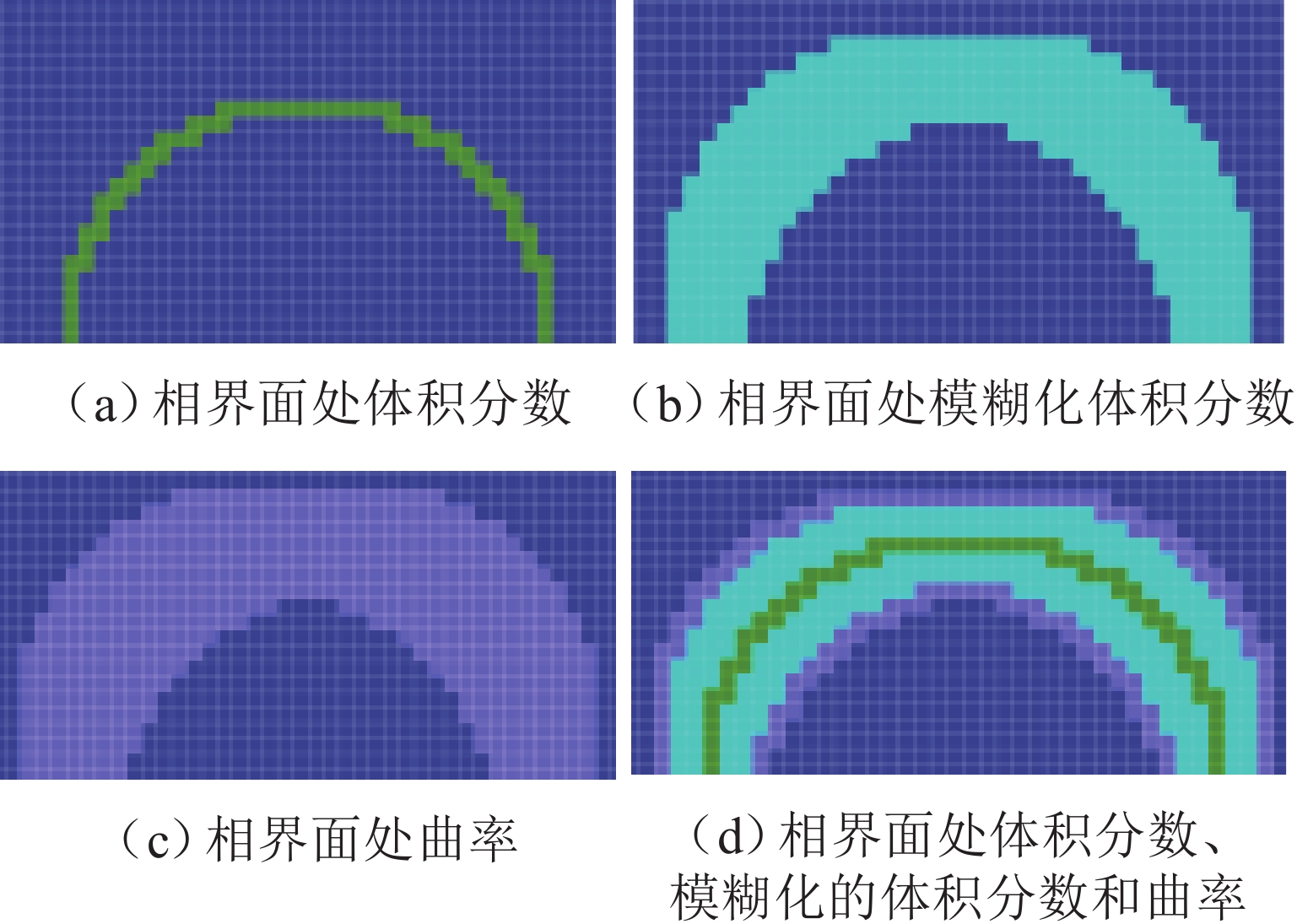
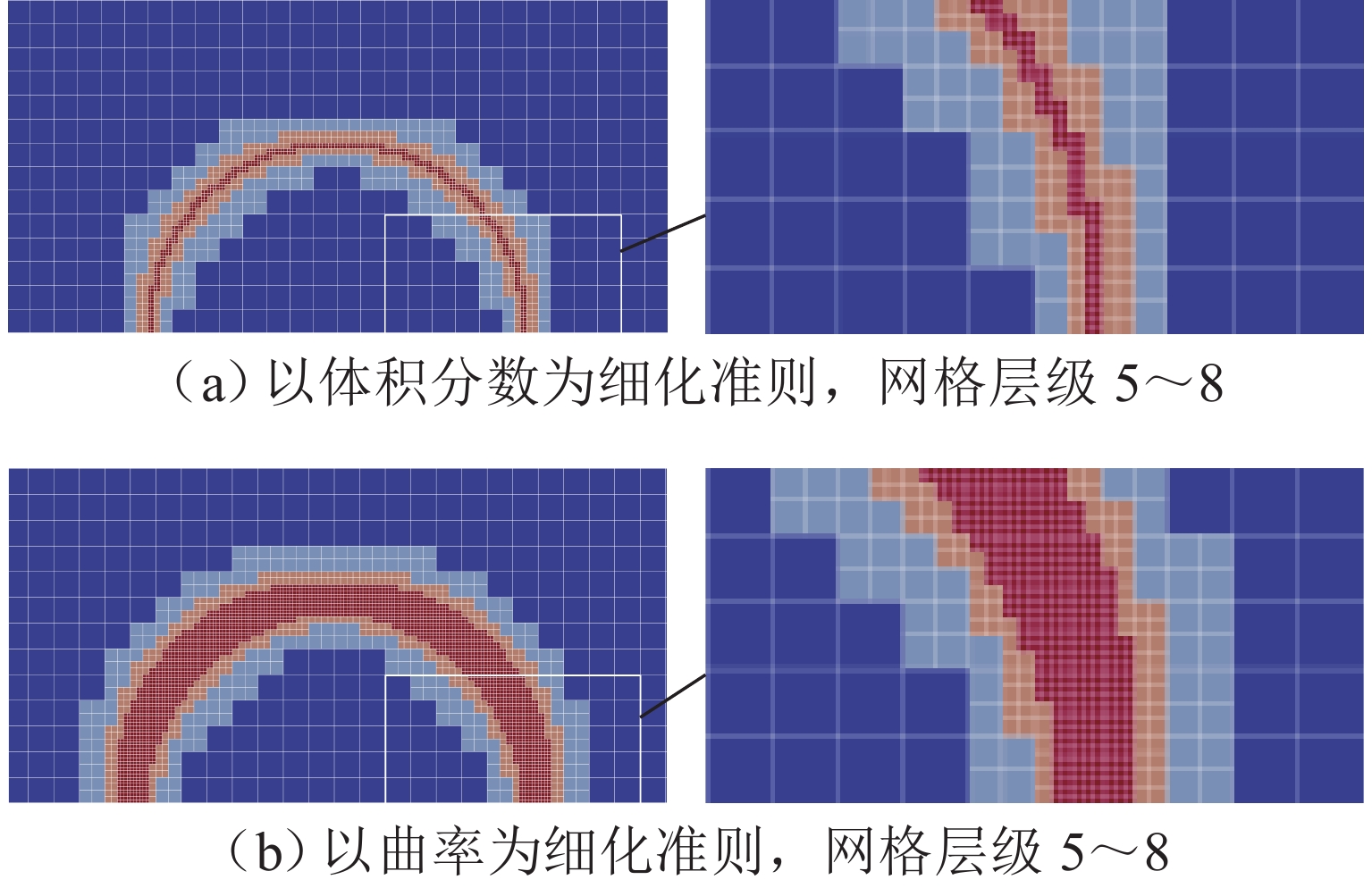
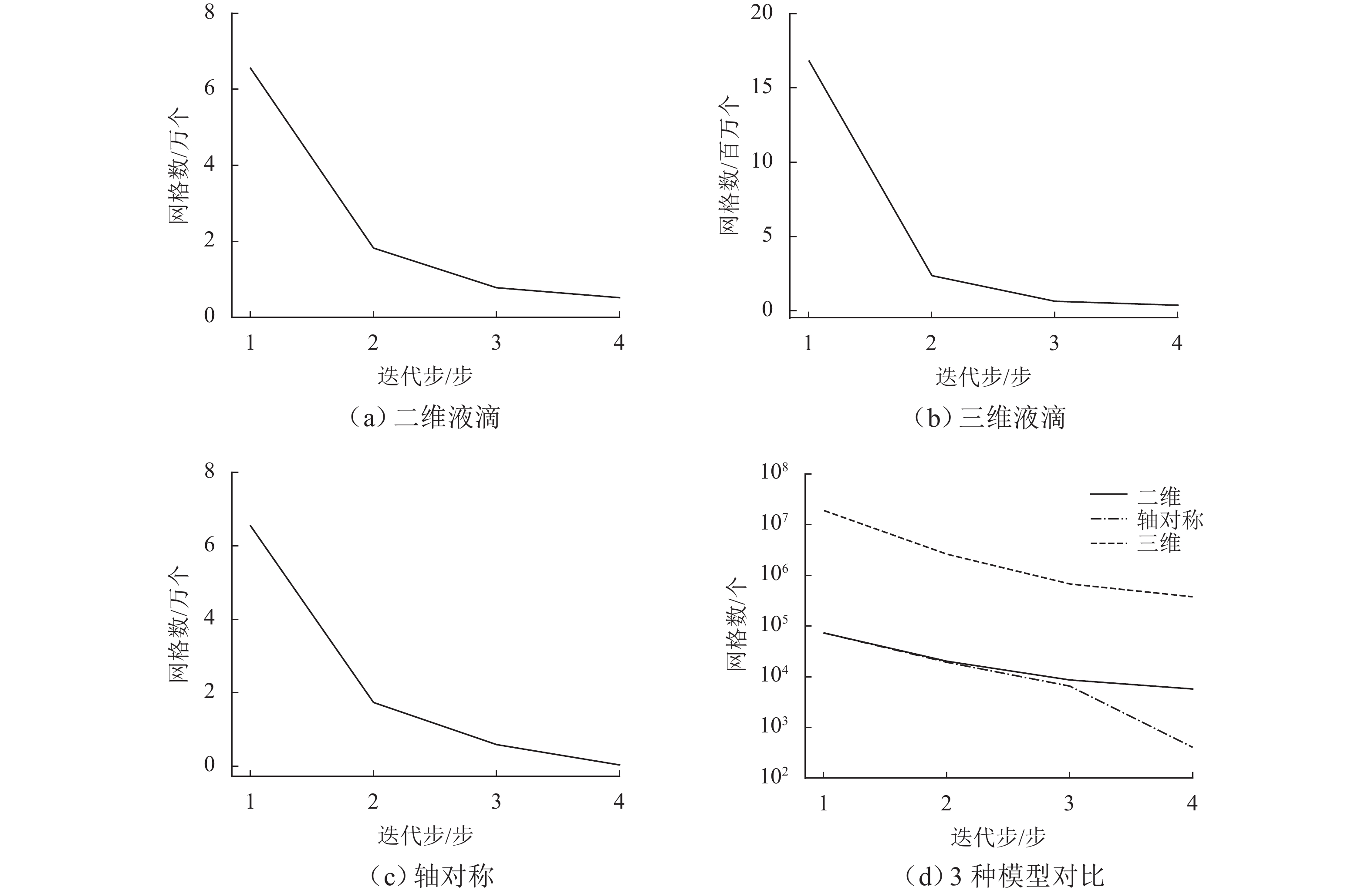
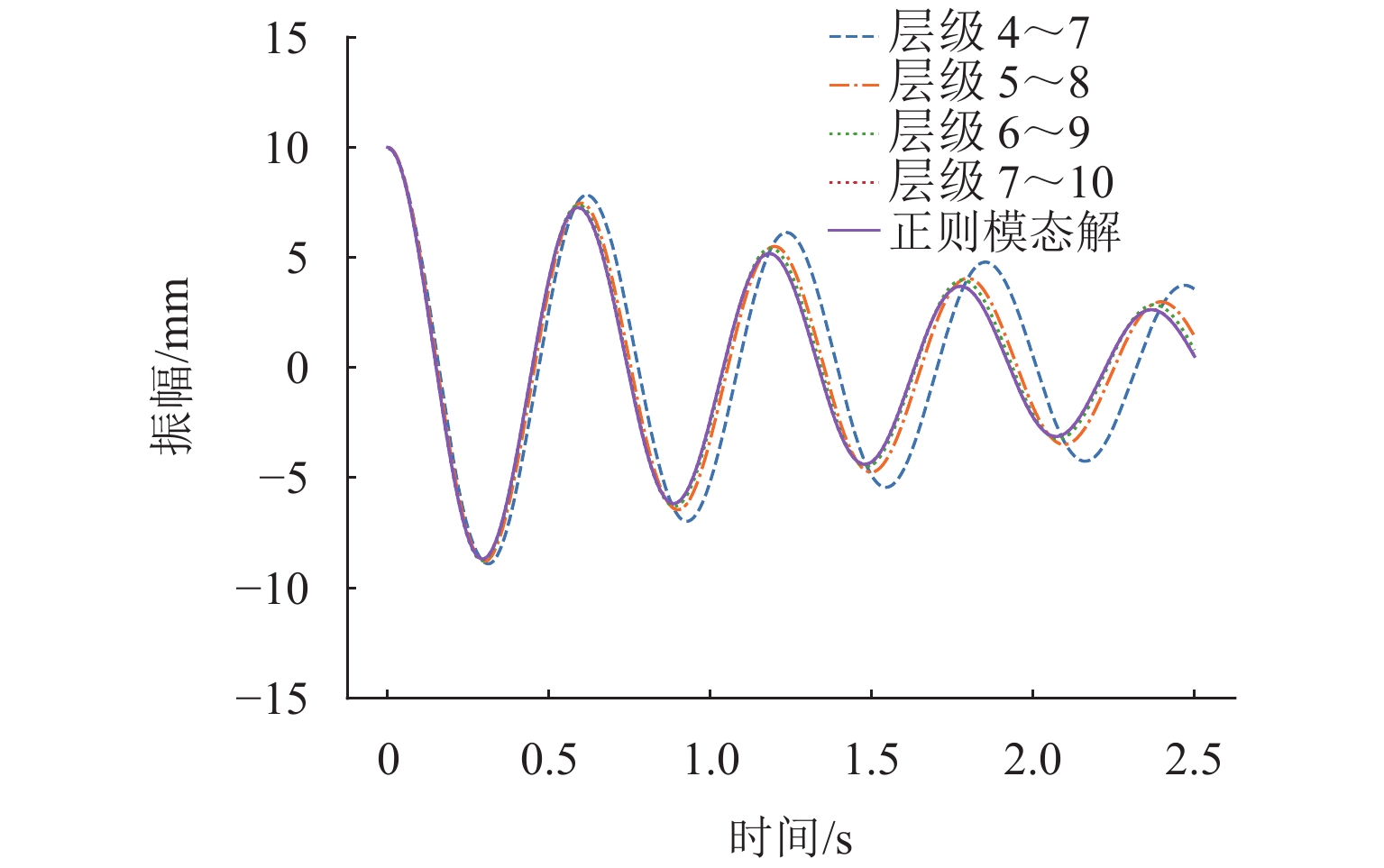
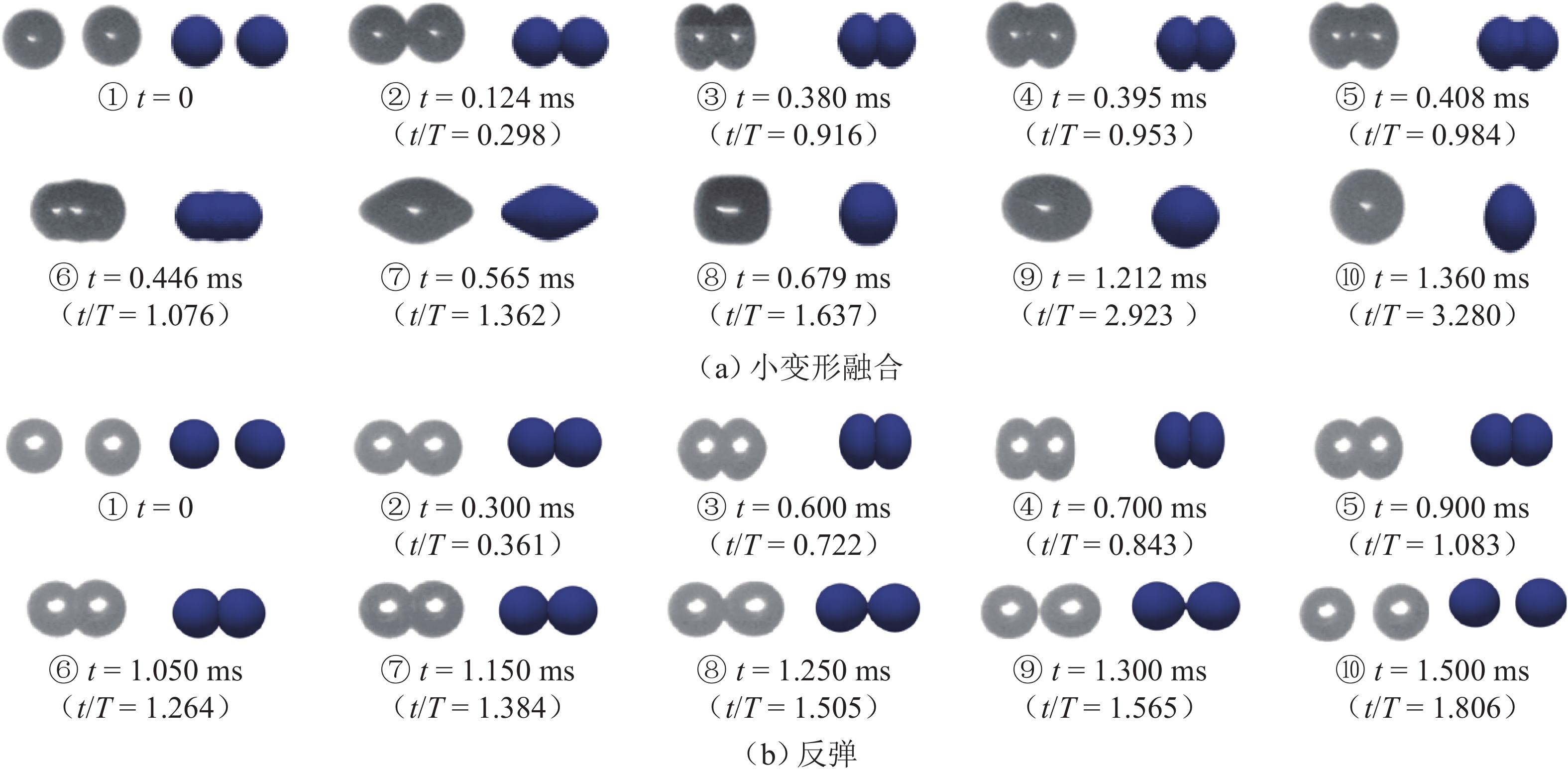
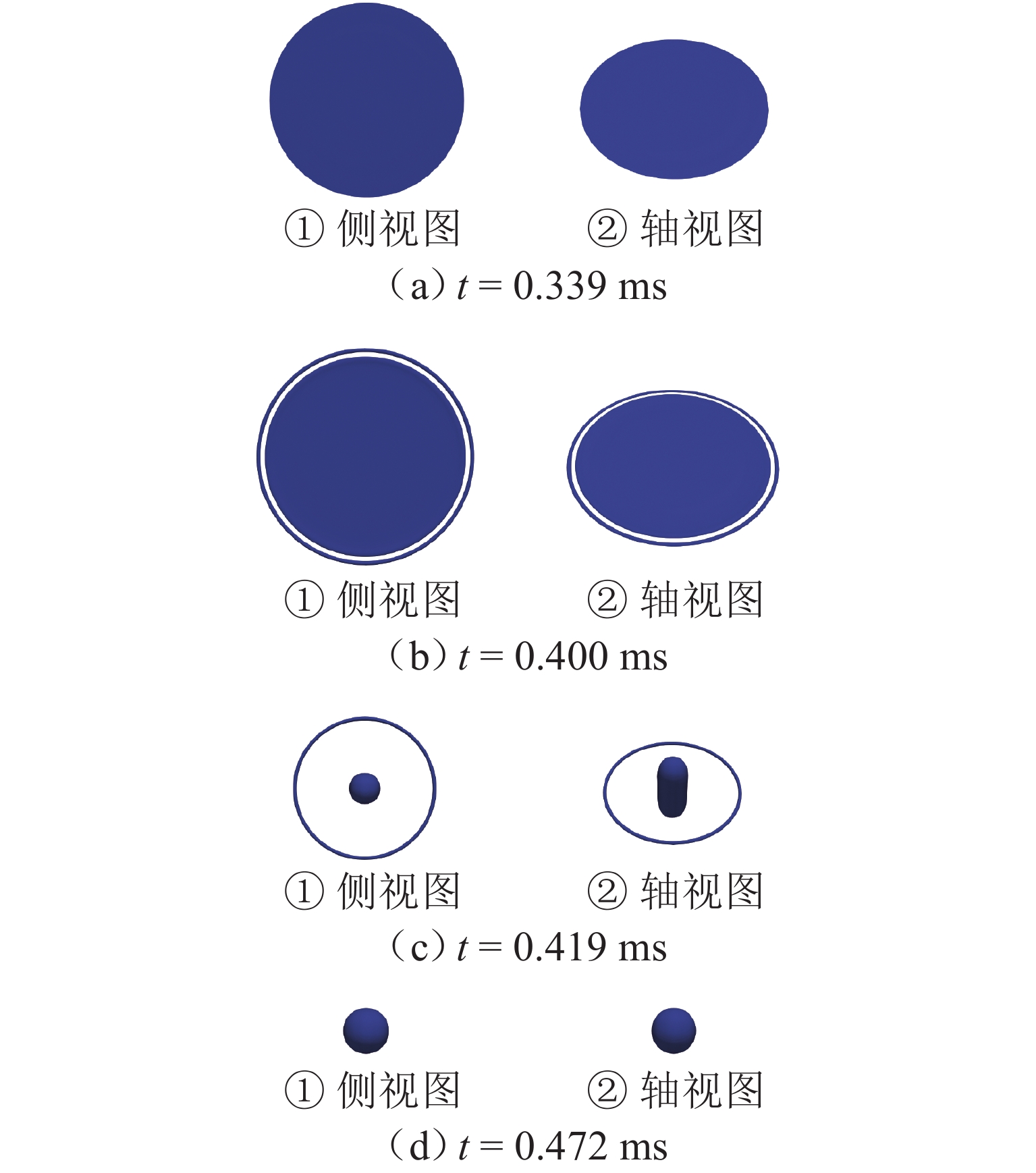
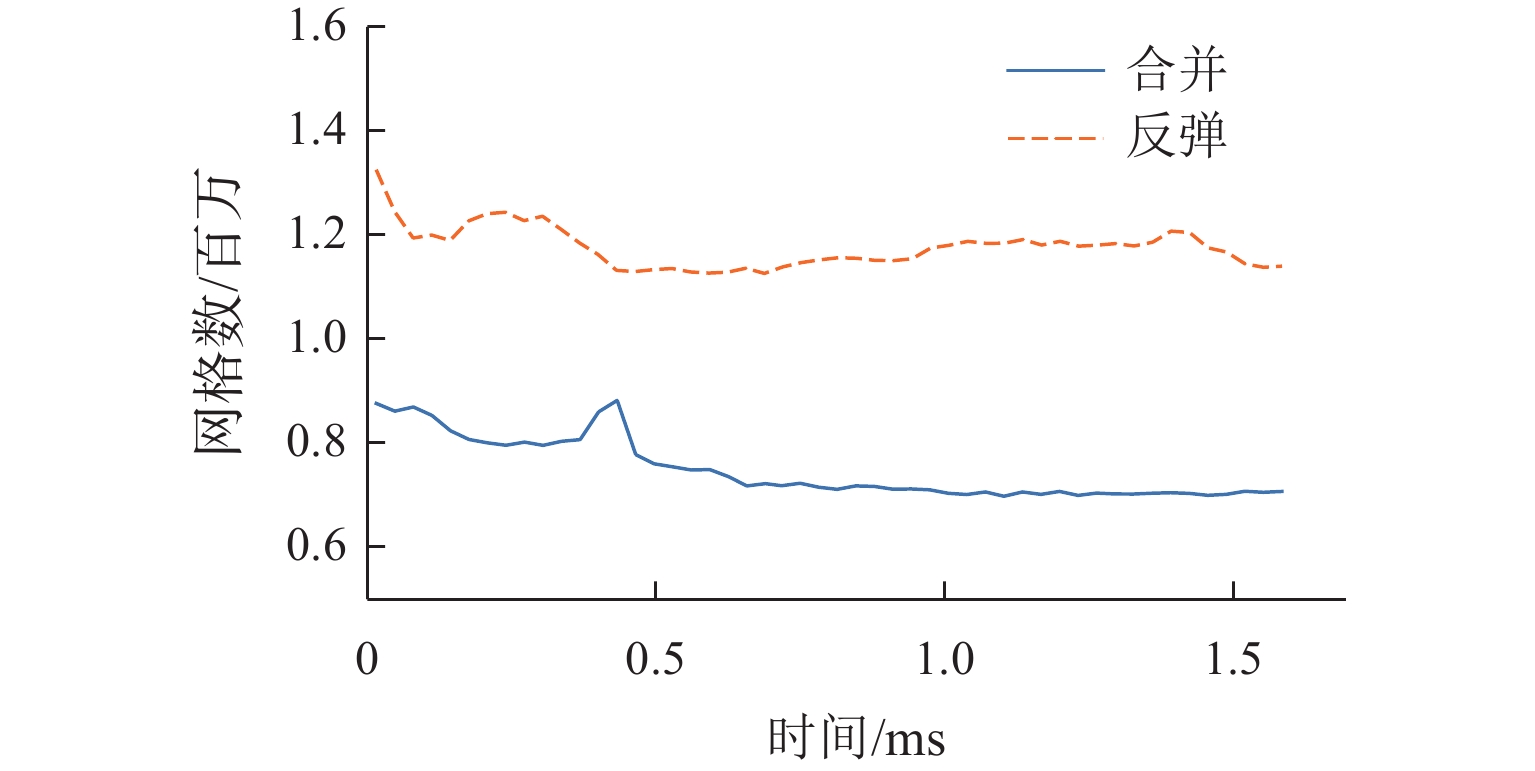
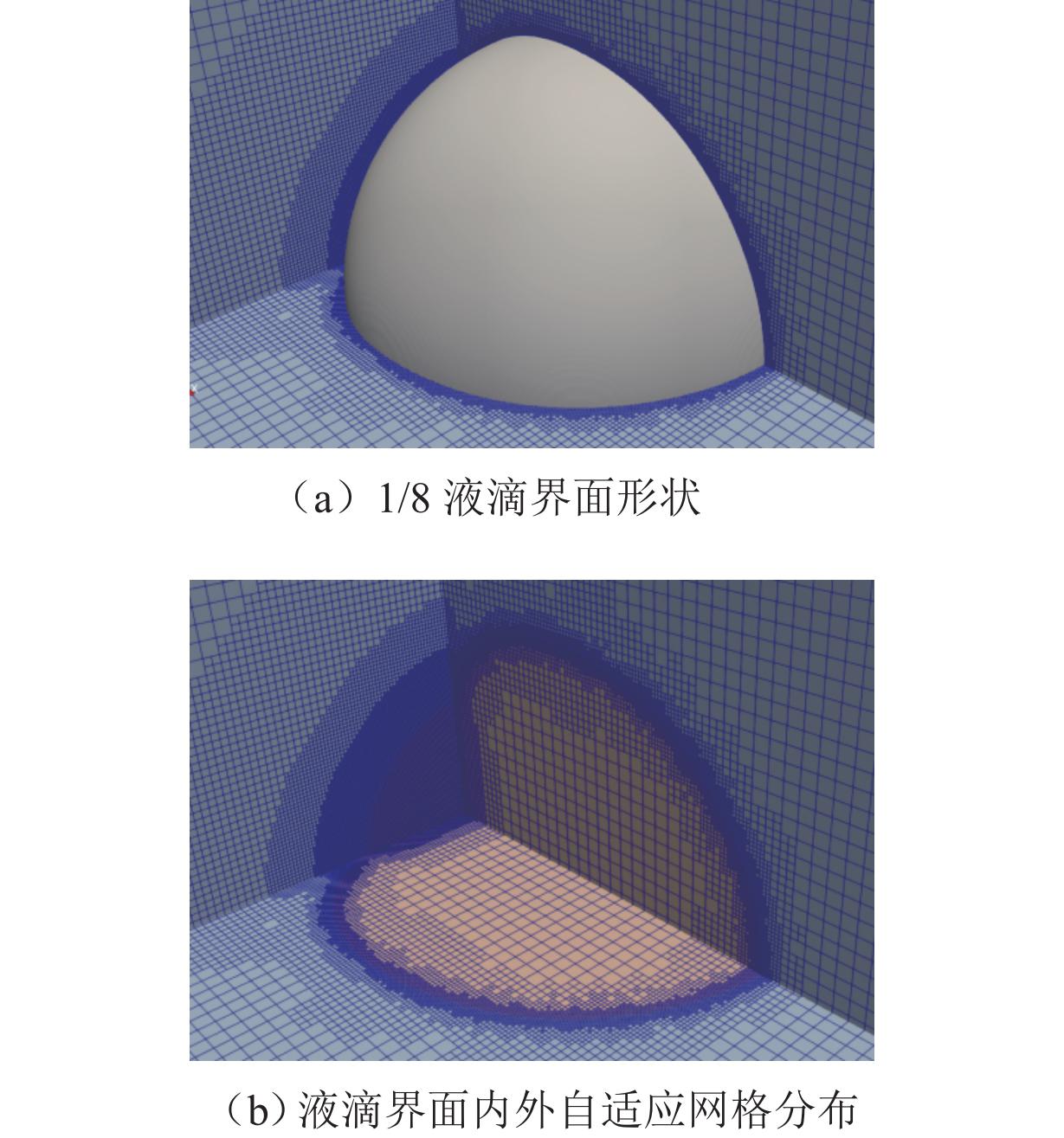
To address two-phase flow problems with complex gas-liquid interface topology variation, a numerical simulation method capable of balancing computational efficiency and interface resolution accuracy was proposed. First, quadtree/octree Cartesian meshes with tree data structures were employed for spatial discretization. Adaptive mesh refinement was developed by leveraging the mesh’s hierarchical structures. Second, the continuum surface force (CSF) model was implemented within the adaptive mesh framework. By applying double convolution blurring to the volume fraction, the surface tension was smoothly distributed to the interface neighborhood, and the piecewise linear interface reconstruction technique was utilized to track the gas-liquid interface accurately. Subsequently, a mesh refinement criterion was established, and both the discrete error based on wavelet analysis of flow field velocity and the interface curvature distribution were considered, thereby achieving dynamic refinement in regions with sharp flow field variations and phase boundaries. Finally, the accuracy and reliability of the algorithm were validated through numerical examples of classic gas-liquid two-phase flow. The results show that in the verification of the Laplace law of surface tension, when the interface curvature is adopted as the refinement criterion, the computational error of internal and external pressure difference is only about 3.0%, which is significantly superior to the error range from 7.5% to 24% when using the volume fraction as the criterion, and its accuracy is consistent with that of uniform fine meshes. The proposed method can reduce the computational time consumption by approximately one order of magnitude compared with uniform fine meshes. In the numerical examples of surface tension waves, the root mean square error between the numerical solution and the theoretical solutions of regular modal can be reduced to the order of 1×10⁻⁵. In the simulation of a head-on collision between binary droplets, the experimentally observed dumbbell-shaped and diamond-shaped deformation sequences are reproduced, and the complex interface topology evolution details such as gas film rupture and the formation of tiny bubbles are captured.

A Simple Generalized Method for Unified Constitutive Model of Clay and Sand
CUI Kai, WANG Xiaowen, JIA Zhengpeng, WU Bohan, YUAN Ran
2026, 61(5): 1601-1609. doi: 10.3969/j.issn.0258-2724.20240135
Abstract:

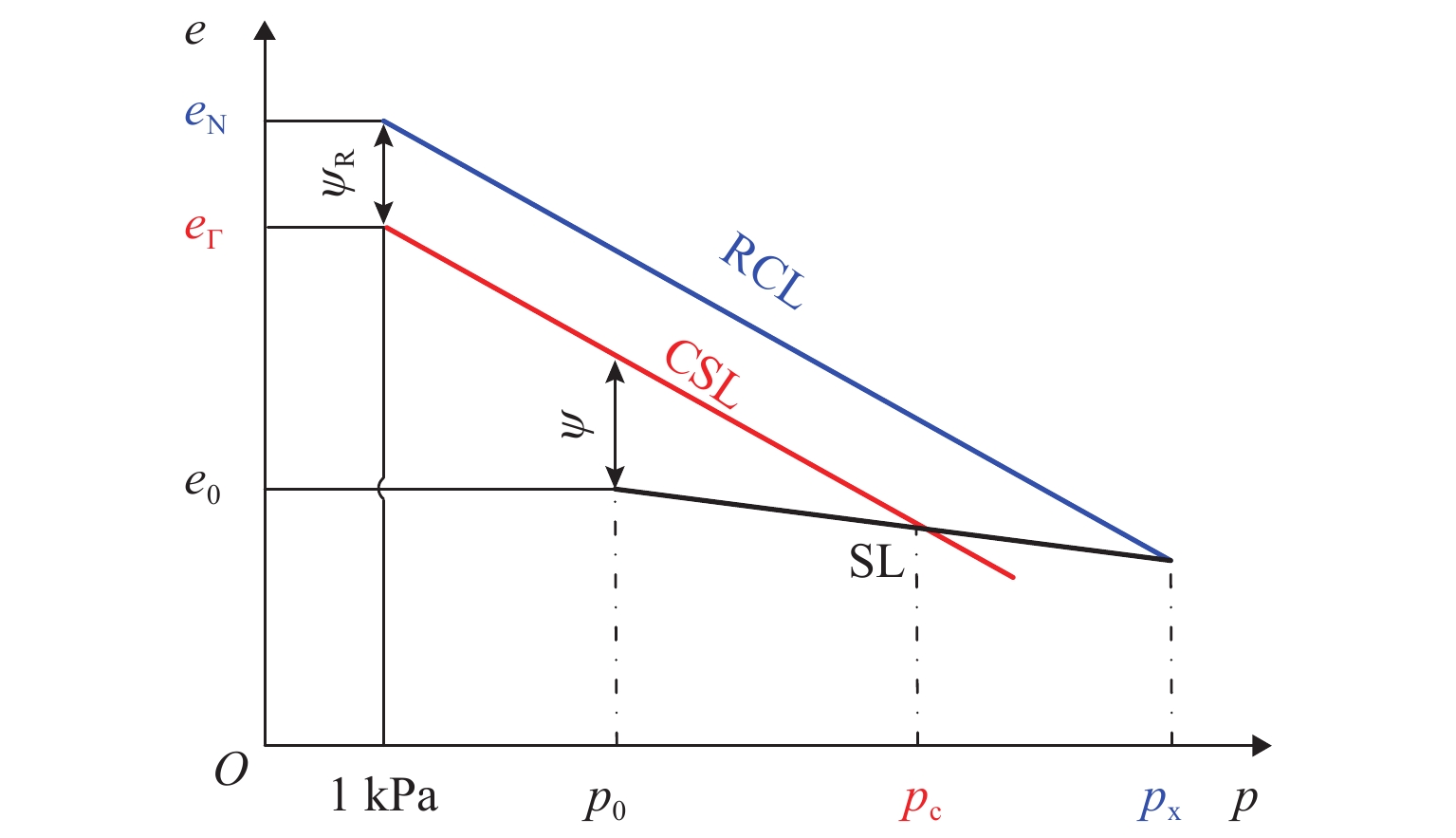
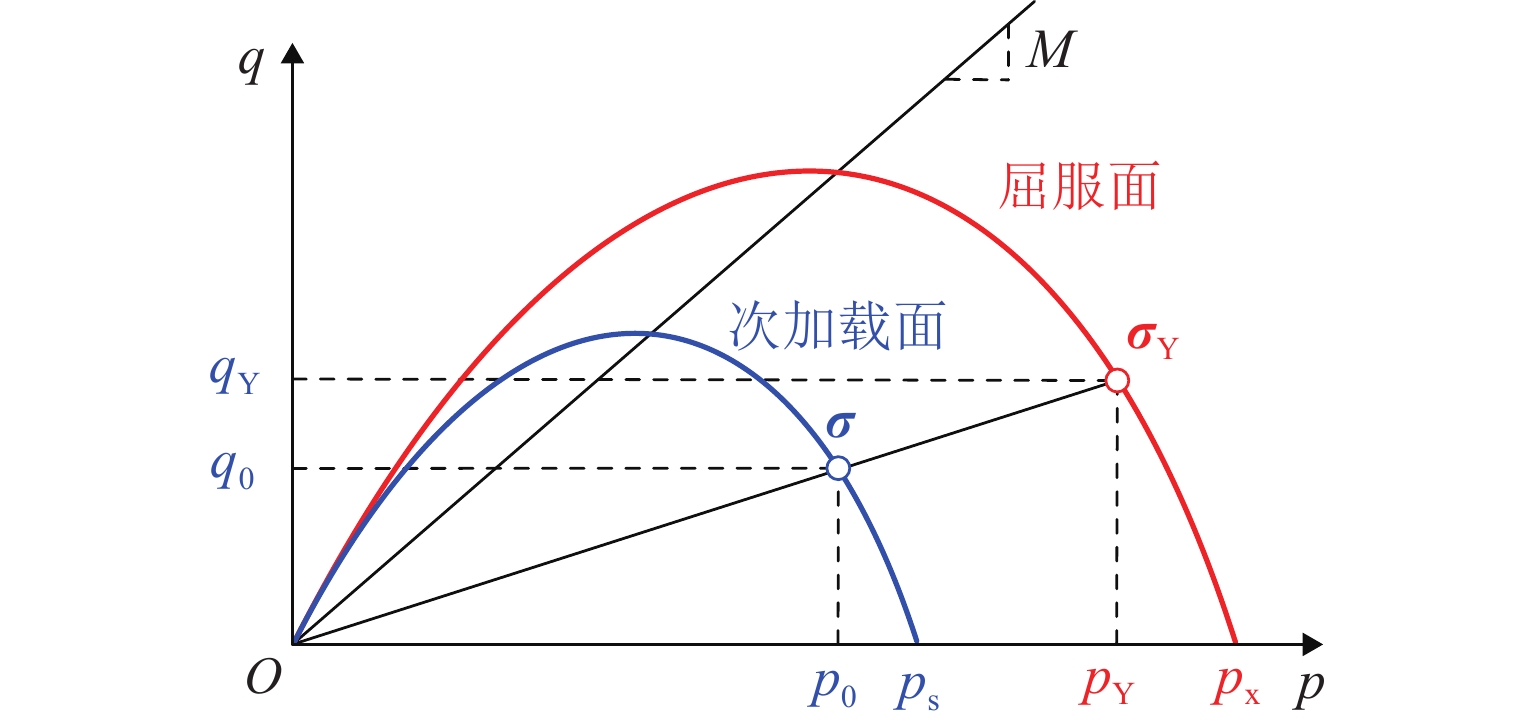
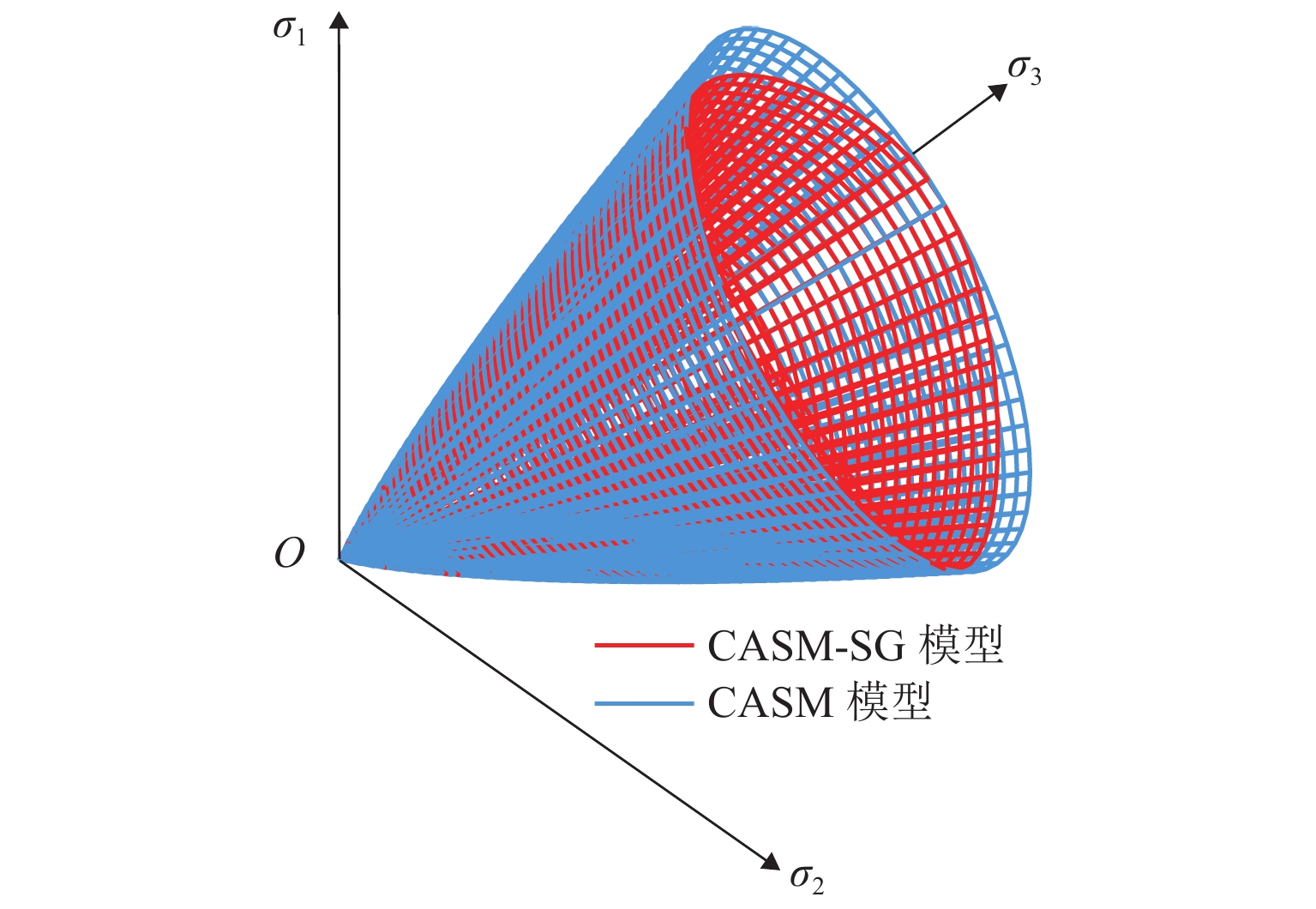
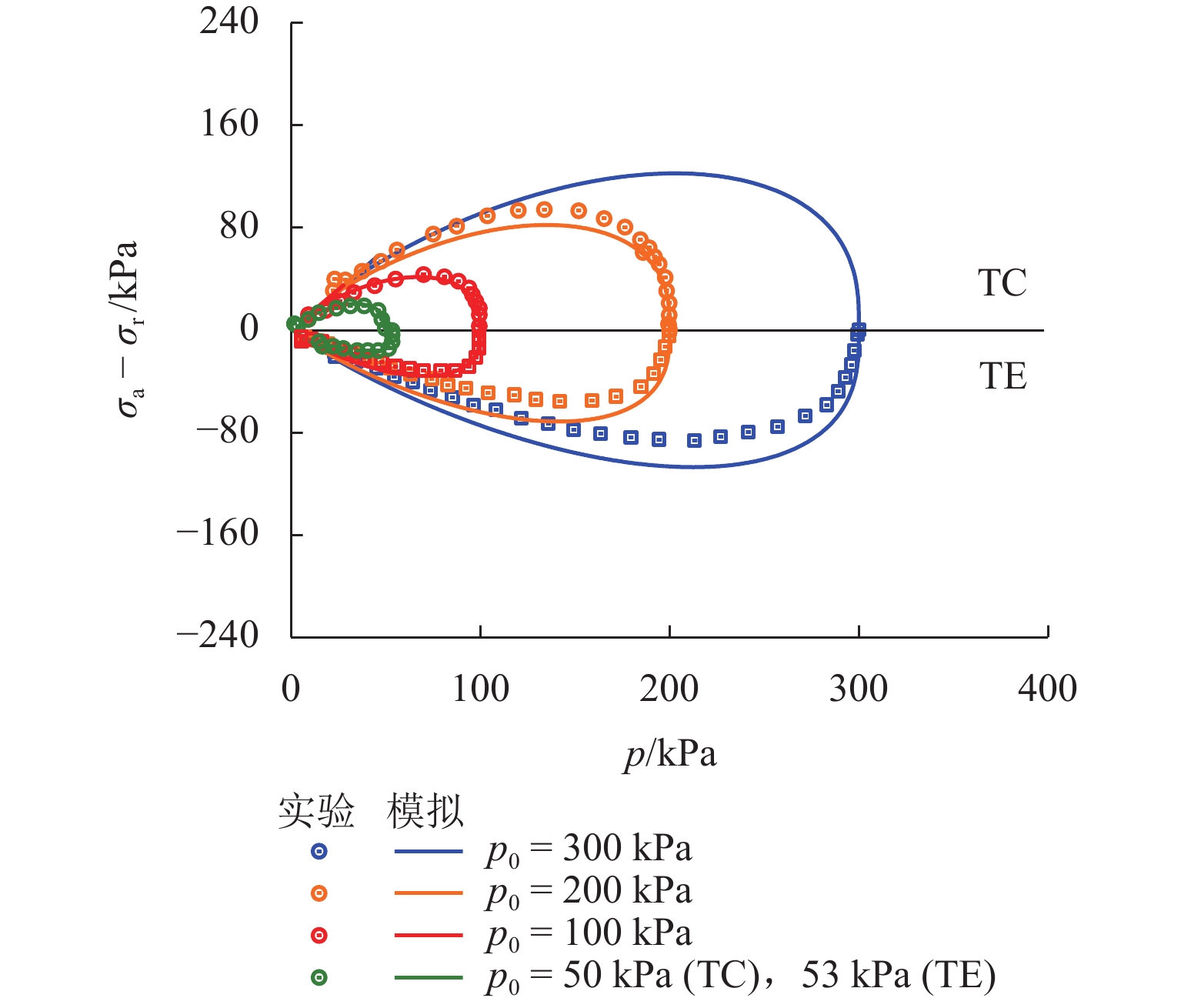
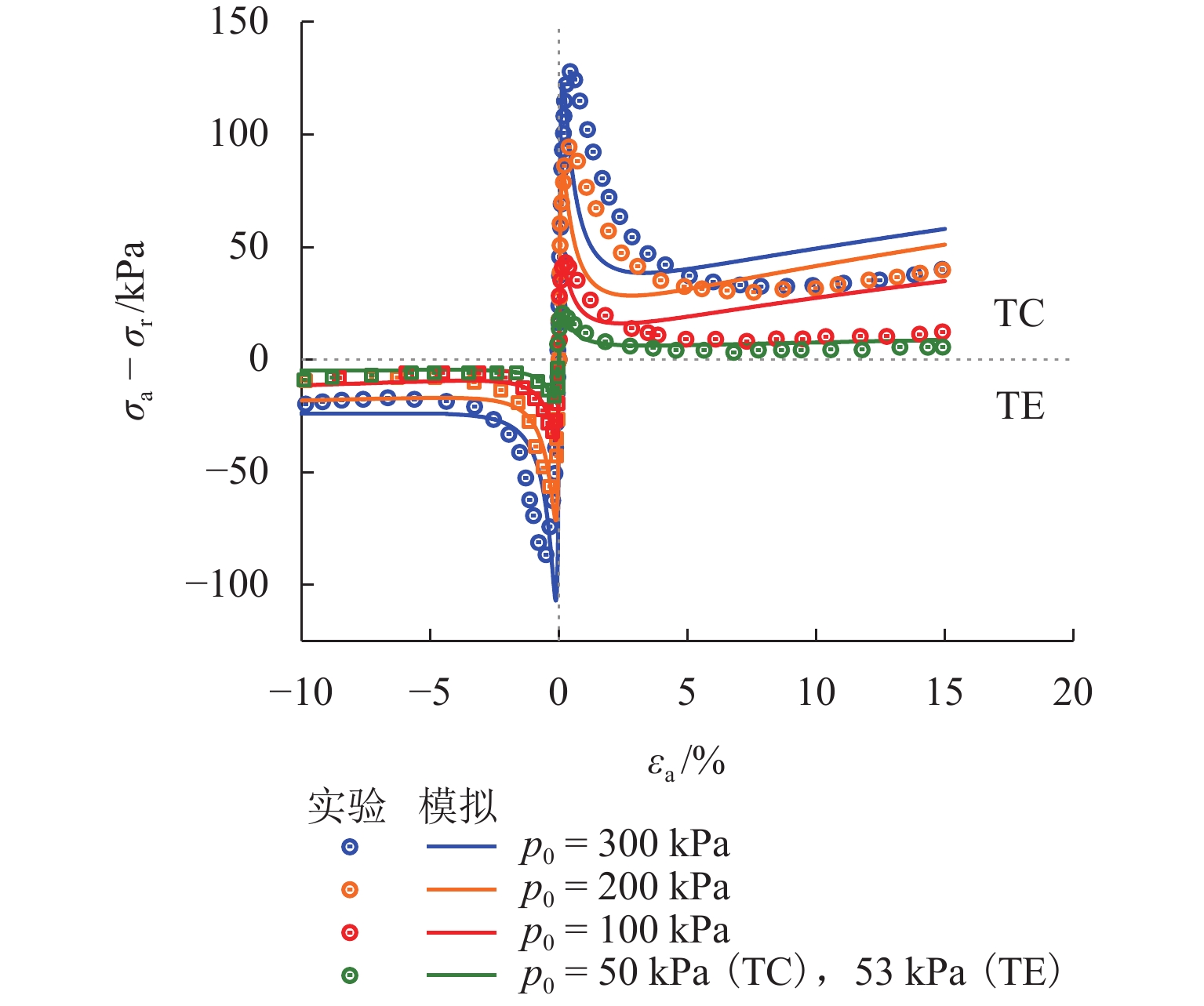
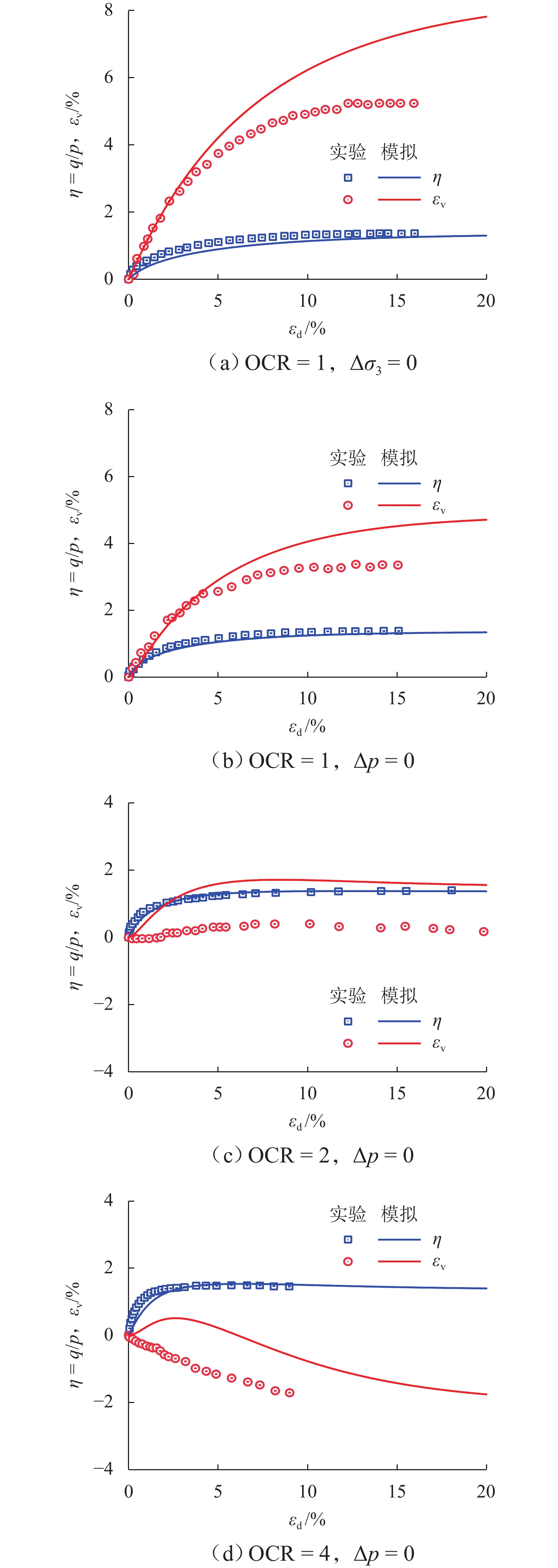
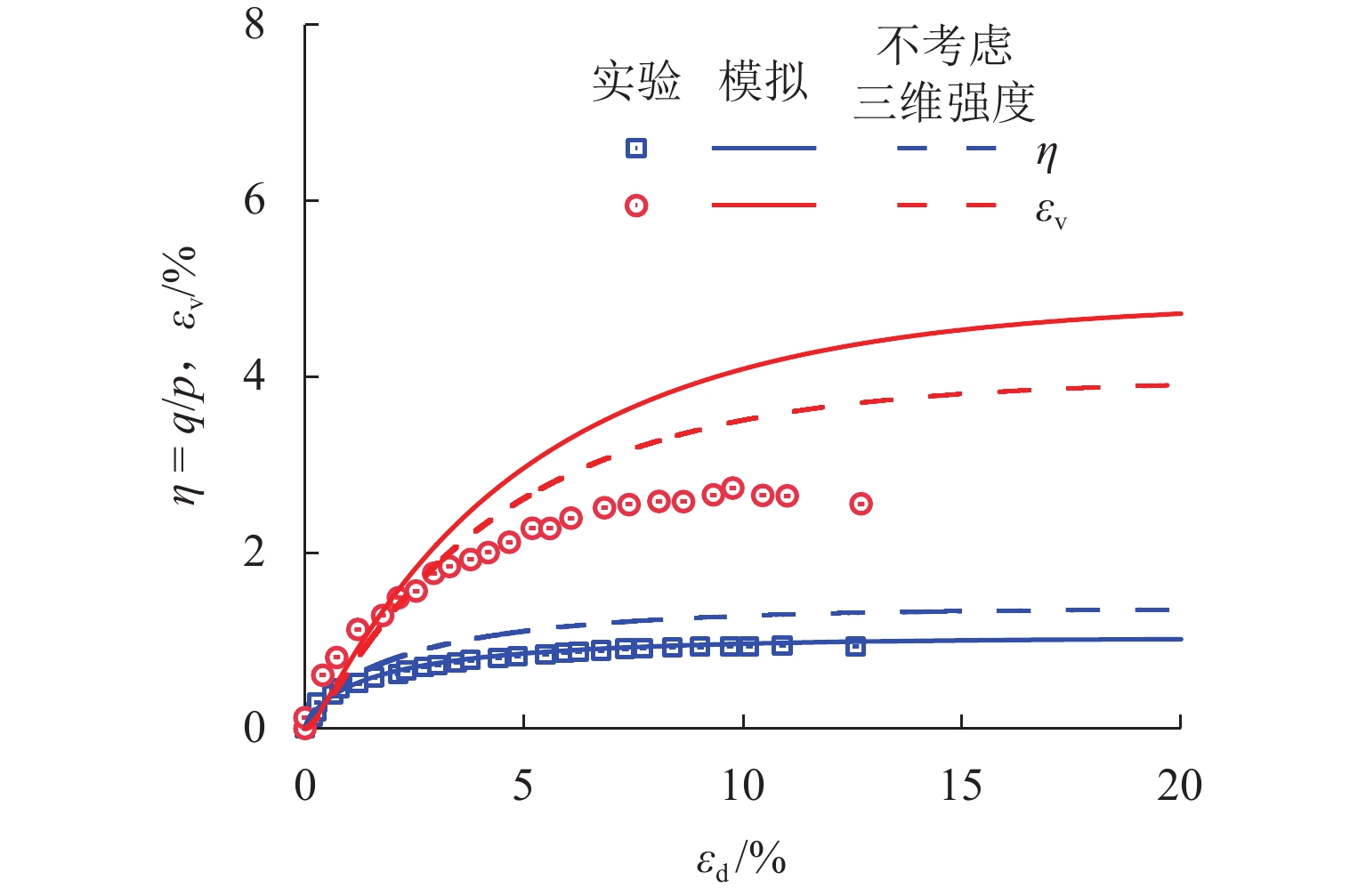
To consistently describe the mechanical response of sand and clay under generalized stress paths, a unified critical state constitutive model (CASM-SG) applicable to generalized loading conditions was proposed based on the unified constitutive clay and sand model (CASM) with state parameters and by employing the subloading surface theory and the transformed stress method. In the model based on the original CASM model, a plastic internal variable associated with the initial state of the soil was established by using the concept of subloading surface, and the original two-dimensional yield surface determined from triaxial compression tests was transformed into the three-dimensional stress space through the transformed stress method. A complete constitutive framework was constructed for the CASM-SG model under generalized stress conditions, including the stress dilatancy relationship and the hardening rule. Explicit expressions for the plastic modulus and the elastoplastic stiffness matrix were derived based on the consistency condition. Finally, the proposed model was employed to simulate the mechanical behavior of Hostun sand and Fujinomori clay under drained and undrained triaxial compression and extension conditions. The simulation results indicate that the CASM-SG model can accurately capture the mechanical behavior of both sand and clay under various stress paths. For Fujinomori clay, the triaxial extension strength decreases by approximately 24% compared with the triaxial compression strength, and the CASM-SG model captures this characteristic. Compared to the original CASM model, the CASM-SG model introduces two additional material parameters with clear physical interpretations, demonstrating a favorable balance between modeling accuracy and simplicity.

Experimental Study on Pullout Characteristic of Precast Pile Grouted Enlarged Toe
WANG Kuihua, QIU Shangyin, FENG Yinwei, GENG Shaohan, WU Juntao, LIN Huwen
2026, 61(5): 1610-1619. doi: 10.3969/j.issn.0258-2724.20240299
Abstract:

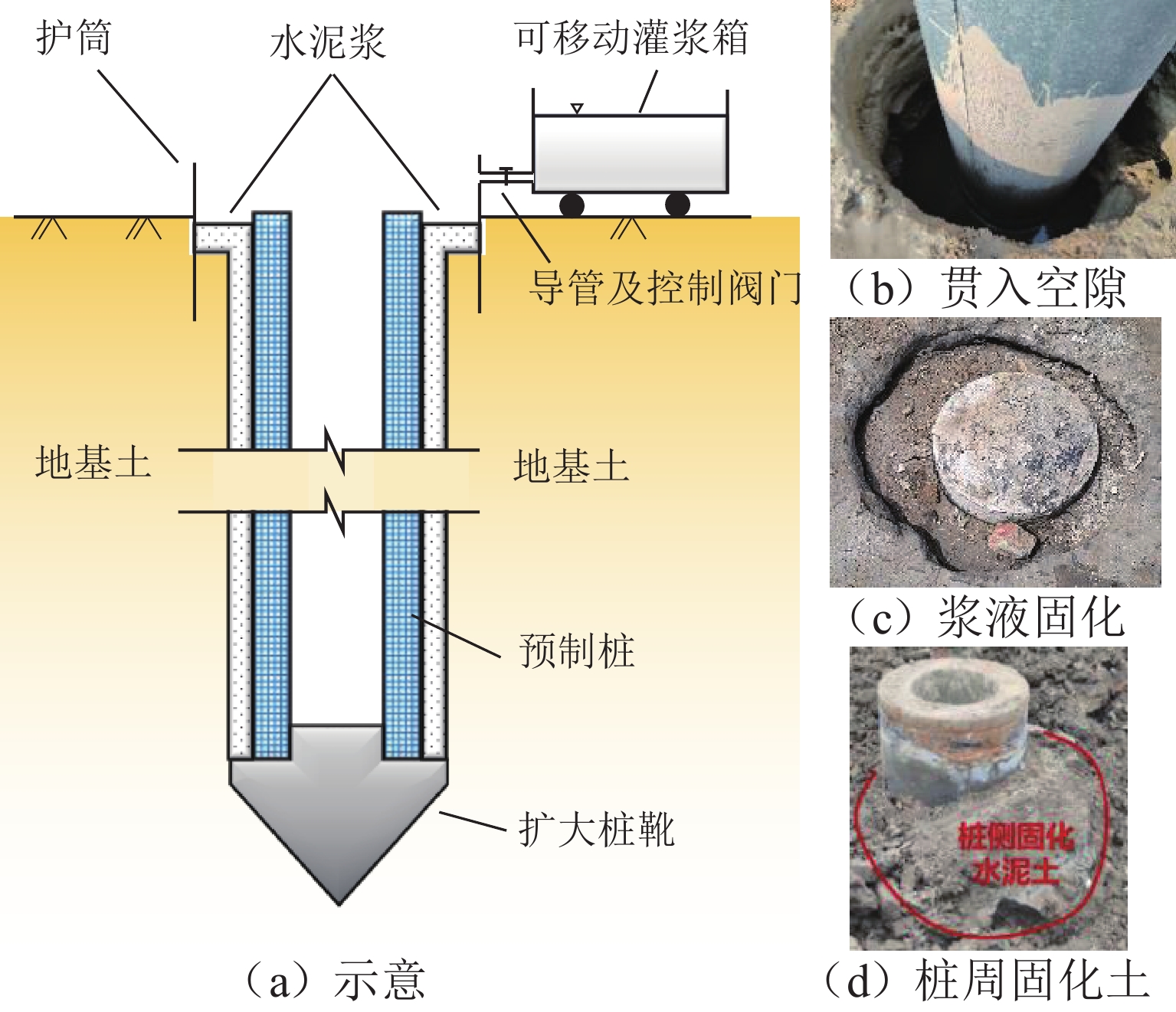
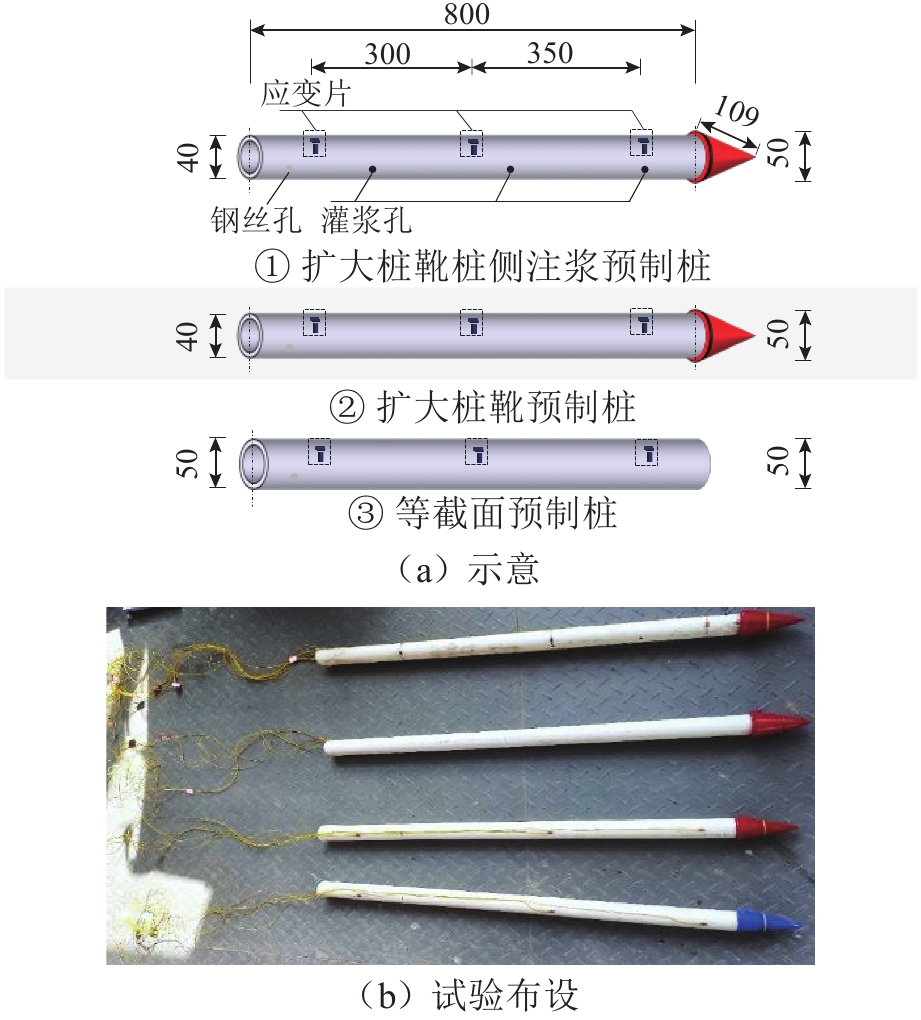
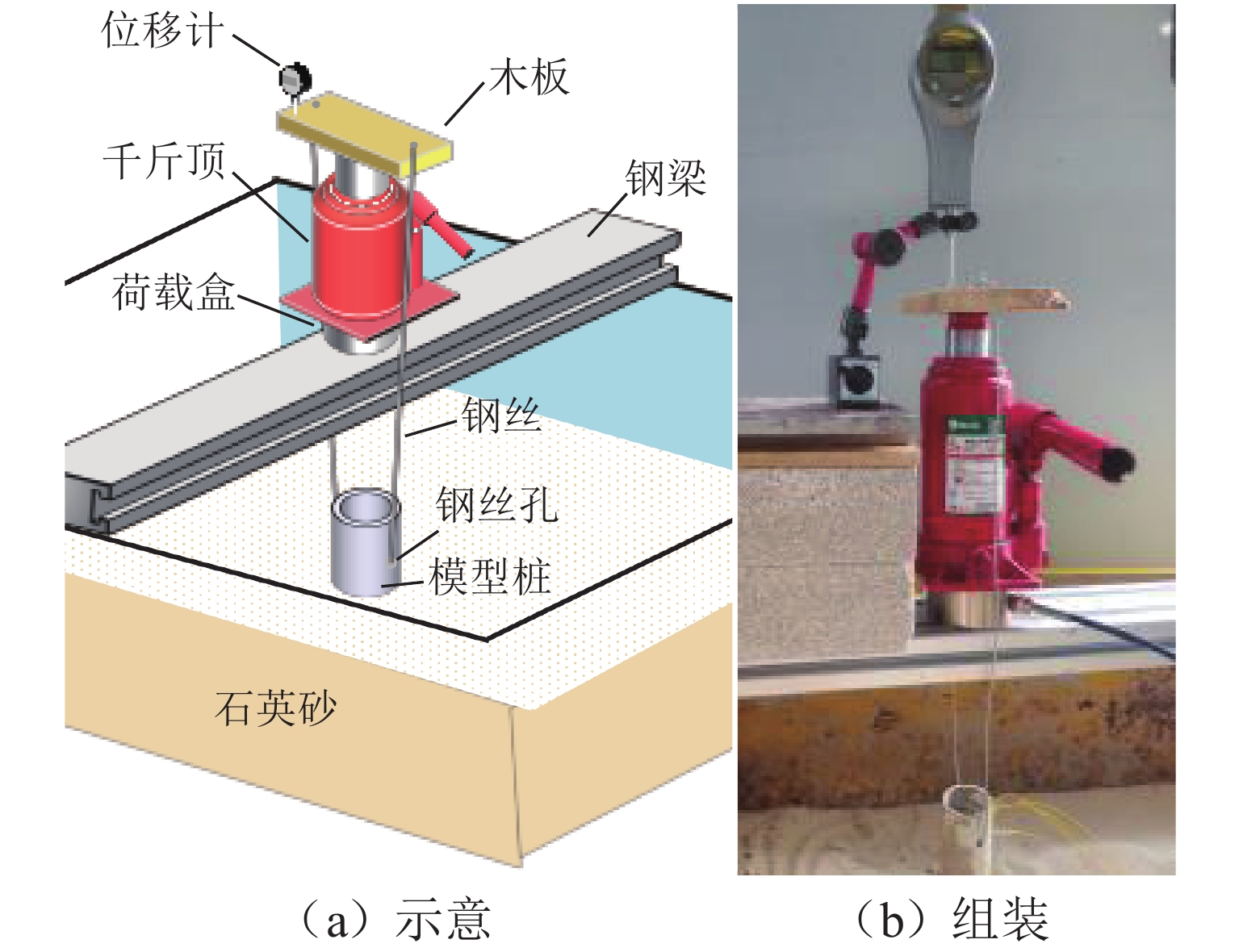
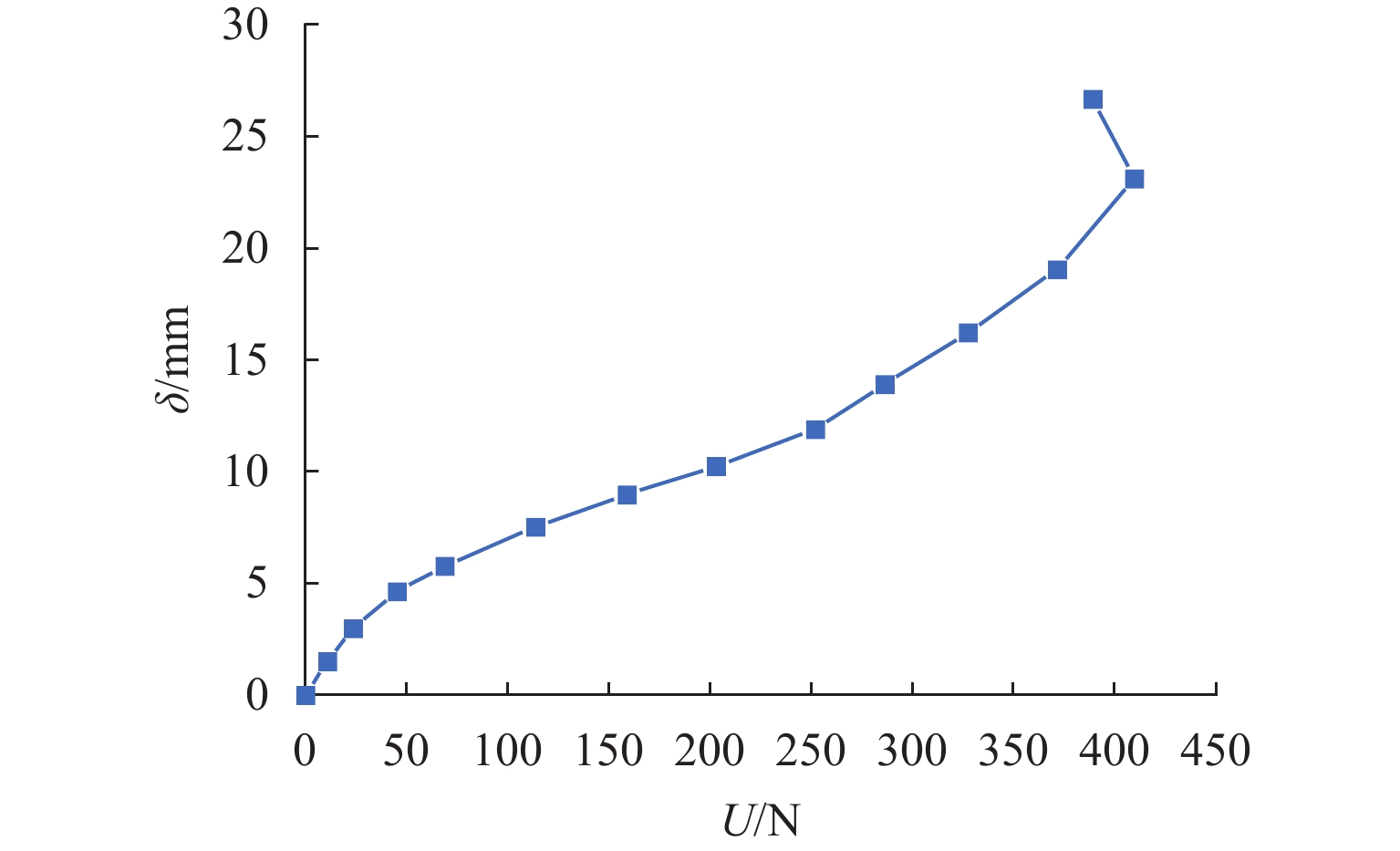
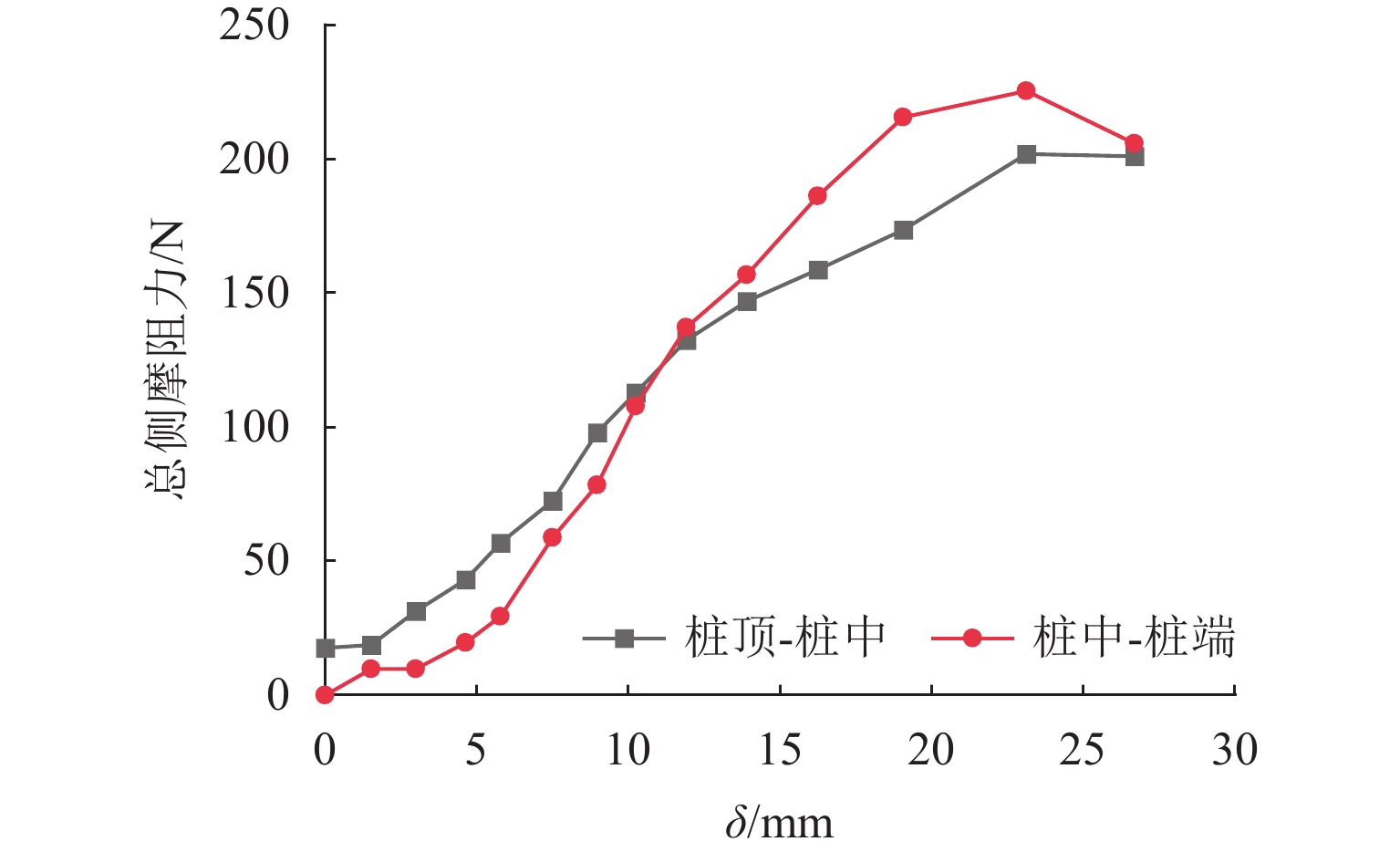
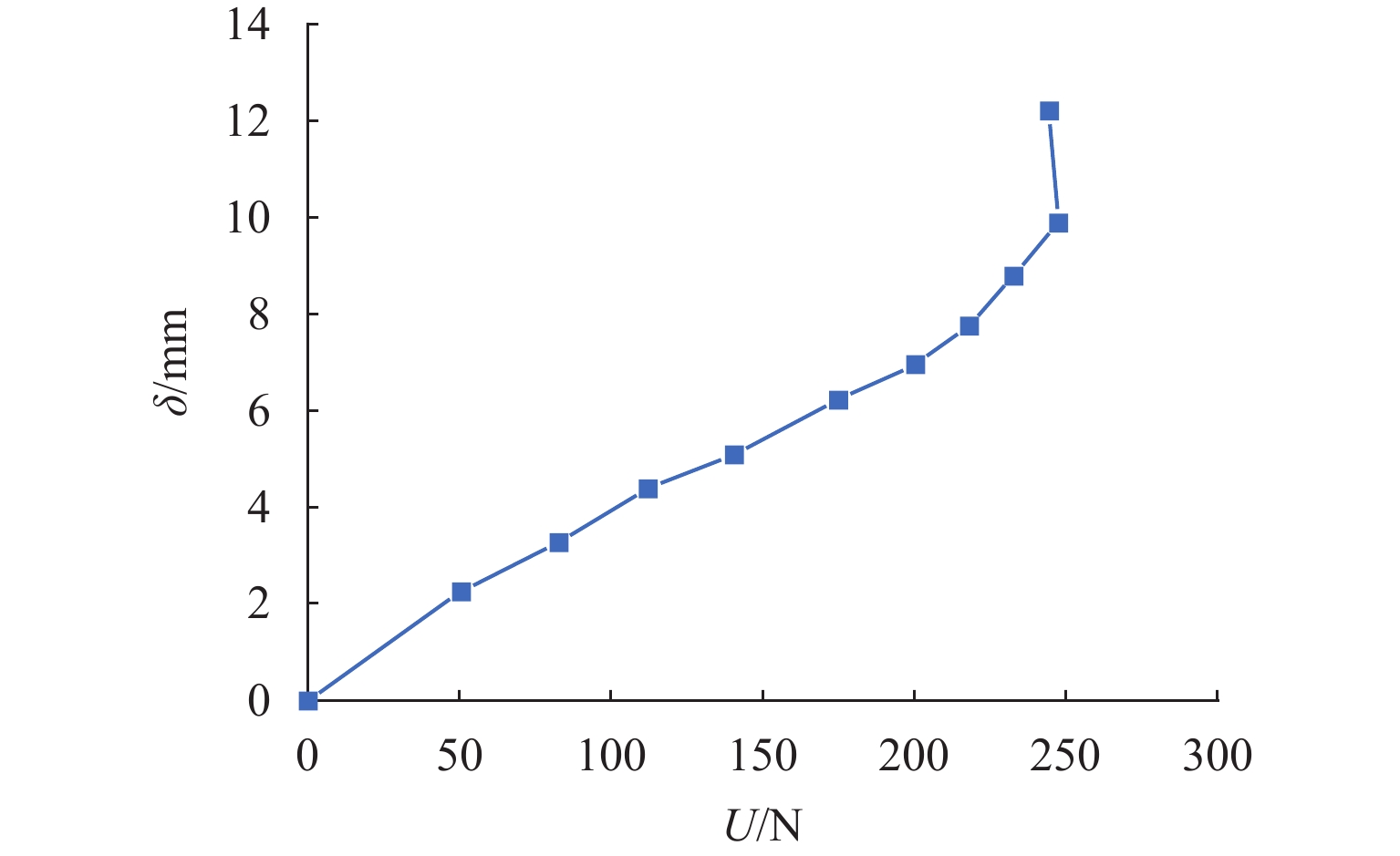
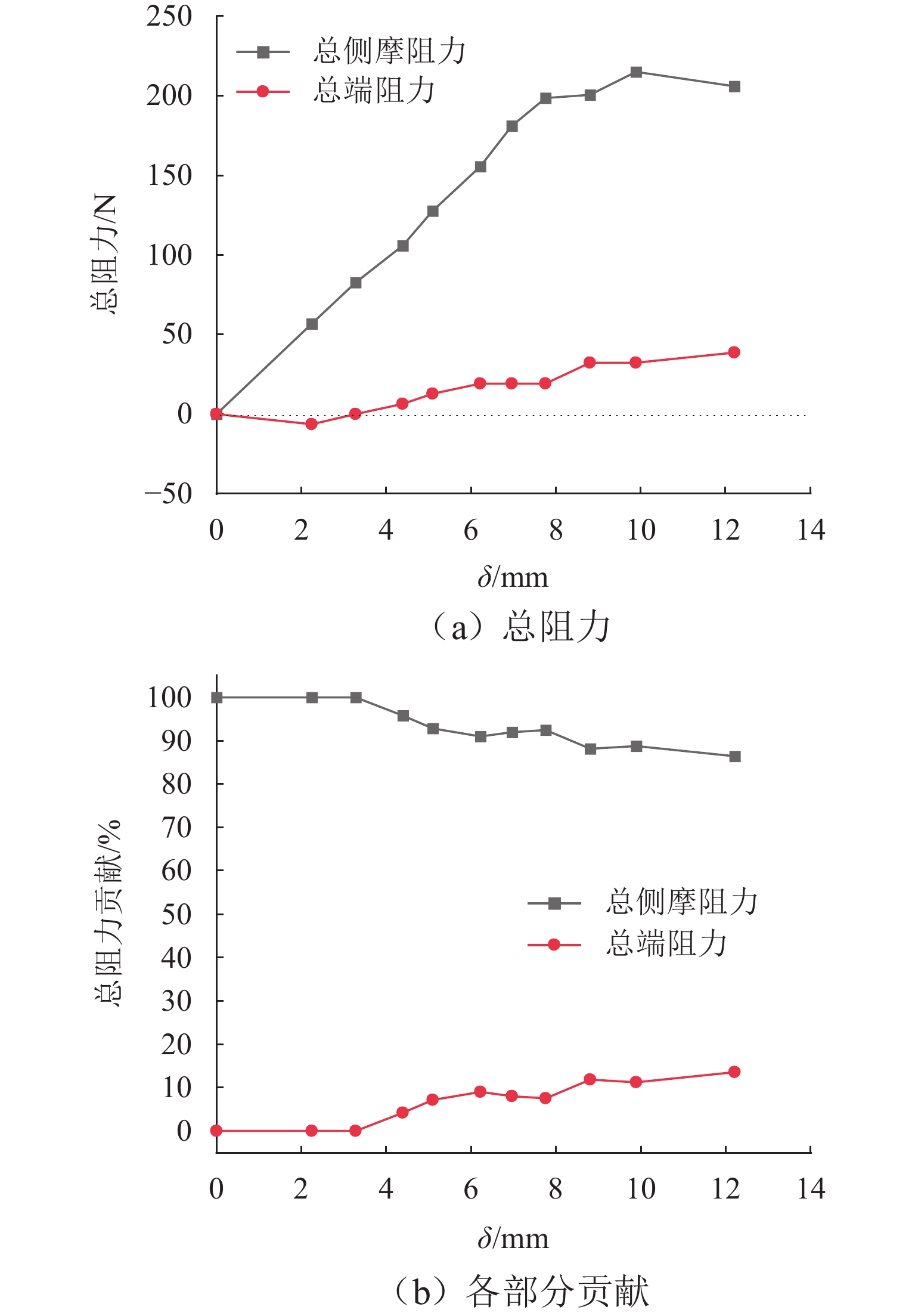
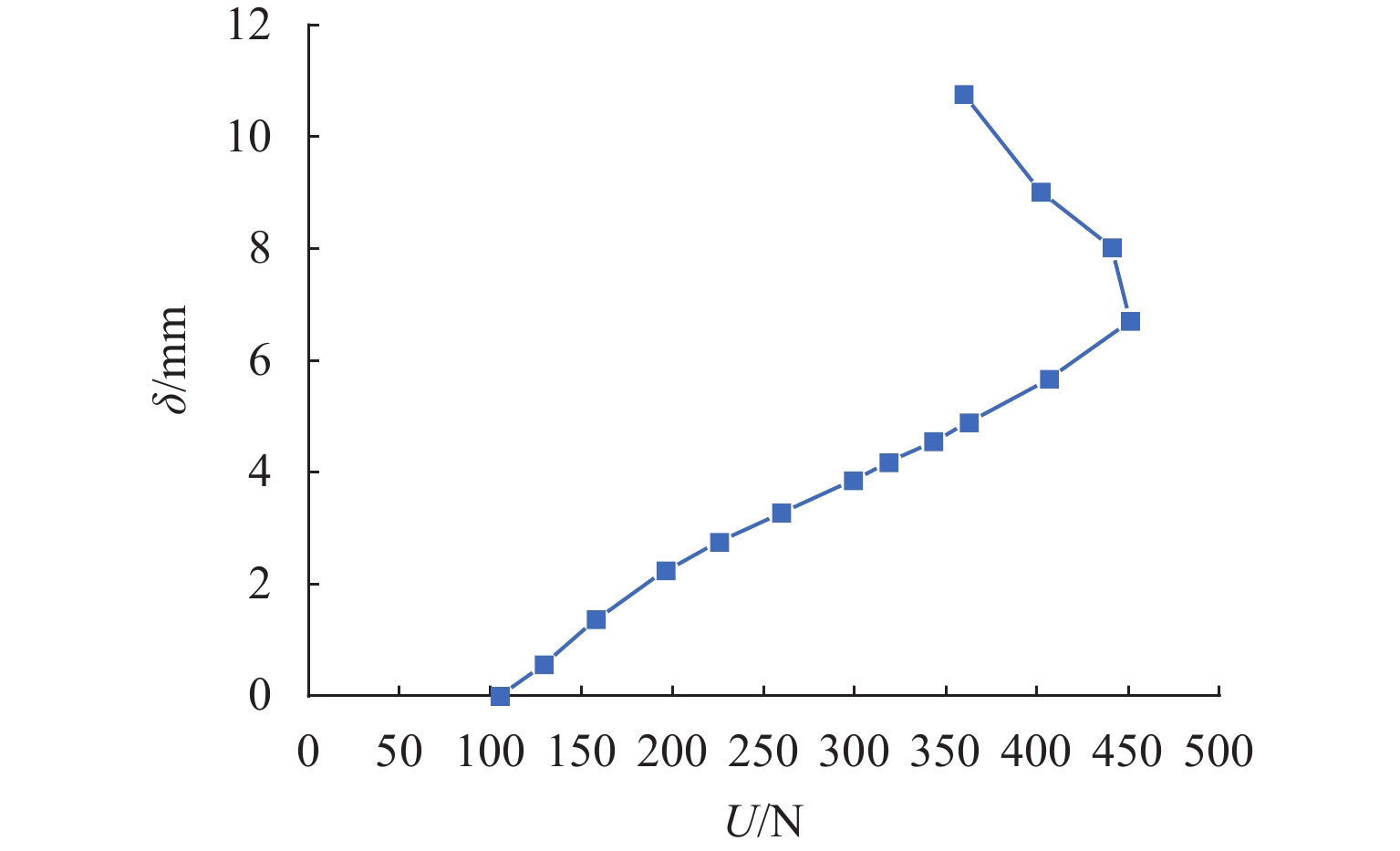
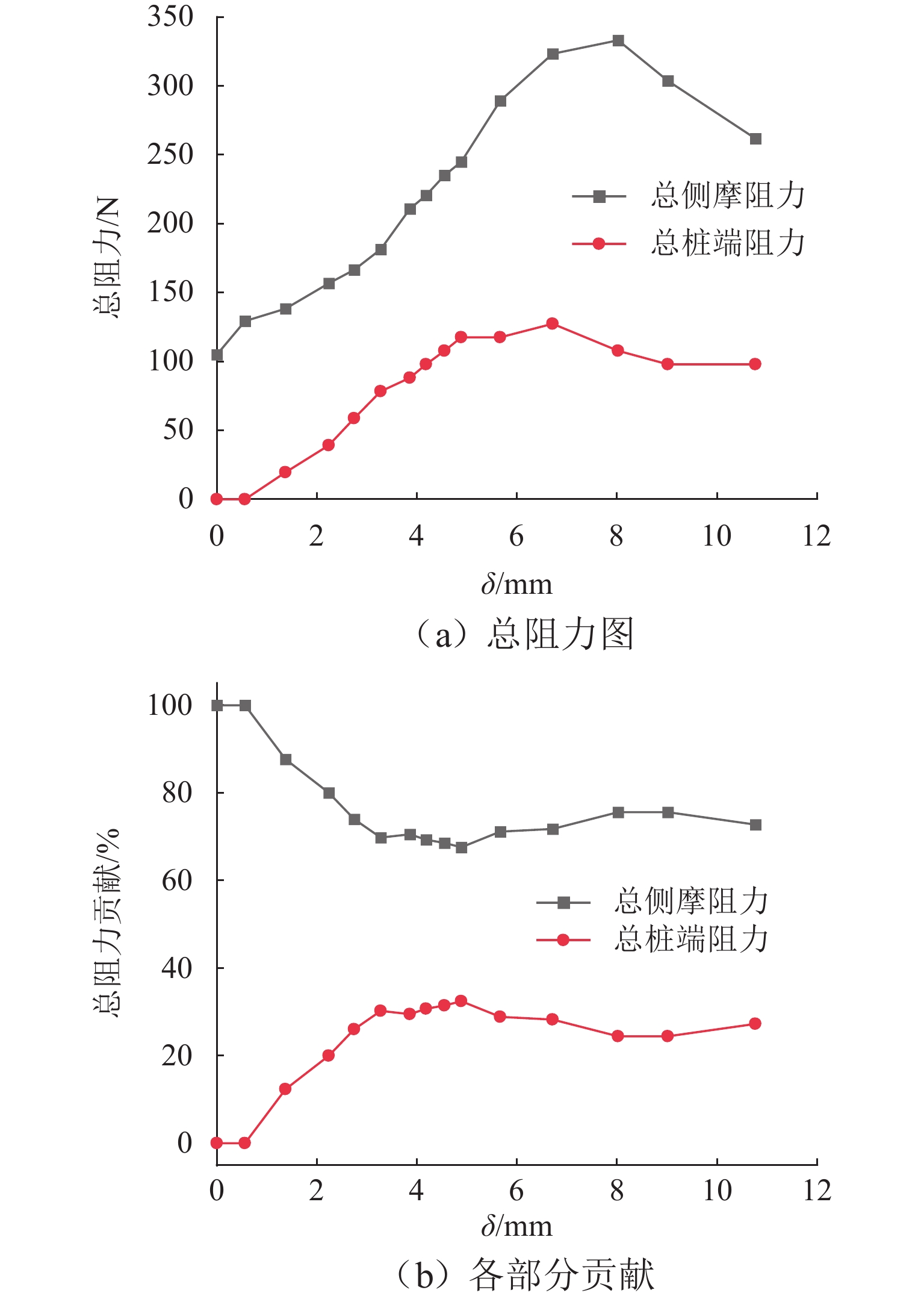
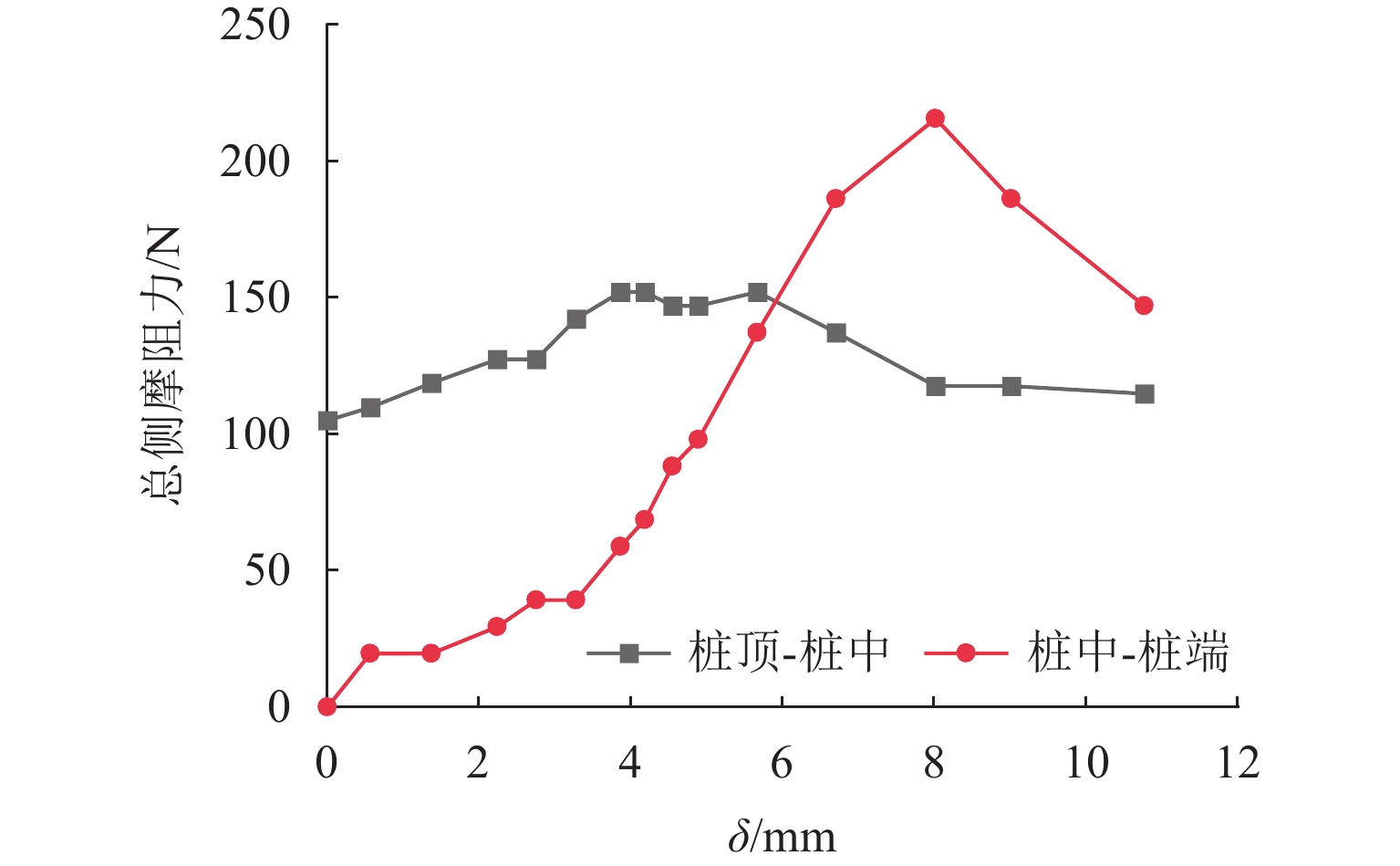
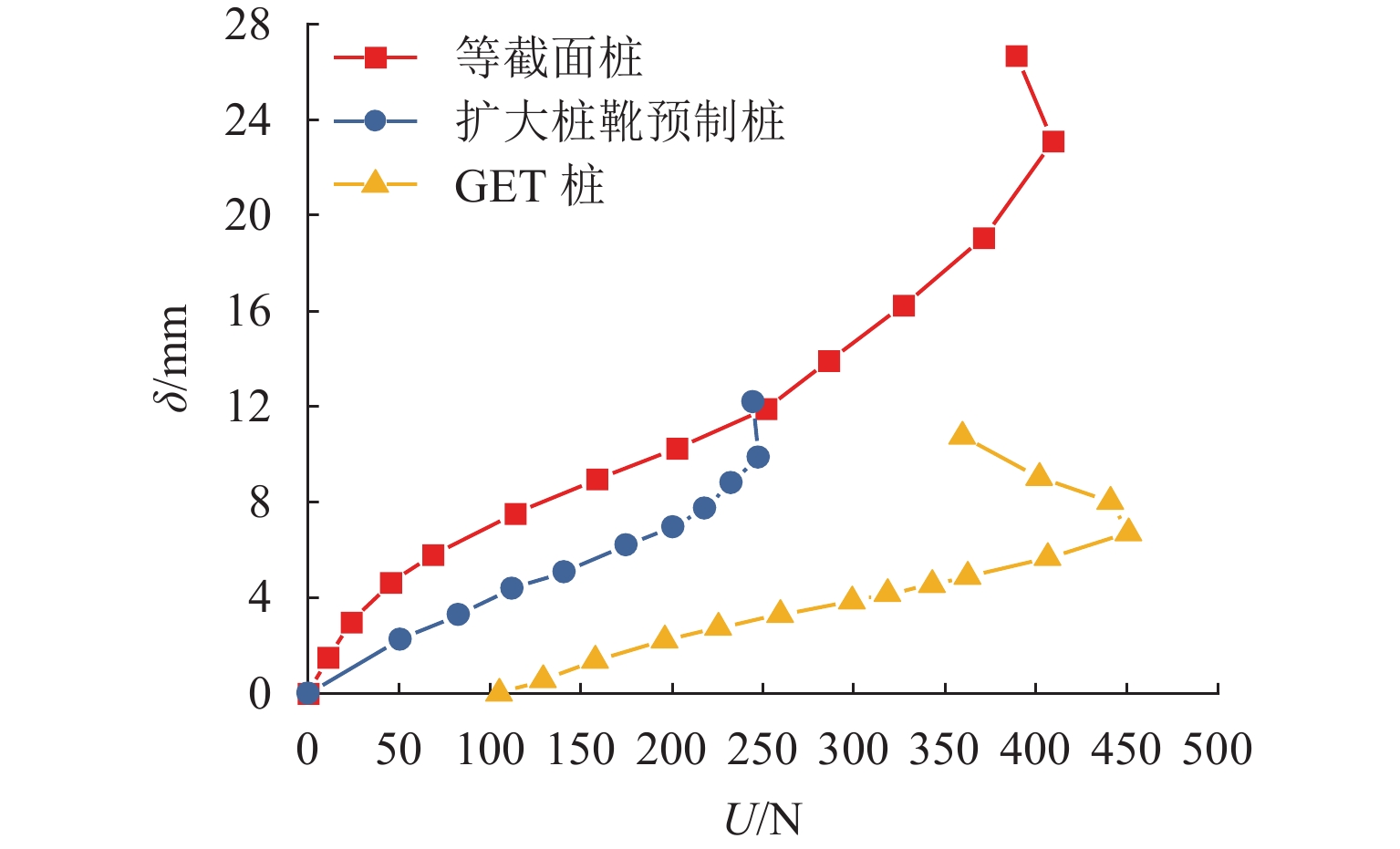
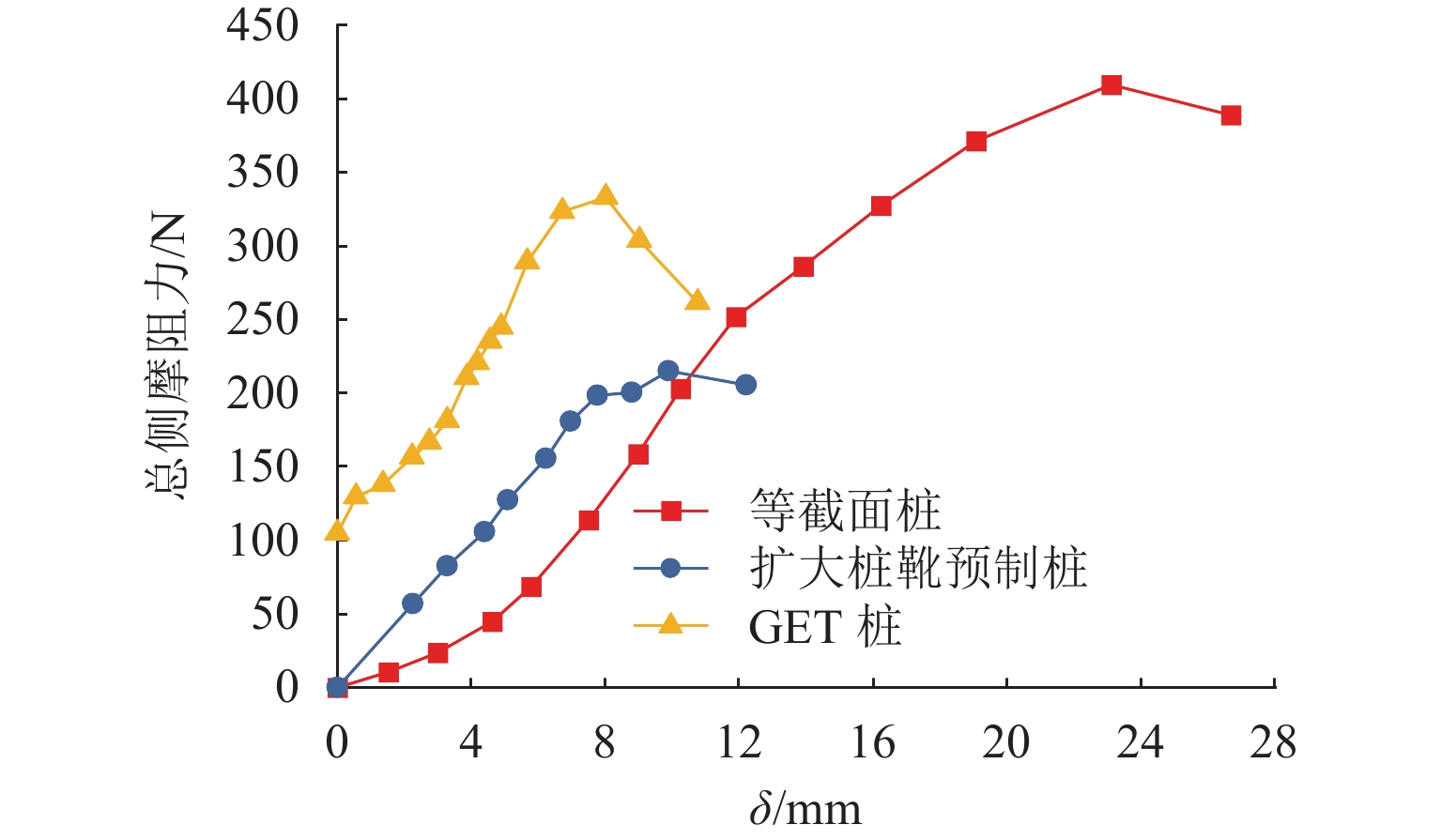
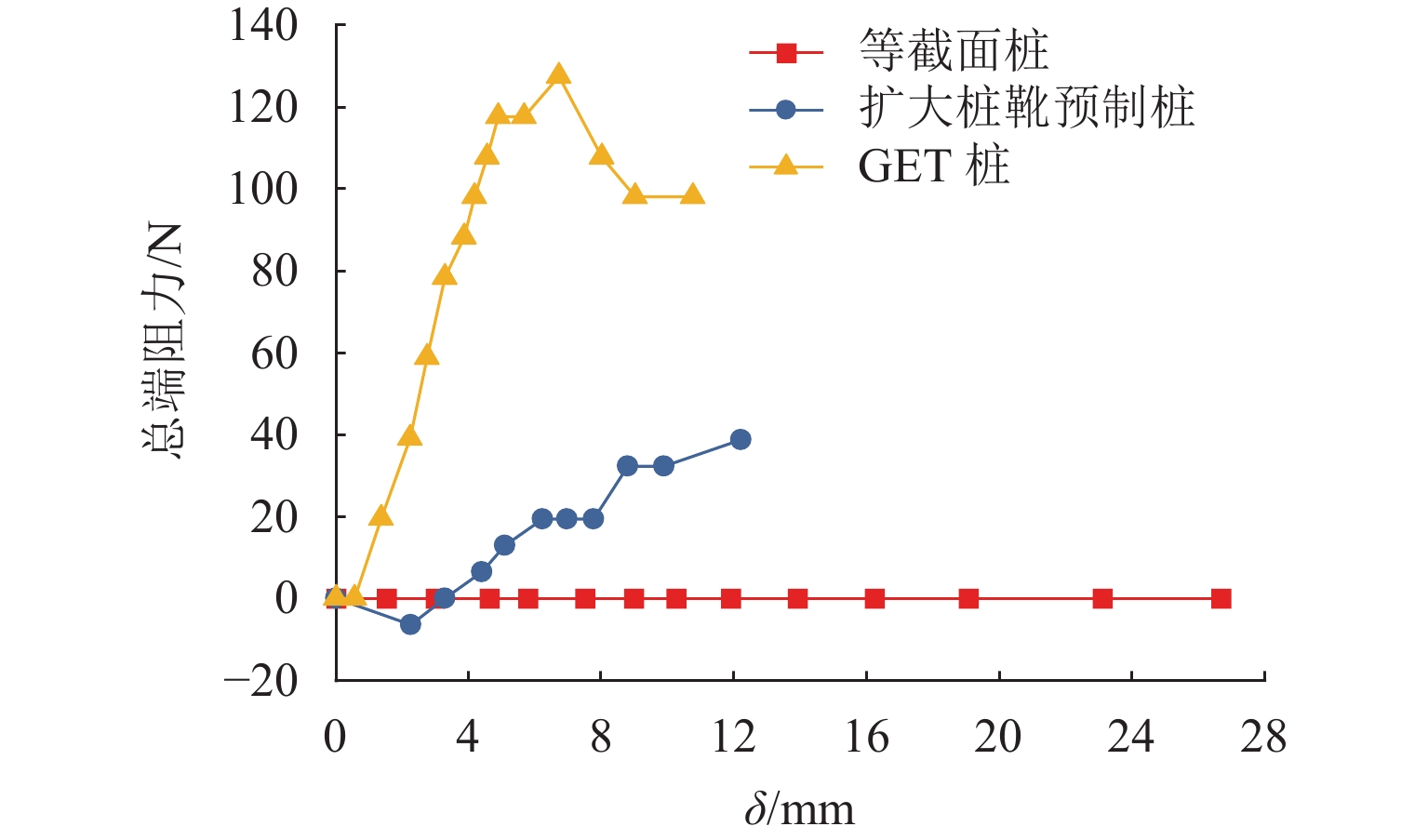
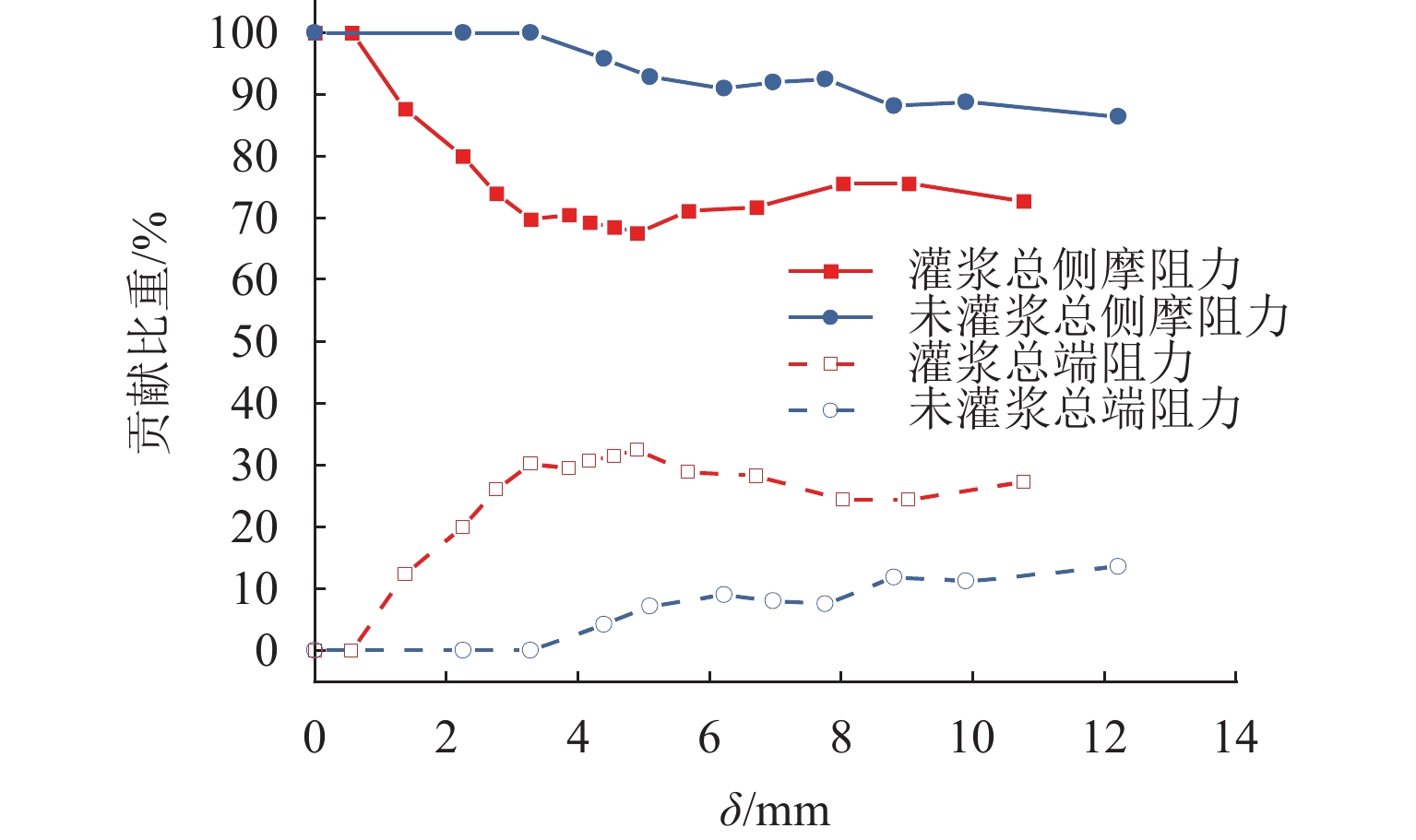
In order to study the pullout characteristics of grouted enlarged toe precast pile (referred to as GET pile), a pullout experiment was carried out in a laboratory sand model box. Firstly, precast pile model with enlarged pile toe was assembled by connecting polyvinyl chloride (PVC) pipes and enlarged parts. Then, strain sensors were installed in the pile shaft, and the loading device and gravity sensor were arranged on the top of the piles. The pullout curves of different pile types were obtained by applying load on the top of the piles. Finally, the pullout bearing characteristics of the piles with equal cross section, piles with enlarged pile toe, and GET piles were compared, and the effects of enlarged base and grouting on pullout bearing characteristics were discussed. The experiment results show that GET pile can effectively improve the pile’s pullout bearing capacity. At small displacements, the pullout bearing capacity of piles with enlarged pile toe is twice that of piles with equal cross section and 5–6 times that of piles with pile side grouting. In addition, GET pile changes the mobilization characteristics of side friction resistance of the piles with equal cross section. The enlarged pile toe can increase the mobilization speed and maximum value of total side friction resistance and provide a certain amount of resistance at the pile end in the pullout process. Grouting can enhance the resistance on the pile side and the pile end, providing the initial total side friction resistance for the upper half of the pile shaft. There is a tendency to distribute more loads to the enlarged pile toe.

Theoretical Study on Non-Limit Active Earth Pressure of Sand Under Rotational and Translational Coupling Mode Based on Particle Flow Simulation
XU Changjie, YAO Jianan, CHI Minliang, TONG Jianjun, WANG Yongzheng, ZHANG Xiaolong, YANG Kaifang, FENG Guohui
2026, 61(5): 1620-1632. doi: 10.3969/j.issn.0258-2724.20240527
Abstract:
Objective

Retaining structures are crucial for preventing the collapse of soil and maintaining soil stability. The accurate determination of lateral earth pressure exerted by the soil is essential to the safety and economic feasibility of foundation pit engineering. Traditional earth pressure theories, however, overlook the displacement mode and displacement magnitude of the wall, wall-soil interaction, and soil arching effect. As a result, the calculated lateral earth pressure is often inaccurate, posing risks to engineering design and construction. To address the problem of active earth pressure in sandy soil under a rigid retaining wall in the rotational and translational coupling (RTT) mode, a more accurate and reliable calculation formula for non-limit active earth pressure in this scenario is developed, considering the interlayer sliding of soil wedges.

Method

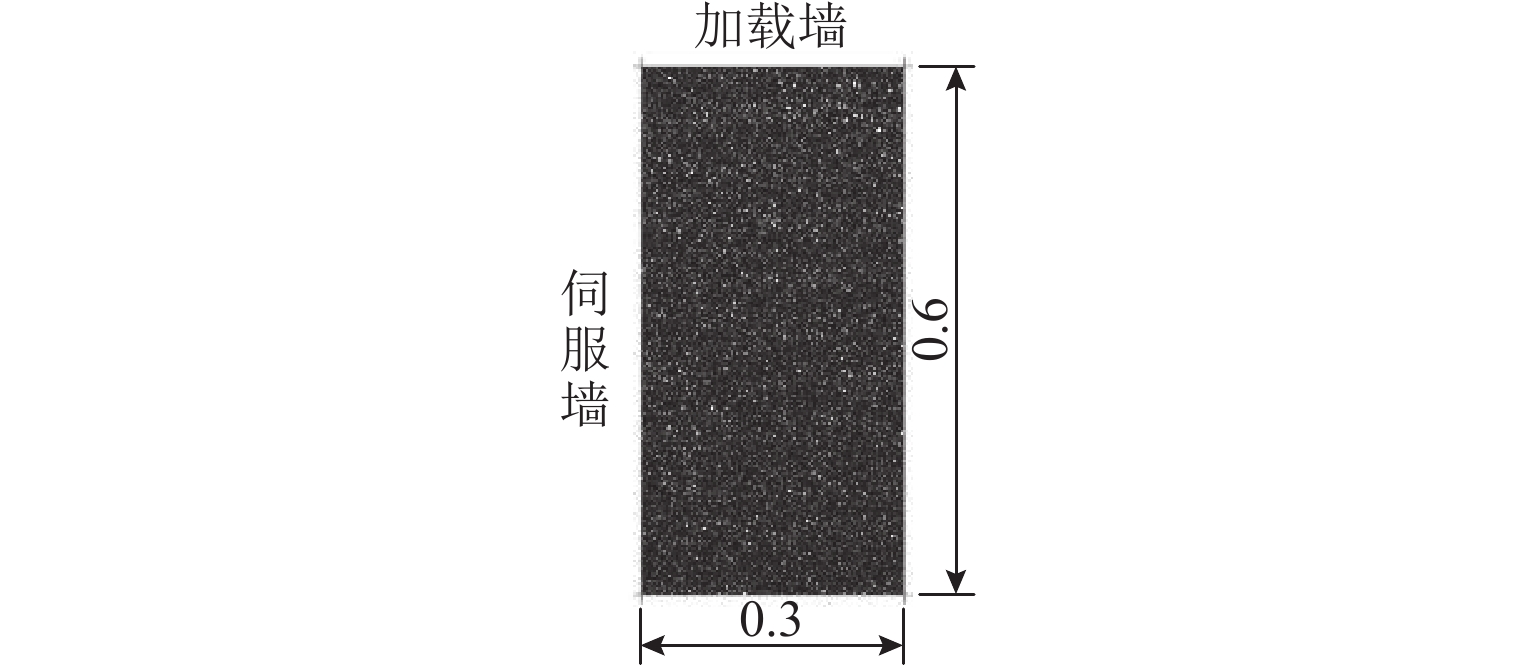
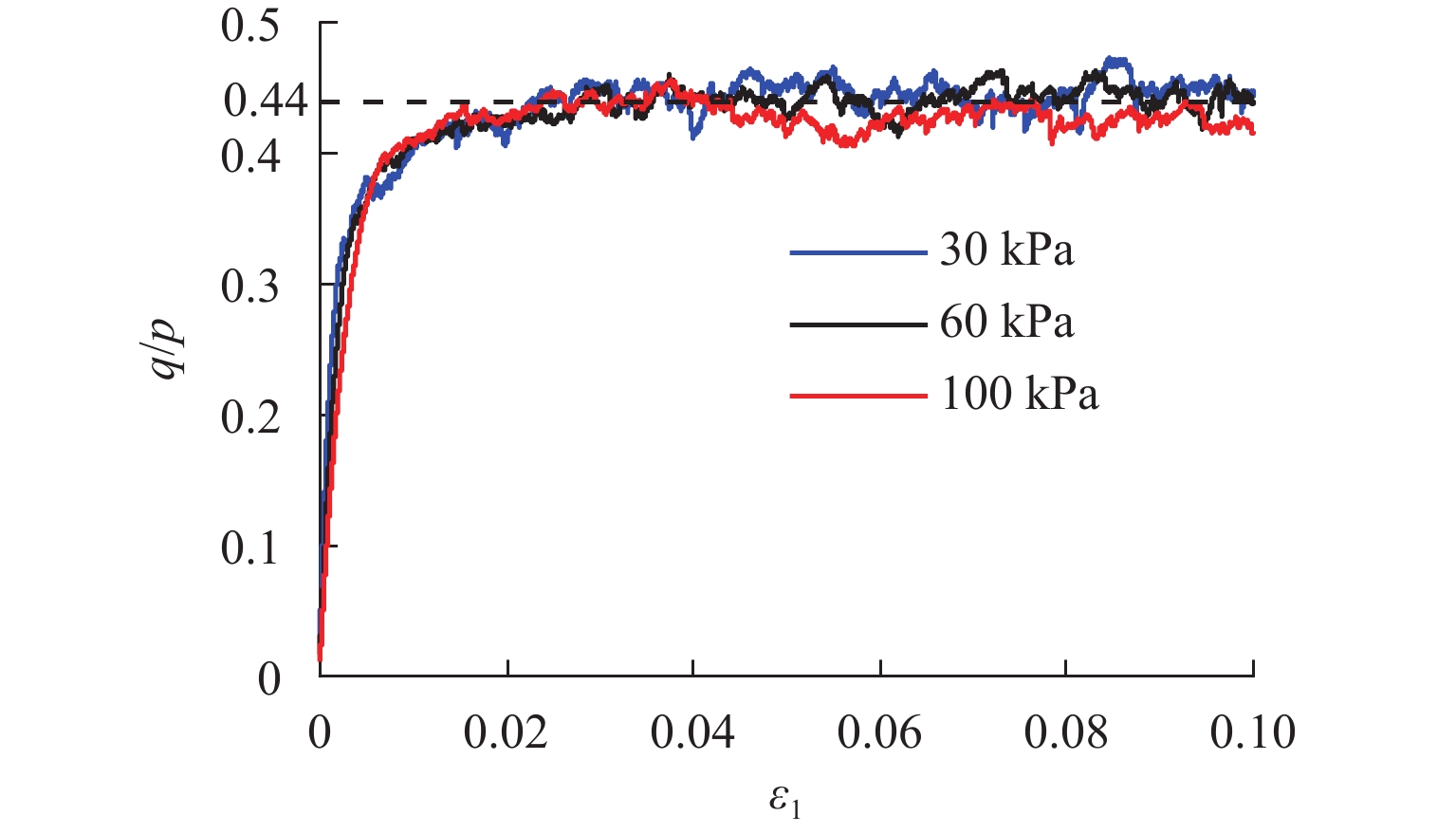
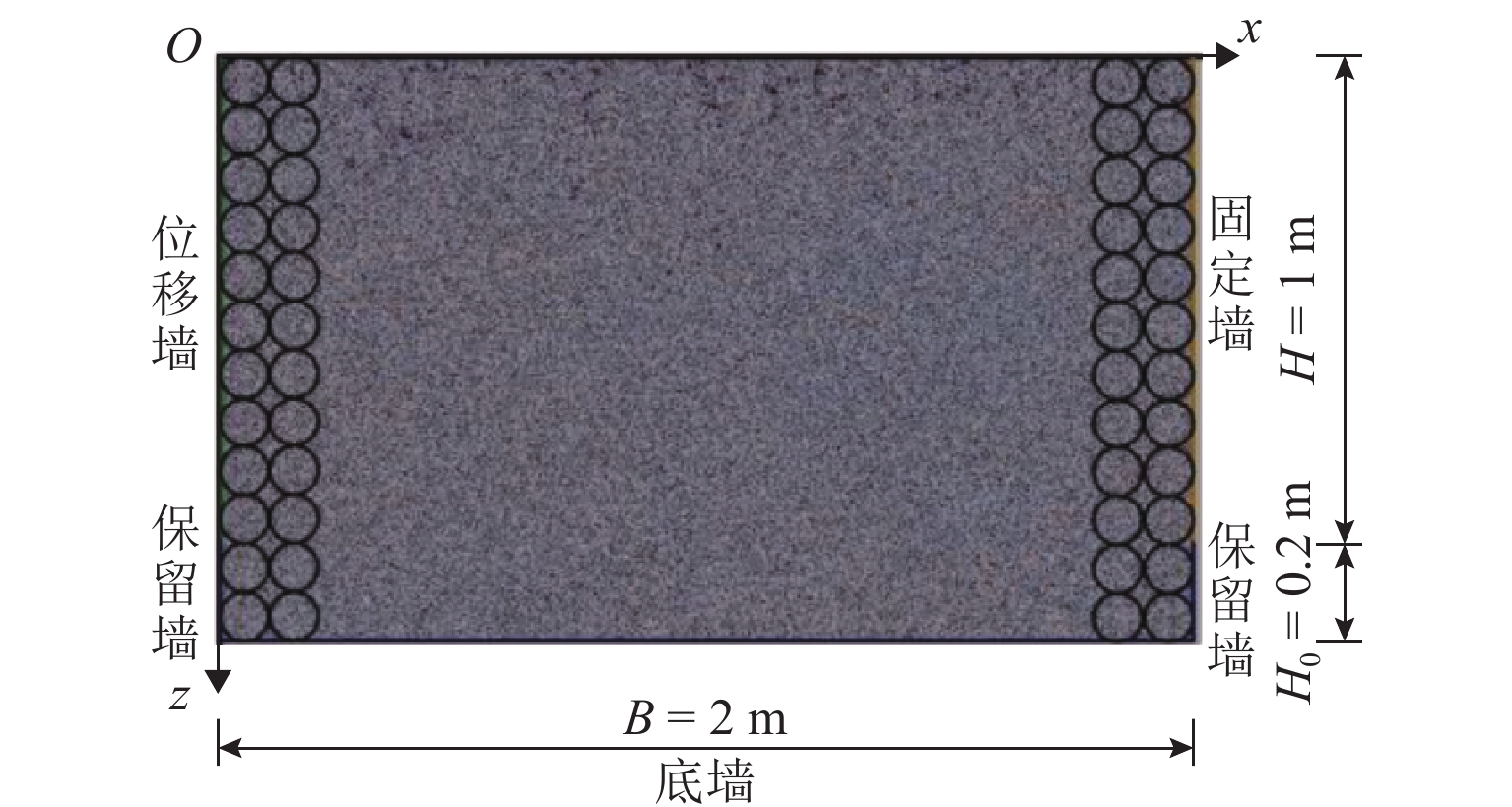
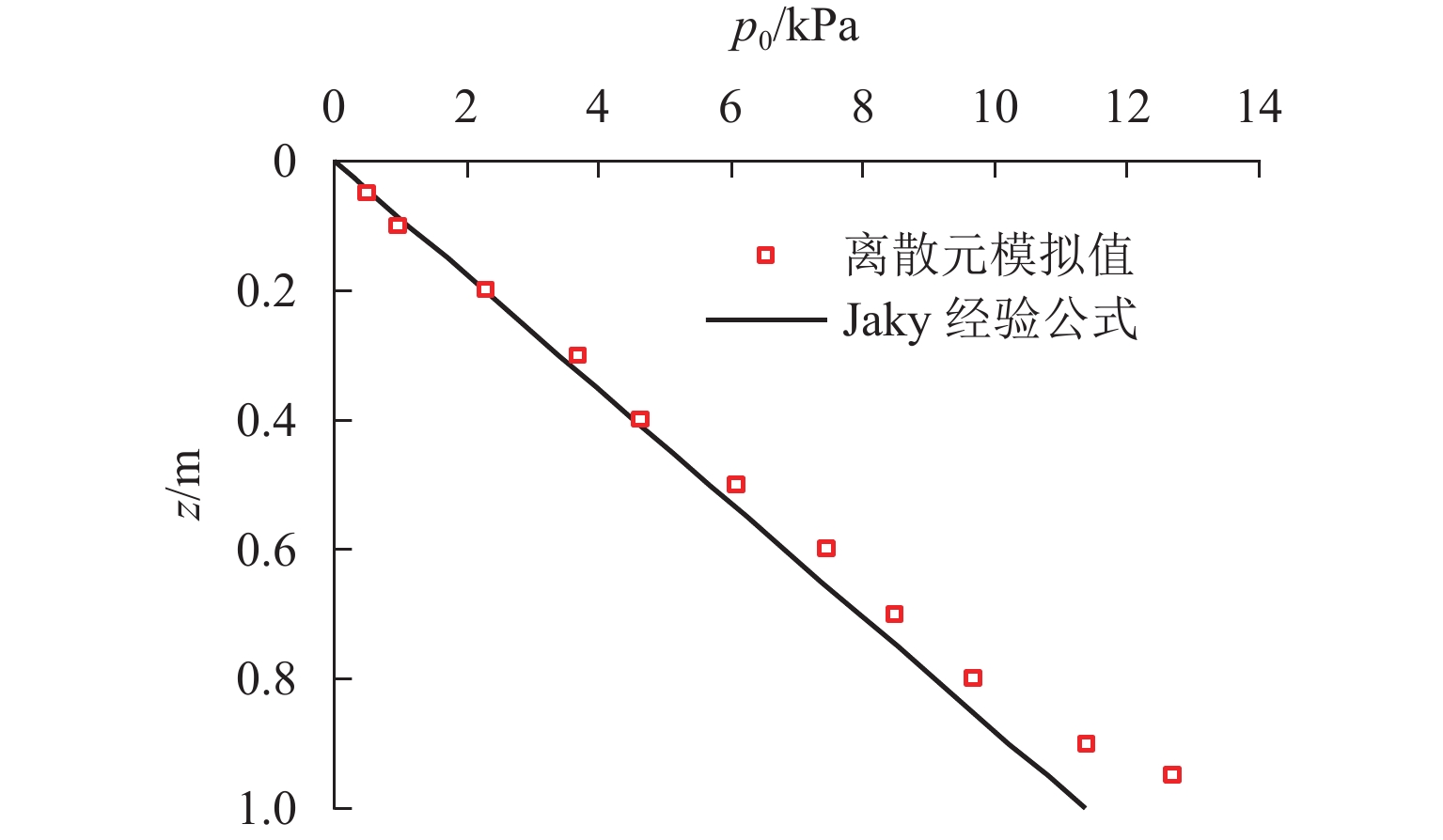
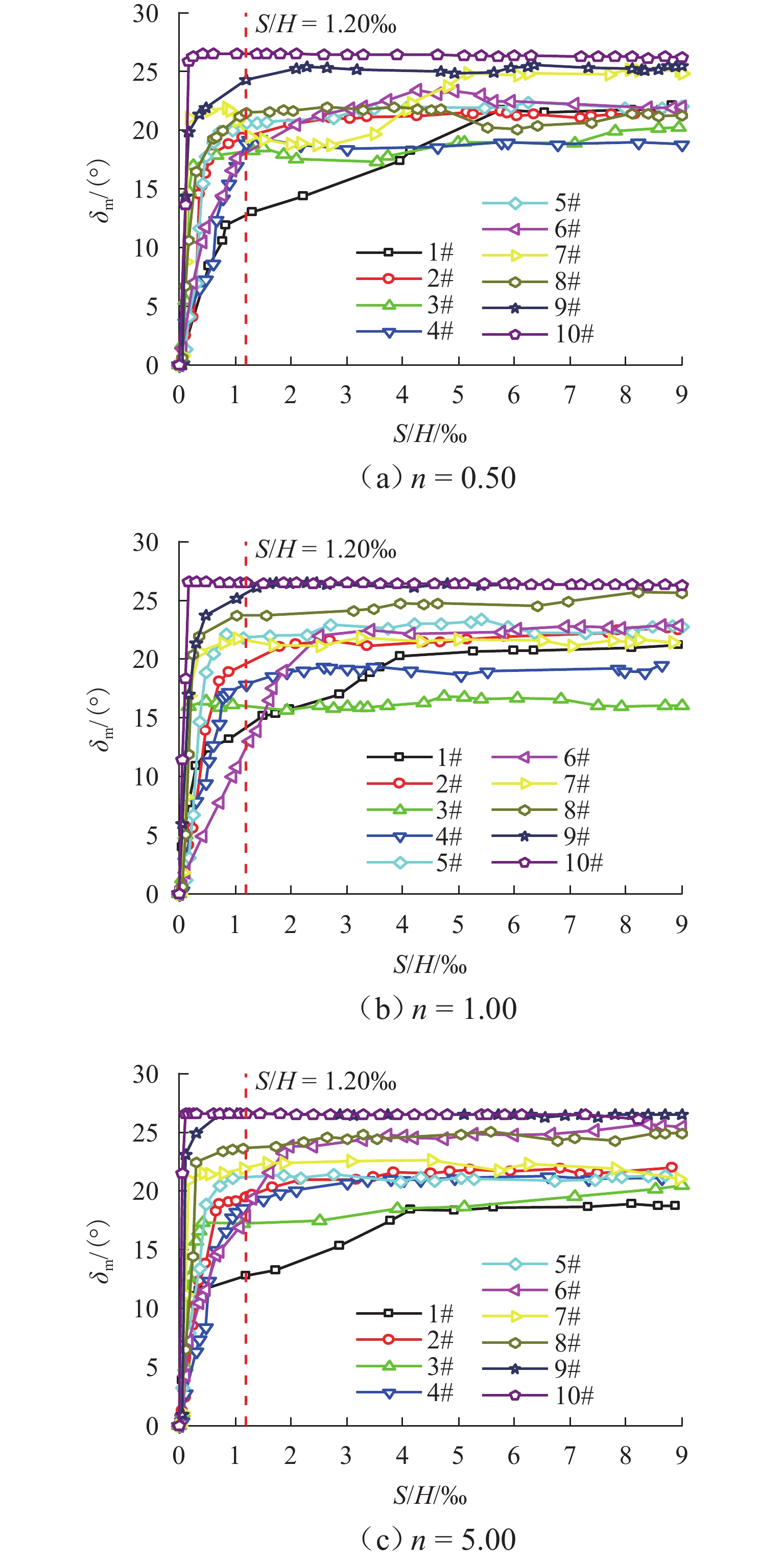
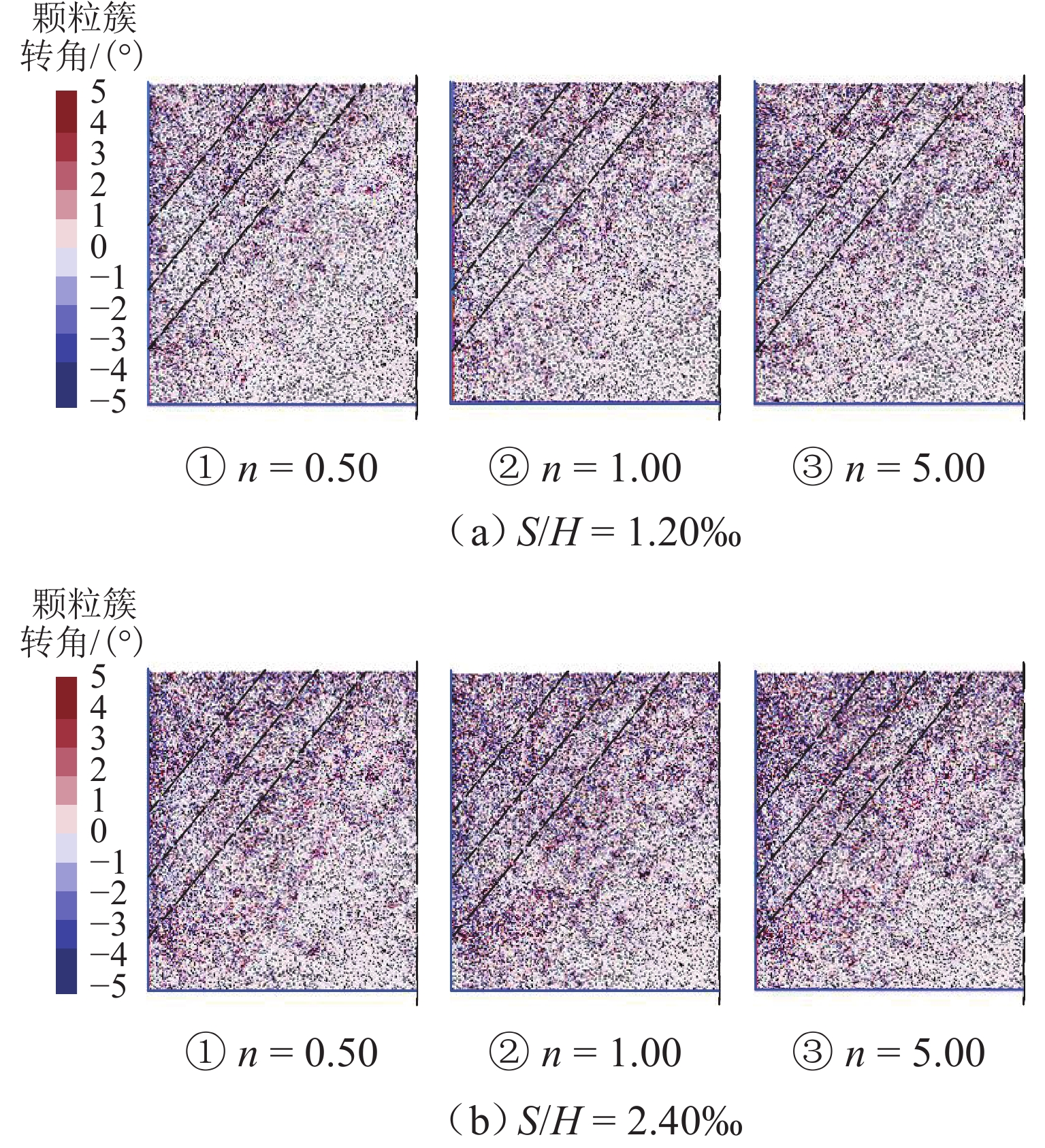
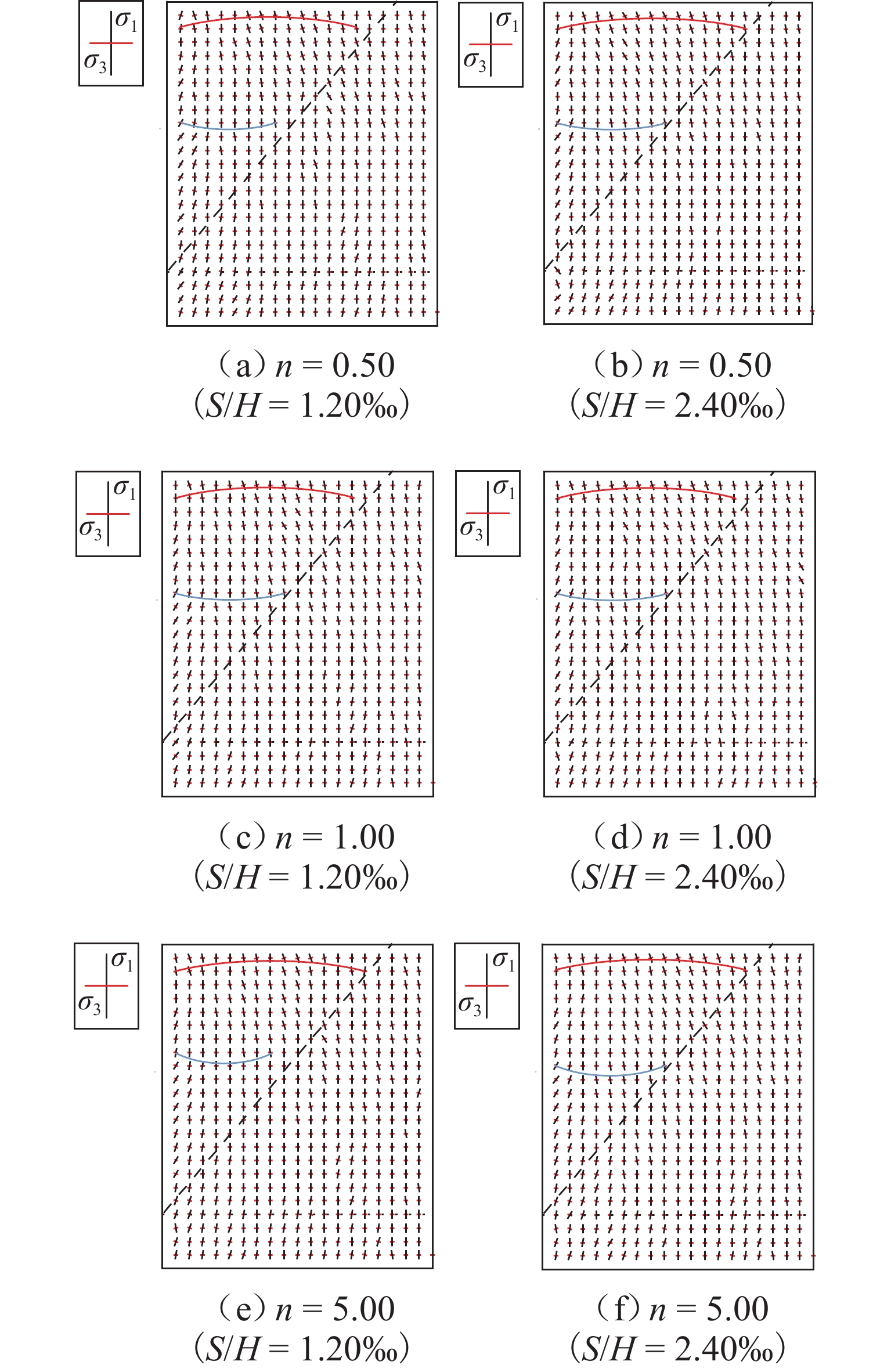
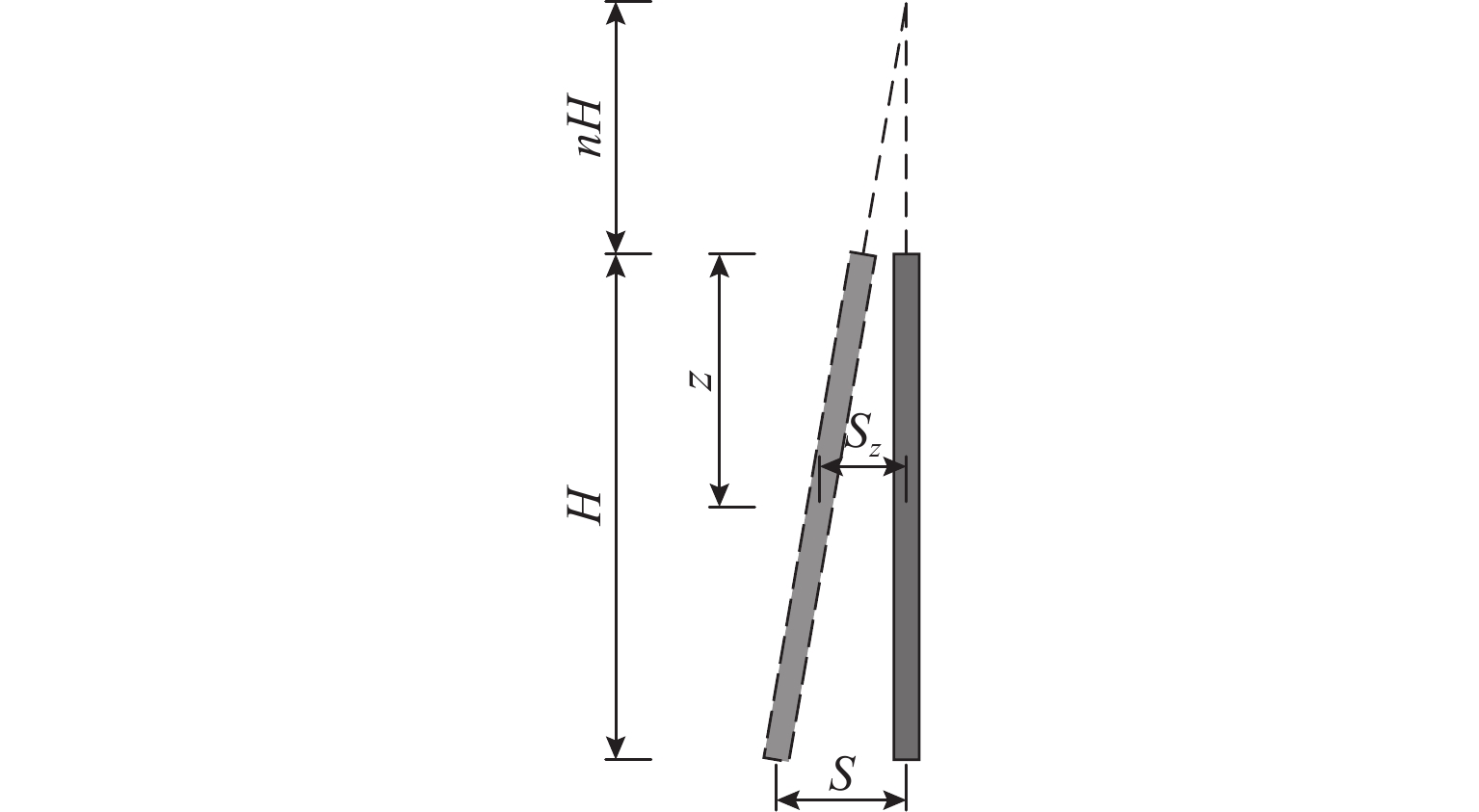
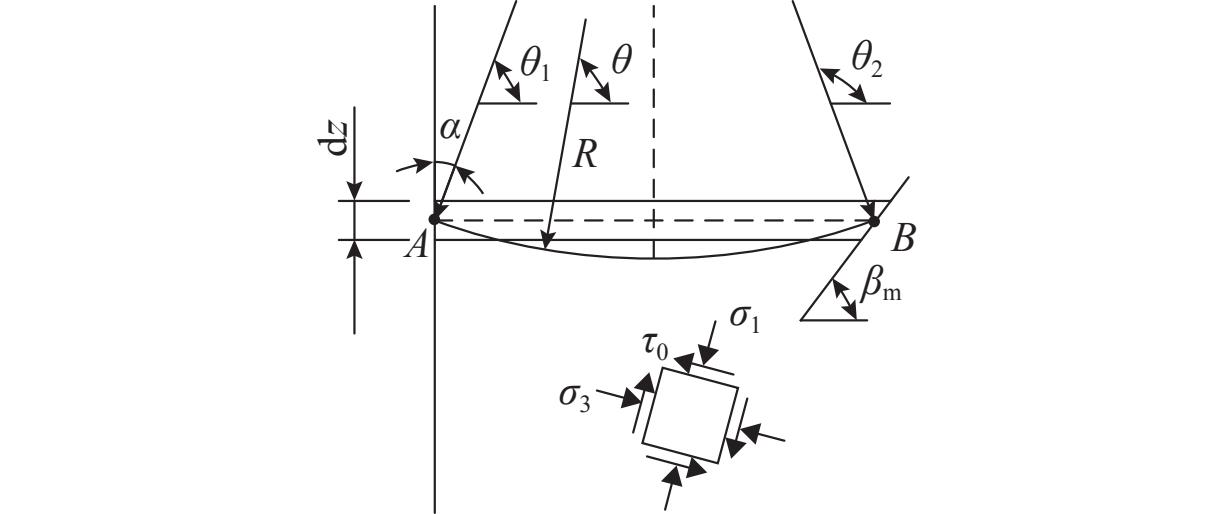
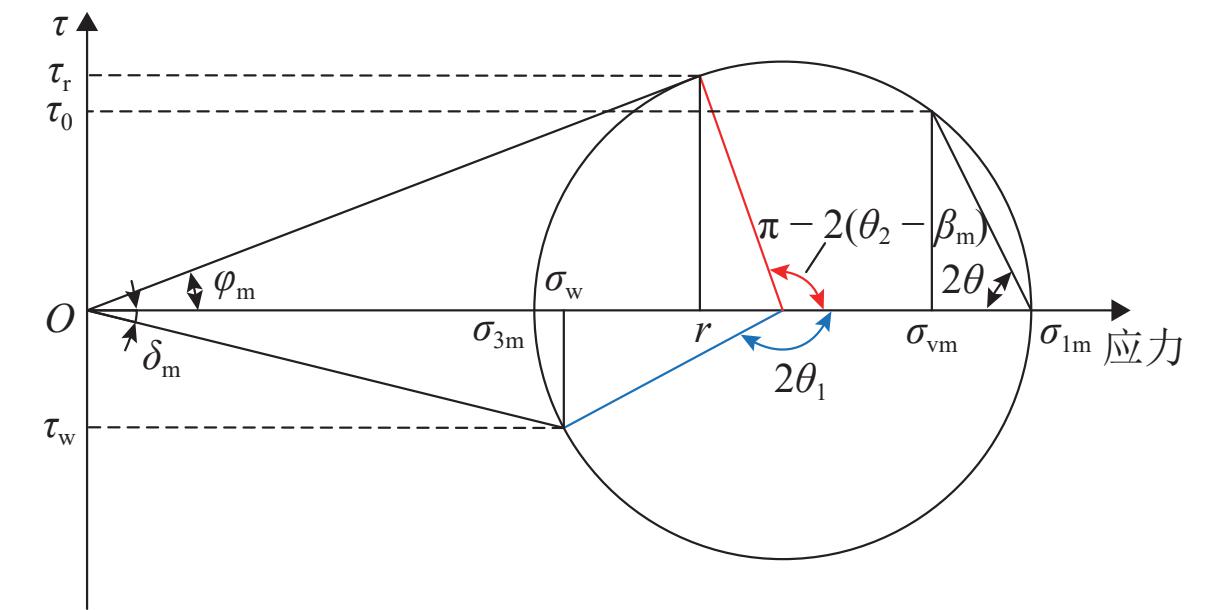
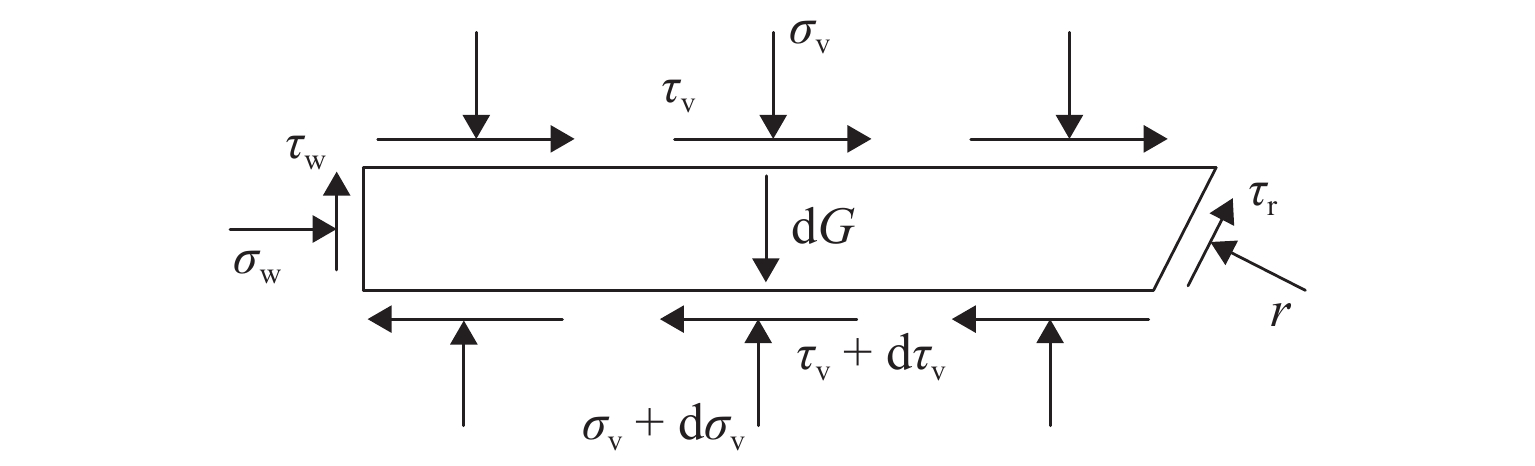
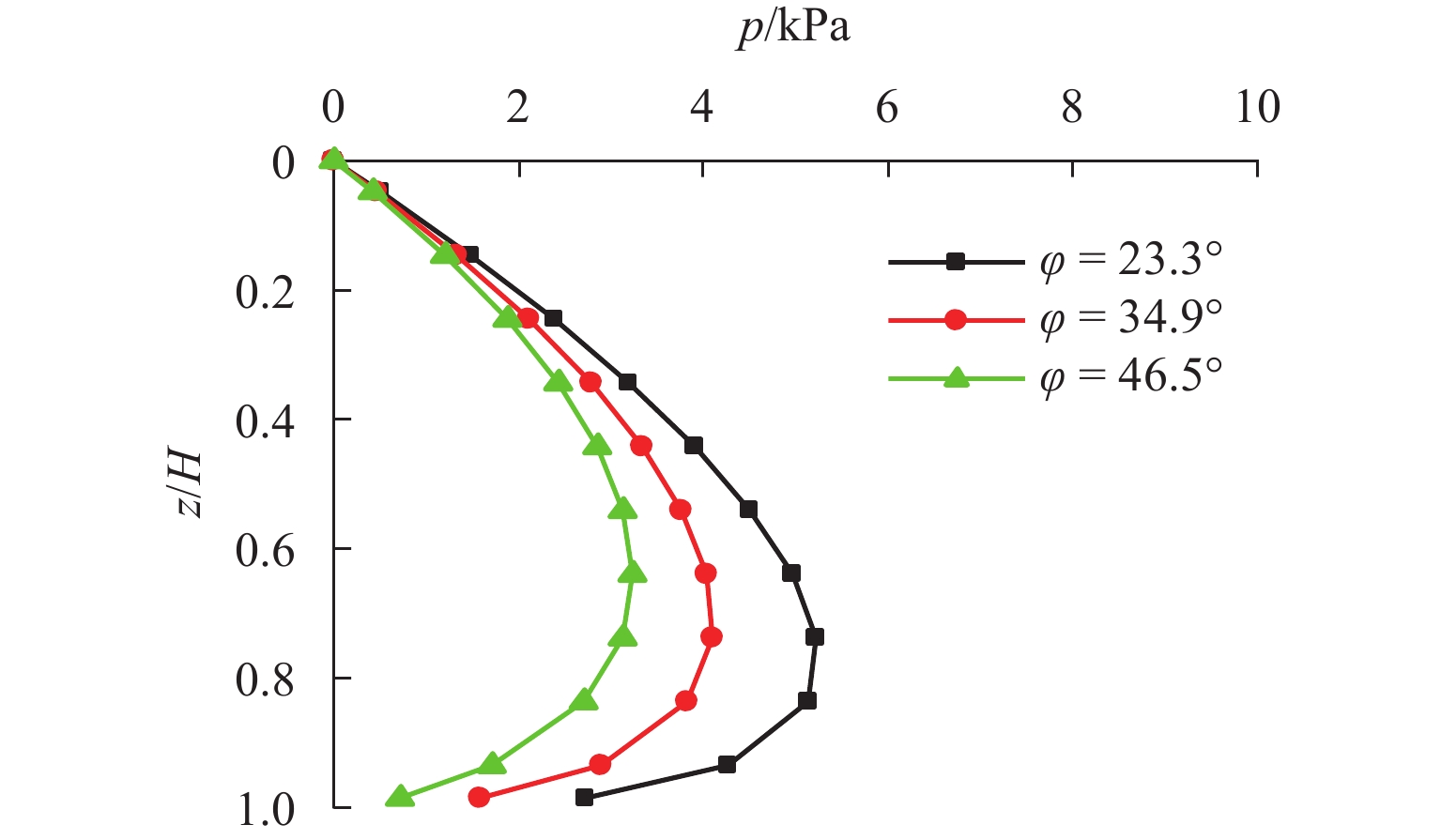
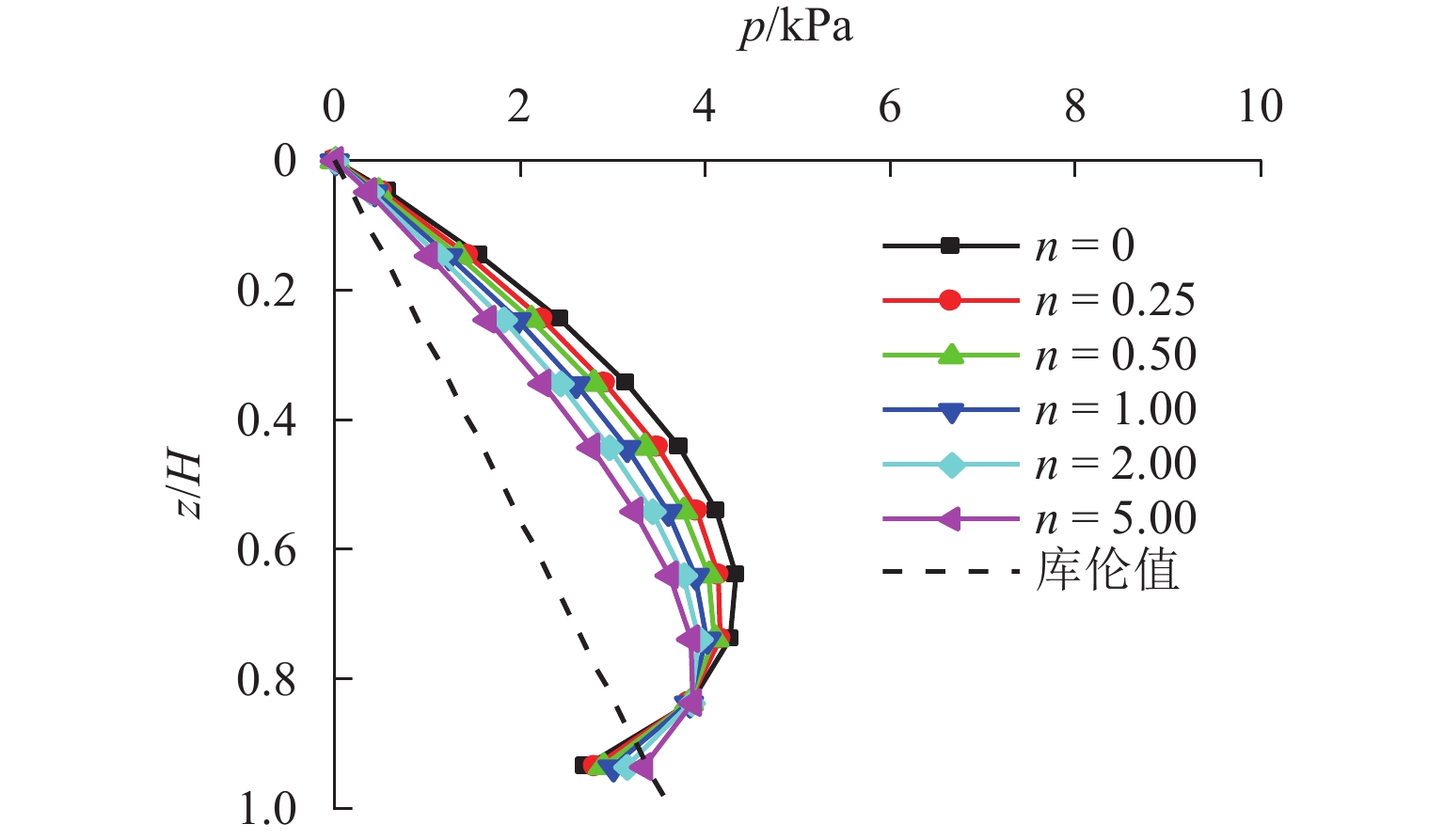
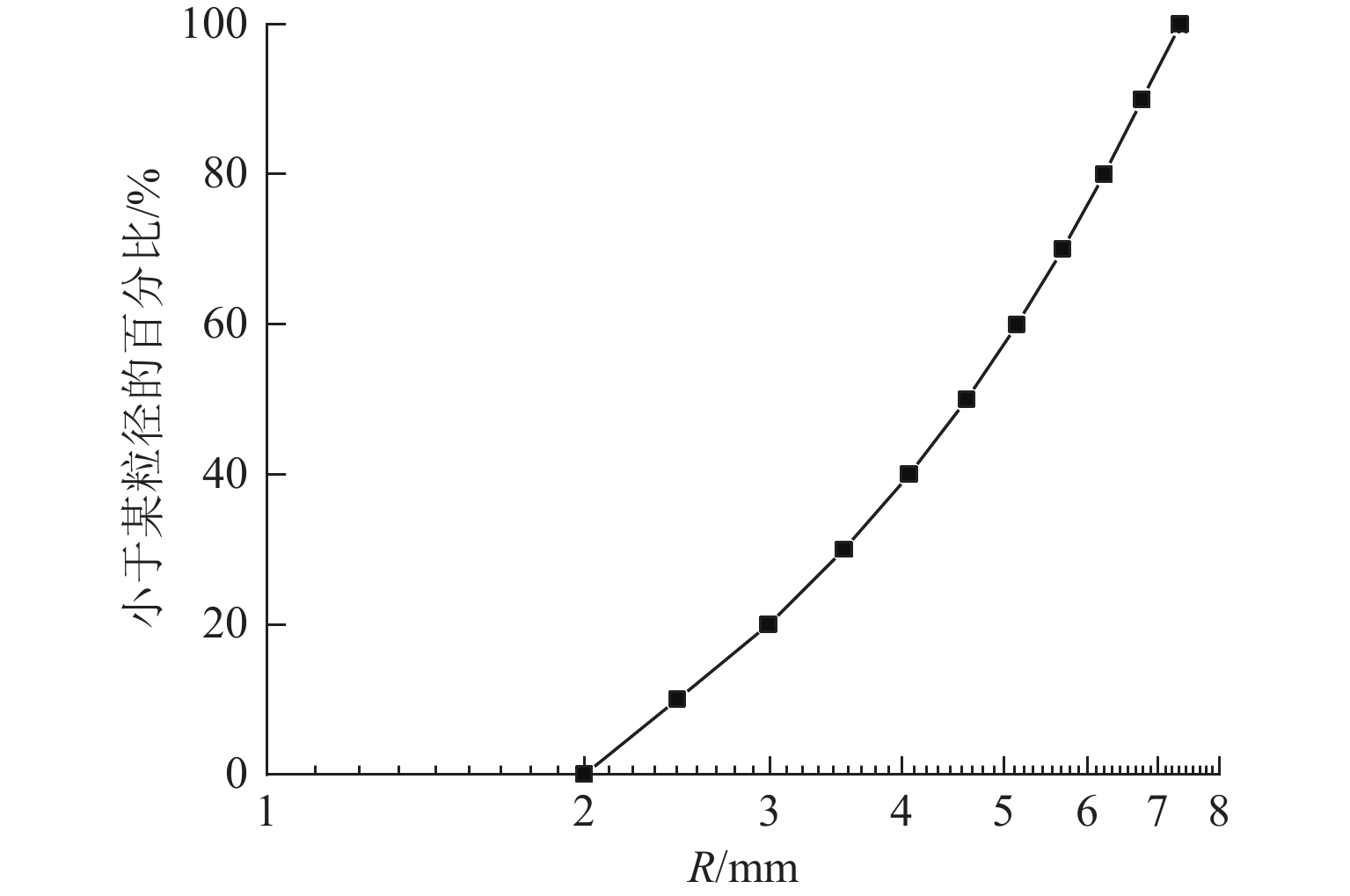
The non-limit active earth pressure was investigated under the RTT mode with a combination of discrete element simulations and theoretical derivation. The primary goal was to understand the impact of various factors such as wall displacement, friction angles, and rotation center position on earth pressure. To simulate the physical properties of soil particles accurately, and minimize the influence of resisting rotational moments, an elliptical particle cluster composed of three disks was chosen as the basic particle. The model parameters were selected based on previous research, ensuring the reliability and relevance of the simulation results. The PFC2D software was used to create a soil model, and three different confining pressures (30, 60 kPa, and 100 kPa) were applied in a biaxial test setup. The internal friction angle of the soil was found to be 26.1°. To generate the soil model, a gravity deposition method was employed, layering the soil into six distinct layers with a controlled porosity of 0.22. A series of measurement circles were set up to obtain the internal stress and rotation angle of the soil. After the sample was formed, the horizontal displacement speed of the wall was 6 × 10⁻⁴ m/s when the control displacement wall rotated outward. The maximum horizontal displacement of the wall was set to 0.012H to ensure that the soil could reach the ultimate failure state under the RTT mode. Discrete element simulations were carried out for three rotation center positions (rotation center n = 0.50, 1.00, and 5.00) to explore the influence of rotation center position on the active earth pressure, wall-soil friction angle, the development of shear failure surfaces, and the internal stress state of the soil. Based on discrete element simulation analysis, the soil arch shape was assumed to be a middle-symmetric circular arc, and the non-limit slip fracture surface inclination was thus obtained. Taking into account the impact of interlayer staggering of soil wedges, the calculation formula for active soil pressure in the RTT mode was obtained using horizontal layer analysis method. The theoretical solution was further validated through model experiments, with a comparison showing good agreement between the experimental results and the theoretical predictions. Additionally, a comprehensive parameter analysis was conducted to investigate the effects of wall displacement, internal friction angle, wall-soil friction angle, and the rotation center position on the magnitude and distribution of active earth pressure under the RTT mode.

Result

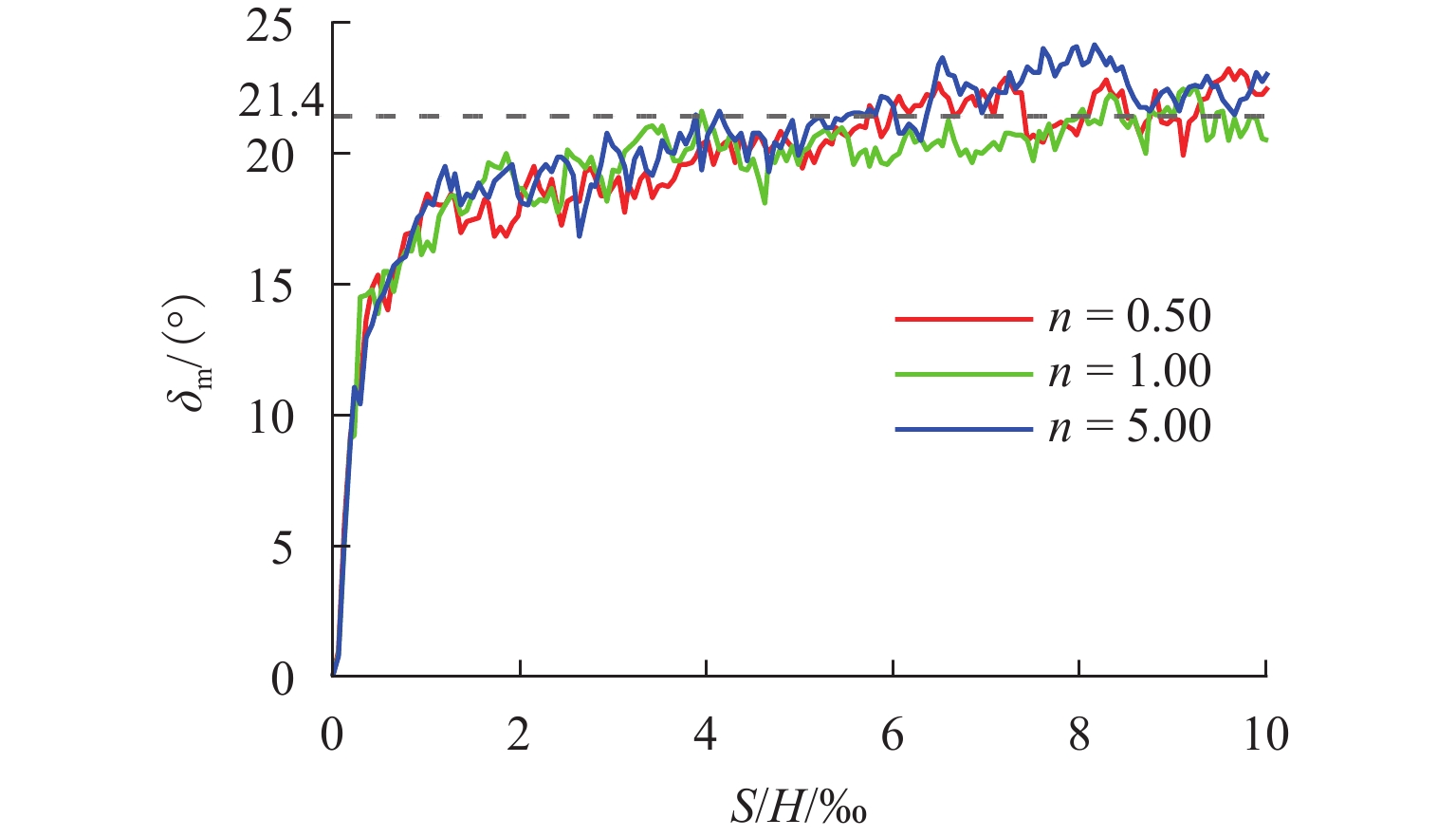
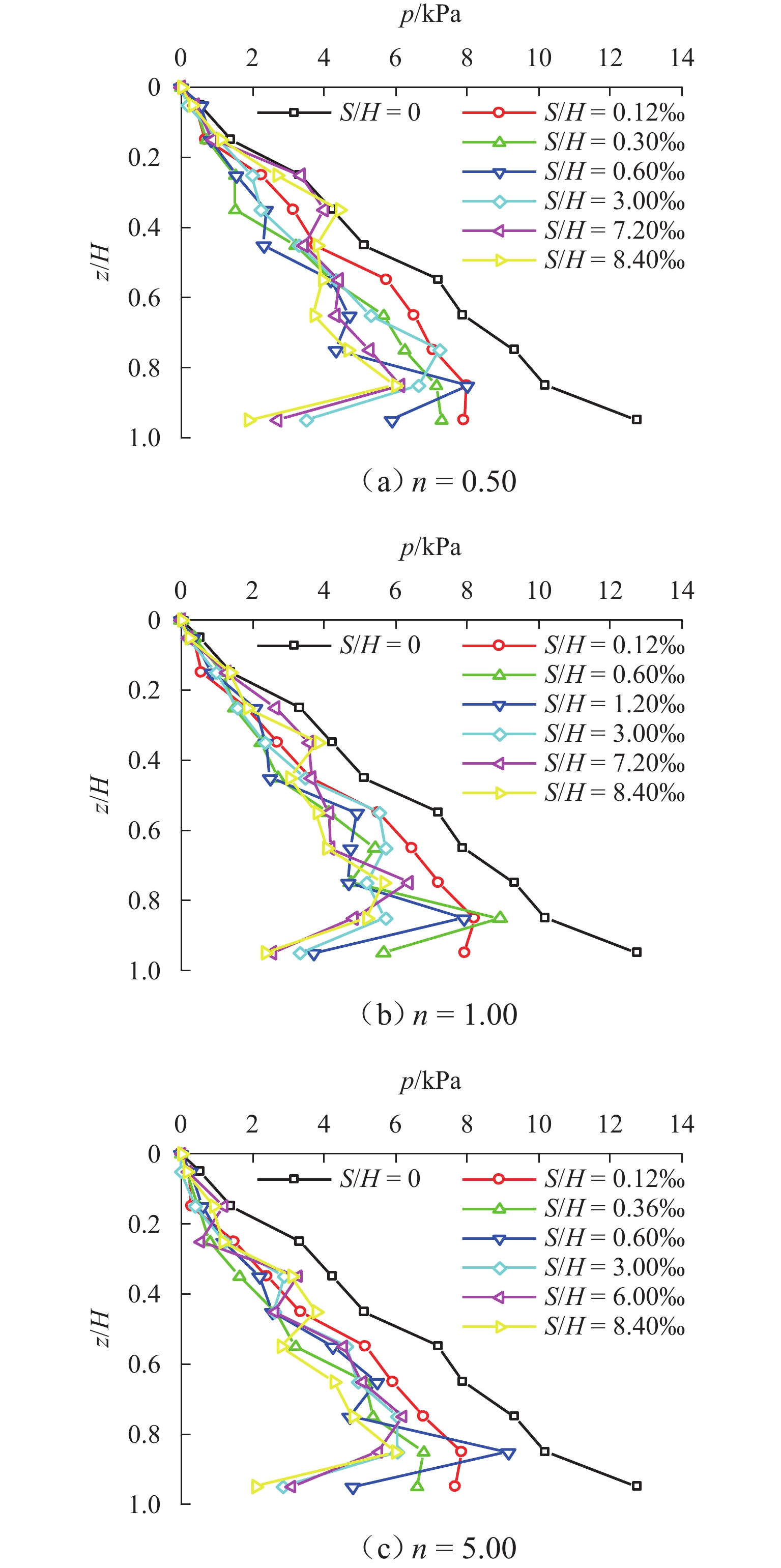
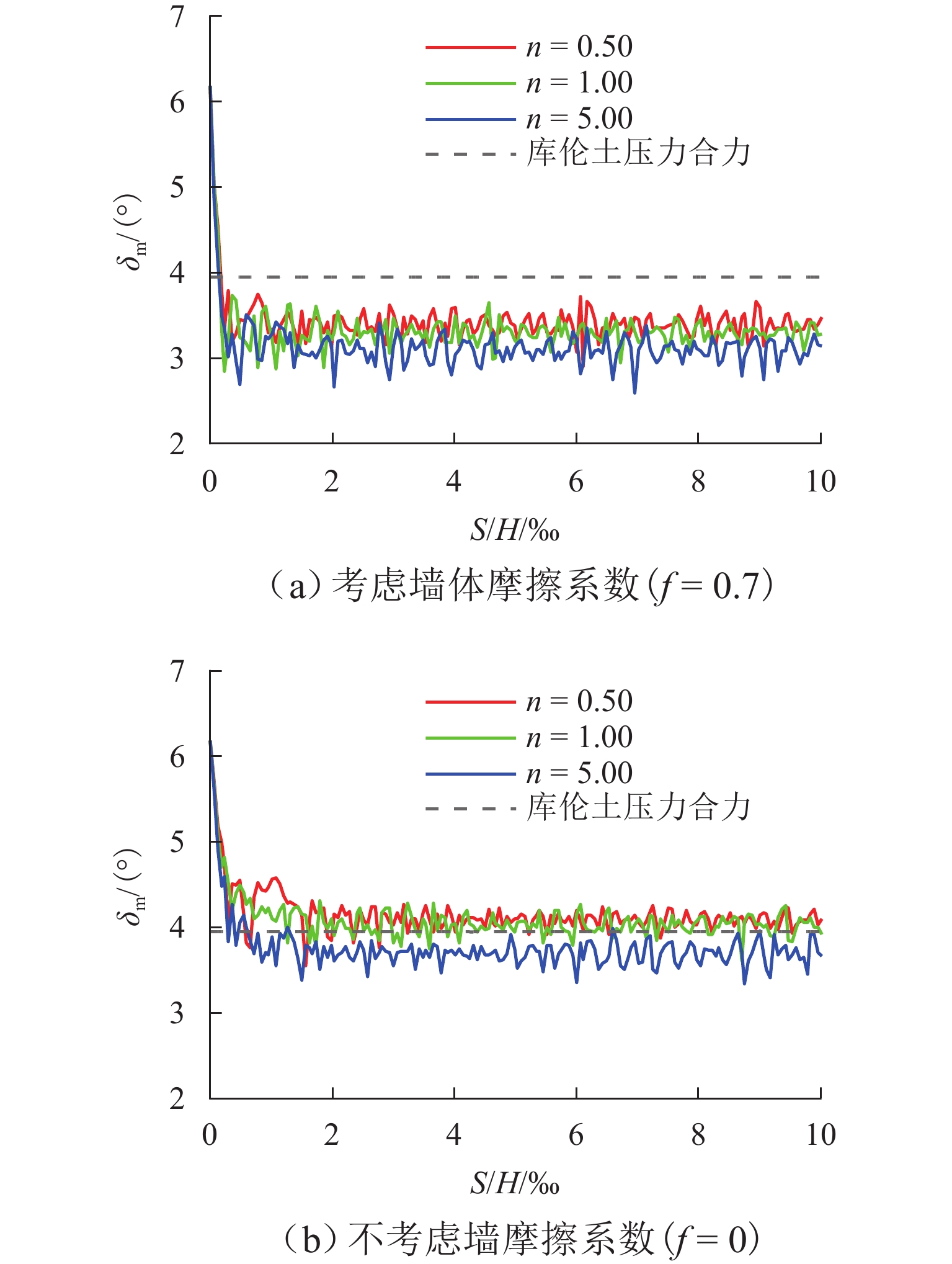
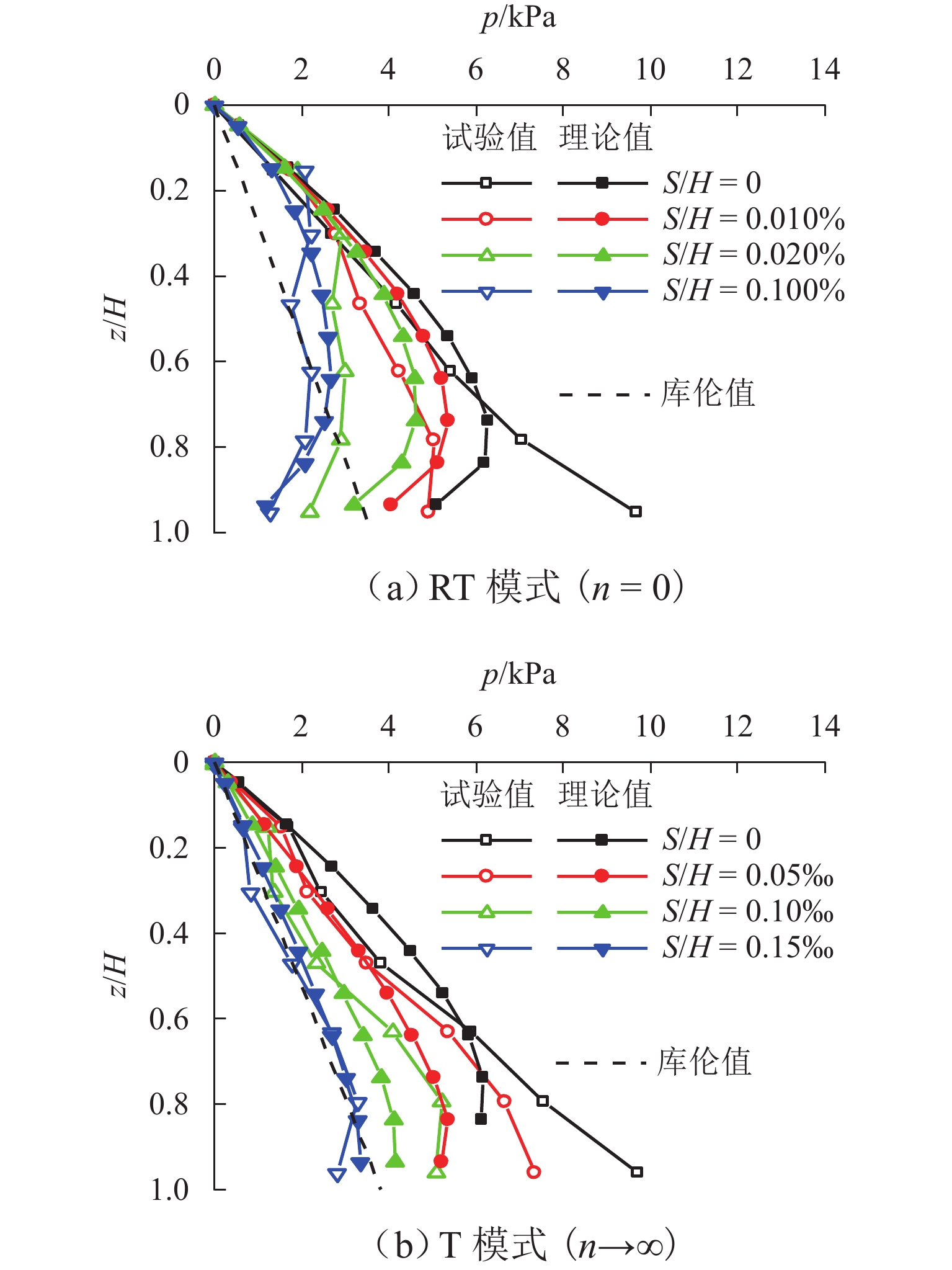
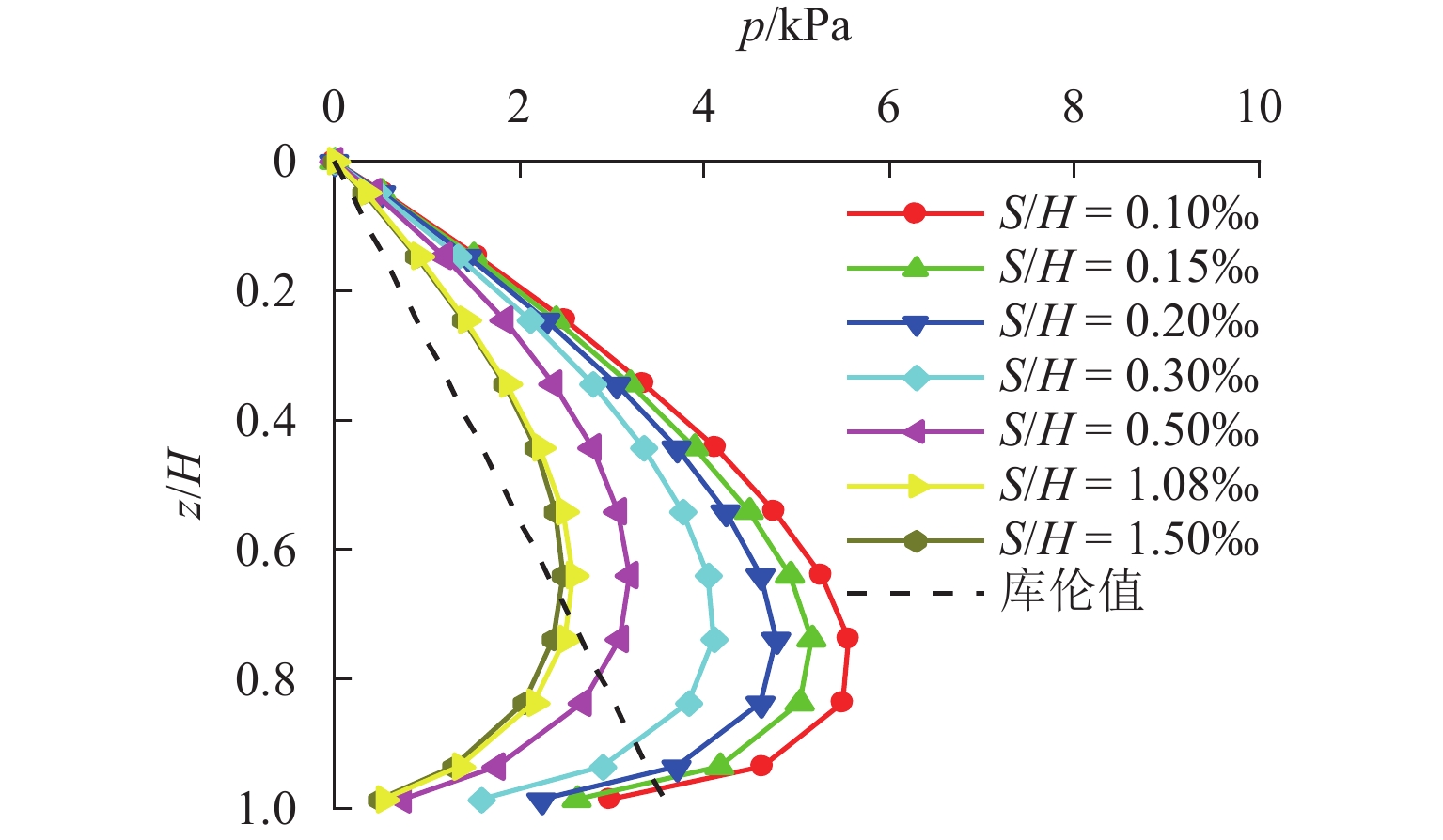
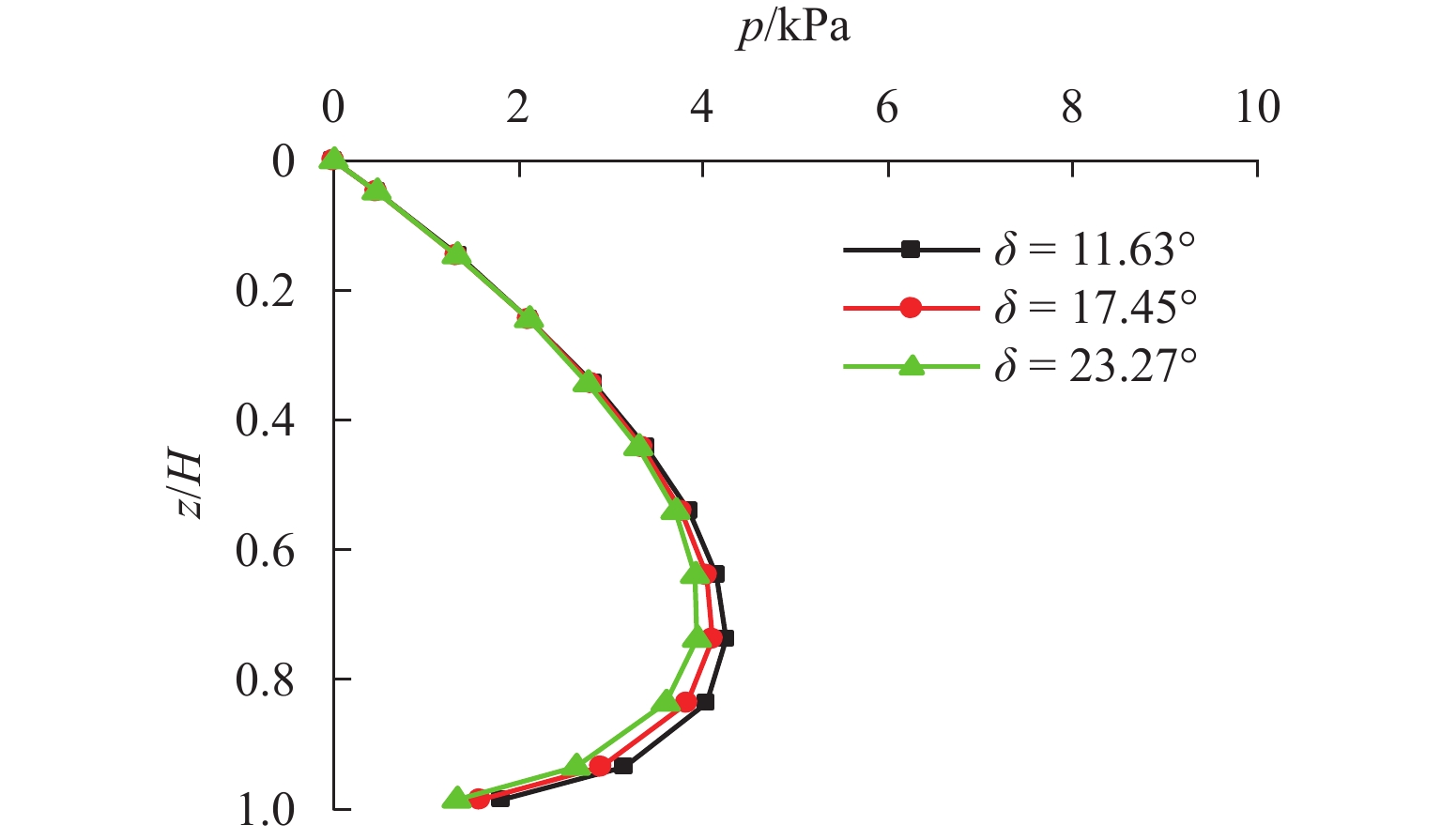
The results of discrete element simulation, simulation verification, and parameter analysis are summarized.  The simulation results are as follows: 1) The performance of the wall-earth friction angles of soil samples with different rotating center positions in the RTT mode is basically the same. The average wall-soil friction angle of the three groups of models is approximately 21.4°. As wall displacement increases, the wall-soil friction angle gradually mobilizes and reaches its limit value. 2) The distribution of active earth pressure in the RTT mode exhibits characteristics of both translational mode and rotational mode. As wall displacement increases, the pressure distribution transitions from linear to parabolic. A larger n value results in a more linear pressure distribution. 3) With the displacement of the wall, both the internal friction angle φ and the wall-soil friction angle δ gradually mobilize. The soil transitions from a non-limit state to a limit state. The resultant earth pressure becomes essentially stable at S/H = 0.2%. In the RTT mode, the wall-soil friction angle of sand reaches its limiting value faster than the internal friction angle. 4) The soil failure process shows increasing particle rotation with wall displacement, leading to the development of a shear failure surface. The rotation of soil particles is more pronounced for higher n, and the failure surface becomes more distinct. 5) In the RTT mode, the principal stress at the slip surface deflects. In the upper and middle zones of the soil mass, the rotation angle of soil particles behind the wall and at the slip fracture surface is approximately the same. The principal stress deflection in the middle area is small. The soil arching effect occurs inside the soil mass, forming approximately symmetrical semicircular arches.  Model verification: The theoretical results match well with the experimental results. When n = 0, the RTT mode transforms into a special mode of rotation about the wall top, and the active earth pressure appears as a parabolic distribution with an upward convex shape. When n = ∞, the RTT mode becomes a special translational mode, and the active earth pressure shows a linear distribution.  Parameter analysis: 1) In the RTT mode, the active earth pressure distribution is a parabolic shape with an upward convex curve. As displacement increases, the active earth pressure decreases and approaches the Coulomb value. 2) The influence of the internal friction angle on the magnitude and distribution of active earth pressure is greater than that of the wall-soil friction angle. The greater the internal friction angle and the wall-soil friction angle, the smaller the active earth pressure. 3) As the n value increases, the pressure distribution becomes less nonlinear and approaches a linear form in the RTT mode. When n ≥ 5.0, calculations in the translational mode are acceptable.

Conclusion

The findings enhance the theoretical understanding of non-limit active earth pressure under RTT displacement and provide practical guidance for the design and construction of retaining structures. Future studies could explore the application of this model to scenarios of more complex retaining wall systems, displacement modes, and soil conditions.

Research on Dynamic Failure of Bedrock-Overburden Layered Accumulation Slope Considering Influence of Soil Layer Dip
YANG Bing, YANG Fei, PAN Youfeng, CHEN Qimin, ZHOU Zihong
2026, 61(5): 1633-1645. doi: 10.3969/j.issn.0258-2724.20250293
Abstract:

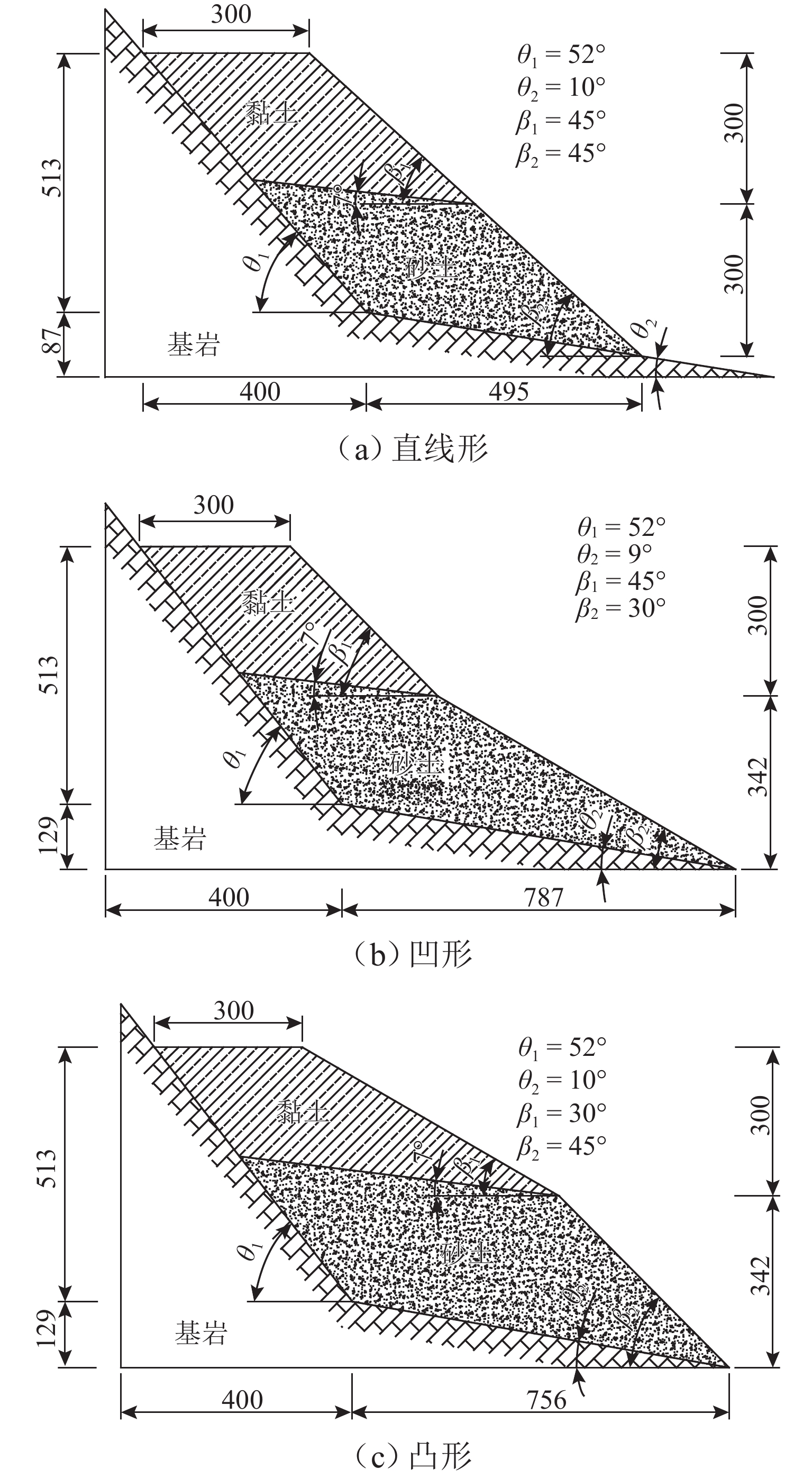
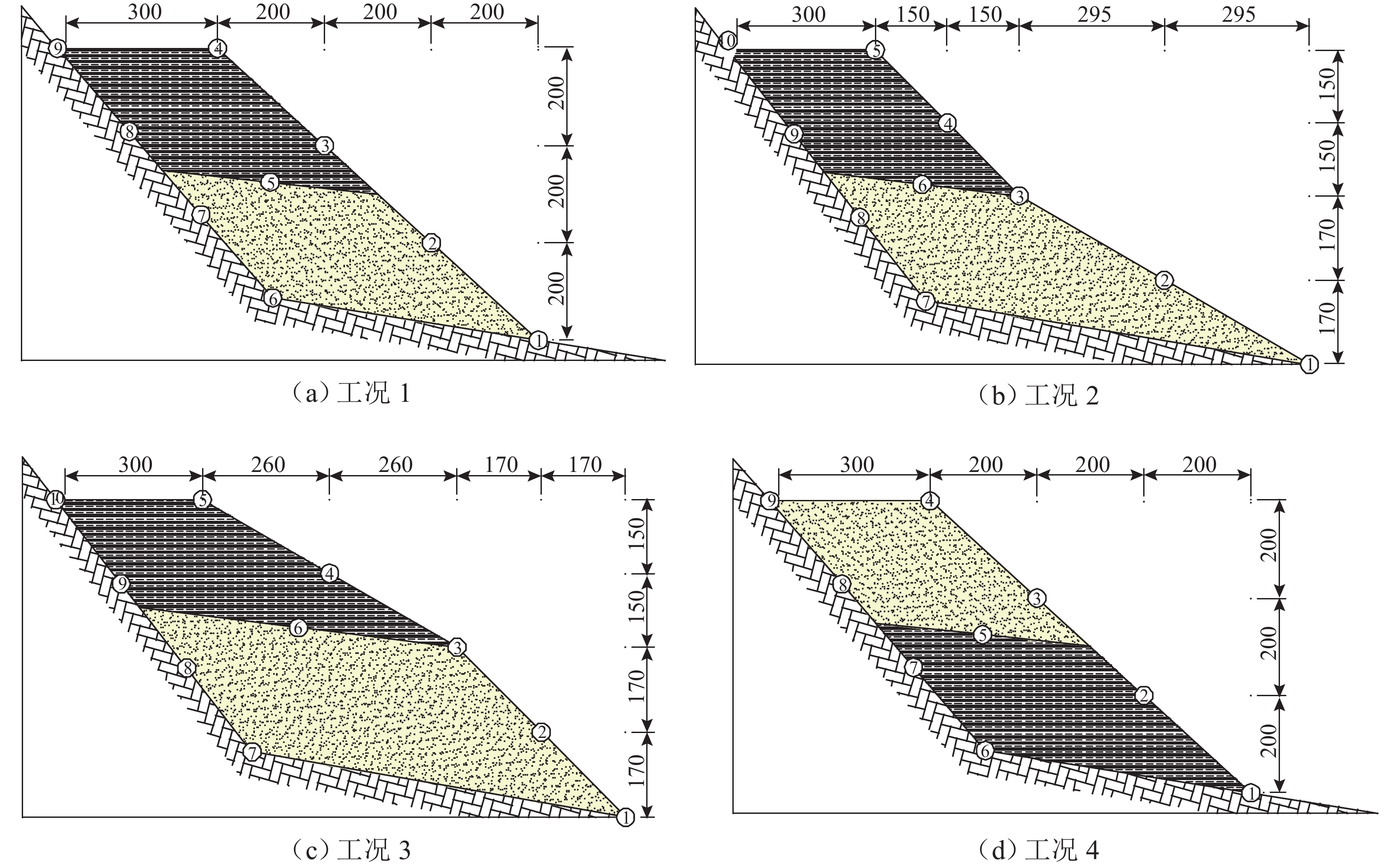
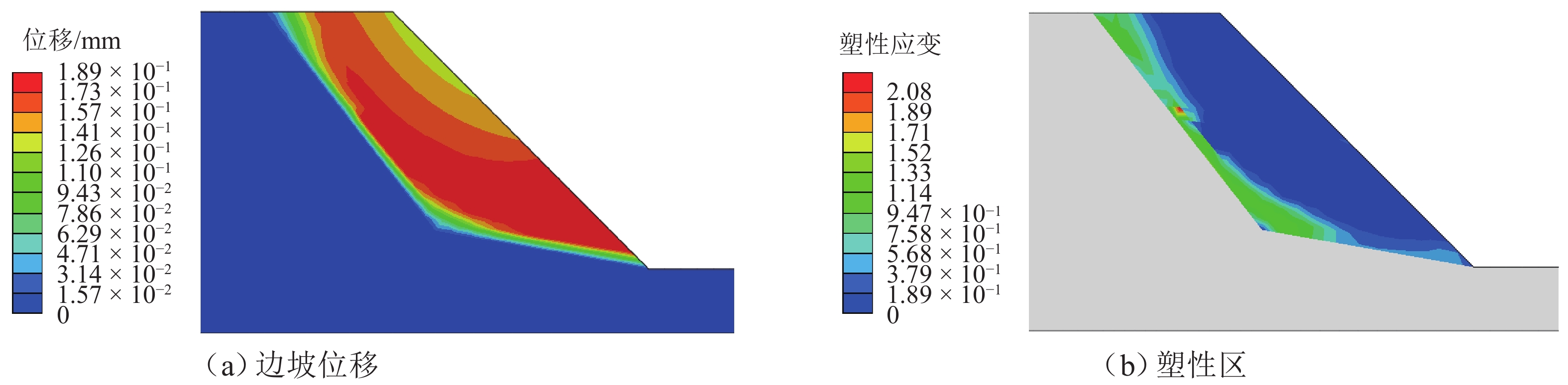
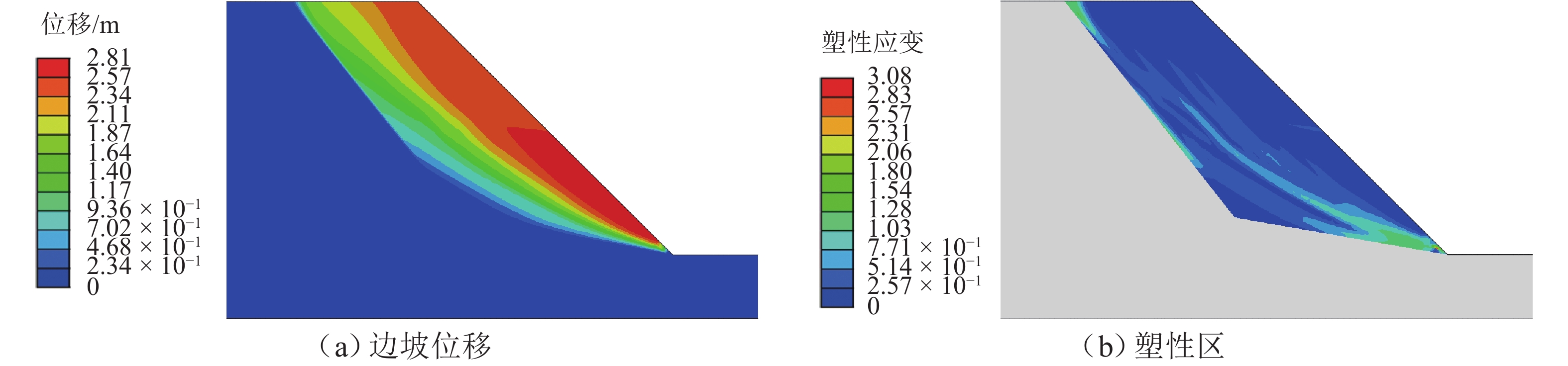
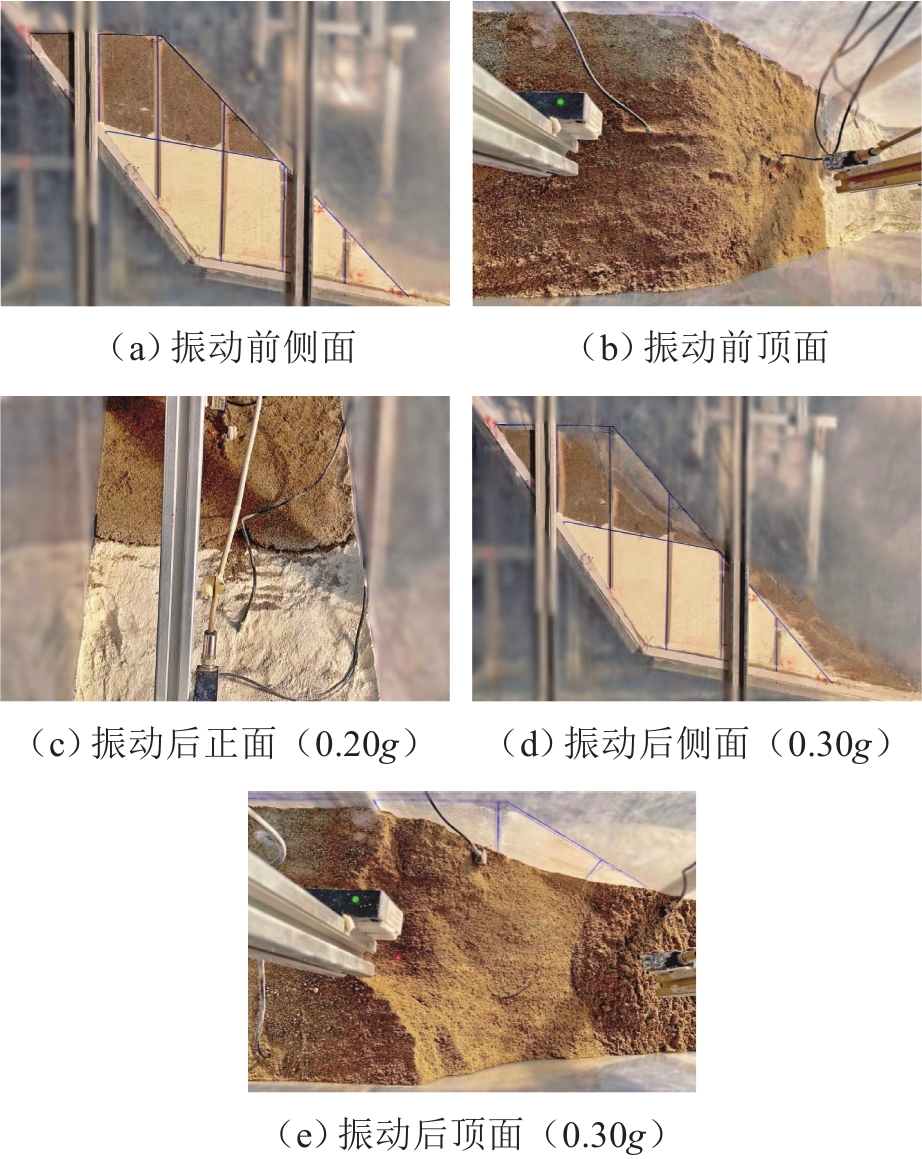
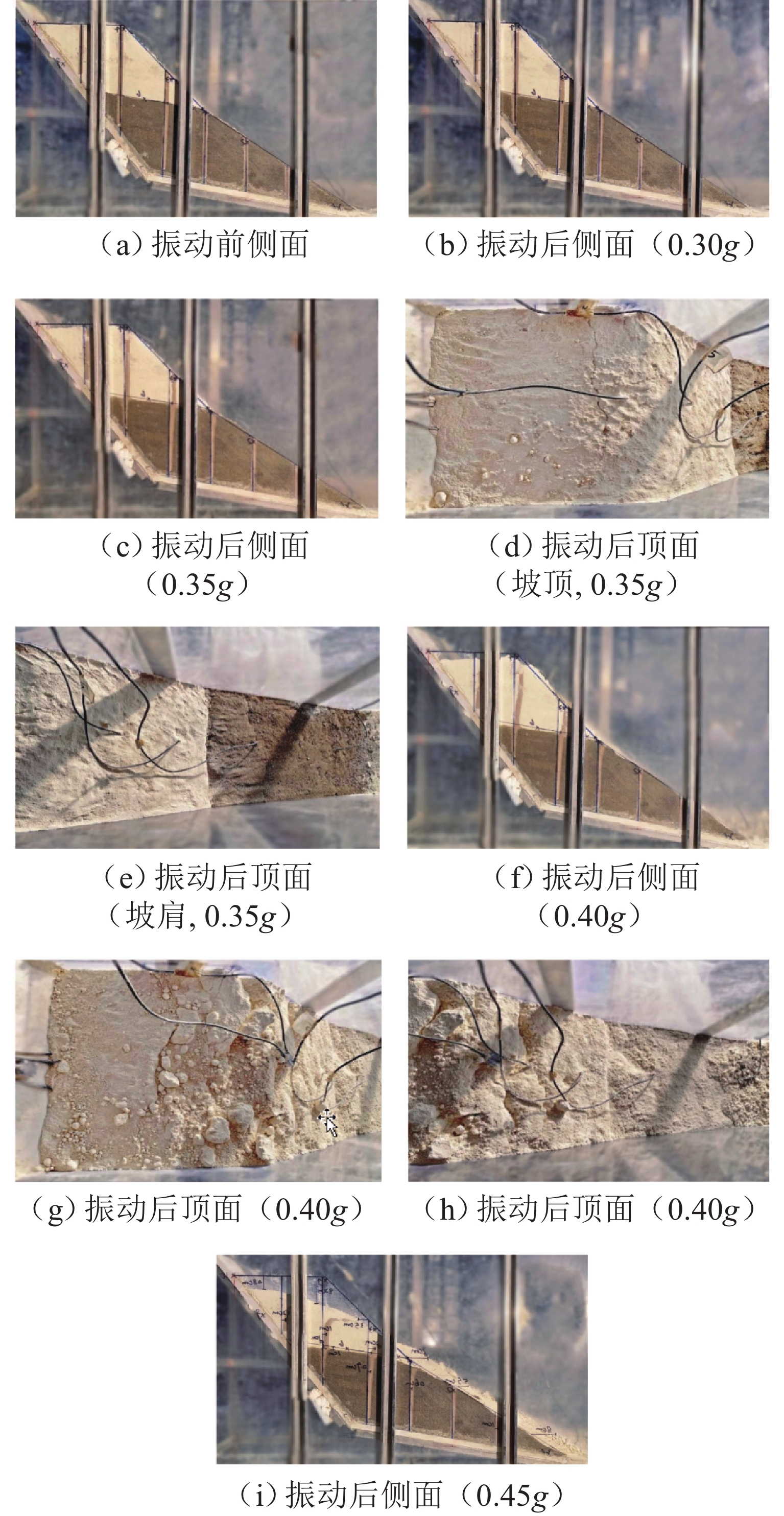
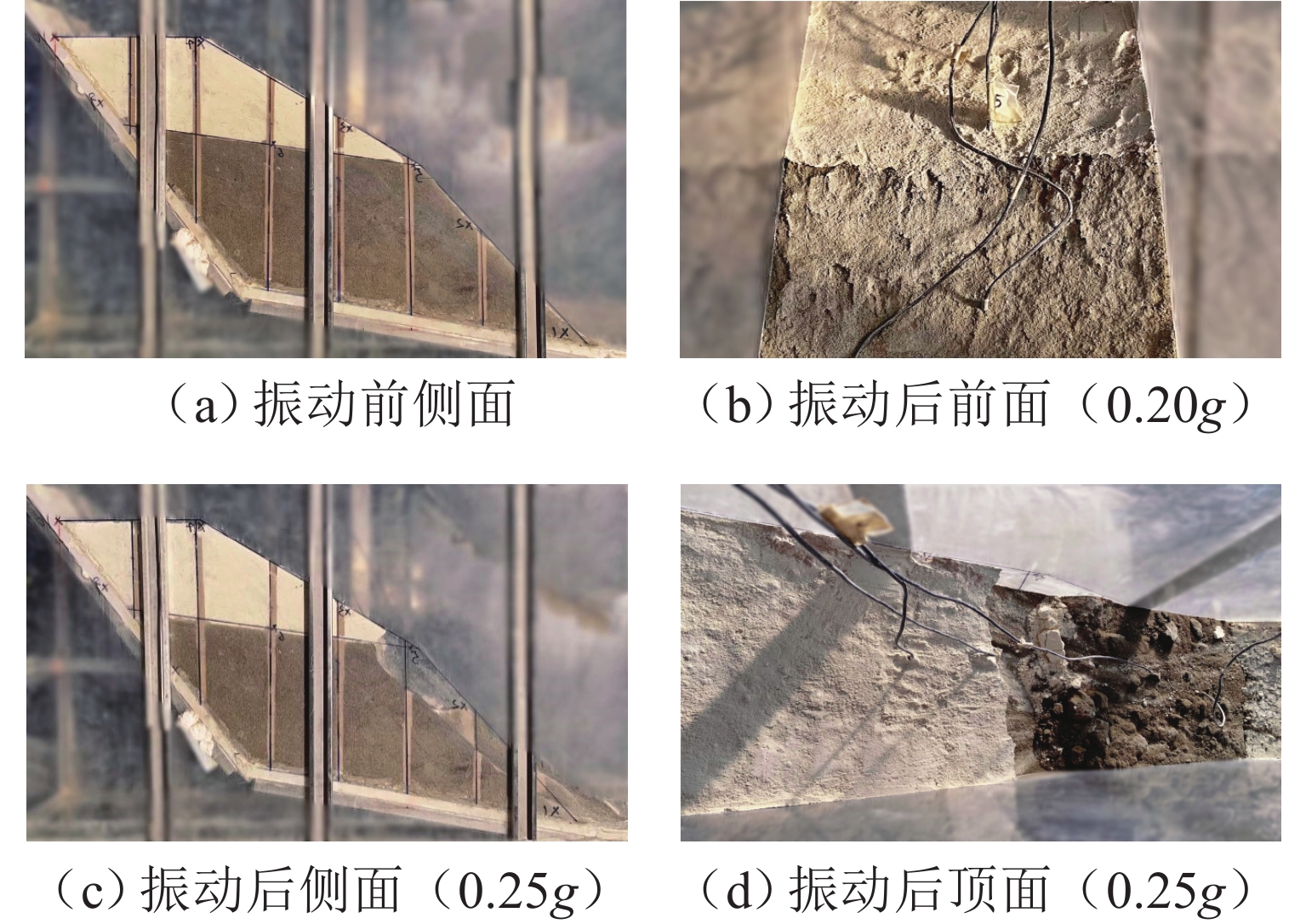
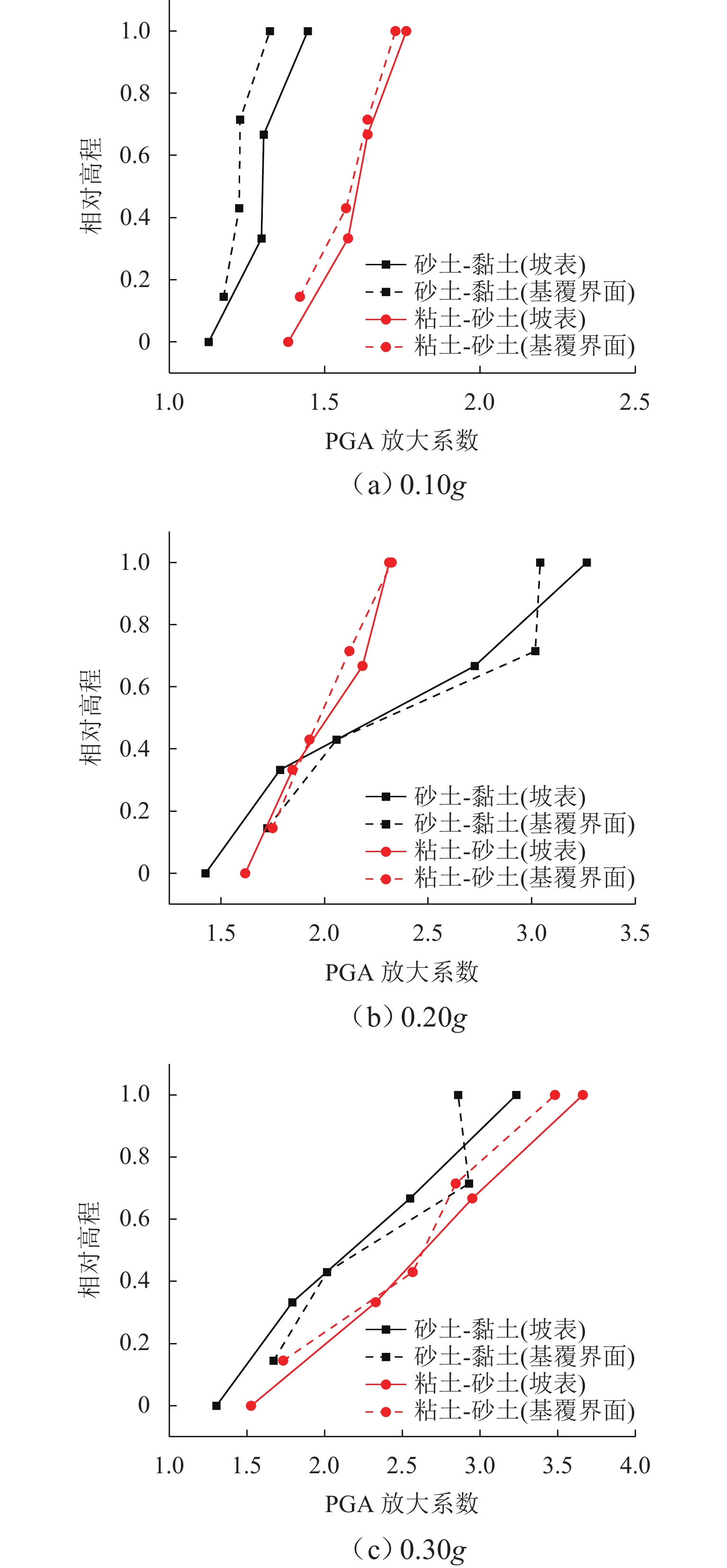
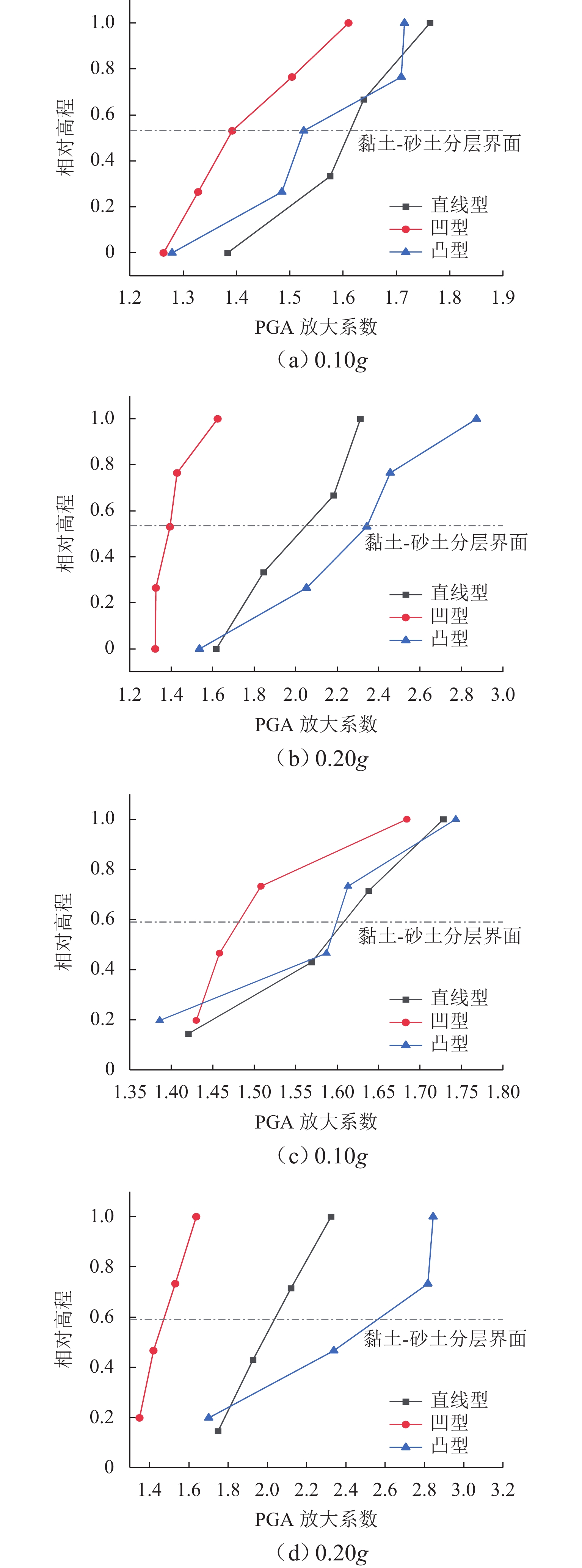
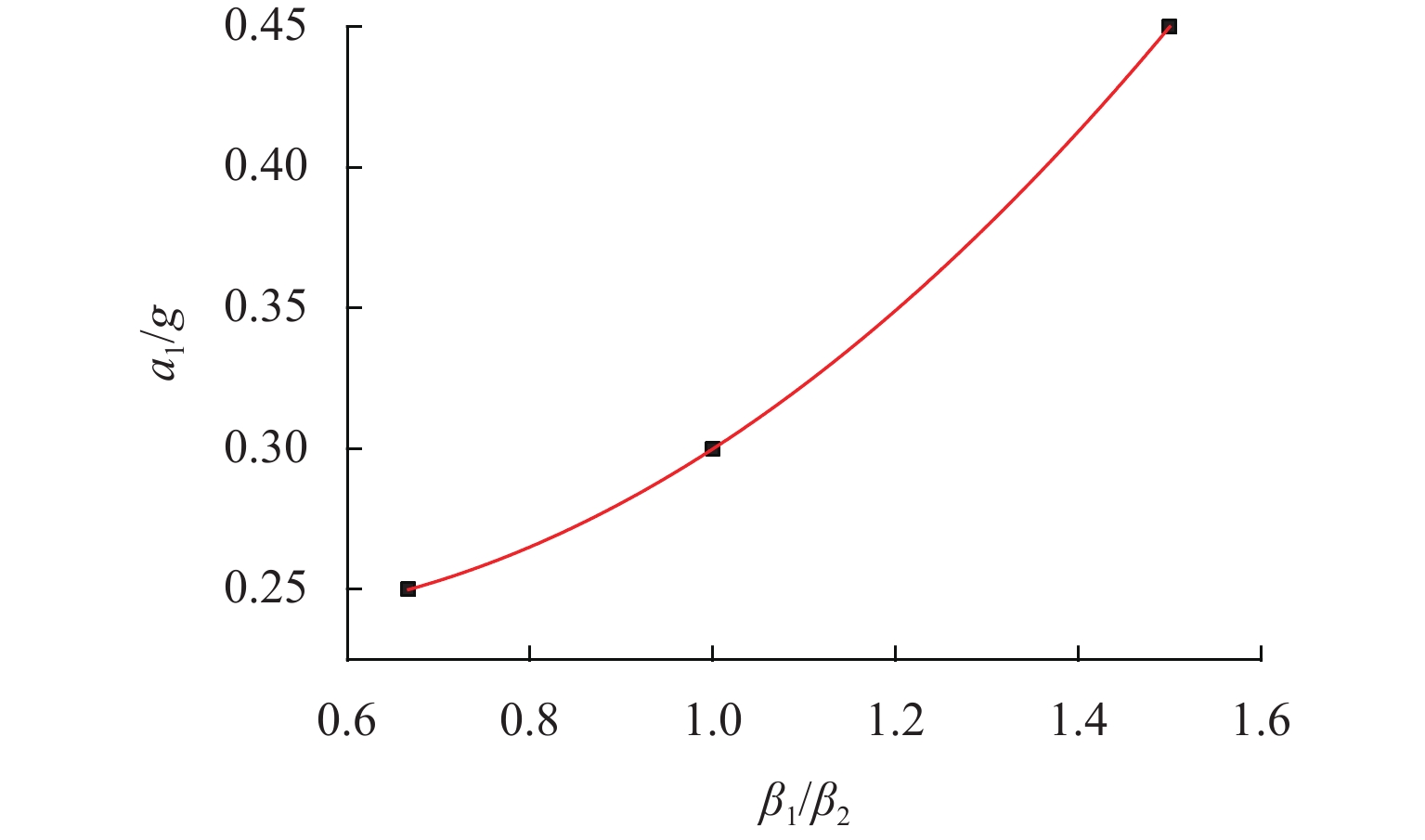
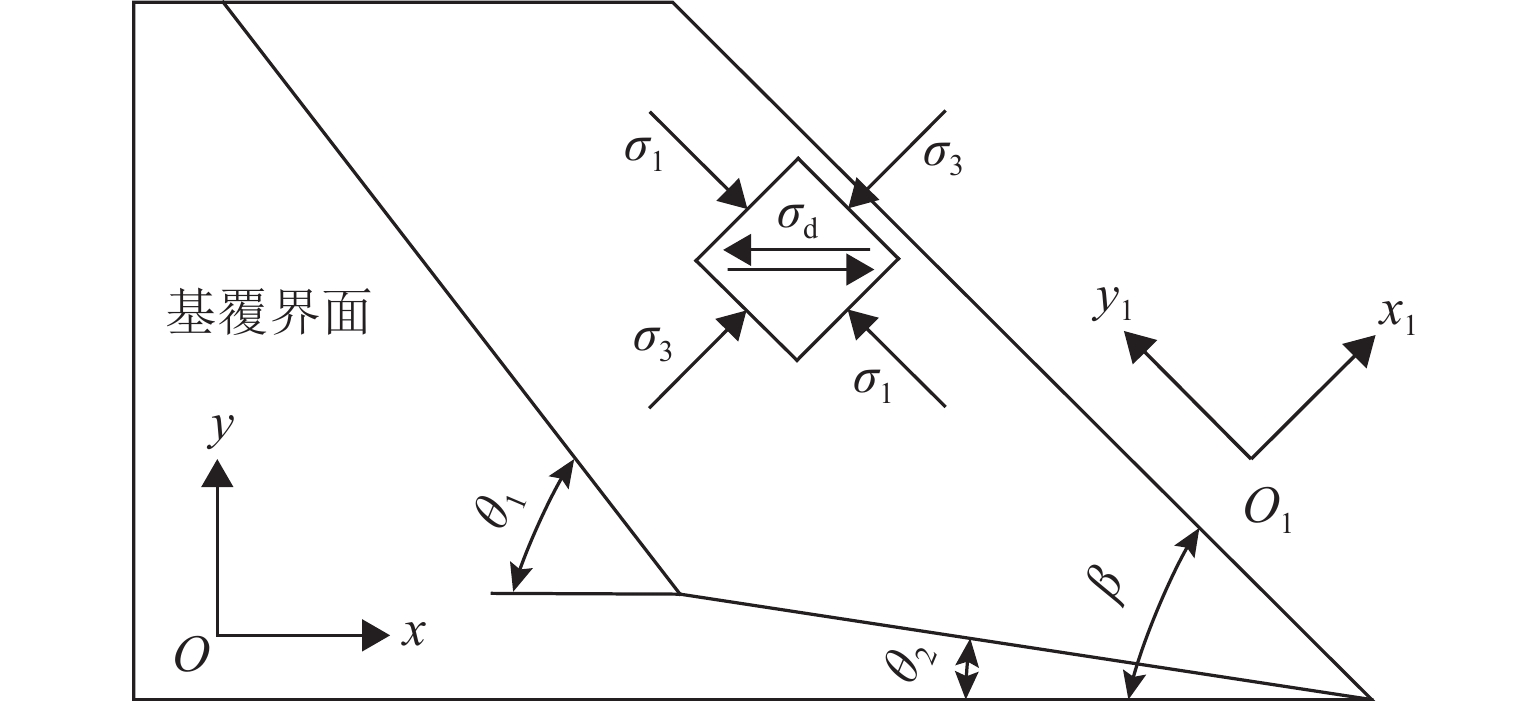
To investigate the influence of soil layer dip on the dynamic failure of slopes, the failure characteristics and dynamic response laws of bedrock-overburden layered accumulation slopes with different soil layer dips under seismic action were studied based on shaking table model tests. By varying the bedrock-overburden interface dip, three types of slopes with linear, concave, and convex surfaces were designed. Shaking table model tests were subsequently conducted on these slopes, yielding the failure modes of the three types of slopes with various dips. By taking into account the acceleration amplification effect of slope failure, the soil stress state, and the Mohr-Coulomb strength theory, the dynamic response mechanism of slopes and the critical conditions for slope failure were explored. The test results show that the failure characteristics of the concave slope are concentrated in the upper soil layer during the slope failure process, while those of the convex slope are concentrated in the lower soil layer. By contrast, the linear slope exhibits a failure mode characterized by tensile cracking in the upper soil layer and shear sliding in the lower soil layer. Under the same seismic magnitude, the concave slope exhibits the smallest acceleration amplification coefficient, and the acceleration amplification effects of the linear slope, concave slope, and convex slope are concentrated at the slope crest, slope shoulder, and the rear edge of the slope crest, respectively. With the increase in the various dip coefficients, the critical acceleration for slope failure increases accordingly. The research results can provide a scientific basis for the anti-seismic design, stability evaluation, and disaster prevention and mitigation of engineering projects involving bedrock-overburden layered accumulation slopes.

DEM Study About Influence of Fabric Anisotropy on Formation Disturbance
LIU Qiqing, YAN Qixiang, LIU Ji, ZHANG Lingzhi, YU Chao, JIN Kun
2026, 61(5): 1646-1656. doi: 10.3969/j.issn.0258-2724.20240017
Abstract:

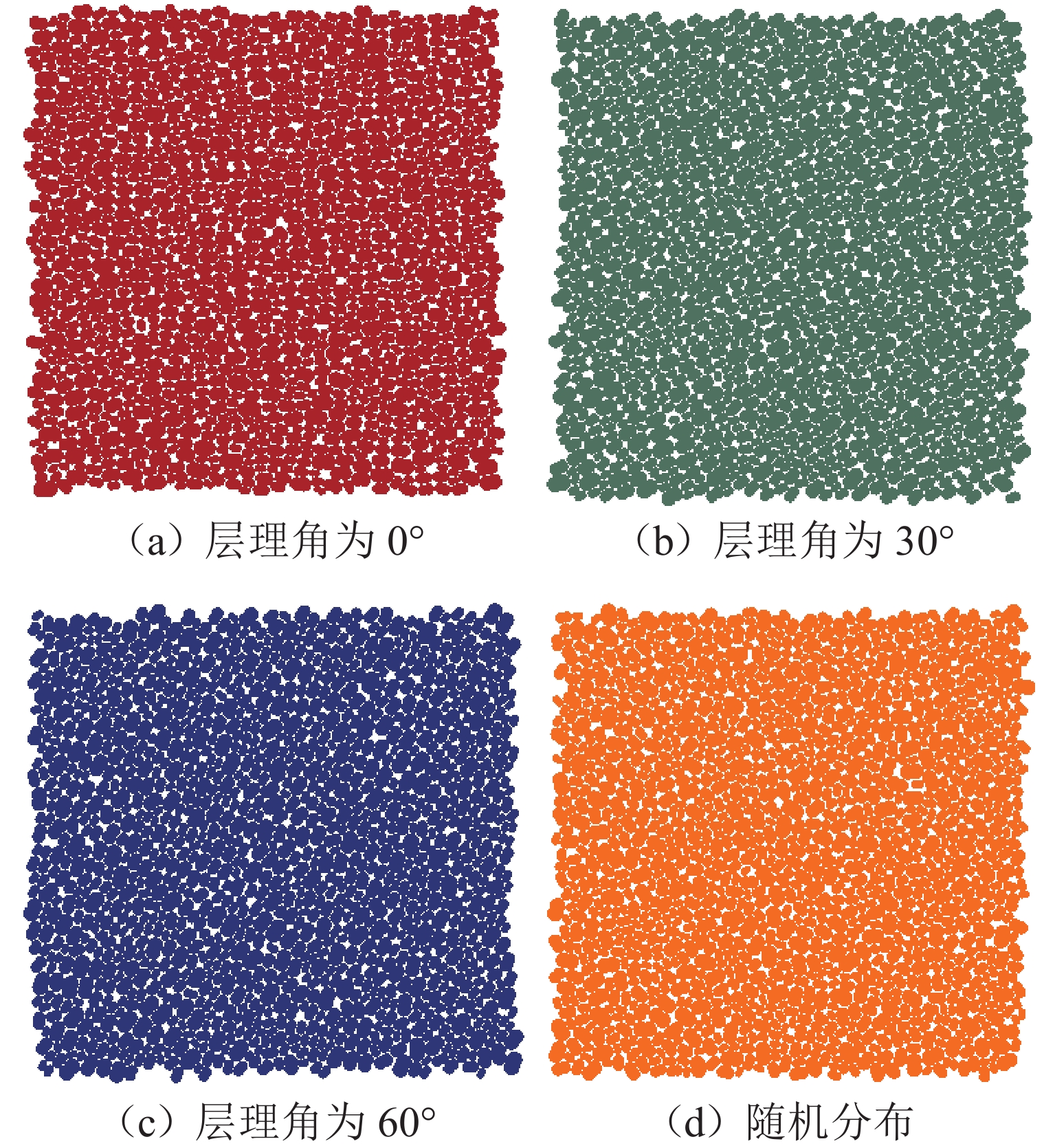
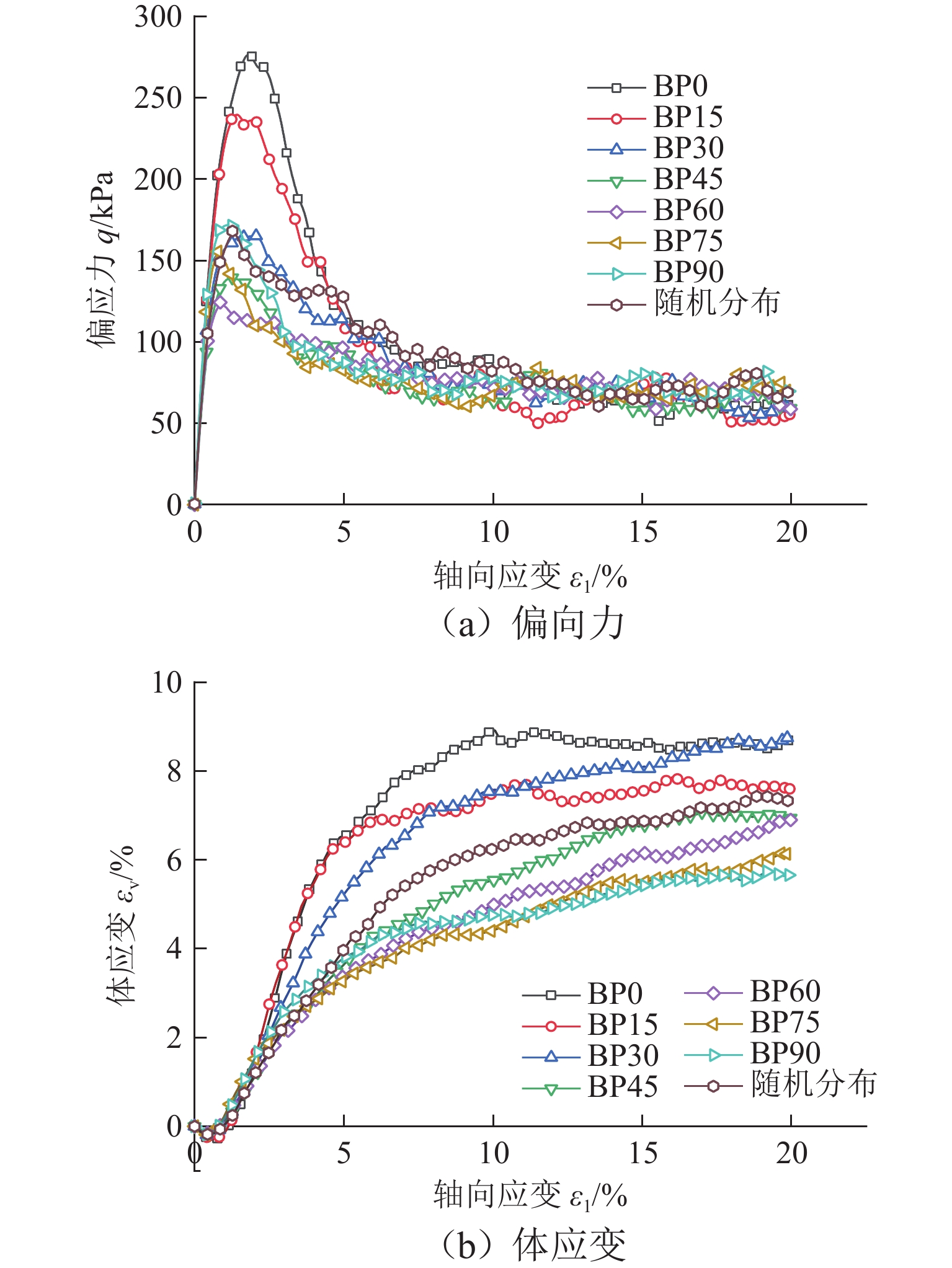
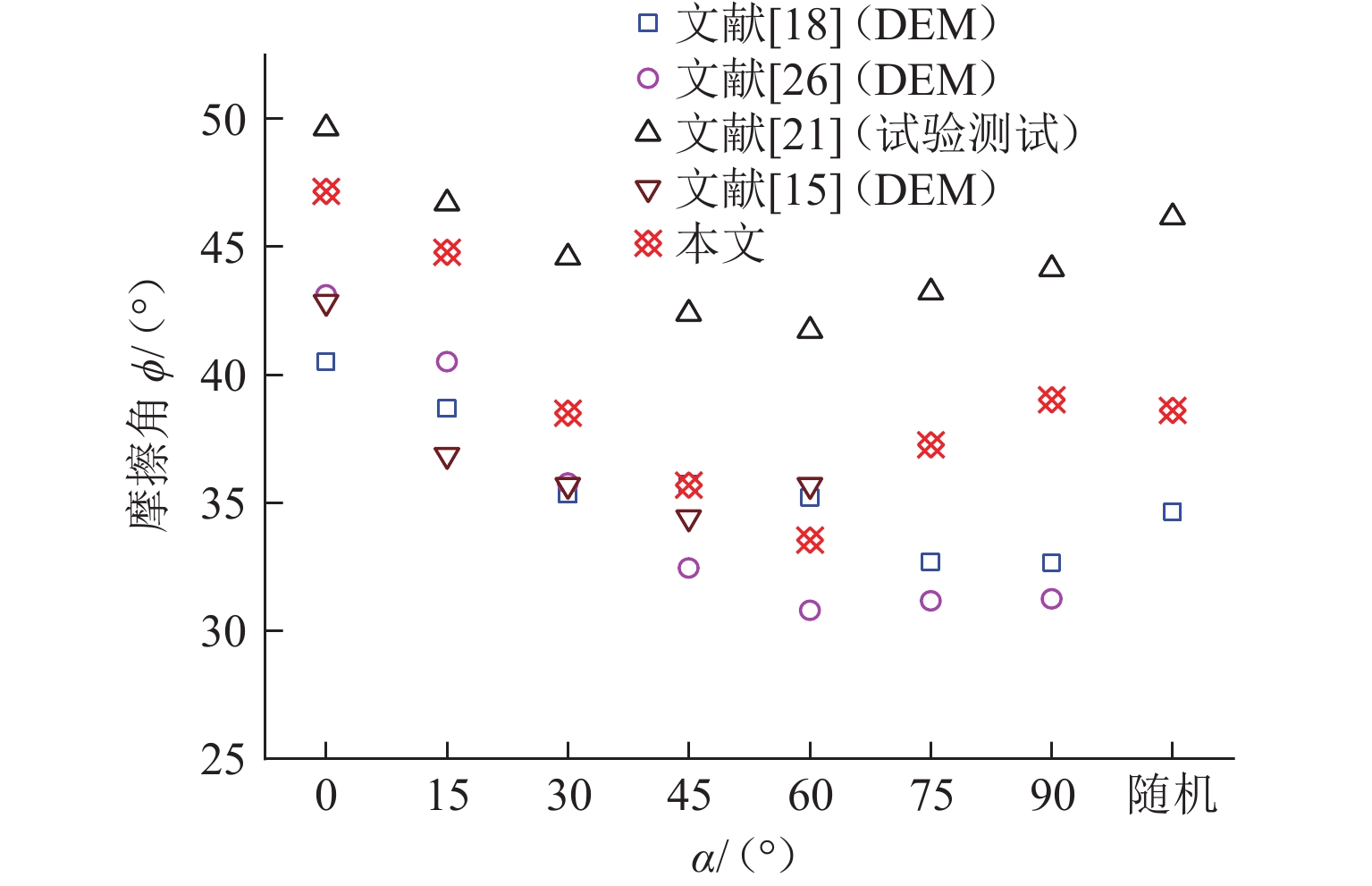
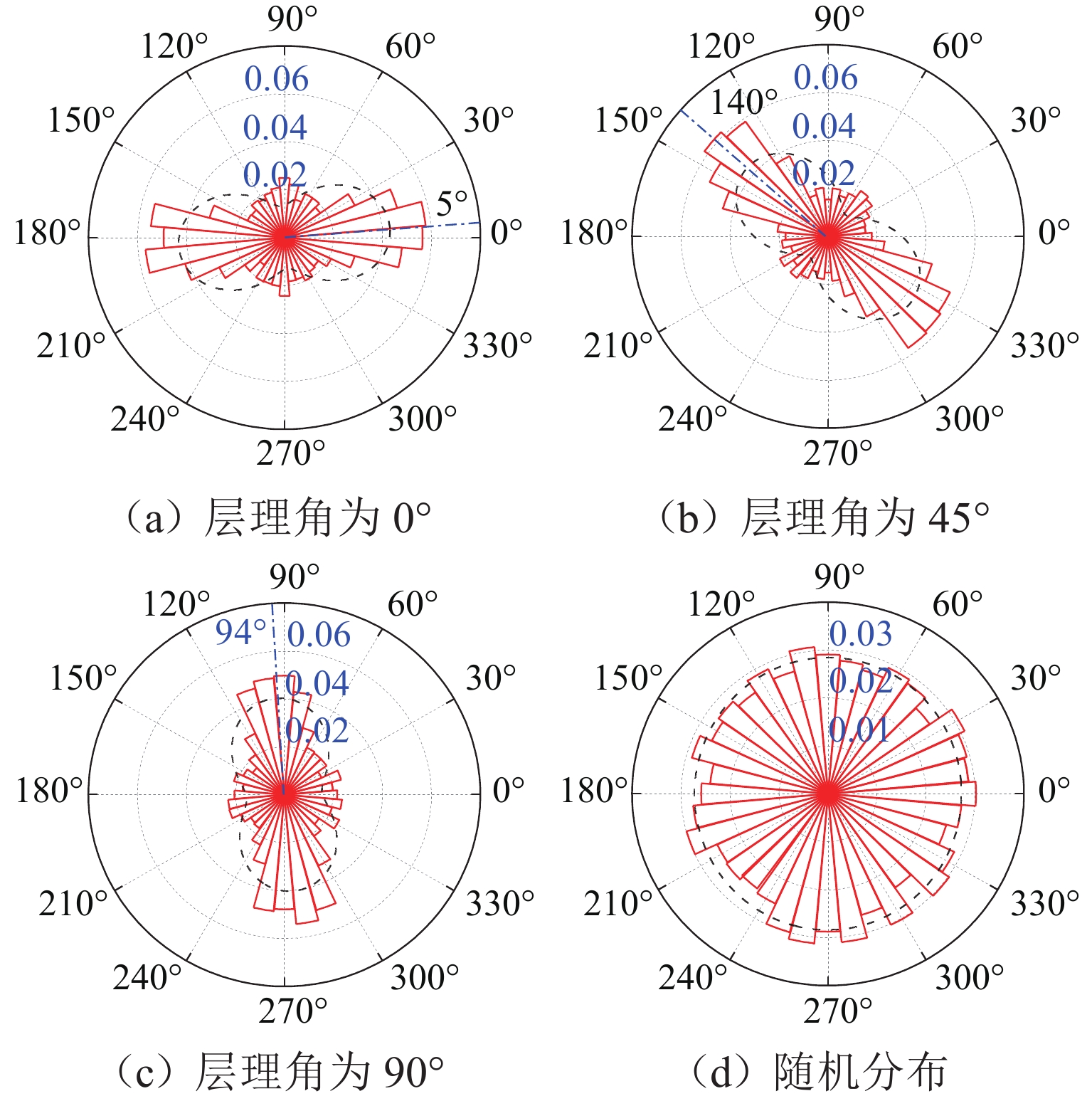
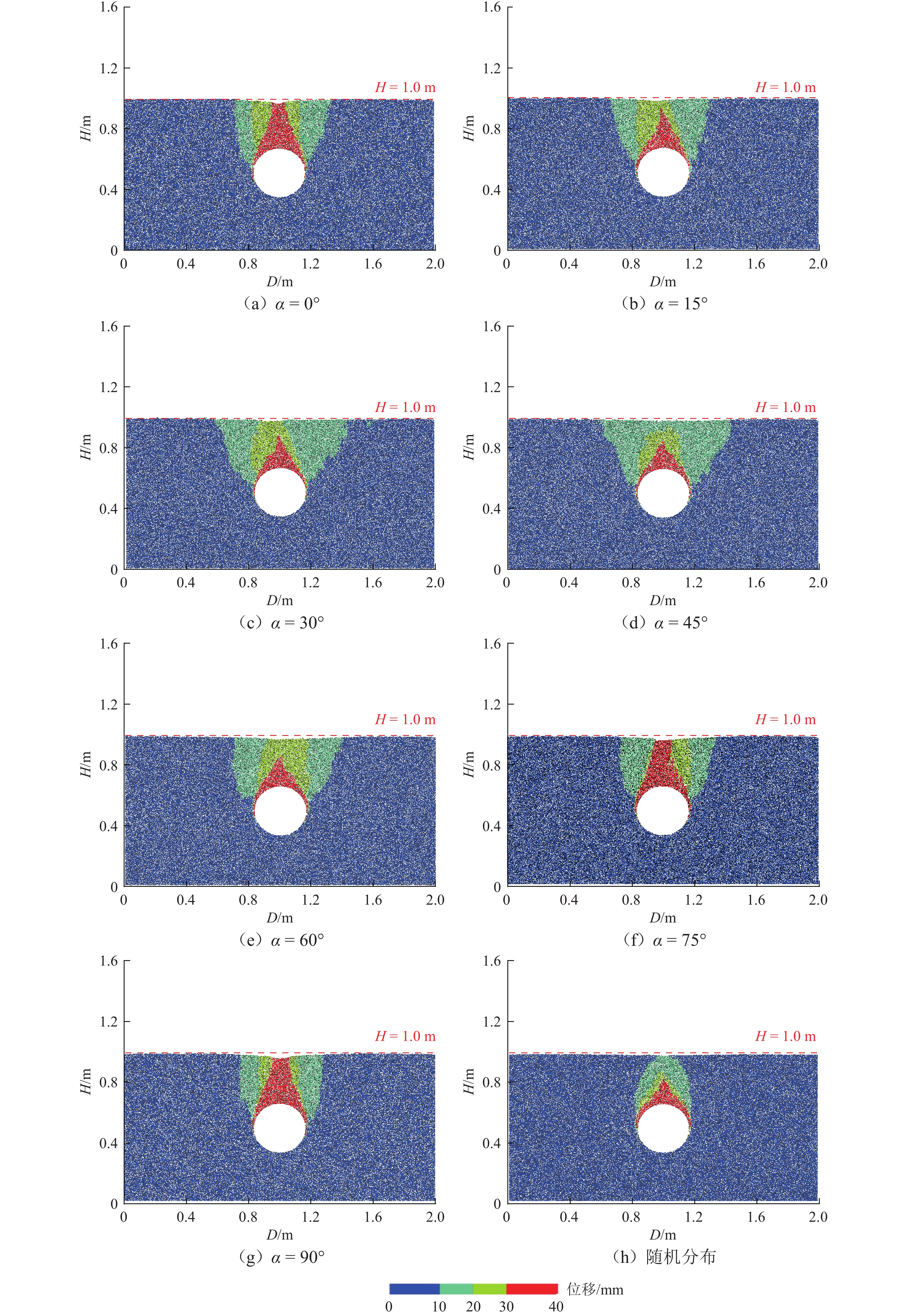
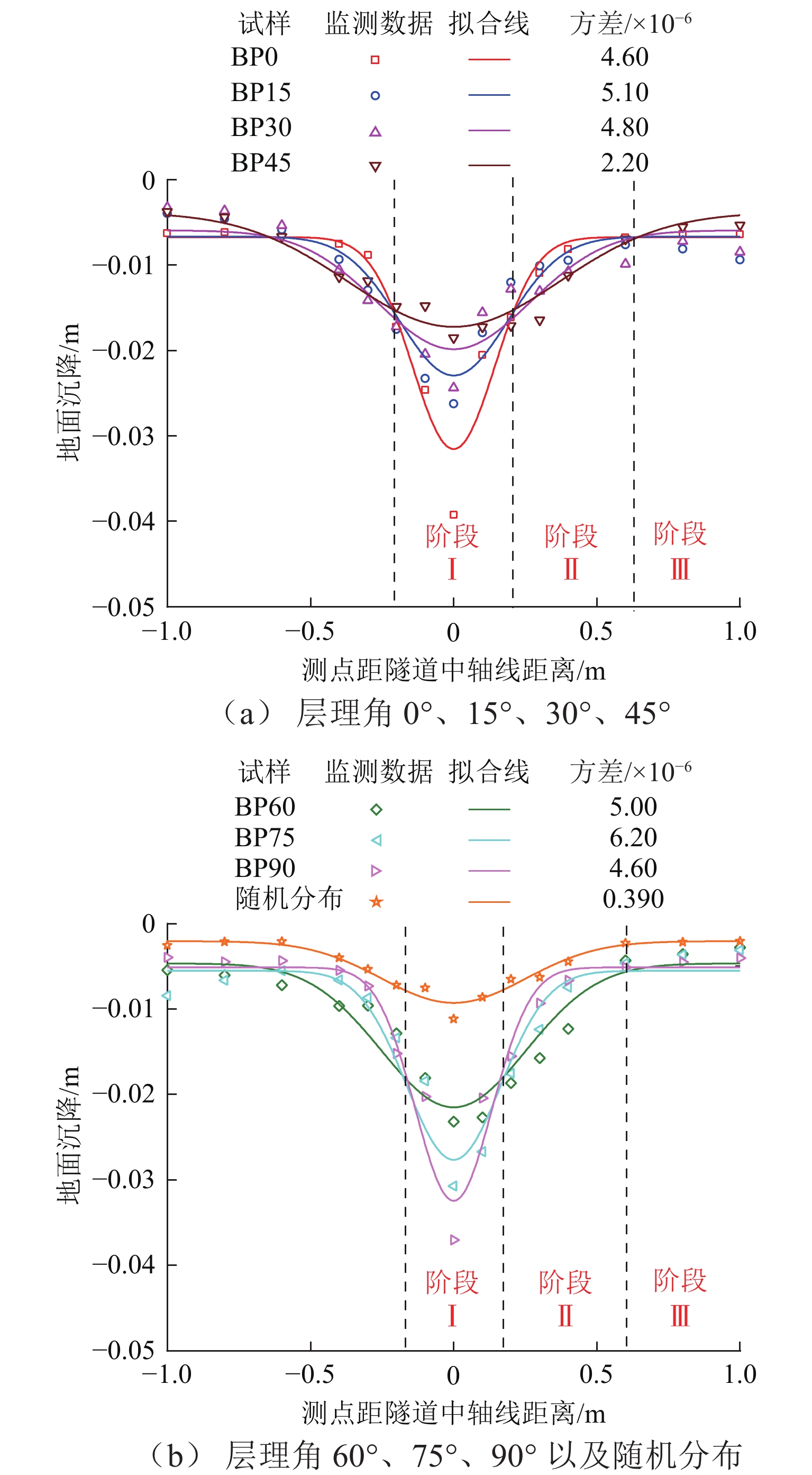
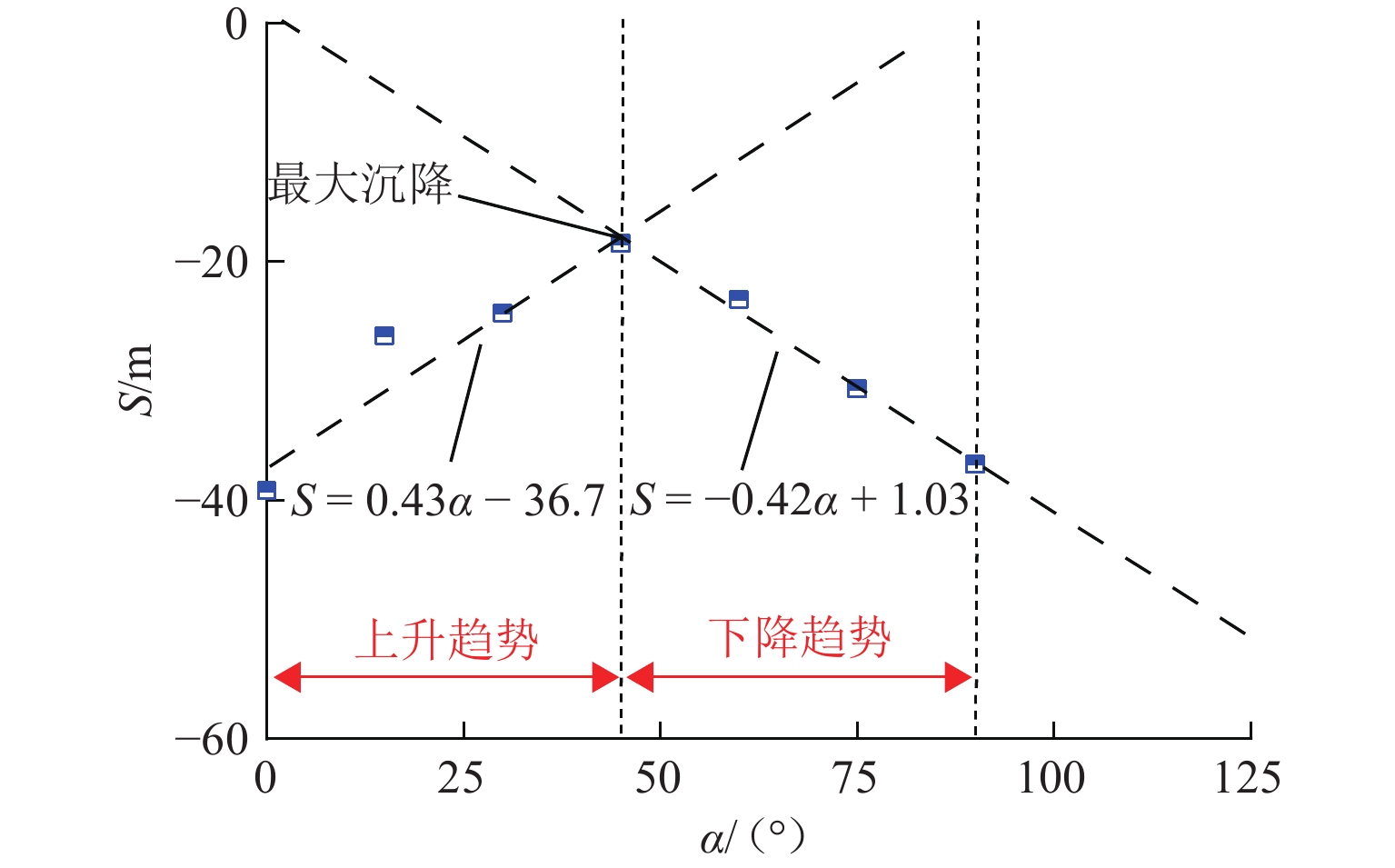
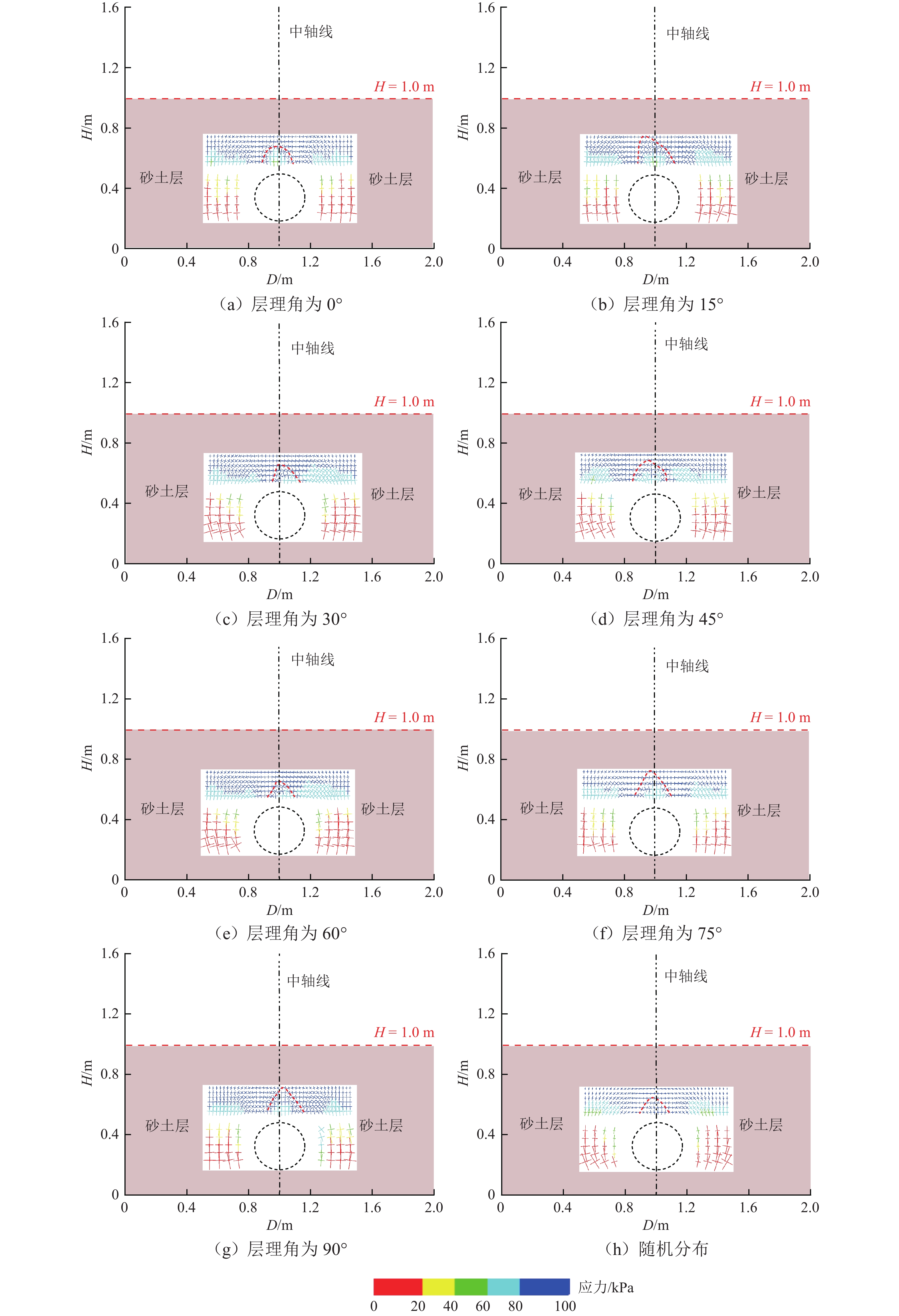
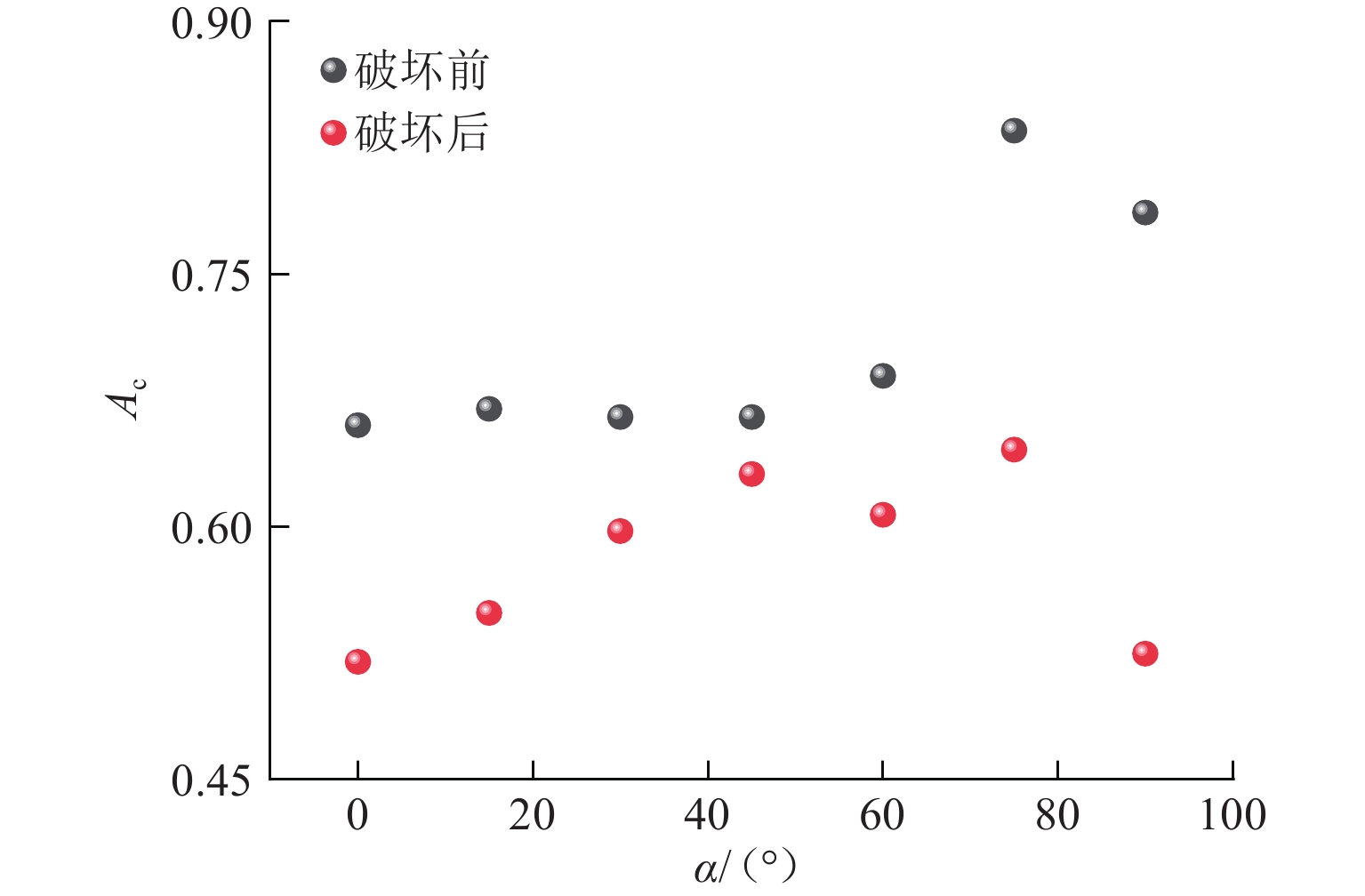
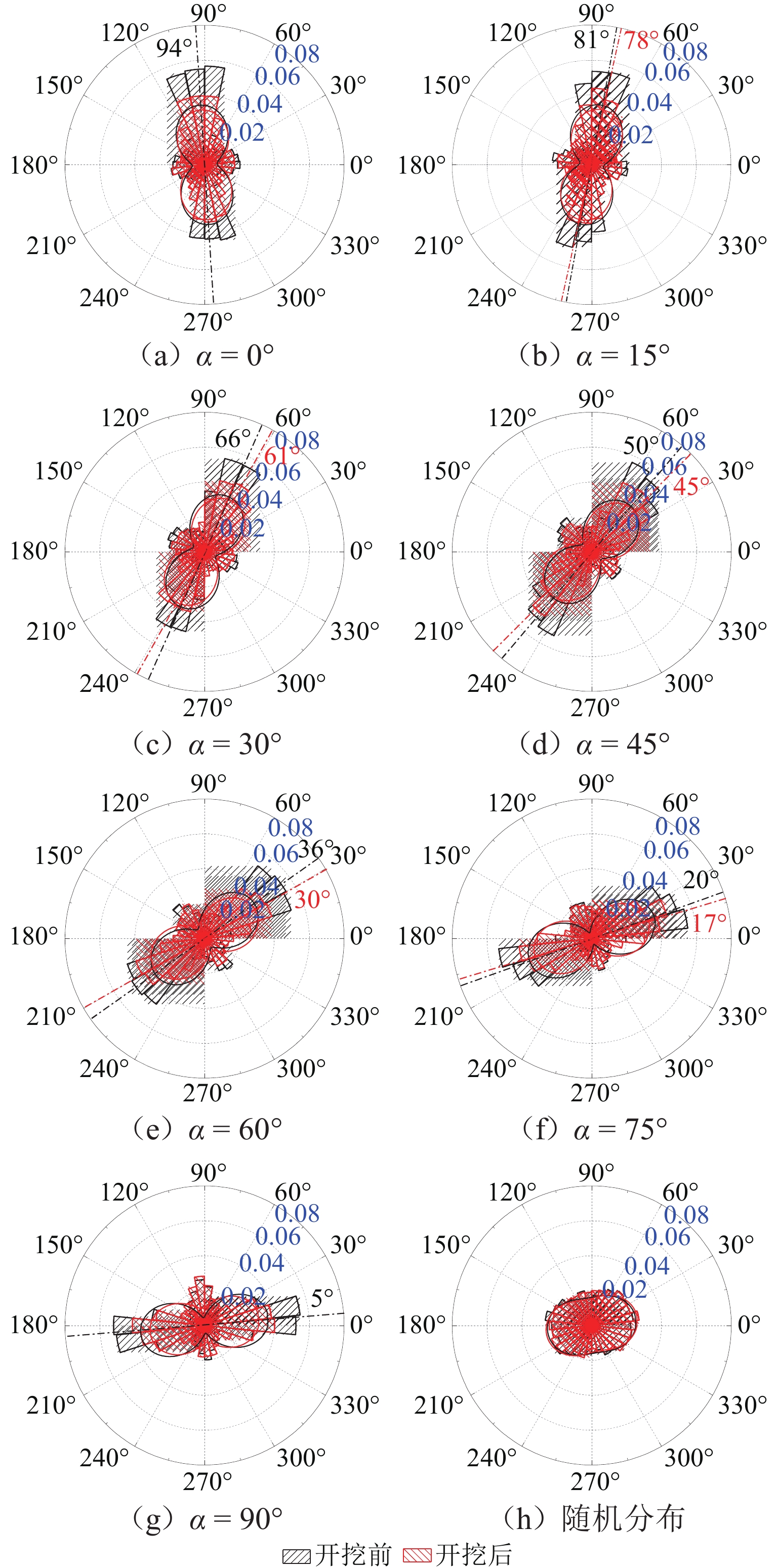
Fabric anisotropy is an important factor affecting the mechanical properties of sandy soil, and the formation disturbance caused by shield tunnel excavation in sandy soil is largely affected by the mechanical properties of the overlying sandy soil. This study utilizes the two-dimensional discrete element method to model particles as overlapping ellipse-like clusters, specifically arranging the long-axis orientation to create sand samples with varying anisotropy. The long-axis orientation and horizontal deposition direction form the bedding plane. A two-dimensional RVE biaxial test shows that the peak friction angle initially decreases and then increases with the bedding angle, aligning with experimental findings. Subsequently, strata with different bedding angles are generated, and tunnel excavation is analyzed based on Park's stratum loss model. In anisotropic strata, the disturbance range exhibits asymmetry about the tunnel's central axis. The surface settlement curve divides into three zones: influence, expansion, and weakening. The effect of bedding angle is evident only in the influence and expansion zones. Maximum settlement occurs at a bedding angle of 0°, while it is minimized at 45°. As the bedding angle increases, maximum settlement trends upward on the left side and downward on the right side of 45°. The principal stress deflection of the tunnel correlates with the displacement-induced asymmetry. In the samples with bedding angles of 0° and 90°, the main direction of the distribution of the contact normal did not change.

Semi-active Control of Vortex-Induced Vibration of Bridge Based on Wake Oscillator Model
LIU Hanyun, REN Xinyi, HAN Yan, PENG Wenlin
2026, 61(5): 1657-1664, 1673. doi: 10.3969/j.issn.0258-2724.20240152
Abstract:

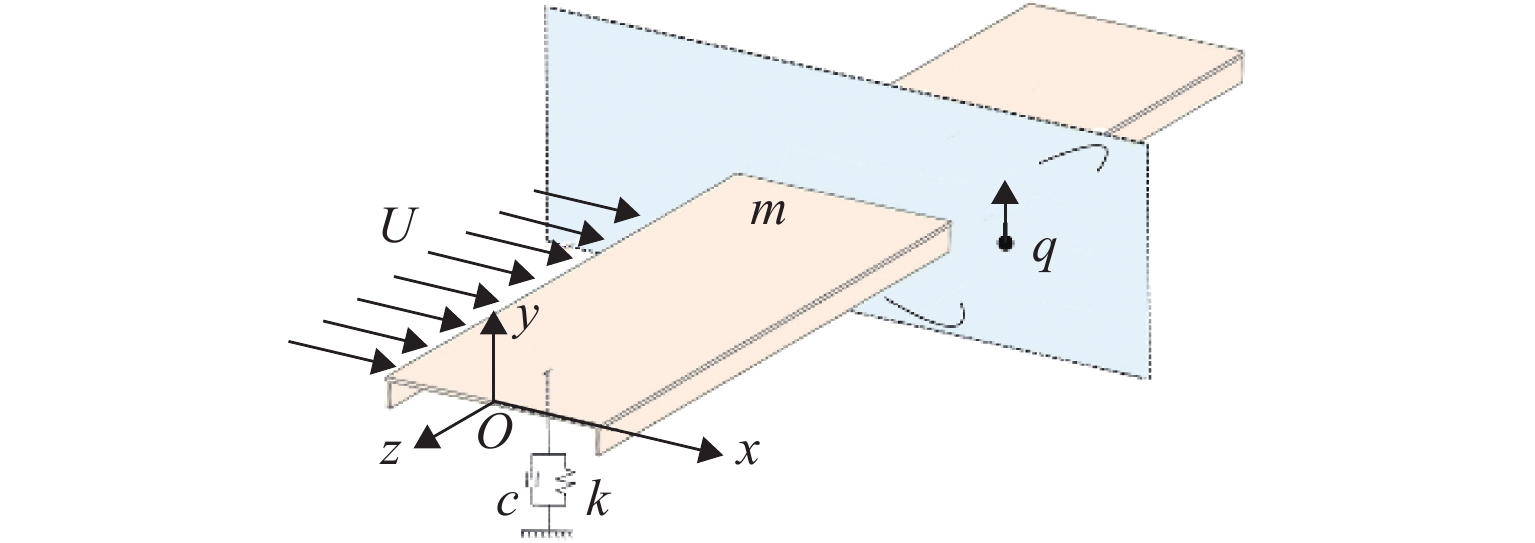
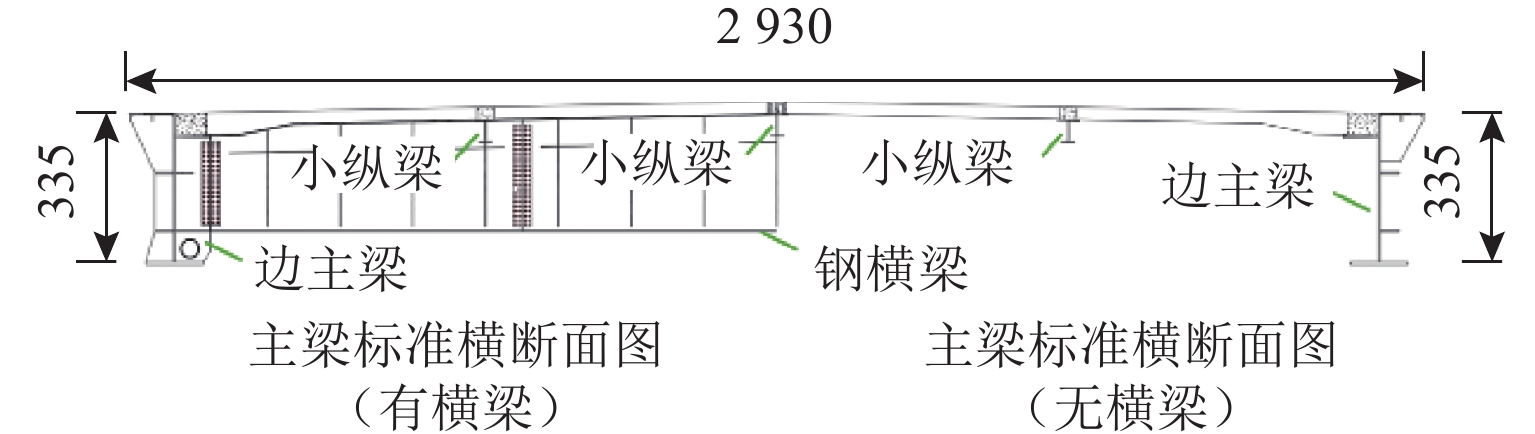
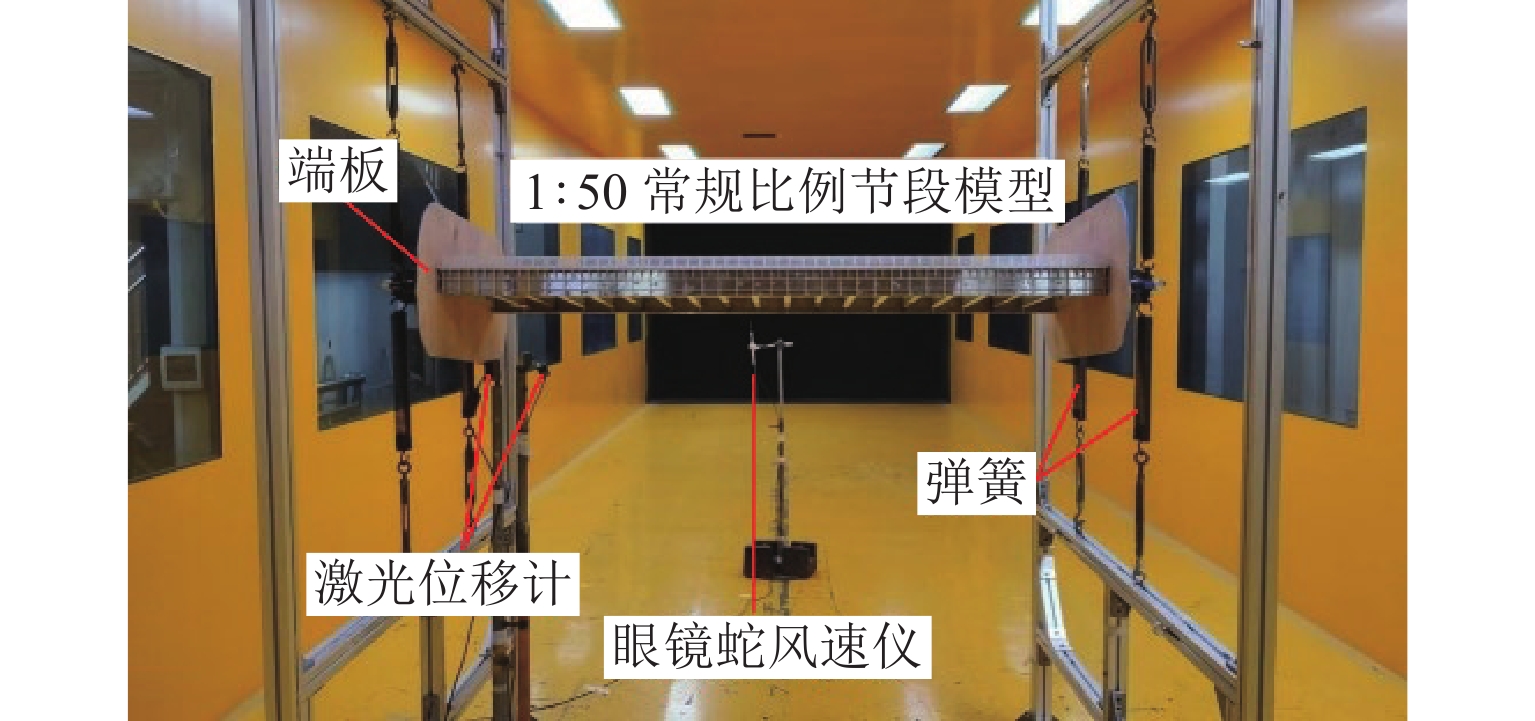
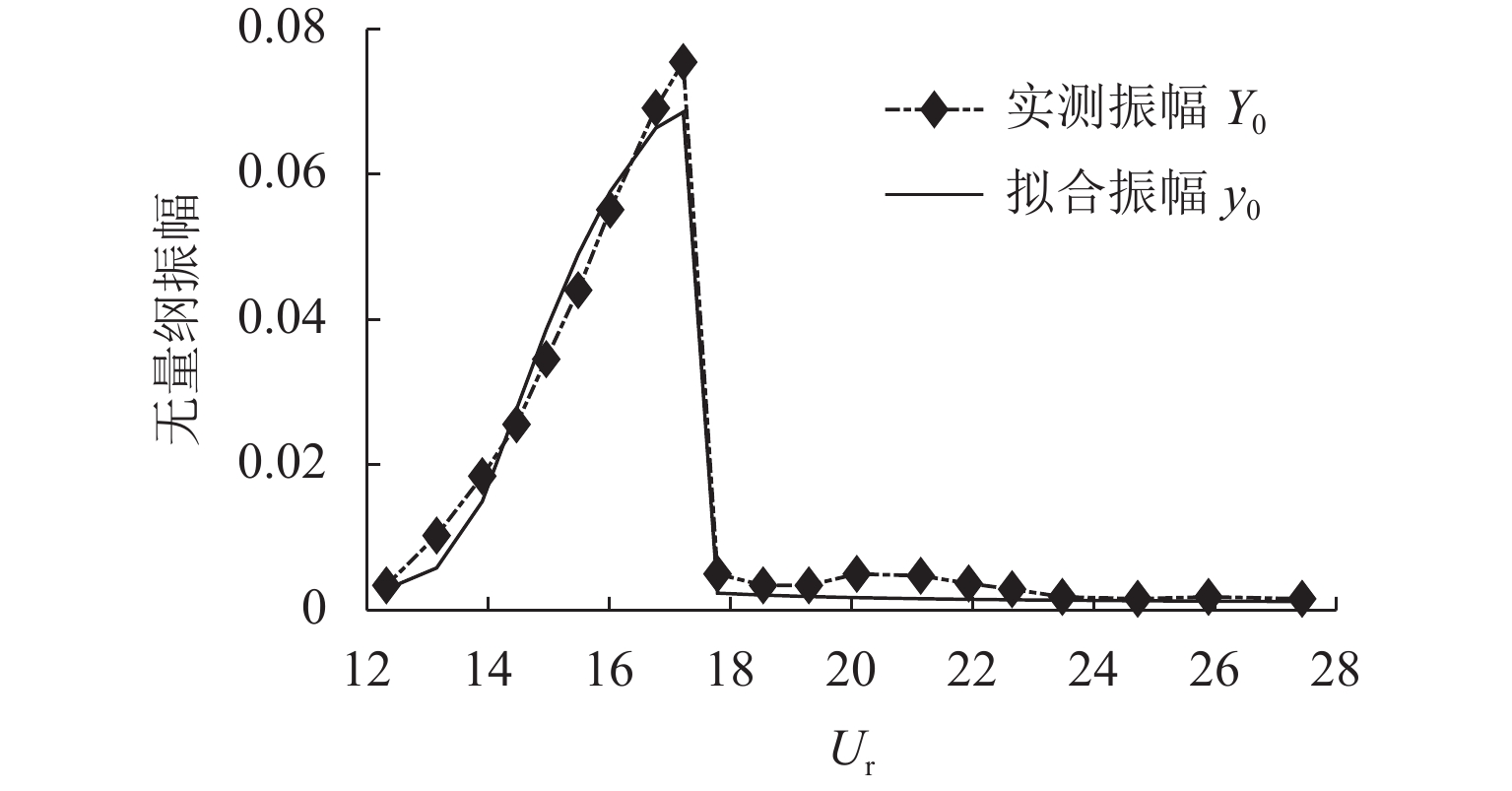
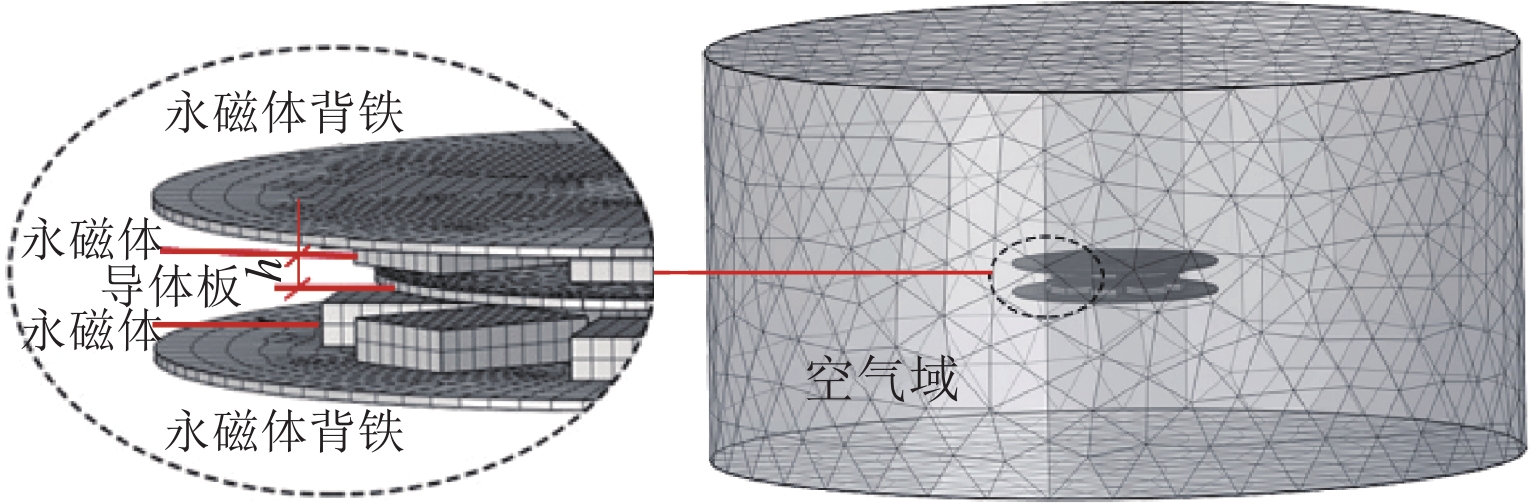
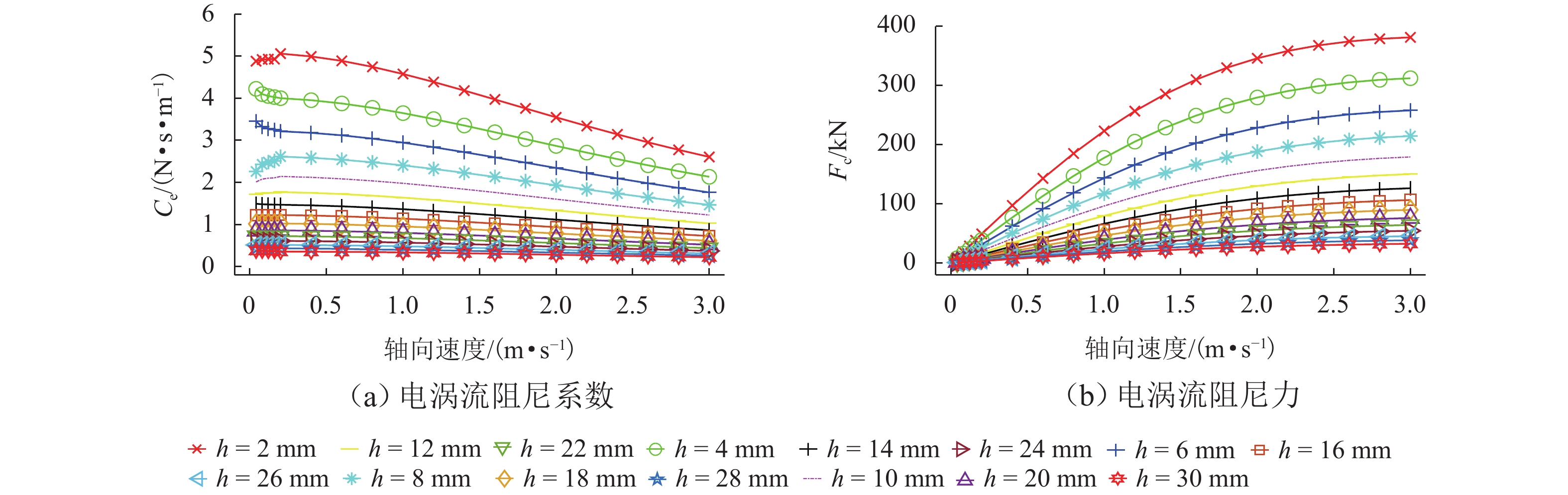
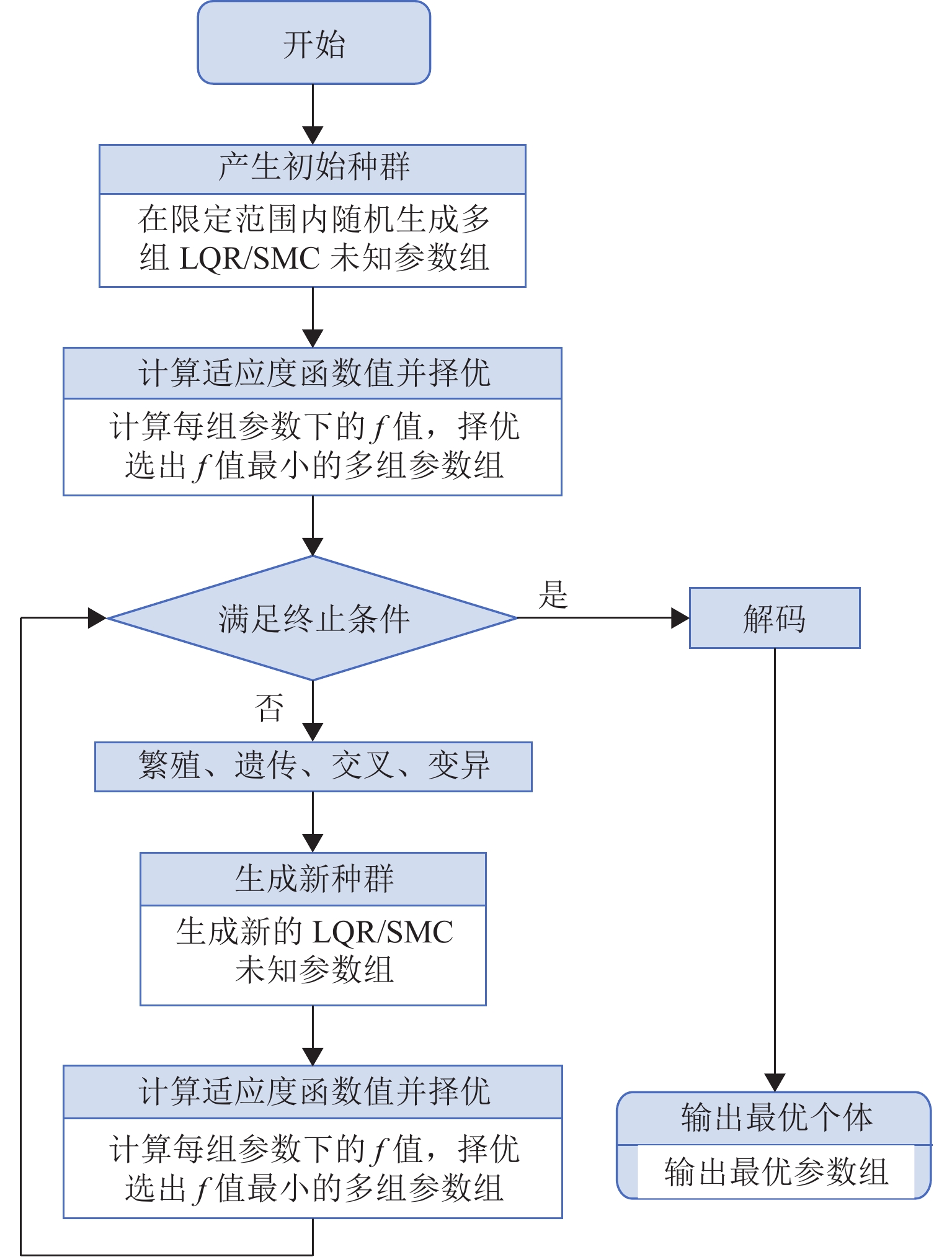
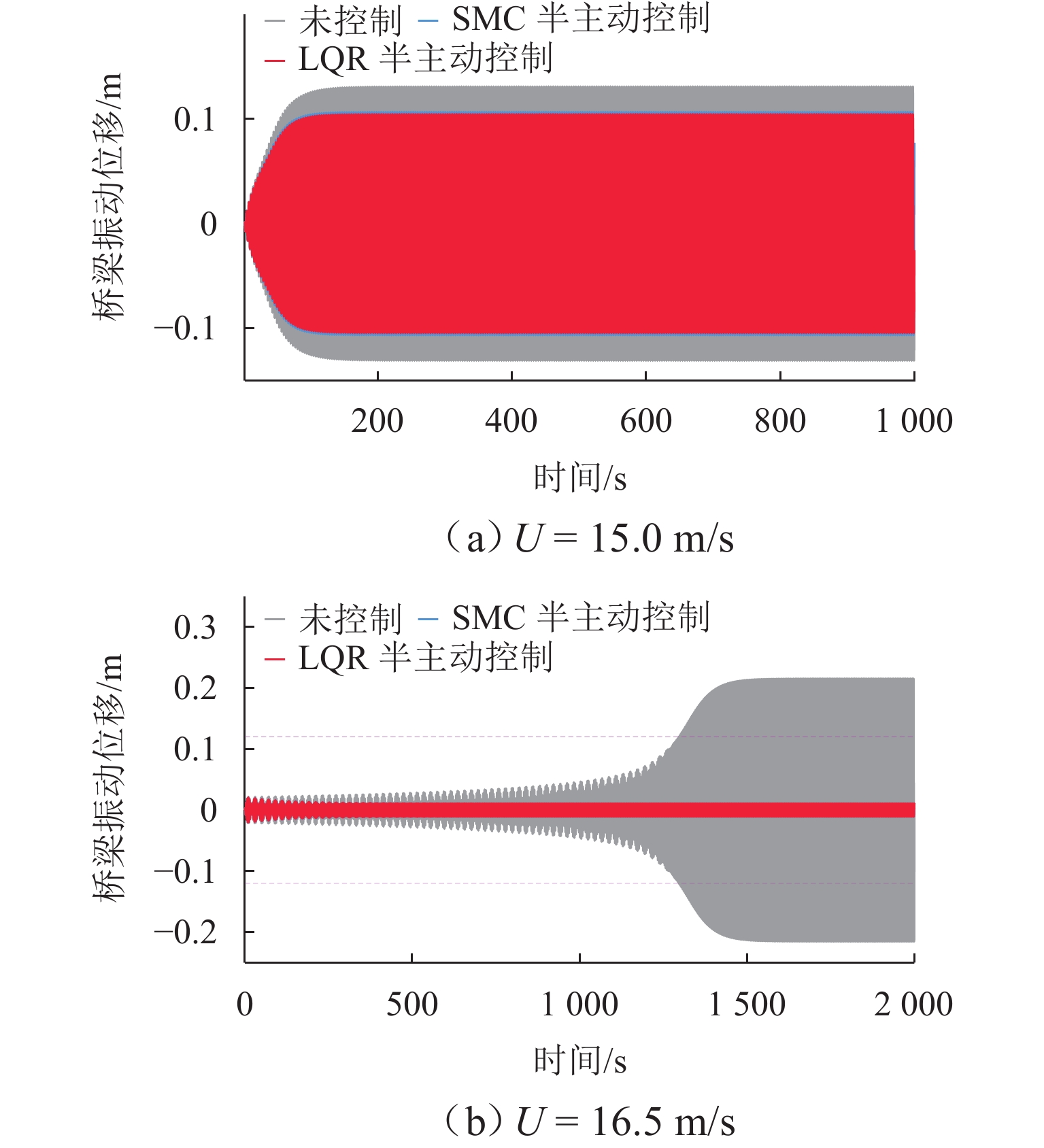
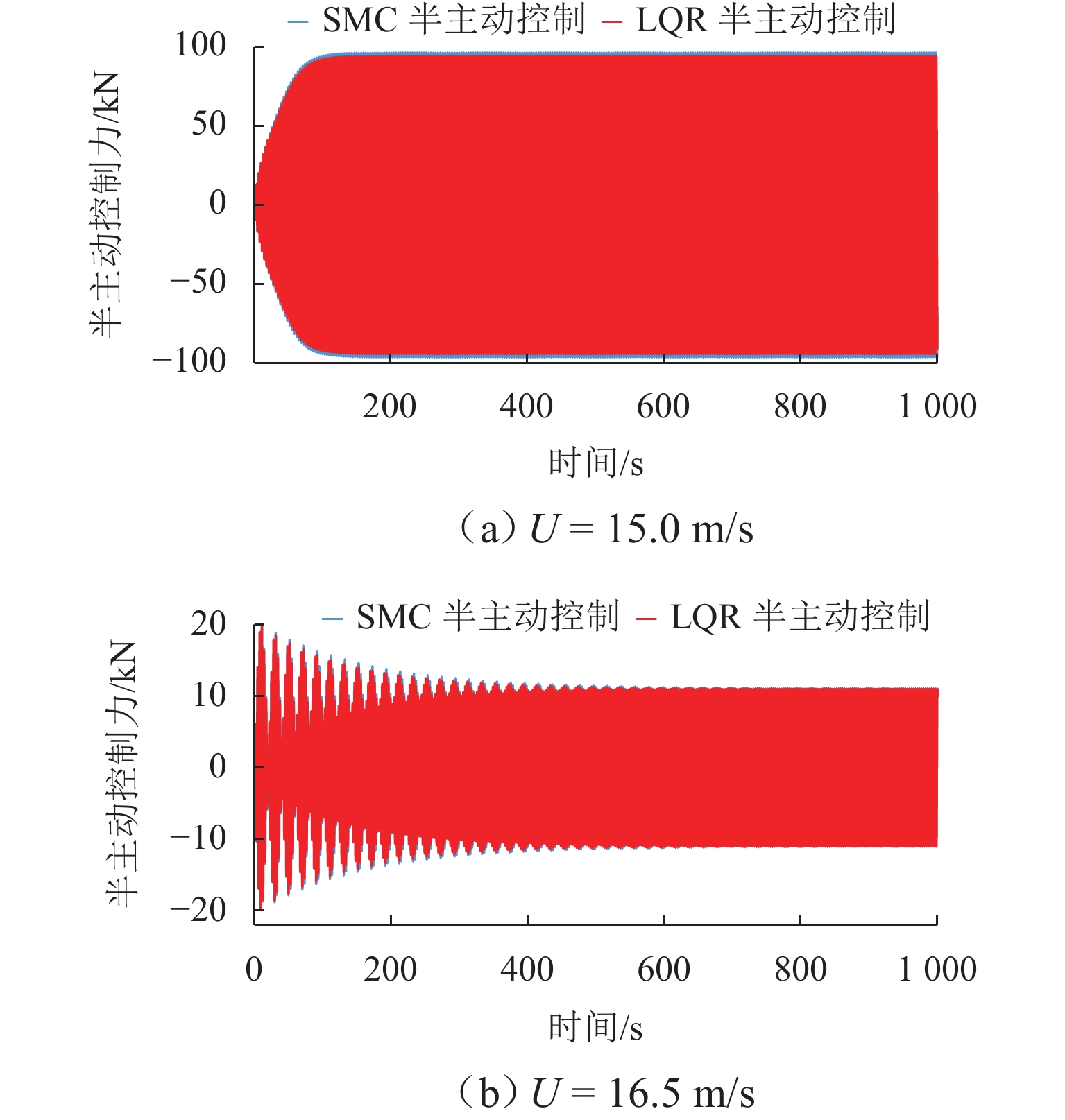
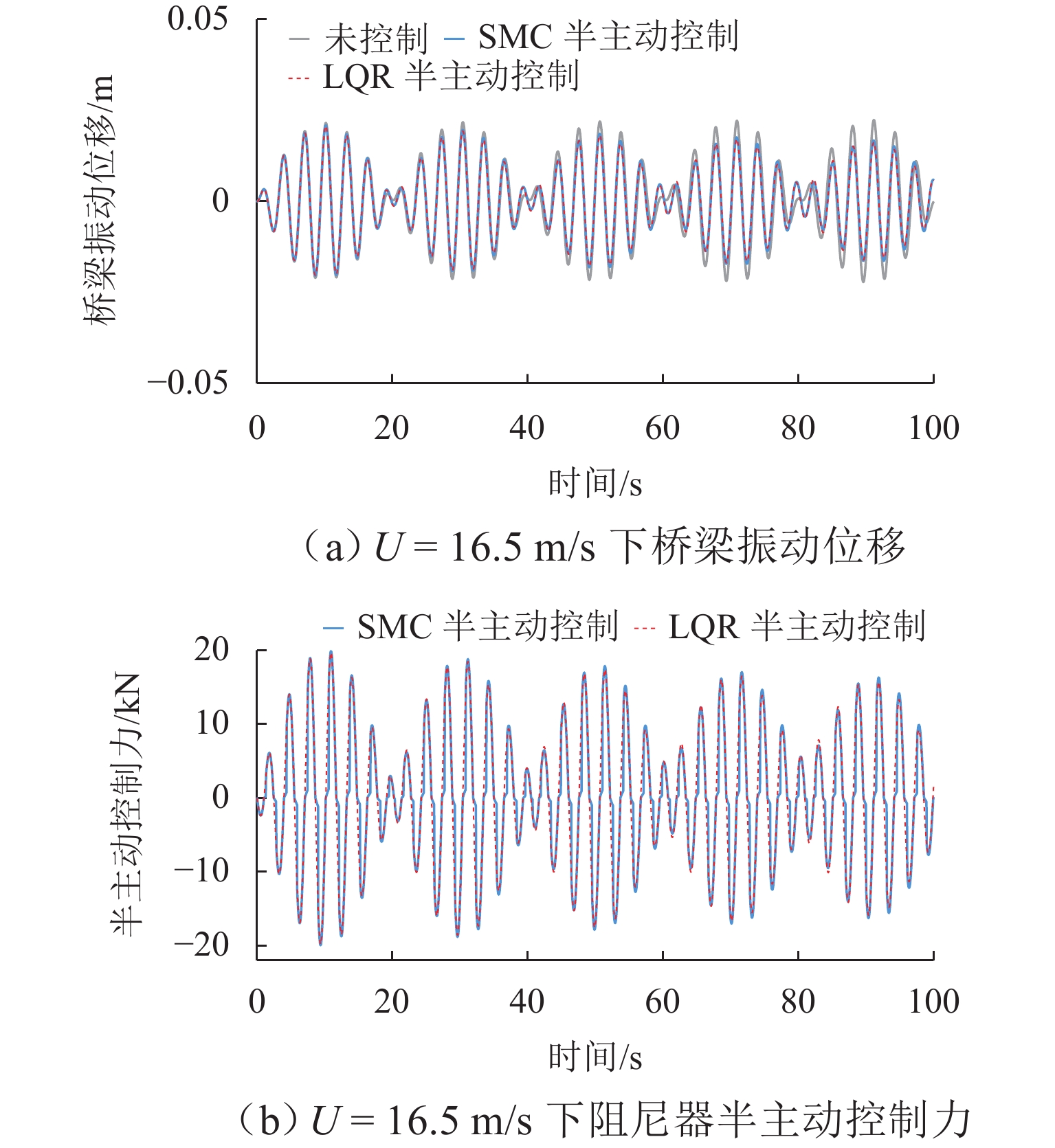
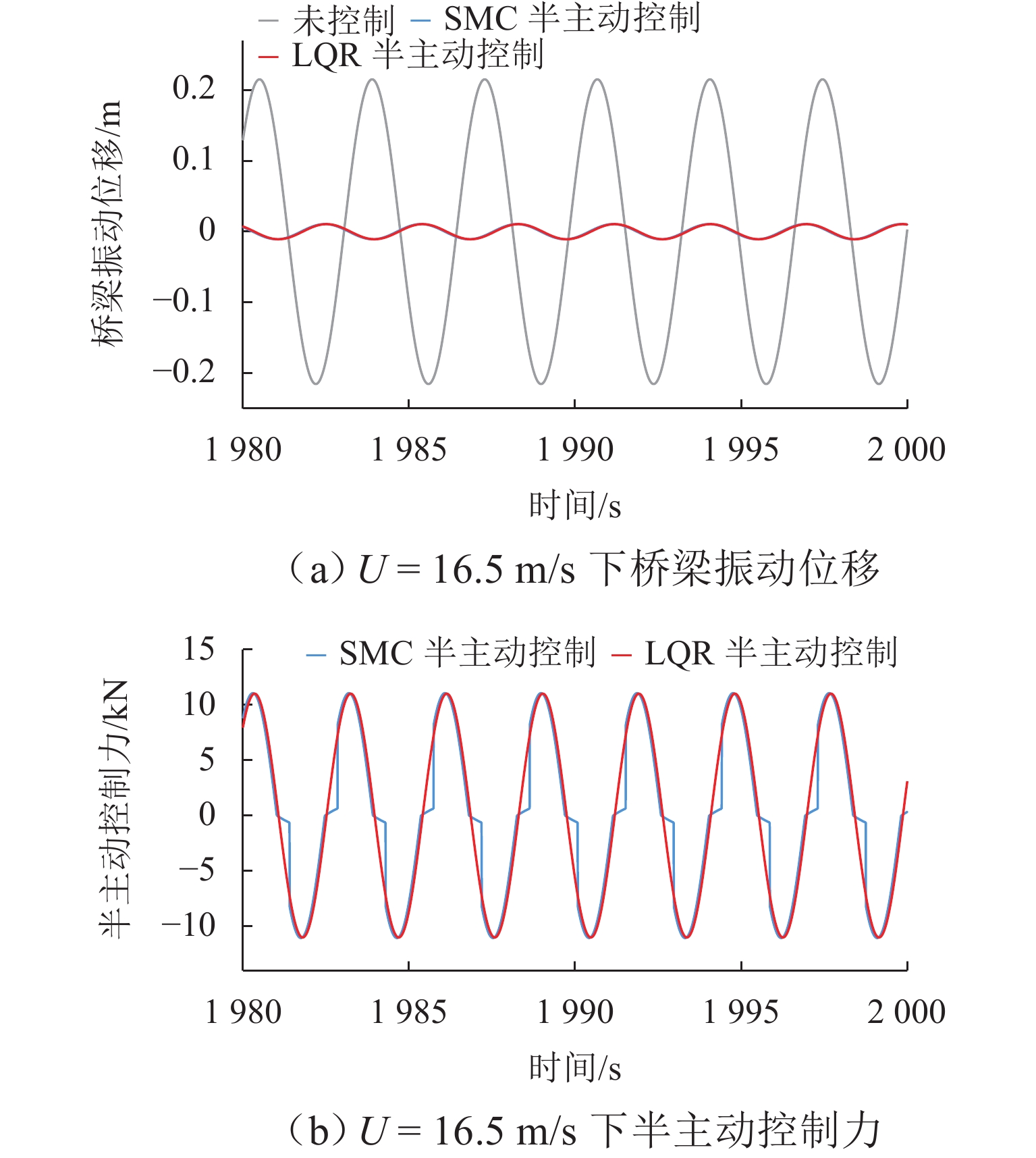
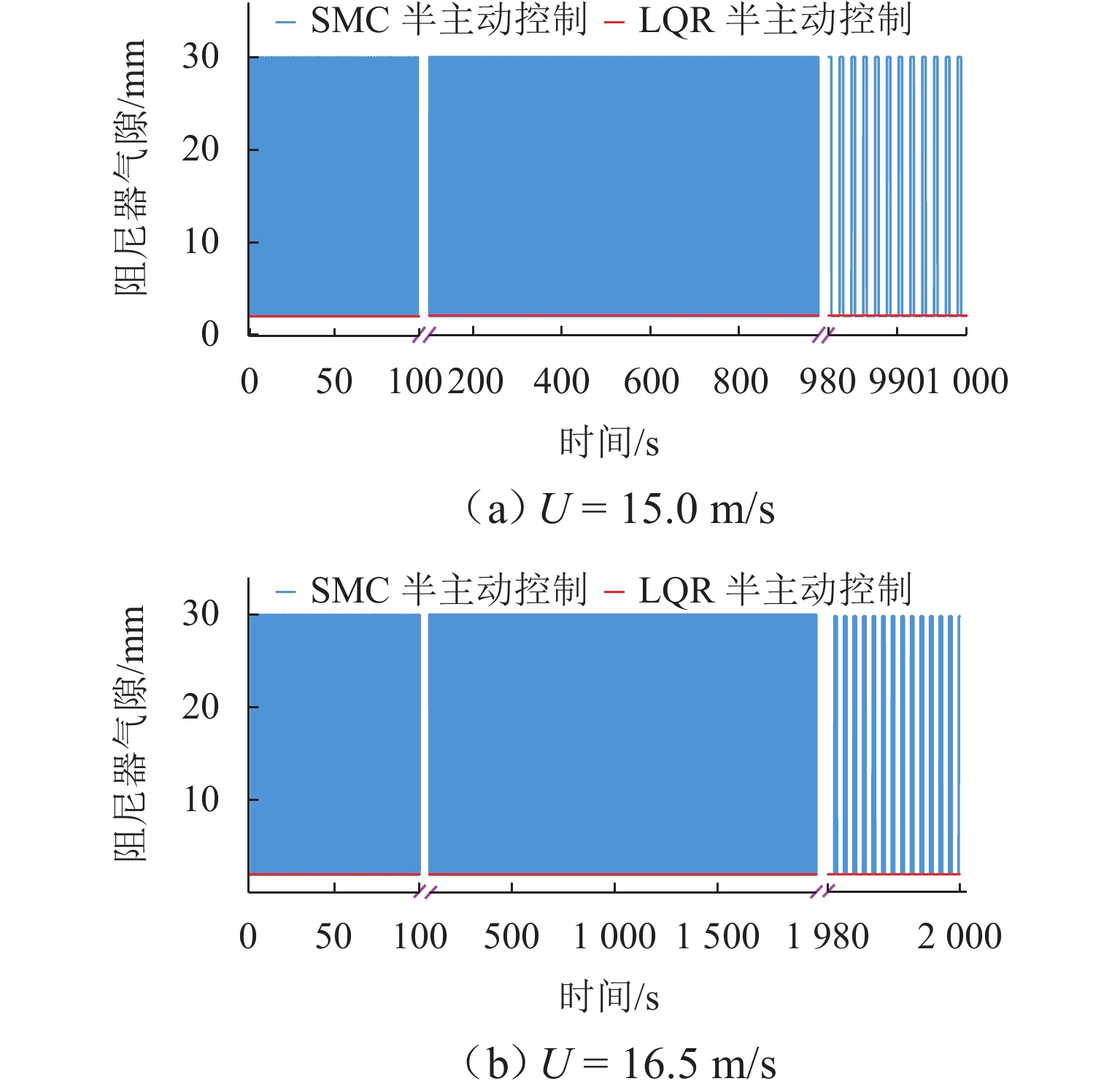
This study aims to address the issue of vortex-induced vibrations (VIV) in long-span bridges under low wind speeds, which can lead to structural fatigue of the bridge and affect driving comfort. Based on the wake oscillator model and a variable-damping coefficient eddy current damper, a semi-active control strategy was developed. Firstly, a dimensionless VIV force model of the bridge wake oscillator was established, and its parameters were fitted using experimental data via a genetic algorithm. Then, a variable-spacing ball screw eddy current damper was designed, and the corresponding relationships between the damping coefficient and the axial velocity–air gap, as well as the damping force and the axial velocity–air gap, were determined through COMSOL simulations. Next, a genetic algorithm was applied to optimize the semi-active control parameters for the selected linear quadratic regulator (LQR) and sliding mode control (SMC) algorithms. Finally, a comparative study was conducted on the VIV suppression effects of an uncontrolled system, LQR, and SMC semi-active control by using the Hei-Bai-Shui River Bridge as the engineering case. The results show that the wake oscillator model accurately describes the VIV characteristics of the bridge. At the maximum VIV wind speed of 16.5 m/s, LQR and SMC semi-active controls can reduce the bridge amplitude to 4.95% of the uncontrolled amplitude, which is well below the regulated limit. Overall, the damping effects of LQR and SMC control are similar, but under the LQR control, the air gap of the damper remains unchanged, while under the SMC control, the air gap varies periodically. The former offers more favorable conditions for engineering implementation.

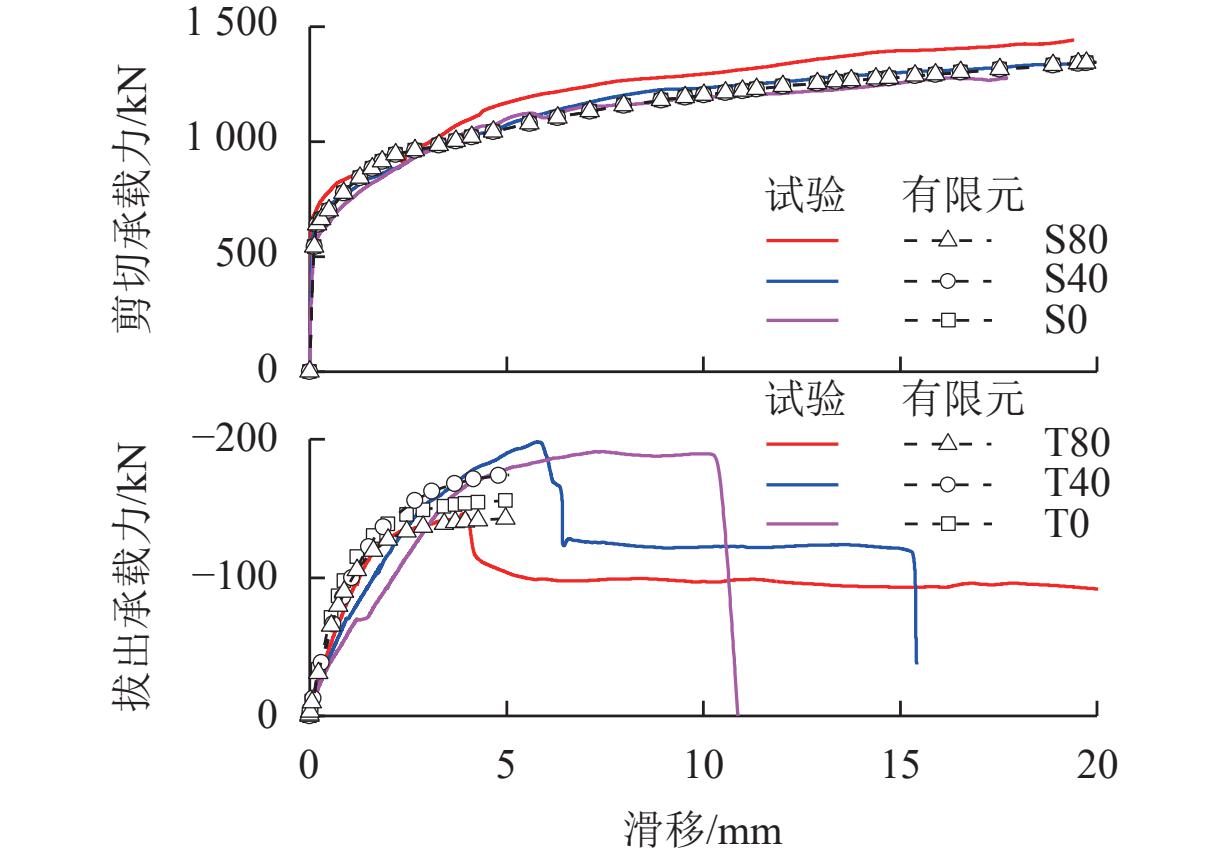
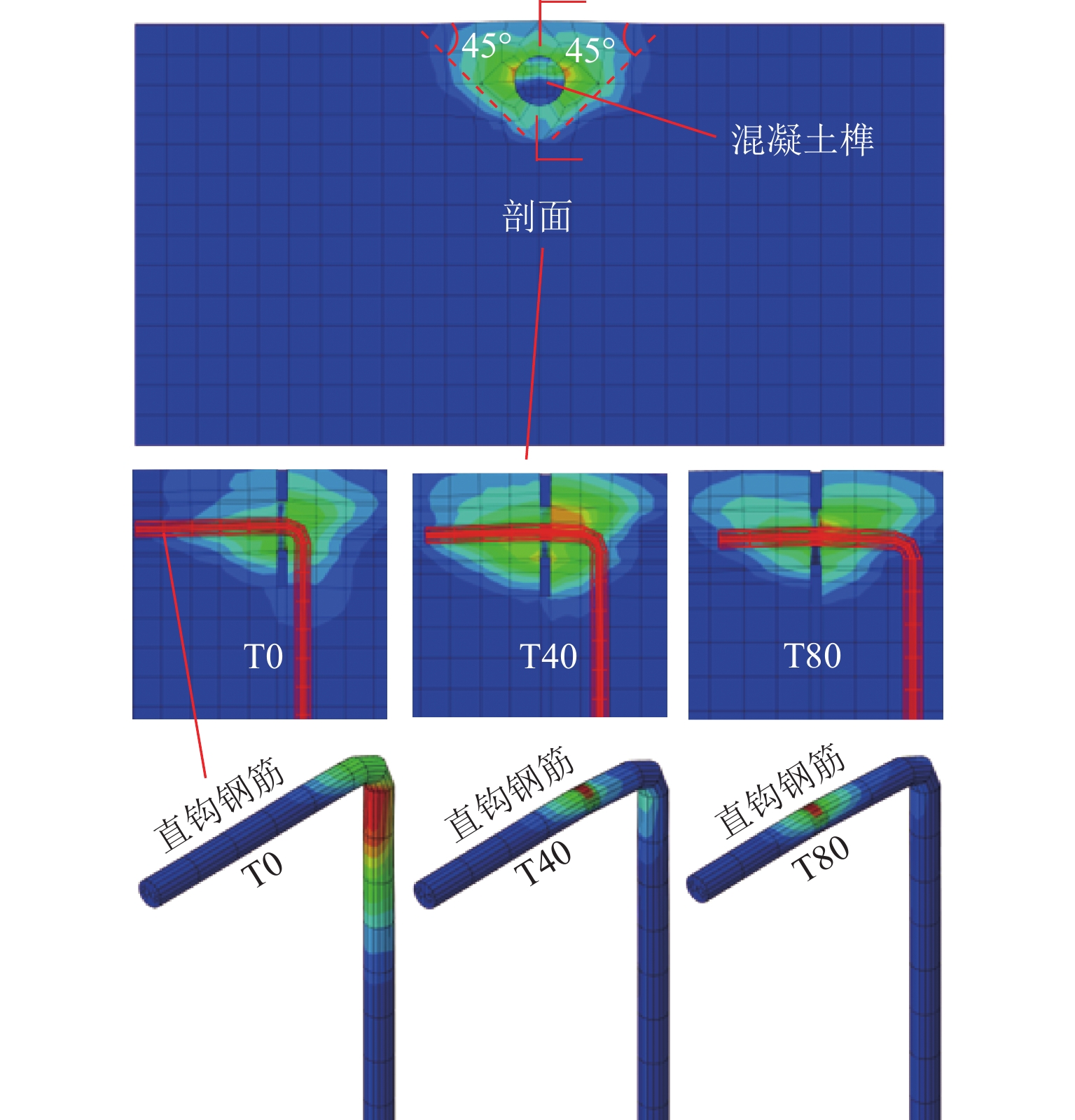
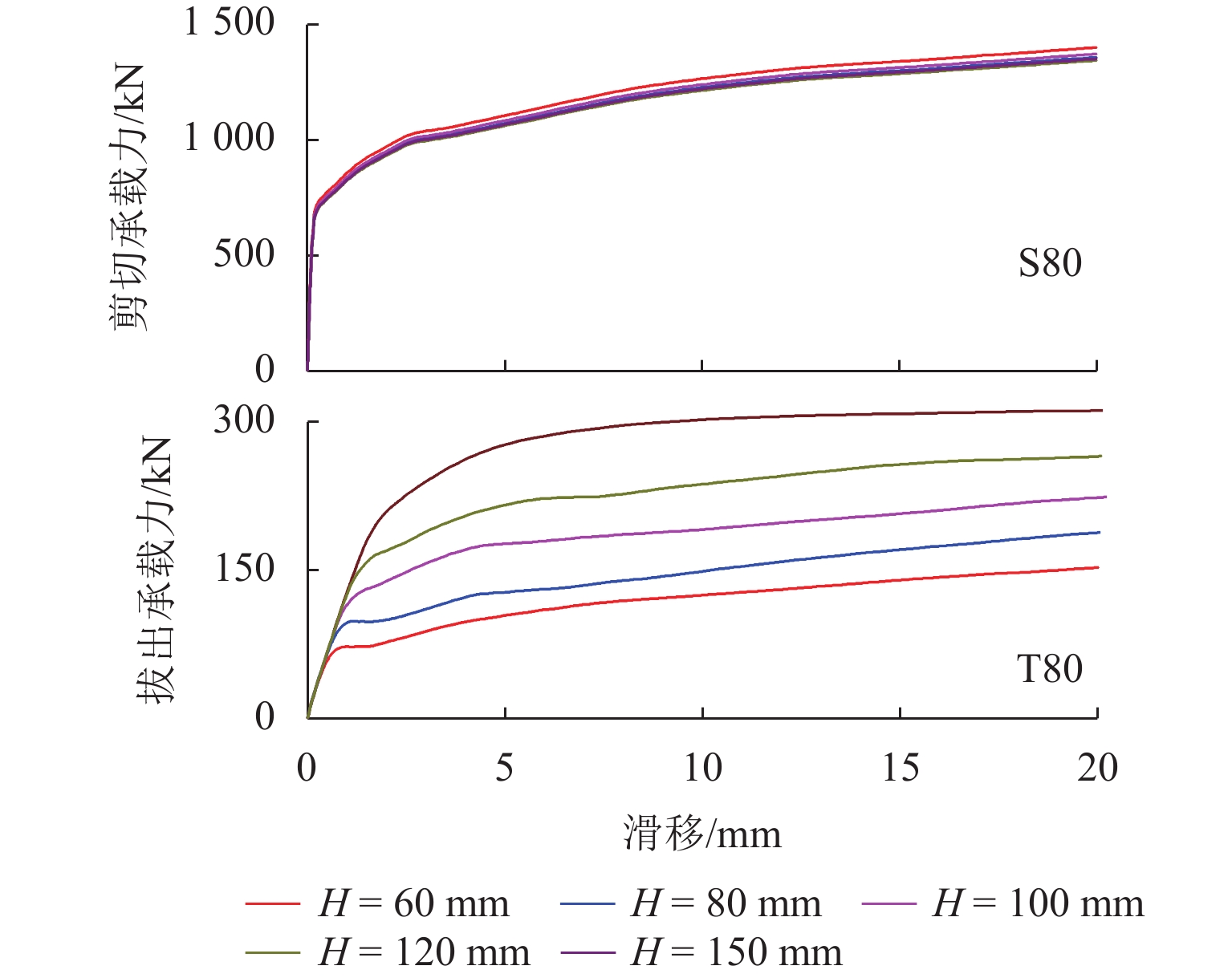
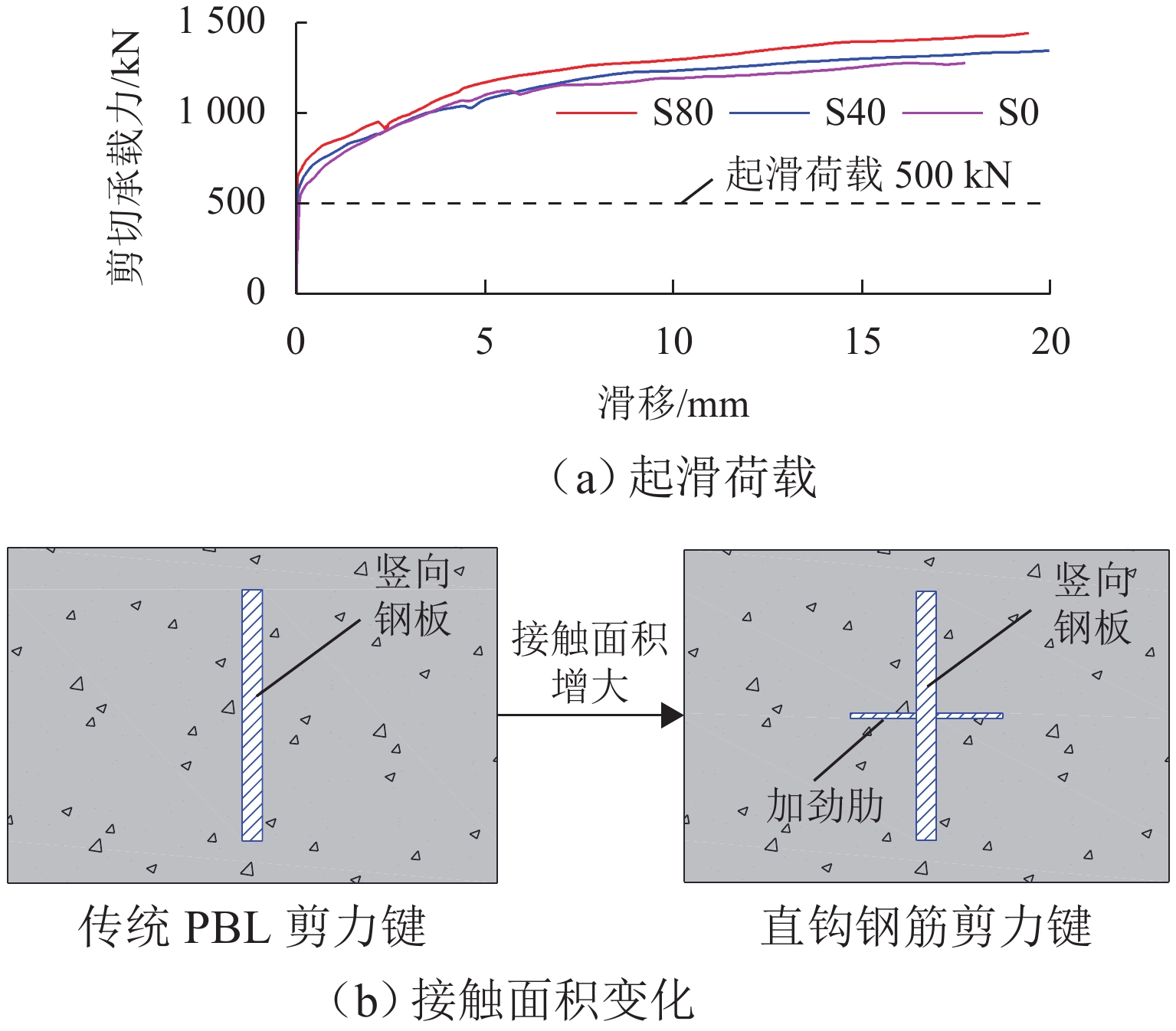
Shear and Pull-Out Performance of Ribbed Straight-Hooked Rebar Shear Connector
LIANG Huanwei, XU Chunrong, LIN Yu, WU Jianli, XIA Fuyou, YAN Pengfan, ZHAO Canhui
2026, 61(5): 1665-1673. doi: 10.3969/j.issn.0258-2724.20240226
Abstract:

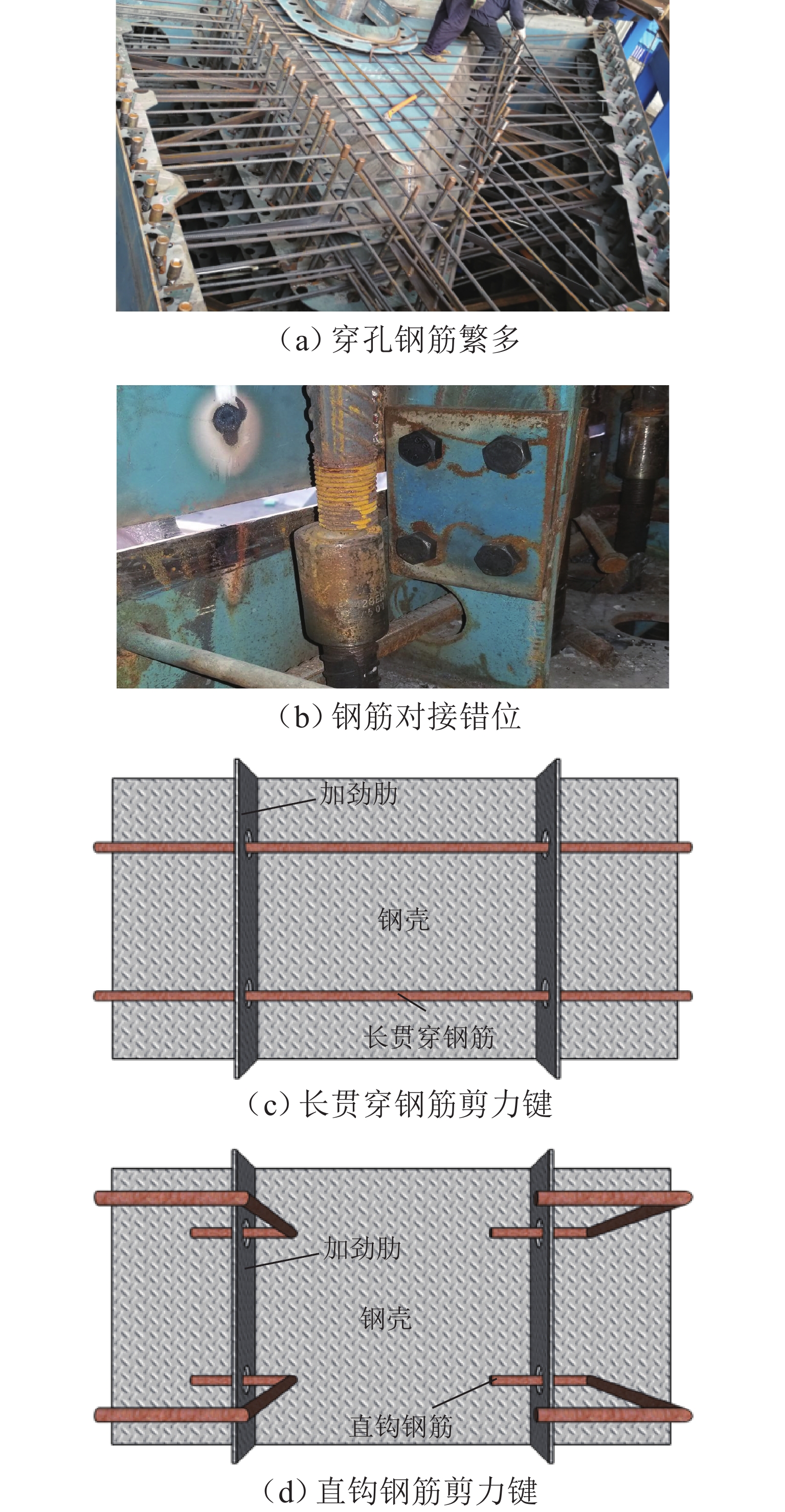
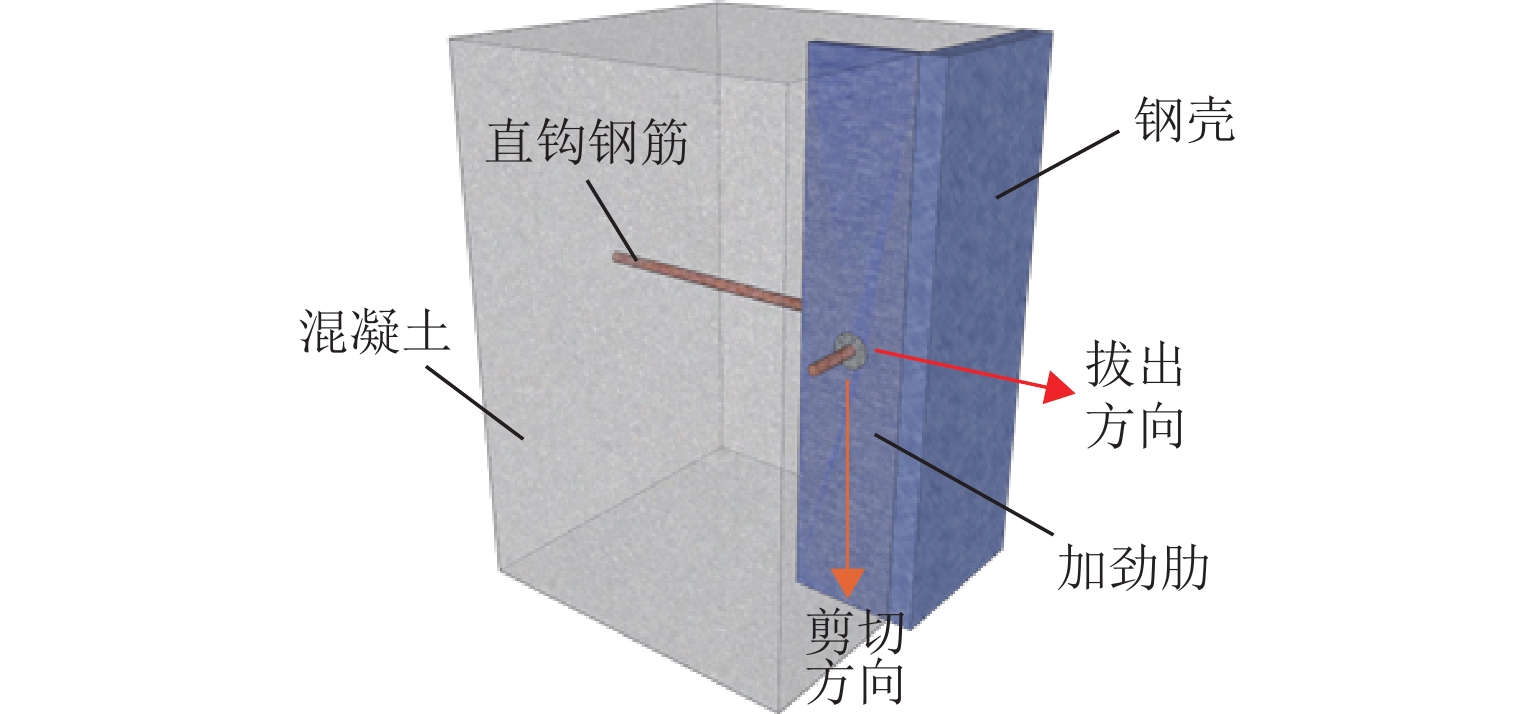
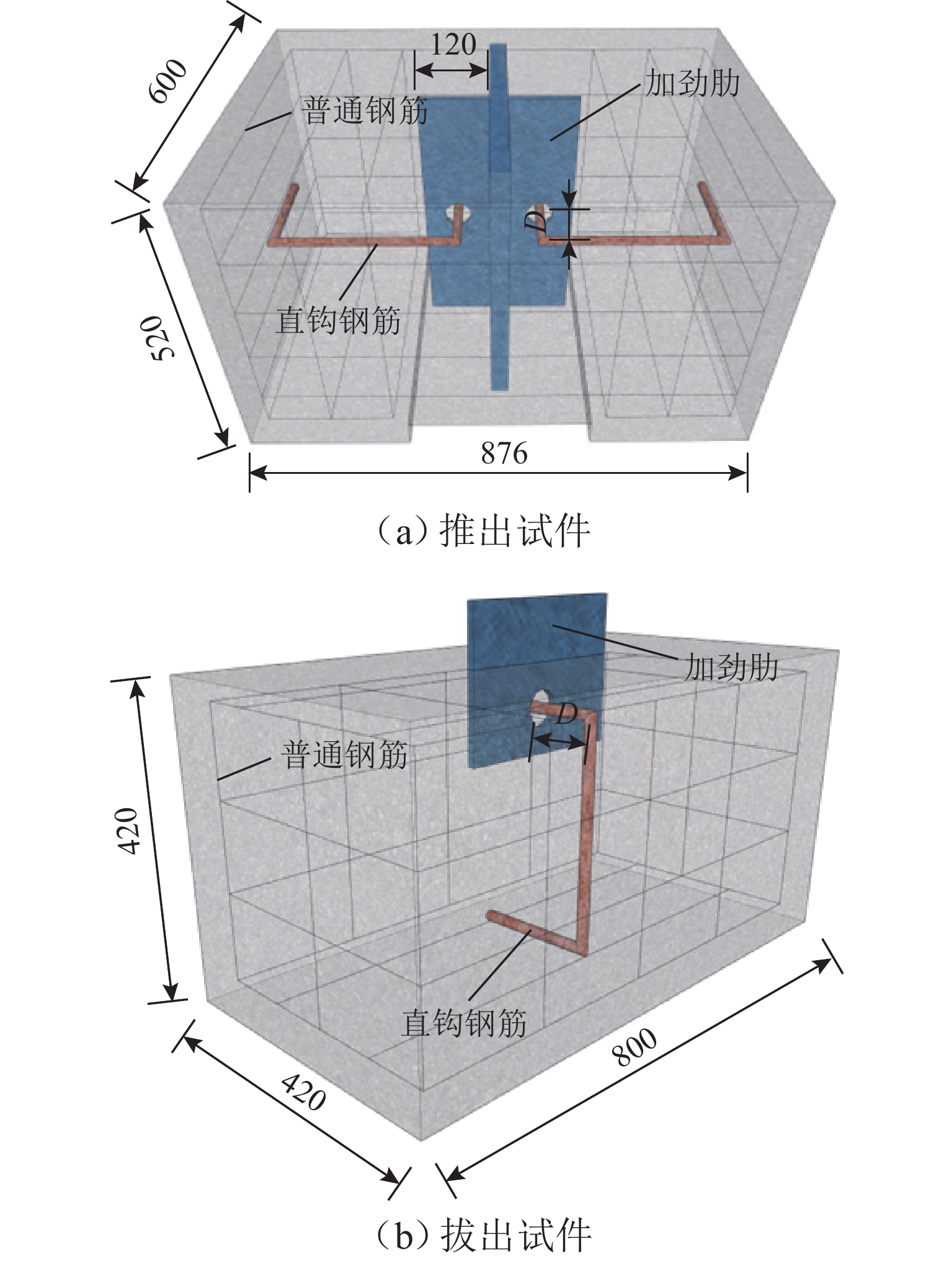
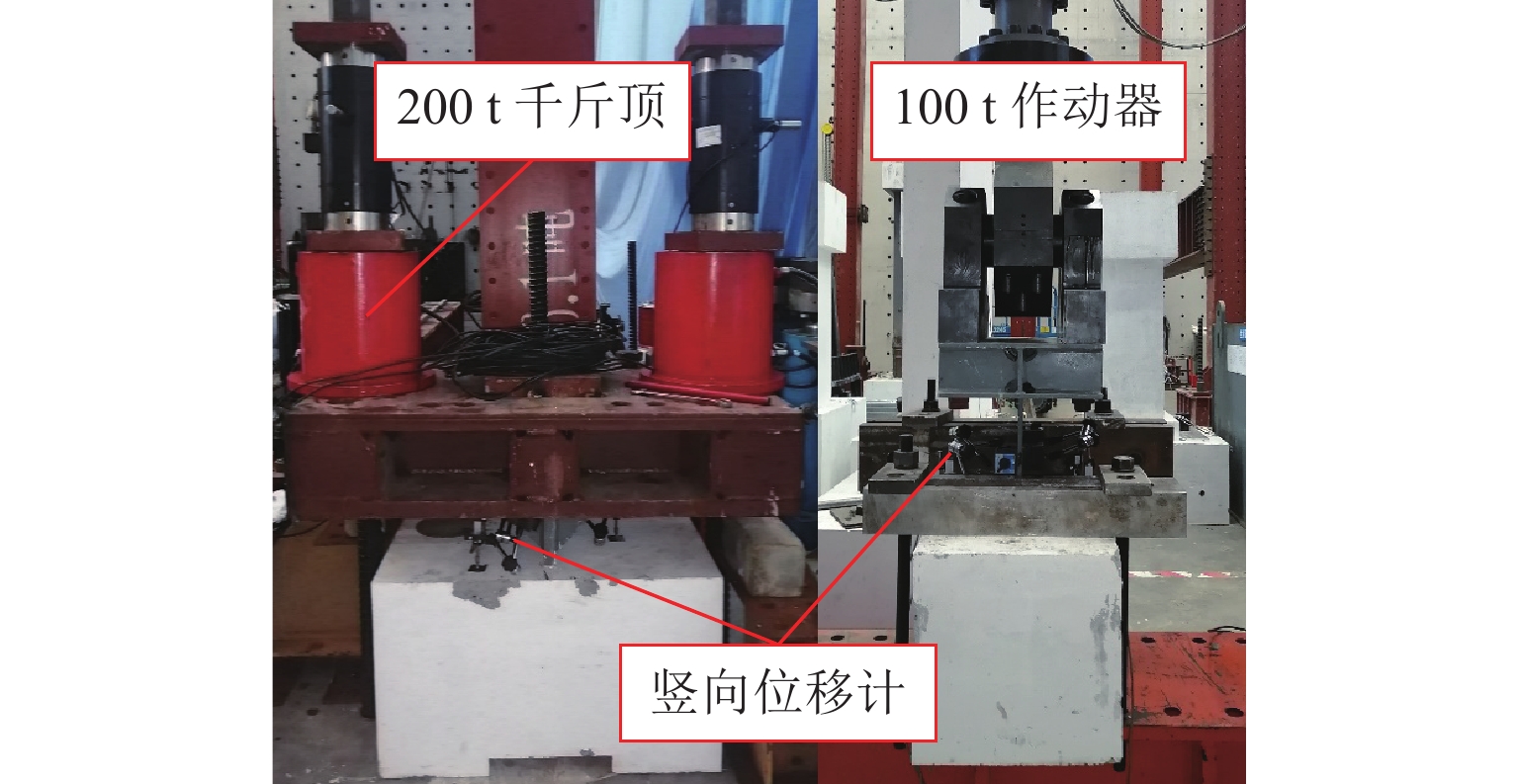
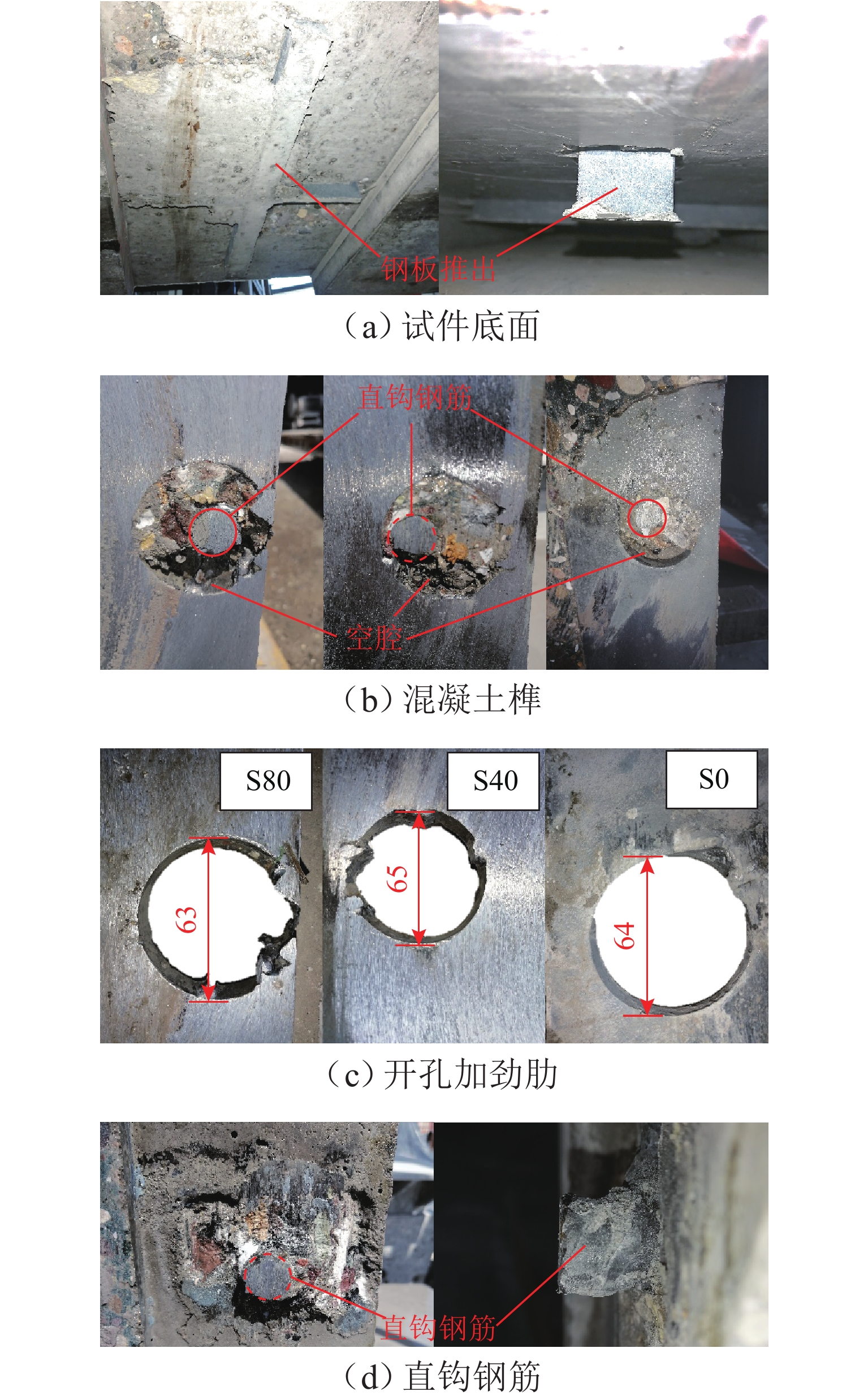
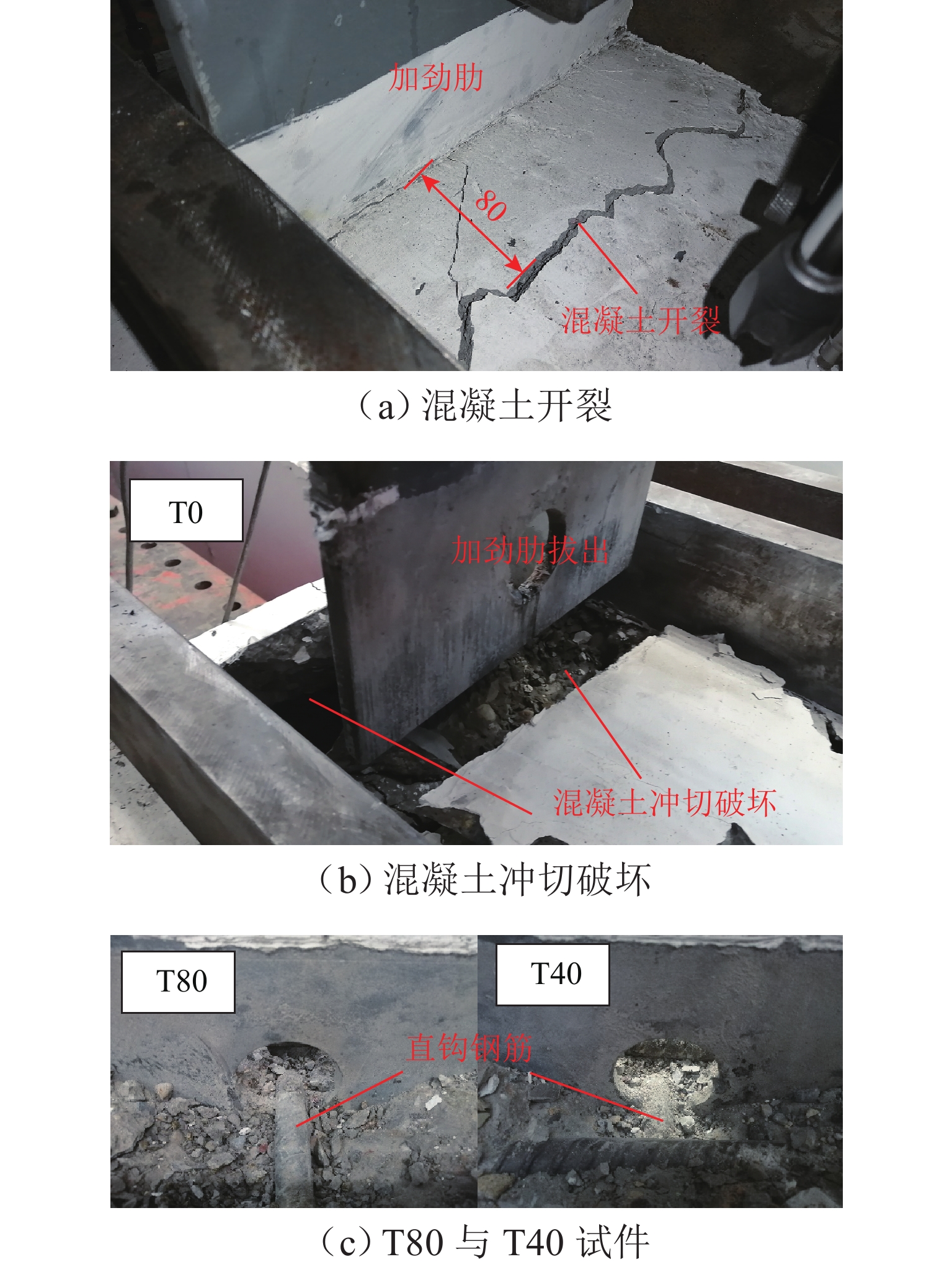
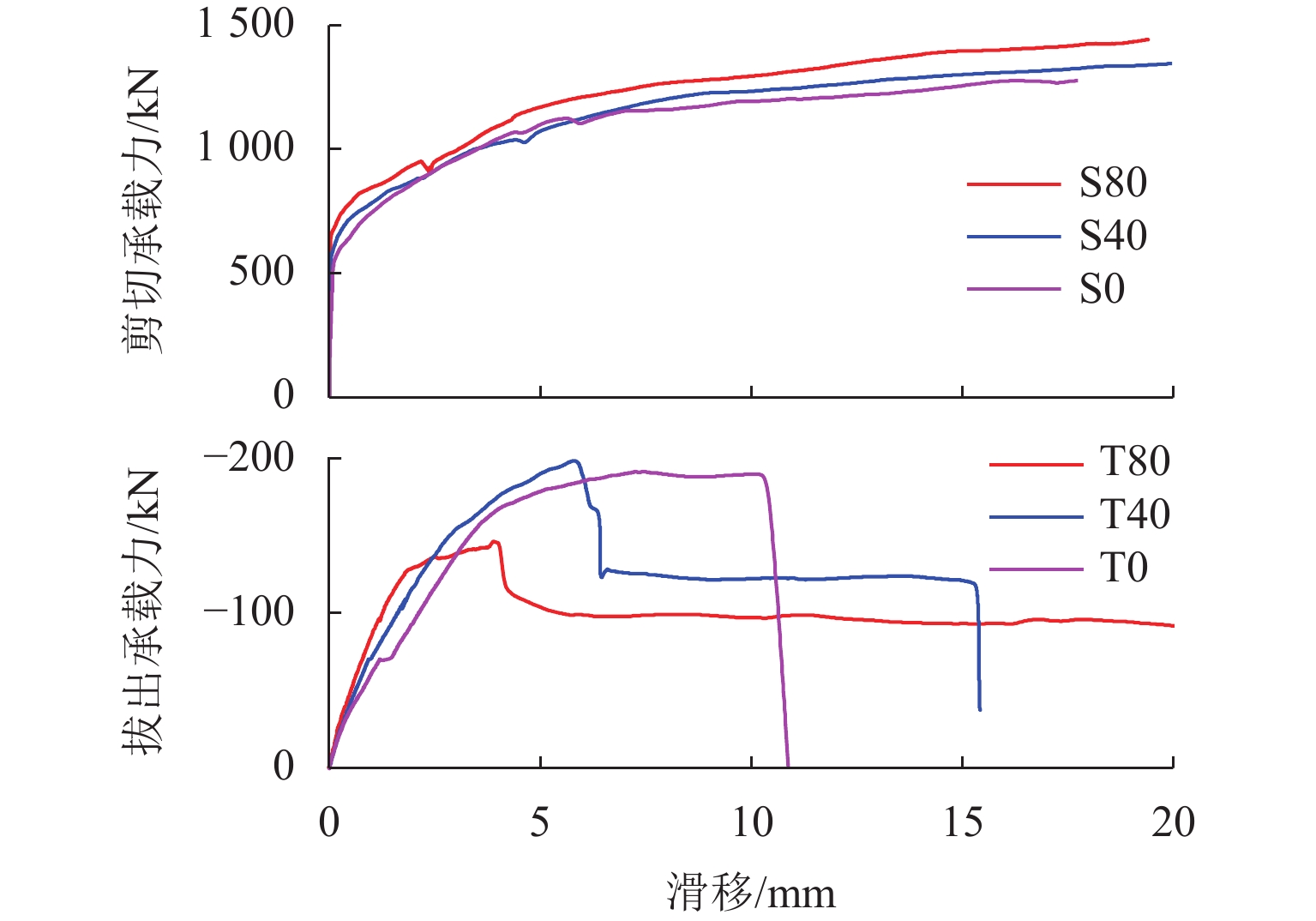
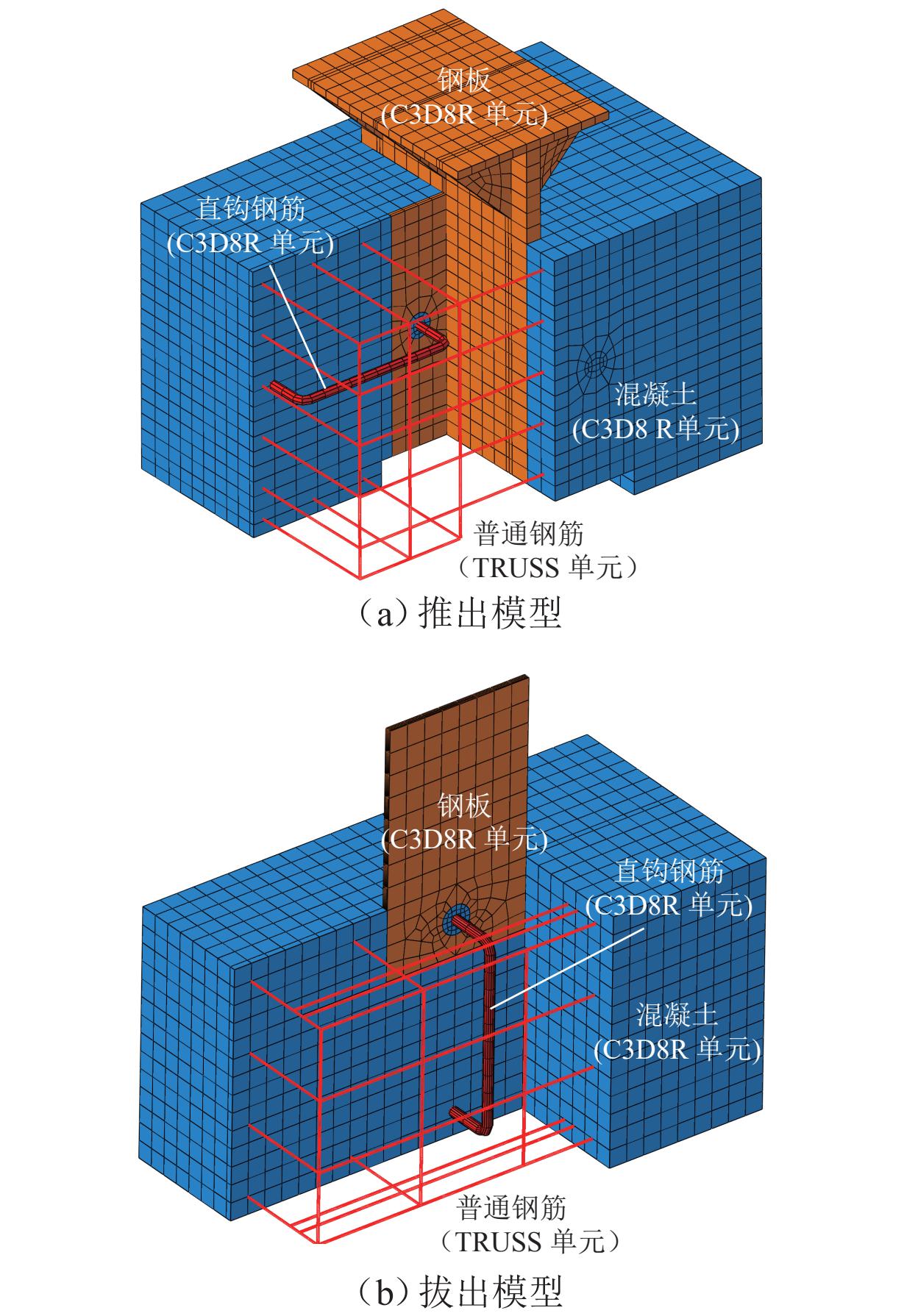
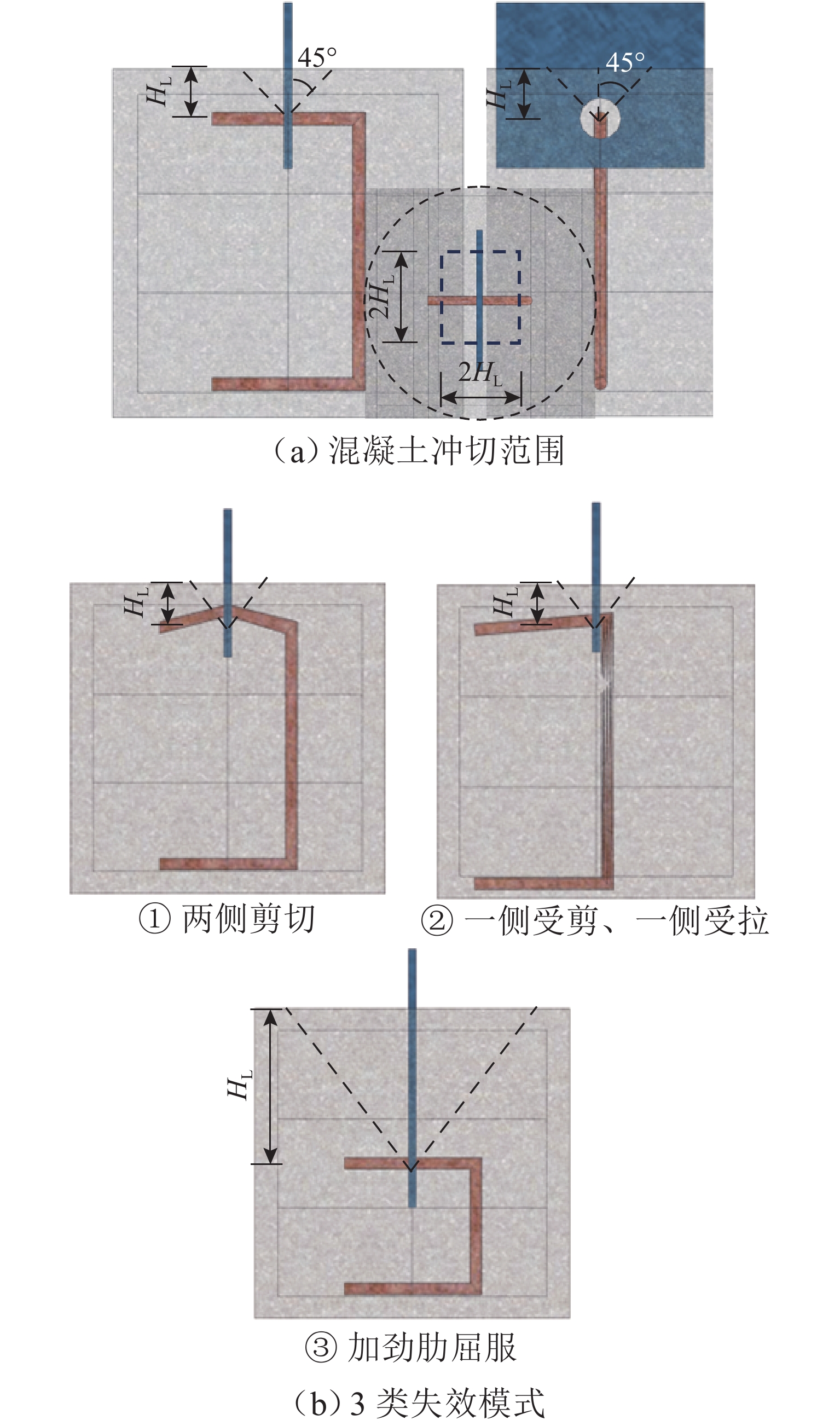
To simplify the steel shell–concrete composite pylon structure and improve construction efficiency, a novel ribbed straight-hooked rebar (RSHR) shear connector was studied. Firstly, the push-out and pull-out tests of the shear connector were designed. The shear bearing capacity, pull-out bearing capacity, and failure characteristics of each specimen were obtained. Secondly, the corresponding relationship between the failure mode and the bearing capacity of the specimen was obtained by using finite element analysis software. Finally, based on model analysis, the influence of the burial depth on the shear connector performance was further discussed, and the formula for calculating the shear and pull-out bearing capacity of the RSHR shear connector was proposed. The results show that under shear loading, the RSHR shear connector undergoes yielding of its stiffening ribs, while under pull-out loading, concrete punching failure occurs. Along with the yielding of the straight-hooked rebar, the difference in failure modes can cause the shear connector’s bearing capacity to vary by up to five times. Under push-out loading, the steel–concrete bonding force accounts for 30% of the total bearing capacity. The position of the straight-hooked rebar determines its stress characteristics and failure modes under pull-out loading. Reducing the spacing between the straight-hooked rebar and stiffening ribs increases the pull-out bearing capacity of the shear connector by 35%, while doubling the burial depth of the shear connector makes the pull-out bearing capacity increase by one time.

Experimental Study on Friction and Sliding Performance of Laminated-Rubber Bearings Based on Shear Aging Resistance
CUI Haomeng, SHAO Changjiang, WANG Chunyang, XUE Hao, GAO Jian, LI Zhizhong, ZHUANG Weilin, QI Qiming
2026, 61(5): 1674-1682. doi: 10.3969/j.issn.0258-2724.20240180
Abstract:

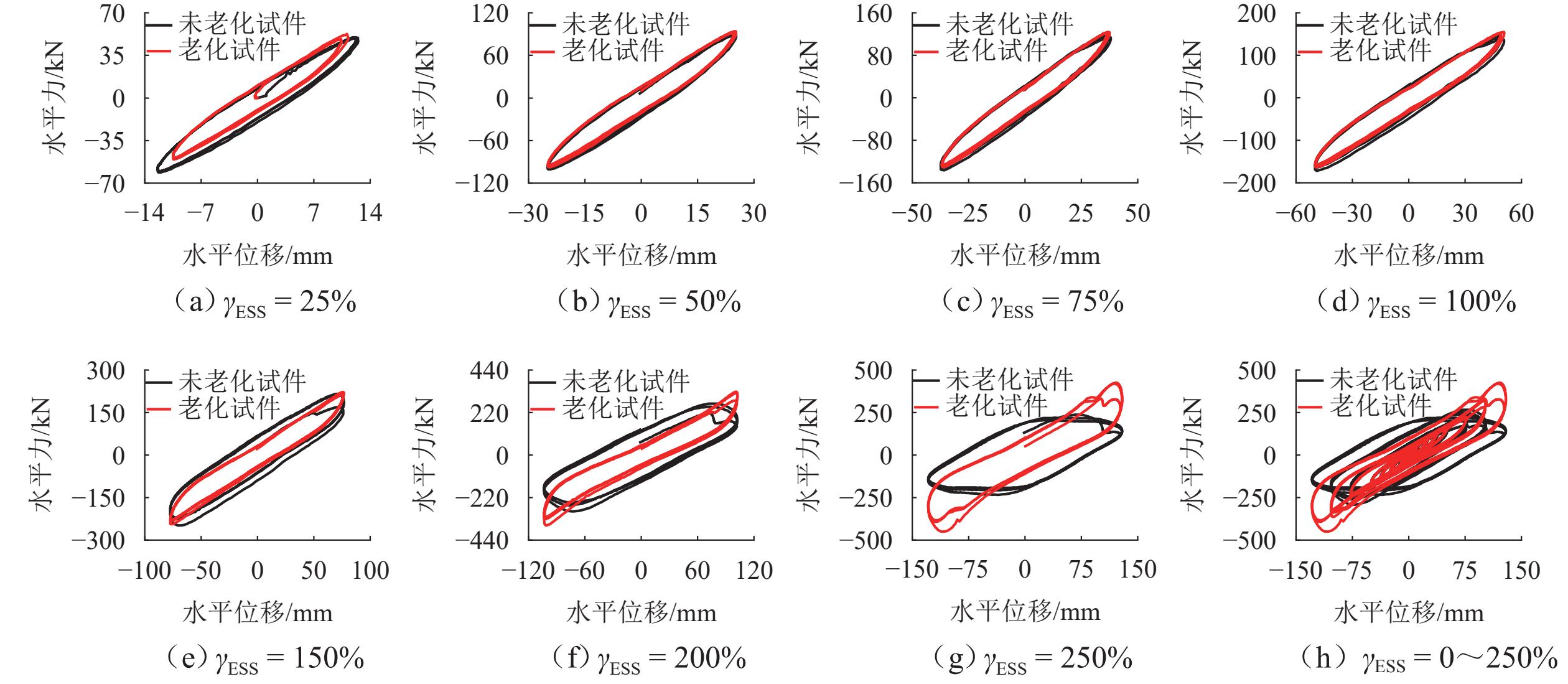
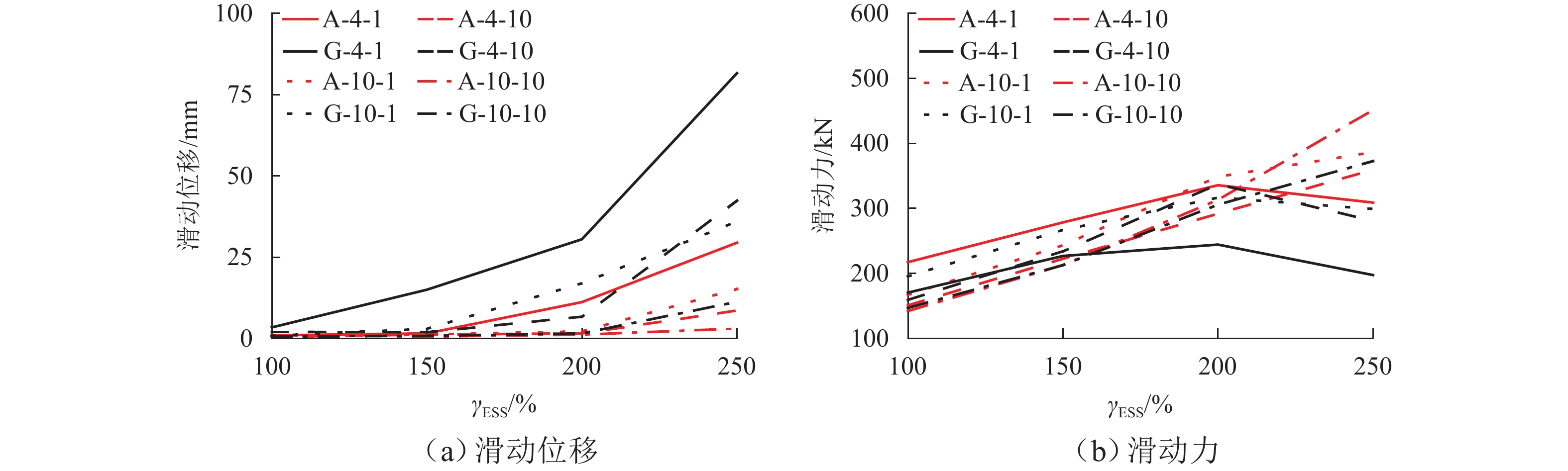
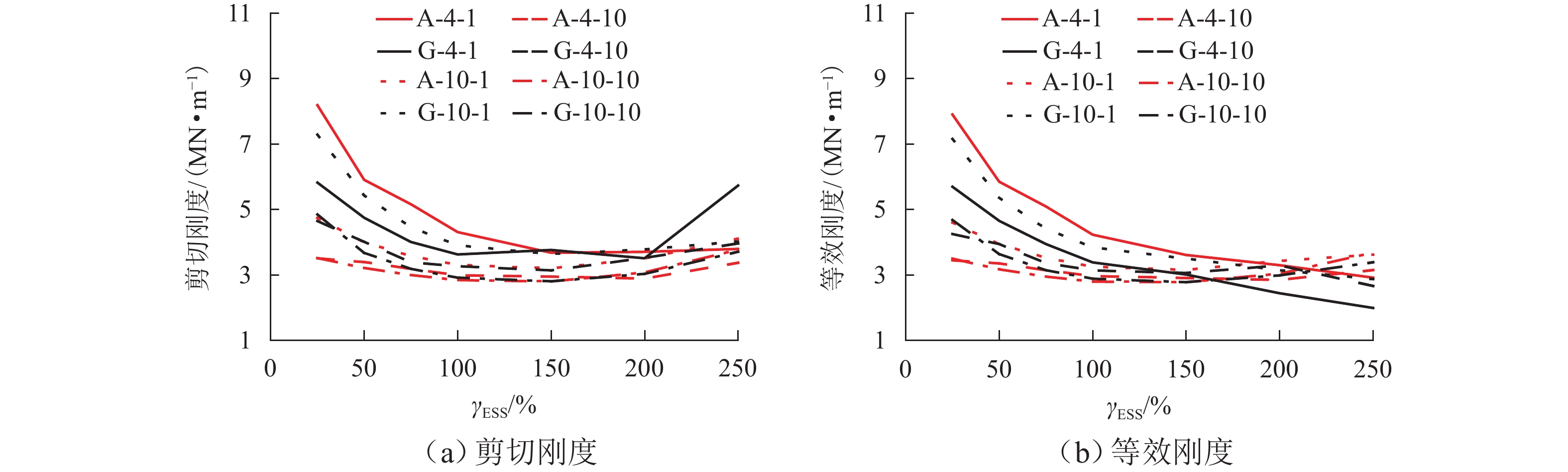
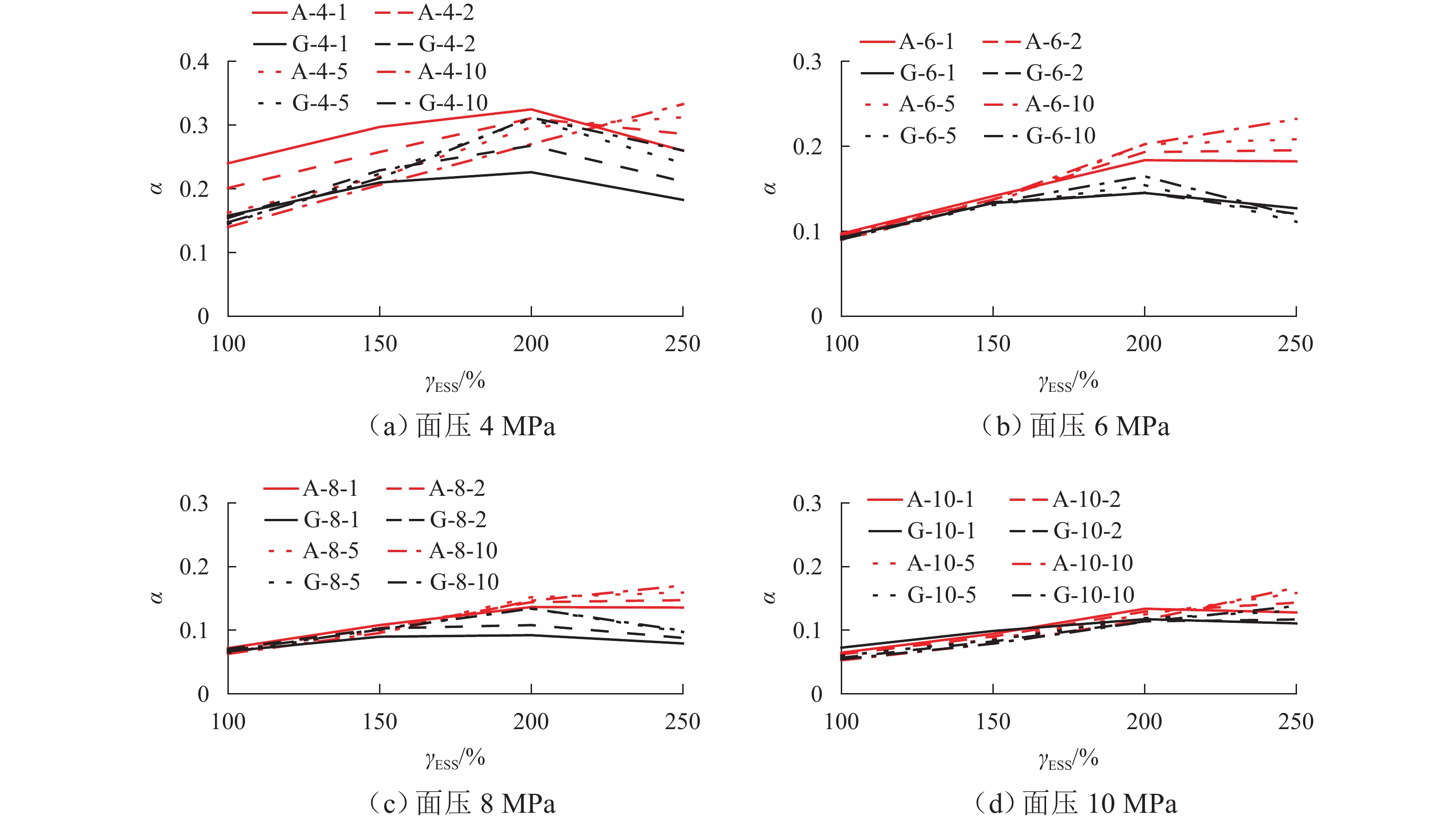
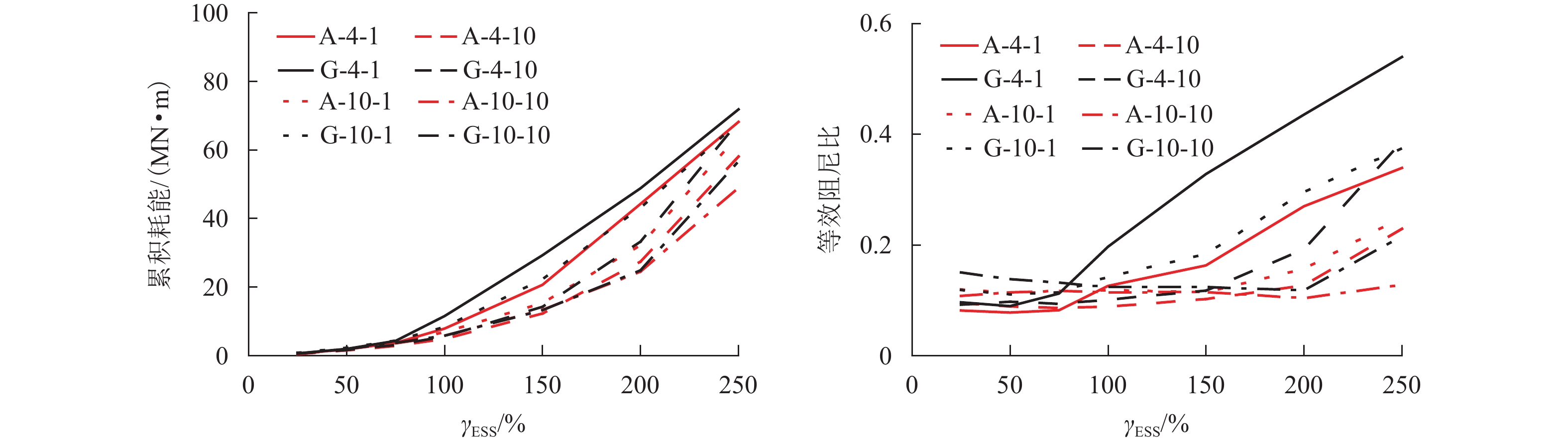
To investigate the friction and sliding performance of laminated-rubber bearings under aging conditions, heat aging tests and quasi-static tests were conducted based on the related provisions of shear aging resistance in the bearing specification. Firstly, the actual working state of the bearing in bridge engineering was simulated. Then, the bearing samples were subjected to hot air accelerated aging treatment through an aging chamber and then to horizontal cyclic quasi-static loading through a compression-shear machine. Finally, comparative analyses were conducted on the deformation state, hysteresis behavior, and related mechanical responses of the bearing specimens under different loading conditions. The results show that the shear deformation degree of the aged specimens is large during loading; the sliding degree is small, and the hysteresis loop is narrow and long. The sliding displacement of the bearings is negatively correlated with surface pressure and loading rate. The shear stiffness of the bearings first decreases and then increases as equivalent shear strain rises, and the shear stiffness of aged specimens decreases; the equivalent stiffness increases. At the average surface pressure of 10 MPa during the use of the bearings, there is less difference in the friction coefficient between the two types of specimens, both of which are lower than the recommended value of 0.20 in the specifications. The friction coefficient of the aged specimens is generally greater than that of unaged specimens, and insufficient energy dissipation is observed. There is a performance change point in the unaged specimens, and the overall mechanical behavior shows a three-fold trend. However, the friction and sliding behaviors of the aged specimens are stable, and there is no sudden change as the equivalent shear strain increases from 0 to 250%.

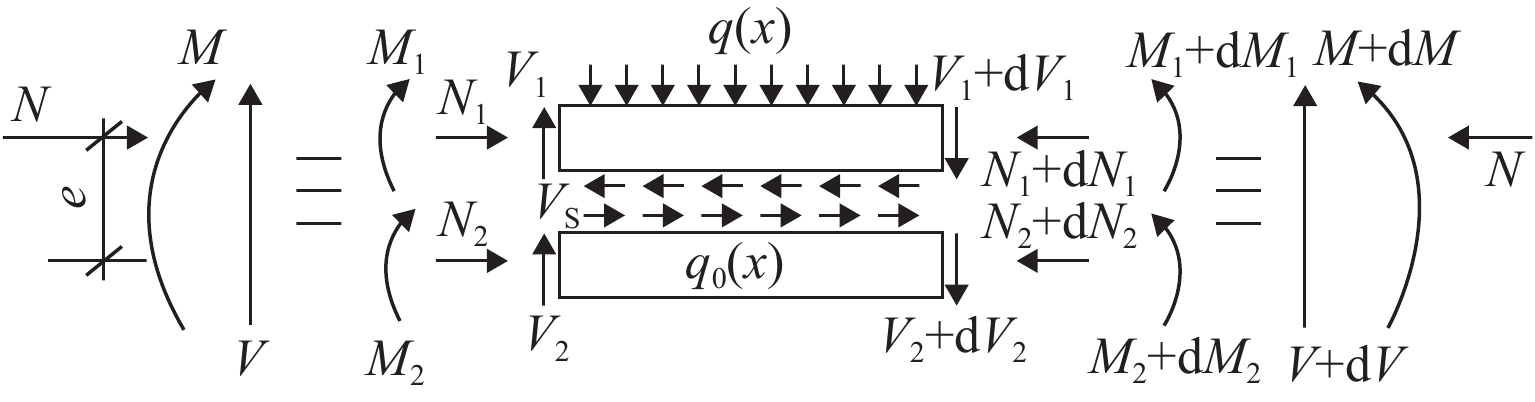
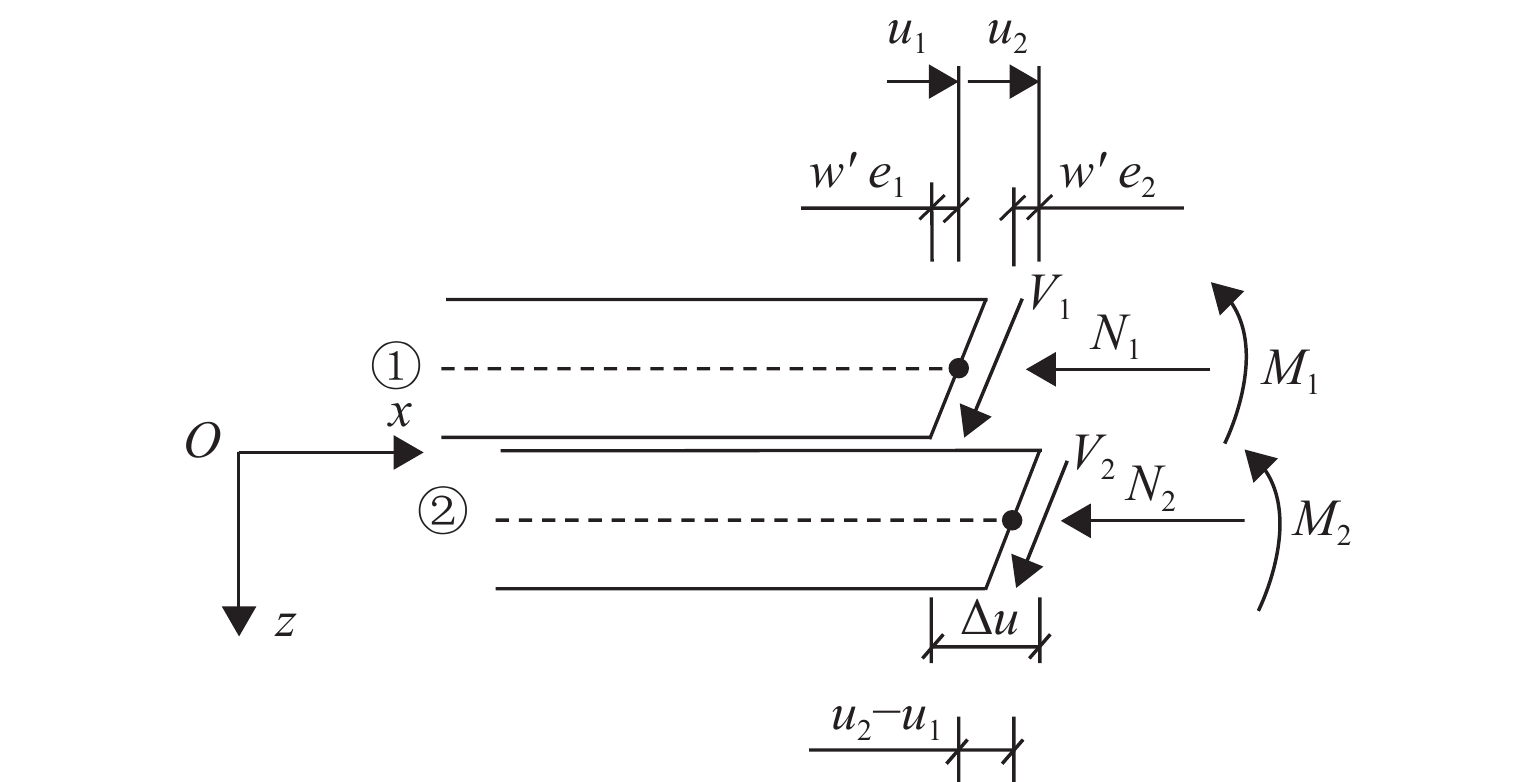
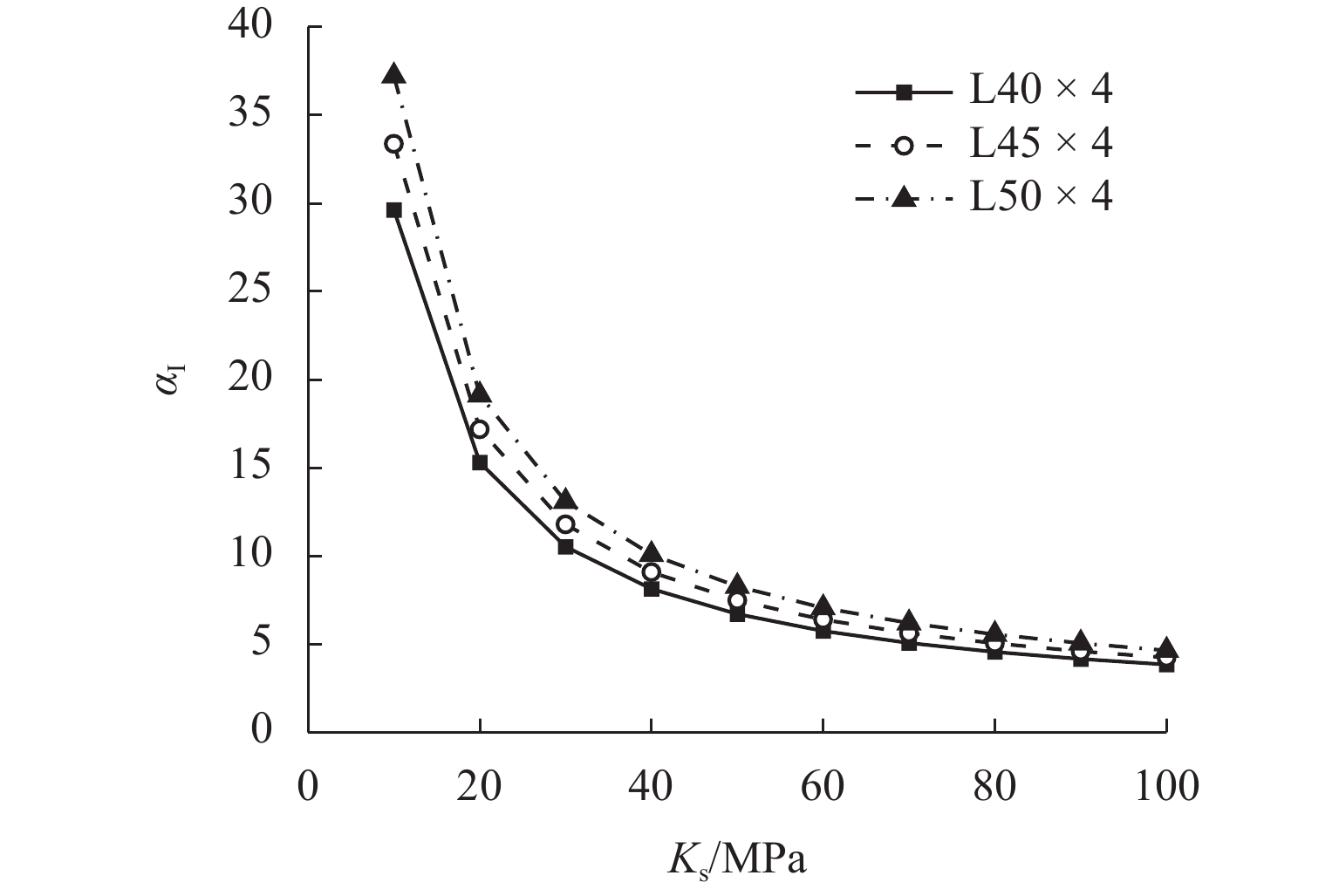
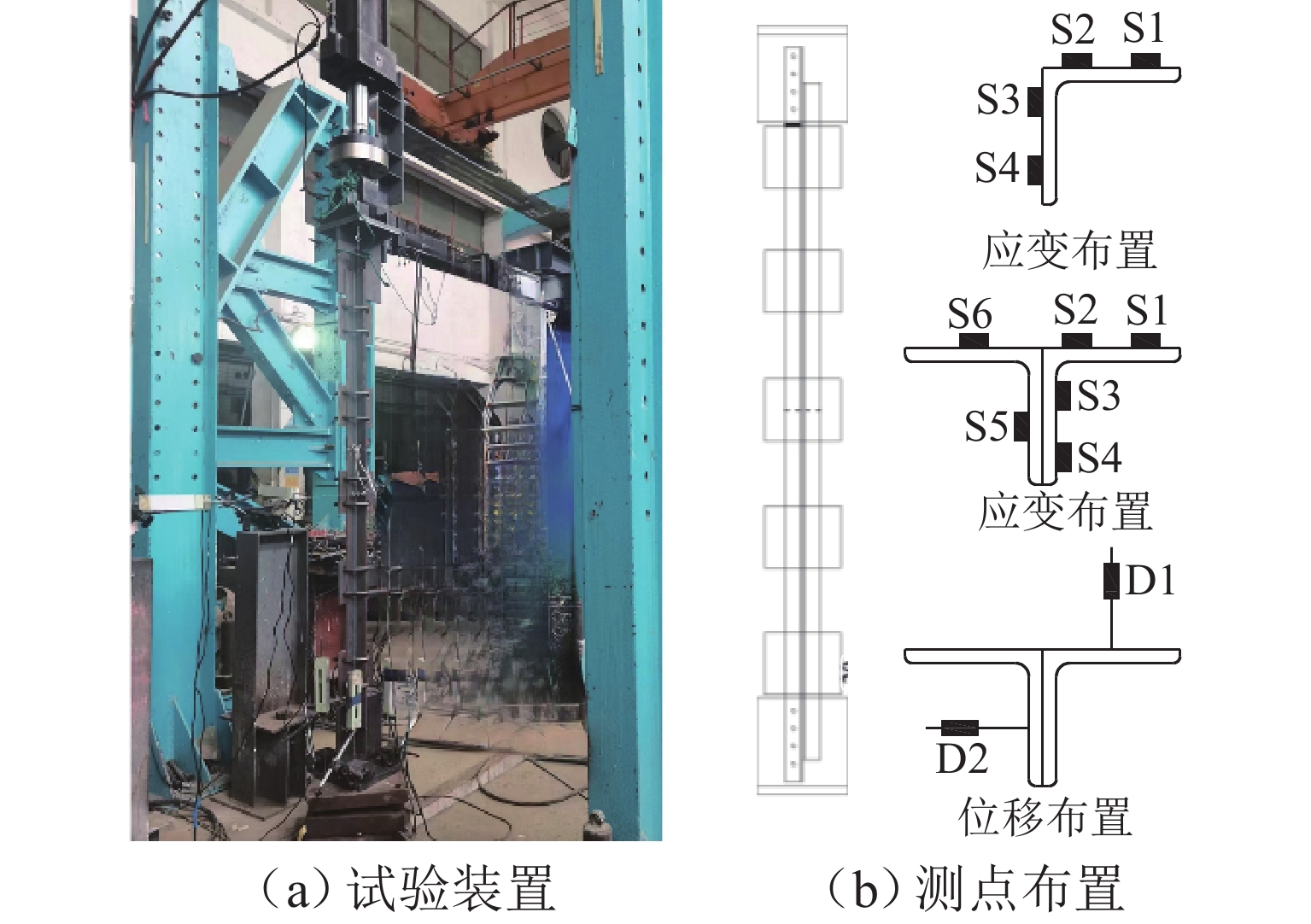
Theoretical Analysis and Experimental Study of T-Shaped Retrofitting Schemes of Diagonal Members for Transmission Towers
WU Hainan, XIE Qiang, LI Yue, WU Minger, YAN Cong
2026, 61(5): 1683-1693, 1715. doi: 10.3969/j.issn.0258-2724.20240435
Abstract:

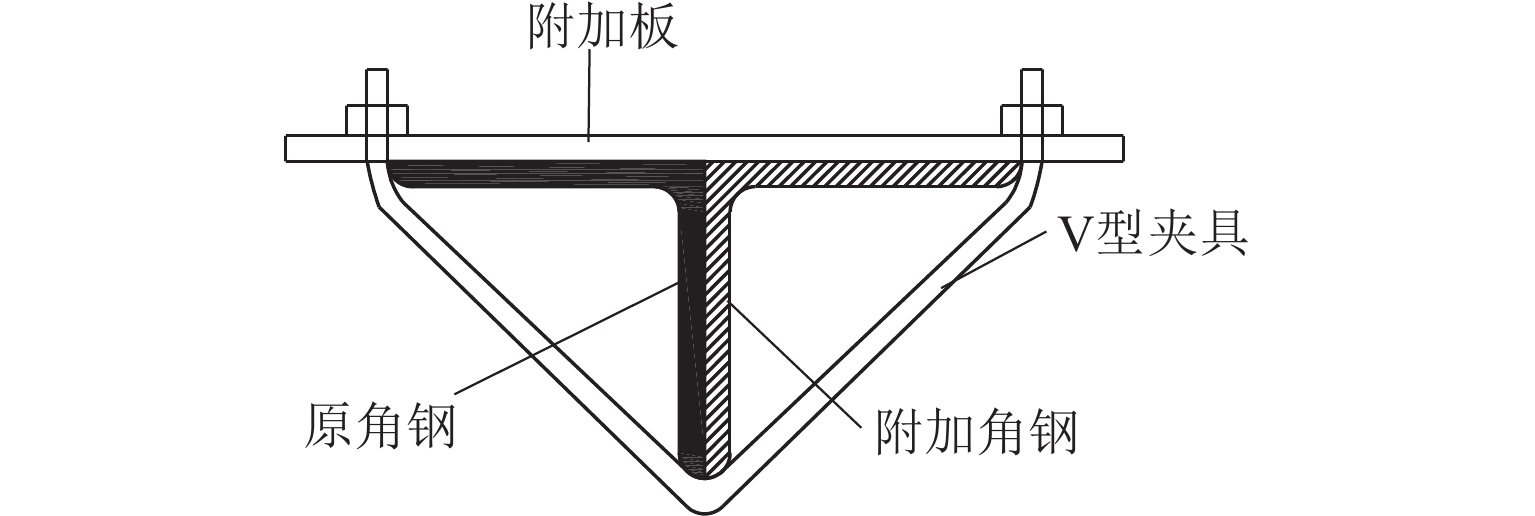
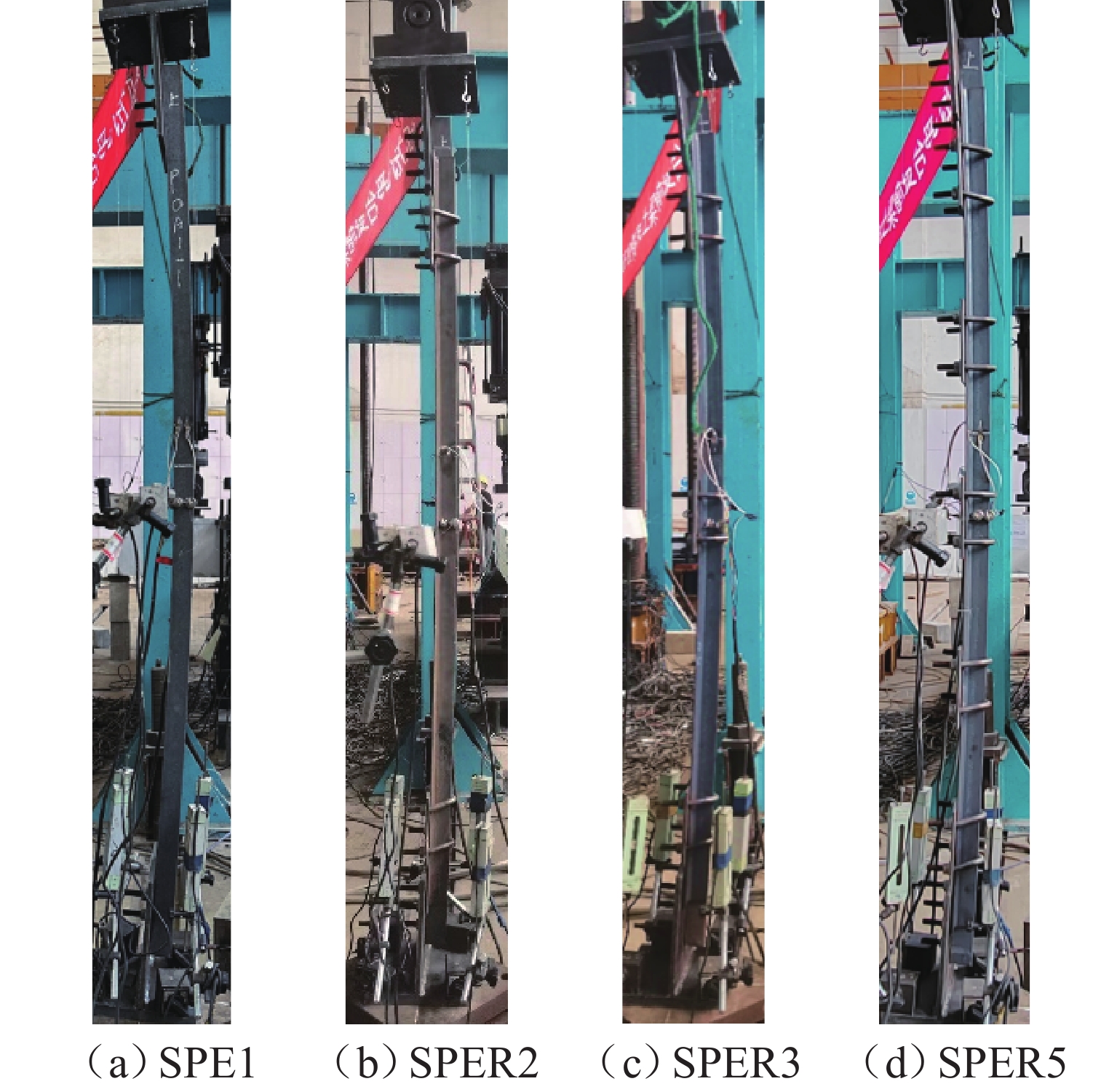
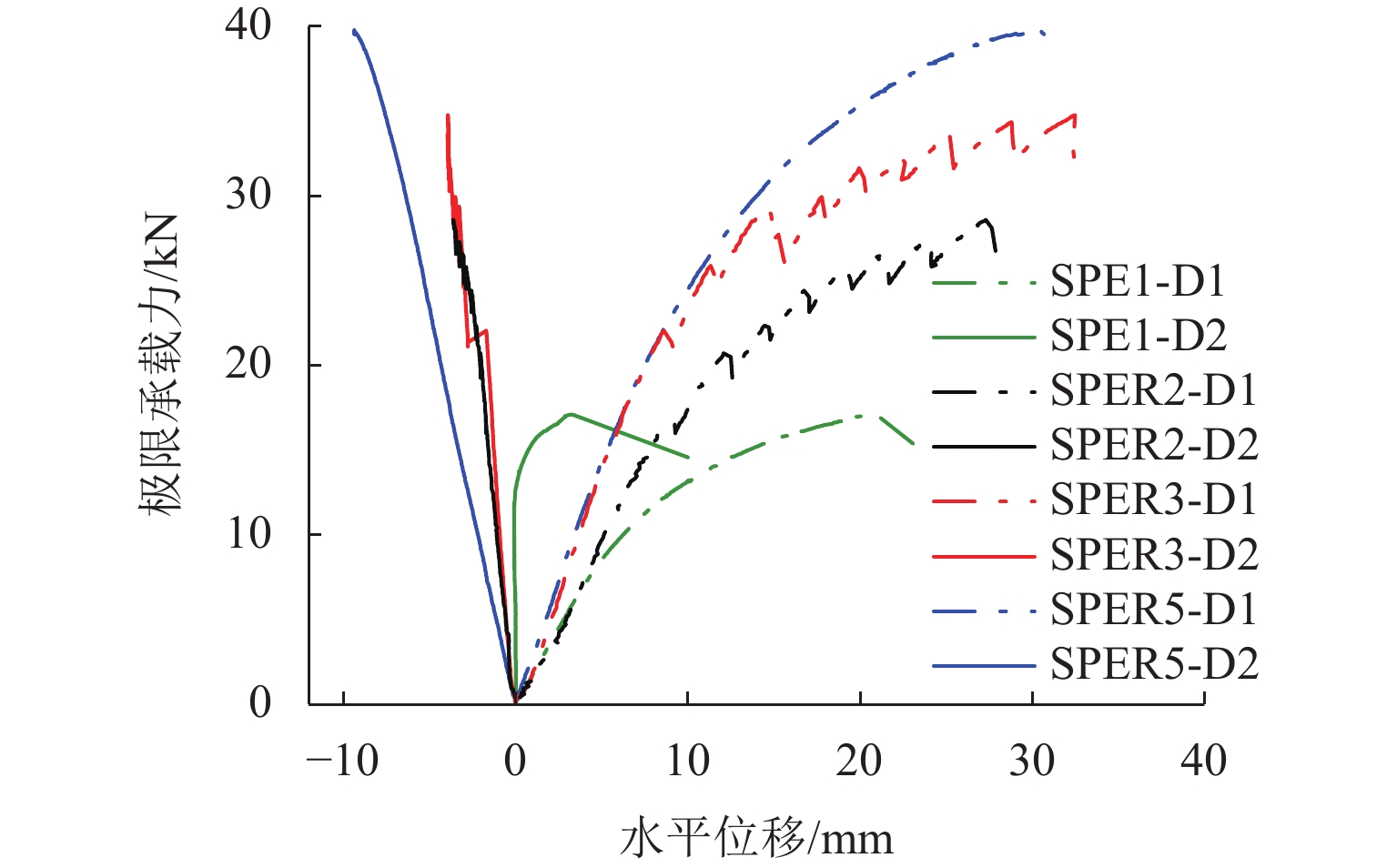
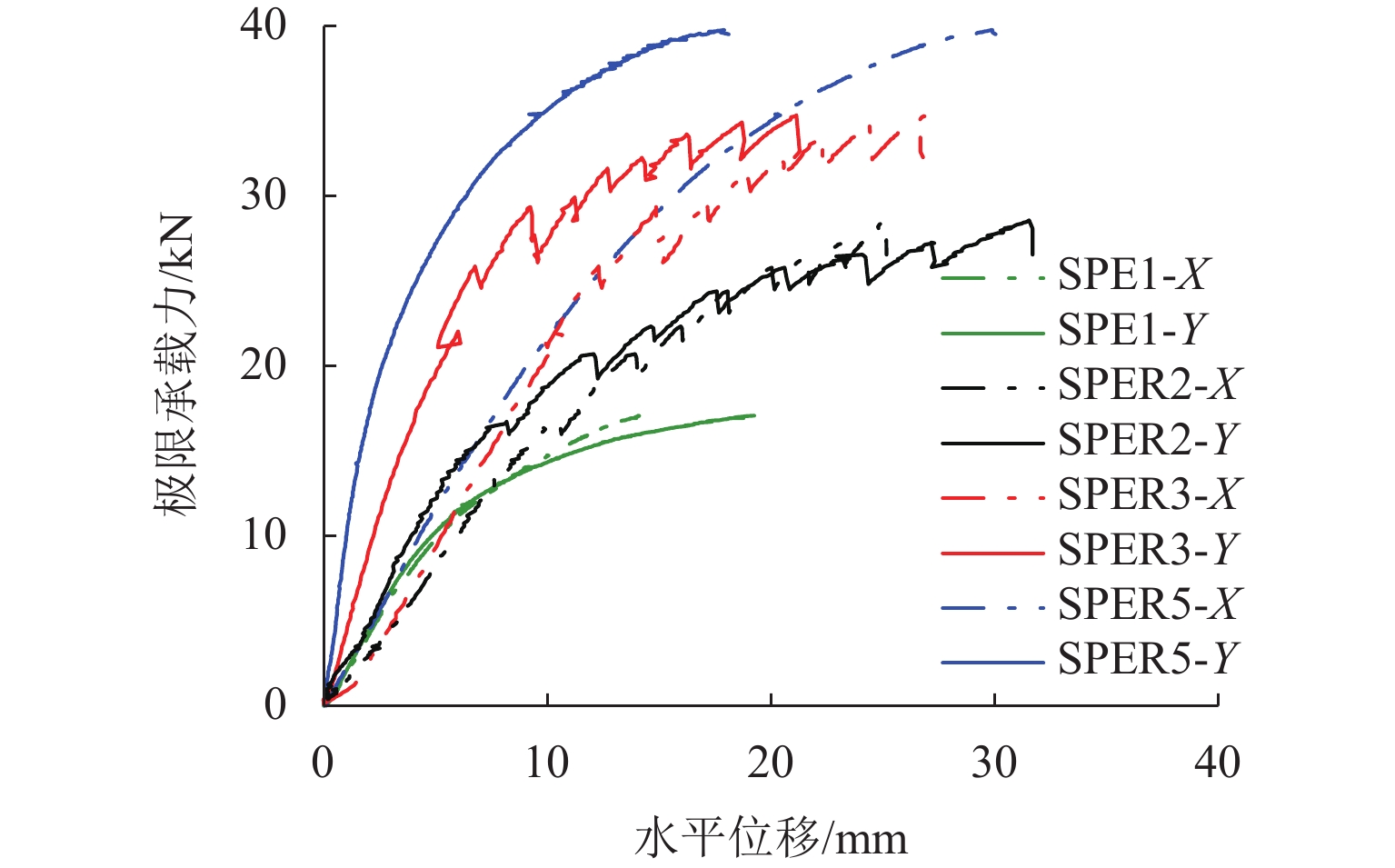
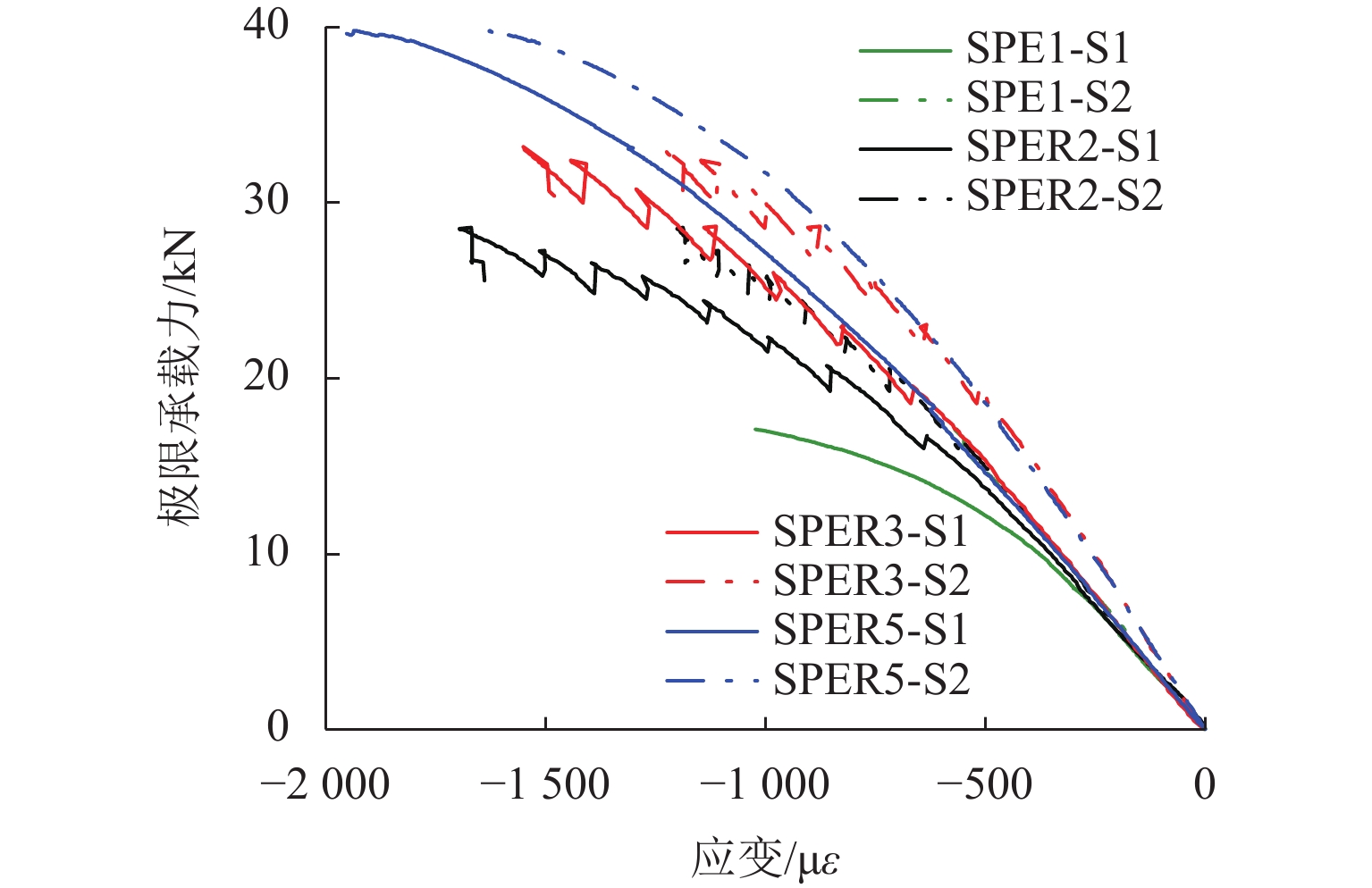
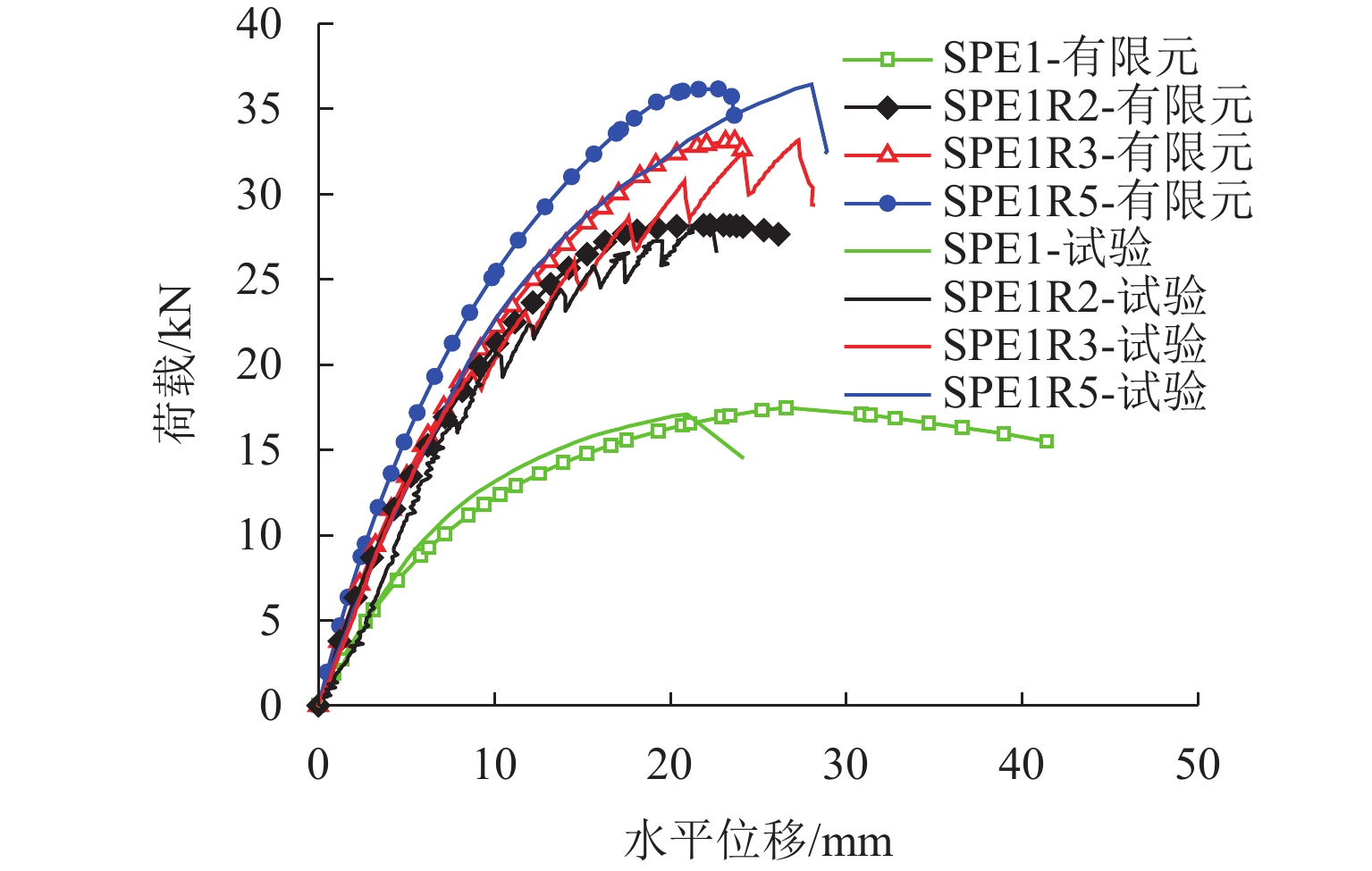
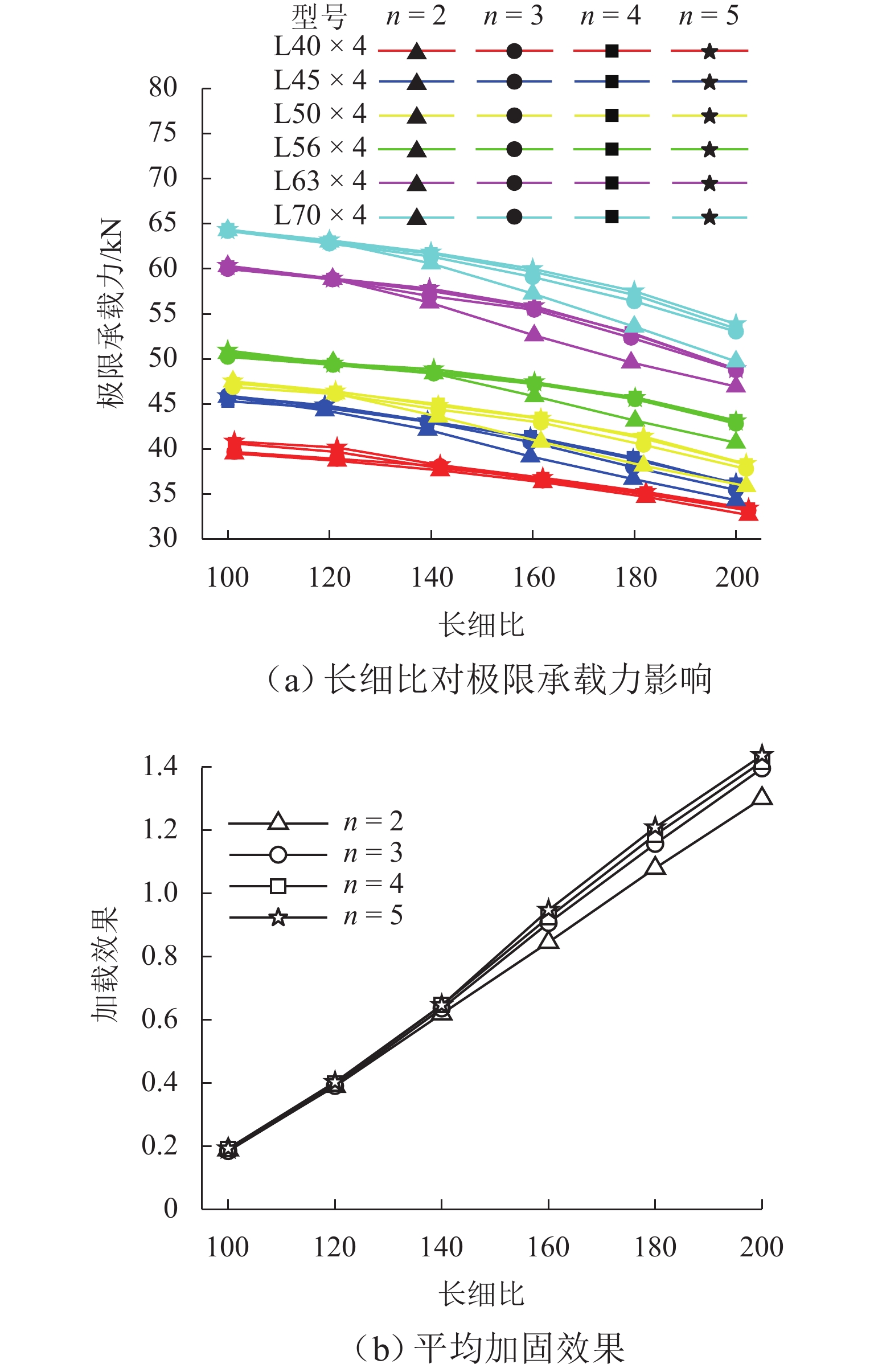
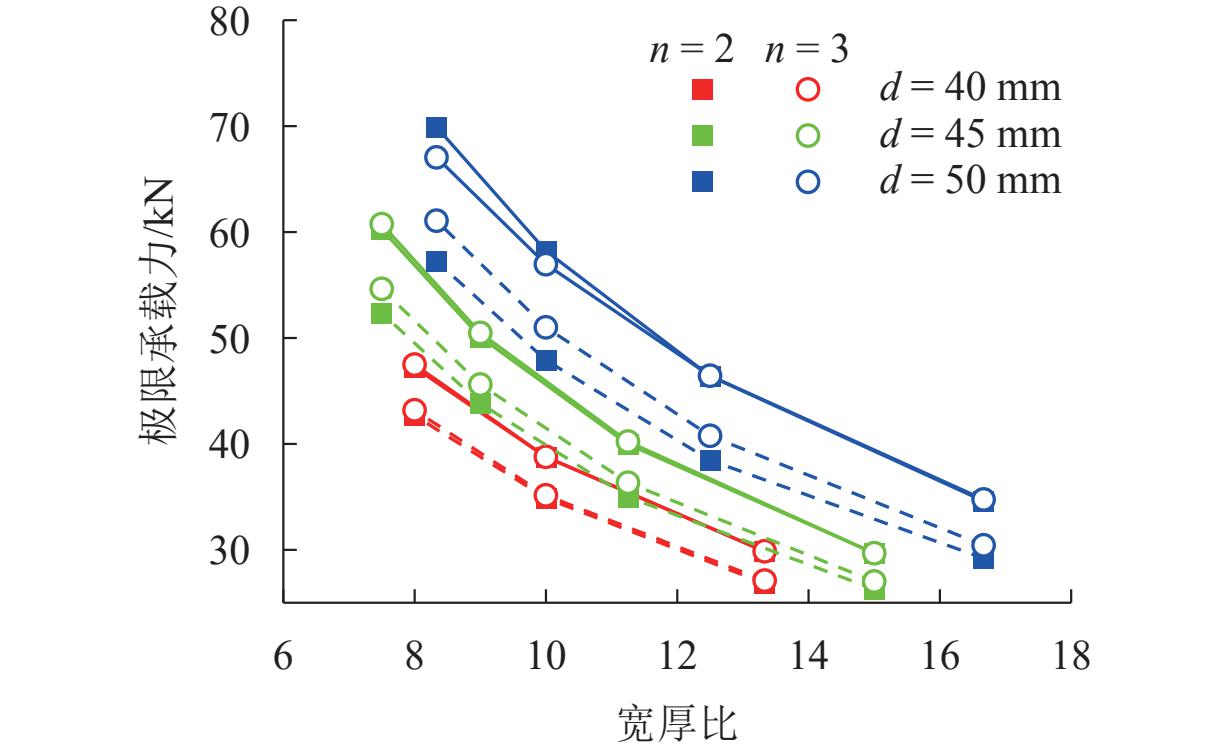
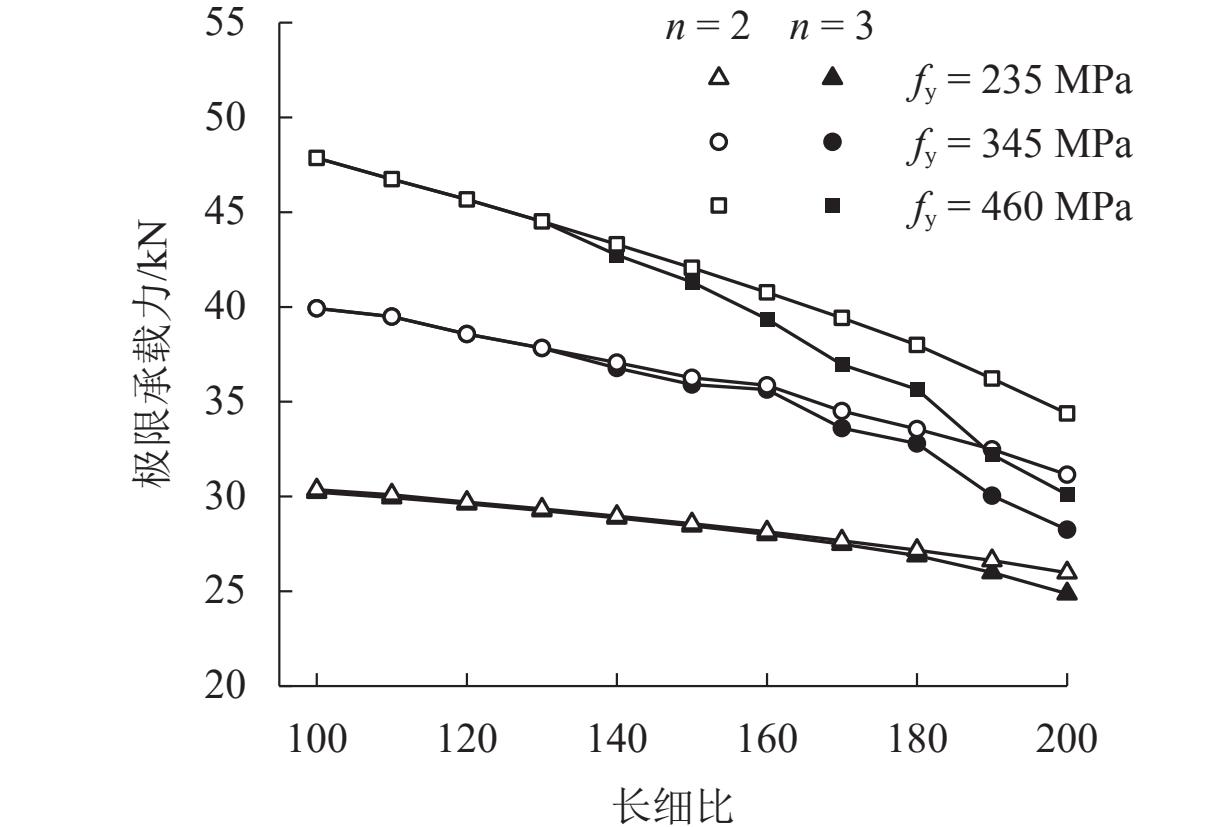
To optimize the T-shaped retrofitting scheme of diagonal members, the influence of structural and material parameters on the bearing capacity of the members after retrofitting was investigated through theoretical analysis, experimental study, and finite element analysis. Firstly, a theoretical model of the T-shaped retrofitting section was established based on the composite beam theory, to evaluate the enhancement in flexural stiffness induced after T-shaped retrofitting. Secondly, eccentric compression static experiments of single-side connected angle steels for T-shaped retrofitting were conducted. Finally, the finite element model was used to analyze the effects of the slenderness ratio, width-to-thickness ratio, and material strength on the selection of the number of connectors. The results indicate that the improvement in flexural stiffness after T-shaped retrofitting decreases with increasing load. A decrease in the number of connectors leads to relative slip perpendicular to the direction of member deformation. For the experimental members, an increase in the number of connectors leads to greater bearing capacity, with a maximum retrofitting effect of 100.4%. For the T-shaped retrofitting scheme of diagonal members, two connectors are sufficient when the slenderness ratio is below 150. Otherwise, three connectors are required. The width-to-thickness ratio and material strength have no effect on the selection of connectors.

Train Operation Adjustment Optimization Considering Transfer Under Influence of Railway Line Fault
LI Bing, LI Yang, XUAN Hua
2026, 61(5): 1694-1705. doi: 10.3969/j.issn.0258-2724.20240348
Abstract:

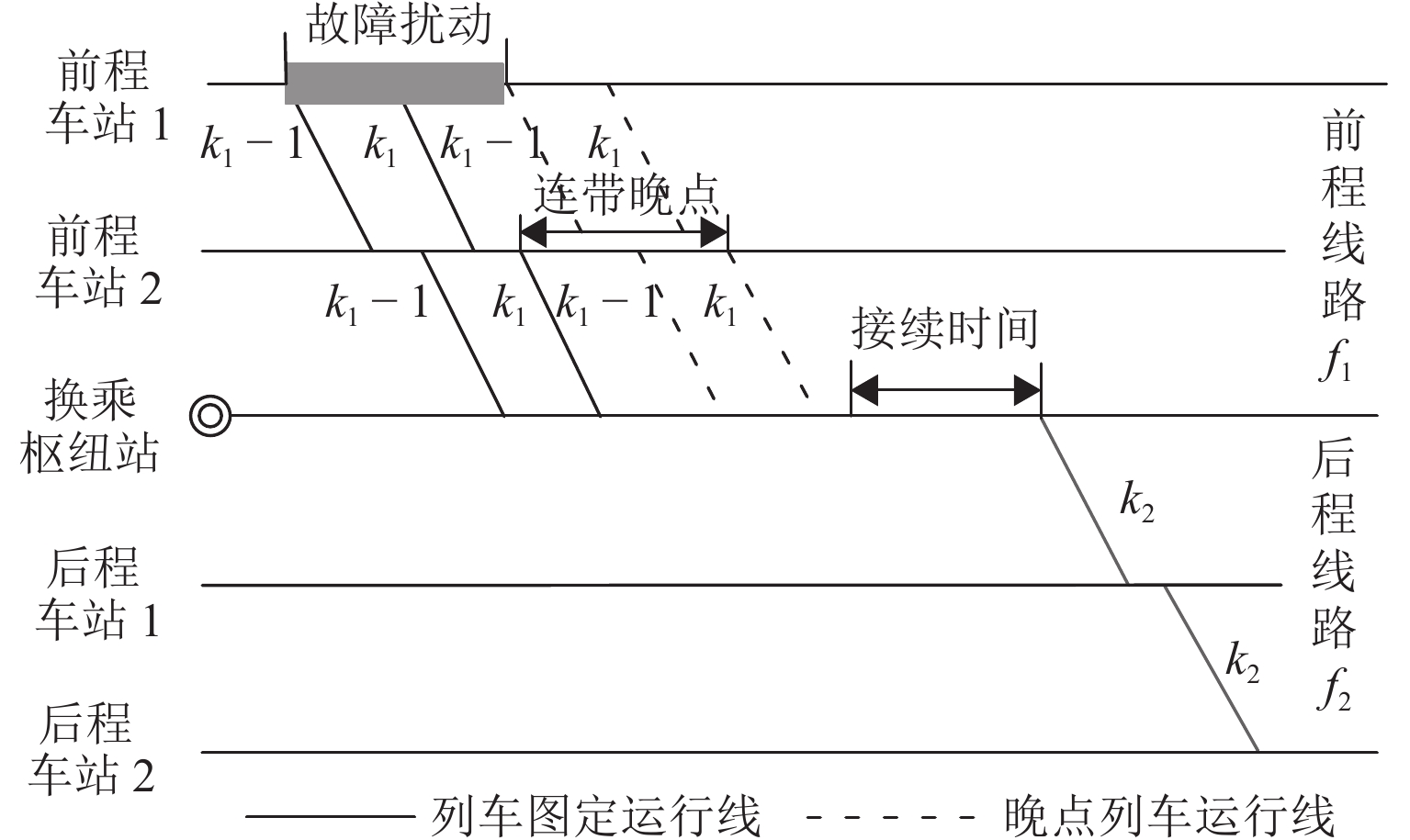
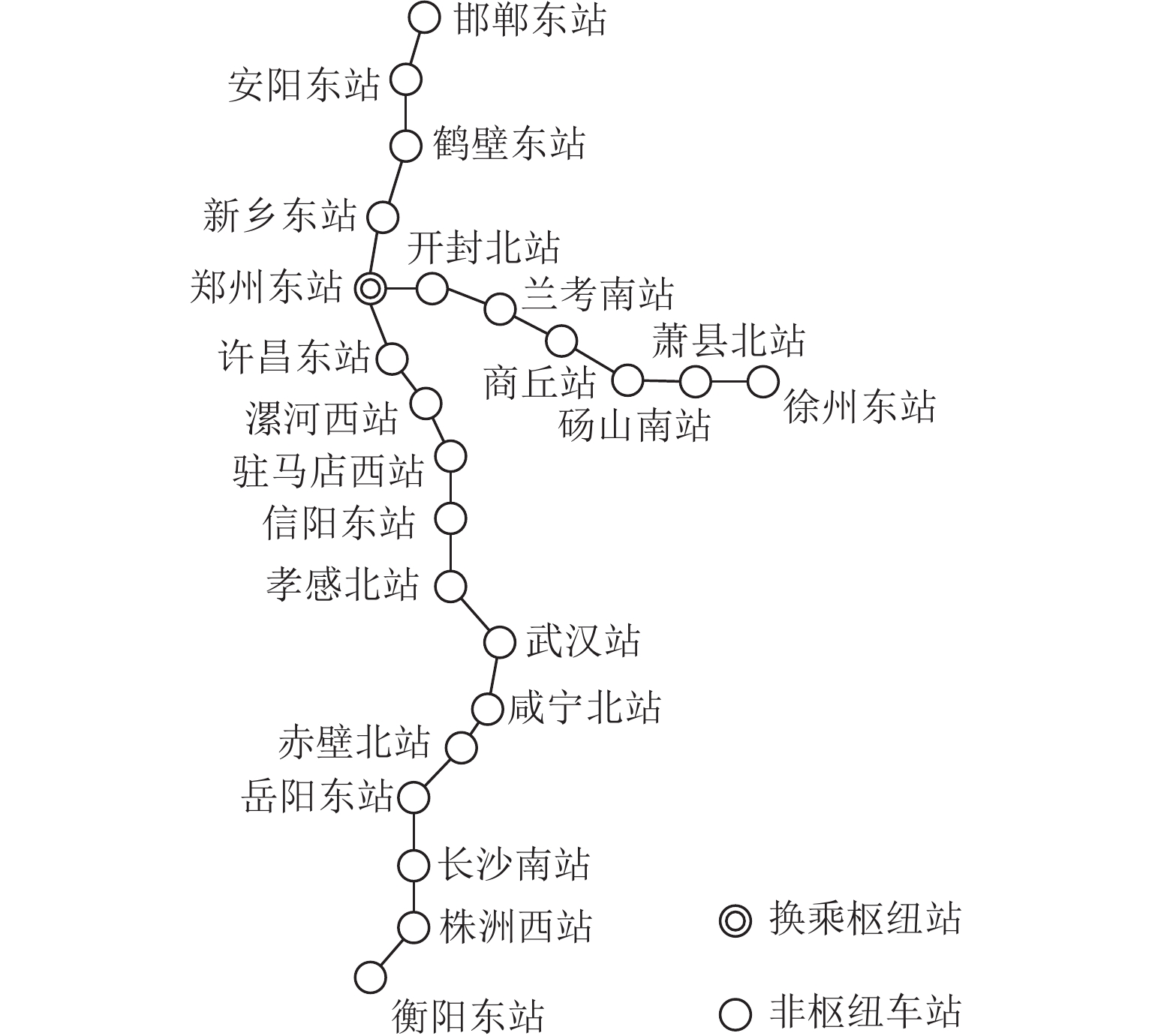
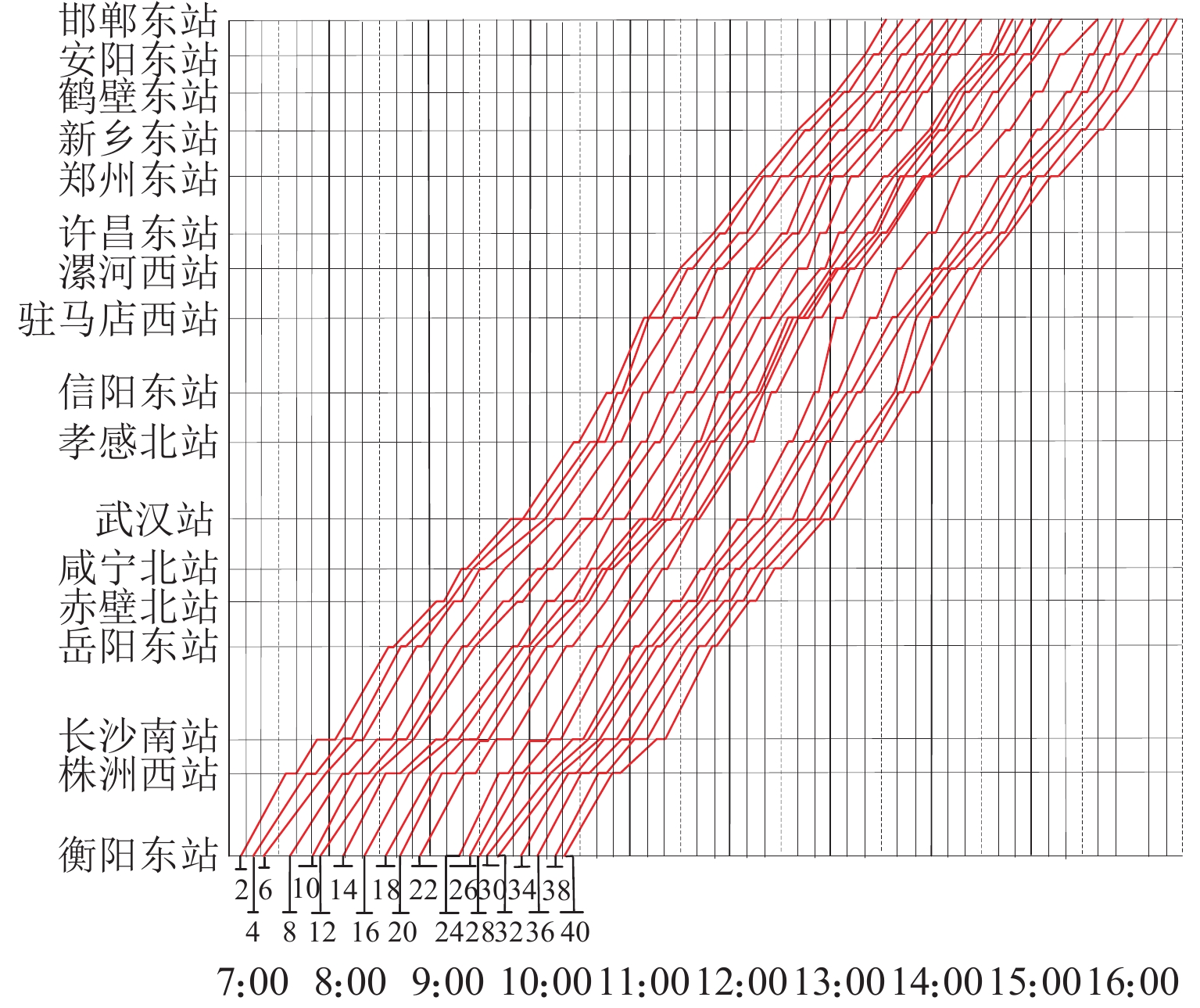
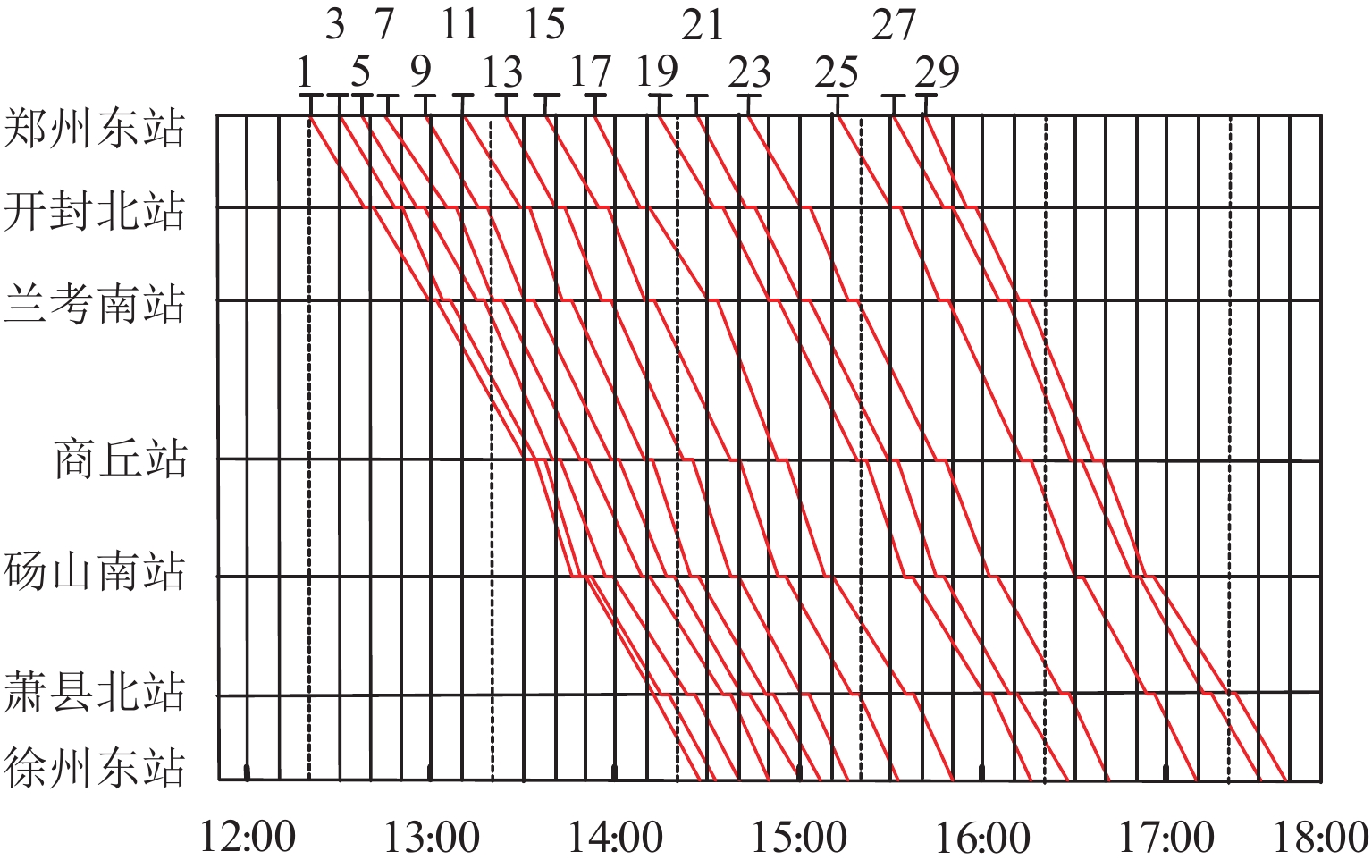
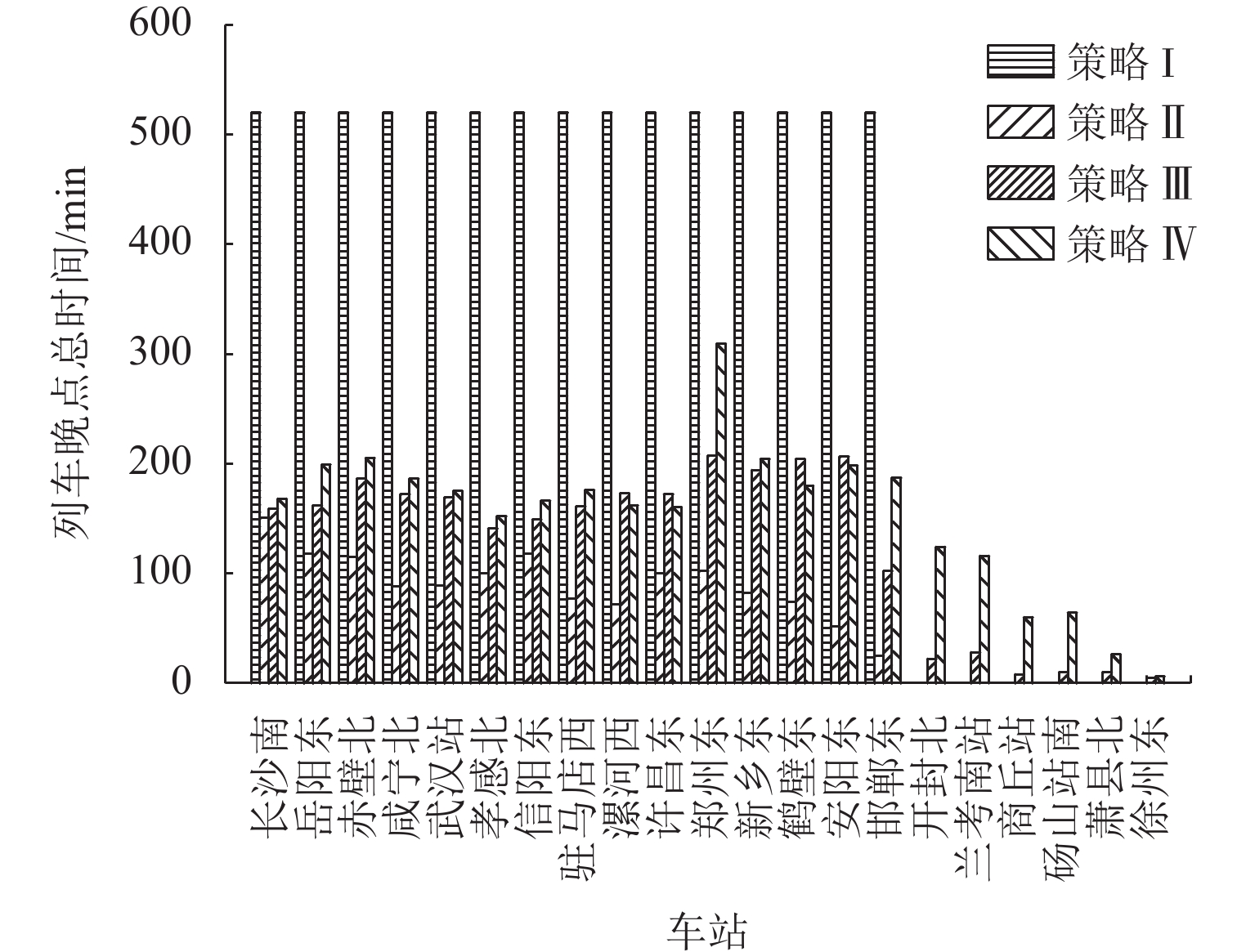
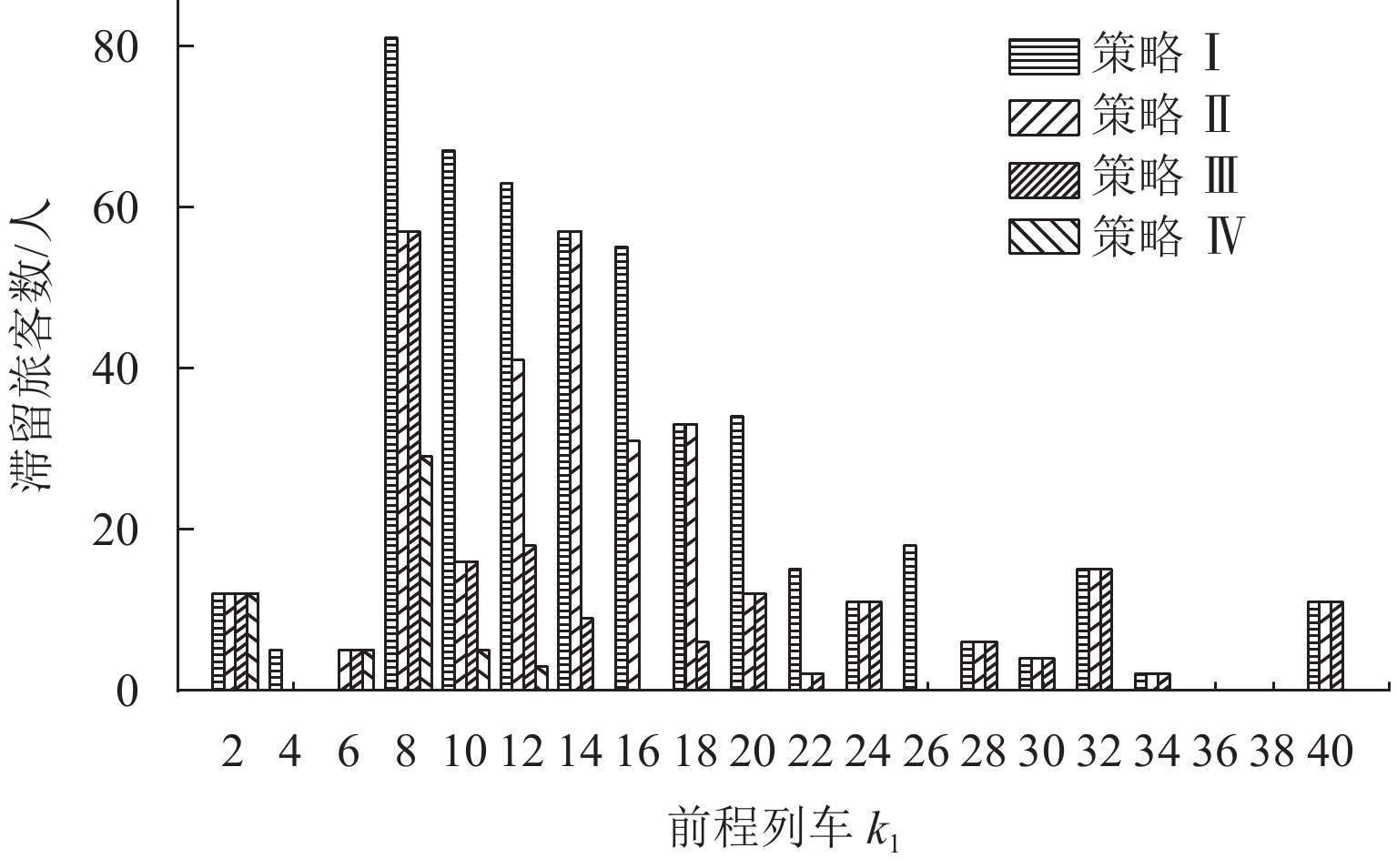
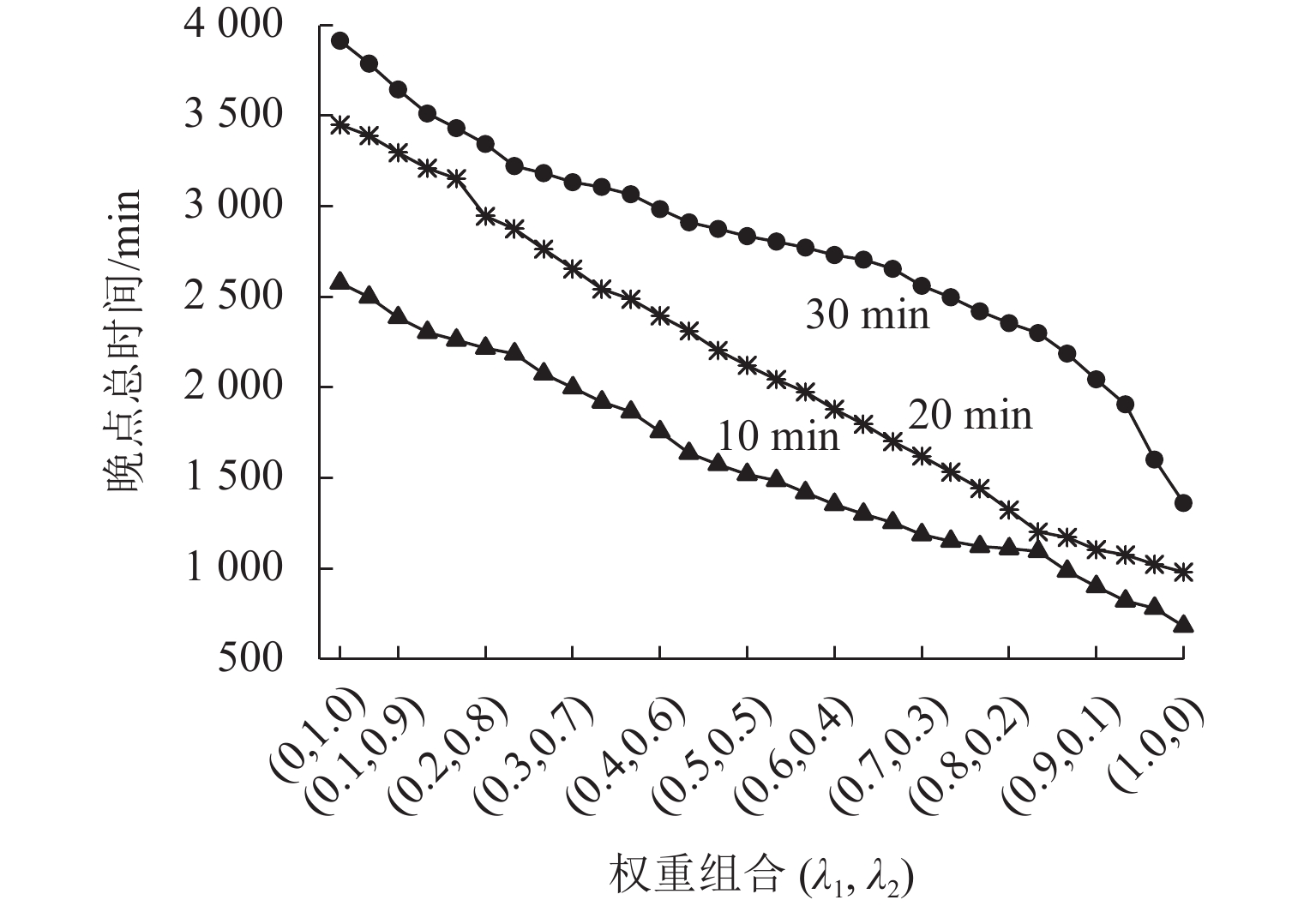
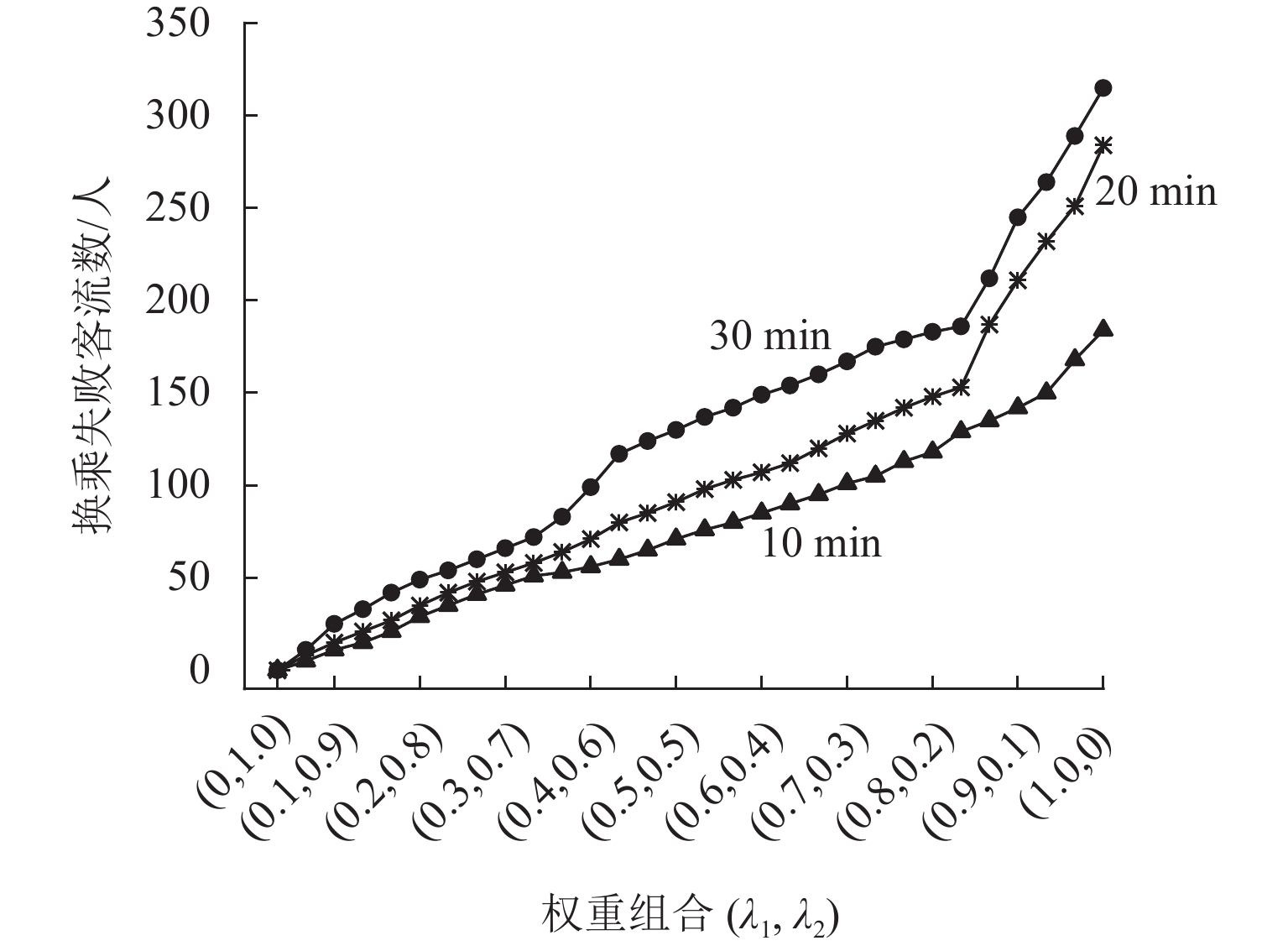
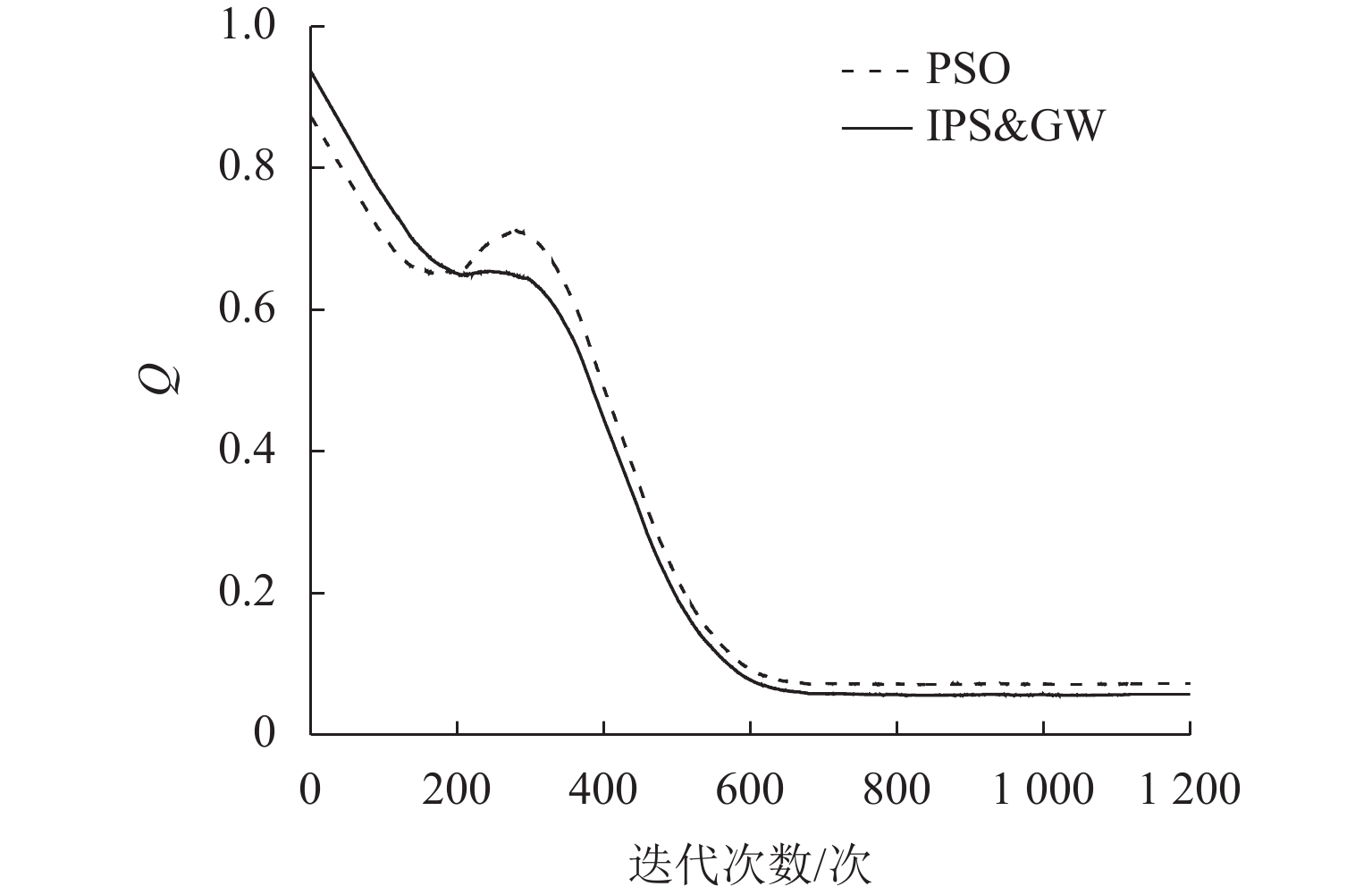
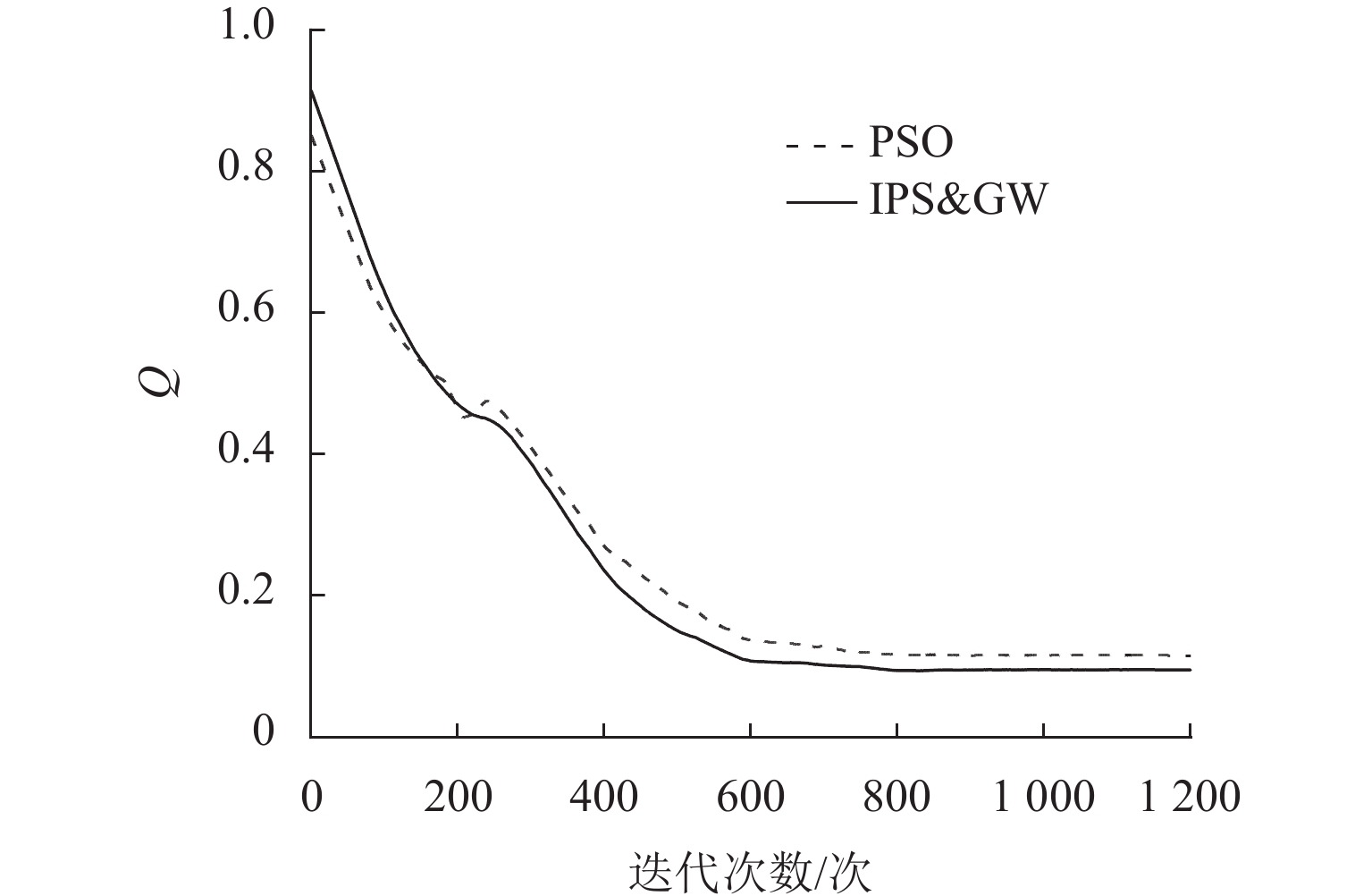
Because of the train operation adjustment considering transfer under the railway line faults, minimizing the total train knock-on delay time and the number of passengers failing to transfer caused by railway line faults was taken as two objectives, and an optimization model for train operation adjustment under the influence of railway line faults was constructed. In light of the model as a large-scale hybrid integer programming model, an improved particle swarm based on Gaussian walk (IPS&GW) was designed. Road network composed of some upward-direction sections of the Beijing–Guangzhou Railway and downward-direction sections of the Zhengzhou–Xuzhou Railway was used to form a testing scenario. The proposed IPS&GW algorithm was used to solve the optimization model for train operation adjustment based on different train operation recovery strategies (strategy Ⅰ–strategy Ⅳ). The results show that compared to strategy Ⅰ, when the disturbance duration of railway line fault ranges from 10 to 30 minutes, the decreasing ratio of train knock-on delay time based on strategies Ⅱ, Ⅲ, and Ⅳ is respectively in the range from 82.5% to 86.6%, from 70.5% to 81.49%, and from 55.8% to 58.7%. The decreasing ratio of the total number of stranded passengers is respectively in the range from 28.3% to 39.1%, from 57.3% to 61.9%, and from 88.4% to 89.4%. Under different disturbance scenarios, a significant decrease in the number of passengers failing to transfer can be achieved by increasing the total train delay time by a certain amount. Finally, the proposed IPS&GW algorithm is compared with the traditional particle swarm optimization (PSO) algorithm. The former shows an advantage in the convergence speed of the objective function, so that the scheduled operation requirements for the train can be met, and the number of stranded passengers in the transfer hub stations is reduced.

Train Rescheduling Model Based on Combination Strategy for Urban Rail Transit Operation Interruption
ZHOU Weiteng, LI Zhuoyi, RAN Jiangliang, HAN Baoming, SONG Lixin, FAN Guorong
2026, 61(5): 1706-1715. doi: 10.3969/j.issn.0258-2724.20240174
Abstract:

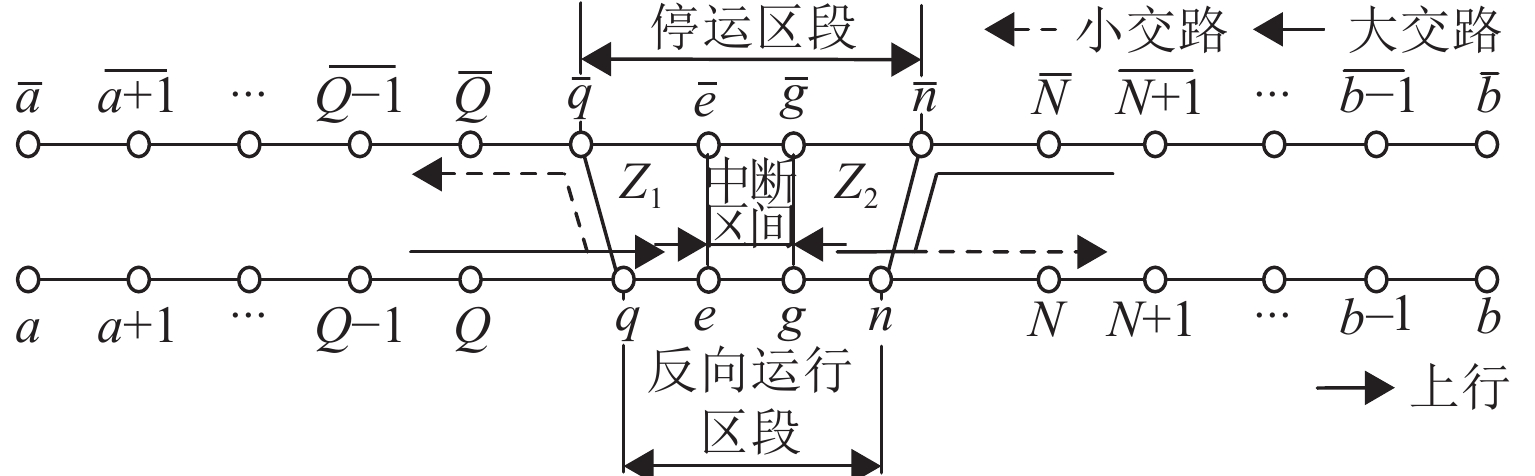
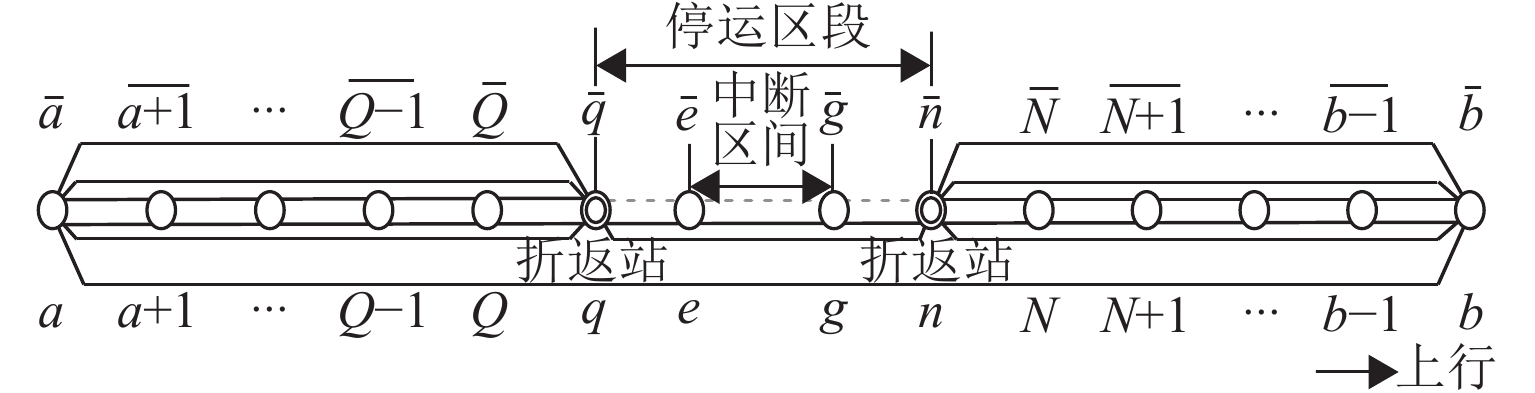
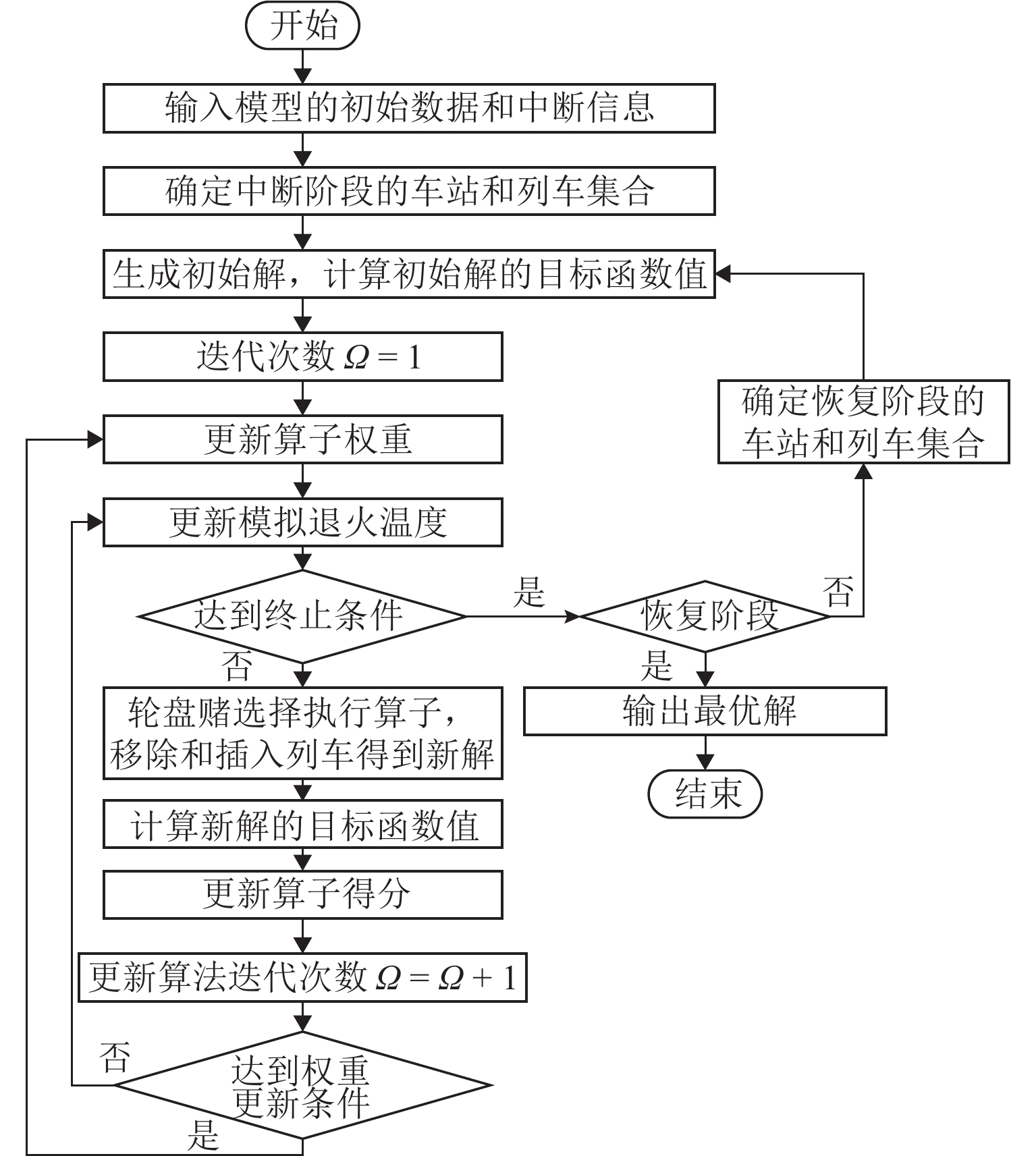
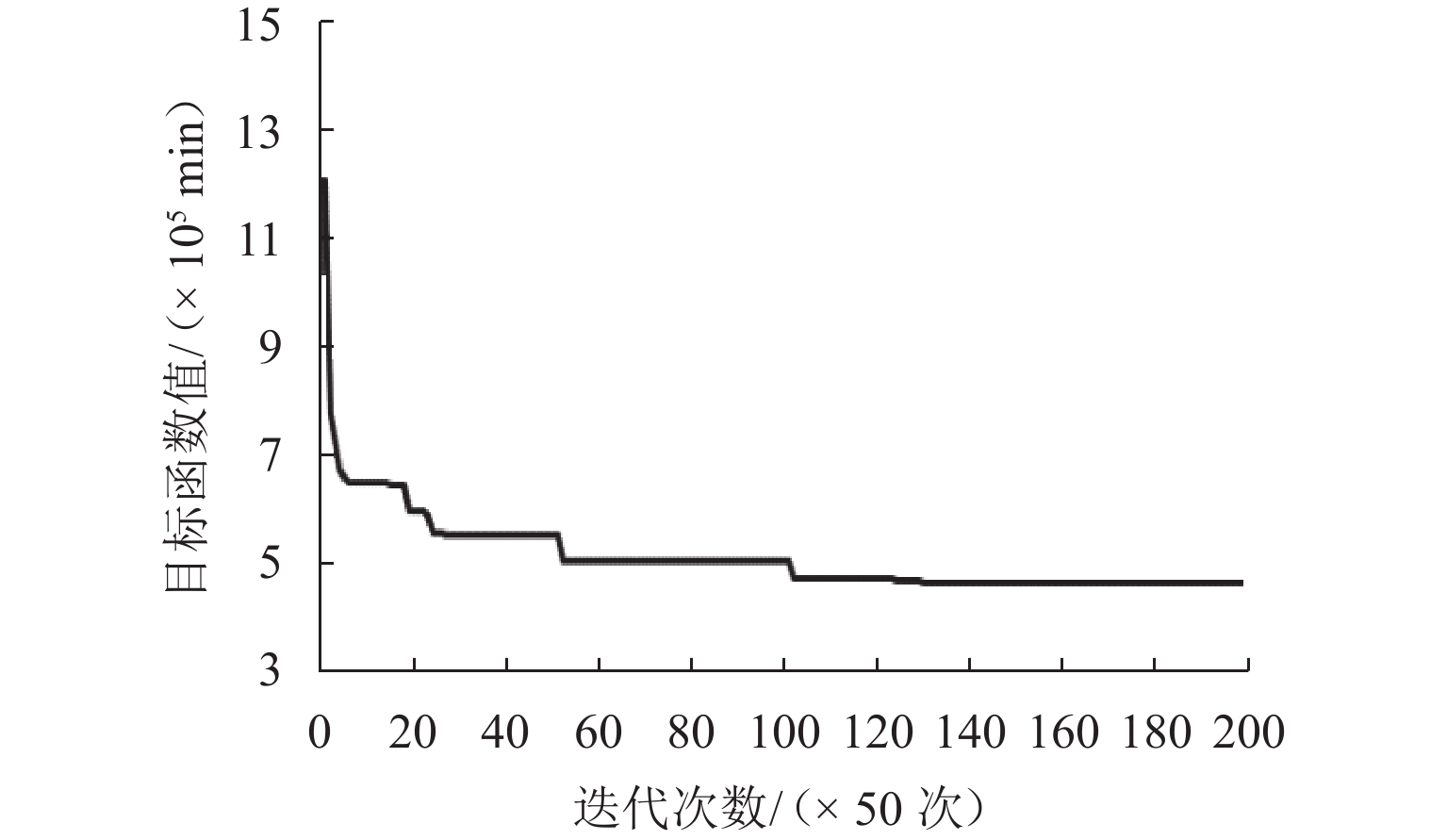
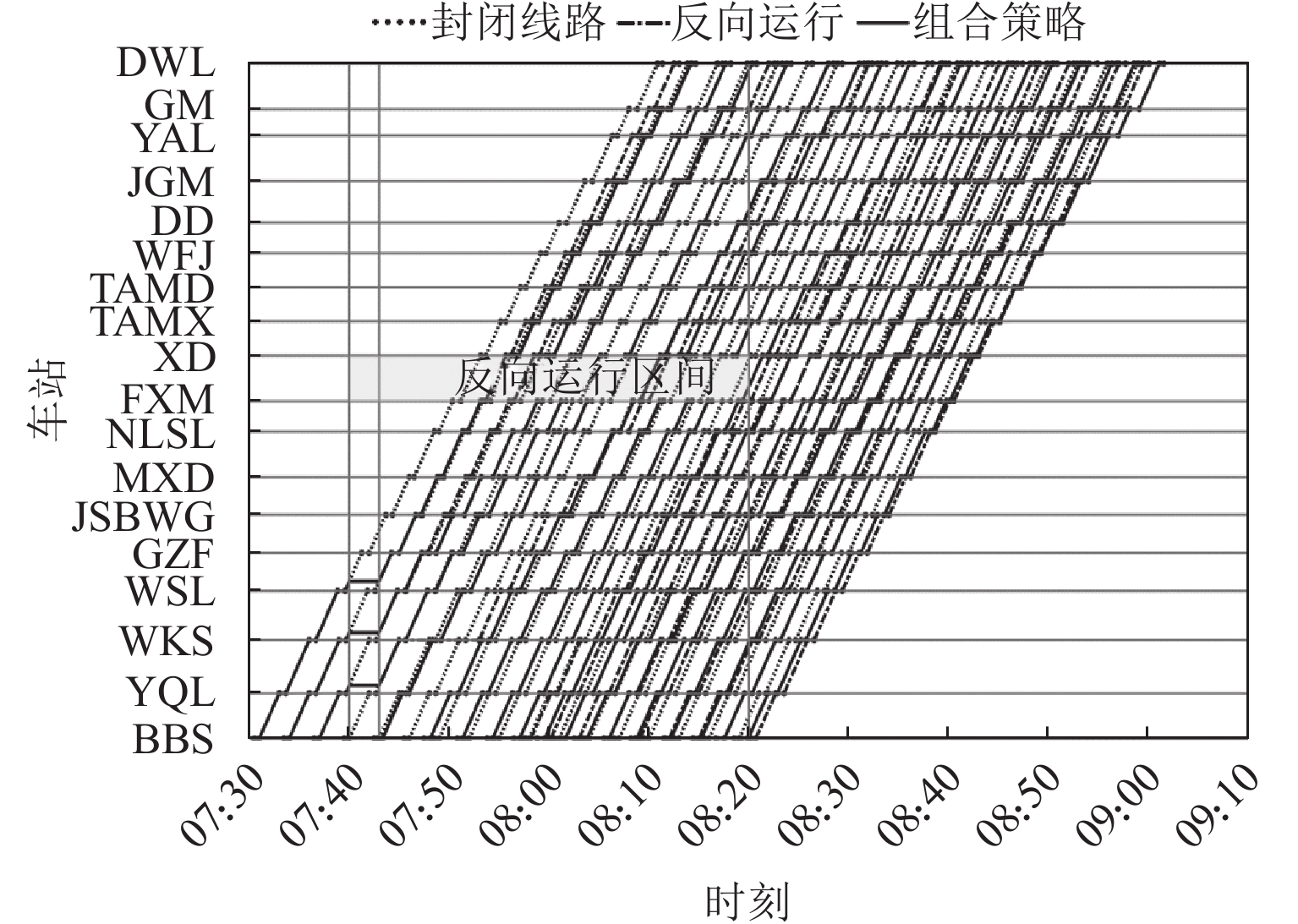
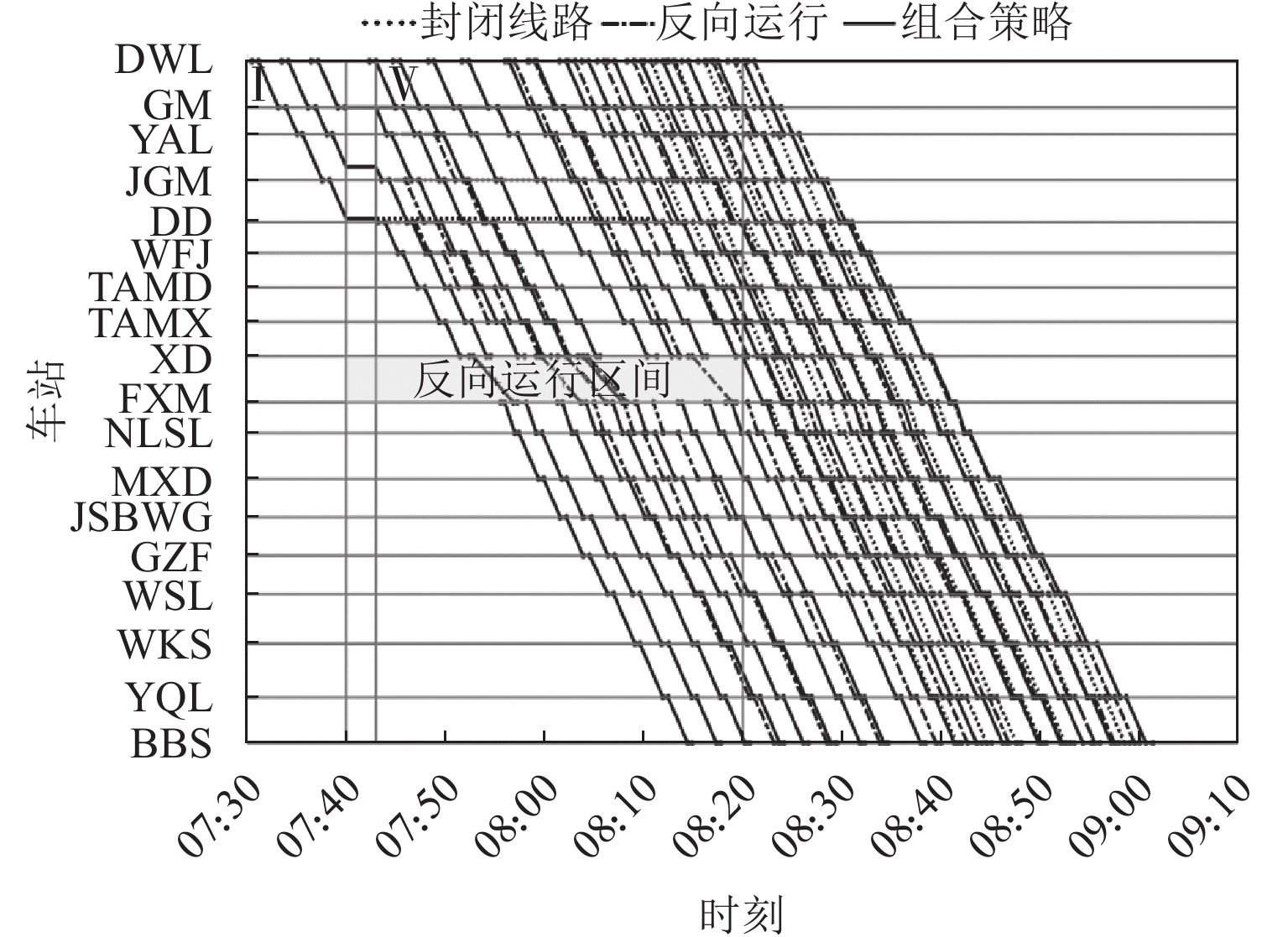
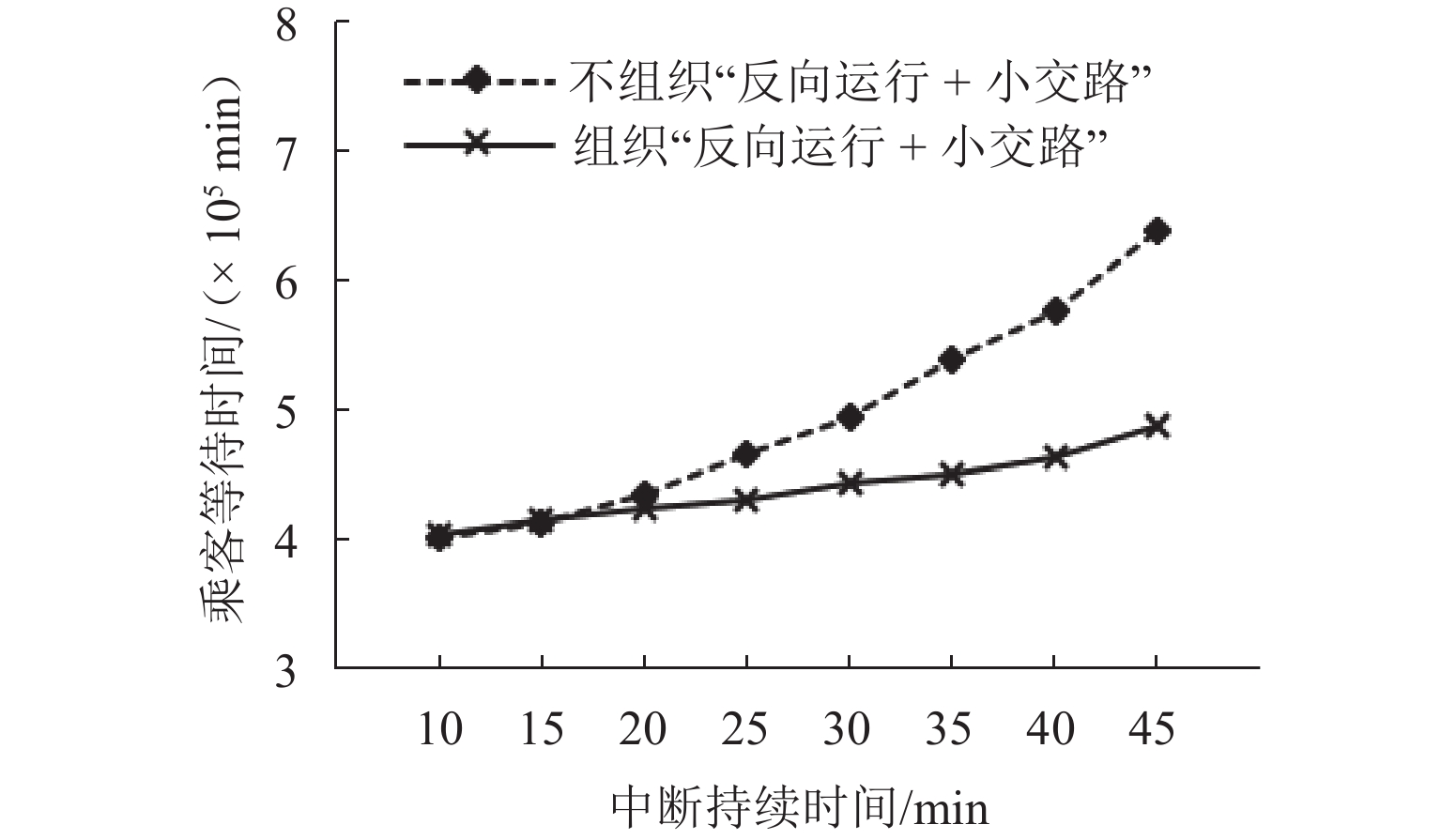
Operation interruption is a safety factor that cannot be ignored in the actual operation of urban rail transit. To address train operation adjustment under unidirectional operation interruption in urban rail transit, a combined adjustment strategy of “reverse operation + short turning” was proposed. From the perspective of passenger time value, taking the minimum waiting time of passengers at the station as the optimization objective, a two-stage model of urban rail transit train operation adjustment under unidirectional operation interruption was established for the interruption stage and the recovery stage. Considering the complexity of the model and the requirements of the adjustment problem for solution efficiency, an adaptive large-scale neighborhood search algorithm based on different service patterns was specifically designed for the proposed model, so as to achieve effective solutions for large-scale instances. The case study shows that, under unidirectional operation interruption, the “reverse operation + short turning” strategy reduces passenger waiting time by 5.19% compared with the reverse operation strategy. Compared with closing the interrupted direction line, it can reduce the waiting time of passengers on the whole line by 19.80%, and the transportation services in both directions are more balanced. In addition, when the interruption duration is more than 15 minutes, adopting the strategy of “reverse operation + short turning” to organize train operation adjustment can achieve better results than closing the interrupted direction line.

Generational Evolution Path of Autonomous Transportation Systems Based on Hierarchical Evolvable Architecture Models
XIE Chi, XIONG Yingchang, ZHU Hong, HUANG Wei, TANG Keshuang, LIU Yanyue, LI Zhenhua, ZHAO Kaiqi
2026, 61(5): 1716-1730. doi: 10.3969/j.issn.0258-2724.20250140
Abstract:

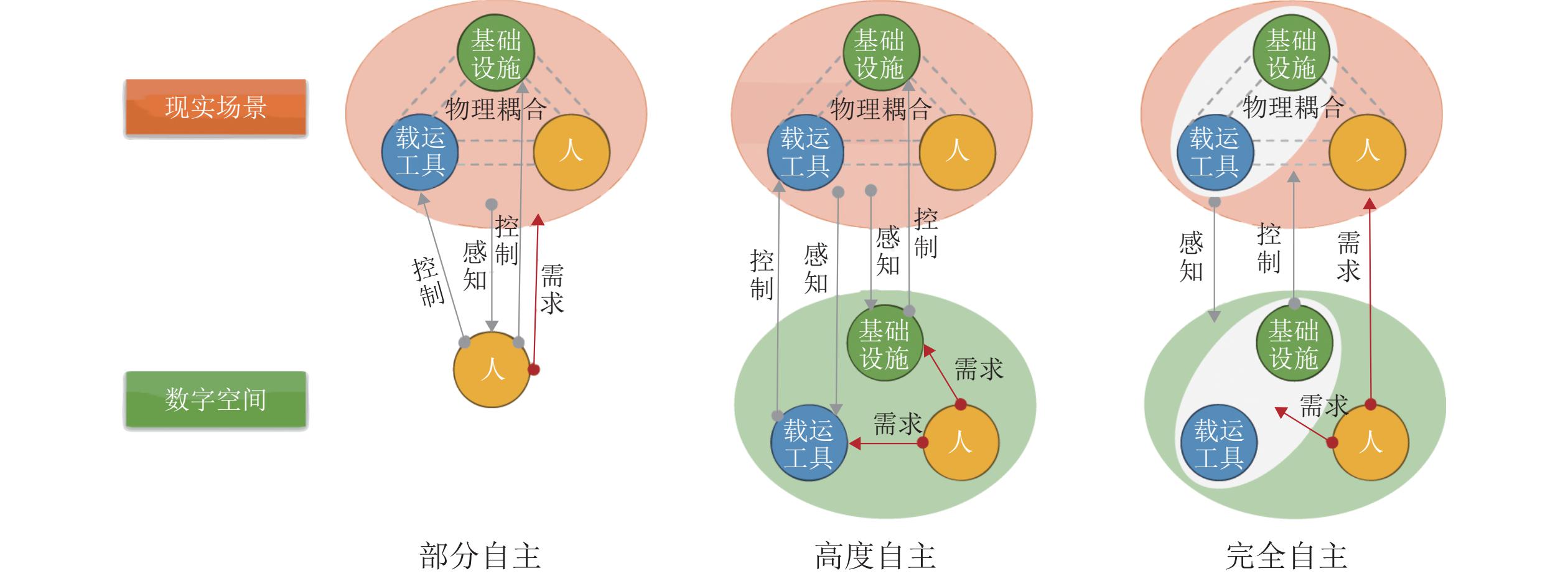
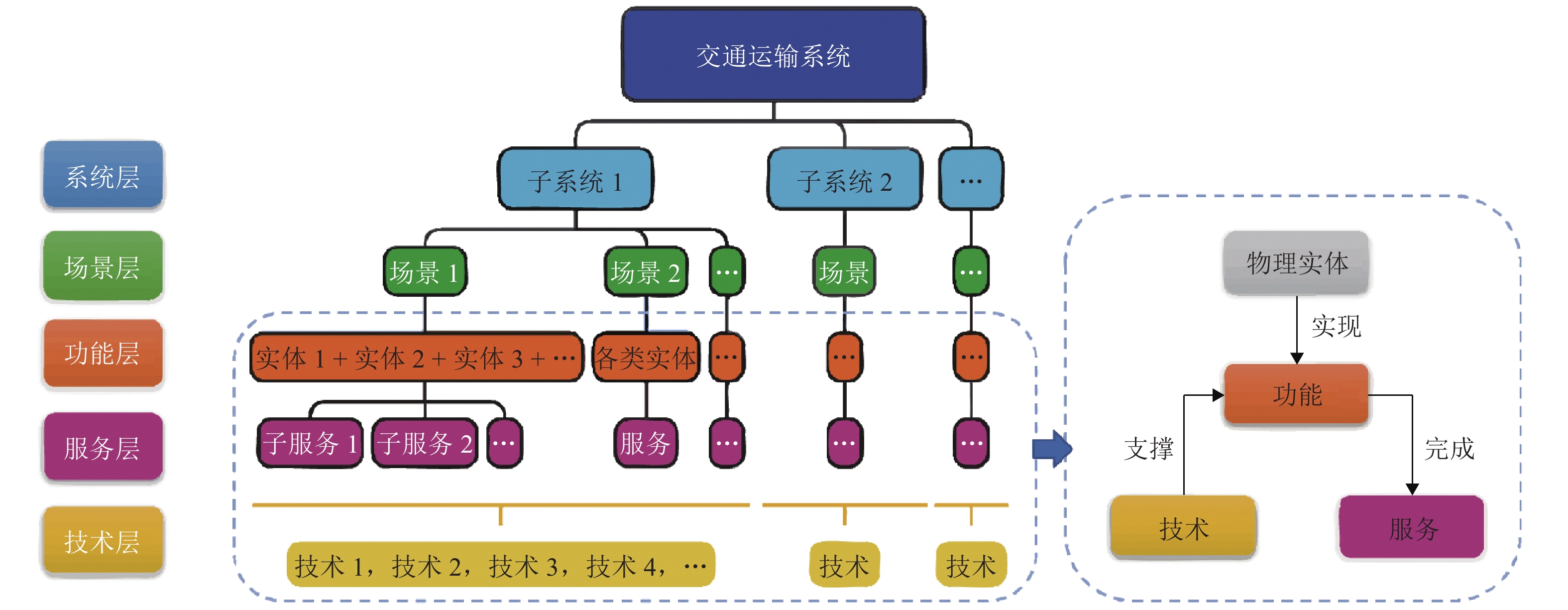
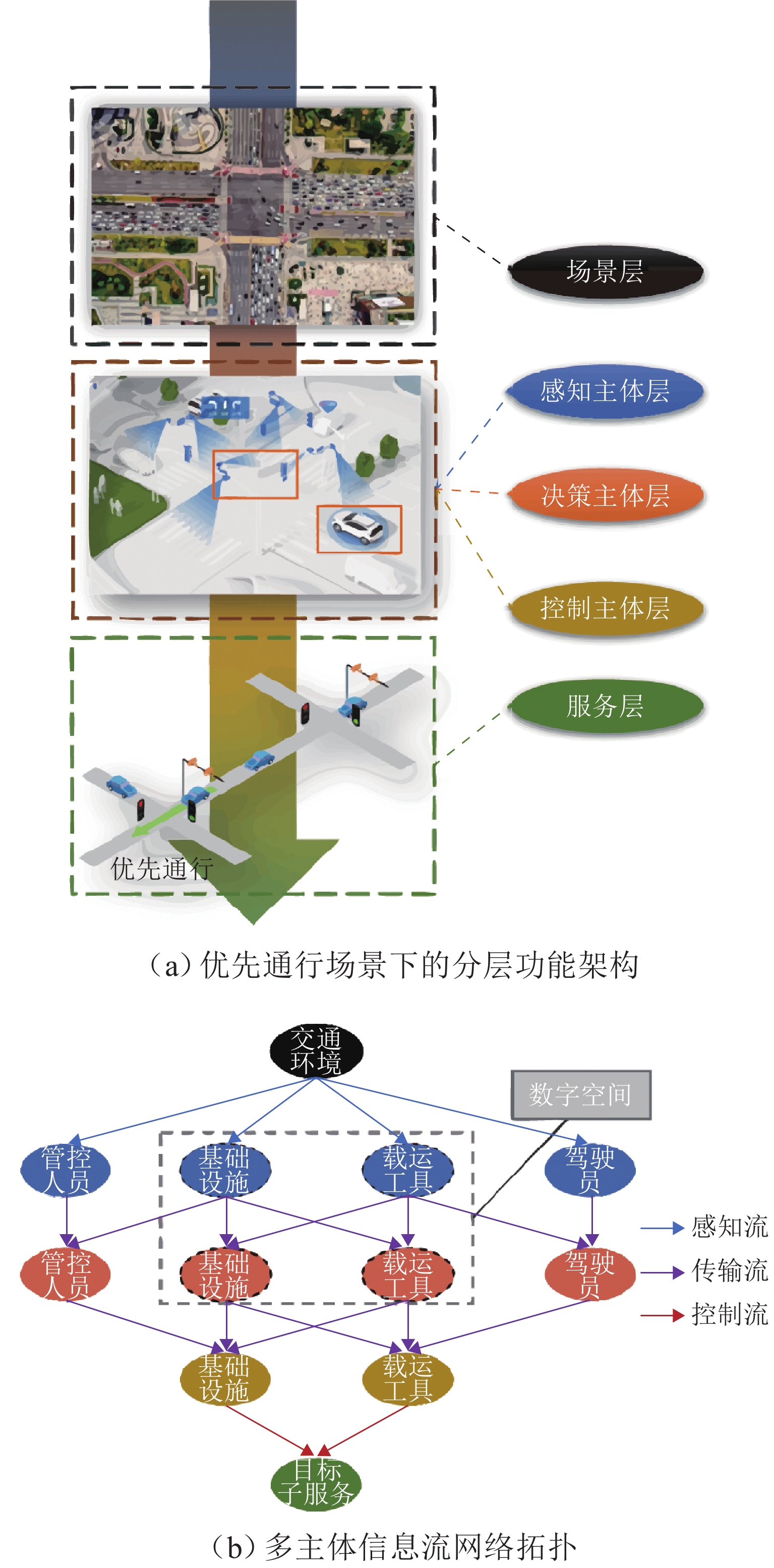
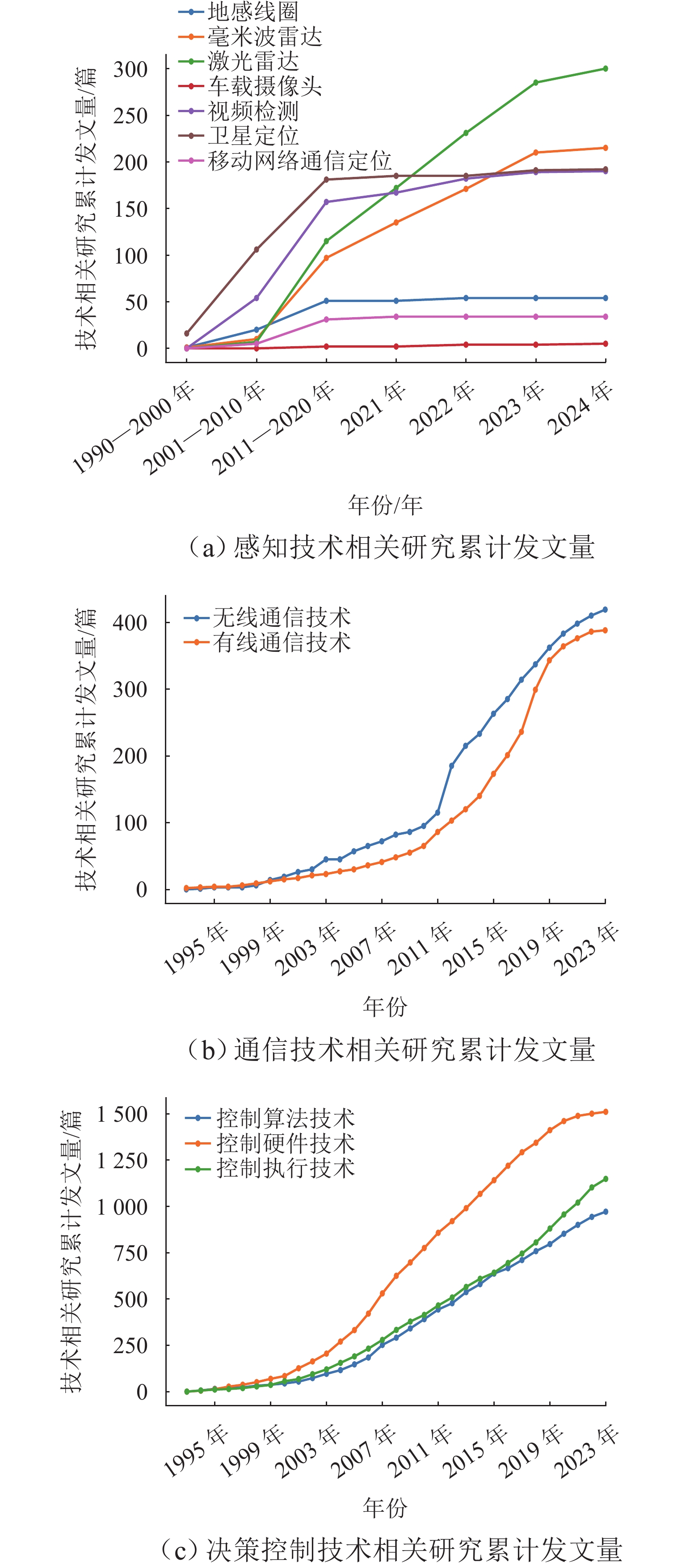
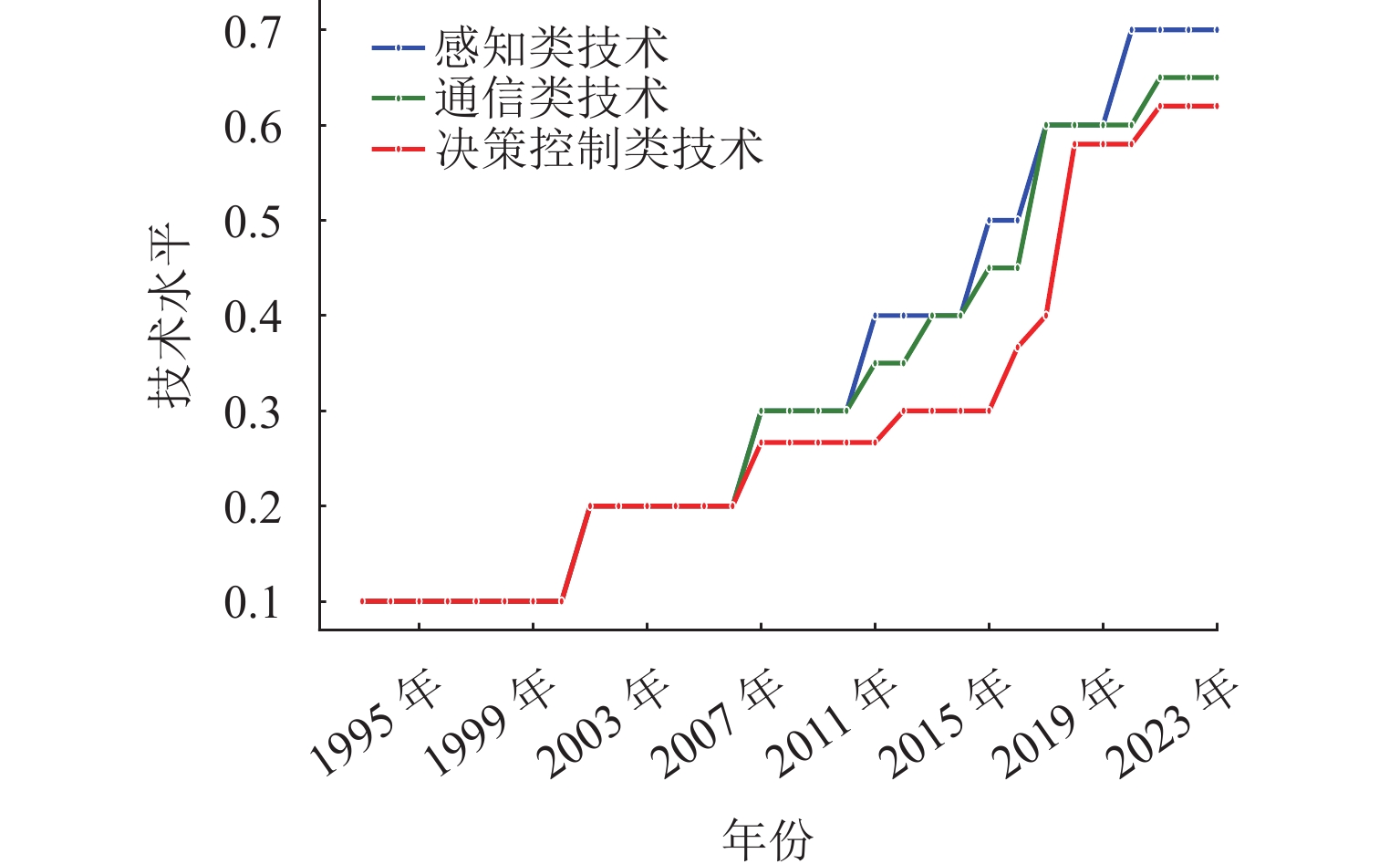
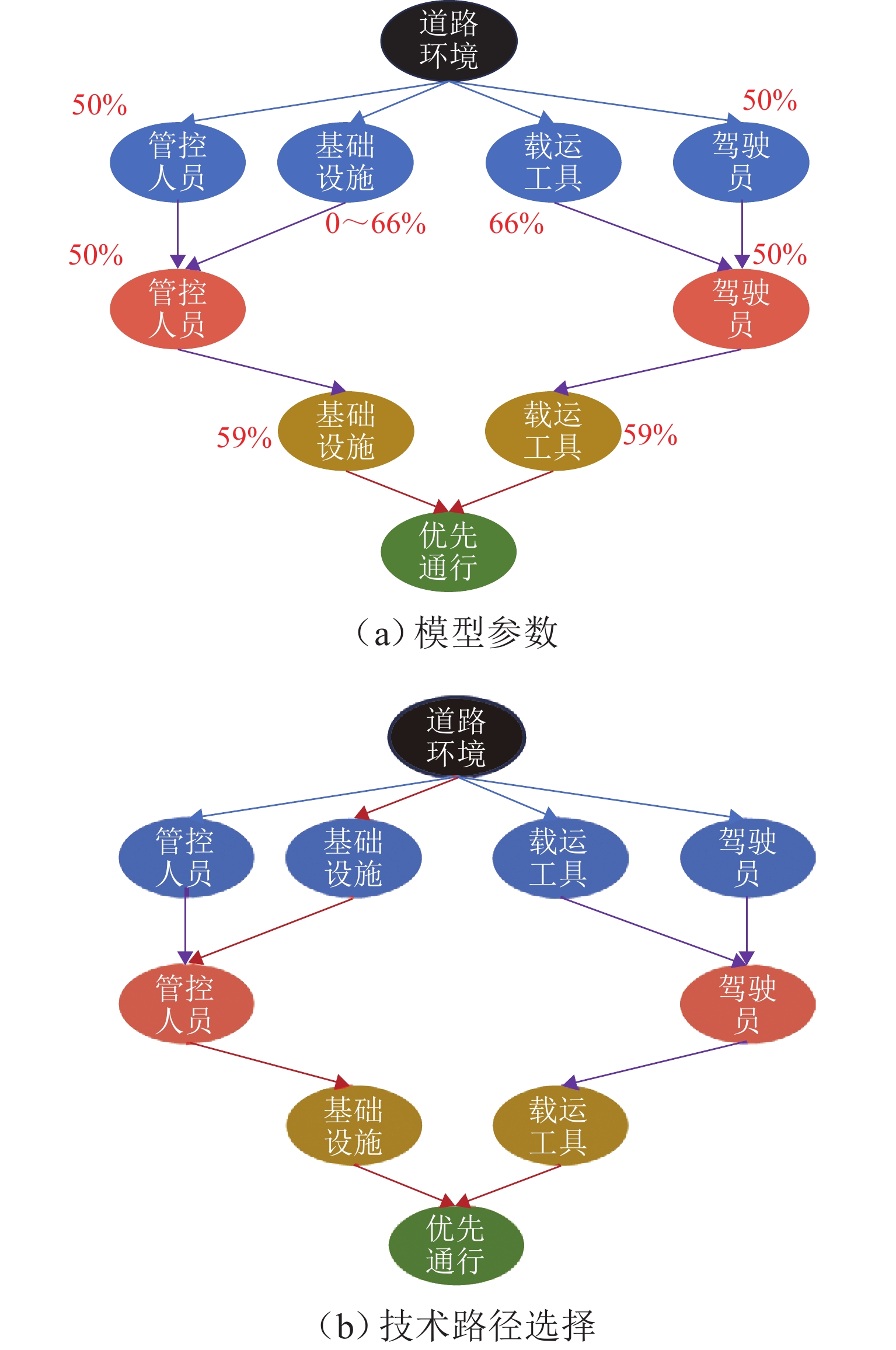
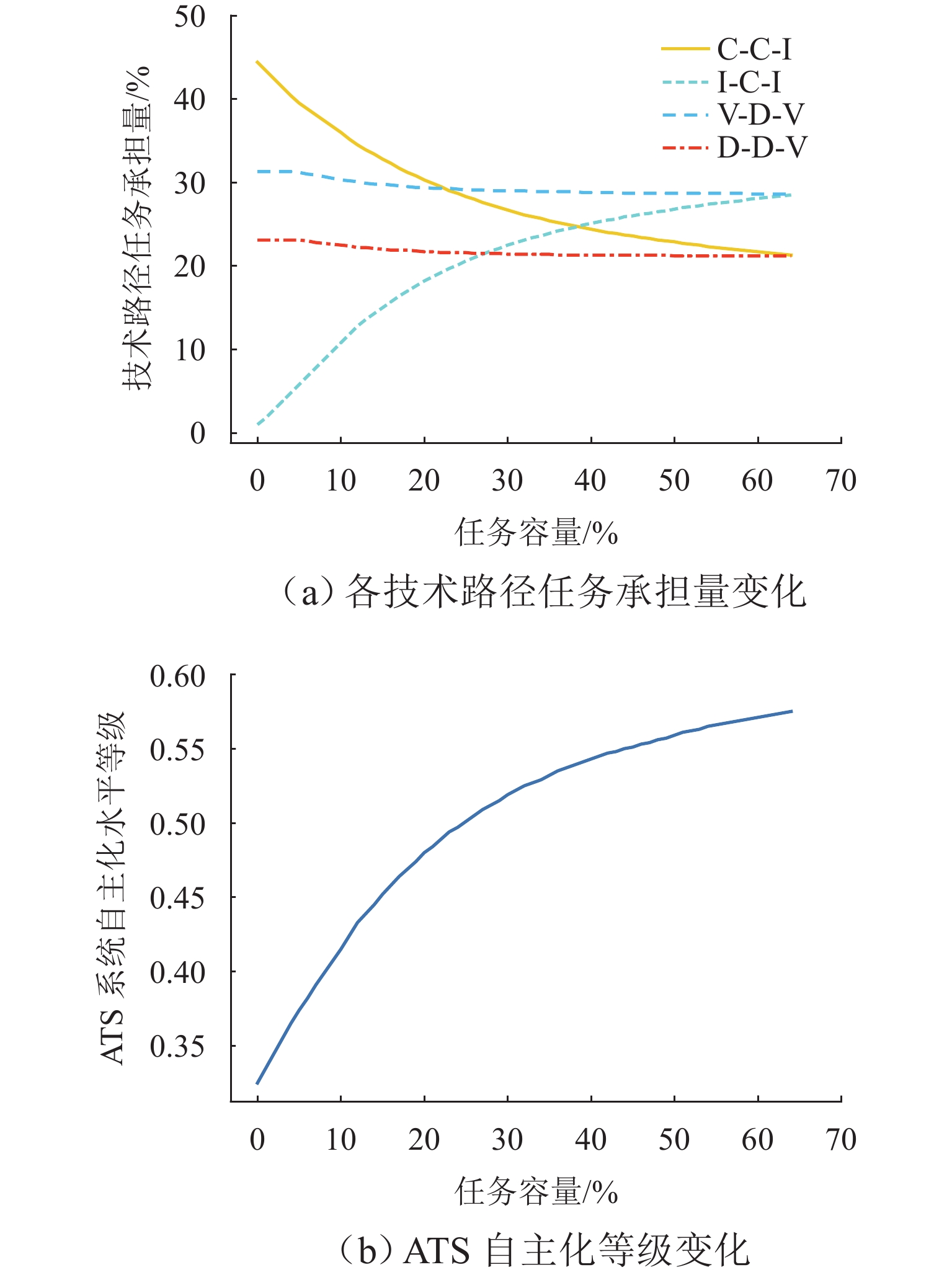
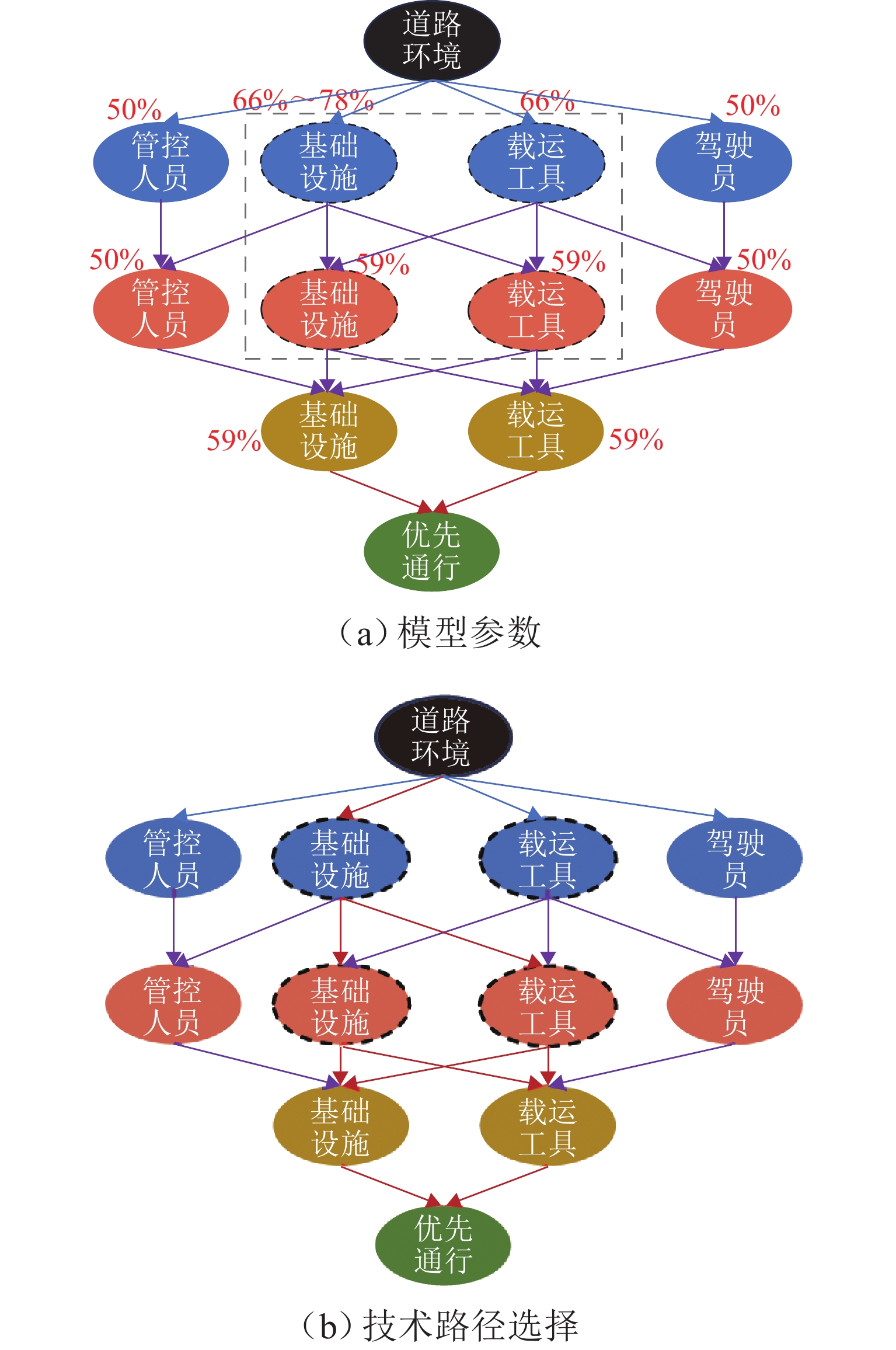
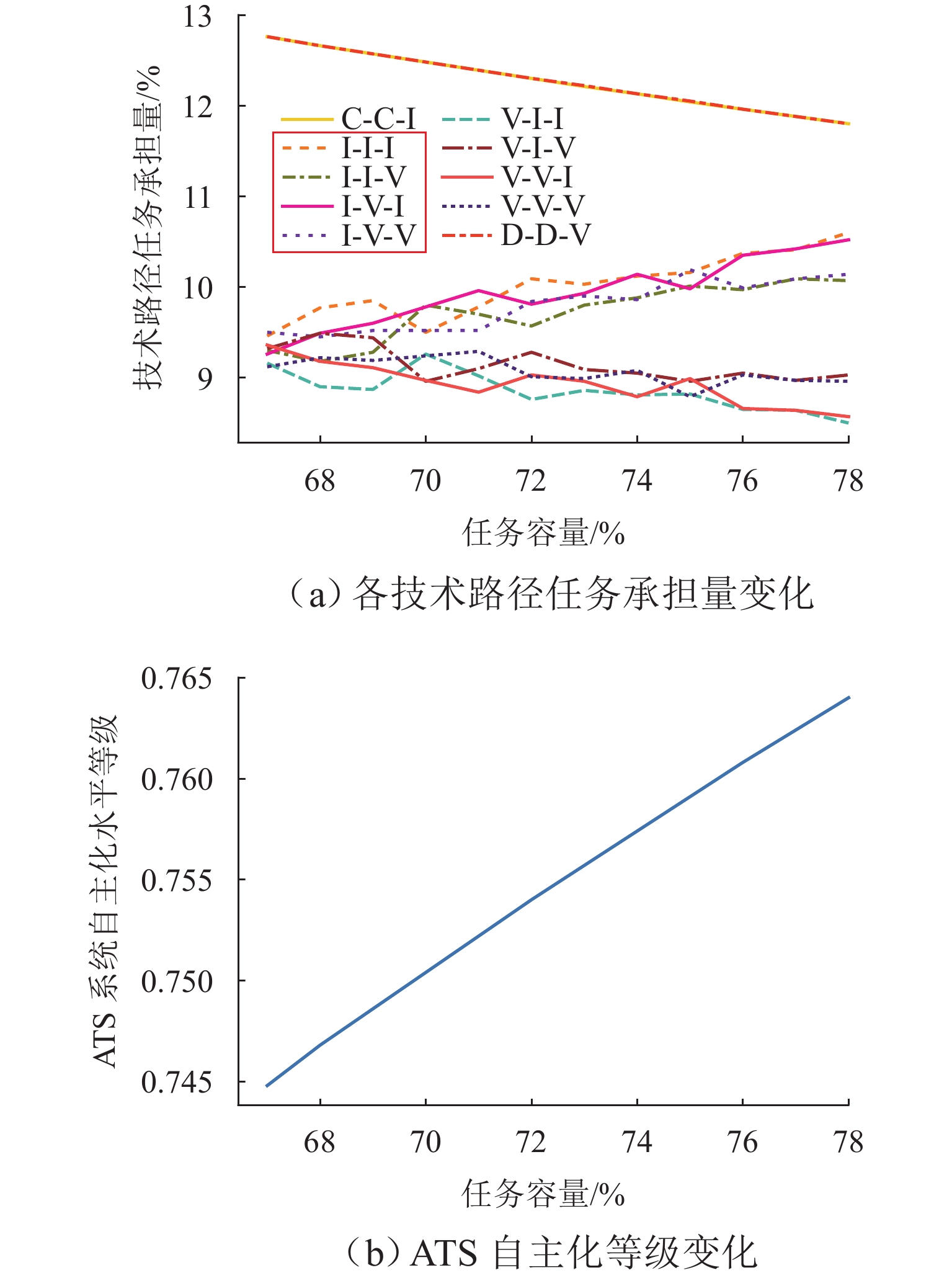
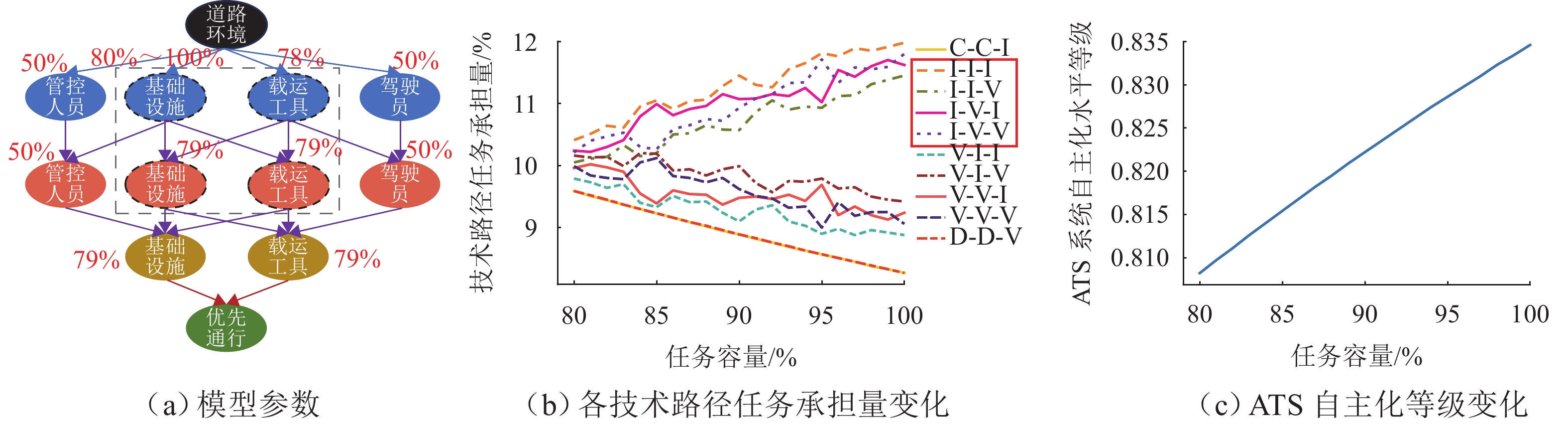
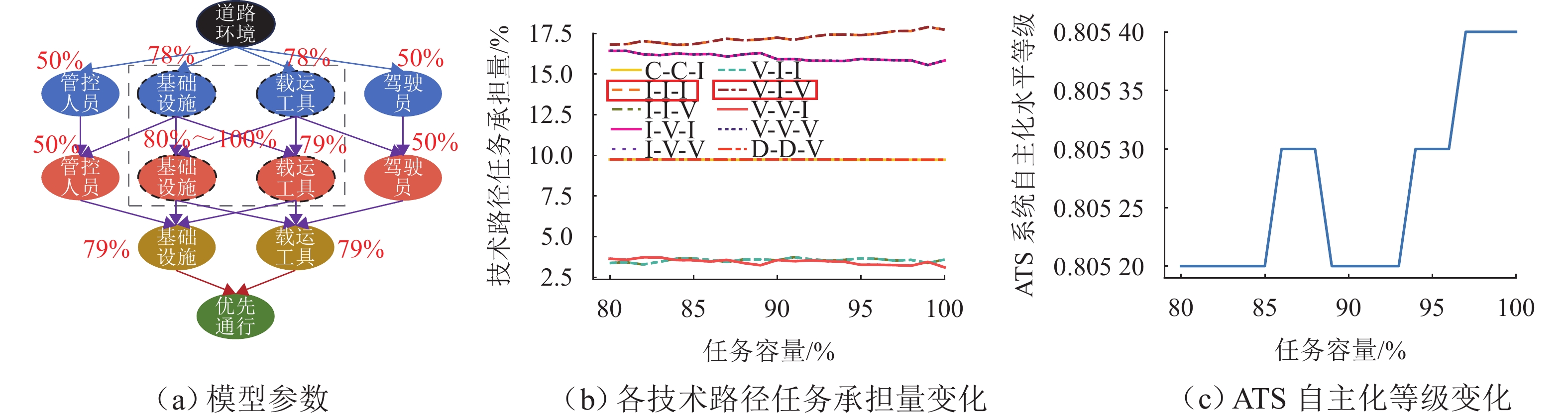
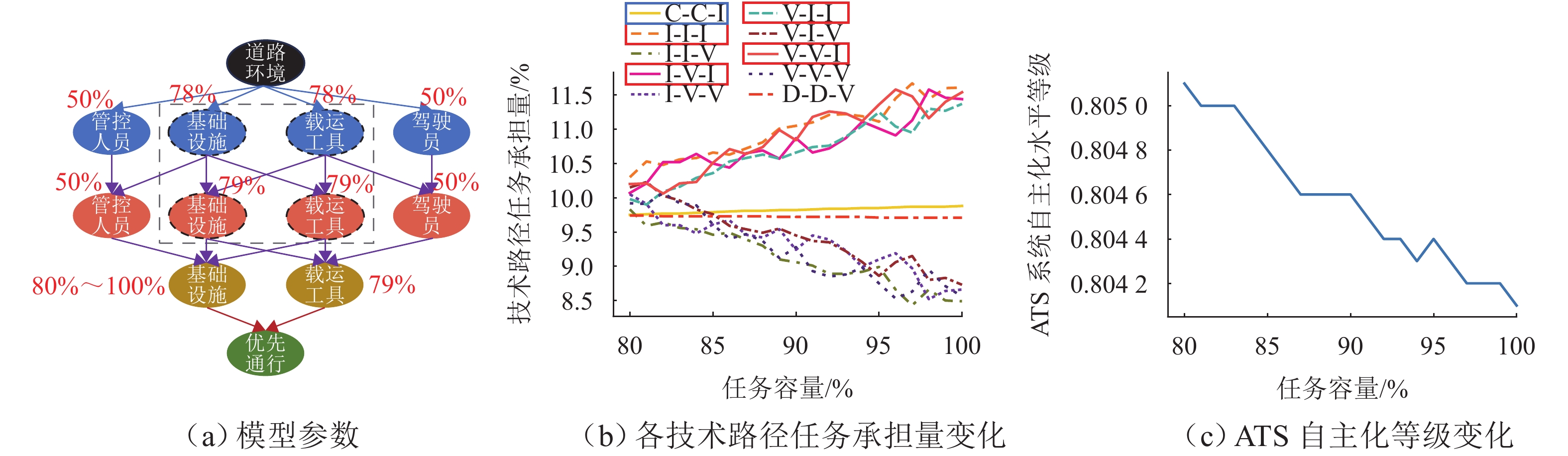
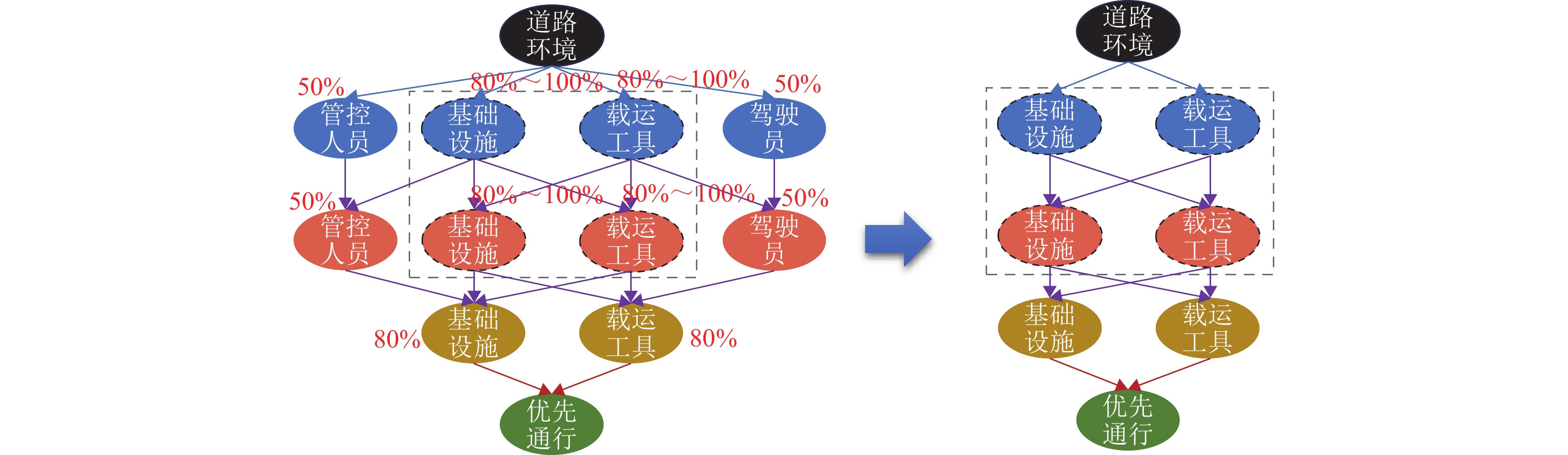
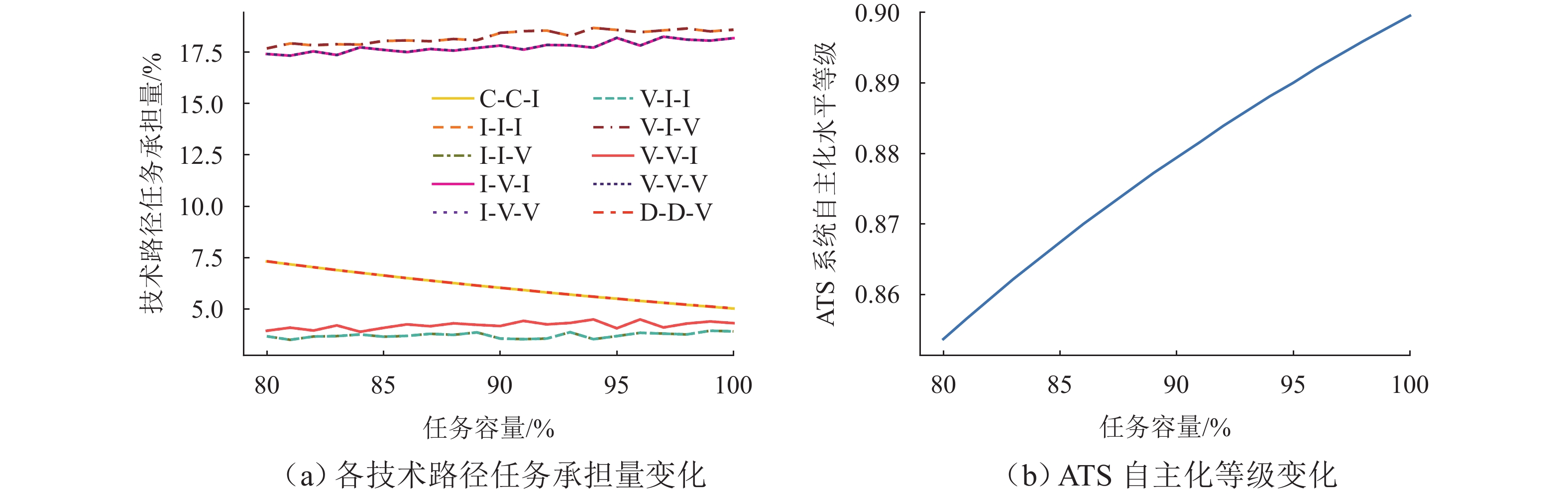
As the intelligent technologies continuously develop, the transportation system is shifting toward autonomous and unmanned operation modes. To clarify the technical characteristics and functional advantages of autonomous transportation systems (ATS) at different autonomy levels, this paper deconstructs ATS into five layers of the system, scenario, function, technology, and service by quantifying the generational evolution standards of ATS, evaluating system topology, and simulating and analyzing the generational evolution paths of ATS. Meanwhile, in terms of the linkages between traffic scenarios, traffic entities, and traffic services, it employs the quantized values of technological types and their development levels required by each function as the link cost, and proposes a hierarchical evolvable architecture model for ATS based on classical network theory. Finally, by taking the priority passage service under road intersection scenarios as an example, the interaction relationship between ATS traffic entities, functional realization, and information flow is analyzed in depth by calibrating the link cost via questionnaires. The results show that increasing interoperable linkages can significantly improve the autonomy level of ATS, with the key milestone for full autonomy being “human participation reduced to less than 10%”. The proposed hierarchical evolvable architecture model provides a quantitative analysis framework for ATS generational evolution, filling the gap of existing theories in system-level dynamic evolution modeling. The findings can assist transportation authorities in ATS development planning and provide a quantitative basis for priority setting in technological research and development.

Game-Theoretic Lane-Changing Decision-Making for Autonomous Vehicles
REN Yuanyuan, JIN Yao, ZHENG Xuelian, LI Xiansheng, ZHAO Lan
2026, 61(5): 1731-1742. doi: 10.3969/j.issn.0258-2724.20250168
Abstract:

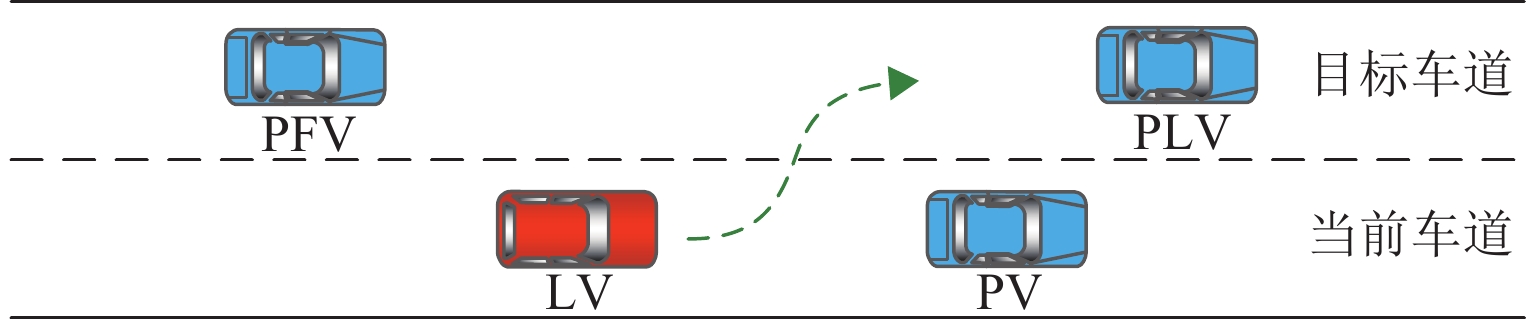
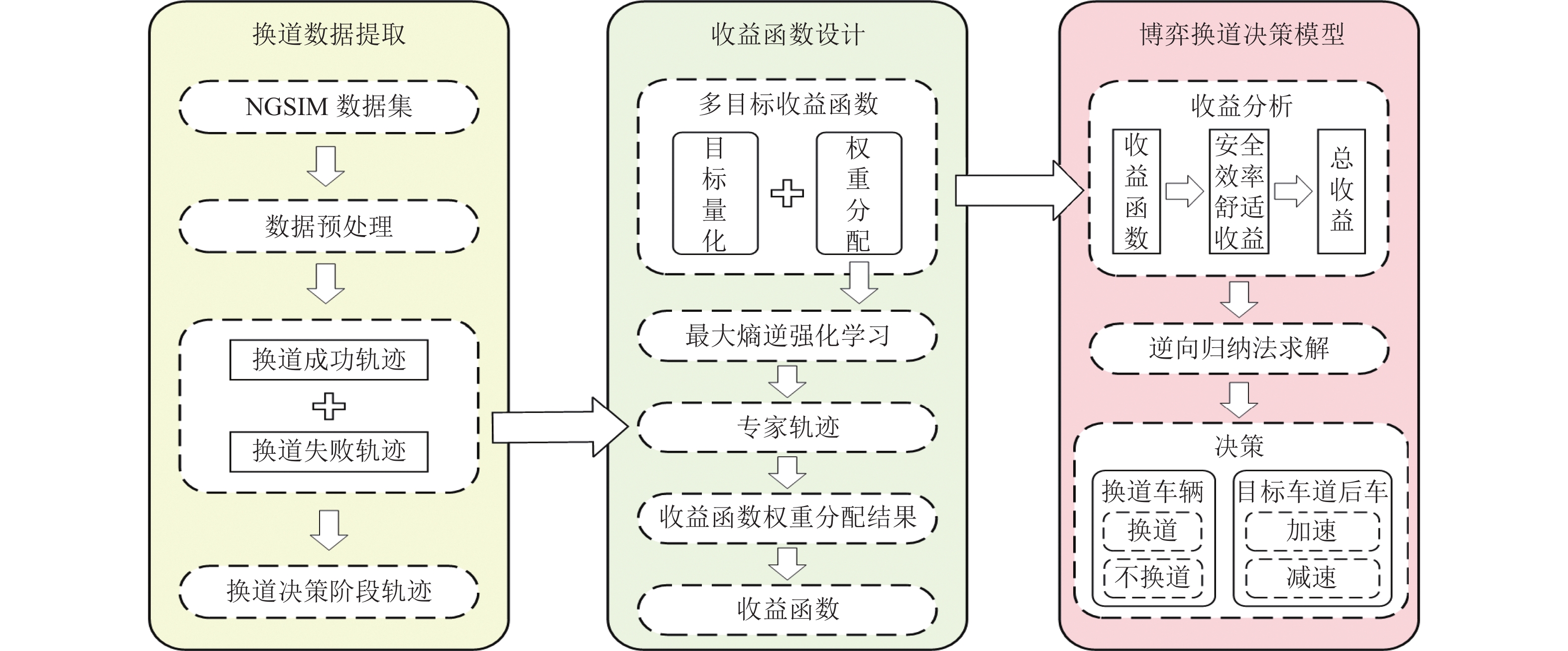
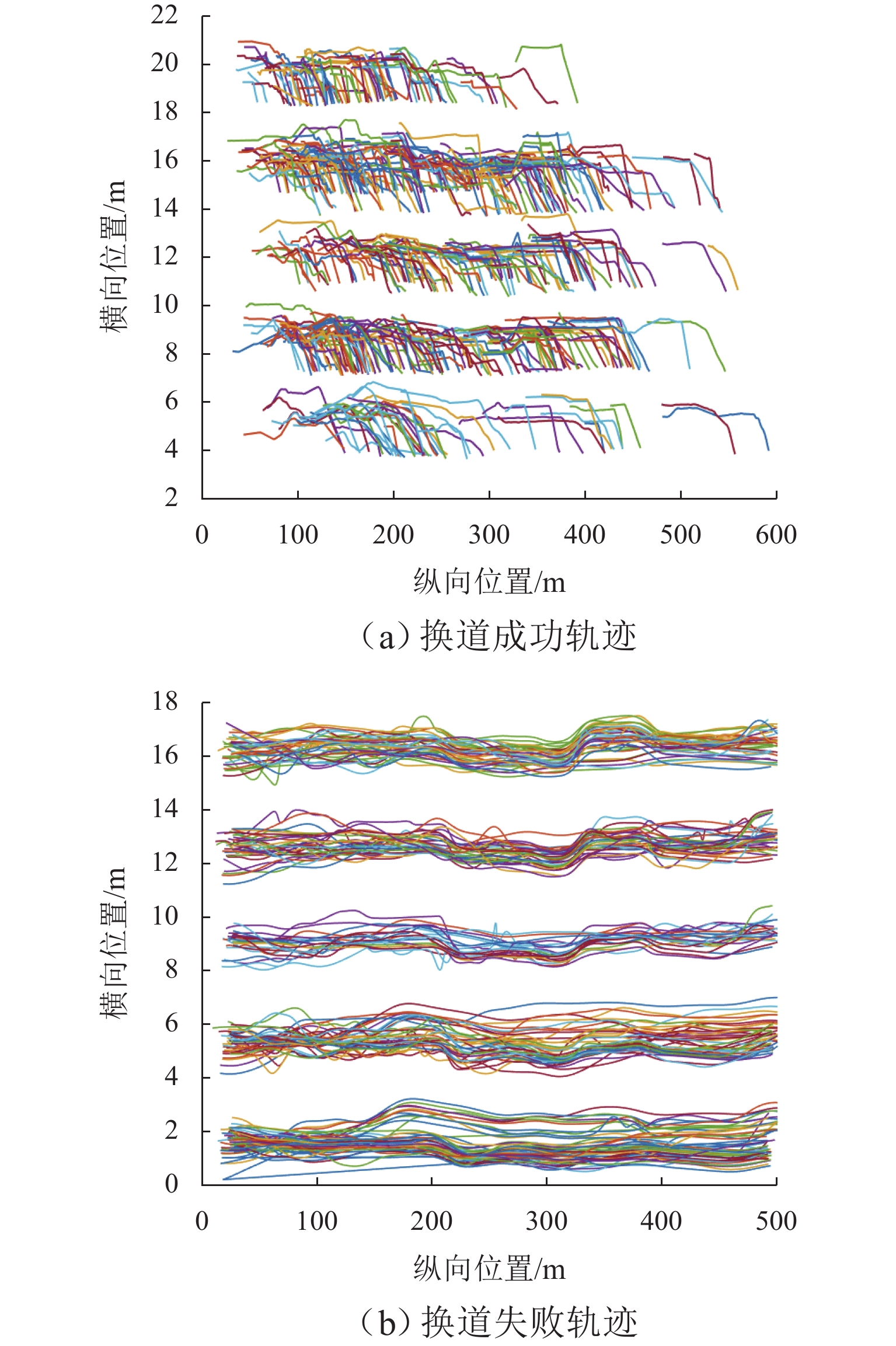
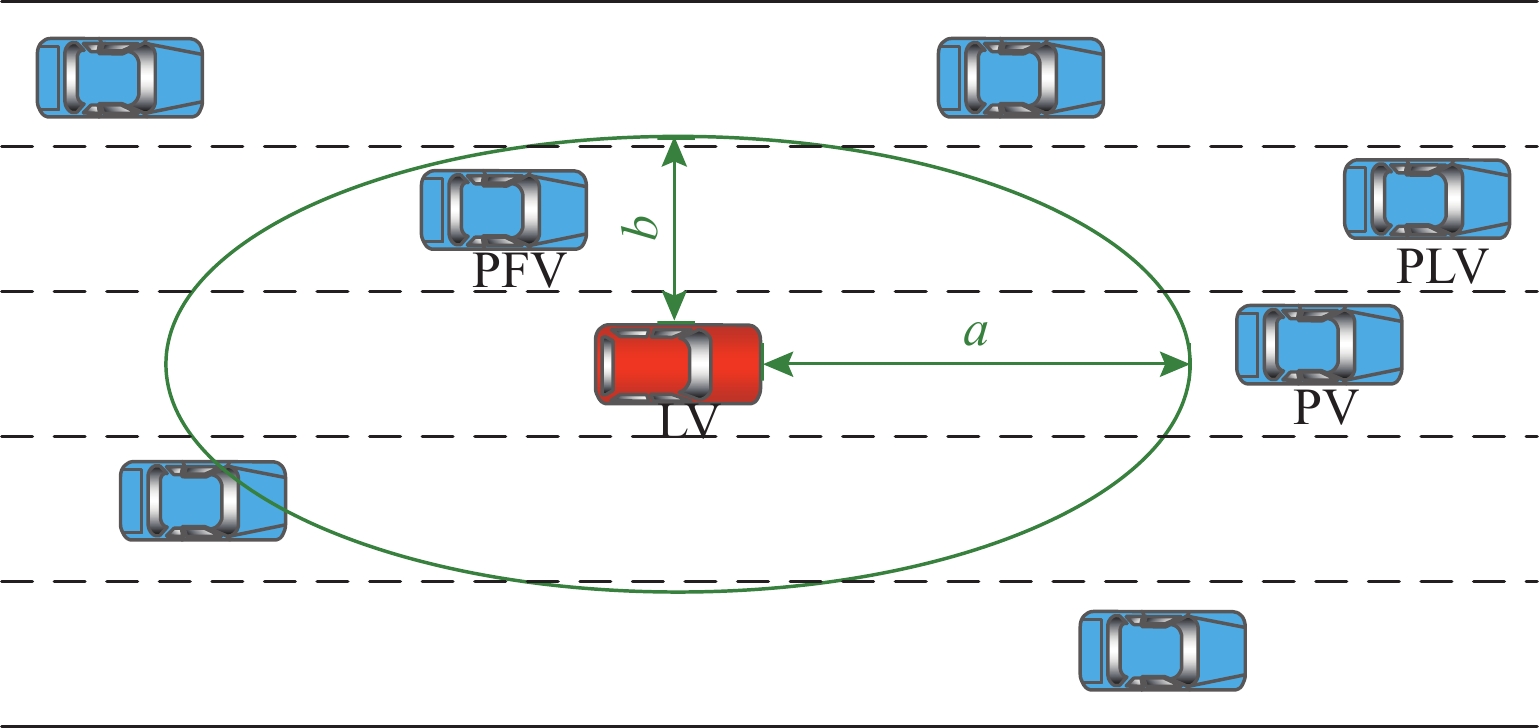
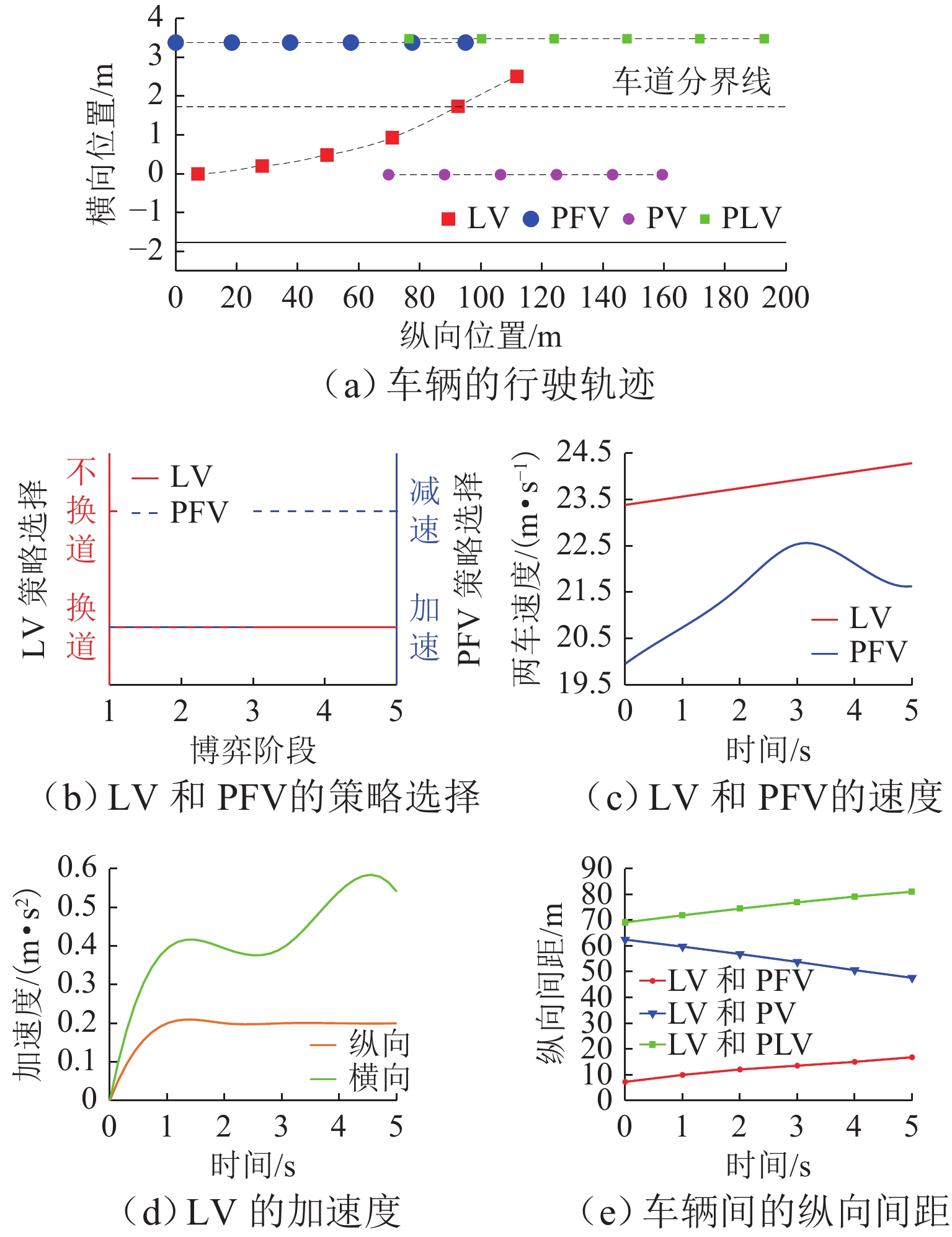
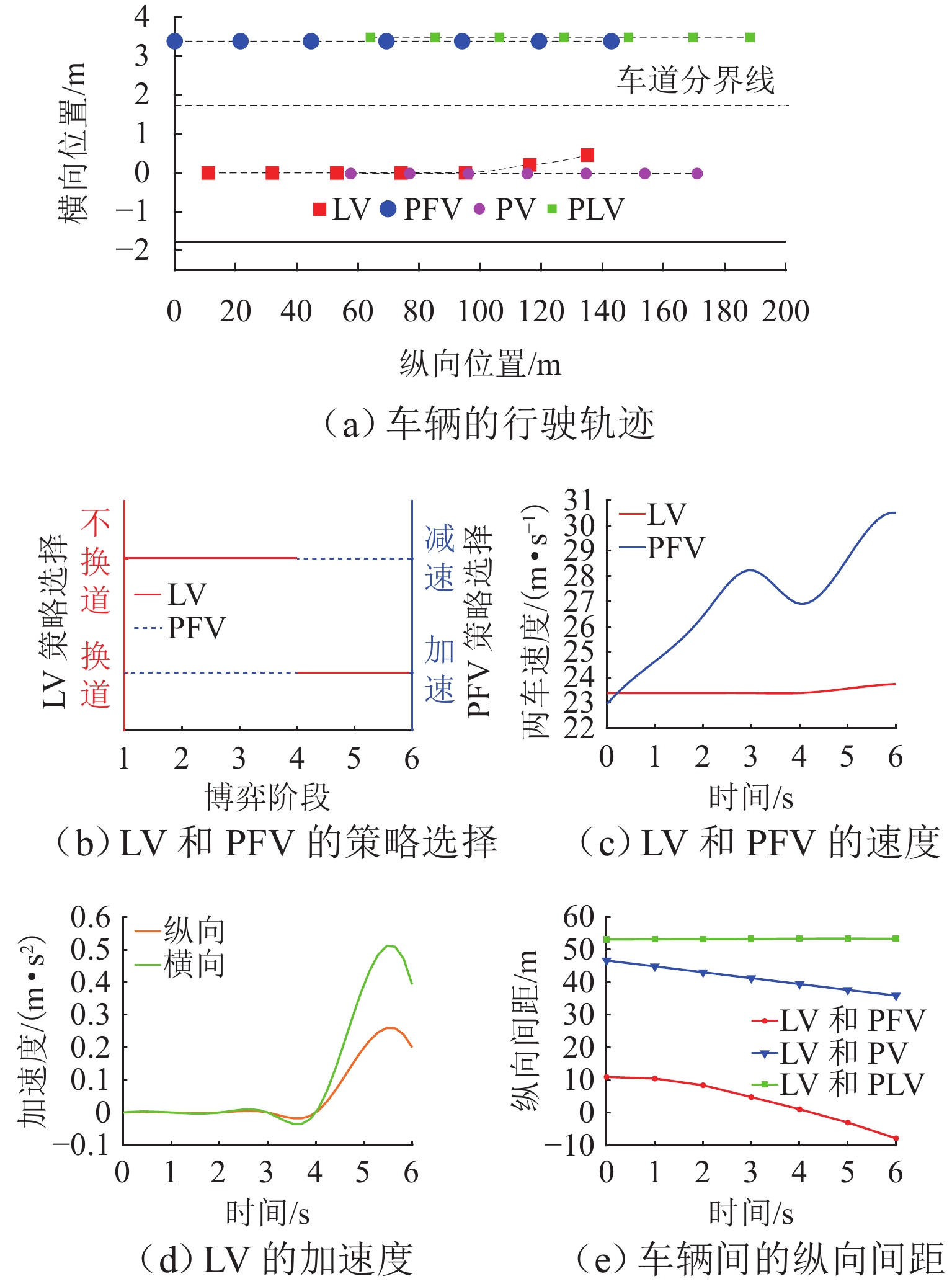
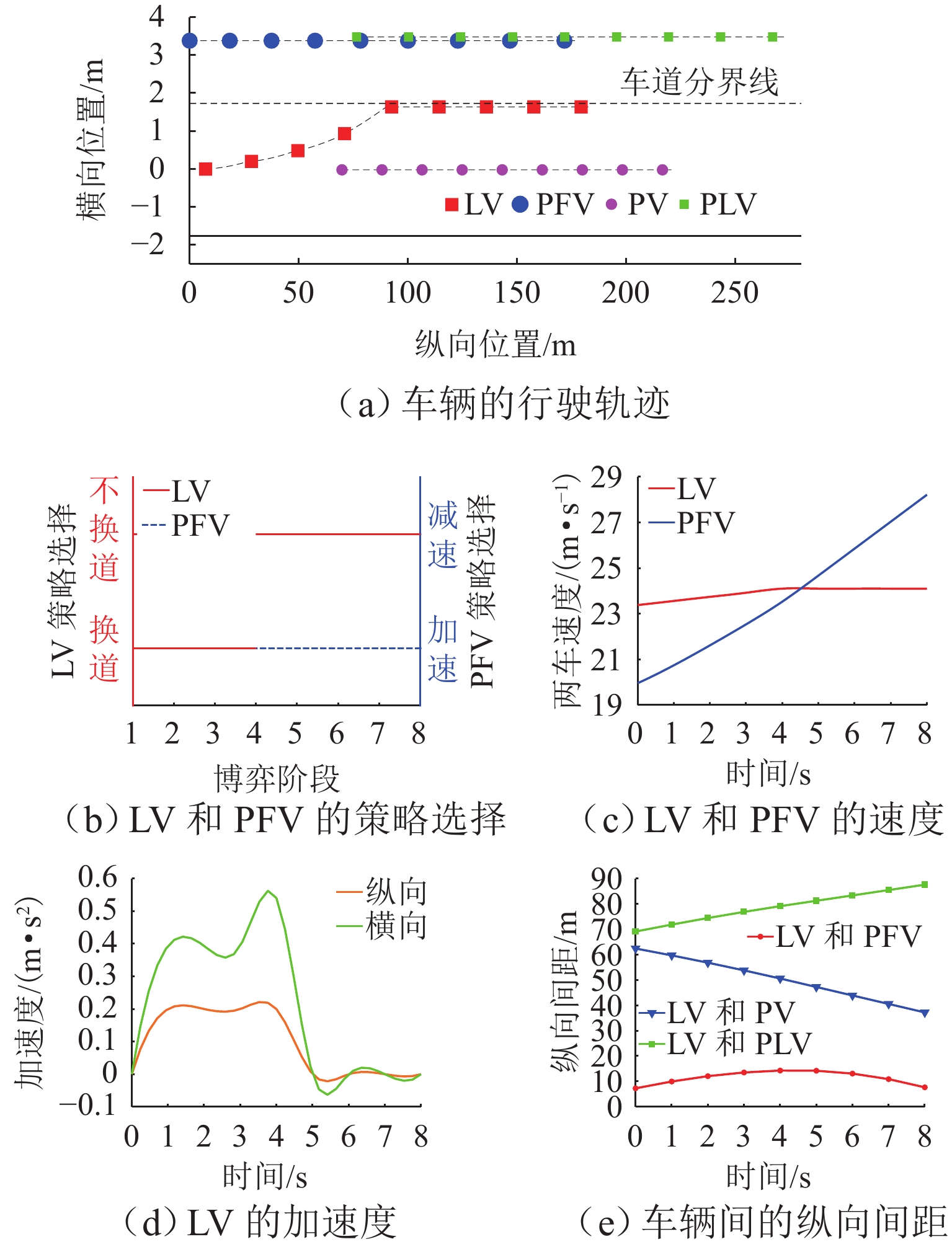
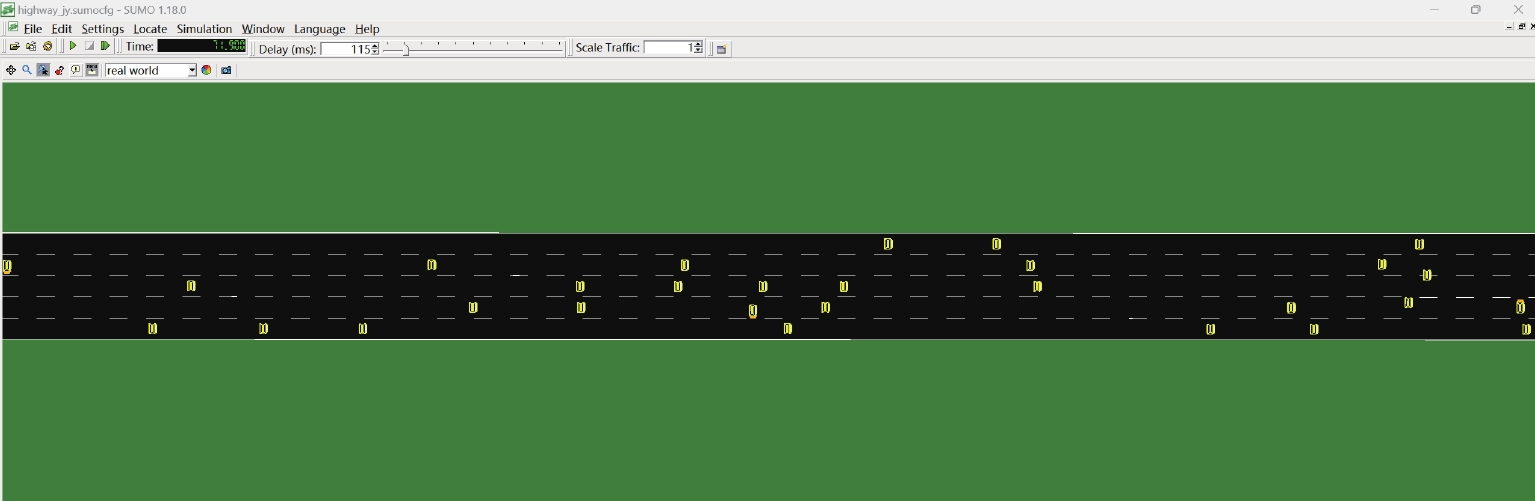
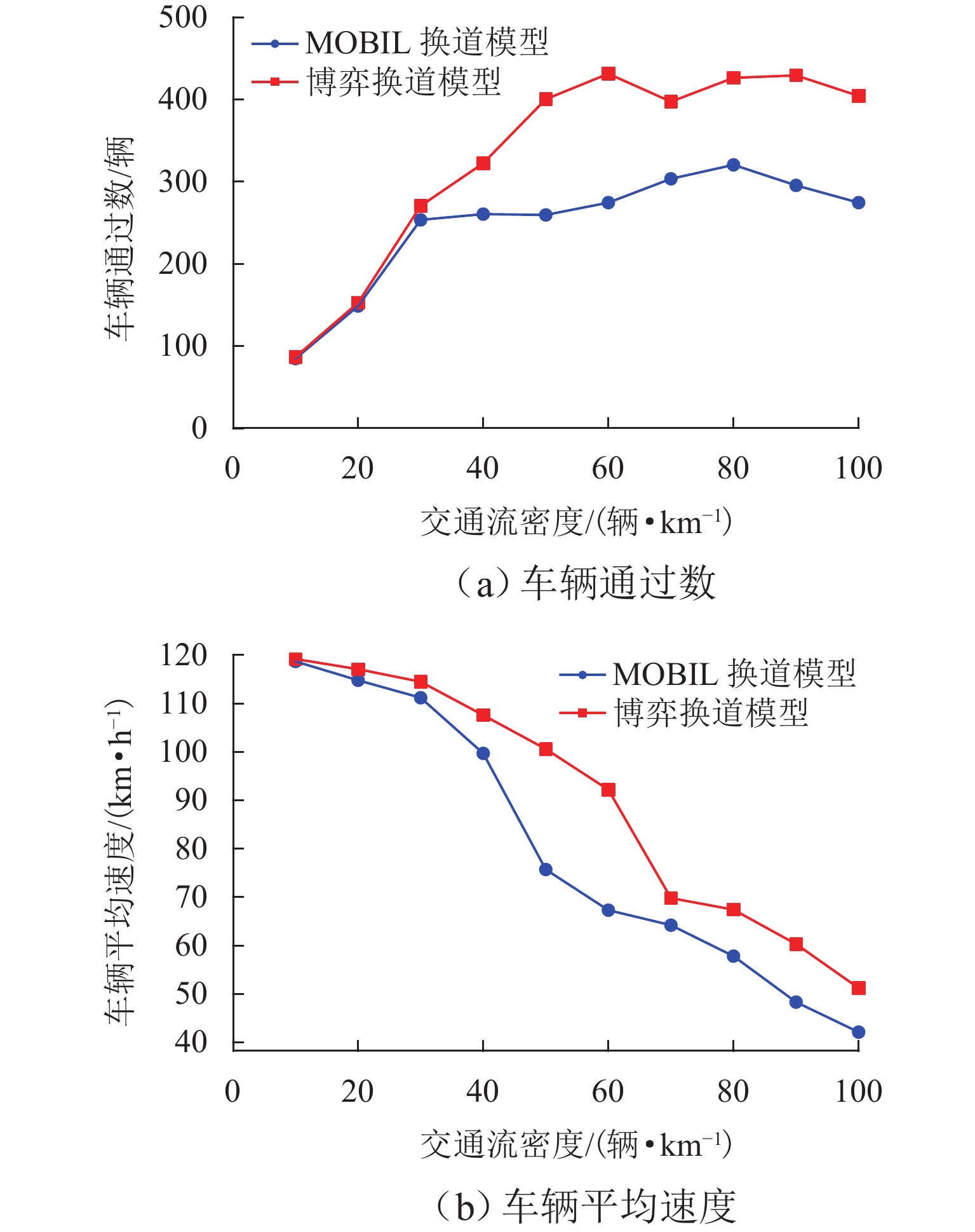
To address the lane-changing decision-making challenge of autonomous vehicles in autonomous transportation systems, a lane-changing decision model based on an incomplete-information dynamic game was proposed. Grounded in game-theoretic principles, core issues such as lane-changing intention recognition, game-based lane-changing conditions, and model solution methods were delineated, and a corresponding game framework was established. To optimize the payoff function, a multi-objective payoff function that comprehensively considers safety, efficiency, and comfort was constructed, with appropriate features selected to quantitatively evaluate the payoff of each objective. In conjunction with inverse reinforcement learning, the weight allocation was learned from the NGSIM dataset, ensuring multi-dimensional consideration in decision-making. Experimental results indicate that the proposed model effectively enhances decision safety and efficiency in both successful and failed game traffic scenarios. Compared with traditional defensive lane-changing models, the proposed model demonstrates superior performance in improving driving efficiency, demonstrating its practicality and advantages in autonomous vehicle lane-changing decision-making. Furthermore, validation through SUMO simulation shows that the model exhibits good safety and traffic efficiency performance in realistic highway scenarios, effectively adapts to variations in traffic flow, and supports safe and efficient vehicle operation, thereby verifying its practical value in autonomous vehicle lane-changing decision-making.

Urban Autonomous Traffic System Situation Evolution Modeling Based on Multimodal Semantic Cognition
WANG Pangwei, XU Jinghui, HE Xinze, WANG Simiao, WANG Li
2026, 61(5): 1743-1756. doi: 10.3969/j.issn.0258-2724.20250294
Abstract:

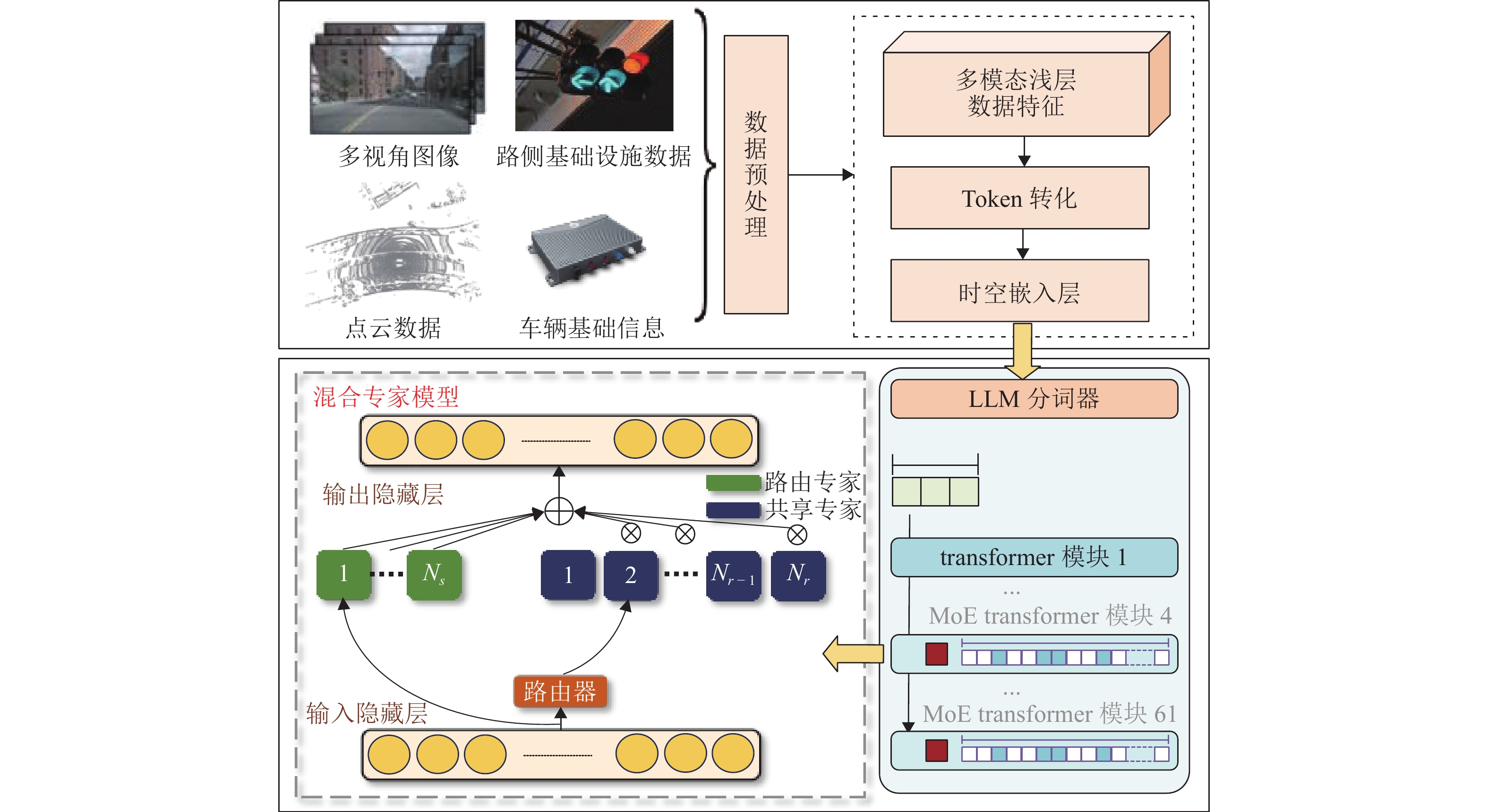
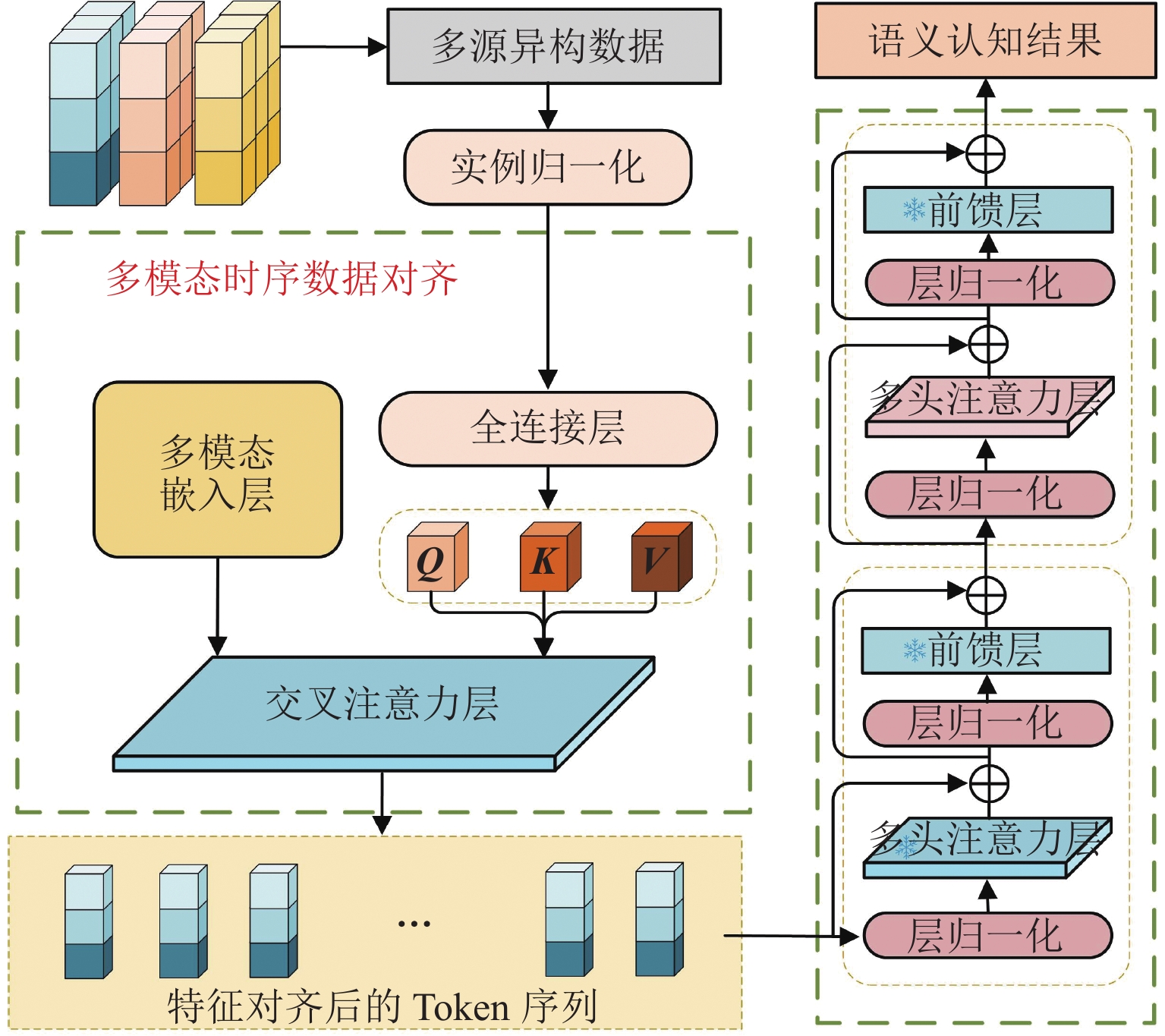
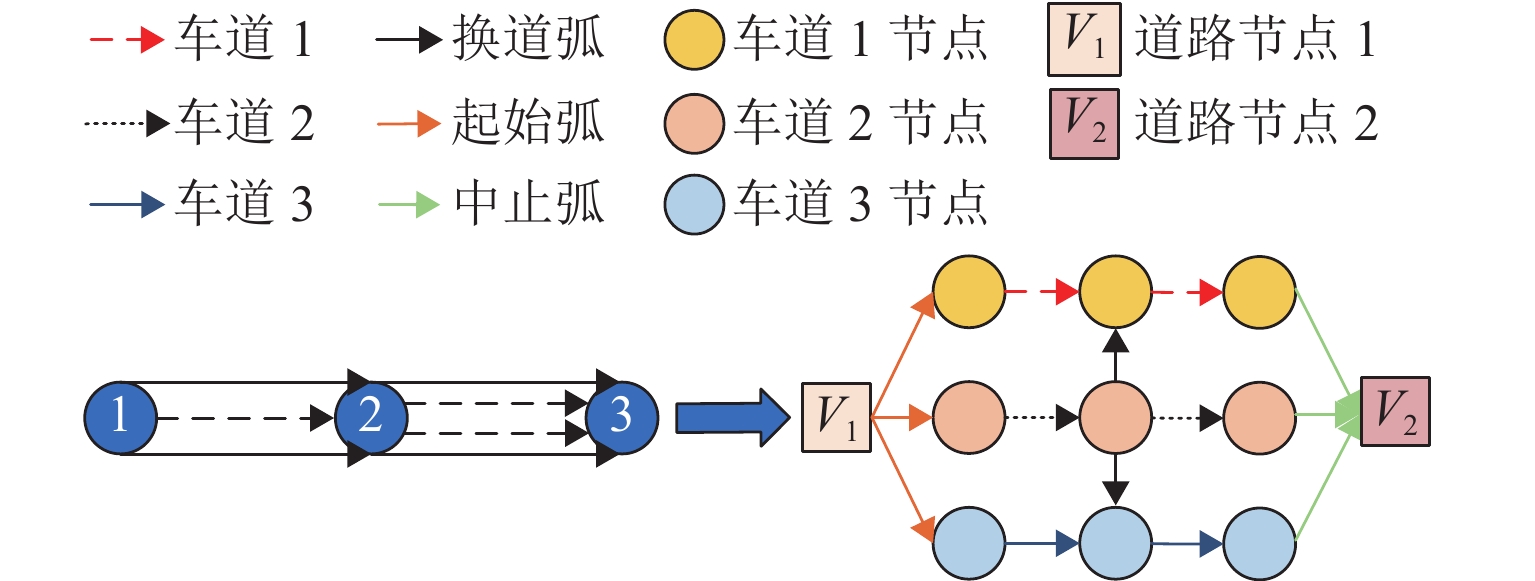
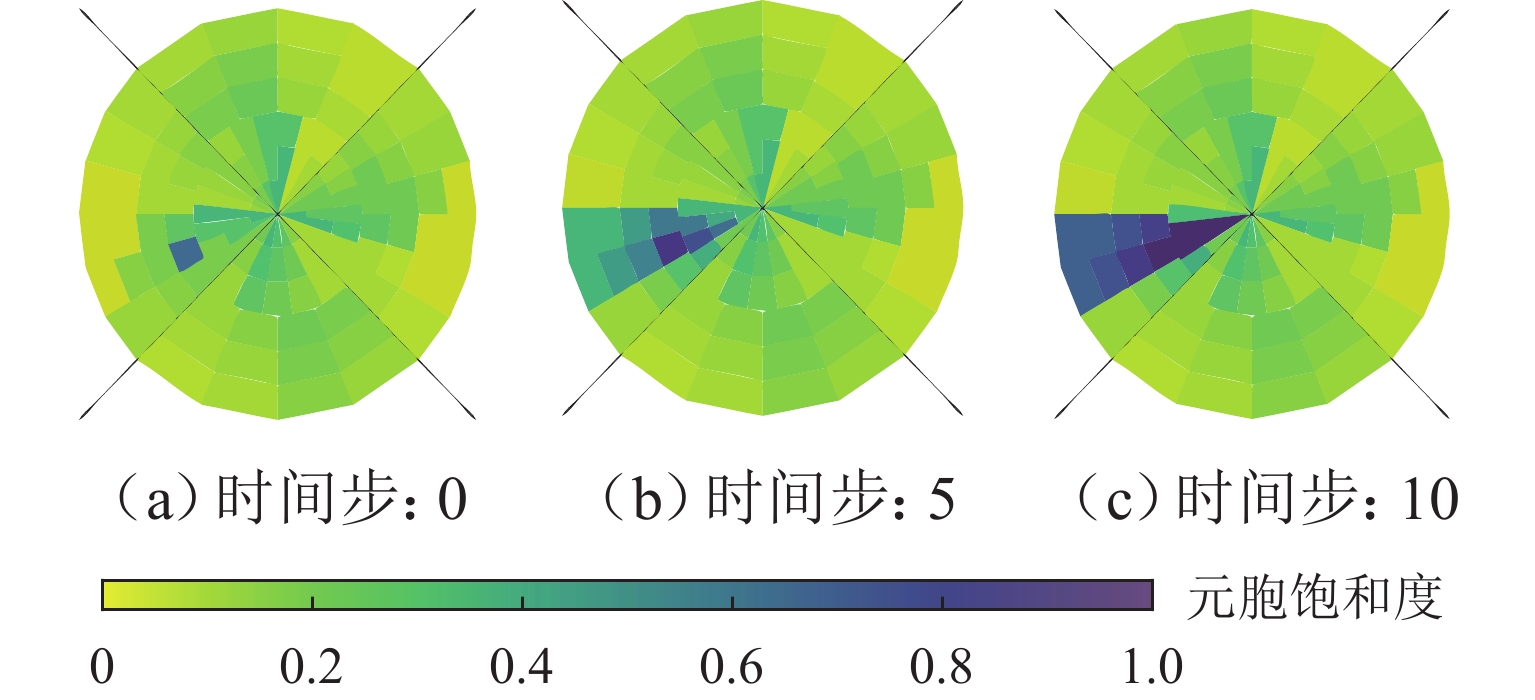
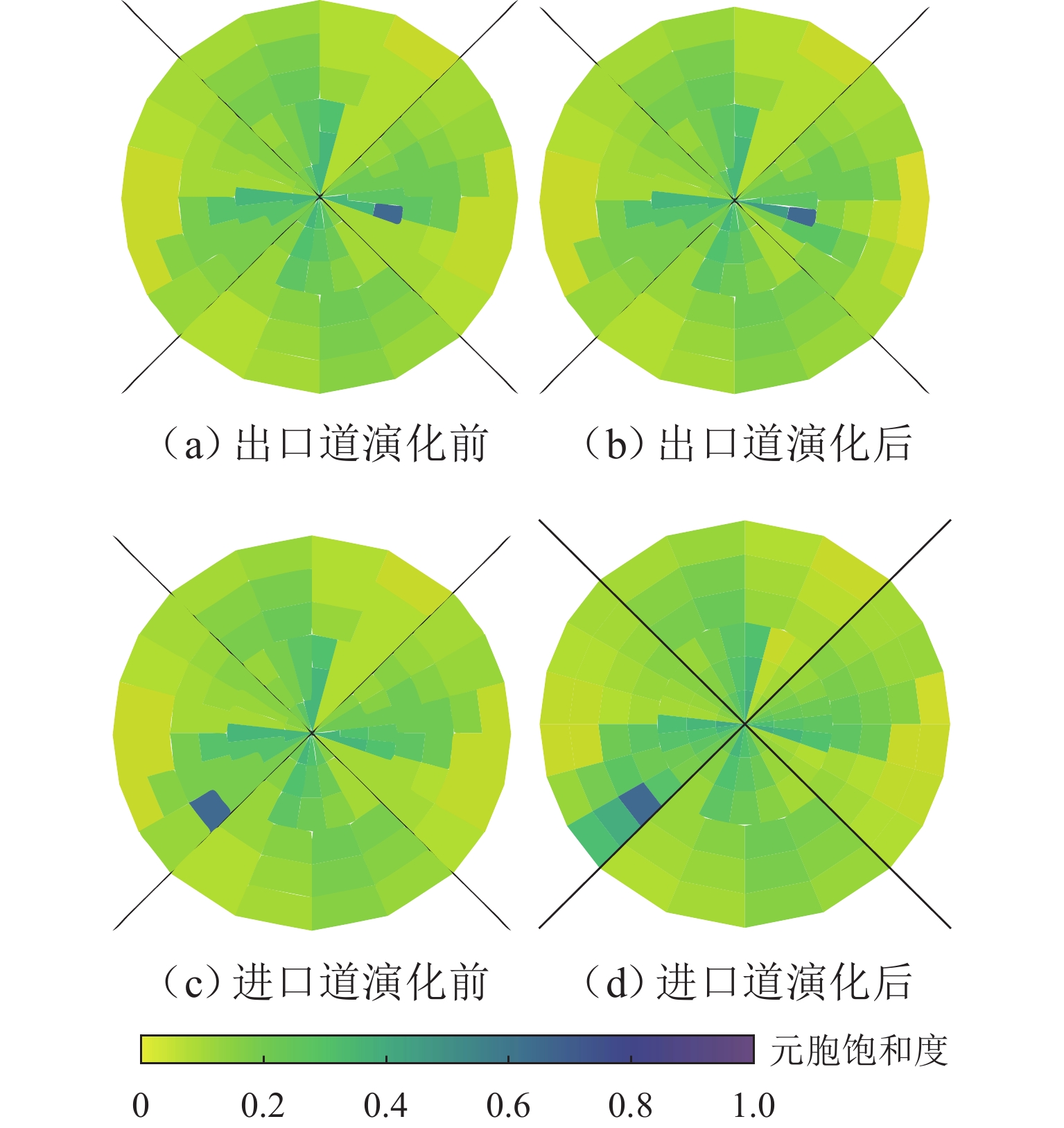
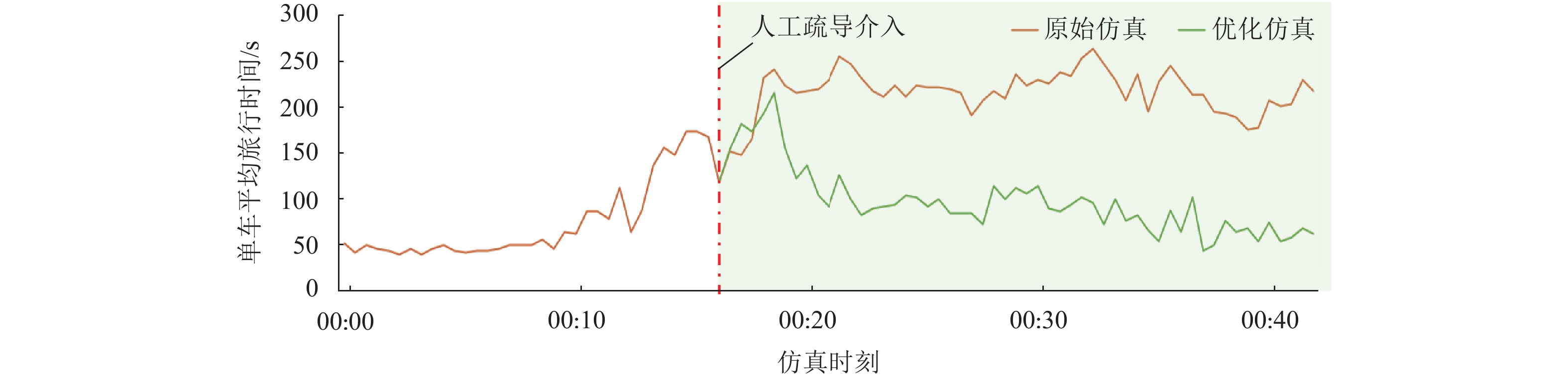
To address urban traffic congestion propagation, a lane-level Micro Cell Transmission Model (Micro-CTM) was proposed from a microscopic perspective. By leveraging the multimodal semantic cognition capabilities of a large language model (LLM), a lane-level traffic congestion evolution model, the coupled map lattice-driven lane congestion evolution model (CML-LCEM), was constructed. First, a traffic flow feature recognition framework was constructed by integrating an LLM with a mixture-of-experts (MoE) architecture, enabling multimodal semantic cognition of urban traffic through cross-modal semantic alignment and model fine-tuning. Secondly, transfer entropy was employed to analyze the causal relationships between lane-level cells, based on which a lane-level traffic congestion evolution model was constructed to predict key cells in traffic congestion situations. Finally, experiments were conducted on a local road network within the Beijing High-level Autonomous Driving Demonstration Zone, and multiple types of cells were classified to validate the model’s ability to characterize lane-level saturation and congestion propagation. The results show that the proposed method significantly improves lane-level prediction accuracy during peak hours compared to traditional models. Early intervention on key cells can reduce average vehicle travel time by 28.3%, providing a data-driven large-model solution for real-time congestion warning, mitigation strategy formulation, and integrated vehicle-road-cloud applications in intelligent transportation systems.

Method for Multi-Vehicle Trajectory Prediction Based on Spatio-Temporal Feature Enhancement at Intersections
YANG Lan, WANG Xiaoke, FANG Shan, QU Guangyue, YUAN Meng, LI Xiaolong
2026, 61(5): 1757-1768. doi: 10.3969/j.issn.0258-2724.20250298
Abstract:

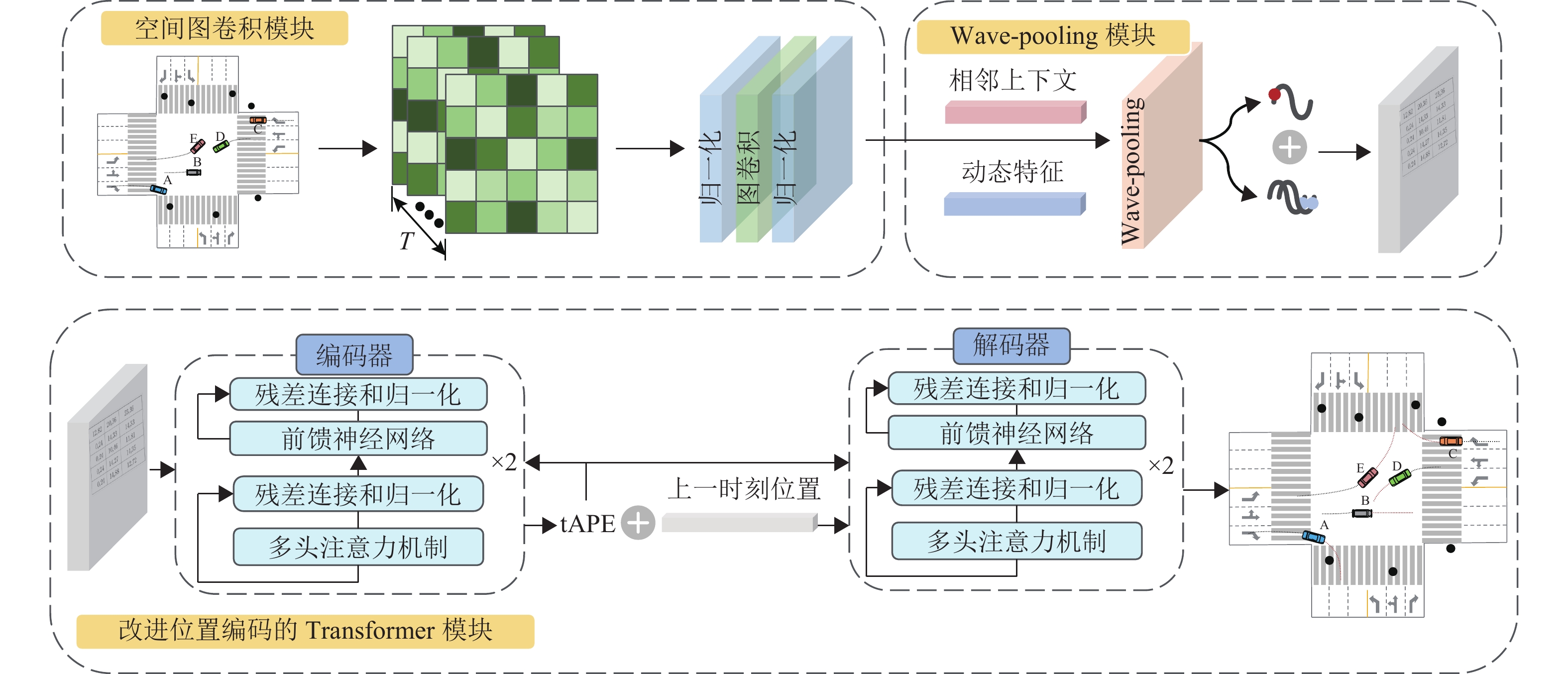
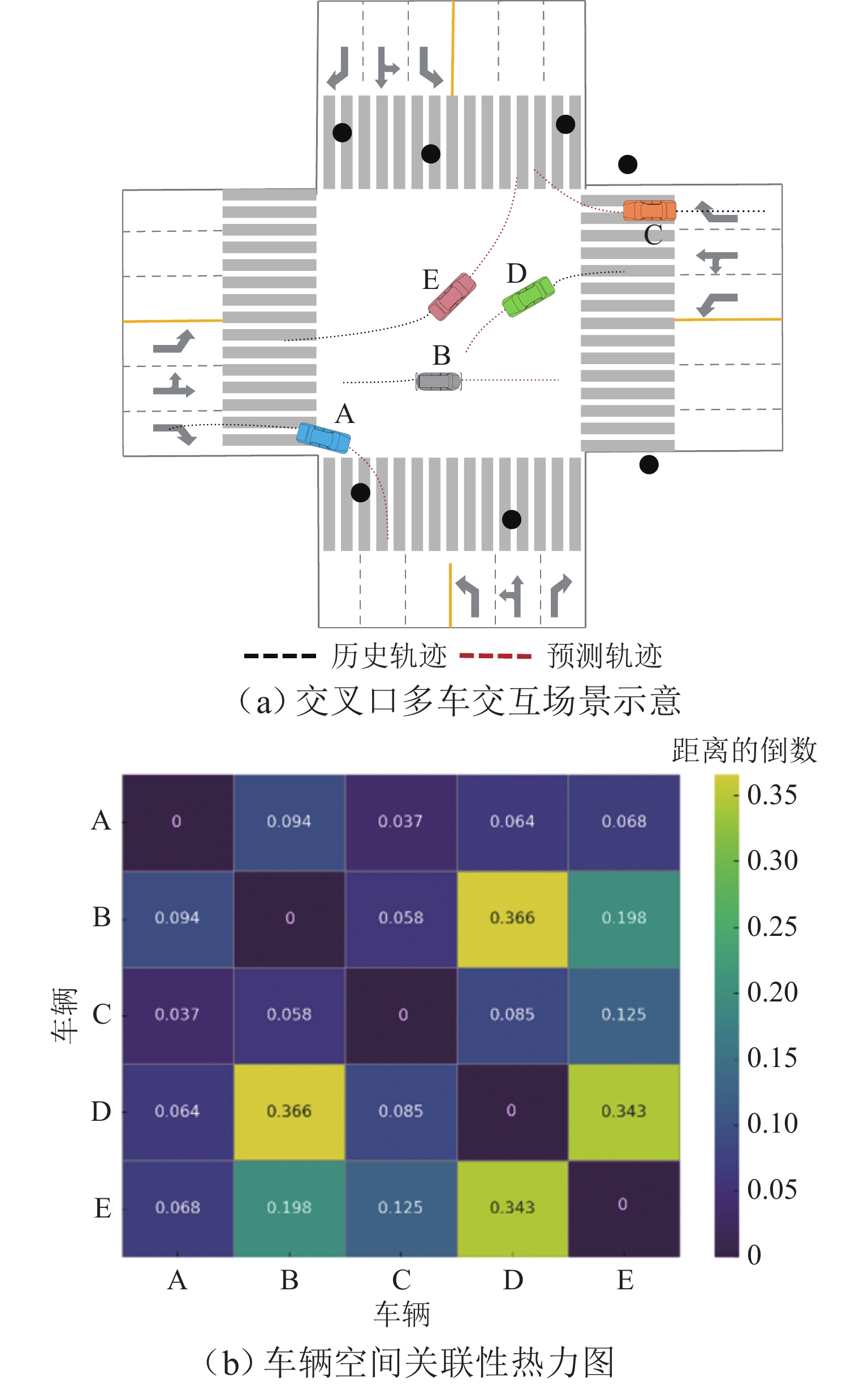
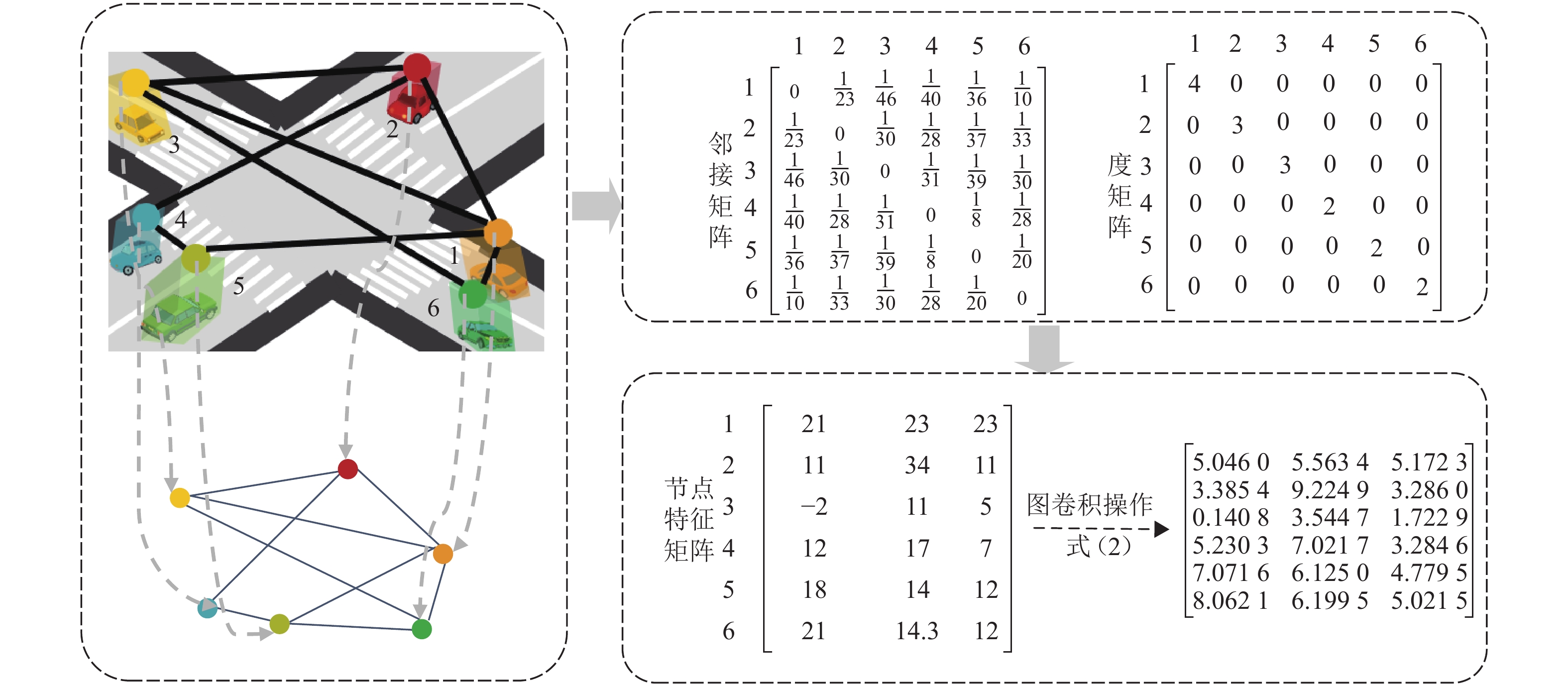
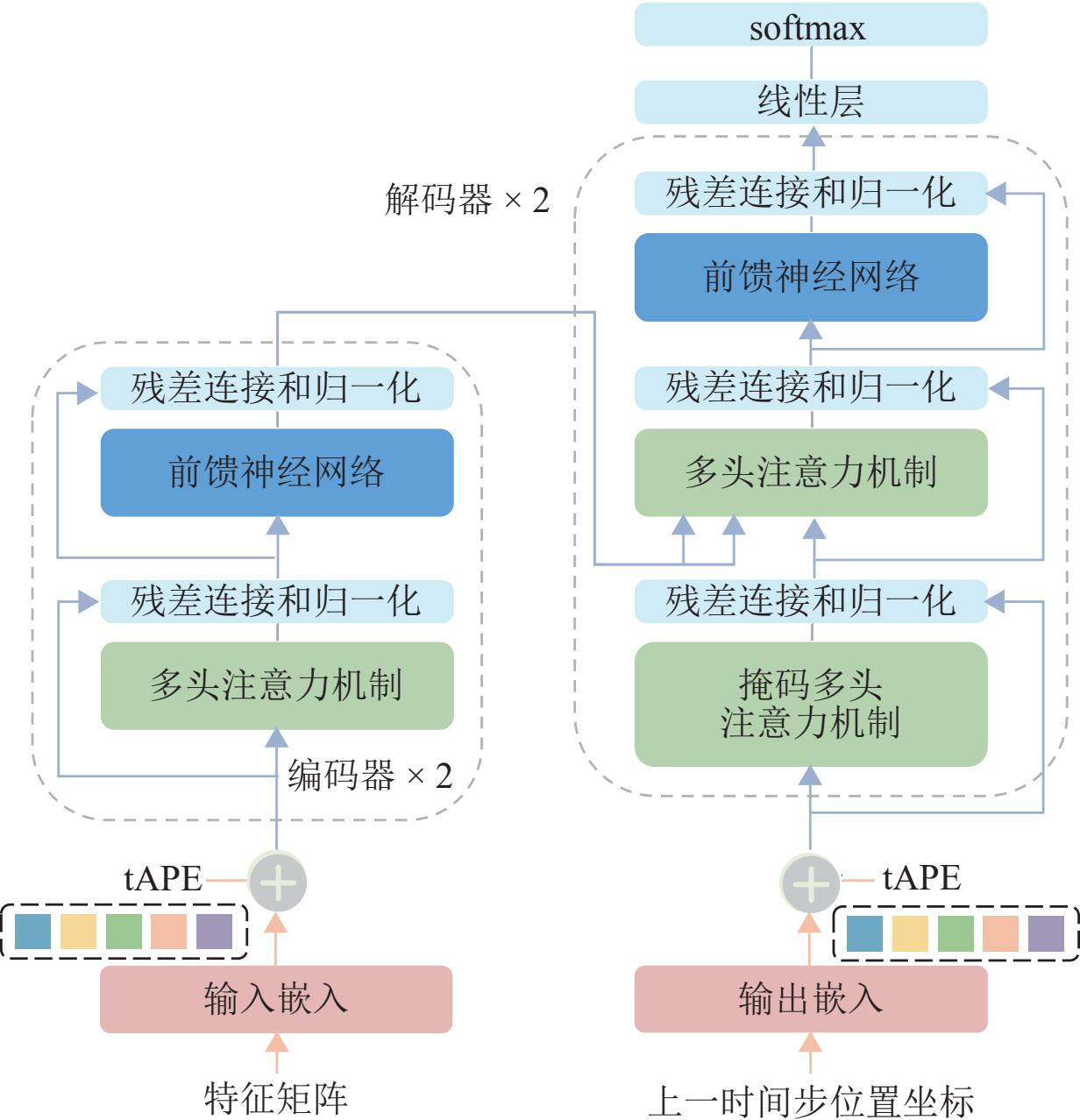
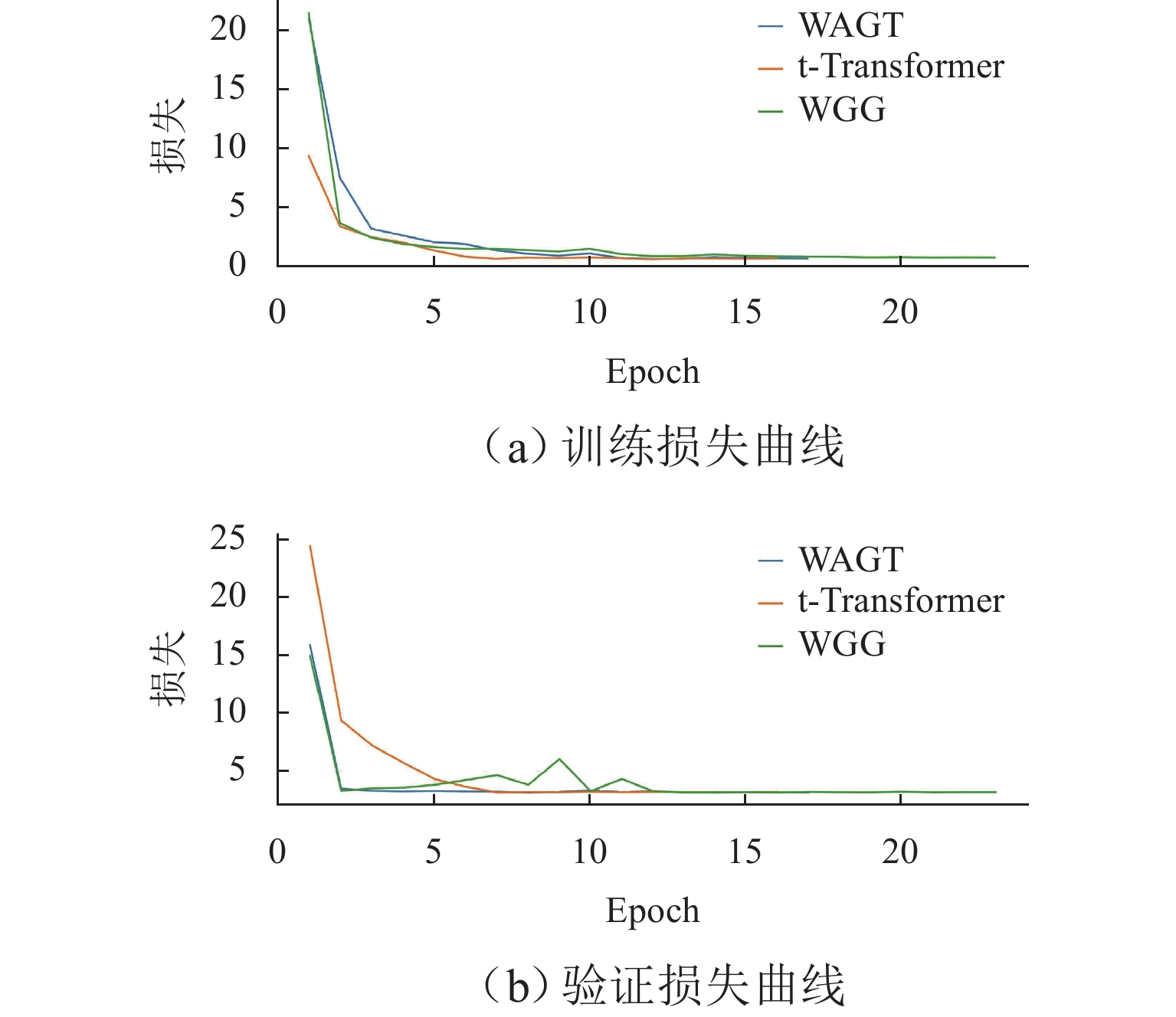
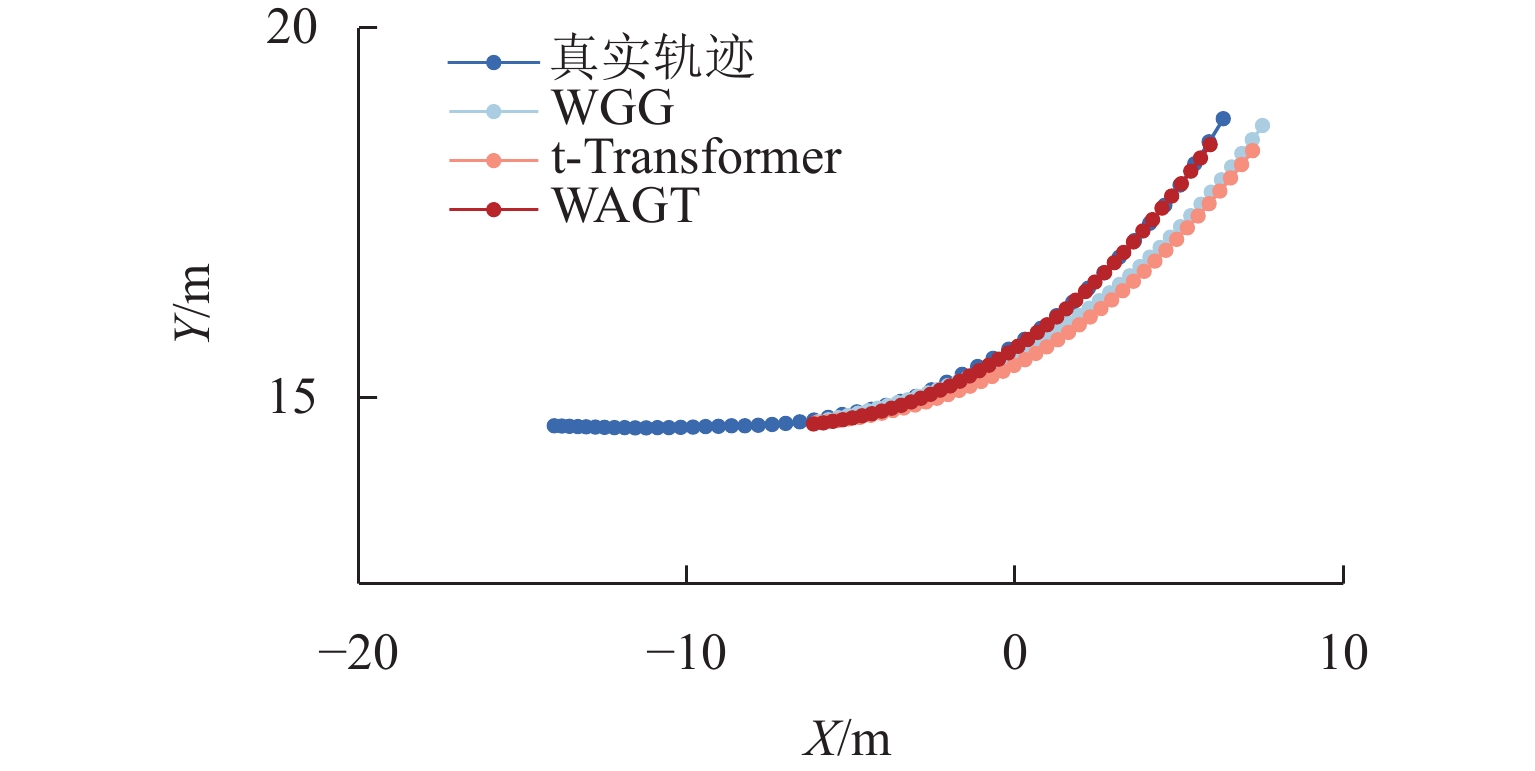
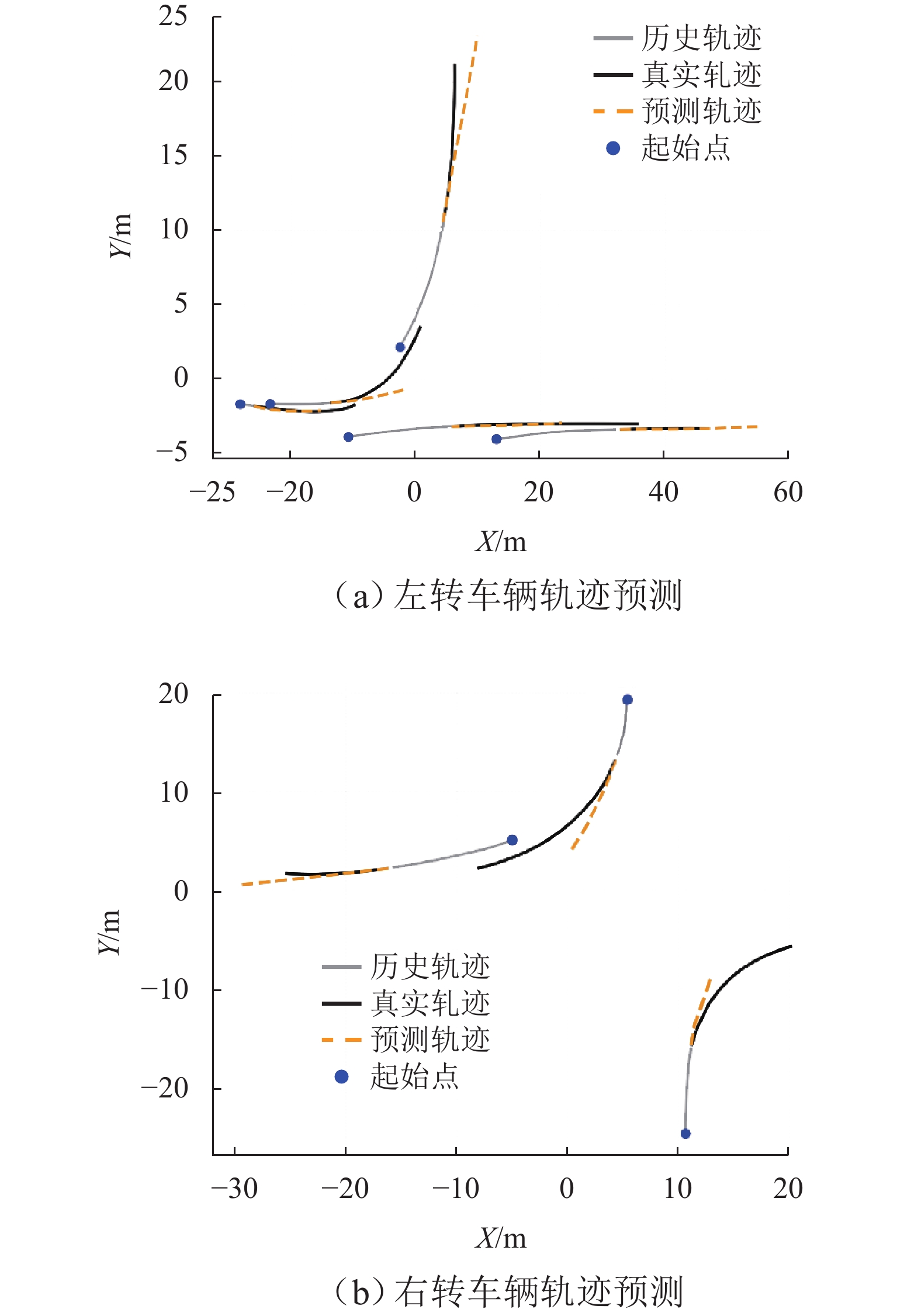
As typical application scenarios for autonomous vehicles, intersections pose severe challenges to the prediction systems of autonomous driving due to the complex interaction patterns of traffic participants and multi-modal behavioral trajectory features. In view of the problems of existing map-free trajectory prediction methods, such as insufficient accuracy in modeling vehicle interactions, coarse characterization of motion direction features, and limited stability in long-term predictions, a multi-vehicle trajectory prediction method based on spatio-temporal feature enhancement (wave-enhanced spatio-temporal transformer, WAGT) was proposed. Firstly, a spatial interaction modeling framework based on graph neural networks was constructed to characterize the interaction intensity among vehicles through weighted adjacency matrices. Secondly, a dual-channel feature enhancement module based on a wave superposition mechanism was introduced to adaptively model the differences in lateral and longitudinal vehicle motions from the perspectives of amplitude and phase. Finally, a Transformer encoder-decoder integrating time-aware positional encoding was designed to alleviate the problems of position confusion and error accumulation in long-sequence prediction. Quantitative evaluation of the method performance was conducted based on the signalized intersection dataset (SIND) dataset of Chinese signalized intersections, and comparisons with various map-free trajectory prediction models were performed. Experimental results indicate that the method achieves optimal performance in different prediction horizons. Compared with the representative graph interaction model GRIP, the average displacement error (ADE) and final displacement error (FDE) of the method are improved by 39.70% and 22.90%, respectively, which verifies the advantages of the model in prediction accuracy and robustness under complex intersection scenarios.