



Mechanical Vibration Testing Method for Superconducting Magnetic Poles of EDS Maglev Trains
-
摘要:
为能够简便有效地测试超导磁极在电动磁浮列车服役状态下的振动特性,本文结合超导电动磁浮列车动力学仿真和轨道车辆电气设备机械振动测试,提出一种超导磁极机械振动测试方法. 首先,基于超导磁体与轨道线圈电磁力数据库、超导磁极有限元模型及列车动力学模型,构建柔性超导磁极结构的电动磁浮列车耦合动力学模型,并分析列车加速至600 km/h过程中超导磁极的最大振动加速度;其次,在机械振动试验台对铜制模拟超导磁极开展常温和低温工况的扫频振动测试,分别获取2种工况下的振动加速度,并对比分析其主要振动频率与振型以判定磁极结构是否稳定;最后,基于仿真所得振幅与实测振动频率开展定频振动测试,分析不同磁极部位振动前后的温度变化. 结果表明:超导磁极在230.9 km/h时的横向振动加速度最大,约为10 g;测试的铜制模拟超导磁极在常温和低温工况下振动特性差异不显著,表明低温环境下该结构未发生明显变化或破坏;在定频测试工况下,虽然铜制模拟超导磁极的部分区域在振动期间及停止以后表面温度仍呈上升趋势,但所有位置的最高温度始终低于45 K,能满足超导磁极工作温度要求. 综上,本文所提测试方法可以真实可靠地模拟超导磁极的工作环境,能够通过测试有效获取超导磁极的服役性能.
Abstract:A mechanical vibration testing method for superconducting magnetic poles is proposed by combining the dynamic simulation of electrodynamic suspension (EDS) maglev trains with mechanical vibration testing for electrical equipment of railway vehicles to facilitate straightforward and effective testing of the vibration characteristics of superconducting magnetic poles in EDS maglev trains in operational conditions. Firstly, based on the electromagnetic force database between superconducting magnets and track coils, the finite element model of the superconducting magnet, and the train dynamic model, a coupled dynamic model of EDS maglev trains incorporating a flexible magnet structure is built, and the maximum vibration acceleration of superconducting magnetic poles during train acceleration to 600 km/h is analyzed. Subsequently, the sweep frequency vibration tests are conducted on a mechanical vibration test rig to measure the vibration acceleration of the copper imitation superconducting magnetic pole in both ambient and cryogenic conditions. The vibration accelerations in the two conditions are acquired, and the primary vibration frequencies and modes are analyzed to evaluate the stability of the magnetic pole structure. Finally, based on the vibration amplitudes obtained from simulation and measured vibration frequencies, the constant frequency vibration tests are performed, and the temperature variations at different locations of the magnetic pole before and after vibration are analyzed. The results indicate that the maximum lateral vibration acceleration of the superconducting magnetic pole occurs at 230.9 km/h, reaching approximately 10
g . The vibration characteristics of the copper imitation superconducting magnetic pole in ambient and cryogenic conditions are similar, which suggests that this structure does not undergo significant changes or damage at cryogenic temperatures. During the constant frequency vibration tests, although some areas of the copper imitation superconducting magnetic pole exhibit a rising trend in surface temperature during and after vibration, the maximum temperature at all locations remains below 45 K, thereby satisfying the operational temperature requirements for the superconducting magnetic pole. Therefore, the proposed testing method can simulate the operational environment of superconducting magnetic poles realistically and reliably, and assess their service performance through testing. -
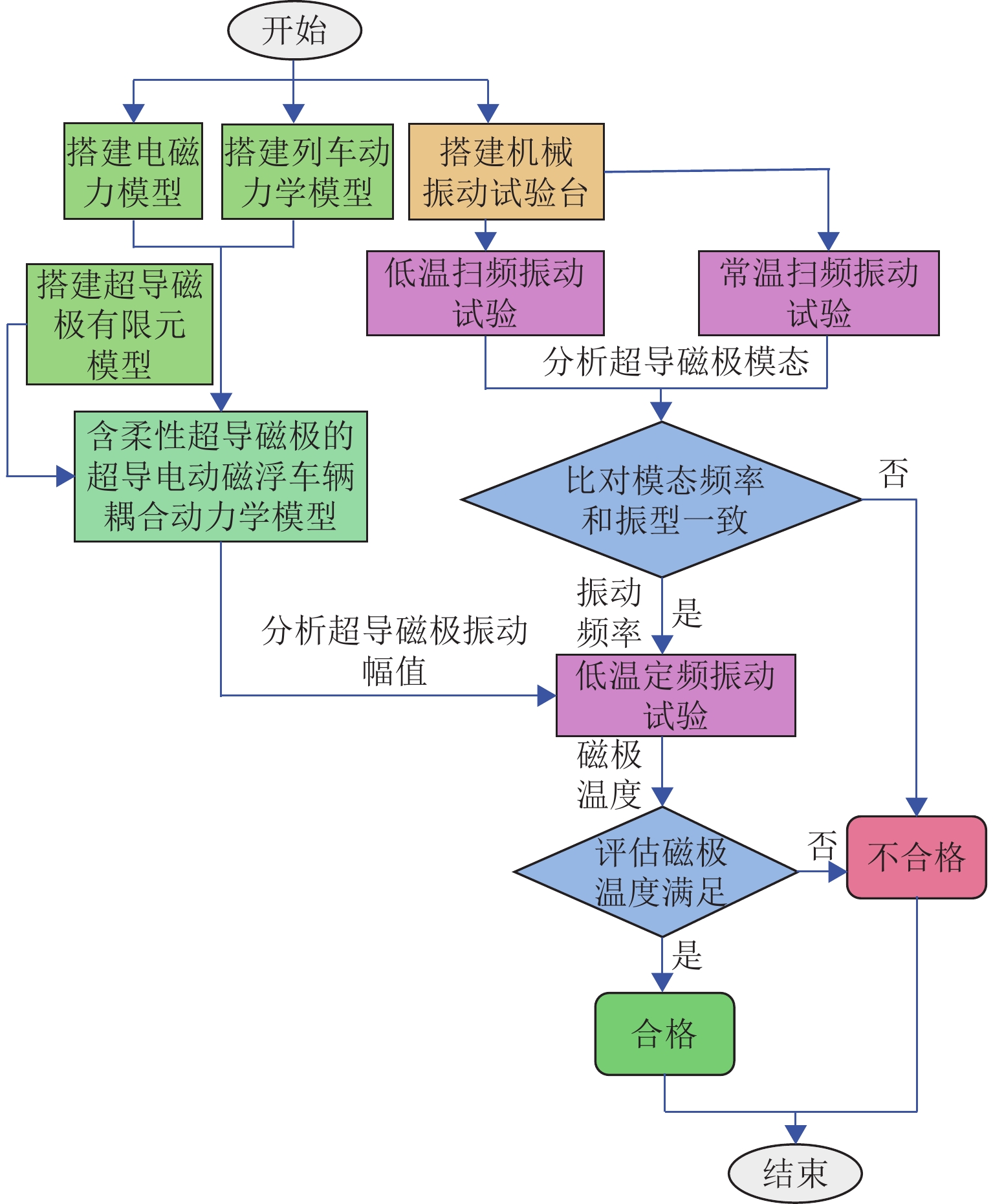
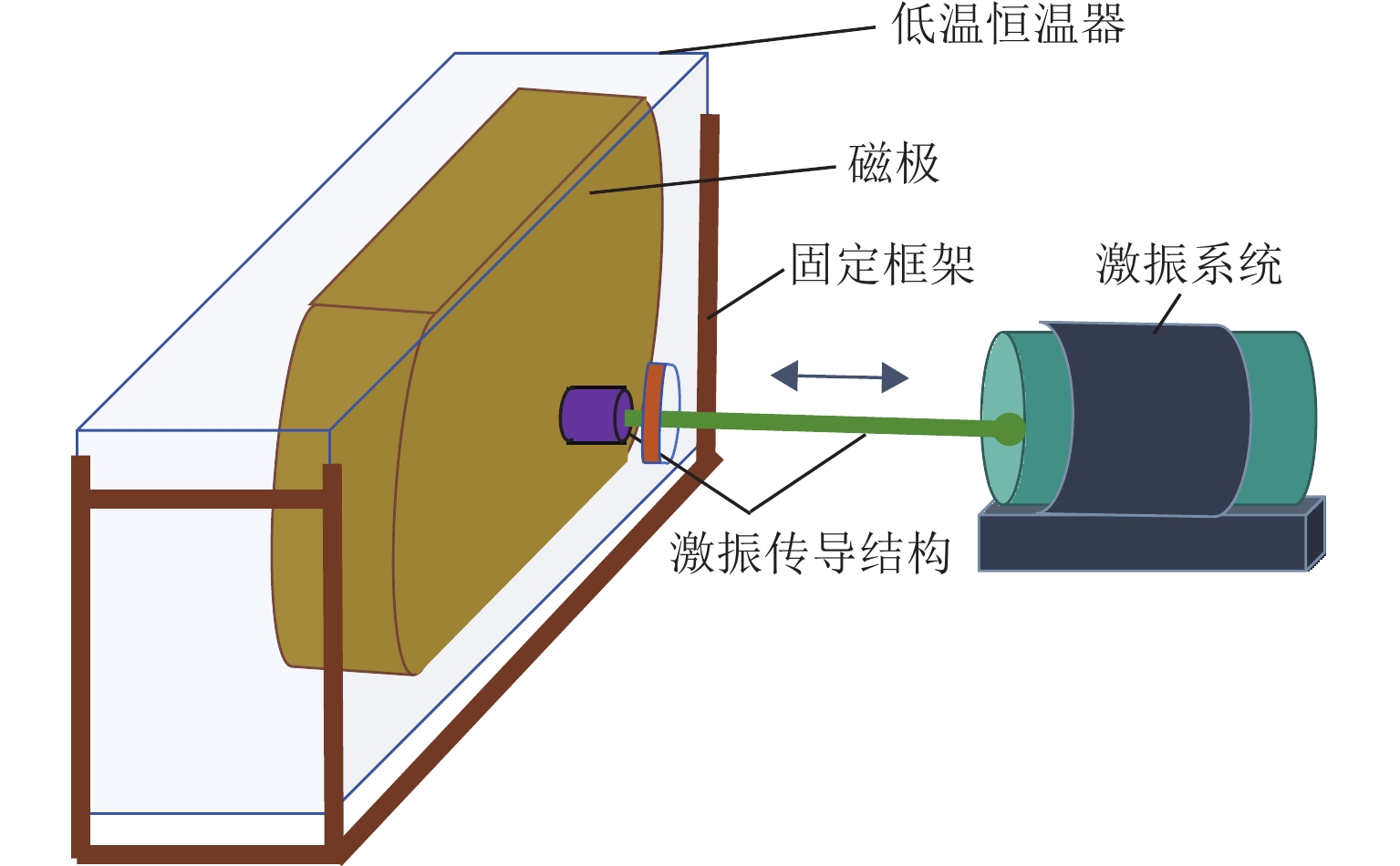
图 1 超导磁体磁极机械振动试验流程
Figure 1. Mechanical vibration testing process for superconducting magnetic poles.
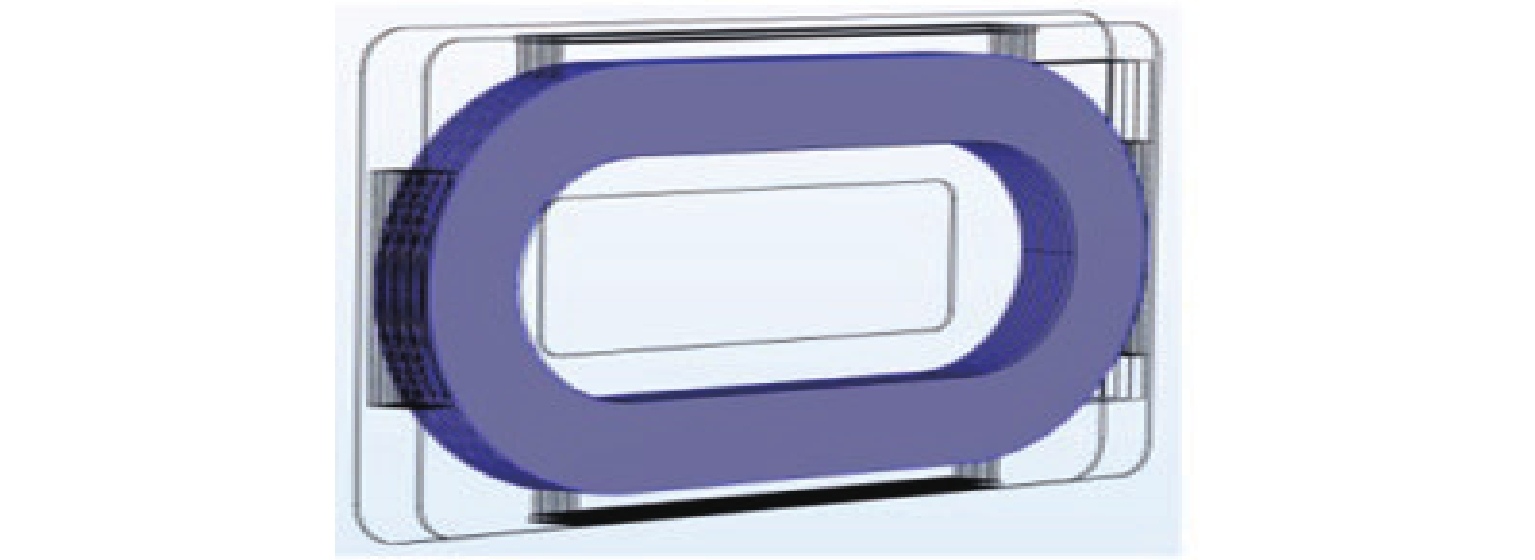
图 2 YBCO高温超导磁极结构
Figure 2. YBCO high-temperature superconducting magnetic pole structure.
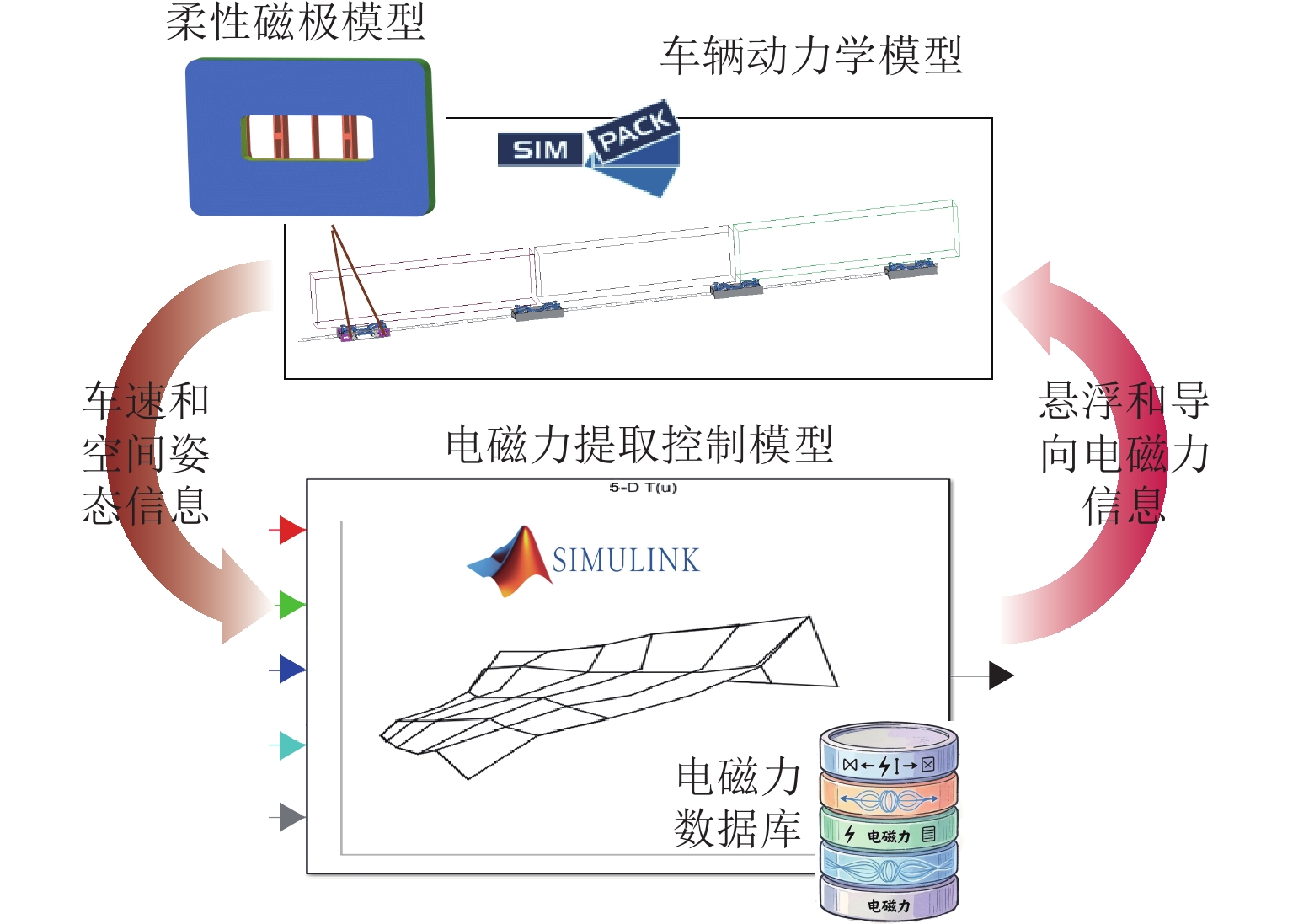
图 6 超导电动磁浮车辆耦合动力学模型
Figure 6. Coupled dynamic model of superconducting EDS maglev trains
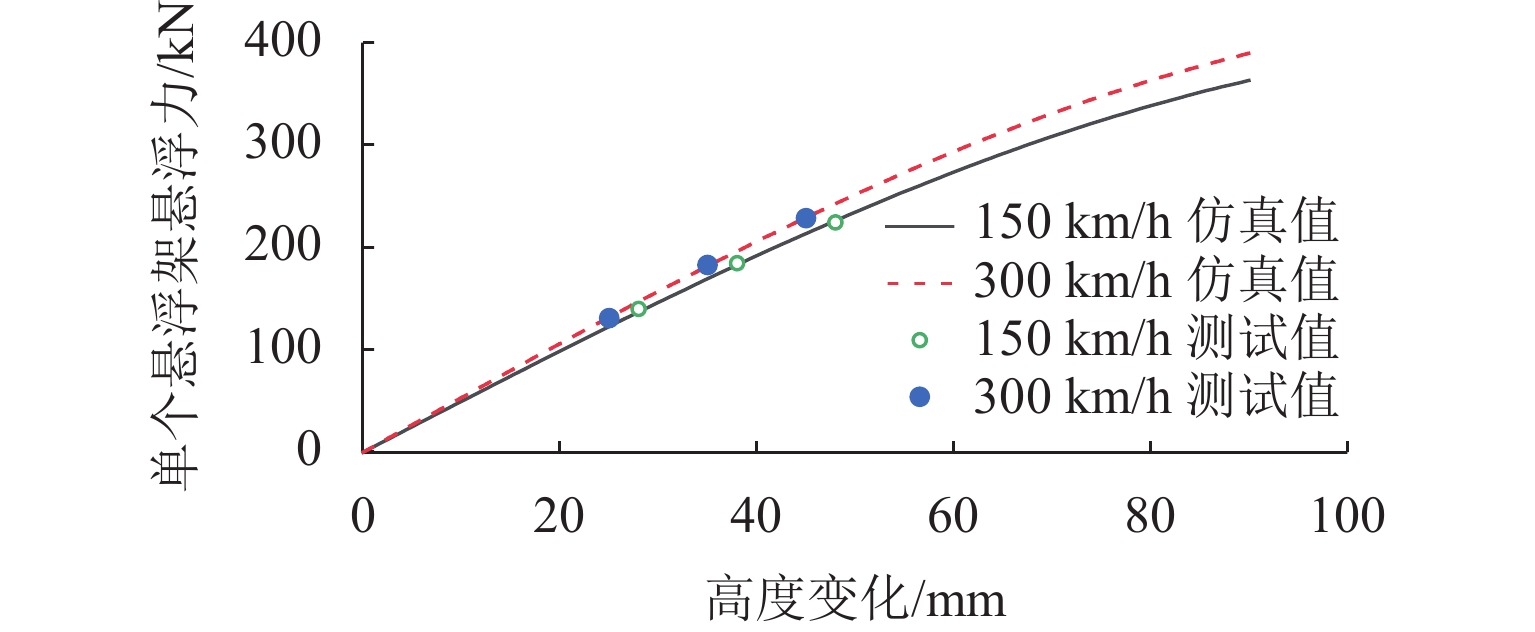
图 7 不同悬浮高度下悬浮力结果的对比
Figure 7. Comparison of levitation force results under different levitation heights
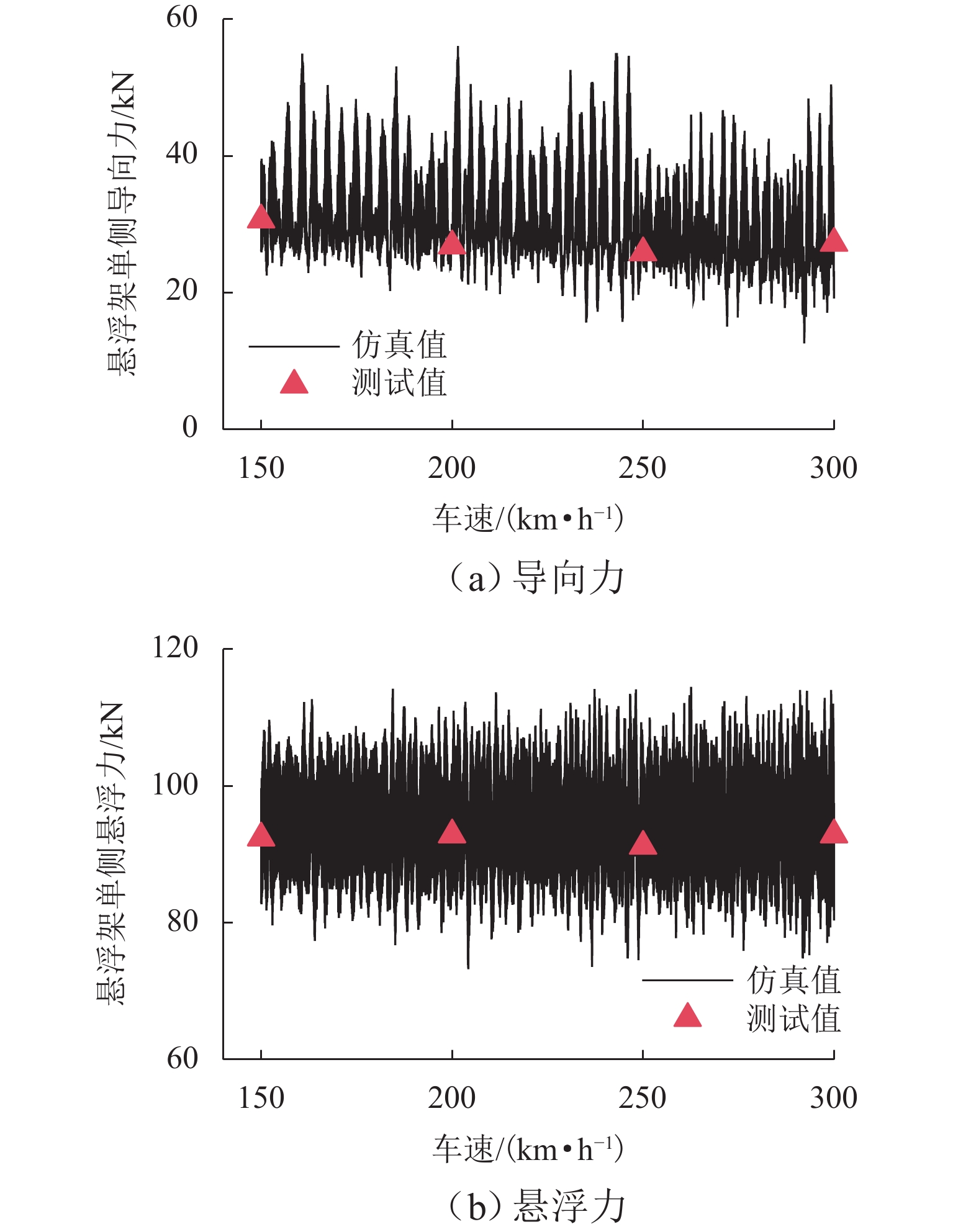
图 8 不同车速下电磁力结果的对比
Figure 8. Comparison of electromagnetic force results at different speeds
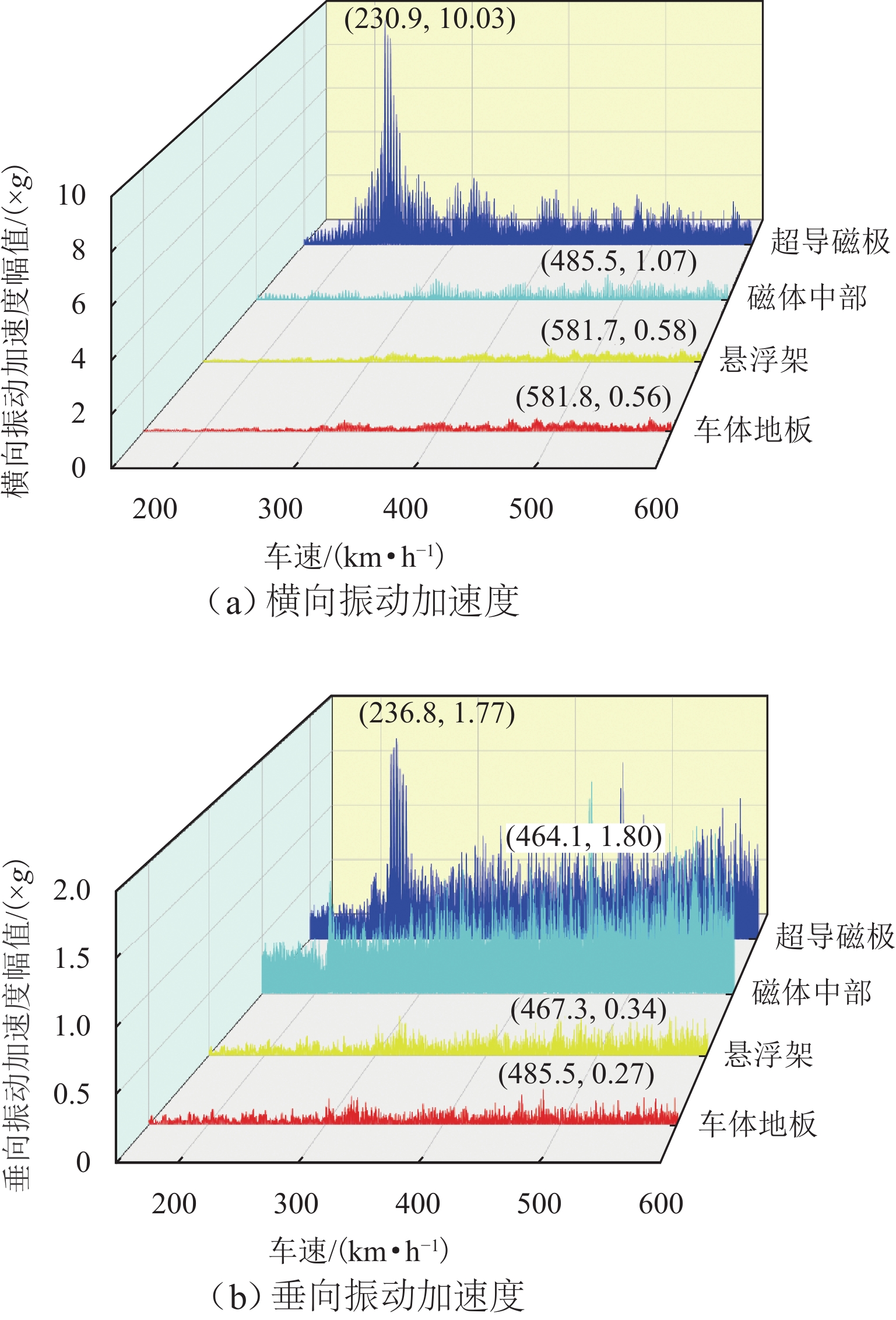
图 9 不同车辆部件振动结果的对比
Figure 9. Comparison of vibration results of different vehicle components
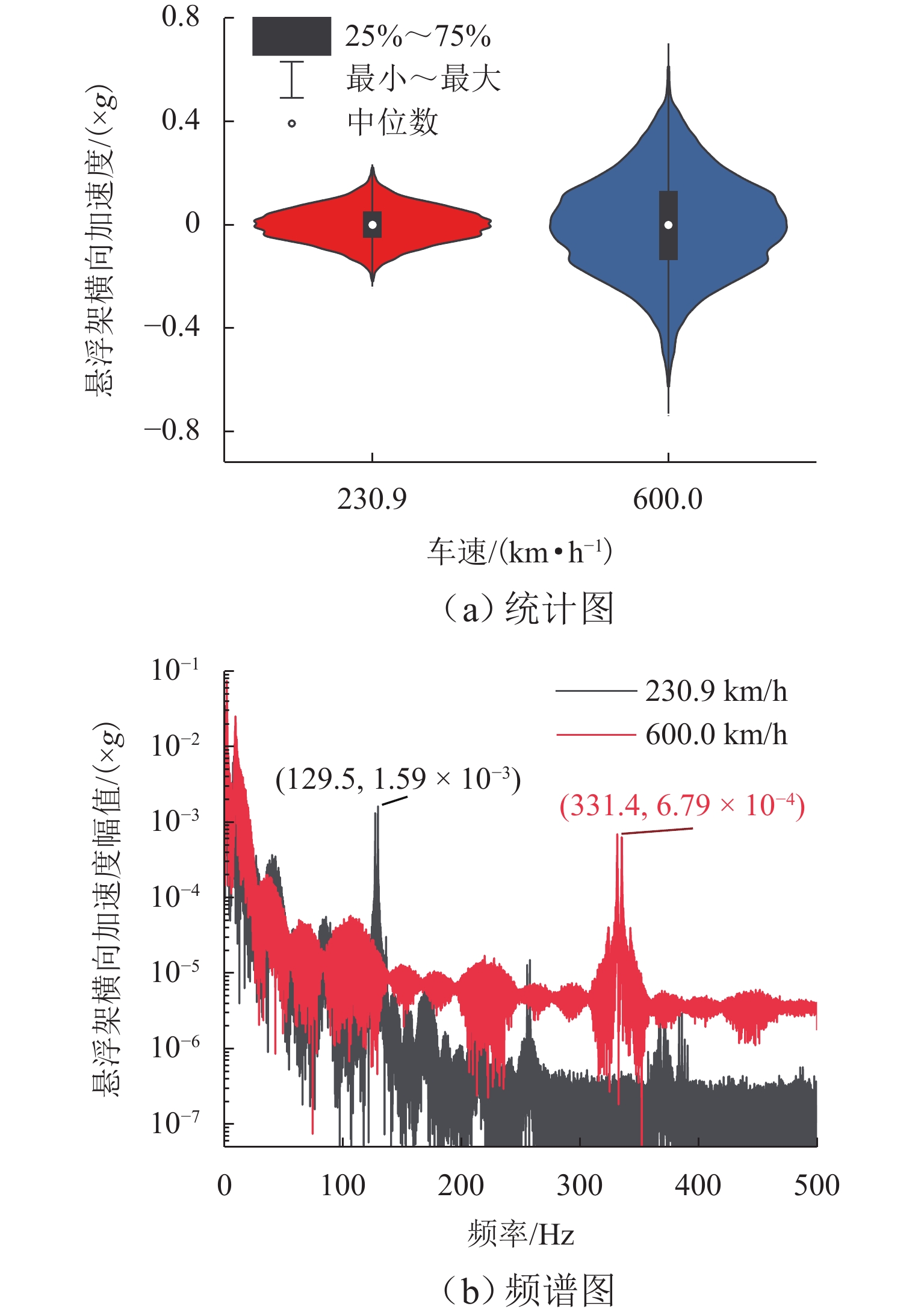
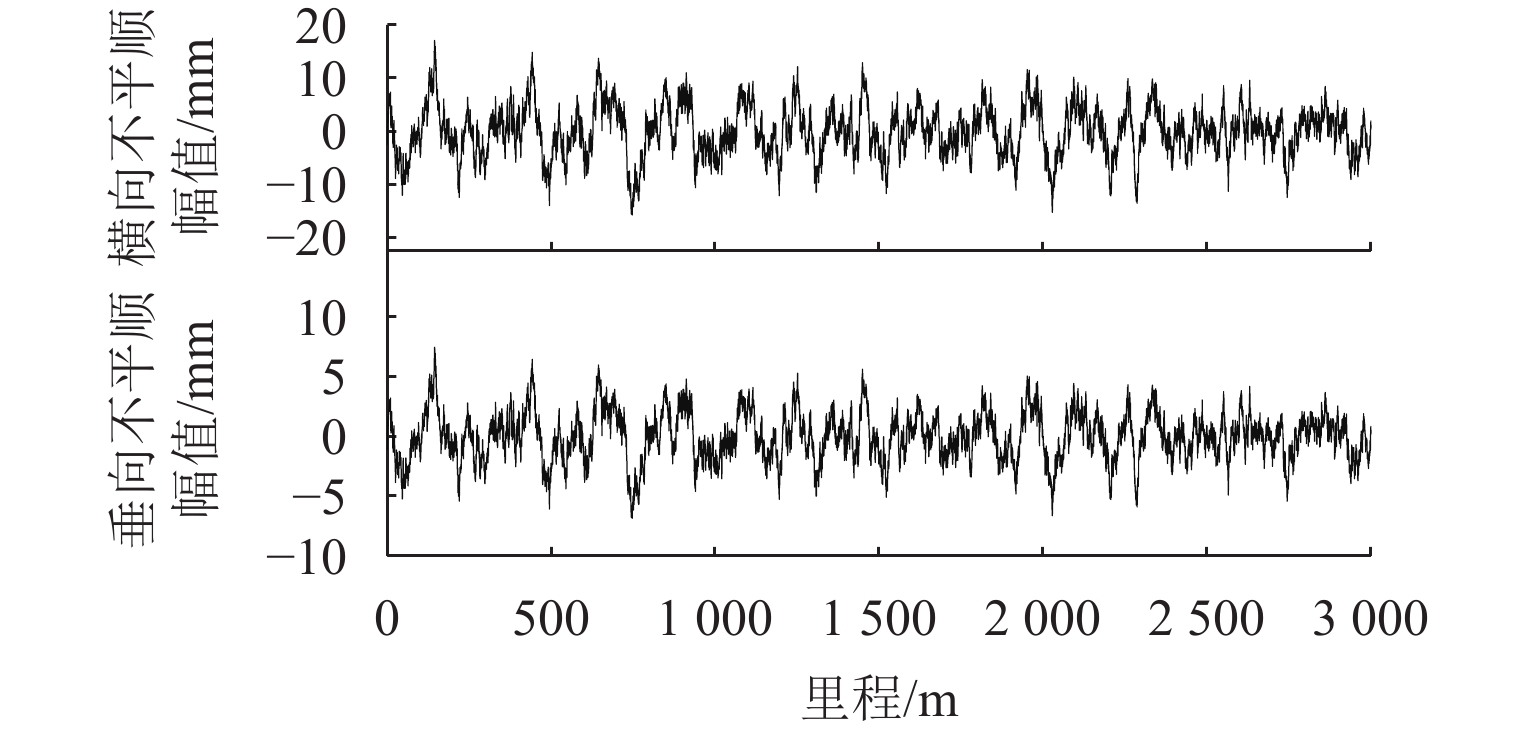
图 10 2种车速下悬浮架横向加速度结果
Figure 10. Comparison of lateral acceleration results of bogies at two speeds
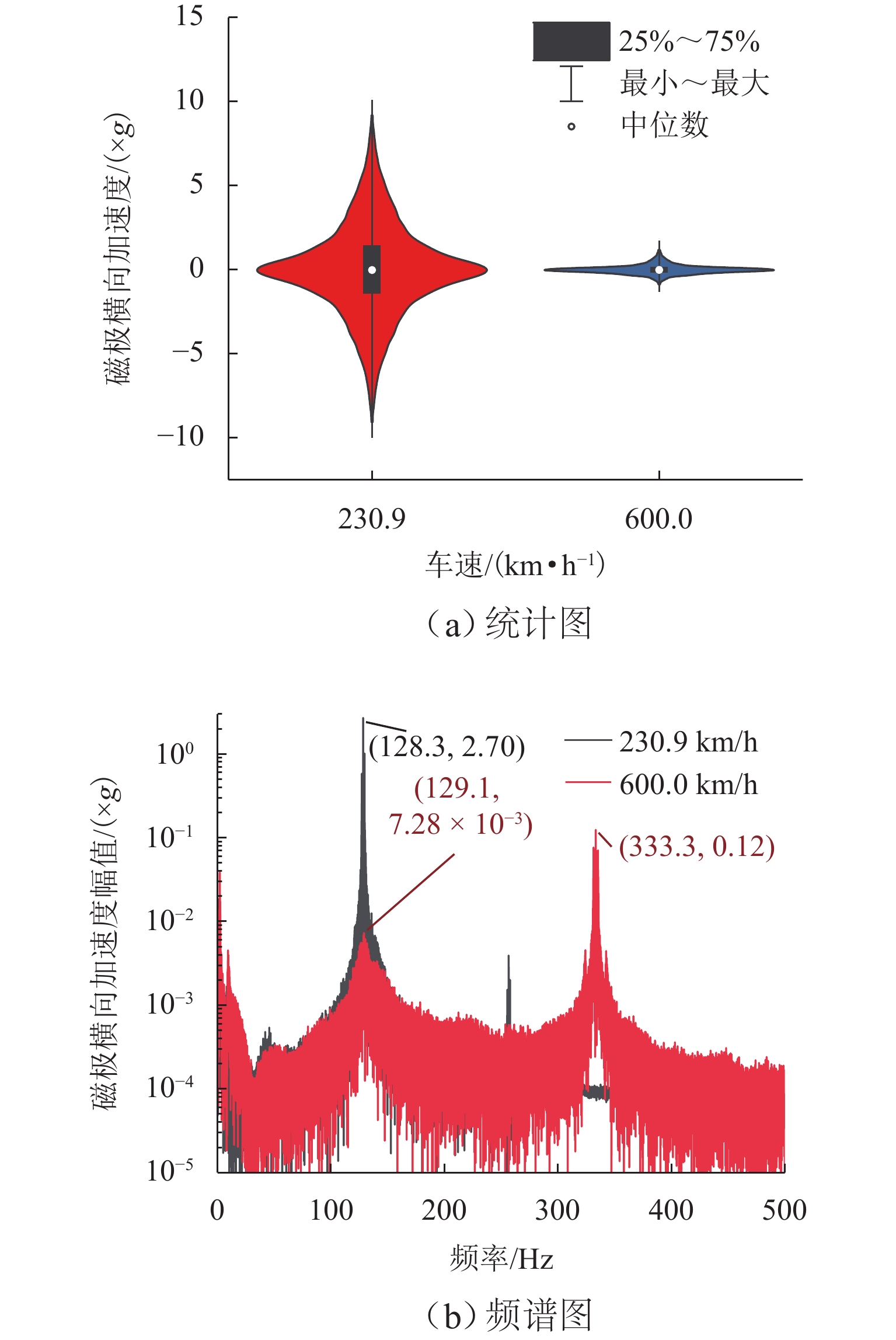
图 11 2种车速下磁极横向加速度结果
Figure 11. Comparison of lateral acceleration results of magnetic poles at two speeds
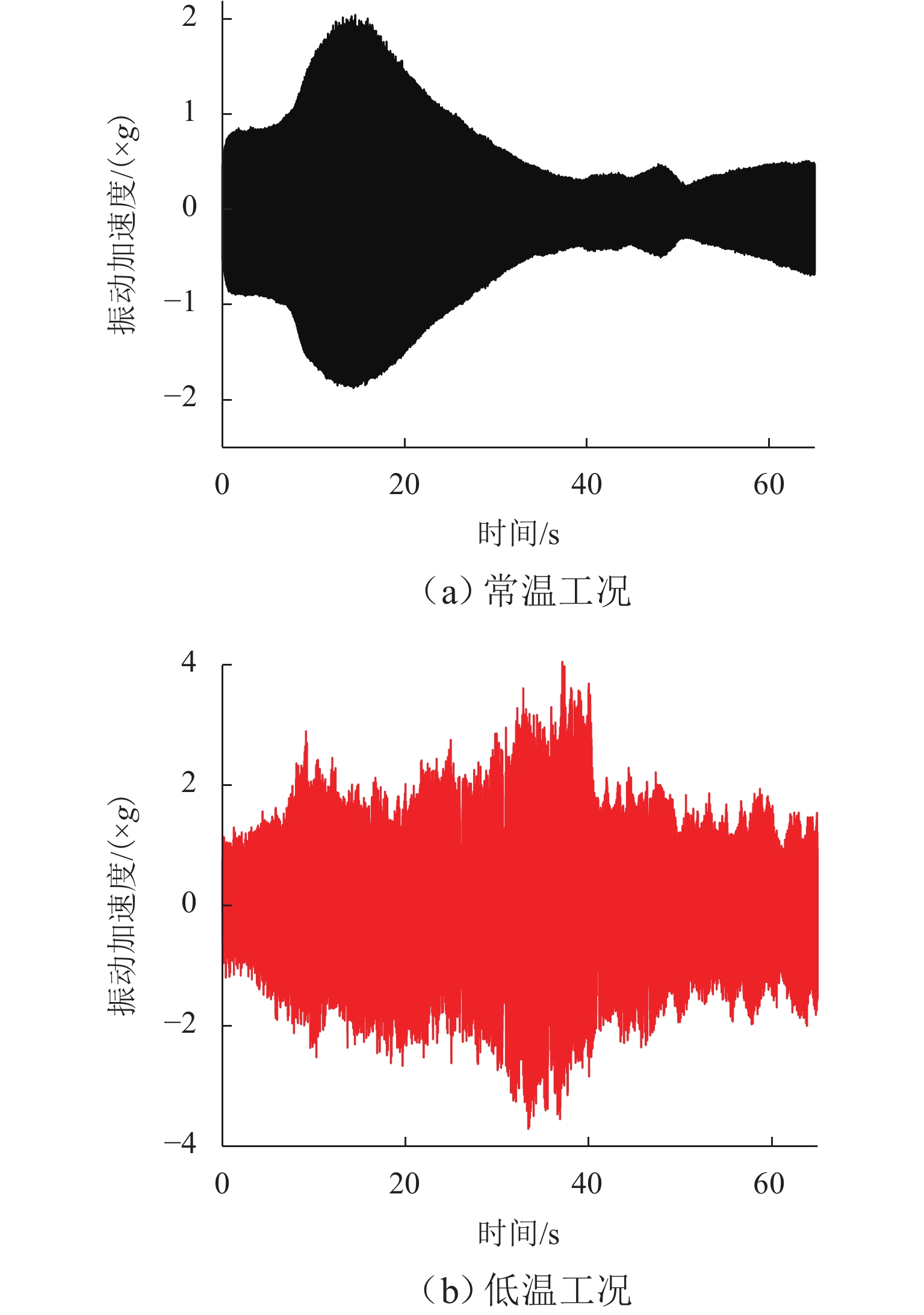
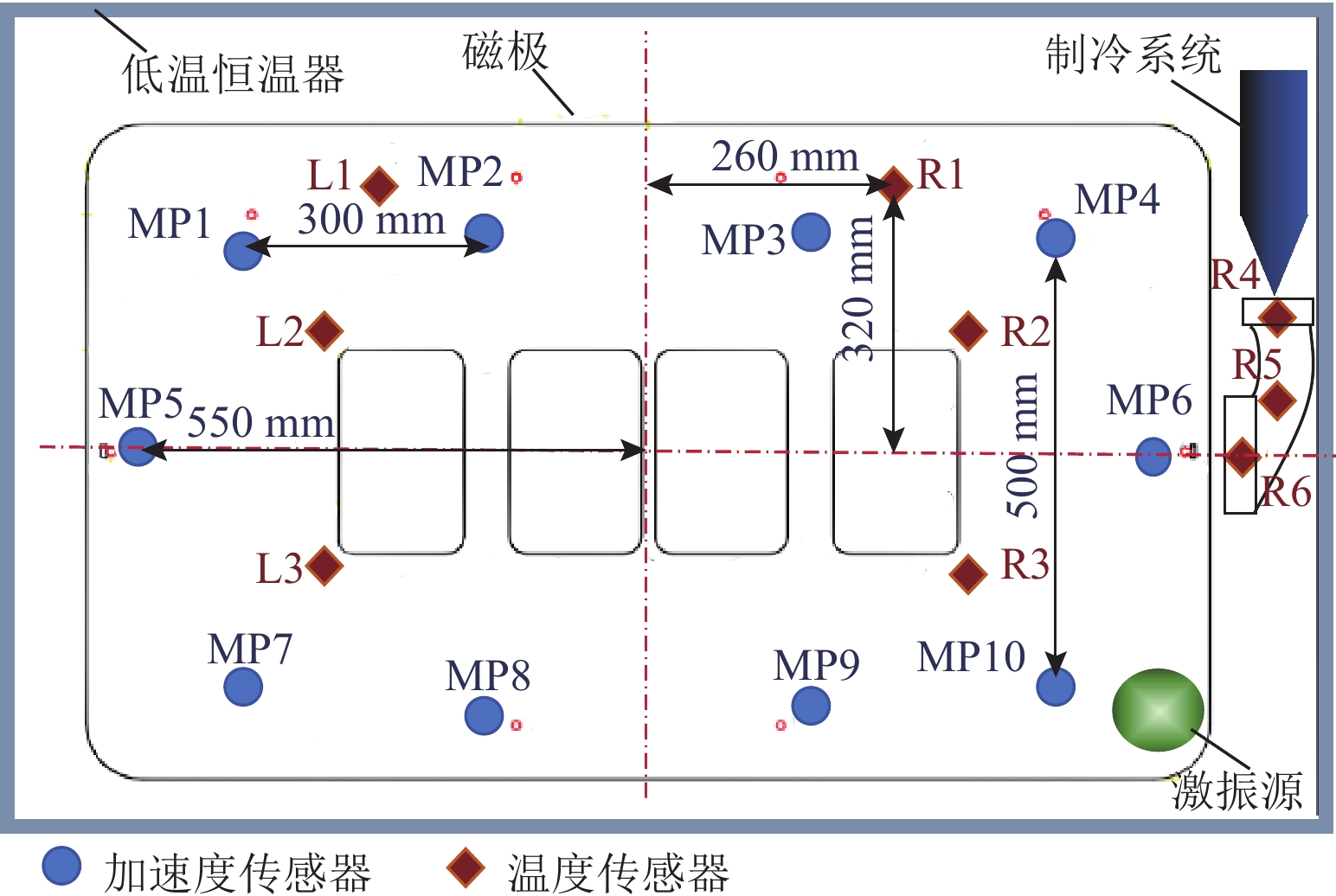
图 14 MP7测点振动加速度时域结果
Figure 14. Time-domain results of vibration acceleration at measurement point MP7
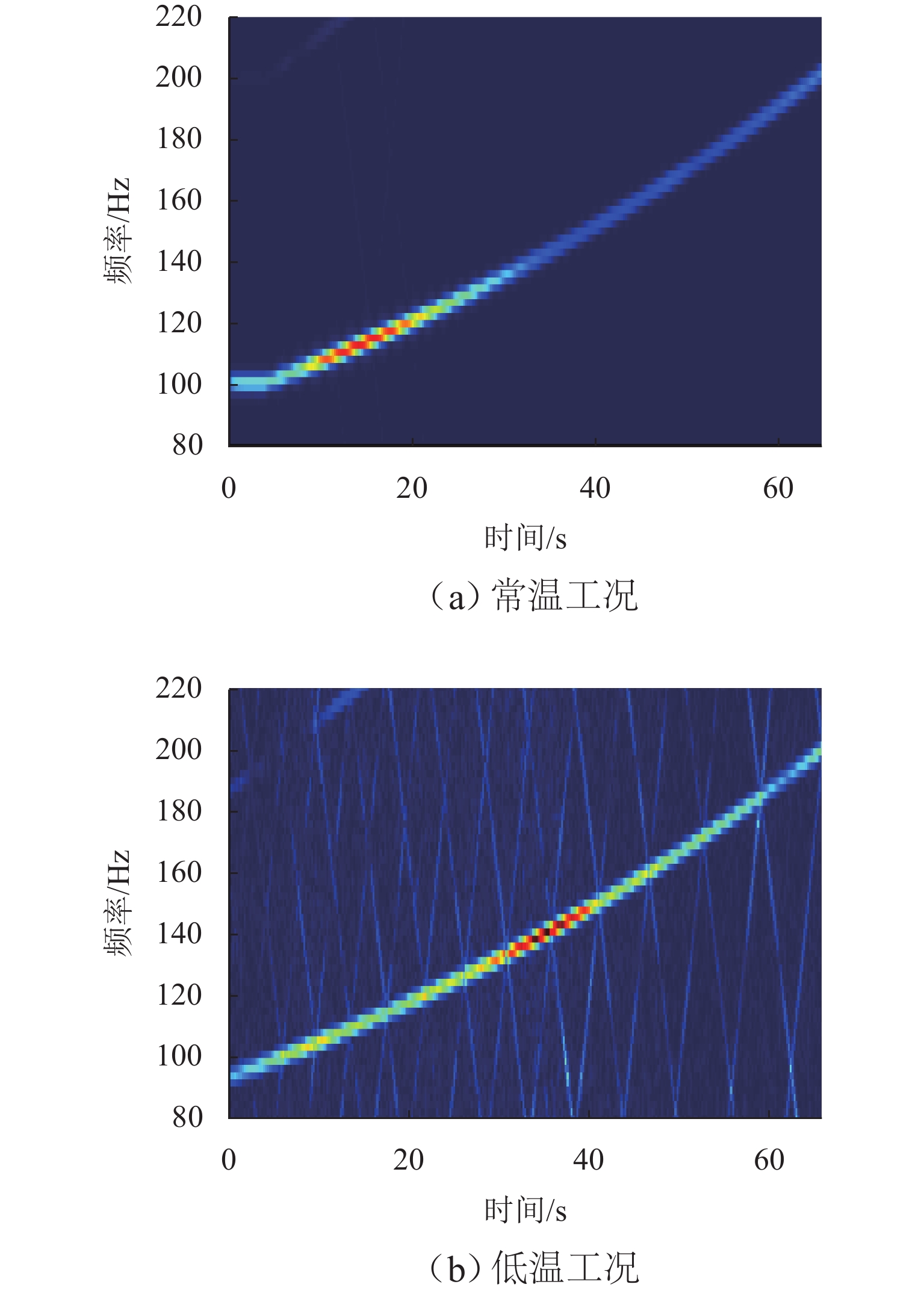
图 15 MP7测点振动加速度时频结果
Figure 15. Time-frequency results of vibration acceleration at measurement point MP7
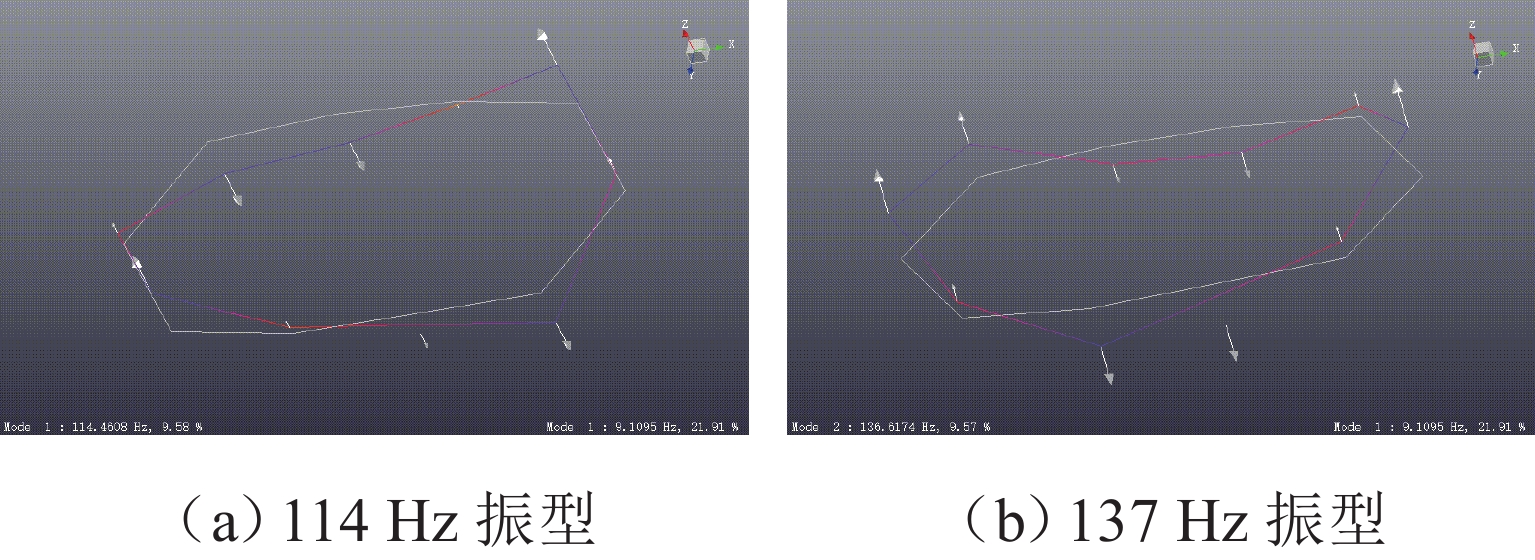
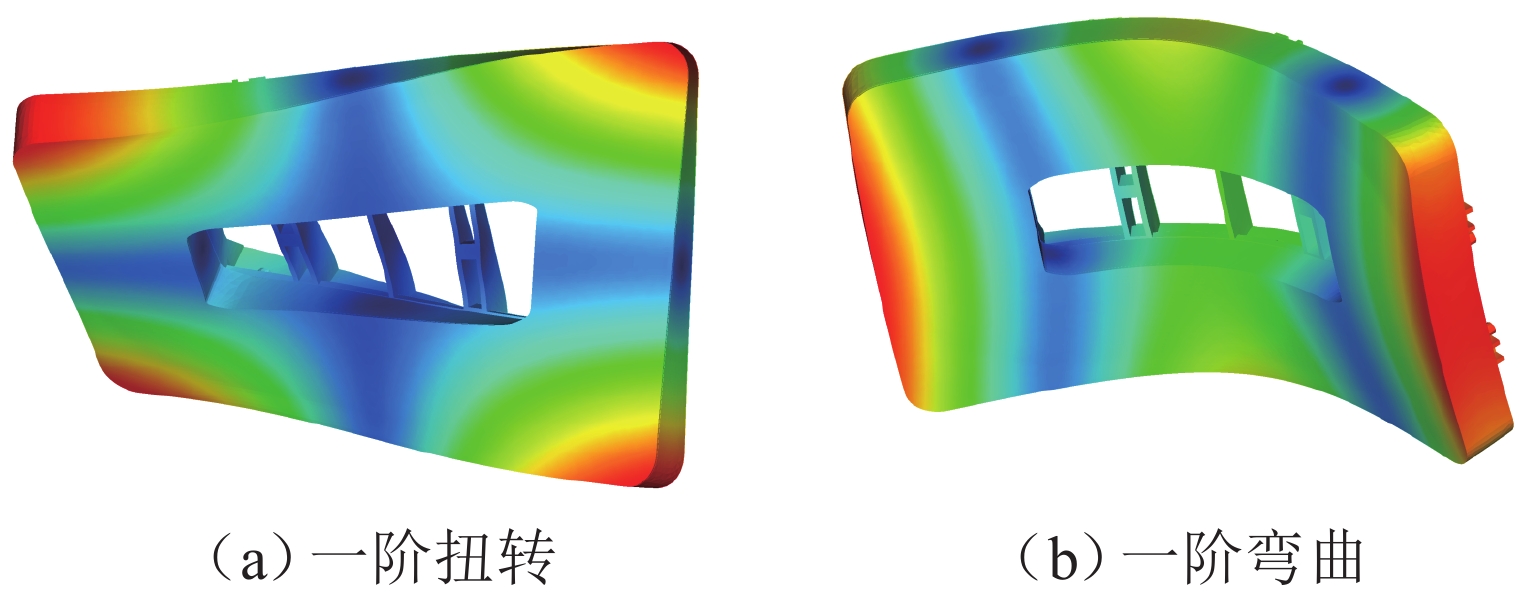
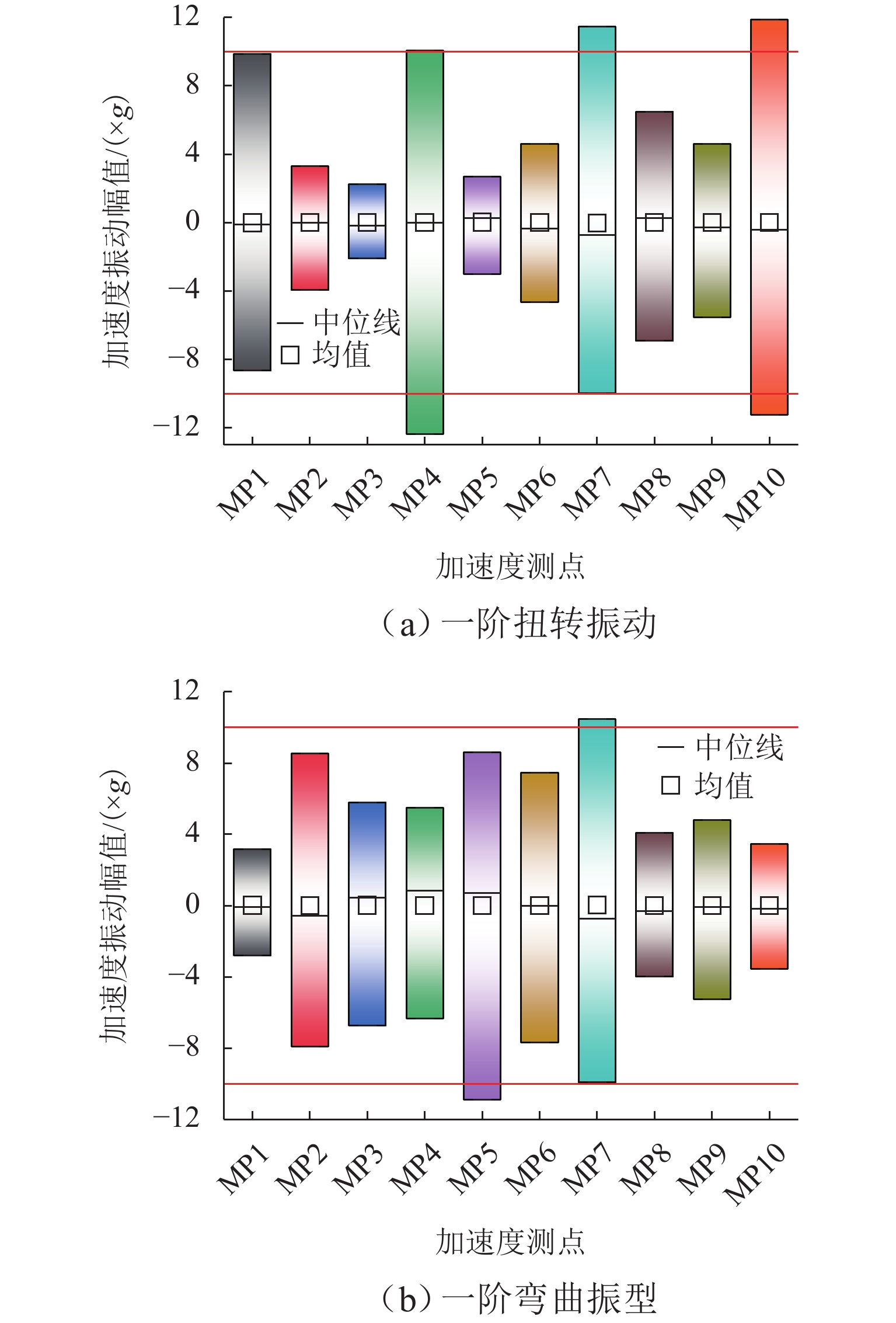
图 16 常温扫频振动下模拟超导磁极模态分析结果
Figure 16. Modal analysis results of the imitation magnetic pole under ambient temperature sweep frequency vibration
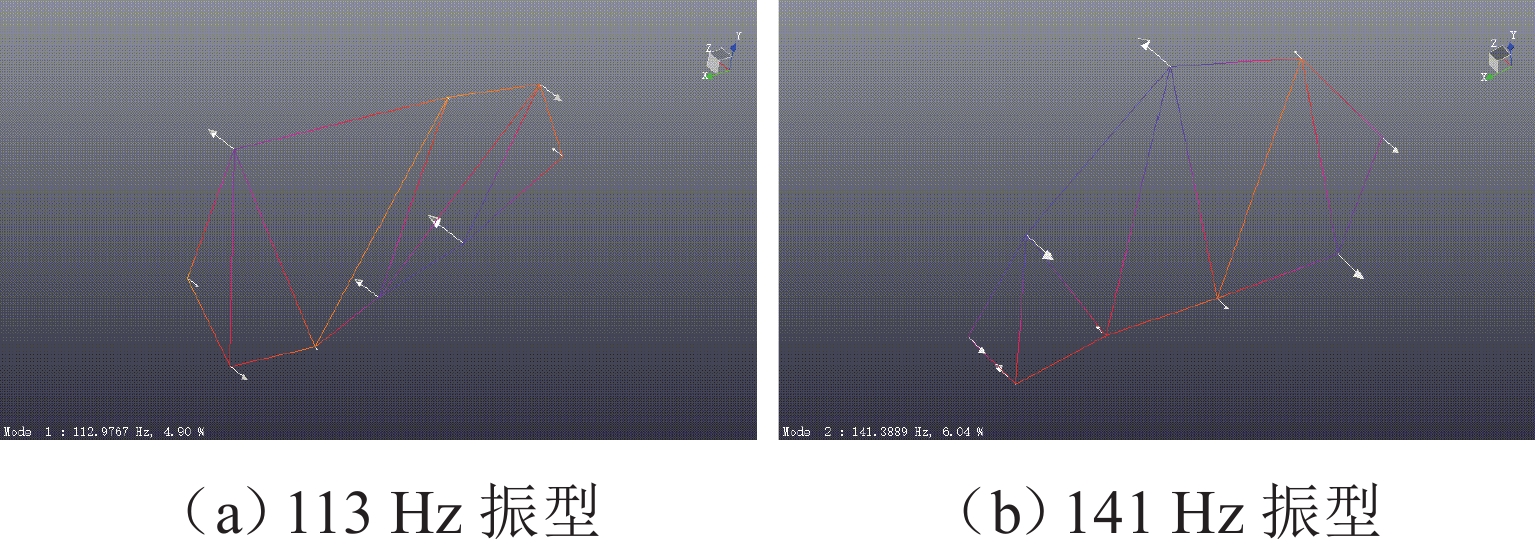
图 17 低温扫频振动下模拟超导磁极模态分析结果
Figure 17. Modal analysis results of the imitation magnetic pole under cryogenic temperature sweep frequency vibration
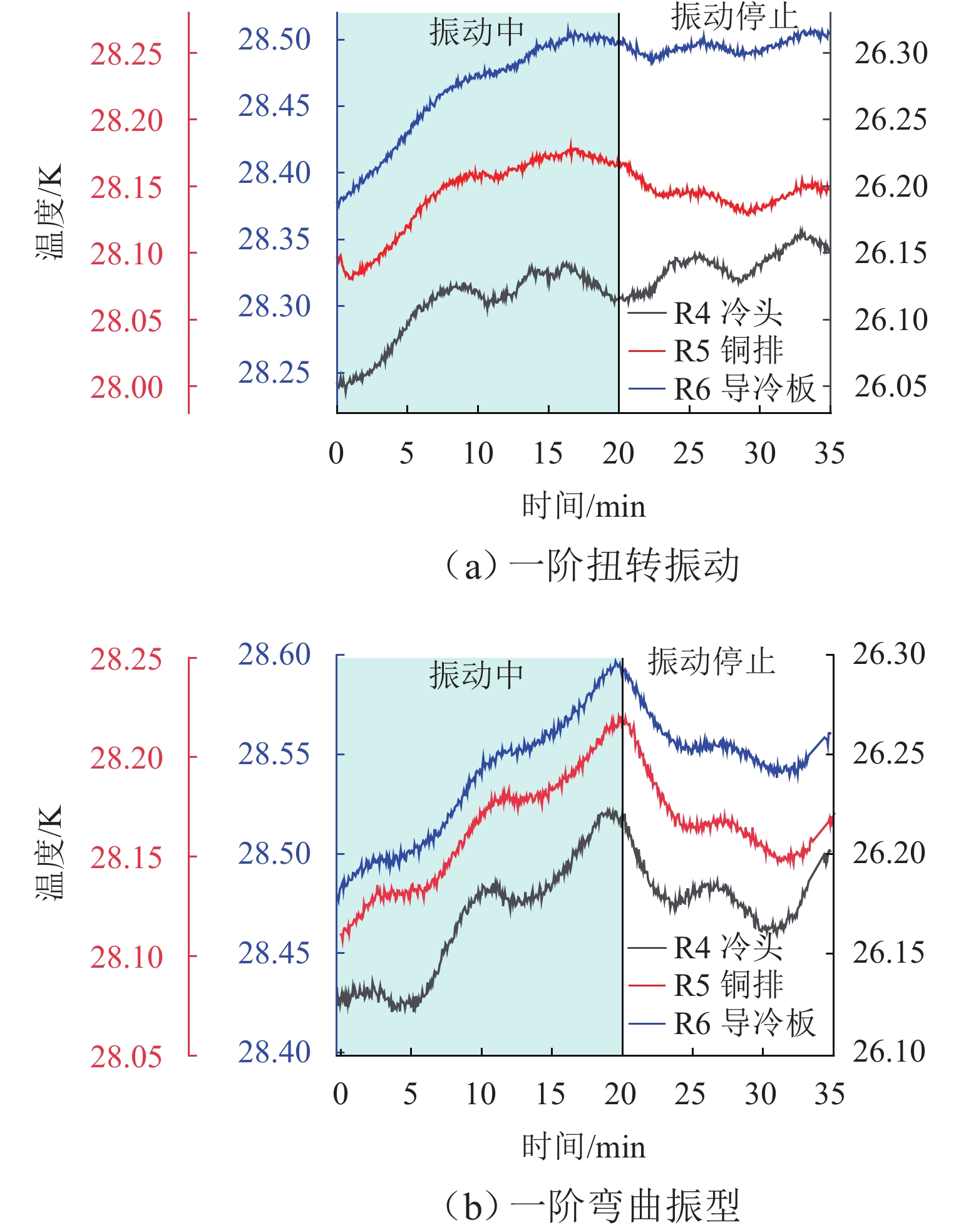
图 19 模拟超导磁极靠近冷头区域温度变化
Figure 19. Temperature variation in the region near the cold head of the imitation superconducting magnetic pole
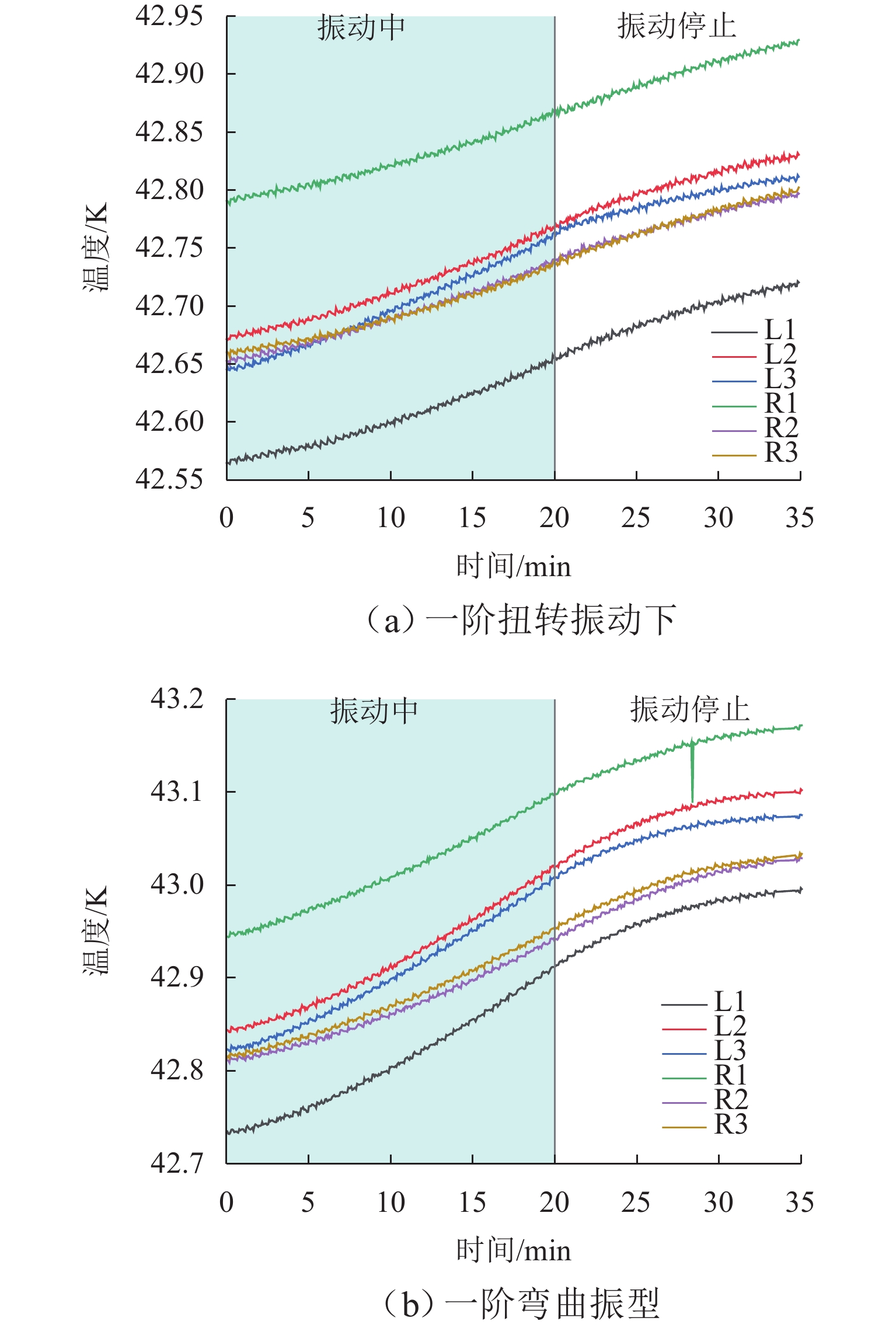
图 20 模拟超导磁极中部区域温度变化
Figure 20. Temperature variation in the central region of the imitation superconducting magnetic pole
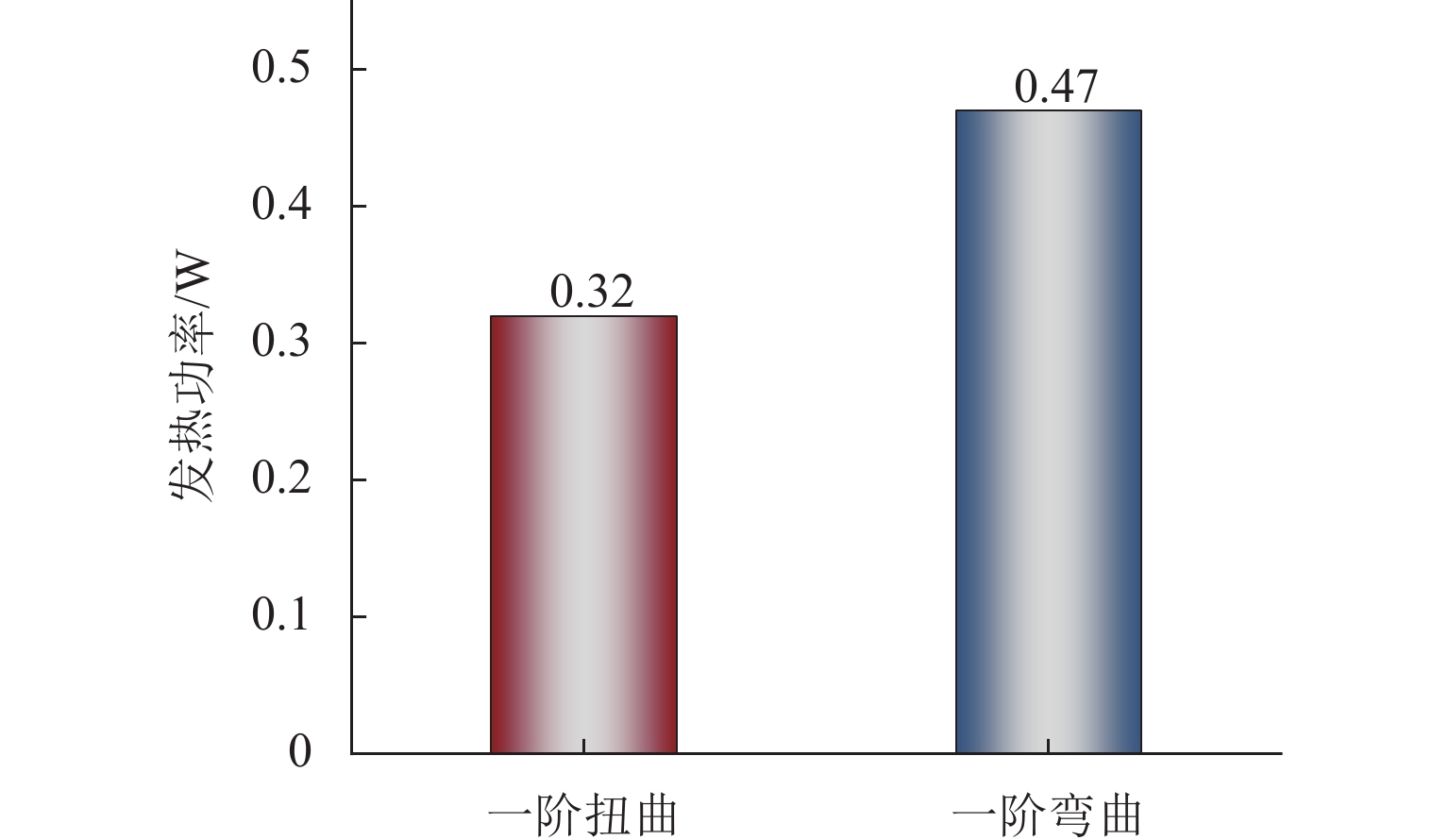
图 21 模拟超导磁极发热功率
Figure 21. Heating power of the imitation superconducting magnetic pole
表 1 列车主要动力学参数
Table 1. Main dynamic parameters of the train
参数 数值 车体质量(端部车/中间车)/kg 21000 ,15000 悬浮架质量/kg 6400 超导磁体质量/kg 2800 空气弹簧水平刚度/(N·m−1) 2.25 × 10⁵ 空气弹簧垂向刚度/(N·m−1) 1.25 × 10⁵ 空气弹簧垂向阻尼/(N·m−1·s) 1.5 × 10³ 一系弹簧垂向和水平刚度/(N·m−1) 1.225 × 10⁵ 一系弹簧垂向阻尼/(N·m−1·s) 1.5 × 10³ 轨道线圈纵向间距/m 0.5  下载: 导出CSV
-
[1] 徐飞, 罗世辉, 邓自刚. 磁悬浮轨道交通关键技术及全速度域应用研究[J]. 铁道学报, 2019, 41(3): 40-49. doi: 10.3969/j.issn.1001-8360.2019.03.006Xu Fei, Luo Shihui, Deng Zigang. Study on key technologies and whole speed range application of maglev rail transport[J]. Journal of the China Railway Society, 2019, 41(3): 40-49. doi: 10.3969/j.issn.1001-8360.2019.03.006 [2] 于青松, 李凯, 胡浩, 等. 超导电动悬浮应用研究与技术展望[J]. 机车电传动, 2023(4): 1-8. doi: 10.13890/j.issn.1000-128X.2023.04.001Yu Qingsong, Li Kai, Hu Hao, et al. Research and technological prospects of applications for superconducting electrodynamic suspension[J]. Electric Drive for Locomotives, 2023(4): 1-8. doi: 10.13890/j.issn.1000-128X.2023.04.001 [3] Gaurav K T, Prakash K S, Gopal S, et al. A review on development and analysis of maglev train[J]. International Journal of Research in Advent Technology, 2015, 3(12): 14-17. [4] 邓自刚, 刘宗鑫, 李海涛, 等. 磁悬浮列车发展现状与展望[J]. 西南交通大学学报, 2022, 57(3): 455-474, 530. doi: 10.3969/j.issn.0258-2724.20220001Deng Zigang, Liu Zongxin, Li Haitao, et al. Development status and prospect of maglev train[J]. Journal of Southwest Jiaotong University, 2022, 57(3): 455-474,530. doi: 10.3969/j.issn.0258-2724.20220001 [5] 刘士苋, 王磊, 王路忠, 等. 电动悬浮列车及车载超导磁体研究综述[J]. 西南交通大学学报, 2023, 58(4): 734-753. doi: 10.3969/j.issn.0258-2724.20220621Liu Shixian, Wang Lei, Wang Luzhong, et al. Review on electrodynamic suspension trains and on-board superconducting magnets[J]. Journal of Southwest Jiaotong University, 2023, 58(4): 734-753. doi: 10.3969/j.issn.0258-2724.20220621 [6] Fu X X, Huang J Y, Wang Y D, et al. Spatial Fourier-based modeling of multi-attitude superconducting EDS systems with end effects[J]. Superconductor Science and Technology, 2025, 38(10): 105024. doi: 10.1088/1361-6668/ae125f [7] IEC 61373: 2010 Railway applications - Rolling stock equipment - Shock and vibration tests[S]. [8] 姜春龙, 于春洋, 程亚军, 等. 转向架端部悬挂结构振动疲劳评估及优化[J]. 大连交通大学学报, 2025, 46(2): 66-74. doi: 10.13291/j.cnki.djdxac.2025.02.009Jiang Chunlong, Yu Chunyang, Cheng Yajun, et al. Vibration fatigue assessment and optimization verification of the suspension structure of bogie[J]. Journal of Dalian Jiaotong University, 2025, 46(2): 66-74. doi: 10.13291/j.cnki.djdxac.2025.02.009 [9] 李相杰, 阳光武, 肖守讷, 等. 基于疲劳试验和断裂仿真的地铁障碍物检测装置寿命预测[J]. 机械强度, 2021, 43(6): 1442-1449. doi: 10.16579/j.issn.1001.9669.2021.06.024Li Xiangjie, Yang Guangwu, Xiao Shoune, et al. Life prediction of metro obstacle detector based on fatigue test and fracture simulation[J]. Journal of Mechanical Strength, 2021, 43(6): 1442-1449. doi: 10.16579/j.issn.1001.9669.2021.06.024 [10] 金鑫, 王洪雨, 李雨晗, 等. 基于GB/T 21563—2018的安装于地铁车辆转向架的设备支架模拟长寿命振动试验参数研究[J]. 铁道技术监督, 2025, 53(12): 5-10, 22. doi: 10.3969/j.issn.1006-9178.2025.12.005Jin Xin, Wang Hongyu, Li Yuhan, et al. Study on parameter for simulated long⁃life vibration testing of equipment support installed on bogie of metro vehicle based on GB/T 21563—2018[J]. Railway Quality Control, 2025, 53(12): 5-10,22. doi: 10.3969/j.issn.1006-9178.2025.12.005 [11] Deng C X, Zhou J S, Sun W J, et al. Analysis of the spectral induction and hierarchical transmissibility for railway vehicles’ measurement vibration environment[J]. Vehicle System Dynamics, 2021, 59(10): 1587-1606. doi: 10.1080/00423114.2020.1772986 [12] 周永刚, 王鹏, 陈高华, 等. 基于实测数据的磁浮列车设备加速振动试验研究[J]. 机车电传动, 2023(4): 57-63. doi: 10.13890/j.issn.1000-128X.2023.04.103Zhou Yonggang, Wang Peng, Chen Gaohua, et al. Research of accelerated vibration test of maglev train equipment based on measured data[J]. Electric Drive for Locomotives, 2023(4): 57-63. doi: 10.13890/j.issn.1000-128X.2023.04.103 [13] 蔚鑫, 谭富星, 吴蔚. 高速磁浮跑道形高温超导磁极带材性能匹配优化设计[J]. 低温与超导, 2026, 54(2): 25-31. doi: 10.16711/j.1001-7100.2026.02.004wei/yu) Xin, Tan Fuxing, Wu (Wei| Yu). Optimization of REBCO tape performance matching for a racetrack-type magnet in high-speed maglev[J]. Cryogenics and Superconductivity, 2026, 54(2): 25-31. doi: 10.16711/j.1001-7100.2026.02.004 [14] 赵春发, 李煜寒, 彭也也, 等. 超导电动悬浮列车明线气动特性及其对悬浮状态的影响[J]. 西南交通大学学报, 2025, 60(4): 793-802. doi: 10.3969/j.issn.0258-2724.20240470Zhao Chunfa, Li Yuhan, Peng Yeye, et al. Aerodynamic characteristics of open wire of superconducting maglev train and its influence on levitation state[J]. Journal of Southwest Jiaotong University, 2025, 60(4): 793-802. doi: 10.3969/j.issn.0258-2724.20240470 [15] 张俊飞, 金环, 代天立, 等. ReBCO高温超导带材的振动与冲击测试评估[J]. 低温与超导, 2025, 53(5): 18-24. doi: 10.16711/j.1001-7100.2025.05.004Zhang Junfei, Jin Huan, Dai Tianli, et al. Vibration and impact test evaluation of ReBCO High-Temperature Superconducting[J]. Cryogenics and Superconductivity, 2025, 53(5): 18-24. doi: 10.16711/j.1001-7100.2025.05.004 [16] 柴成栋, 刘力源, 罗荣华, 等. 环氧浸渍材料厚度对高温超导体失超传播特性的影响研究[J]. 低温物理学报, 2020, 42(1): 17-24. doi: 10.13380/j.ltpl.2020.01.002Chai Chengdong, Liu Liyuan, Luo Ronghua, et al. Effect of epoxy impregnated material thickness on quench propagation characteristics of ReBCO coated conductor[J]. Chinese Journal of Low Temperature Physics, 2020, 42(1): 17-24. doi: 10.13380/j.ltpl.2020.01.002 [17] Katsutoshi MIZUNO, 刘志荣. 为电磁振动试验而设计的REBCO磁体的监视与保护方法[J]. 国外铁道机车与动车, 2021(5): 25-30. [18] Ogata M, Okino T, Ikeda K, et al. Vibration characteristics of superconducting magnets for the yamanashi maglev test line vehicles[J]. Quarterly Report of RTRI, 2000, 41(2): 79-82. doi: 10.2219/rtriqr.41.79 [19] Gong T Y, Ma G T, Li J, et al. Design optimization of high temperature superconducting magnets and null-flux coils for electrodynamic suspension train[J]. IEEE Transactions on Energy Conversion, 2022, 37(1): 526-536. doi: 10.1109/TEC.2021.3110666 [20] 龚天勇, 马光同, 罗俊, 等. 行波磁场中高温超导电动悬浮磁体的热性能研究[J]. 中国电机工程学报, 2023, 43(1): 415-424. doi: 10.13334/j.0258-8013.pcsee.220245Gong Tianyong, Ma Guangtong, Luo Jun, et al. Study on the thermal performance of high-temperature superconducting electrodynamic suspension magnet subjected to travelling magnetic fields[J]. Proceedings of the CSEE, 2023, 43(1): 415-424. doi: 10.13334/j.0258-8013.pcsee.220245 [21] Hu D Y, Zhang Y, Mao K. Design, fabrication and test of a high- temperature superconducting linear synchronous motor mover magnet prototype for high-speed maglev[J]. IEEE Access, 2022, 10: 111087-111104. doi: 10.1109/ACCESS.2022.3215959 [22] 胡道宇, 闫少强, 蔡华, 等. 磁悬浮列车超导磁体电磁激振试验台设计[J]. 交通运输工程学报, 2023, 23(6): 193-205. doi: 10.19818/j.cnki.1671-1637.2023.06.012Hu Daoyu, Yan Shaoqiang, Cai Hua, et al. Design of electromagnetic vibration test bench for maglev superconducting magnets[J]. Journal of Traffic and Transportation Engineering, 2023, 23(6): 193-205. doi: 10.19818/j.cnki.1671-1637.2023.06.012 [23] 刘刚, 崔阳阳, 王志恒. 超导磁悬浮直线电机8字形线圈的温升分析及验证[J]. 电机技术, 2025(2): 33-37. doi: 10.3969/j.issn.1006-2807.2025.02.008Liu Gang, Cui Yangyang, Wang Zhiheng. Temperature rise analysis and validation of the figure-8 coil in superconducting maglev linear motors[J]. Electrical Machinery Technology, 2025(2): 33-37. doi: 10.3969/j.issn.1006-2807.2025.02.008 [24] 王津, 葛琼璇, 赵鲁. 超导电动悬浮非对称系统多目标优化设计[J]. 西南交通大学学报, 2025, 60(4): 884-892. doi: 10.3969/j.issn.0258-2724.20240477Wang Jin, Ge Qiongxuan, Zhao Lu. Multi-objective asymmetric design for optimizing superconducting electrodynamic suspension system[J]. Journal of Southwest Jiaotong University, 2025, 60(4): 884-892. doi: 10.3969/j.issn.0258-2724.20240477 [25] Watanabe K, Yoshioka H, Suzuki E, et al. A study of vibration control systems for superconducting maglev vehicles (vibration control of vertical and pitching motions): (vibration control of vertical and pitching motions)[J]. Journal of System Design and Dynamics, 2007, 1(4): 703-713. doi: 10.1299/jsdd.1.703 [26] Fujimoto T, Aiba M, Suzuki H, et al. Characteristics of electromagnetic force of ground coil for levitation and guidance at the yamanashi maglev test line[J]. Quarterly Report of RTRI, 2000, 41(2): 63-67. doi: 10.2219/rtriqr.41.63 -

 下载:
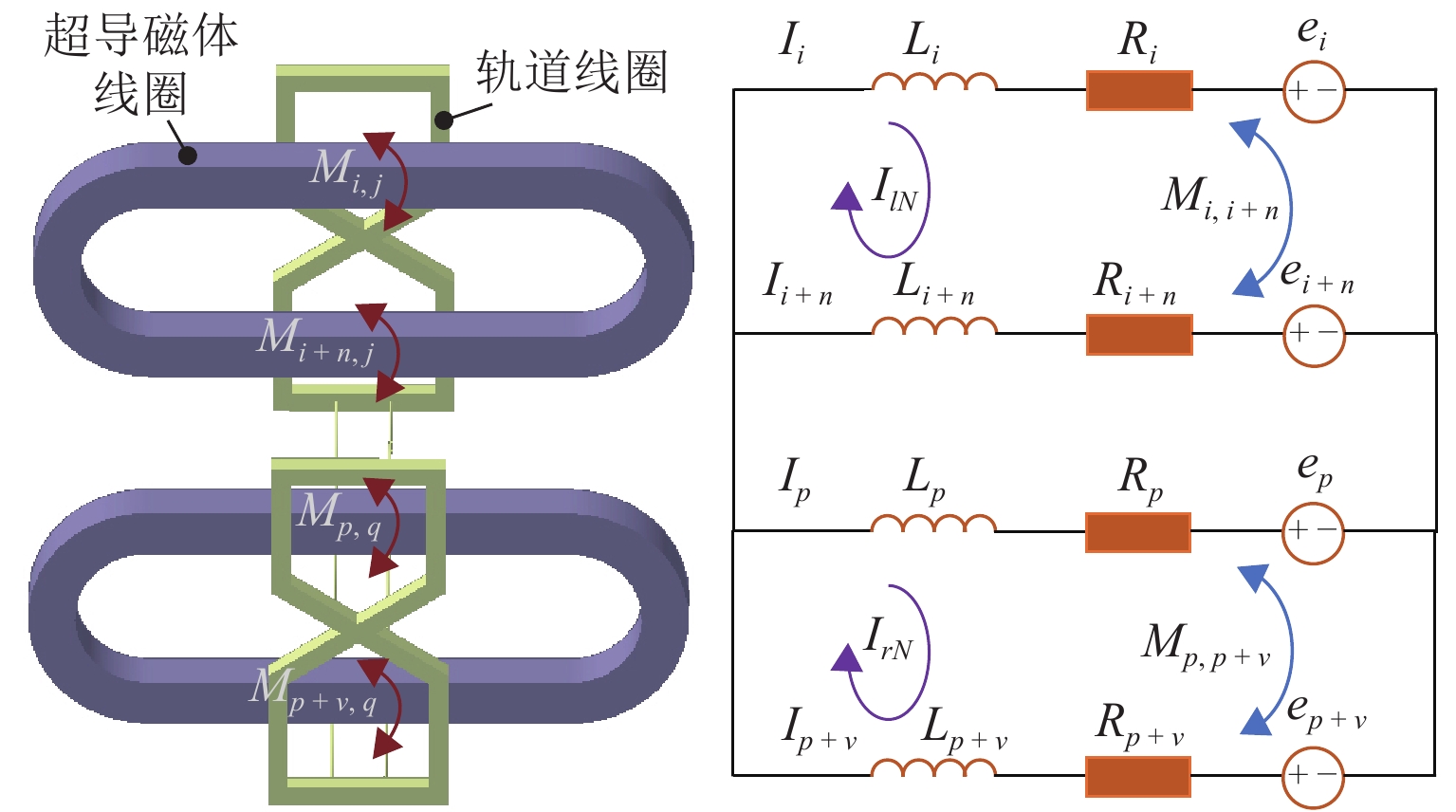

 点击查看大图
计量
- 文章访问数: 2
- HTML全文浏览量: 3
- PDF下载量: 0
- 被引次数: 0