



Multiscale Thermomechanical Coupling Analysis of Racetrack-Type NbTi Suspension Coils Under Random Pressure Loads
-
摘要:
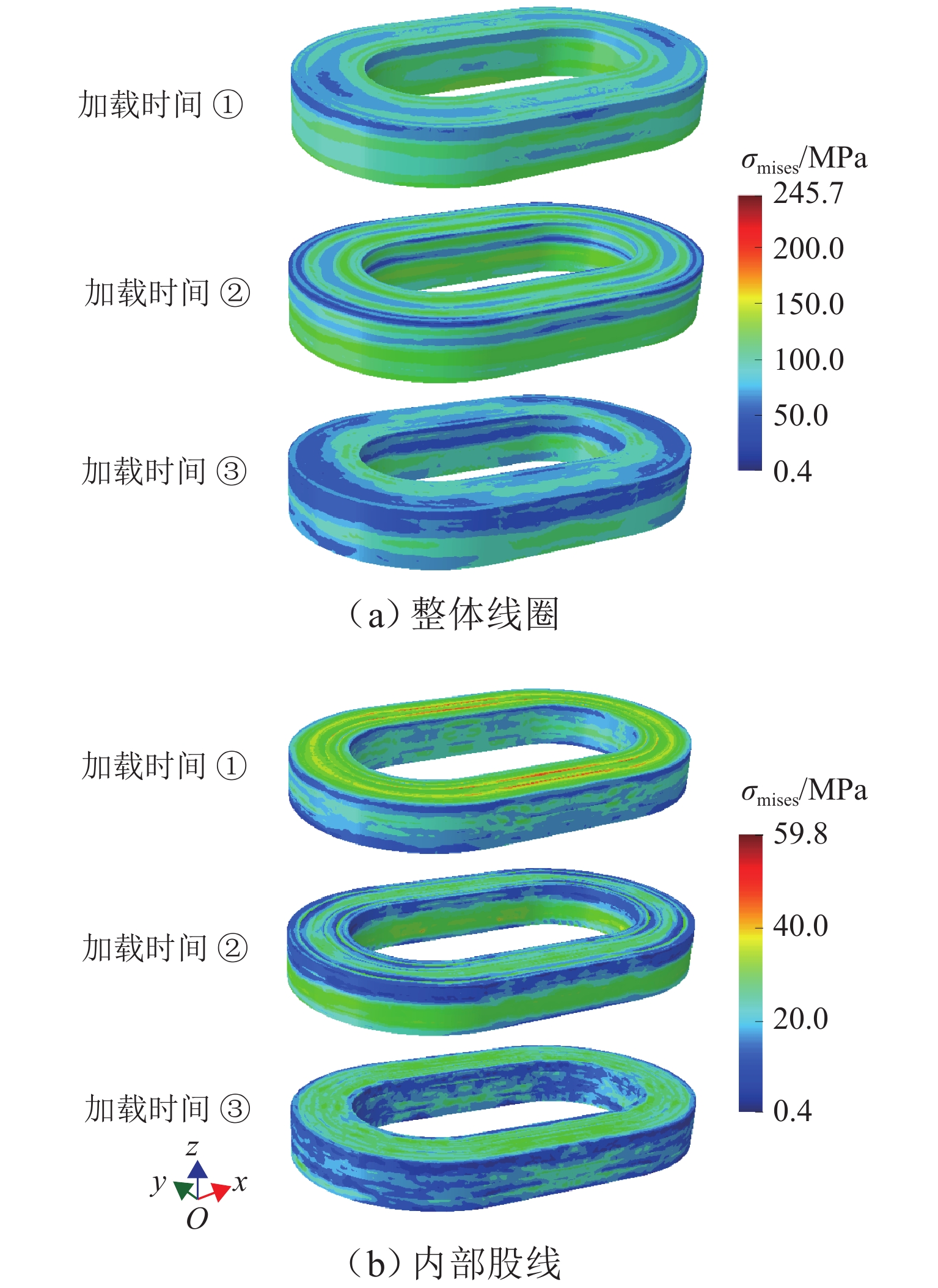
为研究随机压力载荷下跑道型NbTi超导线圈的力热耦合行为,本文建立了线圈的多尺度有限元模型,分析其在随机载荷下的应力、接触压力与温度场演化规律,并量化摩擦系数对局部温升的影响. 首先,基于多尺度计算均匀化方法,获取NbTi股线的正交各向异性等效参数,其与精细化模拟结果的相对误差小于1.05%;随后,利用该等效参数建立宏观NbTi线圈模型,结合力热耦合单元与摩擦生热属性,模拟随机压力载荷下的线圈响应. 研究结果表明:不锈钢层承担了主要载荷,其最大米塞斯(Mises)应力为245.7 MPa,而内部股线最大Mises应力仅为59.8 MPa;接触压力集中于股线与不锈钢层及股线匝间的界面,且随外载波动显著;局部温升呈现累积效应,加载初期升温缓慢,超过能量阈值后迅速上升,且摩擦系数显著影响温度峰值,当摩擦系数从0.20降低到0.01时,对应峰值温度下降了75.7%,且摩擦系数越高,高温区域占比越大;降温过程中不锈钢与NbTi股线热膨胀系数差异引发的热失配应力和应变使线圈峰值温度升至原工况的2.7倍,显著加剧股线局部温升与失超风险. 本研究揭示了摩擦系数和降温热失配效应与局部温升的定量关系,为降低NbTi股线失超风险和优化线圈结构与运行安全提供了理论依据.
Abstract:To investigate the coupled thermomechanical behavior of racetrack-shaped NbTi superconducting coils under random pressure loads, a multiscale finite element model of the coil was established to analyze the evolution of stress, contact pressure, and temperature fields under random loading and to quantify the influence of the friction coefficient on local temperature rise. First, the orthotropic equivalent parameters of the NbTi strand were obtained using the multiscale computational homogenization method, with relative errors of less than 1.05% compared with the detailed simulation results. Subsequently, a macroscopic NbTi coil model was established using these equivalent parameters, and the coil response under random pressure loading was simulated by incorporating coupled thermomechanical elements and frictional heat generation. The results show that the stainless steel layer carries most of the load, with a maximum von Mises stress of 245.7 MPa, whereas the maximum von Mises stress in the internal strands is only 59.8 MPa. The contact pressure is concentrated at the interfaces between the strands and the stainless steel layer and between adjacent strand turns, fluctuating significantly with the external loads. The local temperature rise exhibits a cumulative effect, increasing slowly during the initial loading stage but rising rapidly once the energy threshold is exceeded. Moreover, the friction coefficient significantly affects the peak temperature. When the friction coefficient decreases from 0.20 to 0.01, the corresponding peak temperature decreases by 75.7%, and a higher friction coefficient results in a larger proportion of the high-temperature region. During cooling, thermal mismatch stresses and strains caused by the difference in the coefficients of thermal expansion of stainless steel and NbTi strands raise the coil’s peak temperature to 2.7 times its value under the original operating conditions, significantly increasing local strand heating and the risk of a quench. The quantitative relationships among the friction coefficient, thermal mismatch during cooling, and local temperature rise are revealed, providing a theoretical basis for reducing the quench risk of NbTi strands, optimizing coil structure, and improving operational safety.
-
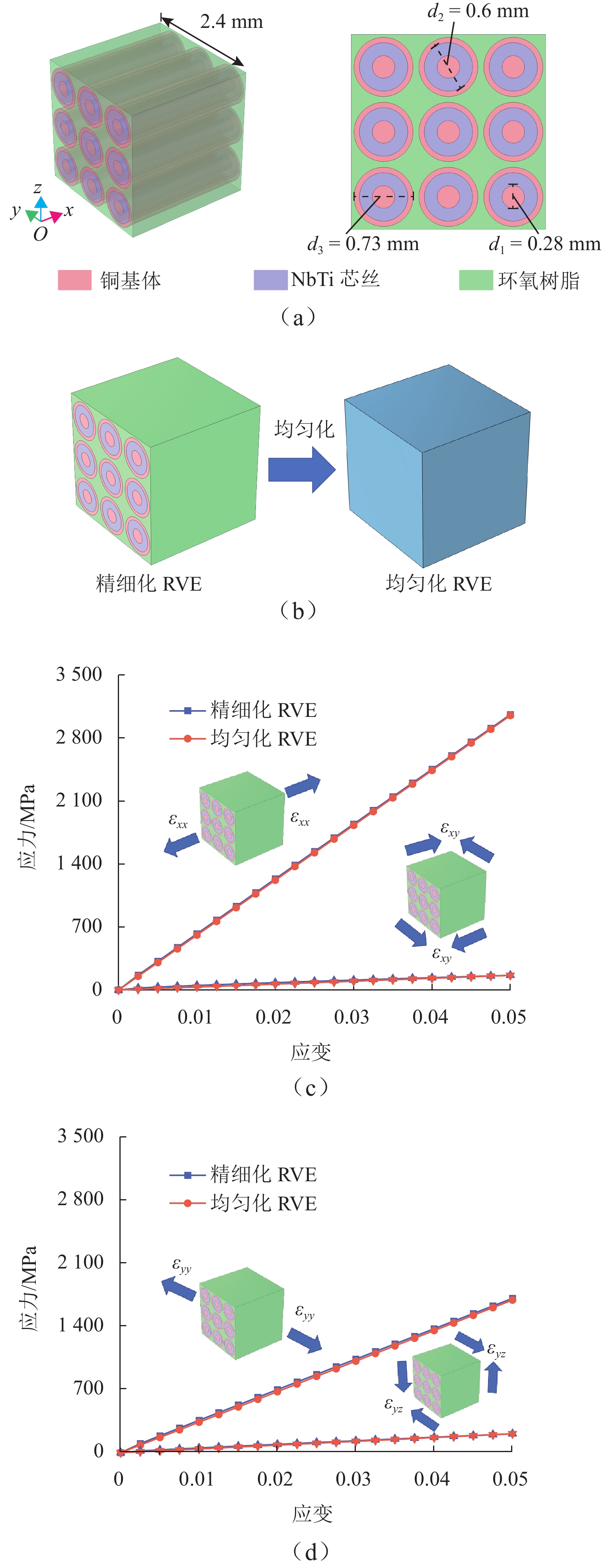
图 1 细观NbTi股线RVE模型和均匀化过程以及精细化和均匀化得到的细观RVE应力应变曲线
Figure 1. Mesoscale RVE model of NbTi strand, homogenization process, and stress-strain curves obtained from detailed simulation and homogenization
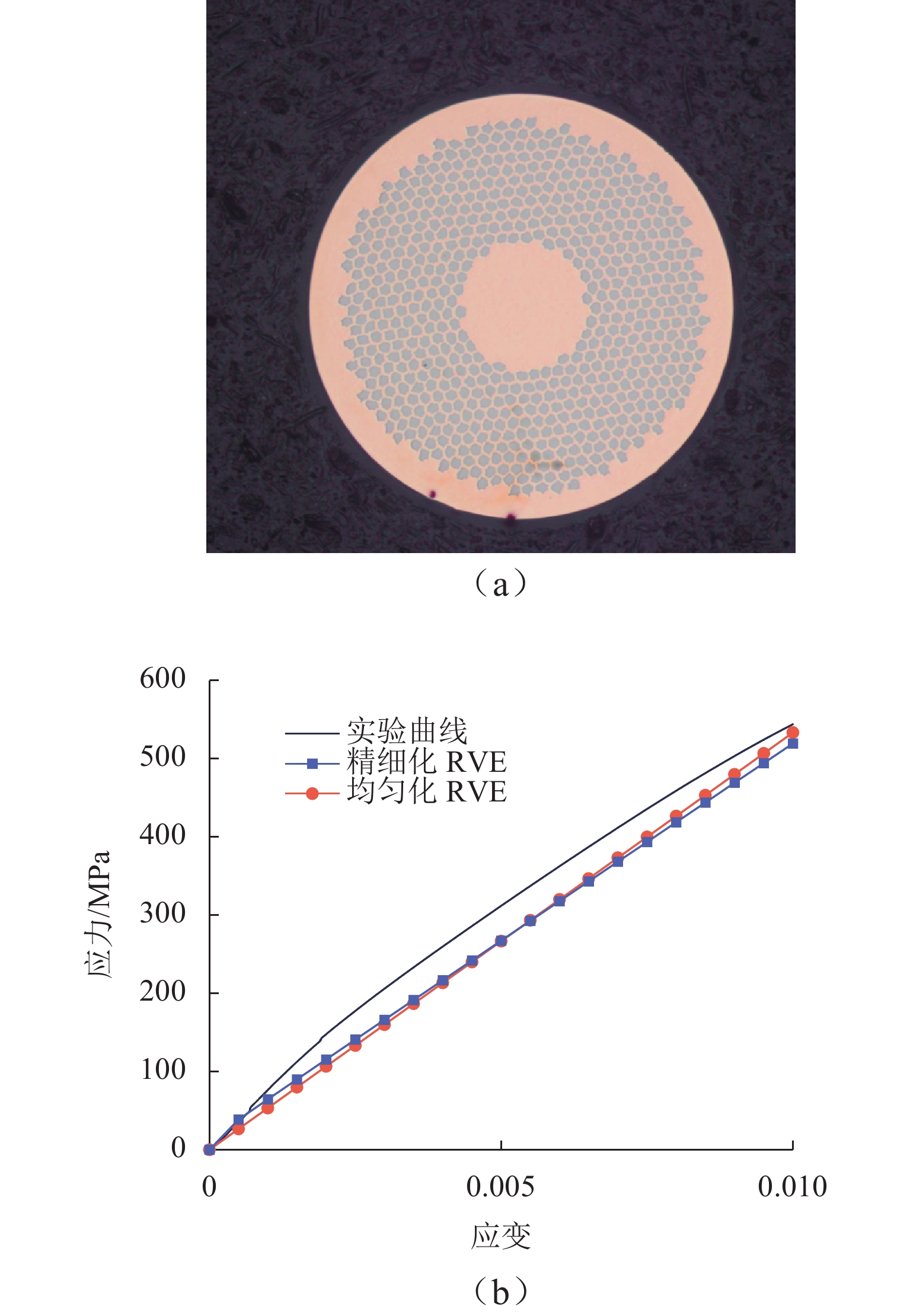
图 2 实验股线横截面和数值模拟与实验测量的应力-应变曲线
Figure 2. Cross-section of NbTi strand specimen and stress-strain curves from numerical simulation and experimental measurements
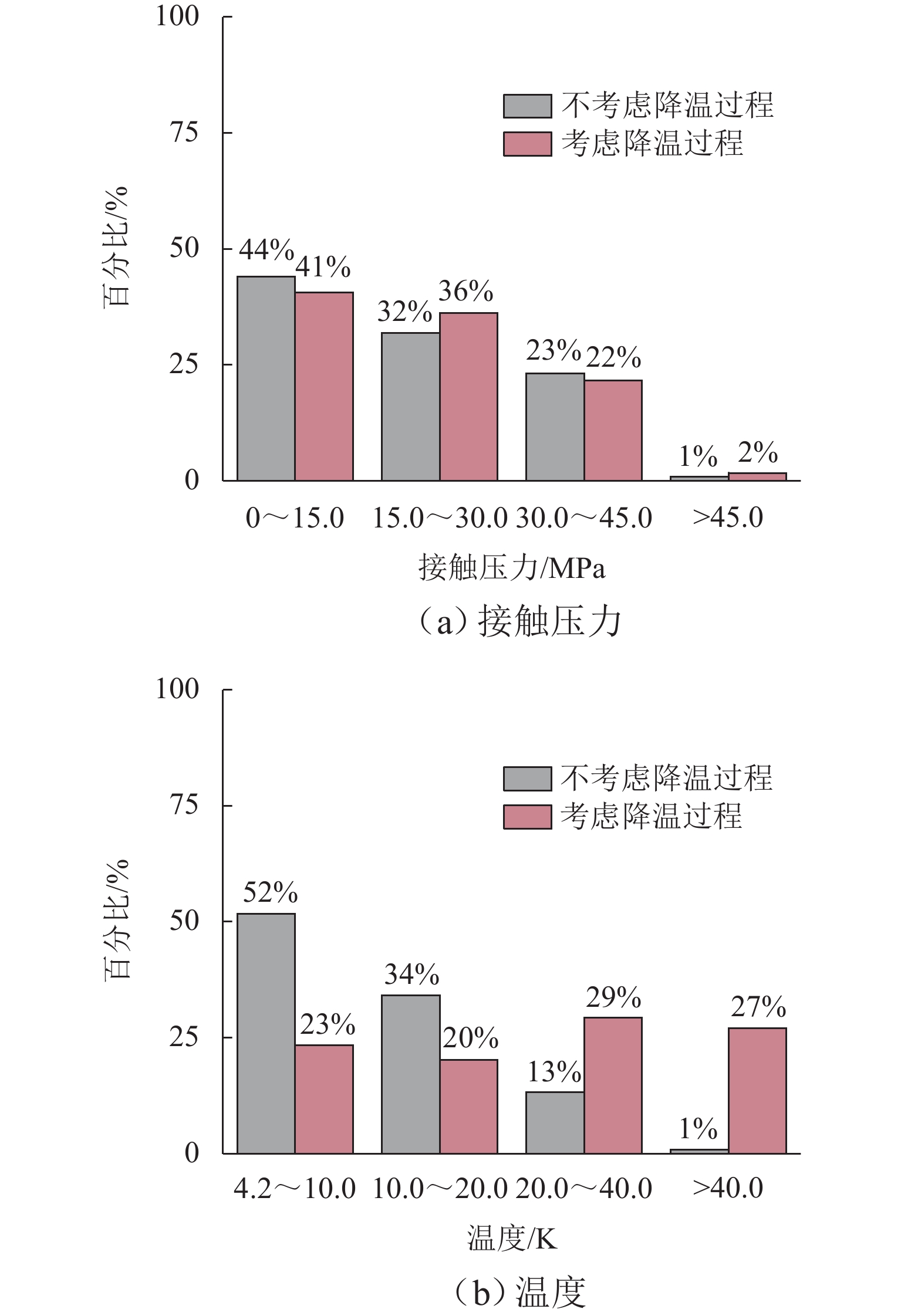
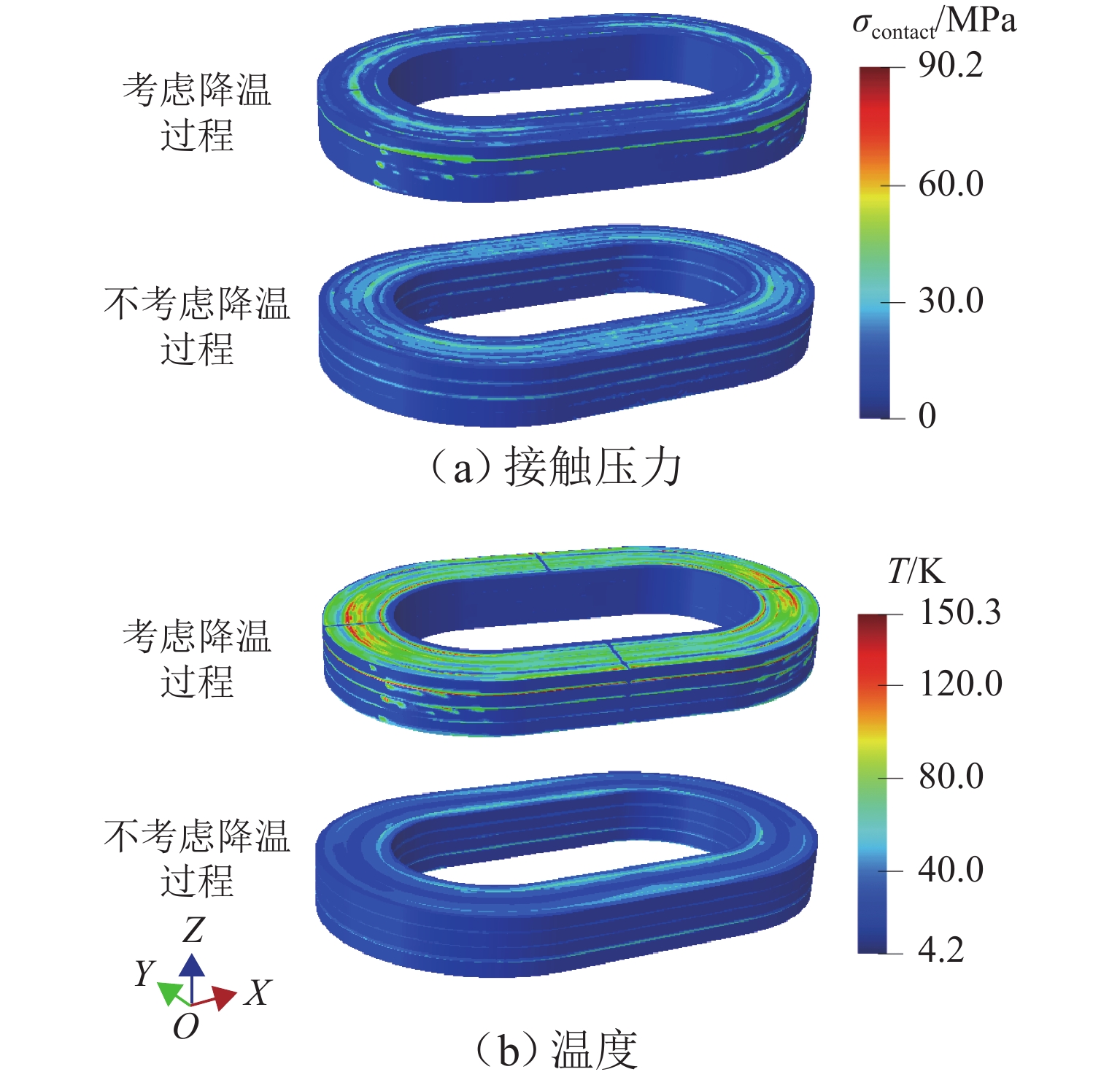
图 11 考虑与不考虑降温过程时内部股线的接触压力
Figure 11. Statistical distributions of contact pressure and temperature in internal strands with and without cooling
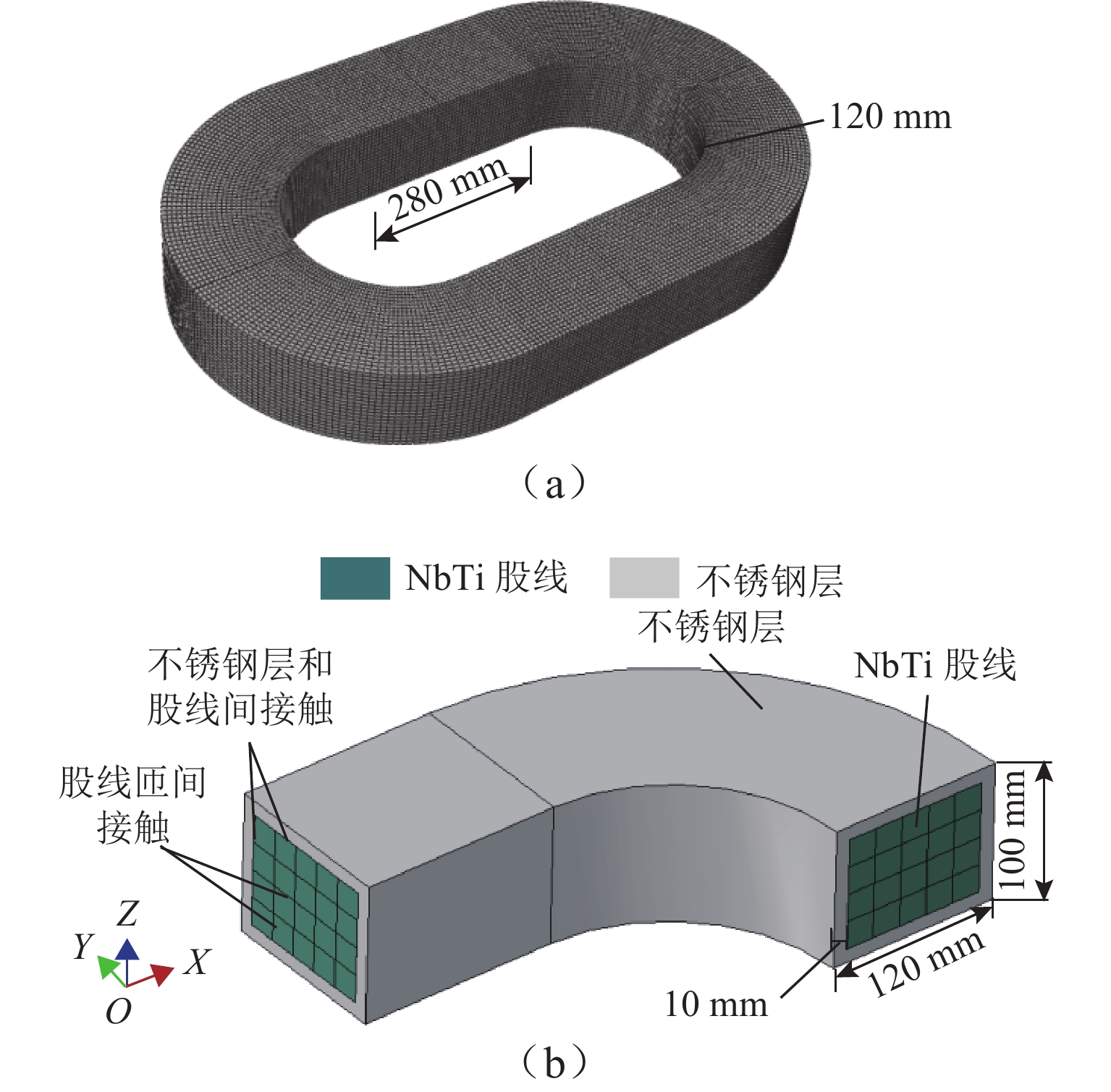
图 3 宏观跑道型NbTi线圈模型和接触设置
Figure 3. Macroscopic racetrack-type NbTi coil model and contact settings
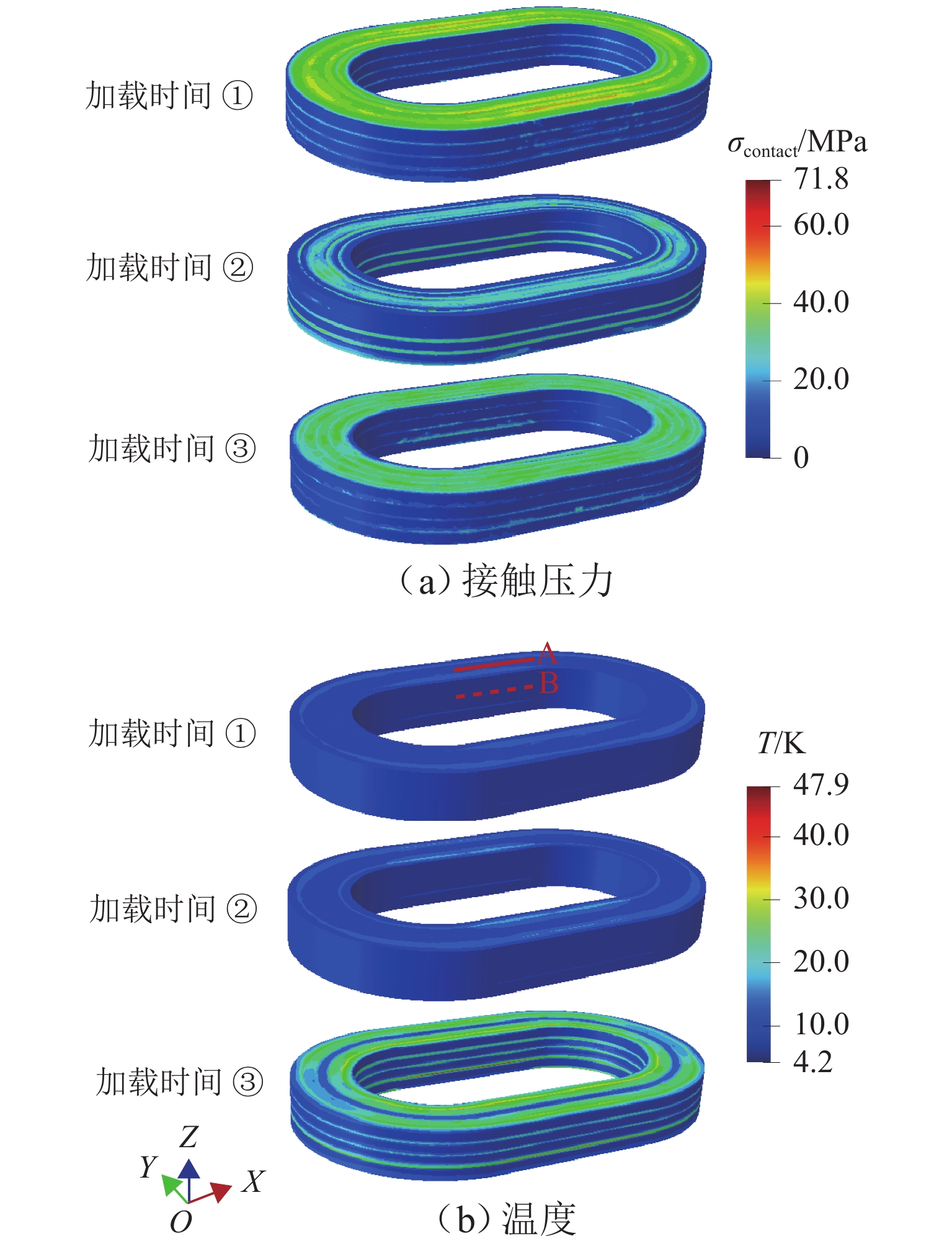
图 6 不同加载时间下内部股线的接触压力和温度分布
Figure 6. Contact pressure and temperature distributions in internal strands at different loading times
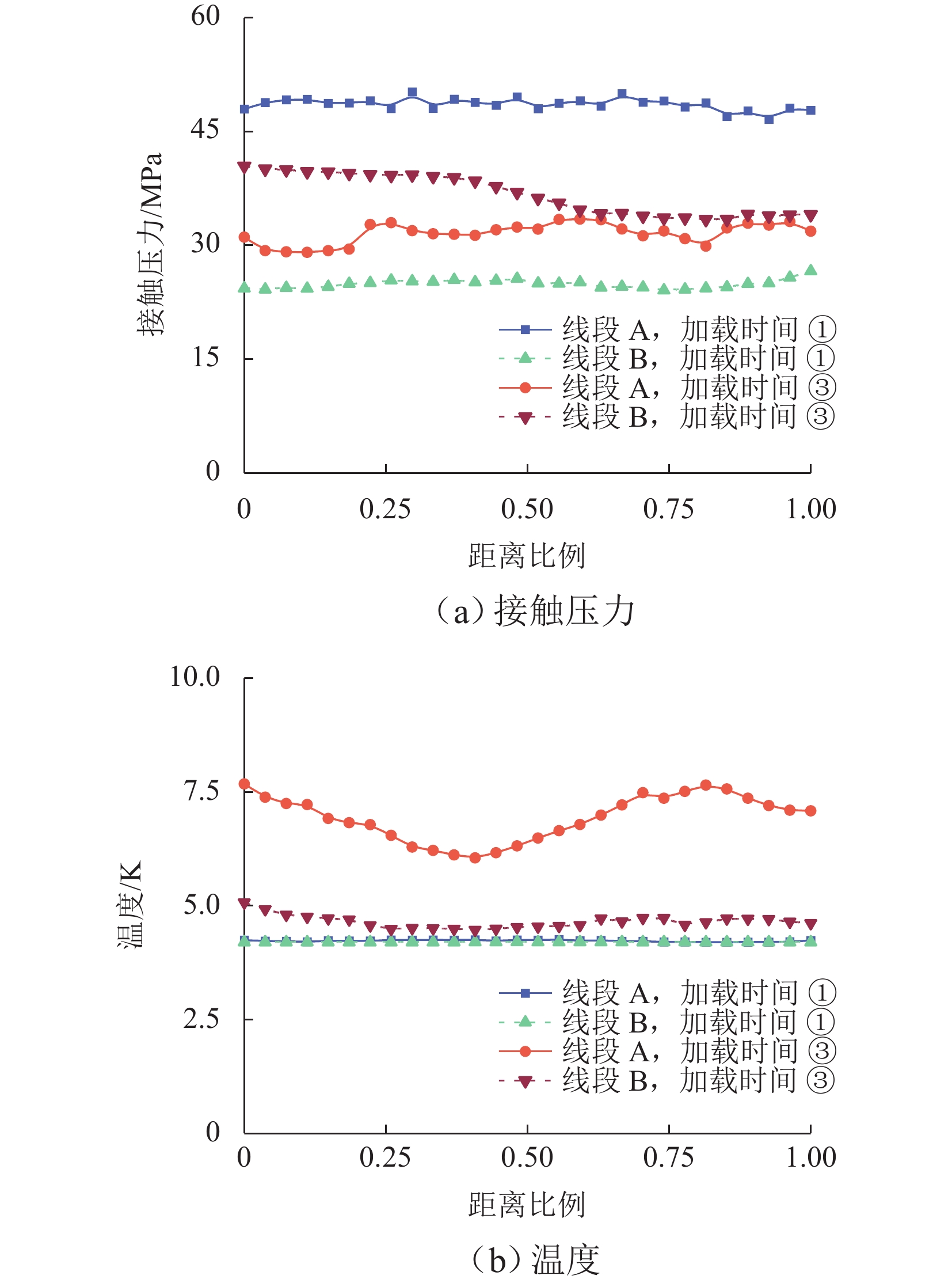
图 7 不同加载时间下线段A和B的接触压力和温度
Figure 7. Contact pressure and temperature along line segments A and B at different loading times
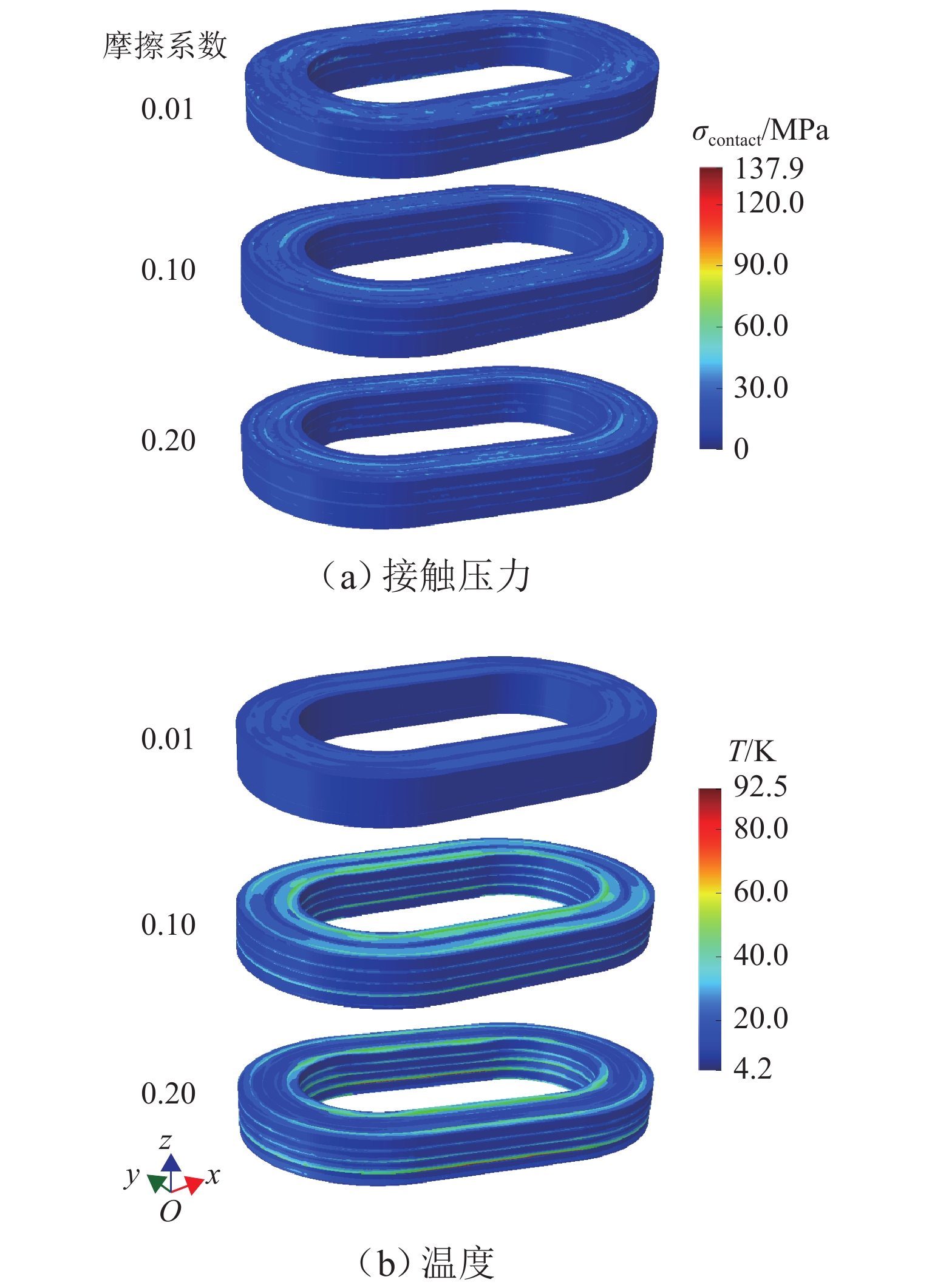
图 8 不同摩擦系数时内部股线的接触压力和温度分布
Figure 8. Contact pressure and temperature distributions in internal strands at different friction coefficients
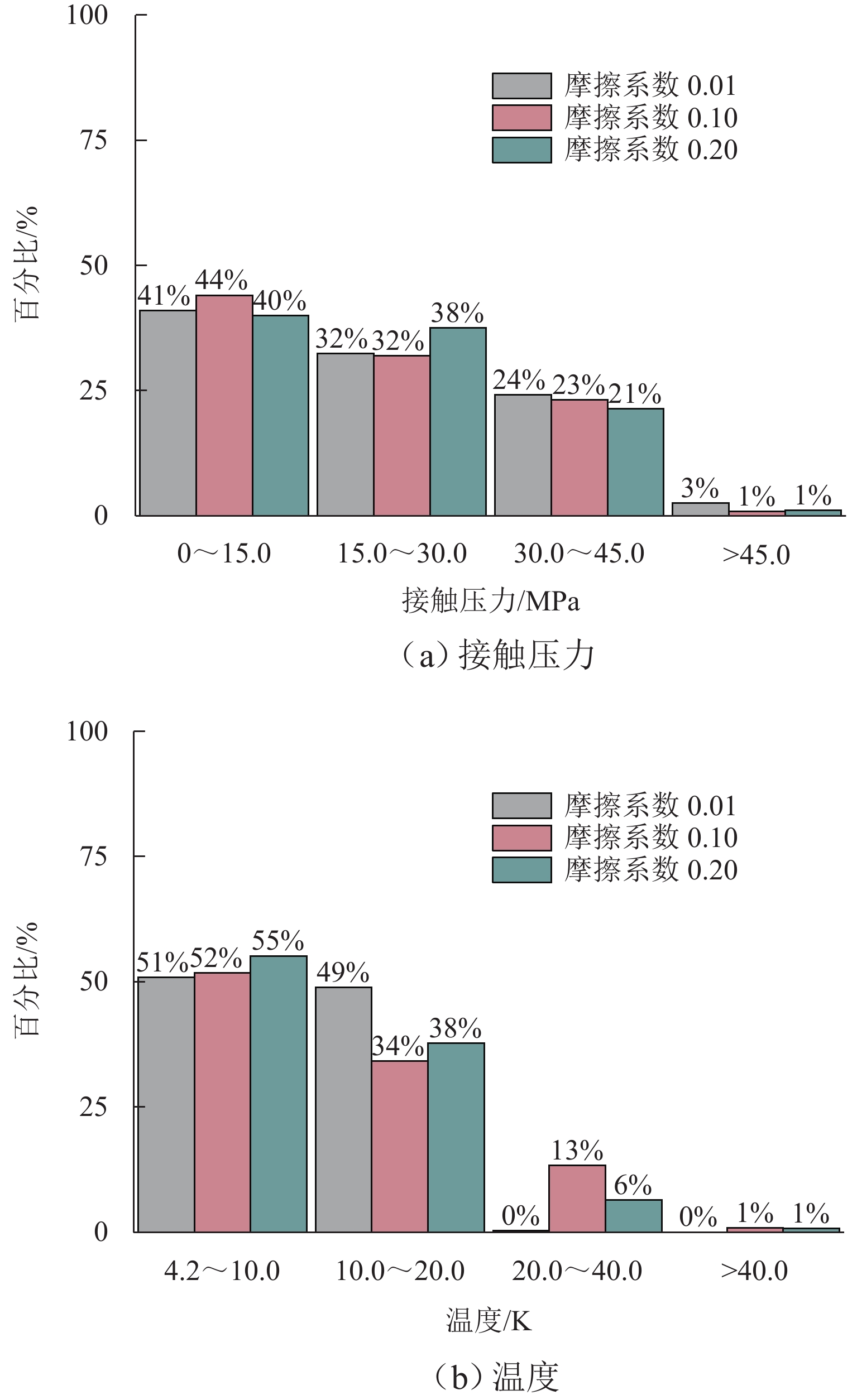
图 9 不同摩擦系数时内部股线的接触压力和温度统计分布情况
Figure 9. Statistical distributions of contact pressure and temperature in internal strands at different friction coefficients
-
[1] Banno N. Low-temperature superconductors: Nb3Sn, Nb3Al, and NbTi[J]. Superconductivity, 2023, 6: 100047. doi: 10.1016/j.supcon.2023.100047 [2] Wang Y L, Wang S C, Liang P, et al. Design, construction and performance testing of a 1.5 T cryogen-free low-temperature superconductor whole-body MRI magnet[J]. Superconductor Science and Technology, 2023, 36(4): 045002. doi: 10.1088/1361-6668/acb467 [3] Bird M D. Superconducting magnet technology for the outer coils of resistive-superconducting hybrid magnets[J]. Superconductor Science and Technology, 2024, 37(12): 123003. doi: 10.1088/1361-6668/ad8af0 [4] 赵春发, 李煜寒, 彭也也, 等. 超导电动悬浮列车明线气动特性及其对悬浮状态的影响[J]. 西南交通大学学报, 2025, 60(4): 793-802. doi: 10.3969/j.issn.0258-2724.20240470Zhao Chunfa, Li Yuhan, Peng Yeye, et al. Aerodynamic characteristics of open wire of superconducting maglev train and its influence on levitation state[J]. Journal of Southwest Jiaotong University, 2025, 60(4): 793-802. doi: 10.3969/j.issn.0258-2724.20240470 [5] 王津, 葛琼璇, 赵鲁. 超导电动悬浮非对称系统多目标优化设计[J]. 西南交通大学学报, 2025, 60(4): 884-892. doi: 10.3969/j.issn.0258-2724.20240477Wang Jin, Ge Qiongxuan, Zhao Lu. Multi-objective asymmetric design for optimizing superconducting electrodynamic suspension system[J]. Journal of Southwest Jiaotong University, 2025, 60(4): 884-892. doi: 10.3969/j.issn.0258-2724.20240477 [6] 刘士苋, 王磊, 王路忠, 等. 电动悬浮列车及车载超导磁体研究综述[J]. 西南交通大学学报, 2023, 58(4): 734-753. doi: 10.3969/j.issn.0258-2724.20220621Liu Shixian, Wang Lei, Wang Luzhong, et al. Review on electrodynamic suspension trains and on-board superconducting magnets[J]. Journal of Southwest Jiaotong University, 2023, 58(4): 734-753. doi: 10.3969/j.issn.0258-2724.20220621 [7] Kaur N, Mona, Kaur R, et al. Superconductors for energy storage[J]. Electroceramics for High Performance Supercapacitors. 2023: 95-134. [8] Liu W, Wang L C, Ma P, et al. Multiscale mechanical responses of the racetrack NbTi superconducting coil under dynamic pressures[J]. Materials, 2025, 18(17): 4072. doi: 10.3390/ma18174072 [9] Chen Y Q, Ma L Z, Wu W, et al. Design of a conduction-cooled 4 T superconducting racetrack for a multi-field coupling measurement system[J]. Chinese Physics C, 2015, 39(12): 129001. doi: 10.1088/1674-1137/39/12/129001 [10] Kosse J J, Wessel W J, Zhou C, et al. Mechanical design of a superconducting demonstrator for magnetic density separation[J]. Superconductor Science and Technology, 2021, 34(11): 115019. doi: 10.1088/1361-6668/ac2c0f [11] Hong Z, Yuan W, Ainslie M, et al. AC losses of superconducting racetrack coil in various magnetic conditions[J]. IEEE Transactions on Applied Superconductivity, 2011, 21(3): 2466-2469. doi: 10.1109/TASC.2010.2084065 [12] Han S, Zhang J, Xiong X H, et al. Influence of high-speed maglev train speed on tunnel aerodynamic effects[J]. Building and Environment, 2022, 223: 109460. doi: 10.1016/j.buildenv.2022.109460 [13] Haack J. Superconductivity for nuclear fusion: past, present, and future[J]. Arabian Journal for Science and Engineering, 2025, 50(5): 3233-3237. doi: 10.1007/s13369-024-08720-4 [14] Sumption M D, Collings E W, Scanlan R M, et al. Influence of strand surface condition on interstrand contact resistance and coupling loss in NbTi-wound Rutherford cables[J]. Cryogenics, 1999, 39(3): 197-208. doi: 10.1016/S0011-2275(99)00021-1 [15] Feng Y X, Yong H D, Zhou Y H. Efficient multiscale investigation of mechanical behavior in Nb3Sn superconducting accelerator magnet based on self-consistent clustering analysis[J]. Composite Structures, 2023, 324: 117541. doi: 10.1016/j.compstruct.2023.117541 [16] 葛正福, 李超, 刘伟, 等. 强磁场Nb3Sn-NbTi超导磁体传热实验与模拟分析[J]. 自动化技术与应用, 2025, 44(5): 94-98. doi: 10.20033/j.1003-7241.(2025)05-0094-05Ge Zhengfu, Li Chao, Liu Wei, et al. Heat transfer experiment and simulation analysis of Nb3Sn NbTi superconducting magnet with strong magnetic field[J]. Techniques of Automation and Applications, 2025, 44(5): 94-98. doi: 10.20033/j.1003-7241.(2025)05-0094-05 [17] 焦若姗, 童玉锦, 关明智. 低温超导线圈失超过程中力学及多场效应[J]. 低温与超导, 2022, 50(9): 16-22. doi: 10.16711/j.1001-7100.2022.09.003Jiao Ruoshan, Tong Yujin, Guan Mingzhi. Mechanical responses and multi-field effects during quench process in LTS coil[J]. Cryogenics and Superconductivity, 2022, 50(9): 16-22. doi: 10.16711/j.1001-7100.2022.09.003 [18] Zhou W, Zhang Z H, Zhang W W, et al. Coupled thermo-mechanical analysis of racetrack NbTi superconducting coil under pressures and electromagnetic forces[J]. Cryogenics, 2026, 153: 104267. doi: 10.1016/j.cryogenics.2025.104267 [19] Zhu Y M, Guo Q, Zhang P X, et al. Study on the microstructure of high magnetic field (≥ 9 T) NbTi superconducting wire[J]. IEEE Transactions on Applied Superconductivity, 2024, 34(3): 1-4. doi: 10.1109/tasc.2024.3351626 [20] Zheng J X, Zou C L, Liu X F, et al. Development of high current density, compactness NbTi superconducting coil for the maglev system[J]. IEEE Transactions on Applied Superconductivity, 2023, 33(1): 4900205. doi: 10.1109/tasc.2022.3224615 [21] Kimura Y, Emori Y, Miyazaki H, et al. Electromagnetic analysis evaluation of split NbTi superconducting magnet for scaled-up active magnetic regenerative refrigeration system[J]. IEEE Transactions on Applied Superconductivity, 2025, 35(5): 4900305. doi: 10.1109/tasc.2024.3512515 [22] 成健, 胡力广, 王起悦, 等. 复合超导体及其应用研究进展[J]. 低温与超导, 2024, 52: 9-16. doi: 10.16711/j.1001-7100.2024.10.002Cheng Jian, Hu Liguang, Wang Qiyue, et al. Research progress on hybrid superconductor and its applications[J]. Cryogenics & Superconductivity, 2024, 52: 9-16 doi: 10.16711/j.1001-7100.2024.10.002 [23] Feng Y X, Yong H D. Efficient multiscale simulation for damage behaviors in Nb3Sn superconducting strands and cables[J]. Composite Structures, 2025, 359: 119021. doi: 10.1016/j.compstruct.2025.119021 [24] Pan Y P, He X B, Zhou B J, et al. Elastic properties of a Sc–Zr–Nb–Ta–Rh–Pd high-entropy alloy superconductor[J]. Materials Today Communications, 2022, 33: 104265. doi: 10.1016/j.mtcomm.2022.104265 [25] DAVIES A. Material properties data for heat transfer modeling in Nb3Sn magnets[J]. Illinois Accelerator Institute. 2011: 1-53. [26] Xin C J, Wang X Z, Guan M Z, et al. Measurement of thermal expansion of superconducting wires at cryogenic temperature based on tensile method[J]. Journal of Superconductivity and Novel Magnetism, 2015, 28(2): 437-442. doi: 10.1007/s10948-014-2762-2 [27] Vipulanandan C, Salib S. Stainless steel fibers in high temperature superconductor composite[J]. Materials Research Bulletin, 1991, 26(9): 951-958. doi: 10.1016/0025-5408(91)90177-N -

 下载:

 点击查看大图
计量
- 文章访问数: 2
- HTML全文浏览量: 1
- PDF下载量: 0
- 被引次数: 0