



Design and Optimization of Positioning Leaf Spring with Variable Cross Section and Two Cantilever Arms for Lunar South Pole Exploration
-
摘要:
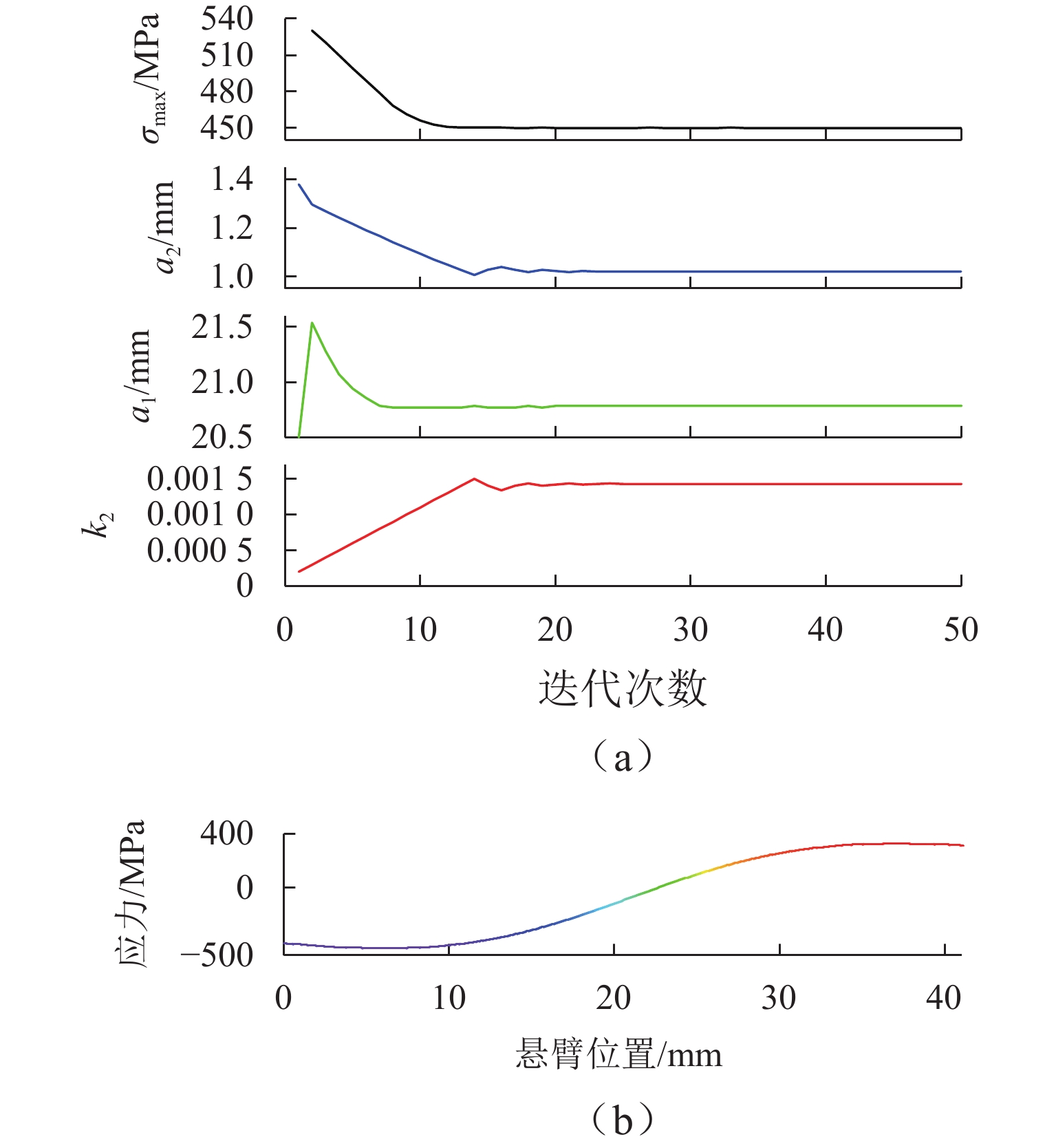
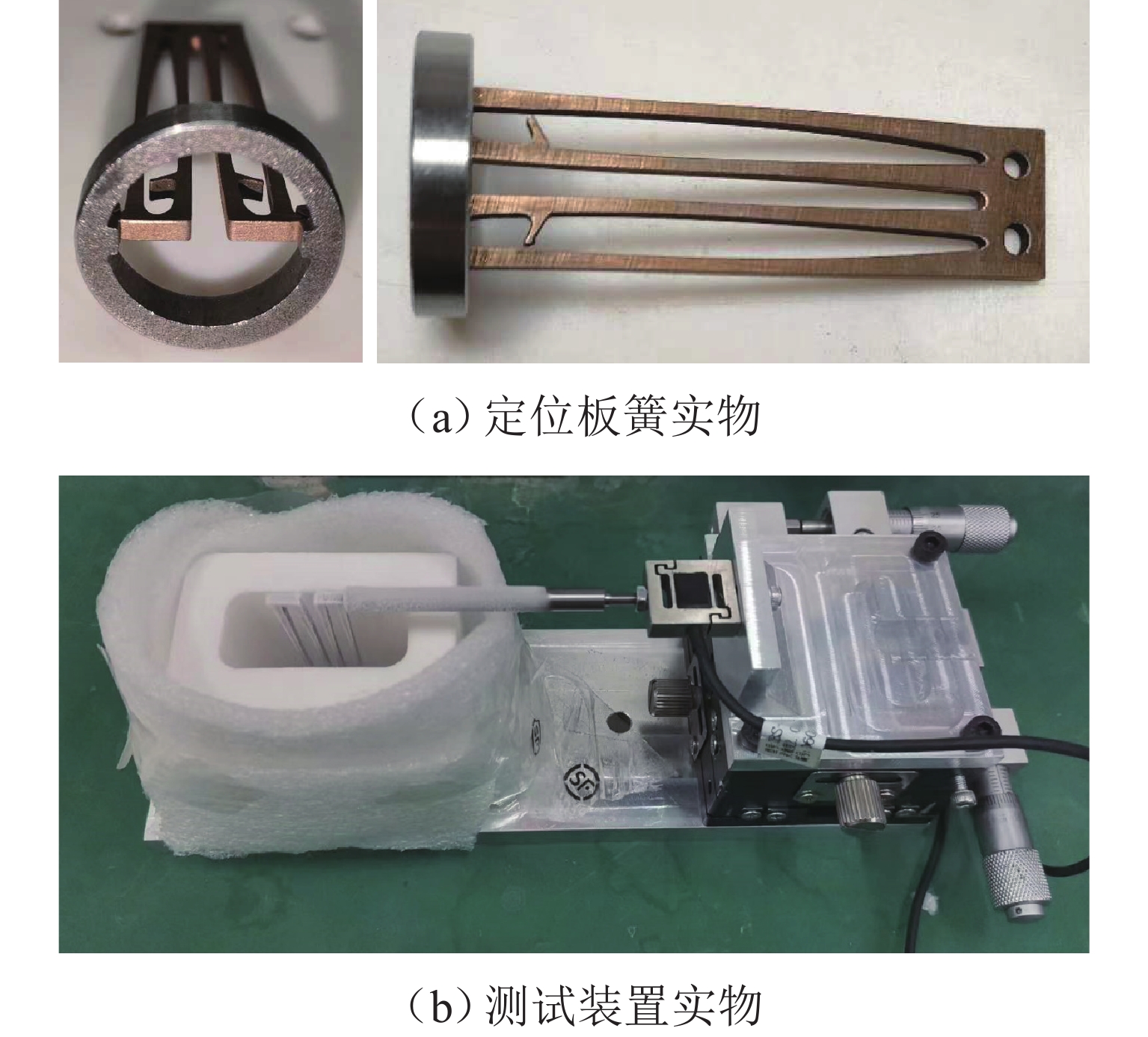
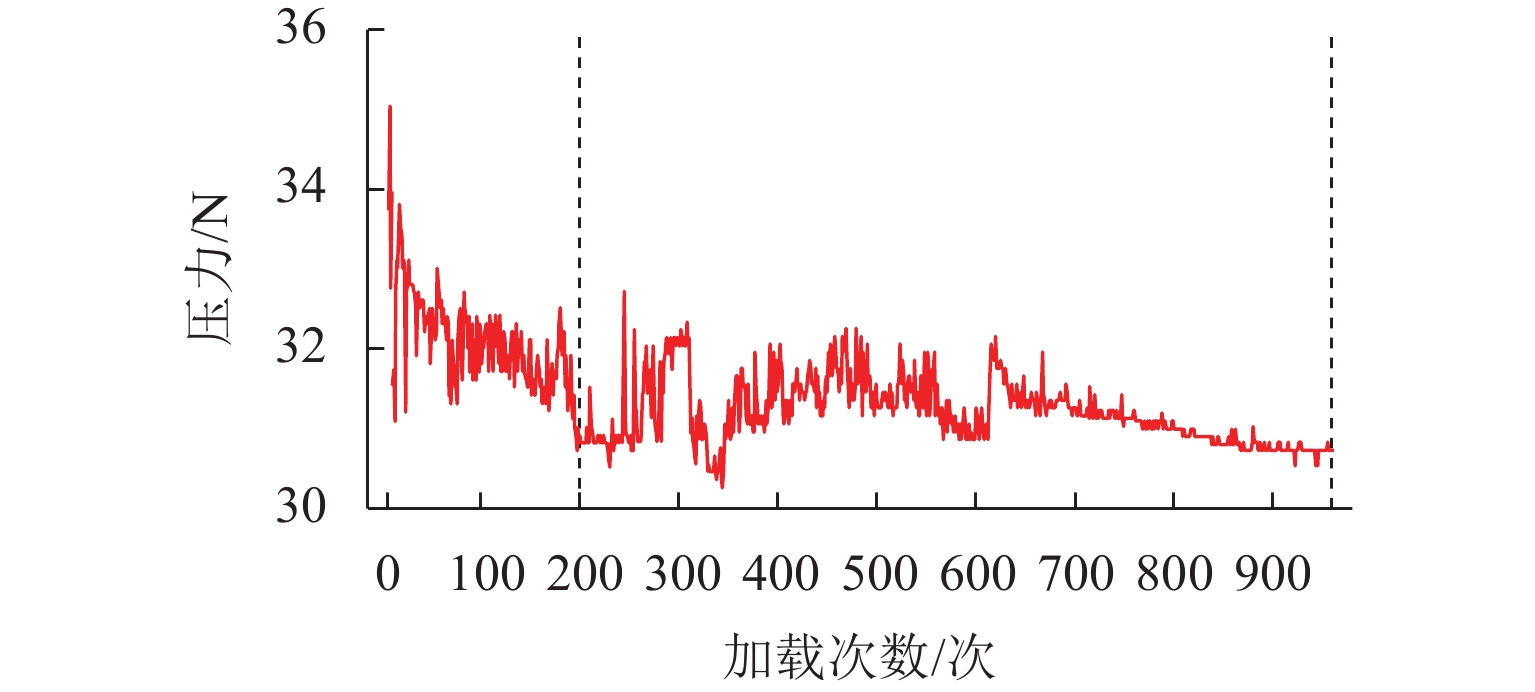
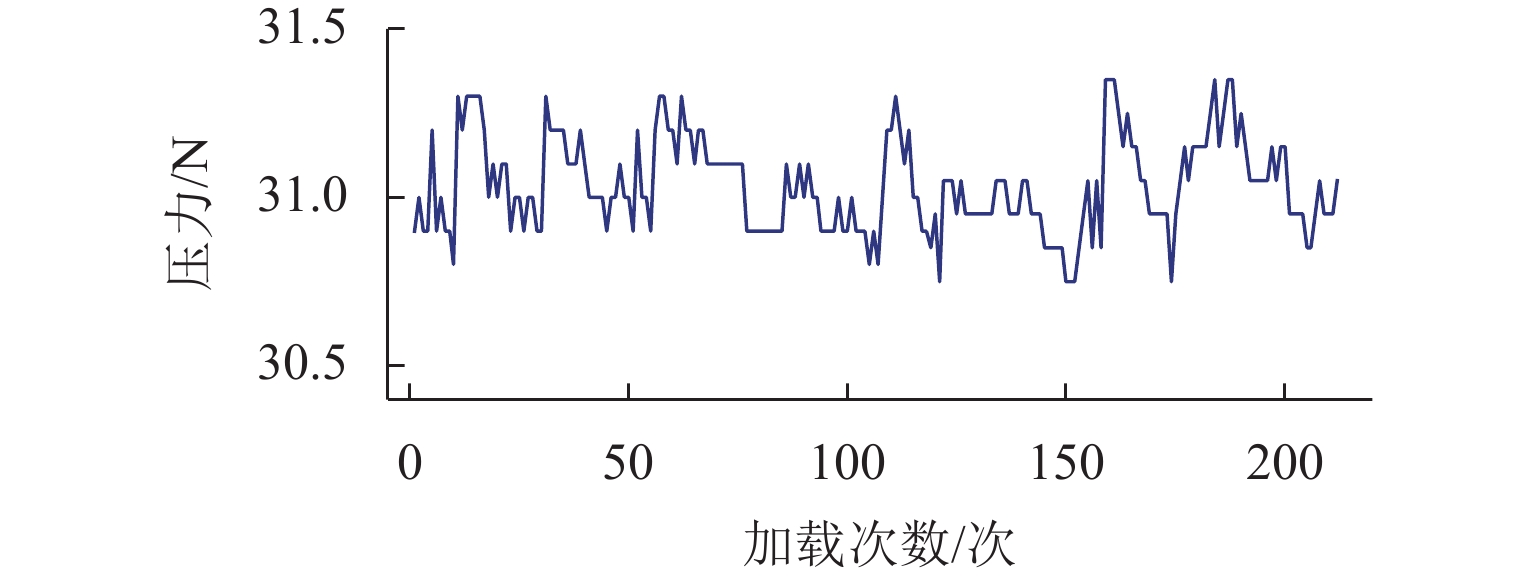
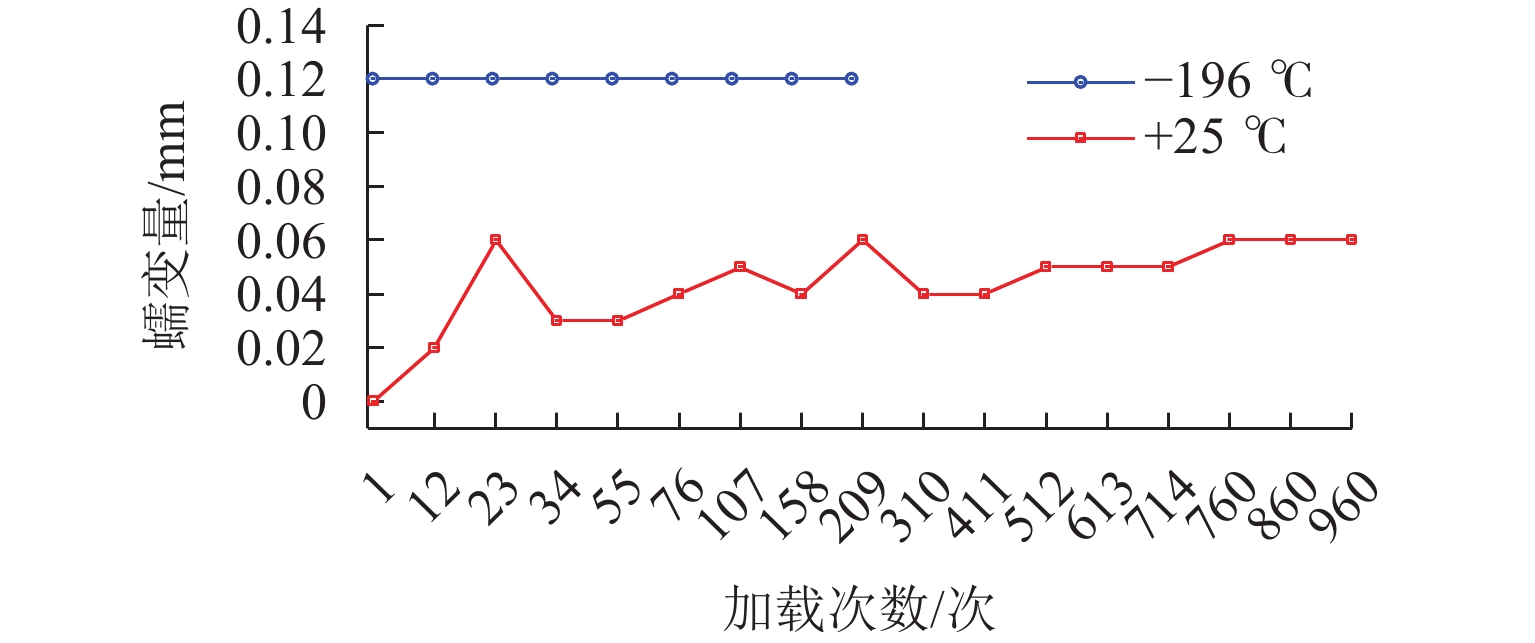
为满足月球南极巡视探测任务中月壤定量取样单元的定位需求,设计了一种变截面双联悬臂定位板簧,并提出一种多参数多目标迭代优化设计方法. 定位板簧集成于取样单元驱动轴内部,利用径向柔顺、轴向高刚度的特性解耦取样与送样动作,使取样单元以单一驱动实现2种功能. 首先,建立定位板簧受力分析模型,推导悬臂弯矩分布与截面参数之间的解析关系;其次,以截面形状系数、截面形状中心位置和截面最小高度为优化变量,以悬臂长度、目标载荷和目标位移为设计目标,采用变学习率循环数值迭代求解最优悬臂轮廓,并按等最优应力原则计算得到悬臂长度-目标载荷-目标位移关系数据,完成板簧构型的选型设计;最后,通过有限元仿真常温、低温刚度试验验证设计结果. 结果表明:1)优化后板簧最大应力由593.89 MPa降至约456 MPa,减小23.23%,安全裕度由0.90提升至1.5;迭代计算与仿真结果的位移误差为0.717%,应力误差为1.35%;板簧轴向刚度达径向刚度的99.91倍. 2)常温760次与低温(−196 ℃)209次刚度试验的平均压并载荷分别为31.20 N和31.04 N,与设计载荷31 N的误差为0.65%,载荷波动与蠕变量在整个试验过程中保持稳定;板簧质量4.5 g,较传统波珠柱塞定位方案减重3.5 g. 所提方法为深空探测等极端环境下的弹性元件设计提供了一种新途径.
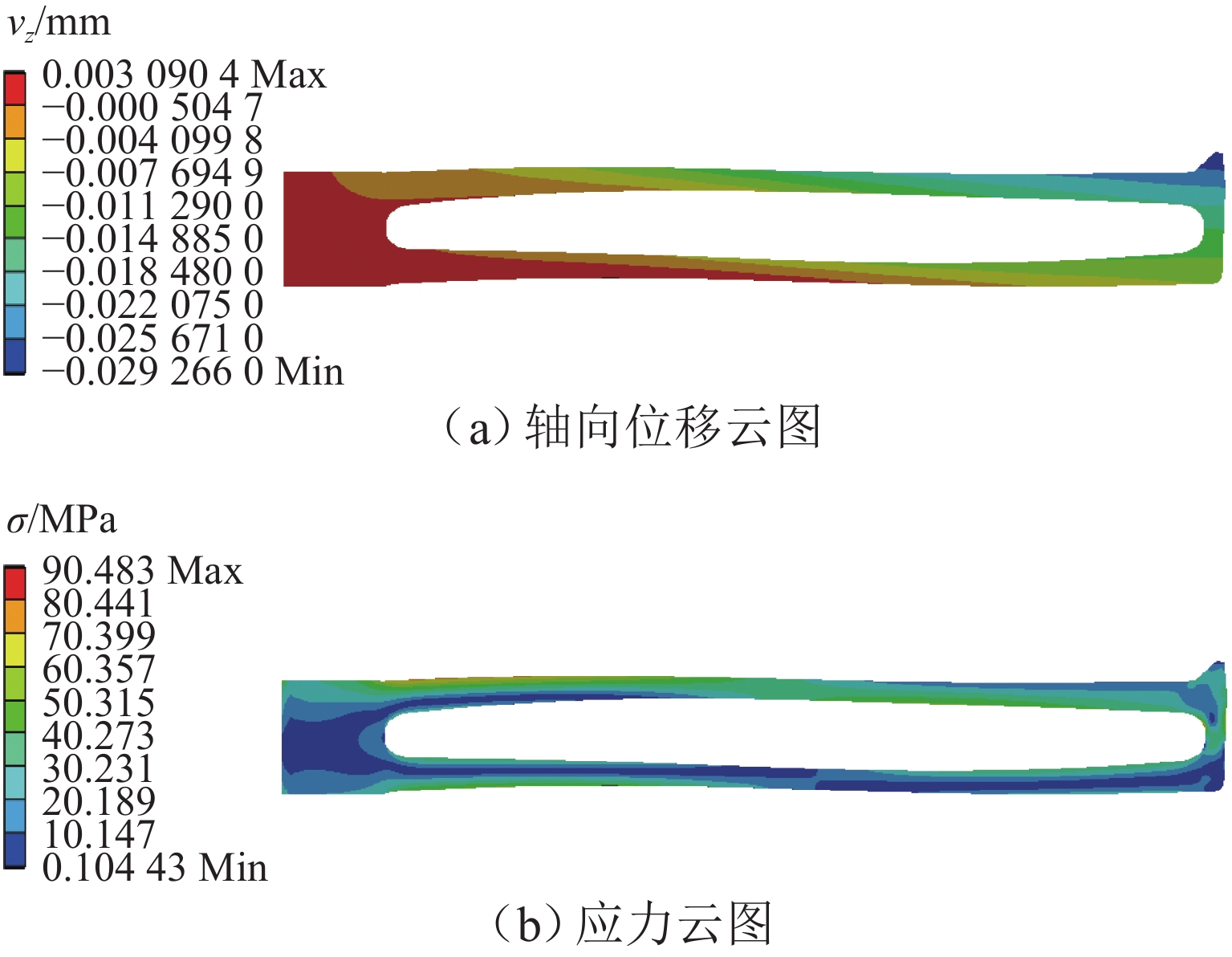
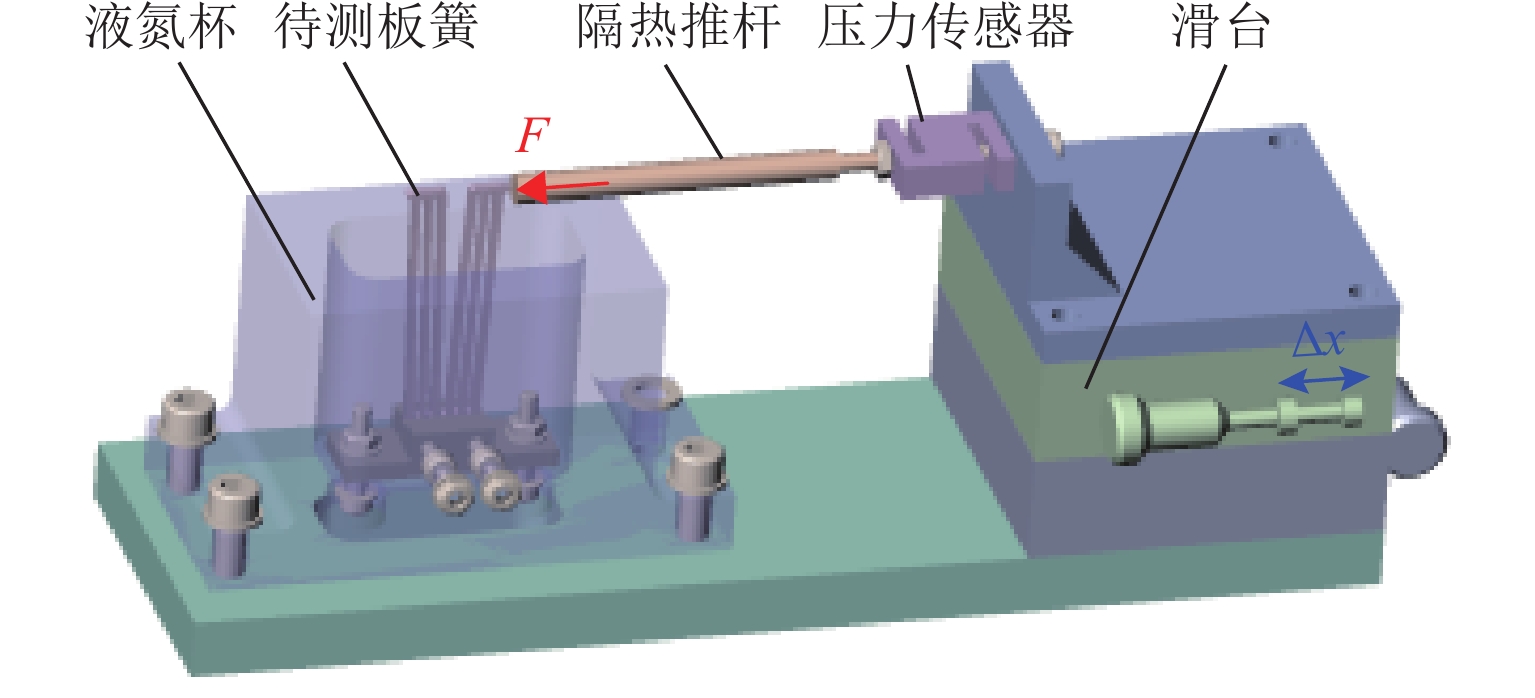
Abstract:To meet the positioning requirements of the lunar regolith quantitative sampling unit (LRQSU) for a mission to explore the lunar south pole, a positioning leaf spring with a variable cross section and two cantilever arms was designed, and an iterative optimization method accounting for multiple parameters and objectives was proposed. Integrated inside the drive shaft of the sampling unit, the spring decouples the sampling and sample delivery operations through its radial compliance and high axial stiffness, enabling the unit to perform both functions with a single drive. First, a force analysis model of the spring was established, and an analytical relationship was derived between the bending moment distribution and the parameters of the cantilever cross section. Second, the optimal cantilever profile was determined using a numerical iterative method with an adaptive learning rate. The optimization variables were the shape coefficient and center position of the section profile, along with its minimum height. The design objectives were cantilever length, target load, and target displacement. The relationships among cantilever length, target load, and target displacement were then calculated using the principle of equal optimal stress to guide the selection of the spring configuration. Finally, the design was validated through finite element simulation and stiffness tests at room and cryogenic temperatures. The results show that the maximum stress of the optimized spring decreases from 593.89 MPa to approximately 456 MPa, a reduction of 23.23%, while the safety margin increases from 0.90 to 1.5. The discrepancies between the iterative calculations and simulation results are 0.717% for displacement and 1.35% for stress, respectively, and the spring’s axial stiffness is 99.91 times its radial stiffness. The average loads measured at solid height were 31.20 N over 760 stiffness test cycles at room temperature and 31.04 N over 209 stiffness test cycles at −196 °C. The maximum deviation from the design load of 31 N was 0.65%. Load fluctuations and creep deformation remain stable throughout the tests. The spring weighs 4.5 g, which is 3.5 g less than the conventional positioning mechanism with a ball plunger. The proposed method provides a new approach for designing elastic components for extreme environments, including deep space exploration.
-
Key words:
- positioning leaf spring /
- spring design /
- structural optimization /
- numerical iteration
-
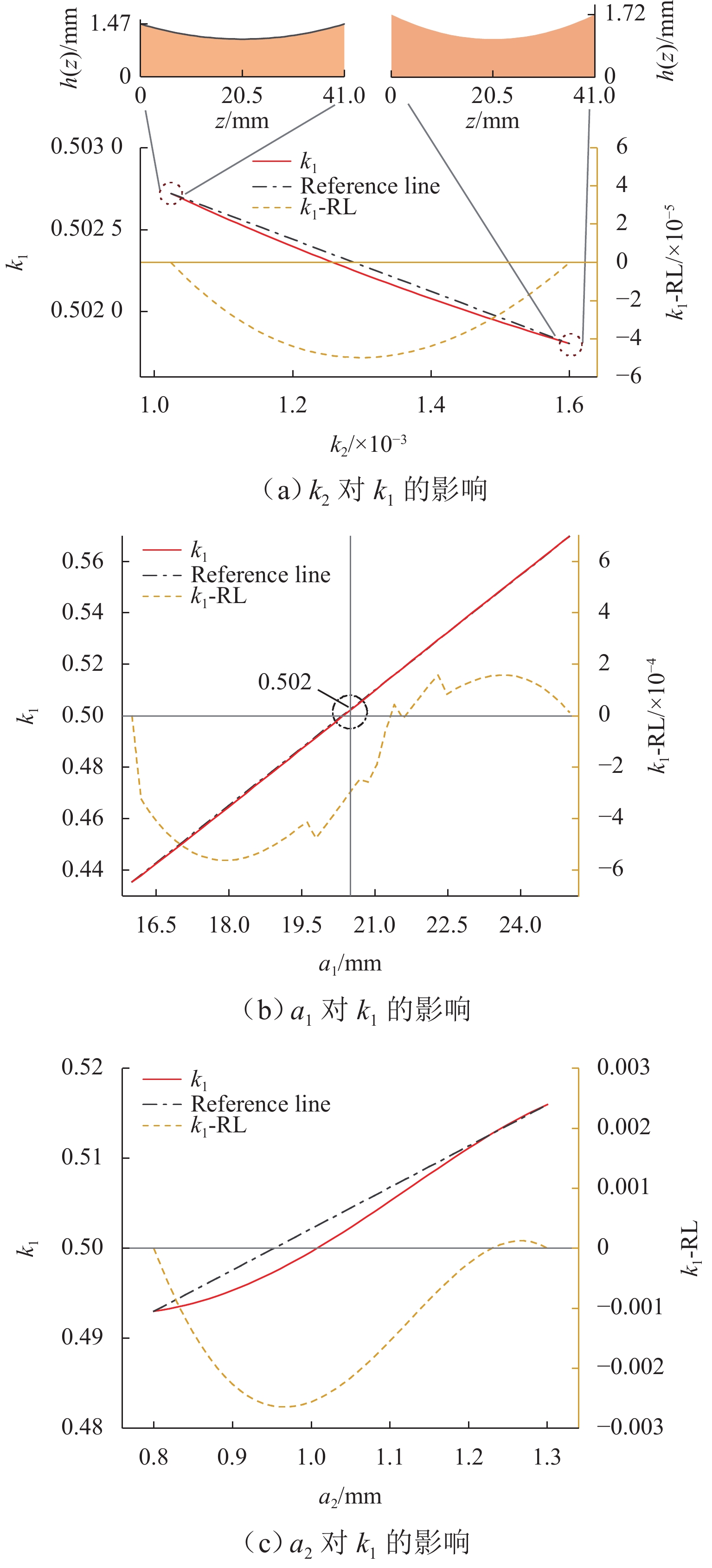
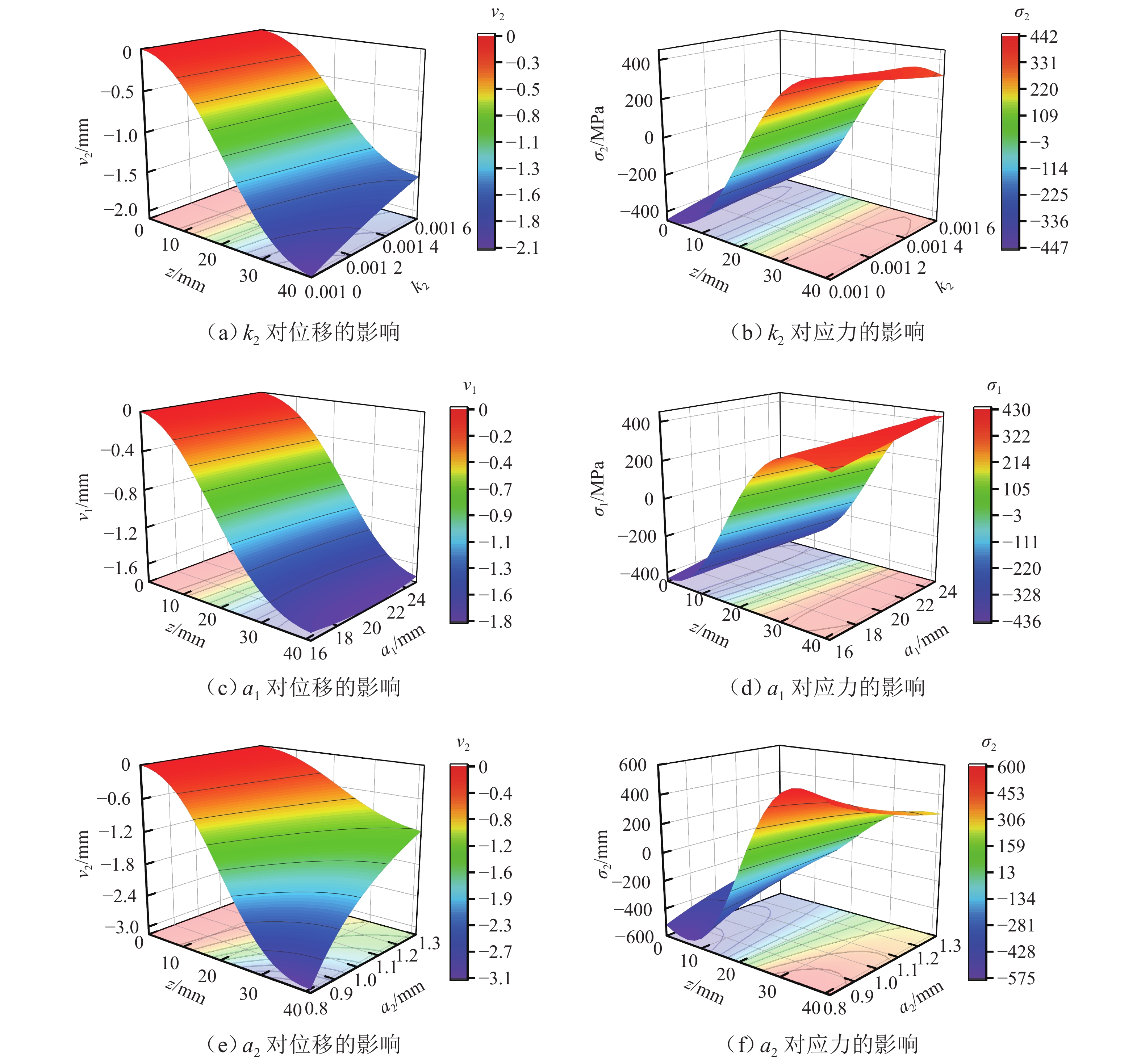
图 7 k2、a1、a2对k1的影响
Figure 7. Effect of k2, a1, and a2 on bending moment distribution coefficient k1
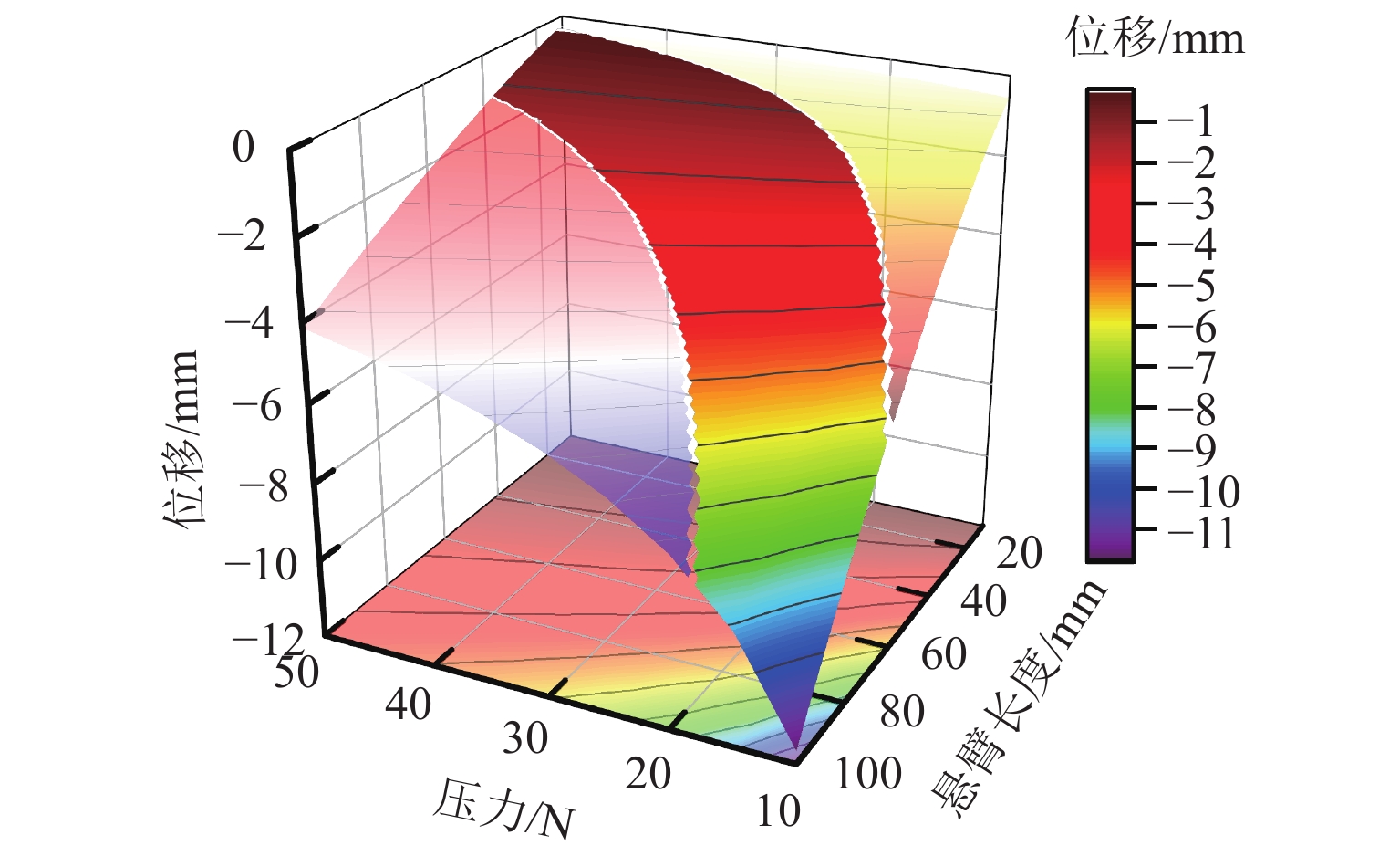
图 9 σmax为450 MPa时,L、Fo、νo之间的关系
Figure 9. Relationship among L, Fo, and νo at σmax = 450 MPa
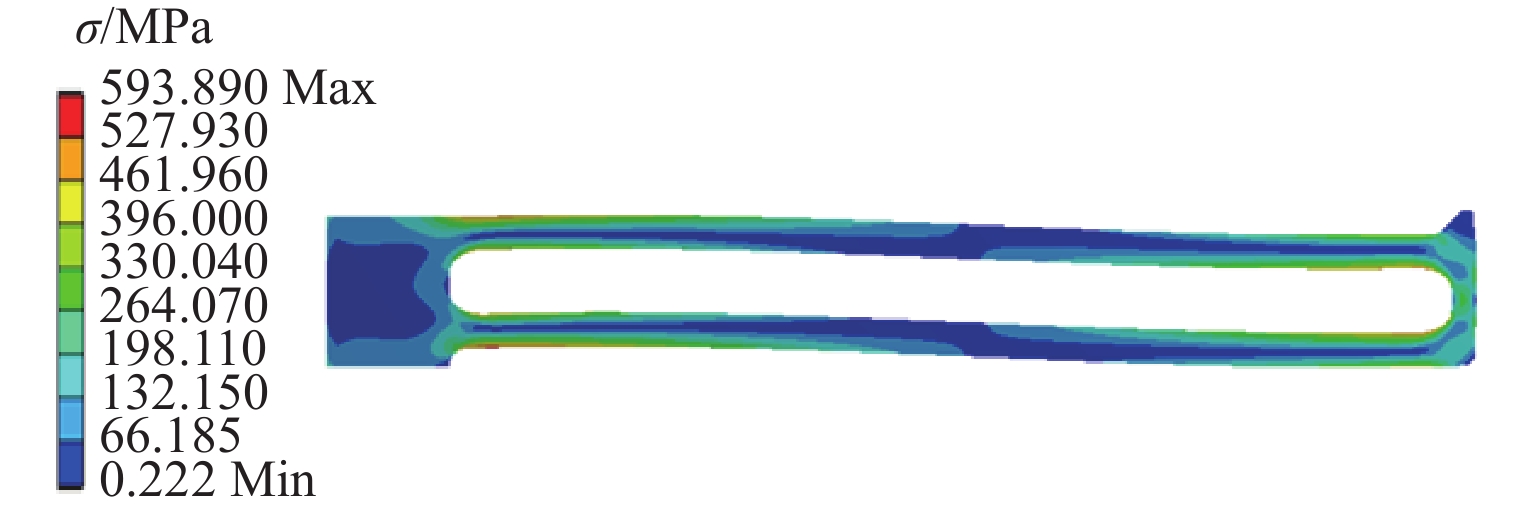
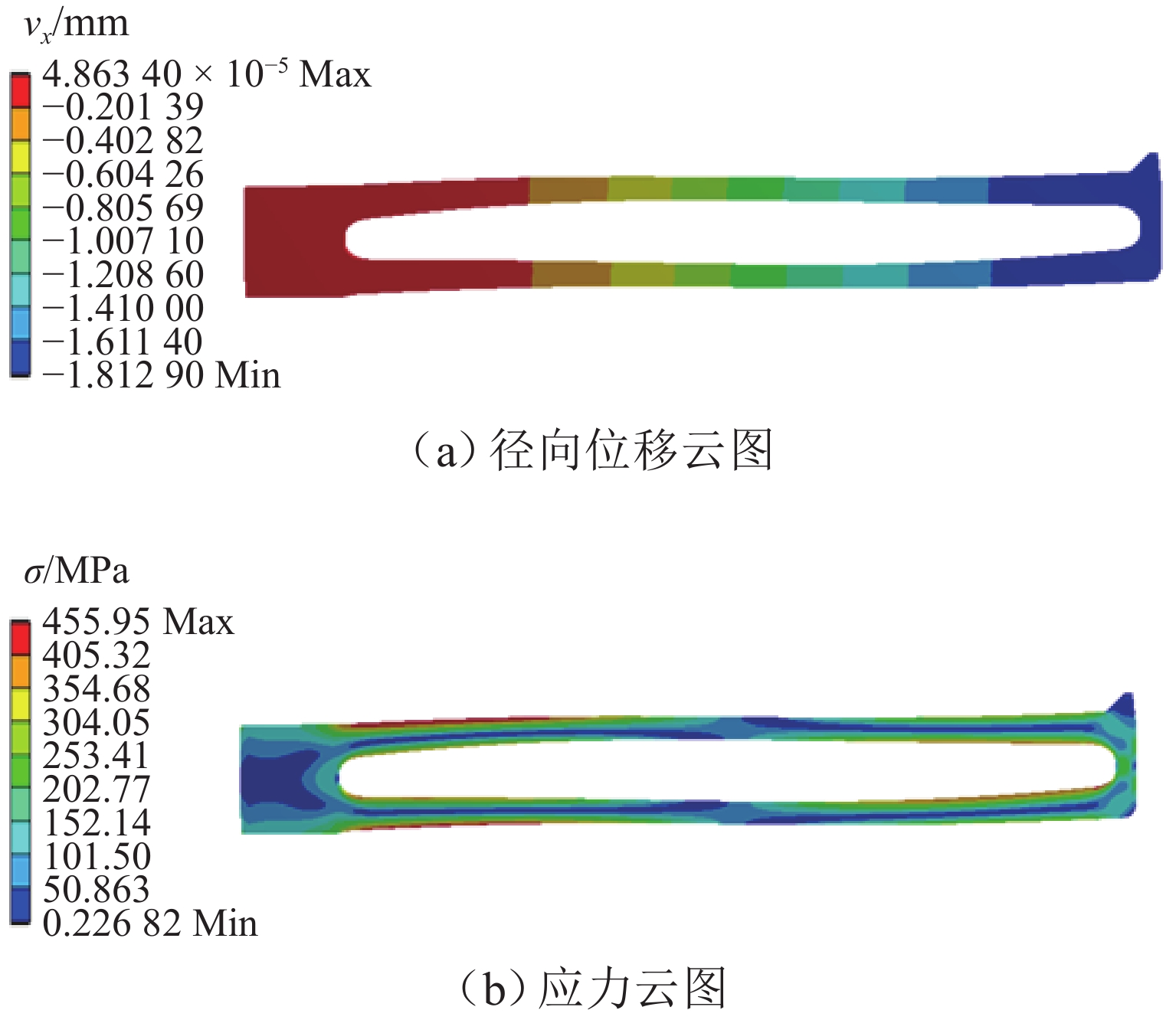
图 4 负载31 N、位移1.8 mm条件下的应力云图,σ (MPa)
Figure 4. Stress distribution under 31 N load and 1.8 mm deflection, σ (MPa)
表 1 仿真参数
Table 1. Simulation parameters
参数 数值 L/mm 41 b/mm 2 B/mm 4 F/N 31 k2 0.0014304 a1/mm 20.784 a2mm 1.0208 νo/mm 1.8  下载: 导出CSV
-
[1] 吴伟仁, 于登云. 深空探测发展与未来关键技术[J]. 深空探测学报, 2014, 1(1): 5-17. doi: 10.15982/j.issn.2095-7777.2014.01.003Wu Weiren, Yu Dengyun. Development of deep space exploration and its future key technologies[J]. Journal of Deep Space Exploration, 2014, 1(1): 5-17. doi: 10.15982/j.issn.2095-7777.2014.01.003 [2] 新华社. 中国载人登月初步方案公布计划2030年前实现登月开展科学探索. 2023. [3] 刘益清等. 极端环境下月球建筑设计问题研究. 世界建筑, 2023(11): 第90-95页. [4] 郭弟均, 刘建忠, 张莉, 等. 月球地质年代学研究方法及月面历史划分[J]. 地学前缘, 2014, 21(6): 45-61. doi: 10.13745/j.esf.2014.06.006Guo Dijun, Liu Jianzhong, Zhang Li, et al. The methods of lunar geochronology study and the subdivisions of lunar geologic history[J]. Earth Science Frontiers, 2014, 21(6): 45-61. doi: 10.13745/j.esf.2014.06.006 [5] Wang C, Jia Y Z, Xue C B, et al. Scientific objectives and payload configuration of the Chang’E-7 mission[J]. National Science Review, 2024, 11(2): nwad329. doi: 10.1093/nsr/nwad329 [6] 谷渊涛, 杨瑞洪, 耿焕, 等. 月壤样品研究进展[J]. 科学通报, 2022, 67(14): 1579-1596. doi: 10.1360/TB-2021-1039Gu Yuantao, Yang Ruihong, Geng Huan, et al. Geological processes and products recorded in lunar soils: a review[J]. Chinese Science Bulletin, 2022, 67(14): 1579-1596. doi: 10.1360/TB-2021-1039 [7] Lu X J, Chen J, Ling Z C, et al. Mature lunar soils from Fe-rich and young mare basalts in the Chang’e-5 regolith samples[J]. Nature Astronomy, 2022: 142-151. [8] 刘荣强, 史创, 郭宏伟, 等. 空间可展开天线机构研究与展望[J]. 机械工程学报, 2020, 56(5): 1-12. doi: 10.3901/JME.2020.05.001Liu Rongqiang, Shi Chuang, Guo Hongwei, et al. Review of space deployable antenna mechanisms[J]. Journal of Mechanical Engineering, 2020, 56(5): 1-12. doi: 10.3901/JME.2020.05.001 [9] Russo A, Barakali B, Kitsu K I, et al. Origami-inspired self-deployable reflectarray antenna[J]. Acta Astronautica, 2023, 213: 240-251. doi: 10.1016/j.actaastro.2023.08.007 [10] Chu Z R, Deng Z Q, Qi X Z, et al. Modeling and analysis of a large deployable antenna structure[J]. Acta Astronautica, 2014, 95: 51-60. doi: 10.1016/j.actaastro.2013.10.015 [11] Lu R C, Gao H B, Liu Z, et al. Design and analysis of a high-speed planetary rover with an adaptive suspension and spring damper[J]. Acta Astronautica, 2023, 211: 827-843. doi: 10.1016/j.actaastro.2023.07.019 [12] Zou M, Zhu J Z, Wang K, et al. Design and mechanical behavior evaluation of flexible metal wheel for crewed lunar rover[J]. Acta Astronautica, 2020, 176: 69-76. doi: 10.1016/j.actaastro.2020.06.010 [13] Gligor D, Peromingo C, Salgado Sánchez P, et al. Sloshing mitigation in microgravity with moving baffles[J]. Acta Astronautica, 2024, 219: 639-652. doi: 10.1016/j.actaastro.2024.03.047 [14] Li Y Y, Wang Z L, Wang C, et al. Effects of torque spring, CCL and latch mechanism on dynamic response of planar solar arrays with multiple clearance joints[J]. Acta Astronautica, 2017, 132: 243-255. doi: 10.1016/j.actaastro.2016.12.032 [15] Feng Y M, Liu H P, Luo A N, et al. Motion analysis of bending bar tensegrity robot[J]. Journal of Aerospace Engineering, 2024, 37(5): 04024058. doi: 10.1061/JAEEEZ.ASENG-5543 [16] Ren M F, Ma J, Chen J B, et al. Design of three-phalange underactuated end tool for the Chinese space station[J]. Journal of Aerospace Engineering, 2025, 38(4): 04025039. doi: 10.1061/JAEEEZ.ASENG-5998 [17] Liu M, Zhang X M, Fatikow S. Design of flexure hinges based on stress-constrained topology optimization[J]. Proceedings of the Institution of Mechanical Engineers, Part C: Journal of Mechanical Engineering Science, 2017, 231(24): 4635-4645. doi: 10.1177/0954406216671346 [18] Berselli G, Meng Q L, Vertechy R, et al. An improved design method for the dimensional synthesis of flexure-based compliant mechanisms: optimization procedure and experimental validation[J]. Meccanica, 2016, 51(5): 1209-1225. doi: 10.1007/s11012-015-0276-z [19] Liu C H, Hsu M C, Chen T L, et al. Optimal design of a compliant constant-force mechanism to deliver a nearly constant output force over a range of input displacements[J]. Soft Robotics, 2020, 7(6): 758-769. doi: 10.1089/soro.2019.0122 [20] Tawhid M A, Savsani V. ∊-constraint heat transfer search (∊-HTS) algorithm for solving multi-objective engineering design problems[J]. Journal of Computational Design and Engineering, 2018, 5(1): 104-119. [21] Yue Y X, Wang X H, Gu H R, et al. Mission architecture analysis for manned NEA exploration using MAM method[J]. Acta Astronautica, 2020, 168: 256-272. doi: 10.1016/j.actaastro.2019.12.007 [22] 姜生元, 唐钧跃, 孙凤, 等. 一种螺旋传动接续式星壤原位采样封装器: CN202211592310.8[P]. 2025-06-13. [23] Horányi M, Szalay J R, Wang X. The lunar dust environment: concerns for Moon-based astronomy[J]. Philosophical Transactions of the Royal Society A: Mathematical, Physical and Engineering Sciences, 2024, 382(2271): 20230075. doi: 10.1098/rsta.2023.0075 -

 下载:

 点击查看大图
计量
- 文章访问数: 2
- HTML全文浏览量: 2
- PDF下载量: 3
- 被引次数: 0